Alcatraz Island: The Rock's Enduring Allure
Explore the infamous former prison island in the heart of San Francisco Bay, where notorious criminals were once confined and Native American activists made a stand for justice.
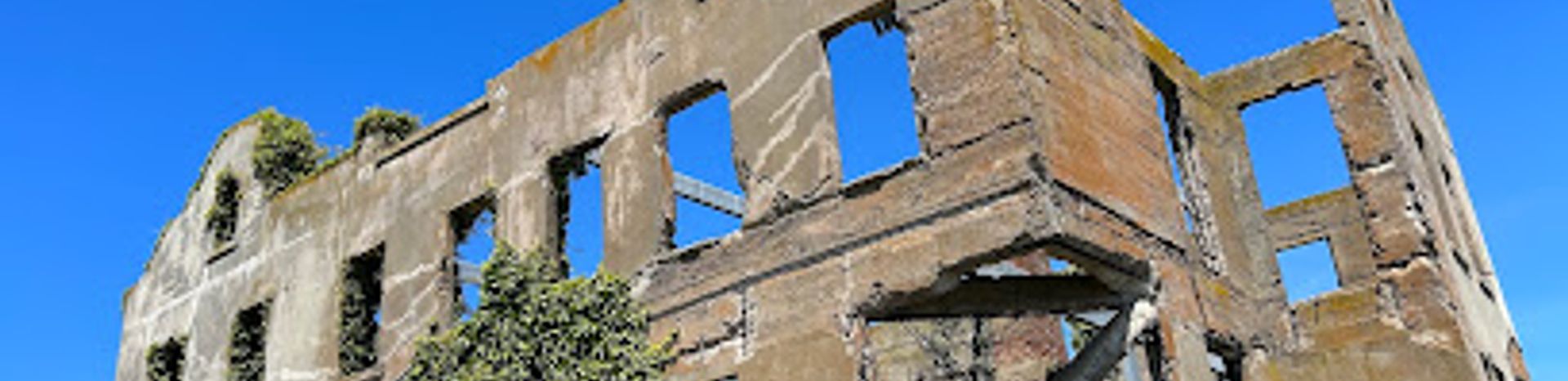
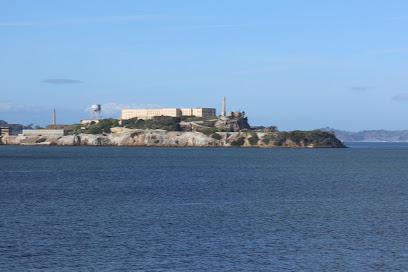
Alcatraz Island, a small island in the middle of San Francisco Bay, is a historical landmark offering a unique glimpse into American history. From its origins as a military fortress and prison to its infamous stint as a federal penitentiary housing some of America's most notorious criminals, Alcatraz has captivated the world. Today, visitors can explore the cell house, wander through the gardens, and learn about the island's layered past through exhibits and audio tours. The journey to Alcatraz begins with a ferry ride offering stunning views of the San Francisco skyline, Golden Gate Bridge and the surrounding bay, making it a must-see destination for anyone visiting the area. Be sure to book tickets well in advance!
A brief summary to Alcatraz Island
- San Francisco, California, 94133, US
- +1415-561-4900
- Visit website
Local tips
- Book your ferry tickets well in advance, especially during peak season, as they often sell out weeks or even months ahead of time.
- Dress in layers, as the weather on Alcatraz can be unpredictable and change quickly. A light jacket or sweater is recommended, even on sunny days.
- Wear comfortable walking shoes with good grip, as the island has steep inclines and uneven surfaces.
- Take advantage of the award-winning audio tour of the cell house, available in multiple languages, to learn about the prison's history and the lives of its inmates.
- Allow at least 2.5 to 3 hours for your visit to fully explore the island and its exhibits.

Getting There
-
Public Transport
From anywhere in San Francisco, the most convenient way to reach Alcatraz Landing at Pier 33 is via public transportation. The Muni F Line streetcar runs along Market Street and The Embarcadero, stopping directly at Pier 33. A single ride on Muni costs approximately $3, payable with cash, Clipper card, or the MuniMobile app.
-
Taxi/Ride-Share
Taxis and ride-sharing services (Uber/Lyft) are readily available throughout San Francisco. A taxi or ride-share from Union Square to Pier 33 will typically cost between $15 and $25, depending on traffic. Be sure to specify 'Pier 33 Alcatraz Landing' as your destination.
-
Driving
If driving, be aware that there is no parking available at Pier 33. Several commercial parking lots are located within a few blocks of Alcatraz Landing, but rates can vary significantly. Expect to pay between $30 and $50 for parking during a typical 3-hour visit. Consider parking further away from Fisherman's Wharf and taking public transportation for a more economical option. An 'Accessibility Drop Off Zone' is located at the entrance to Alcatraz City Cruises - Pier 33 for visitors with special needs arriving by automobile.
-
Ferry
The final step to reach Alcatraz Island is the Alcatraz City Cruises ferry. Round-trip ferry tickets are required to visit the island and include the cell house audio tour. Adult tickets typically cost around $46, with discounts available for seniors and children. Purchase tickets in advance online or by phone, as they often sell out. The ferry departs from Pier 33 and the ride to the island is approximately 15 minutes.
Discover more about Alcatraz Island
Iconic landmarks you can’t miss

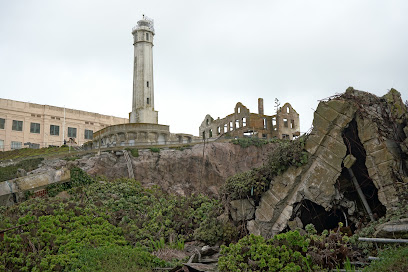
Alcatraz Lighthouse
0.1 km
Discover the historic Alcatraz Lighthouse, the first beacon on the West Coast, offering a glimpse into maritime history and stunning views of San Francisco Bay from the infamous Alcatraz Island.
Eureka Steamboat
2.0 km
Explore the historic Eureka Steamboat in San Francisco, a symbol of maritime heritage and a fascinating tourist attraction on the Bay.
C.A. Thayer
2.0 km
Discover the C.A. Thayer, a historic wooden schooner in San Francisco, offering a deep dive into maritime history and the legacy of seafaring.
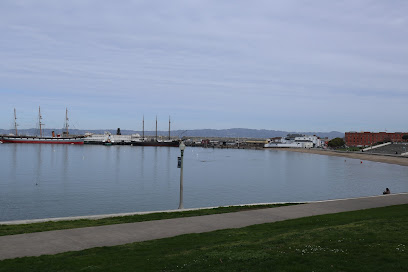
1890 San Francisco Bay Ark
2.1 km
Discover the San Francisco Bay Ark at Fisherman's Wharf: Step back in time and explore a unique piece of maritime history, showcasing early 20th-century houseboat living.
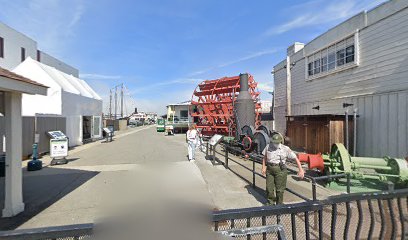
Black Point
2.1 km
Experience the historical allure and stunning vistas of Black Point, a premier tourist attraction in San Francisco's Fort Mason.
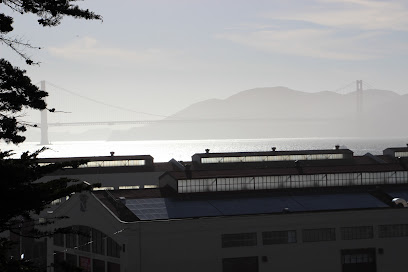
2905 Hyde St
2.1 km
Experience the historic charm of 2905 Hyde St in San Francisco's iconic Fisherman's Wharf, where stunning views and rich maritime history await.
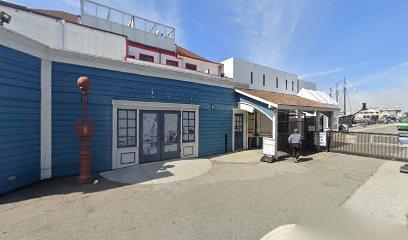
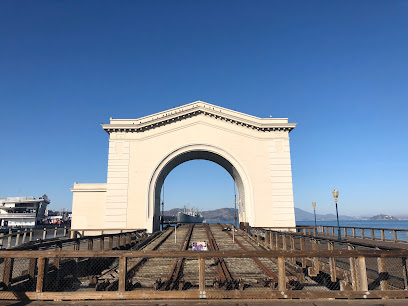
Pier 43 Ferry Arch
2.1 km
Explore the historic Pier 43 Ferry Arch in San Francisco, a captivating landmark where stunning bay views meet rich maritime history.
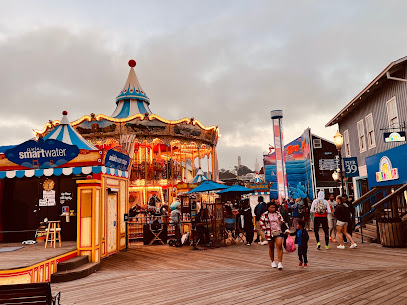
Fisherman's Wharf
2.2 km
Experience San Francisco's iconic waterfront: fresh seafood, playful sea lions, historic ships, and stunning bay views await at Fisherman's Wharf.
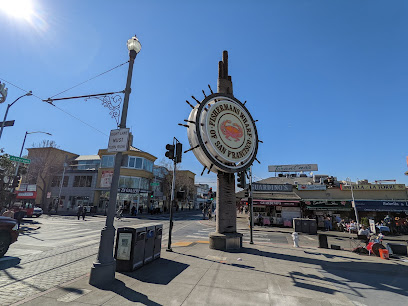
Fisherman’s Wharf Sign
2.2 km
Discover the iconic Fisherman’s Wharf Sign, a historical landmark in San Francisco that captures the essence of the city’s vibrant waterfront culture.
Site of John C Frémont and Jessie Benton Frémont home
2.2 km
Explore the former home site of John and Jessie Frémont within Fort Mason, offering stunning views and a glimpse into their influential lives during a pivotal era in American history.
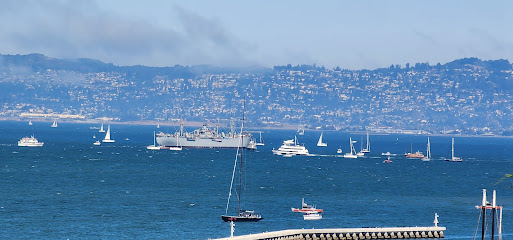
California Historical Landmark 236: First Ship into San Francisco Bay
2.2 km
Explore the historical significance of California Historical Landmark 236, the first ship's entry point to San Francisco Bay, with stunning scenic views.
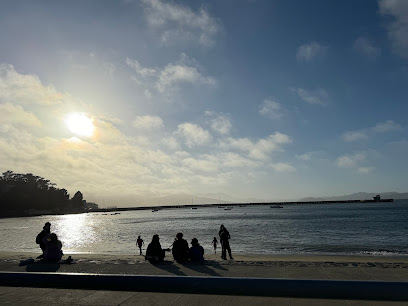
Black Point Historic Gardens
2.2 km
Discover a hidden oasis in San Francisco's Fort Mason: Black Point Historic Gardens, where stunning bay views meet a rich tapestry of history and natural beauty.
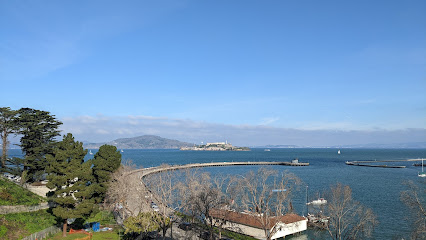
San Francisco Maritime National Historical Park
2.3 km
Discover the maritime heritage of San Francisco at the San Francisco Maritime National Historical Park, featuring historic ships, stunning views, and educational exhibits.
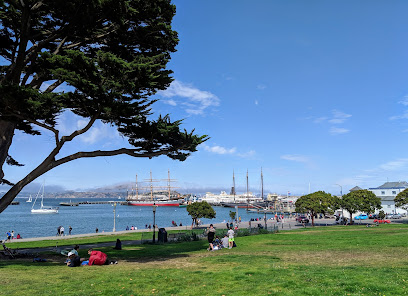
Maritime Museum
2.3 km
Discover San Francisco's maritime heritage at the Maritime Museum, a fascinating journey through nautical history with stunning bay views.
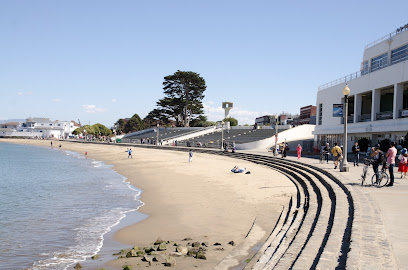
PIER 39
2.3 km
Experience the best of San Francisco at PIER 39, where shopping, dining, and stunning views come together in a vibrant waterfront setting.
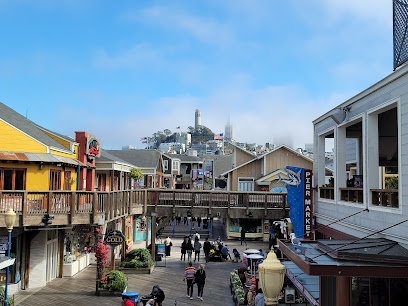
Unmissable attractions to see

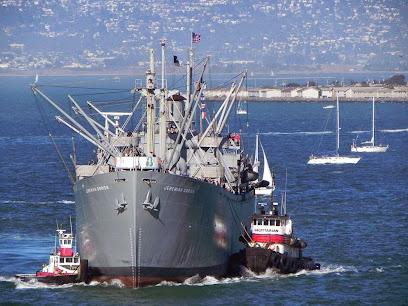
SS Jeremiah O'Brien
1.8 km
Discover the SS Jeremiah O'Brien, a historic Liberty Ship in San Francisco, offering a unique glimpse into maritime history and World War II.
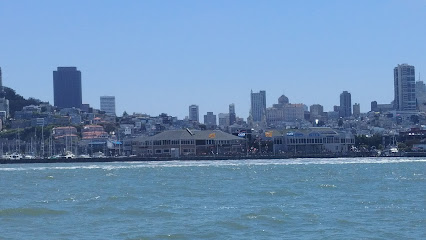
Fishermans Wharf
1.9 km
Experience San Francisco's vibrant waterfront at Fisherman's Wharf: seafood, sea lions, and stunning bay views await!
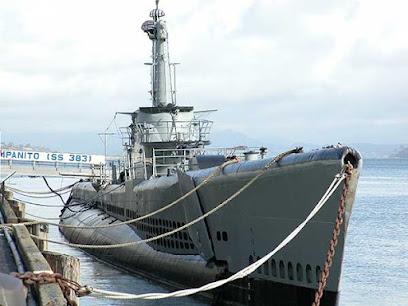
USS Pampanito Museum and Memorial
2.0 km
Discover the rich history of the USS Pampanito, a World War II submarine turned museum, at San Francisco's iconic Pier 45.
Scoma's Restaurant
2.0 km
Experience San Francisco's maritime history at Scoma's, a Fisherman's Wharf landmark since 1965, serving fresh, sustainable seafood with stunning waterfront views and a commitment to community.
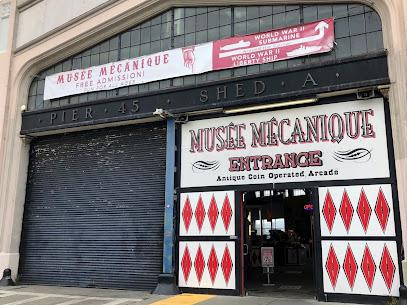
Musée Mécanique
2.1 km
Explore the whimsical Musée Mécanique at Pier 45, where vintage arcade games and mechanical wonders await in San Francisco's Fisherman’s Wharf.
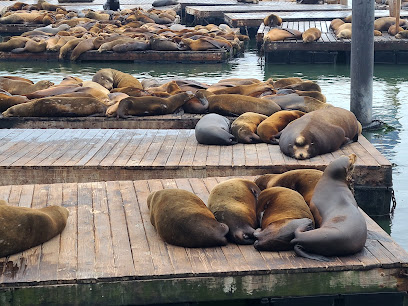
Sea Lion Viewing Area
2.1 km
Experience the charm of playful sea lions at Pier 39, a picturesque attraction in San Francisco's Fisherman's Wharf, with stunning bay views.
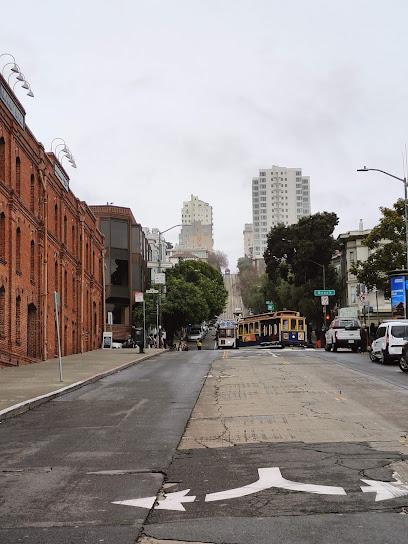
Hyde Street Pier
2.1 km
Explore San Francisco's Hyde Street Pier, a historical landmark filled with classic ships and rich maritime heritage, offering stunning bay views.
The San Francisco Sailing Company
2.1 km
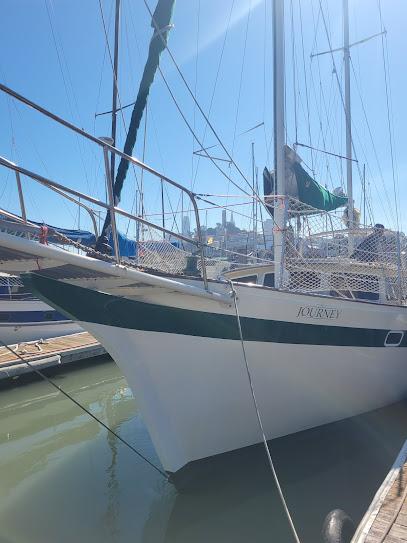
Experience the breathtaking beauty of San Francisco Bay with sailing adventures from The San Francisco Sailing Company at Pier 39.
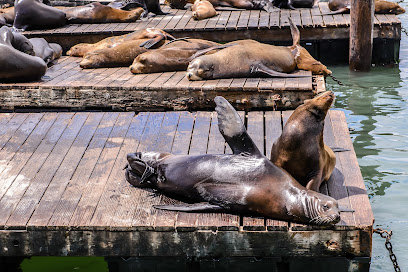
Sea Lions
2.1 km
Discover the charming sea lions at Fisherman's Wharf, a must-see attraction in San Francisco for marine life enthusiasts and tourists alike.
Red and White Fleet San Francisco Bay Cruises
2.1 km
Discover the beauty of San Francisco Bay with Red and White Fleet Cruises, an unforgettable journey showcasing iconic landmarks and stunning views.

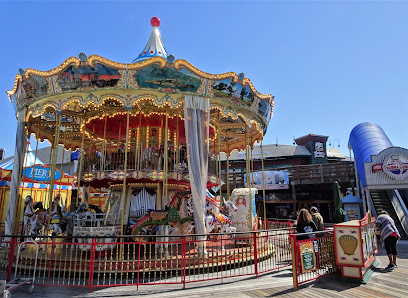
San Francisco Carousel at Pier 39
2.1 km
Experience the magic of childhood at the San Francisco Carousel at Pier 39, where joy and nostalgia meet stunning bay views.
Essential places to dine

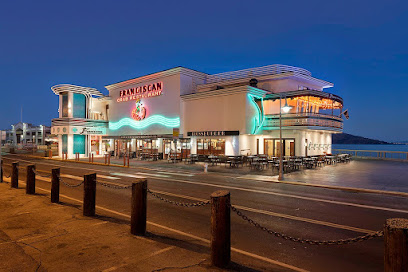
Franciscan Crab Restaurant
2.1 km
Discover exquisite seafood dining with breathtaking bay views at Franciscan Crab Restaurant in Fisherman's Wharf.
The Stinking Rose A Garlic Fish House
2.1 km
Experience exquisite garlic-infused seafood at The Stinking Rose A Garlic Fish House in San Francisco's Fisherman's Wharf.
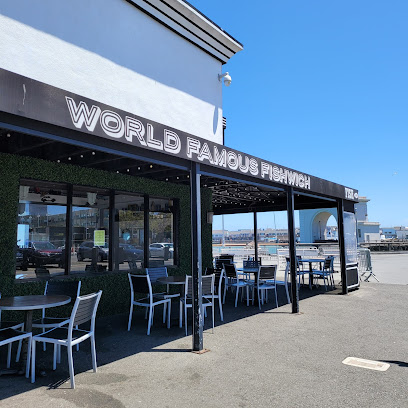
Cioppino's
2.1 km
Experience fresh seafood delights at Cioppino's - A family-friendly Italian restaurant located at Fisherman's Wharf in San Francisco.
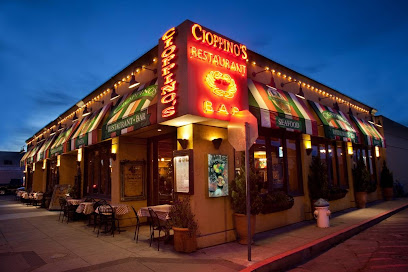
Capurro's Restaurant
2.1 km
Discover Capurro's Restaurant at Fisherman's Wharf - where fresh seafood meets Italian flair in an unforgettable dining experience.
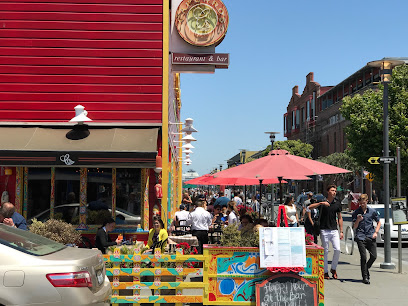
Pier Market Seafood Restaurant
2.2 km
Experience fresh seafood delights with stunning bay views at Pier Market Seafood Restaurant in San Francisco's iconic Fisherman's Wharf.
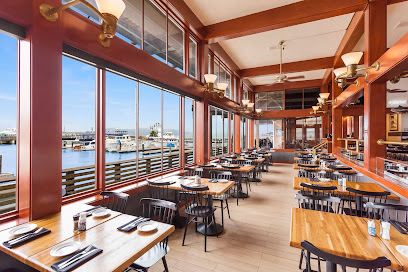
Crab House at Pier 39
2.2 km
Discover fresh seafood delights at Crab House at Pier 39 in San Francisco's iconic Fisherman's Wharf with stunning bay views.
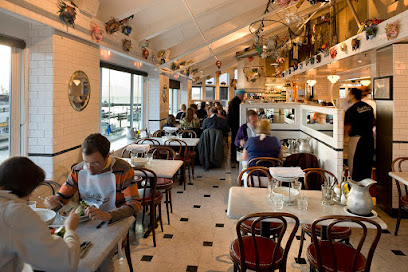
Fog Harbor Fish House
2.3 km
Experience the freshest seafood with stunning views at Fog Harbor Fish House in Fisherman's Wharf.
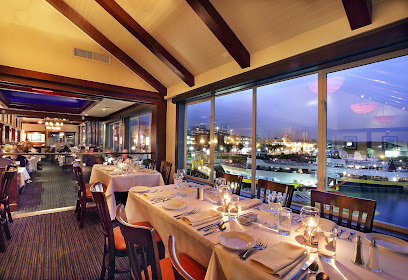
Wipeout Bar & Grill
2.3 km
Experience Californian flavors at Wipeout Bar & Grill on Pier 39—delicious food, stunning views, and unforgettable moments await you.
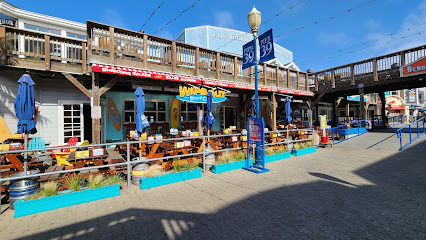
Surisan
2.3 km
Discover Surisan: Where Korean flavors meet brunch classics in San Francisco's scenic Fisherman's Wharf.
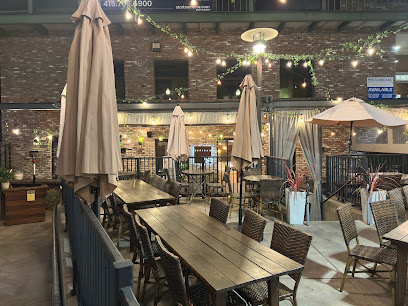
Eagle Cafe
2.3 km
Experience delightful seafood and breakfast dishes at Eagle Cafe in San Francisco's iconic Pier 39 with stunning bay views.
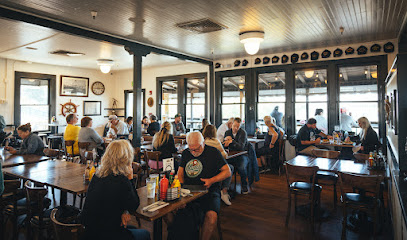
Gary Danko
2.4 km
Discover the culinary masterpiece of Gary Danko in San Francisco - where exquisite flavors meet unparalleled service.
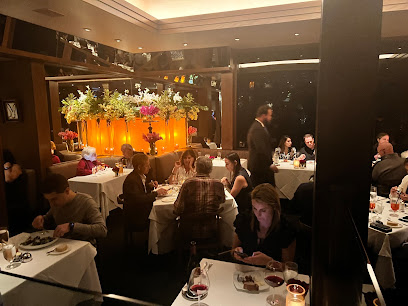
Fior d'Italia
2.7 km
Discover Fior d'Italia: A historic Italian restaurant in San Francisco's North Beach offering authentic cuisine and an inviting atmosphere.
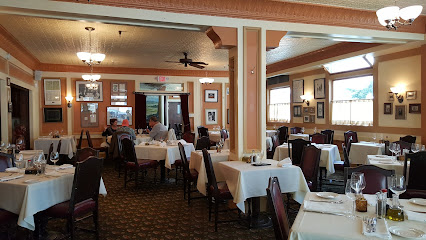
Original Joe's
3.2 km
Discover authentic Italian-American cuisine at Original Joe's in North Beach – where history meets flavor in every dish.
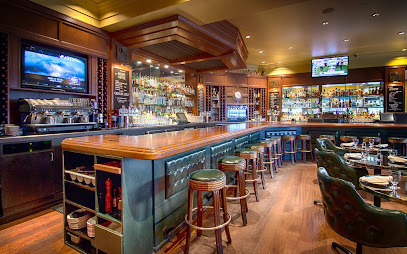
Red Window
3.2 km
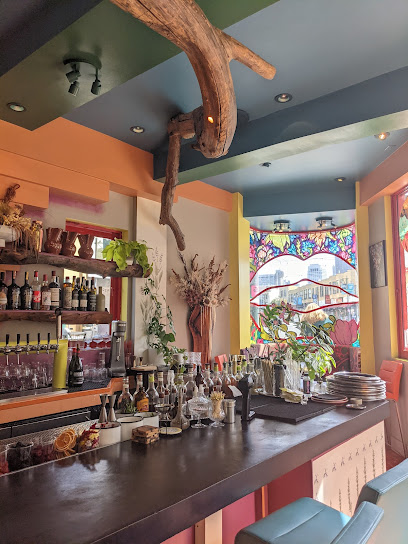
Discover Red Window: A delightful European-inspired bar in San Francisco's North Beach offering tapas, cocktails, and a charming beer garden.
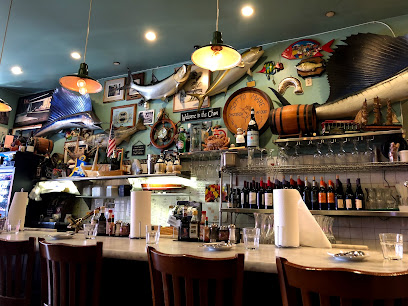
Sotto Mare
3.3 km
Discover Sotto Mare: Where Fresh Seafood Meets Authentic Italian Flavors in San Francisco's North Beach.
Markets, malls and hidden boutiques

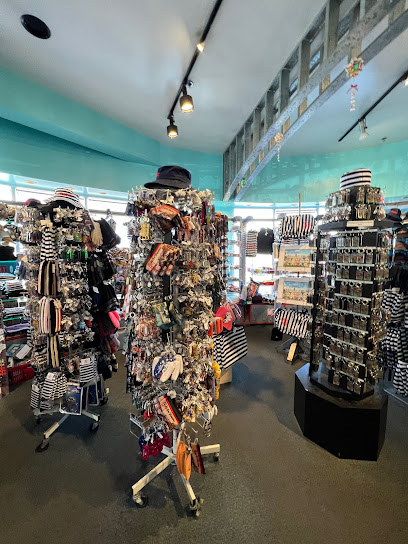
Ess Eff Gift Shop (Inside)
2.1 km
Discover unique souvenirs and local crafts at Ess Eff Gift Shop, a charming destination in San Francisco's Fisherman's Wharf.
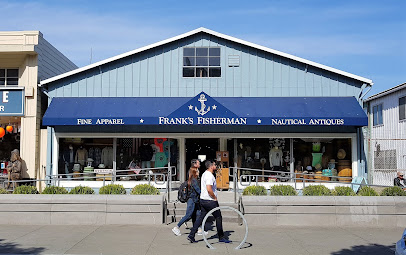
Frank's Fisherman
2.1 km
Discover unique gifts and antiques at Frank's Fisherman, a charming shop in San Francisco's Fisherman's Wharf, perfect for souvenirs and stylish finds.
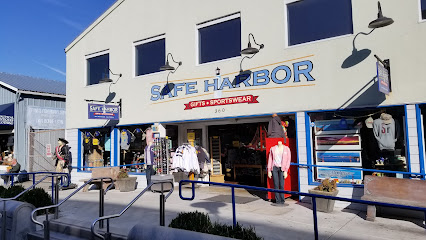
Safe Harbor
2.1 km
Explore Safe Harbor, a charming souvenir store in San Francisco's Fisherman's Wharf, offering unique treasures and local art to celebrate your visit.
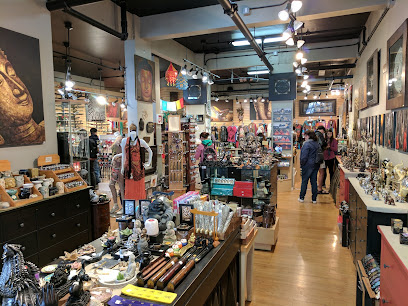
Enlightenment
2.2 km
Explore Enlightenment Gift Shop at Pier 39 for unique South Asian treasures and memorable souvenirs in San Francisco.
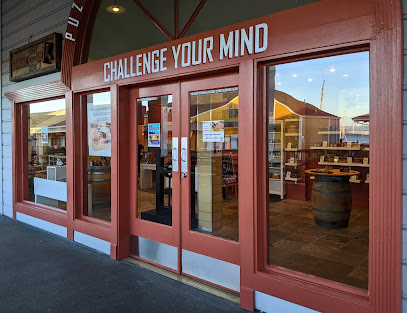
Solve It! Think out of the box
2.2 km
Discover the ultimate game store in San Francisco's Fisherman's Wharf, offering a brilliant selection of puzzles, toys, and family-friendly activities.
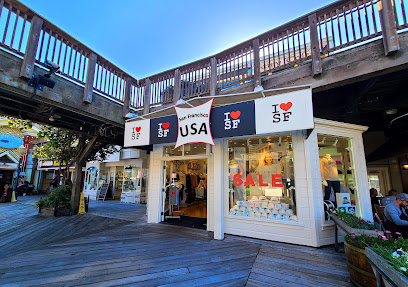
I Love SF
2.2 km
Discover unique San Francisco souvenirs at I Love SF, a vibrant gift shop showcasing the spirit of the city in every treasure.
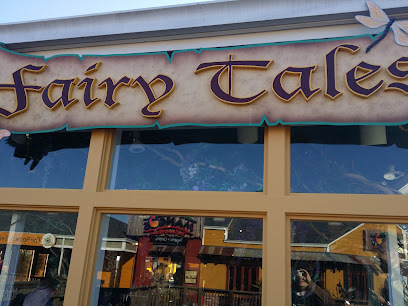
Fairy Tales
2.2 km
Explore the whimsical world of Fairy Tales Gift Shop at Pier 39, San Francisco, where magic and creativity come to life in enchanting souvenirs.
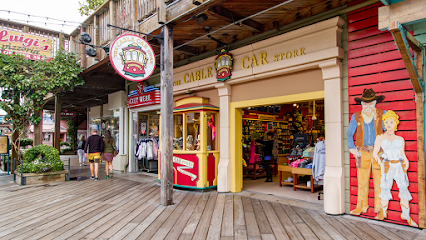
The Cable Car Store
2.2 km
Explore San Francisco's charm at The Cable Car Store, your go-to destination for unique souvenirs and gifts celebrating the city's iconic culture.
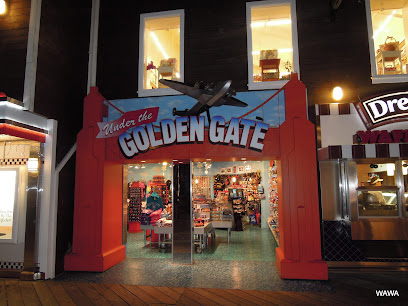
Under the Golden Gate
2.3 km
Explore Under the Golden Gate, a vibrant gift shop at Pier 39 offering unique souvenirs and local crafts in the heart of San Francisco.
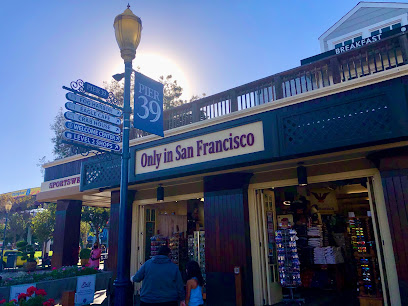
Only In San Francisco
2.3 km
Discover unique souvenirs and local artisan crafts at Only In San Francisco, the perfect gift shop to capture your travel memories.
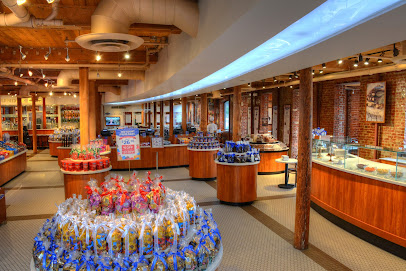
Ghirardelli Chocolate Experience
2.3 km
Discover the sweet legacy of Ghirardelli at the Chocolate Experience, where every bite takes you on a delicious journey through San Francisco's rich chocolate heritage.
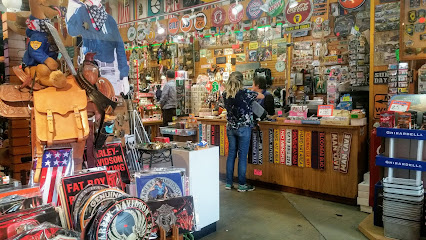
Route 66
2.3 km
Discover Route 66: A charming general store in San Francisco's Fisherman's Wharf, offering unique souvenirs and local treasures that capture the spirit of the city.
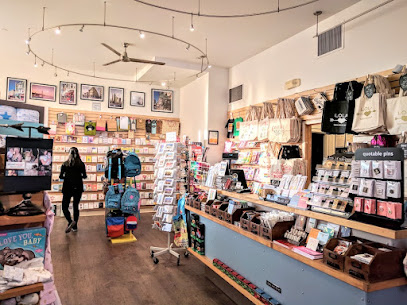
Lola of North Beach
2.3 km
Explore Lola of North Beach, a charming gift shop in San Francisco, offering unique souvenirs and treasures that embody the spirit of the city.
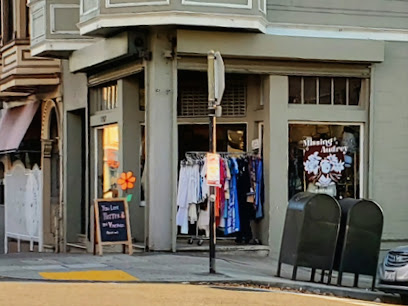
Missing Audrey Vintage
3.0 km
Explore the eclectic world of fashion at Missing Audrey Vintage, where unique vintage clothing and accessories await in vibrant North Beach, San Francisco.
Vacation
3.2 km
Explore San Francisco's retro charm at a vintage clothing store filled with unique fashion finds and timeless treasures.
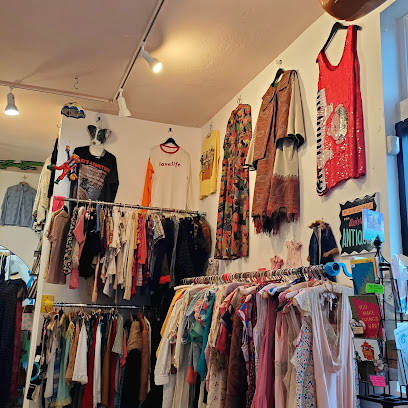
Essential bars & hidden hideouts

Luau Lounge
2.1 km
Savor tropical flavors and stunning views at Luau Lounge, a vibrant restaurant at Pier 39, San Francisco.
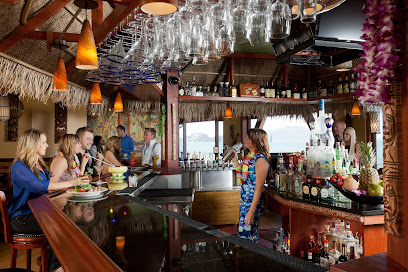
Players Sports Grill & Arcade
2.1 km
Experience the ultimate blend of food, drinks, and arcade fun at Players Sports Grill & Arcade in Fisherman's Wharf, San Francisco.
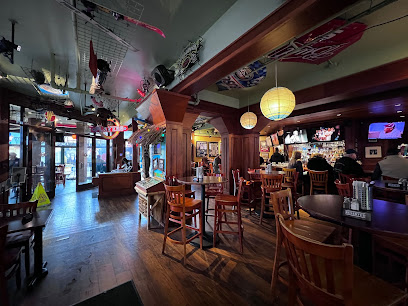
The Socialite Crafthouse & Kitchen
2.2 km
Discover the vibrant flavors of San Francisco at The Socialite Crafthouse & Kitchen, a brewpub where craft beer meets delicious cuisine.
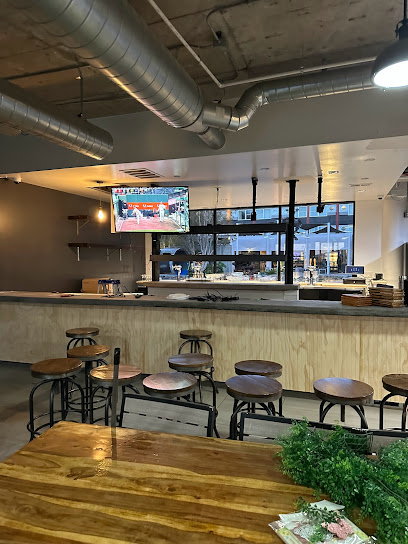
Hard Rock Cafe
2.3 km
Savor classic American cuisine amidst iconic rock music memorabilia at Hard Rock Cafe San Francisco, a vibrant dining experience at Fisherman’s Wharf.
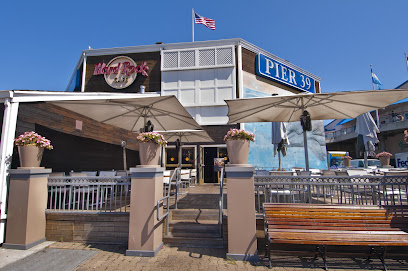
Northpoint Craft Cocktails - Local Brews
2.4 km
Experience the best of San Francisco's cocktail culture at Northpoint Craft Cocktails, featuring local brews and inventive mixology in a cozy setting.
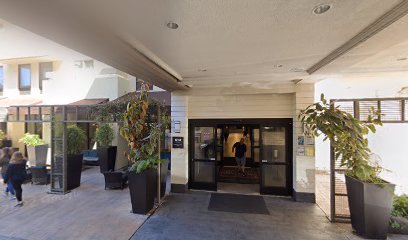
The Interval at Long Now
2.4 km
Discover The Interval at Long Now: a San Francisco cocktail bar that fuses mixology with thought-provoking exhibits, perfect for curious travelers.
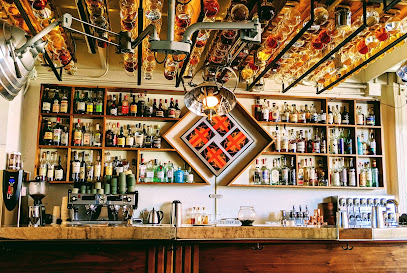
Red Jack Saloon
2.6 km
Discover the lively bar scene at Red Jack Saloon, a Fisherman's Wharf gem offering great drinks and a vibrant atmosphere in San Francisco.
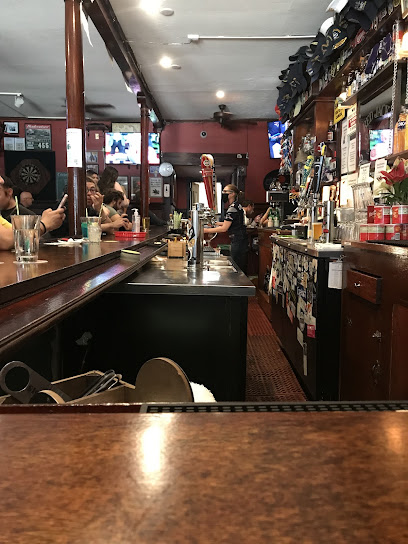
Sweetie's Art Bar
2.6 km
Experience the artistic vibe and creative cocktails at Sweetie's Art Bar, a beloved local bar in the heart of San Francisco's North Beach.
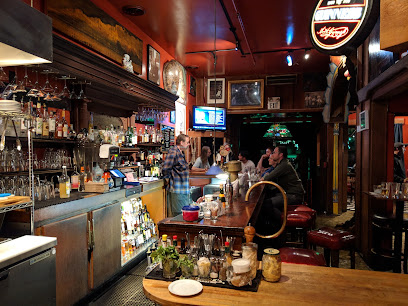
Bodega North Beach
3.0 km
Discover Bodega North Beach, your go-to wine bar in San Francisco's North Beach, offering a curated selection of wines and a warm, inviting atmosphere.
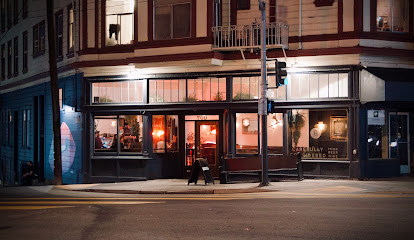
Bar Iris
3.2 km
Discover the vibrant fusion of cocktails and Japanese cuisine at Bar Iris, a must-visit culinary gem in San Francisco's Polk Gulch.
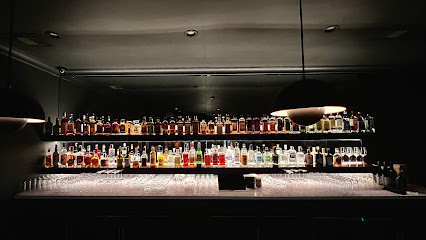
Tony Nik's CAFE
3.2 km
Discover the vibrant nightlife at Tony Nik's CAFE, a beloved bar in San Francisco's North Beach, perfect for unwinding after a day of sightseeing.
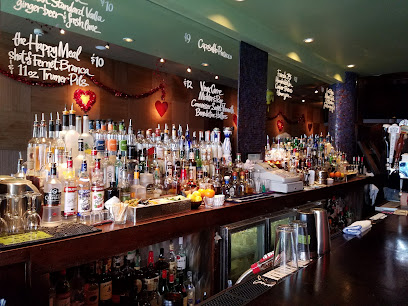
Gino & Carlo
3.3 km
Experience the lively spirit of San Francisco at Gino & Carlo, a sports bar in North Beach known for its friendly atmosphere and diverse drink selection.
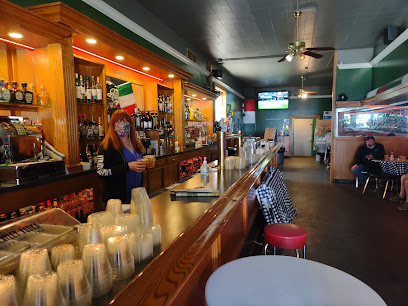
Maggie McGarry's
3.3 km
Discover the vibrant spirit of Irish culture at Maggie McGarry's, a beloved pub in San Francisco's North Beach, offering delicious food and lively entertainment.
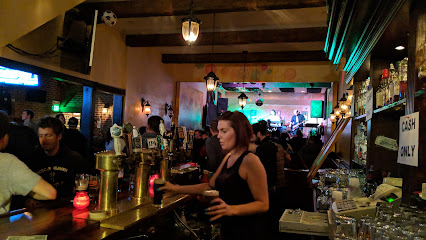
The Showdown
3.4 km
Discover the vibrant nightlife at The Showdown, a perfect blend of beer hall and casual dive bar in San Francisco’s North Beach.
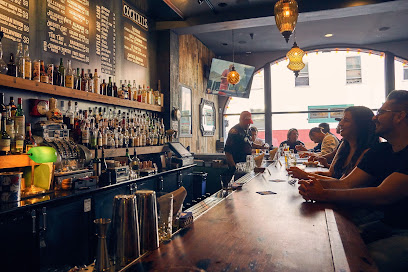
The Saloon
3.5 km
Experience the lively spirit of San Francisco at The Saloon, North Beach's oldest bar, featuring live music and a welcoming atmosphere.
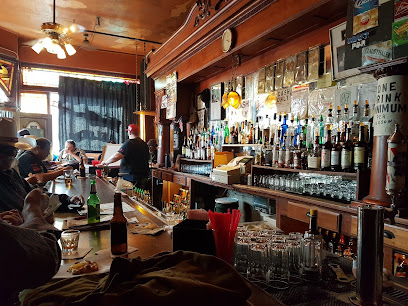
Nightclubs & after hour spots

Carbon
2.5 km
Discover the vibrant nightlife at Carbon Lounge in San Francisco’s North Beach, offering stylish ambiance and a diverse drink selection.
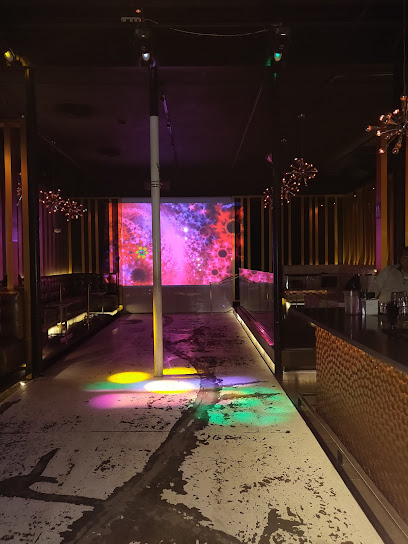
Club Fugazi Experiences
3.2 km
Discover the vibrant fusion of circus, live music, and dining at Club Fugazi in San Francisco's North Beach, where unforgettable experiences await.
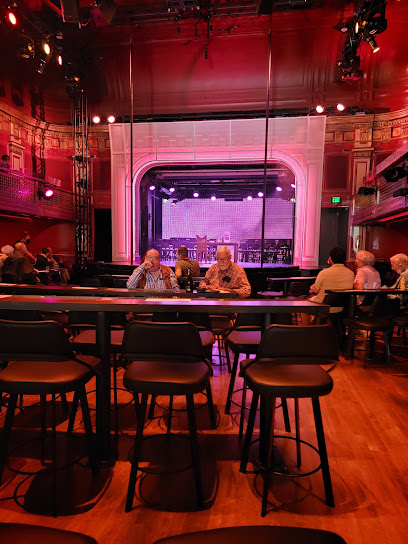
Rouge Night Club
3.4 km
Discover the pulsating nightlife at Rouge Night Club in San Francisco's Polk Gulch, where music, dance, and fun collide in a vibrant atmosphere.
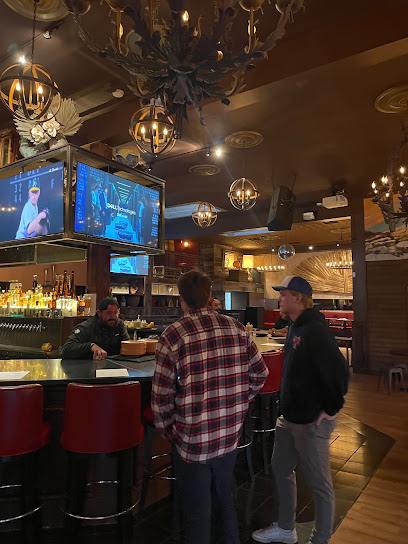
Vanity San Francisco
3.6 km
Discover the allure of Vanity San Francisco - a premier night club featuring live performances, cabaret shows, and an electric nightlife atmosphere.
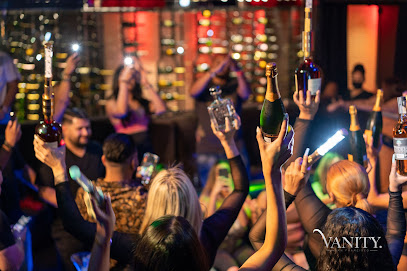
Monroe SF
3.6 km
Discover the electrifying nightlife of Monroe SF, where handcrafted cocktails and vibrant music create unforgettable evenings in San Francisco's North Beach.
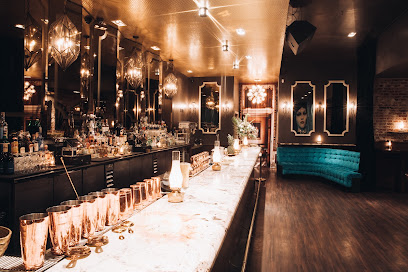
Providence Night Club
4.2 km
Dive into San Francisco's nightlife at Providence Night Club, where live music meets vibrant energy for an unforgettable evening.
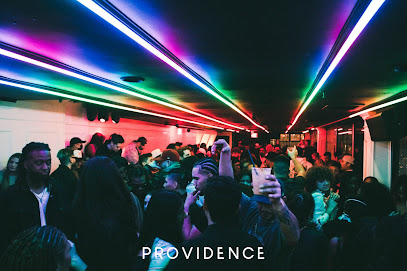
Hawthorn SF Nightclub and Lounge
4.6 km
Discover Hawthorn SF Nightclub and Lounge - the premier nightlife destination in Union Square, San Francisco, where unforgettable nights await.
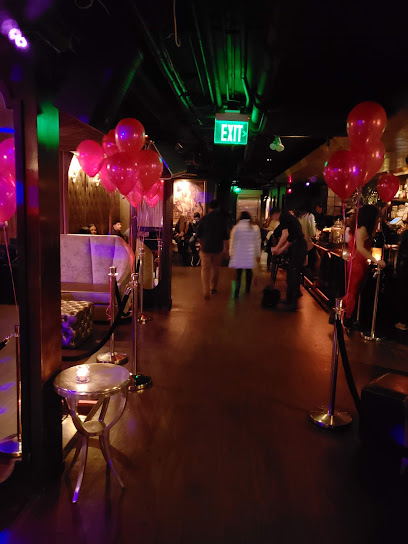
Sam's Cable Car Lounge
4.7 km
Experience the vibrant atmosphere of Sam's Cable Car Lounge - your perfect getaway in San Francisco's Union Square for drinks, food, and fun.
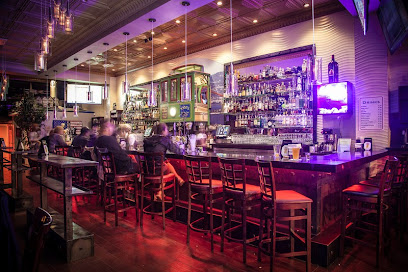
Pa'ina Restaurant & Lounge
4.7 km
Experience the vibrant flavors of Hawaiian cuisine at Pa'ina Restaurant & Lounge in San Francisco's Japantown, a perfect blend of food and festive atmosphere.
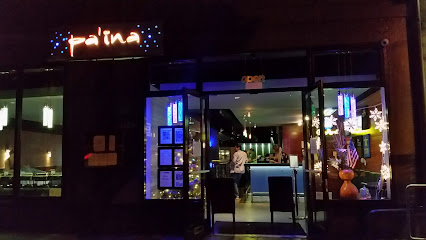
Harlot
4.8 km
Experience the chic ambiance of Harlot in SoMa, San Francisco's premier lounge and cocktail bar, perfect for any occasion.
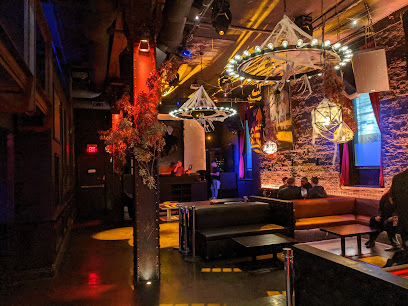
Temple Nightclub San Francisco
4.9 km
Discover the electrifying atmosphere of Temple Nightclub in San Francisco - a premier destination for nightlife, dancing, and unforgettable memories.
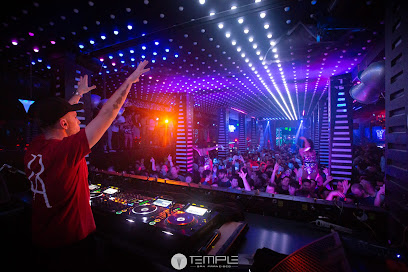
Club Six
5.2 km
Discover the pulse of San Francisco at Club Six, where art meets nightlife in a dynamic celebration of music and cocktails.
Monarch
5.3 km
Experience the vibrant nightlife at Monarch, San Francisco's premier night club and live music venue with electrifying performances and creative cocktails.
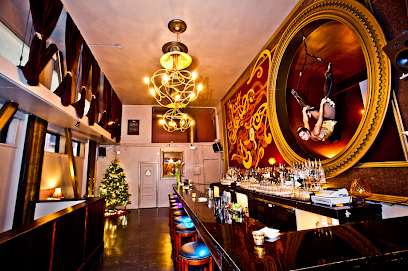
City Nights
5.5 km
Discover the electrifying nightlife of City Nights, a premier San Francisco night club that promises unforgettable moments and vibrant energy.
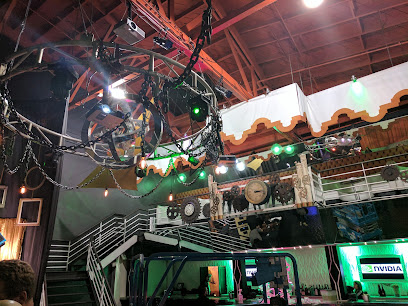
Club X
5.5 km
Discover the pulse of San Francisco nightlife at Club X, a dynamic night club in SoMa with electrifying music and vibrant atmosphere.