Chabot Dam: A Historic Water Landmark
Discover the historic Chabot Dam in Castro Valley, a landmark of engineering within the scenic Lake Chabot Regional Park, offering hiking, fishing, and natural beauty for all to enjoy.
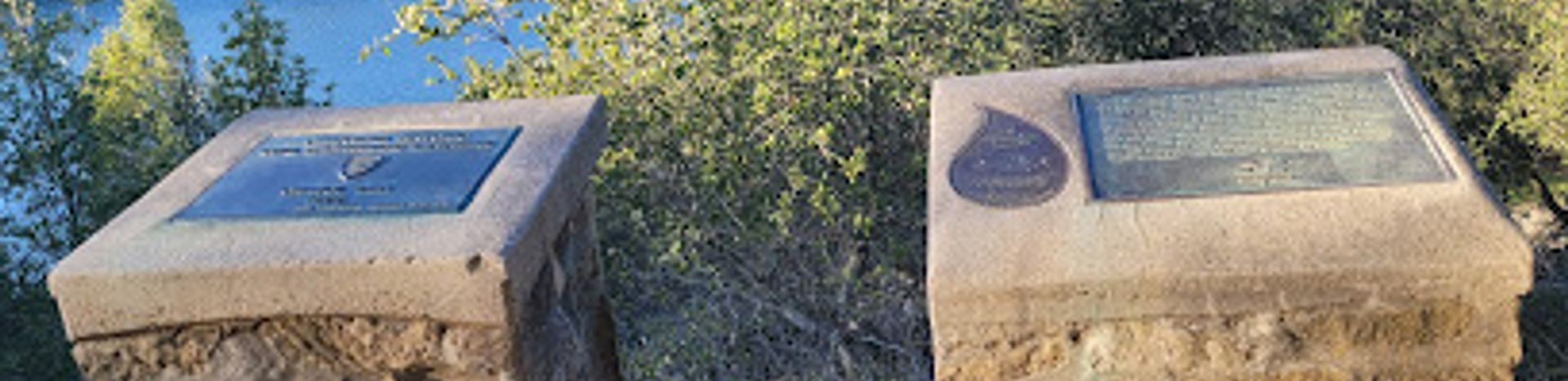
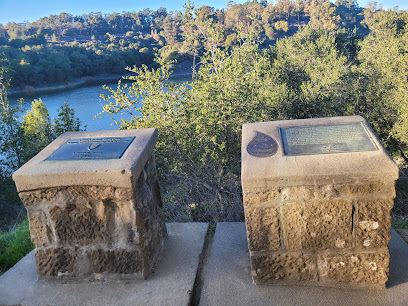
Chabot Dam, nestled within Lake Chabot Regional Park in Castro Valley, California, stands as a testament to 19th-century engineering and a vital piece of the East Bay's water infrastructure history. Built in 1875 by Anthony Chabot, the dam was initially known as the San Leandro Reservoir and served as the primary water source for the region. Today, it's recognized as an American Water Landmark by the American Water Works Association. Visitors can explore the dam's history through interpretive plaques along the West Shore Trail, enjoy scenic views of Lake Chabot, and appreciate the natural beauty of the surrounding park. The park offers a variety of recreational activities, including hiking, fishing, boating, and picnicking, making it a popular destination for families and outdoor enthusiasts. While swimming is not permitted in the lake, the park's trails and facilities provide ample opportunities to connect with nature and learn about the area's rich history.
A brief summary to American Water Landmark: Chabot Dam
- West Shore Trail, Castro Valley, California, 94546, US
- Visit website
Local tips
- Consider visiting during the week to avoid weekend crowds, especially if you plan to rent a boat or kayak.
- Bring a hat, sunscreen, and water, as the trails can be exposed and the weather can change quickly.
- Check the East Bay Regional Park District website for alerts regarding blue-green algae blooms, which can affect water activities.

Getting There
-
Driving
From I-580 in Castro Valley, take the Strobridge Avenue exit if heading westbound, or the Redwood Road exit if heading eastbound. Follow the signs to Lake Chabot Road. The Lake Chabot Marina entrance, near the dam, is approximately two miles from Castro Valley Boulevard. Parking inside the park costs $5 per vehicle. Alternatively, free parking is available along Lake Chabot Road, but allow extra walking time to reach the dam and marina area.
-
Public Transport
From the Castro Valley BART station, you can take AC Transit bus line 28 or 40 towards Lake Chabot Regional Park. The bus will drop you off near the park entrance on Lake Chabot Road, from where it's a short walk to the dam and marina area. A one-way bus fare is approximately $2.50. Check AC Transit schedules for the most up-to-date information.
-
Walking
From the San Leandro's Chabot Park at Estudillo Avenue and Sylvan Circle, enter Lake Chabot's West Shore Trail along the paved path. The entire walking tour to the Chabot Dam is about 1 mile (2 miles roundtrip) with several panels located in close proximity on the other side of the dam.
Discover more about American Water Landmark: Chabot Dam
Iconic landmarks you can’t miss

American Water Landmark: Chabot Dam
0.0 km
Discover the historic Chabot Dam in Castro Valley's Lake Chabot Regional Park: a landmark of 19th-century engineering offering hiking, boating, and scenic beauty in the East Bay.
California Historic Civil Engineering Landmark: Chabot Dam
0.0 km
Discover Chabot Dam, a historic civil engineering landmark in Castro Valley, California, surrounded by nature and rich history.
Fletch's Bench
1.7 km
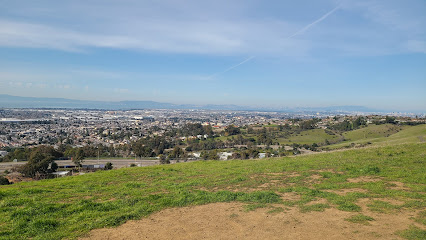
Explore Fletch's Bench, a historical landmark in San Leandro, California, where history meets tranquility in a stunning natural setting.
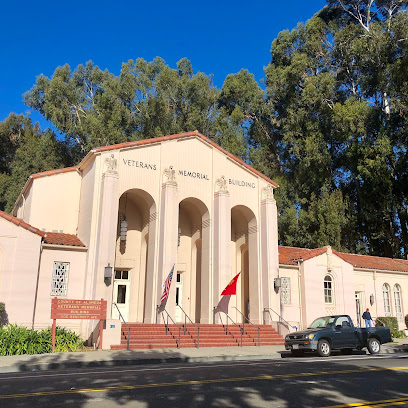
Veterans Memorial Building
2.5 km
A historic landmark in San Leandro, the Veterans Memorial Building honors service and fosters community engagement through diverse events and veteran support programs.
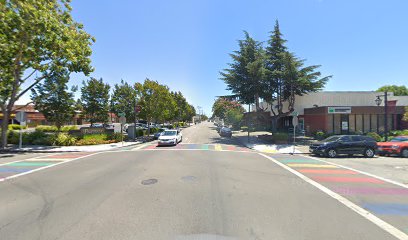
Rainbow Crosswalk (San Leandro - Washington & Parrott)
3.1 km
A vibrant symbol of San Leandro's commitment to diversity and inclusion, the Rainbow Crosswalk at Washington and Parrott welcomes all and celebrates the LGBTQ+ community.
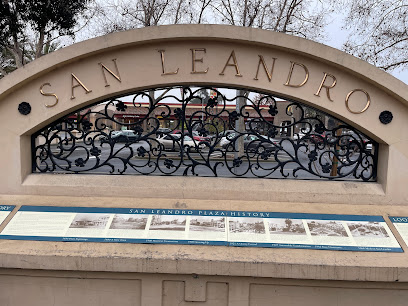
San Leandro Plaza History Display
3.2 km
Discover San Leandro's captivating past at the Plaza History Display, where artifacts and stories unveil the city's evolution from its early days to its vibrant present, nestled in the heart of Old San Leandro.
San Leandro Historical Society
3.4 km
Discover San Leandro's captivating past at the Historical Society, housed in the charming Little Brown Church, where exhibits and events bring local history to life, preserving the city's unique heritage.
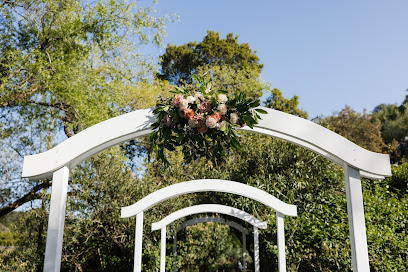
Redwood Canyon by Wedgewood Weddings
3.4 km
Explore Redwood Canyon by Wedgewood Weddings, where majestic redwoods meet elegant event spaces for unforgettable celebrations.
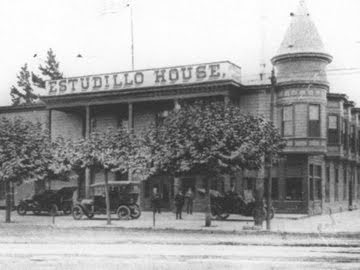
Estudillo Home (California Historical Landmark No. 279)
3.6 km
Explore the Estudillo Home, a California Historical Landmark in San Leandro, and immerse yourself in the rich history of the region.
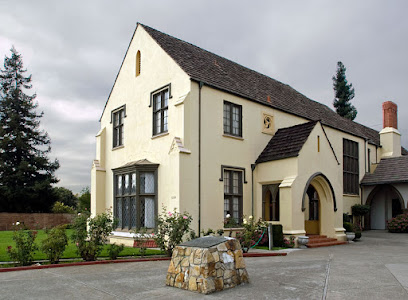
Historic Peralta House
3.7 km
Explore the Historic Peralta House in San Leandro, a captivating glimpse into California's rich heritage and architectural beauty.
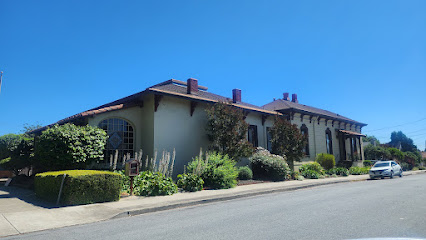
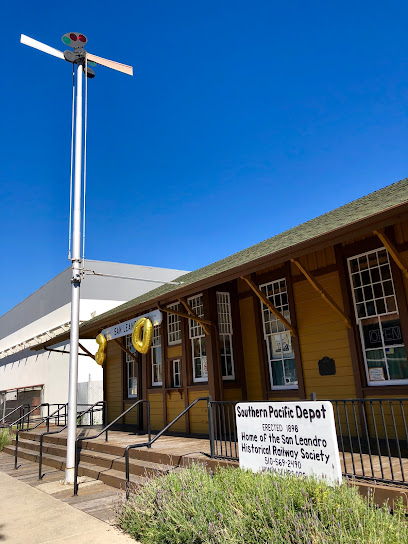
San Leandro Historical Railway Society
4.0 km
Explore railway history at the San Leandro Historical Railway Society, housed in a beautifully restored 1898 depot, featuring model trains and engaging exhibits for all ages.
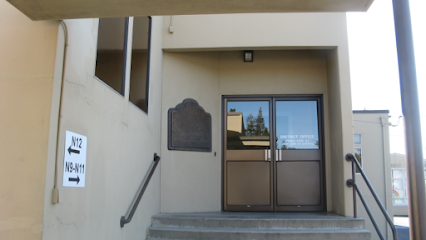
Site of First Public School in Castro Valley (California Historical Landmark No. 776)
4.8 km
Explore the Site of the First Public School in Castro Valley, a cherished historical landmark that highlights the origins of education in California.
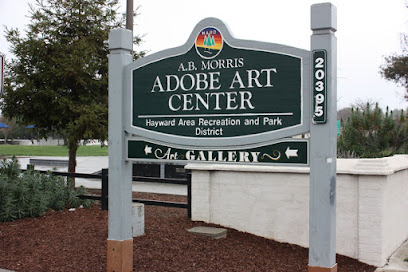
Adobe Art Center and Gallery
5.0 km
Explore the vibrant world of creativity at the Adobe Art Center and Gallery in Castro Valley, showcasing local artists and engaging community events.
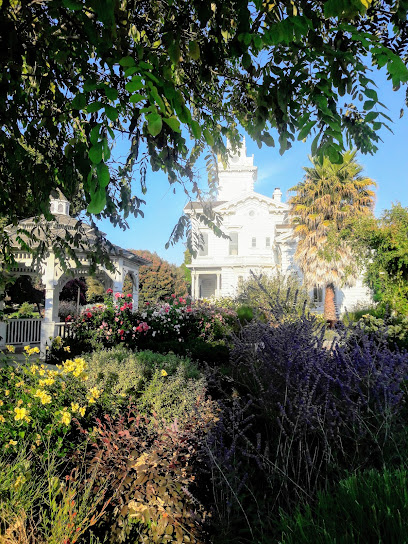
Meek Estate Carriage House
5.1 km
Step back in time at the Meek Estate Carriage House in Hayward, CA, and discover the rich history of this beautifully preserved 19th-century landmark and its vital role in the region's agricultural past.
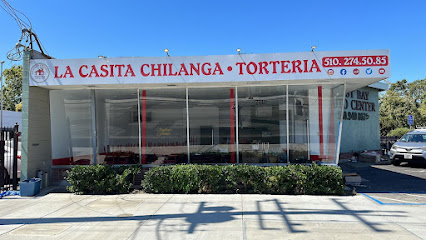
La Casita Chilanga
5.6 km
Discover the vibrant flavors of Mexico at La Casita Chilanga in Hayward, CA, where every meal is a celebration of authentic cuisine and culture.
Unmissable attractions to see

Anthony Chabot Family Campground
1.2 km
Discover the beauty of Anthony Chabot Family Campground in Castro Valley, CA, where nature meets adventure in a family-friendly setting.
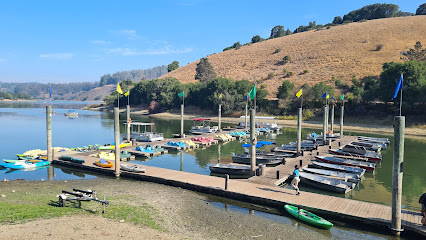
Duck View Pt
1.9 km
Discover tranquility at Duck View Point, a scenic overlook in Castro Valley with stunning views of Lake Chabot and nature trails for every adventurer.
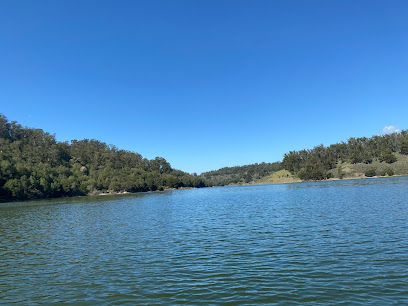
Lake Chabot Regional Park
2.3 km
Discover outdoor adventures and serene landscapes at Lake Chabot Regional Park in Castro Valley, offering hiking, fishing, boating, and picnicking.
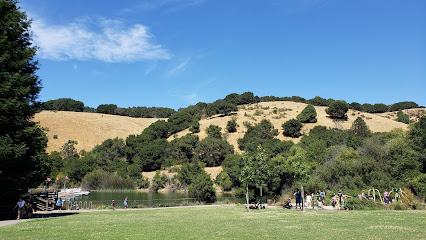
Dunsmuir Hellman Historic Estate
2.3 km
Discover the elegance of the Dunsmuir Hellman Historic Estate, a Victorian masterpiece nestled in Oakland’s Chabot Park, rich in history and natural beauty.
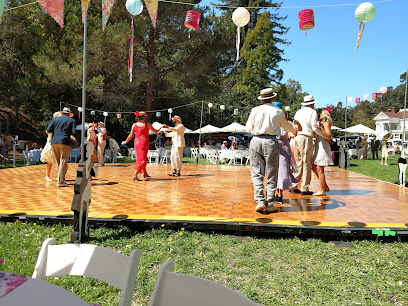
Anthony Chabot Regional Park
2.6 km
Explore the stunning landscapes and diverse wildlife at Anthony Chabot Regional Park, a perfect getaway for outdoor adventures and family fun.
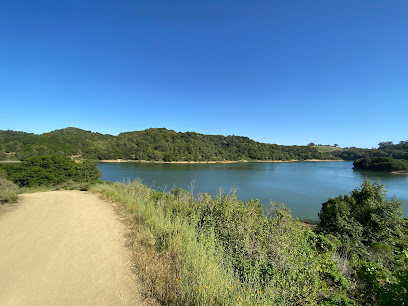
San Francisco Bay Overlook
3.0 km
Discover the stunning views at San Francisco Bay Overlook, a serene escape in Oakland perfect for nature lovers and photography enthusiasts.
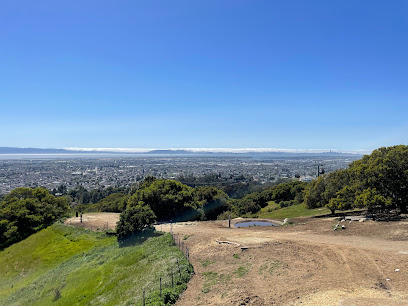
Halcyon Park
3.0 km
A serene San Leandro park with playgrounds, picnic spots, and walking trails, perfect for family outings and recreational activities.
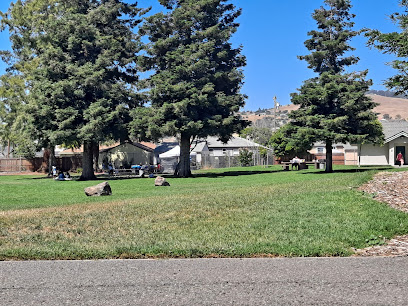
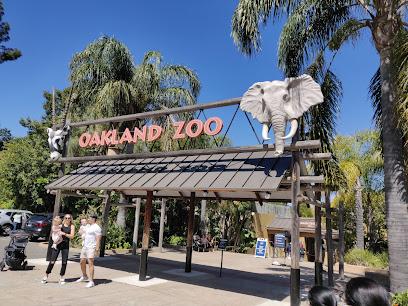
Oakland Zoo
3.0 km
Explore the Oakland Zoo, where wildlife meets conservation in a stunning natural setting, perfect for families and nature lovers alike.
Knowland Park
3.1 km
Discover the tranquility and scenic beauty of Knowland Park, an expansive natural oasis in Oakland, California perfect for outdoor enthusiasts and families.
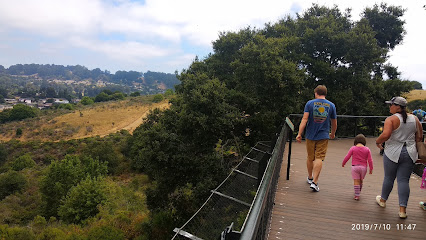
City of San Leandro Root Park
3.3 km
Explore Root Park in San Leandro, a beautiful urban oasis featuring lush landscapes, recreational facilities, and serene picnic spots for a perfect family outing.
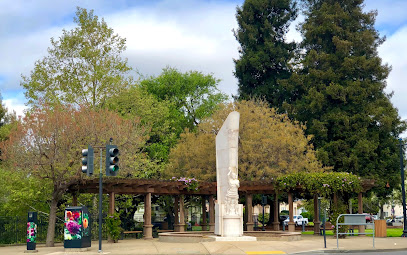
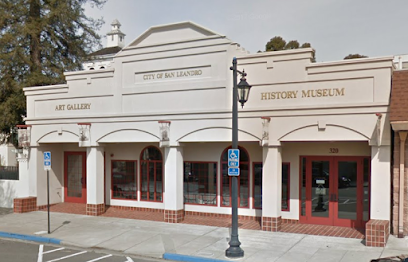
San Leandro History Museum
3.4 km
Explore the captivating history of San Leandro at the San Leandro History Museum, where local heritage comes to life through engaging exhibits and artifacts.
Casa Peralta
3.4 km
Discover the rich history of San Leandro at Casa Peralta, a charming museum and historic site showcasing local heritage and architecture.
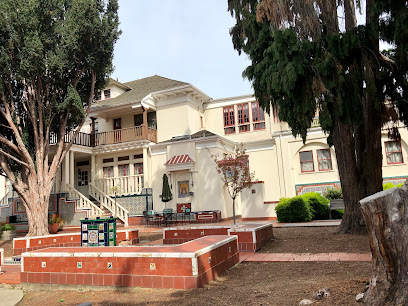
Knowland Park Open Space
3.4 km
Explore Oakland's natural side: Hike scenic trails, discover wildlife, and enjoy panoramic bay views at Knowland Park Open Space.
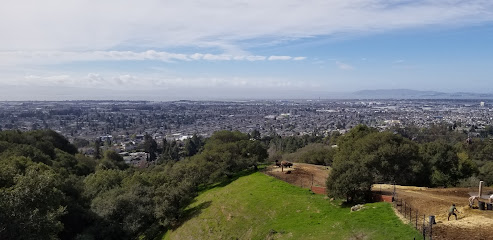
Castro Valley Community Park
3.6 km
Discover the natural beauty and recreational wonders of Castro Valley Community Park, a serene escape in California's vibrant Castro Valley.
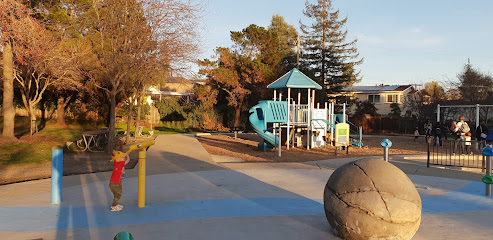
Edendale Park
4.0 km
A revitalized community park in San Lorenzo with playgrounds, picnic spots, and green spaces for family fun and relaxation.
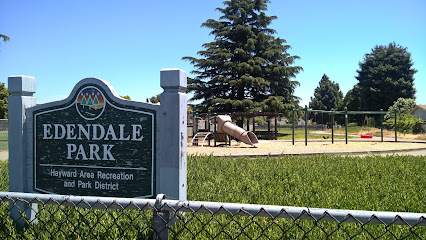
Essential places to dine

Sl Kitchen
1.7 km
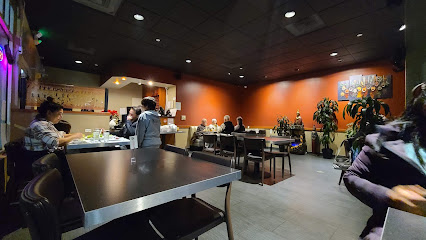
Experience authentic Thai cuisine at Sl Kitchen in San Leandro - a must-visit destination for food enthusiasts exploring California.
Top Hatters Kitchen and Bar
2.1 km
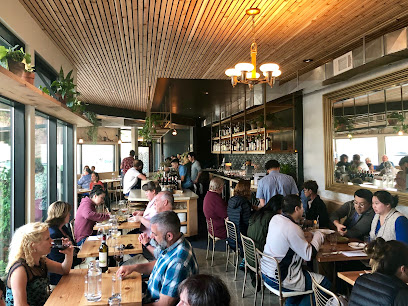
Discover innovative cuisine at Top Hatters Kitchen and Bar in San Leandro – where flavor meets creativity in a vibrant atmosphere.
Red Pepper Pizza&Mediterranean cuisine
2.5 km
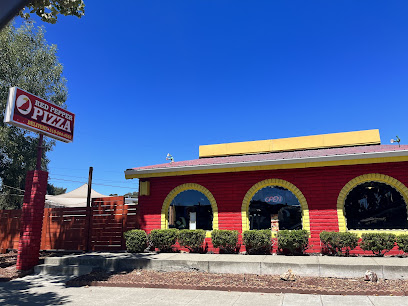
Discover the unique blend of Yemenite and Mediterranean flavors at Red Pepper Pizza & Mediterranean Cuisine in San Leandro.
Poke Kitchen
2.6 km
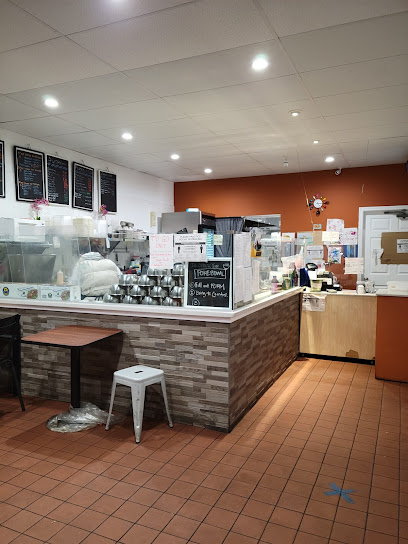
Experience vibrant Hawaiian flavors at Poke Kitchen - where fresh ingredients meet creative culinary artistry in every bowl.
Paradiso
2.7 km
Discover authentic Italian flavors at Paradiso in San Leandro – where every meal feels like a celebration of Italy's rich culinary heritage.
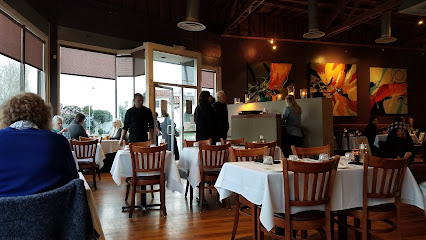
Harry's Hofbrau
2.7 km
Experience hearty comfort food at Harry's Hofbrau in San Leandro - perfect for families seeking delicious meals in a welcoming atmosphere.
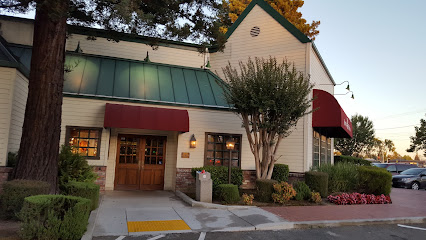
Moussaka Mediterranean Kitchen
2.7 km
Savor authentic Mediterranean cuisine at Moussaka Mediterranean Kitchen in San Leandro - where every dish tells a story.
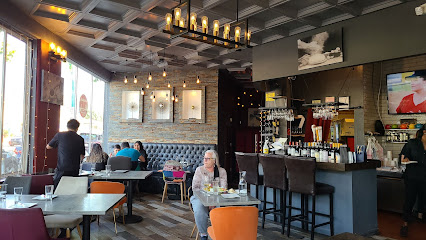
Ana Rosa's
2.8 km
Experience authentic Mexican flavors at Ana Rosa's in San Leandro - where every meal is a fiesta!
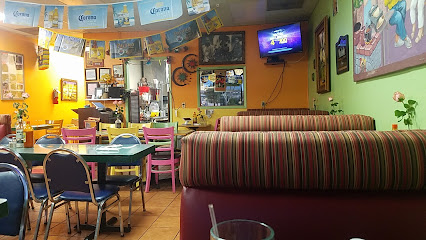
Sistas Soul Food Kafe
2.8 km
Experience authentic soul food at Sistas Soul Food Kafe in San Leandro - where every dish tells a story.
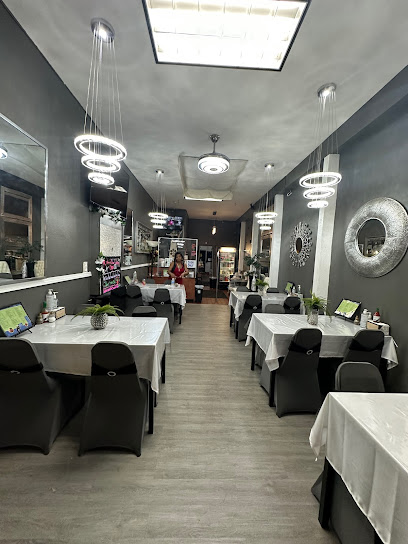
Emil Villa's Hickory BBQ
2.8 km
Experience mouthwatering hickory-smoked barbecue at Emil Villa's Hickory BBQ in San Leandro – where comfort food meets culinary excellence.
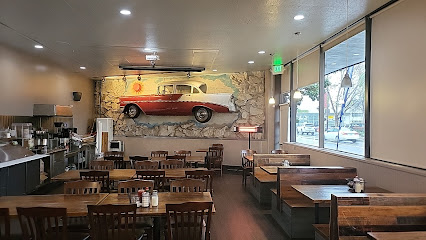
The Original Mels Diner
2.9 km
Discover classic American dining at The Original Mels Diner in San Leandro – where hearty meals meet nostalgic charm.
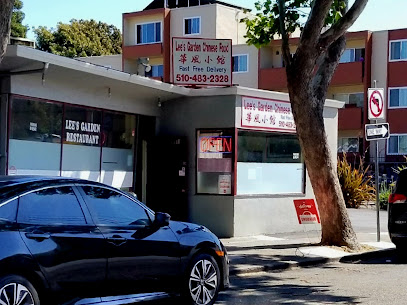
Lee’s garden Chinese restaurant
2.9 km
Experience authentic Chinese flavors at Lee's Garden Restaurant in San Leandro - where every meal is a delightful journey.
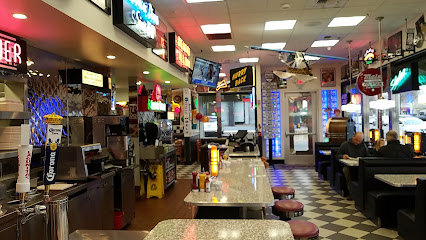
The Habit Burger Grill
3.0 km
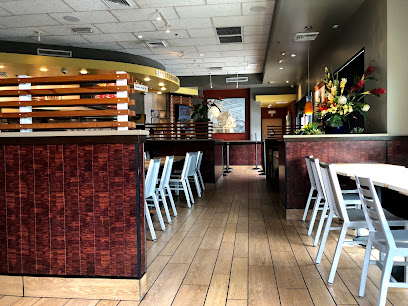
Discover the ultimate burger experience at The Habit Burger Grill in San Leandro – where quality meets affordability in every bite!
Taqueria Los Pericos
3.0 km
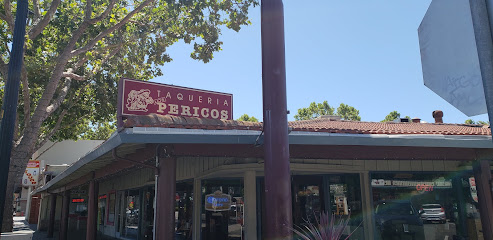
Experience authentic Mexican flavors at Taqueria Los Pericos in San Leandro - where delicious meets affordable.
Bag O' Crab
3.0 km
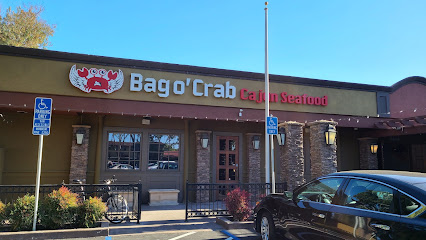
Experience the ultimate crab dining at Bag O' Crab in San Leandro—where fresh seafood meets vibrant flavors!
Markets, malls and hidden boutiques

Corks & Crafts Bottleshop
1.7 km
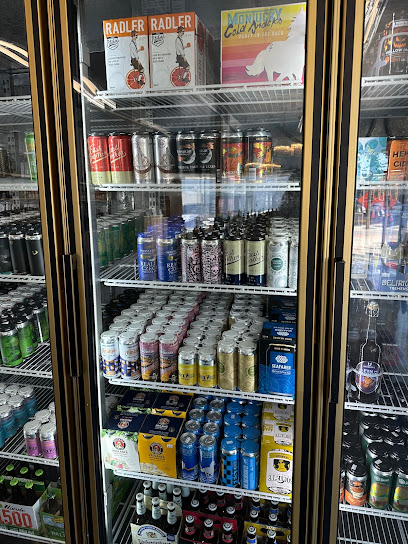
Discover exceptional craft beers and unique wines at Corks & Crafts Bottleshop in San Leandro - a must-visit for beverage enthusiasts and tourists alike.
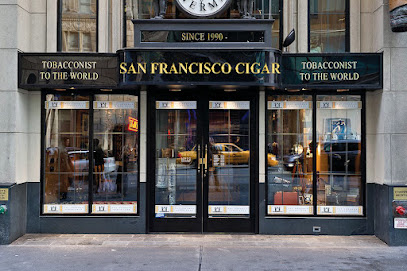
San Francisco Cigar & Gifts
1.7 km
Explore the unique offerings at San Francisco Cigar & Gifts, where cigars meet sports memorabilia in a charming shopping experience.
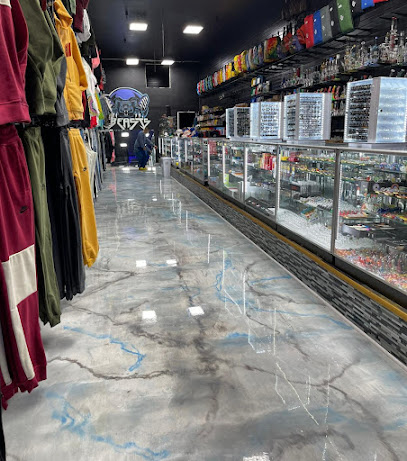
BEAST SMOKE SHOP
2.6 km
Explore BEAST SMOKE SHOP in San Leandro for an eclectic mix of tobacco, trendy clothing, and stylish hats in a welcoming atmosphere.
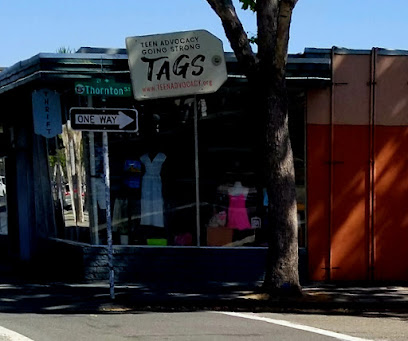
TAGS (Teen Advocacy Going Strong)
2.9 km
Explore TAGS Thrift Store in Old San Leandro for unique finds, vintage treasures, and sustainable shopping experiences that support local initiatives.
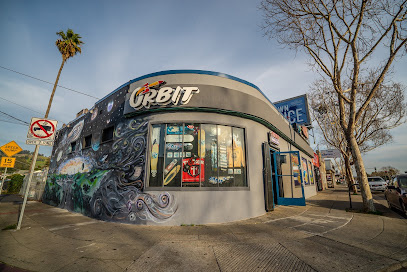
Orbit Skate and Boutique- Skate Shop & Piercing Shop in San Leandro, CA
2.9 km
Explore the vibrant world of skateboarding and unique piercings at Orbit Skate and Boutique in San Leandro, CA – where style meets adventure.
Ghirardelli Ice Cream & Chocolate Factory Outlet
2.9 km
Experience the ultimate chocolate indulgence at Ghirardelli Ice Cream & Chocolate Factory Outlet, where every sweet craving is satisfied.
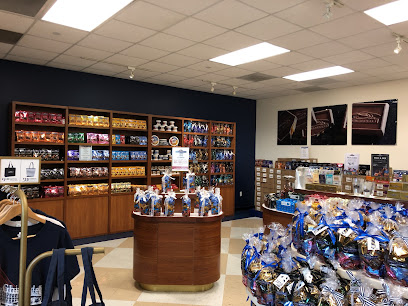
Le Creme
2.9 km
Explore Le Creme, the premier beauty supply store in Old San Leandro, offering a vast selection of beauty products and expert advice for every beauty enthusiast.
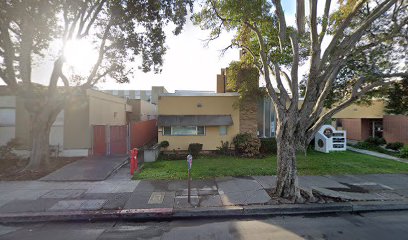
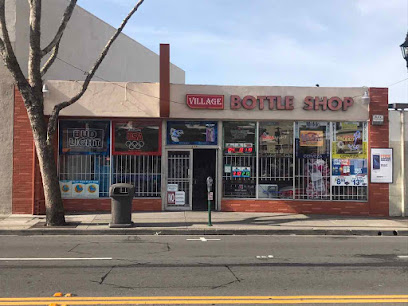
Village Bottle Shop
3.0 km
Discover a delightful selection of wines and spirits at Village Bottle Shop, your go-to destination in San Leandro for quality beverages.
Oakland Zoo Gift Shop
3.1 km
Discover unique animal-themed gifts and eco-friendly products at the Oakland Zoo Gift Shop, a perfect stop for souvenirs and conservation support.
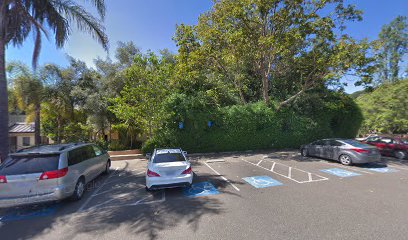
Ge’ez Market
3.1 km
Explore the unique flavors and cultural richness at Ge’ez Market, a must-visit grocery store in San Leandro, California, for a taste of Ethiopia and beyond.
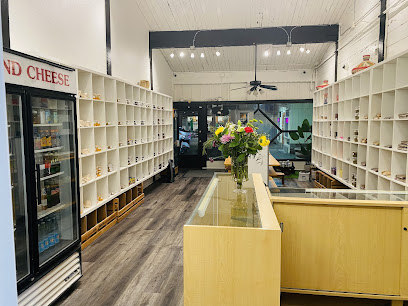
Pelton Shopping Center
3.1 km
Explore Pelton Shopping Center - a vibrant hub for shopping, dining, and entertainment in San Leandro, California.
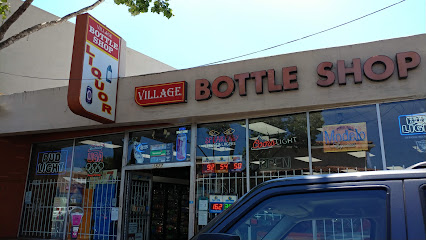
BUZZ STOP SMOKESHOP
3.1 km
Explore Buzz Stop Smokeshop for an eclectic mix of gifts, cigars, and clothing in the heart of San Leandro.
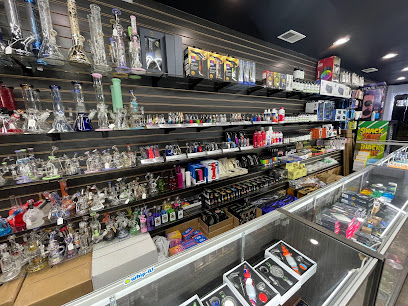
Not Too Naughty
3.1 km
Discover a unique blend of elegance and playfulness at Not Too Naughty, the go-to adult entertainment store in San Leandro, California.
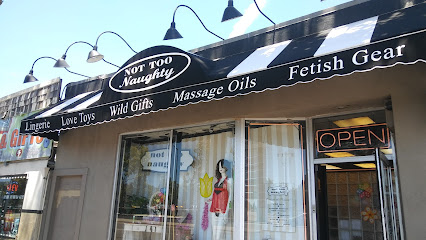
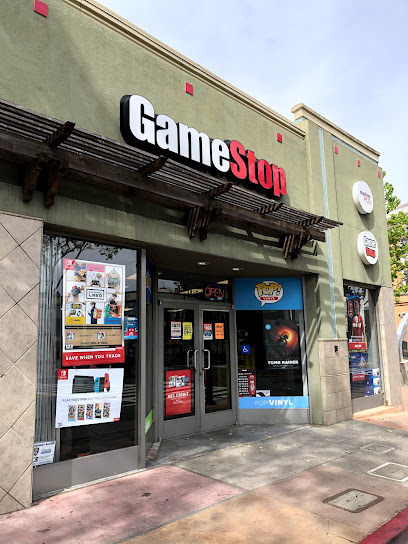
GameStop
3.1 km
Explore the ultimate destination for video games, collectibles, and electronics in San Leandro's GameStop, where gaming culture comes alive.
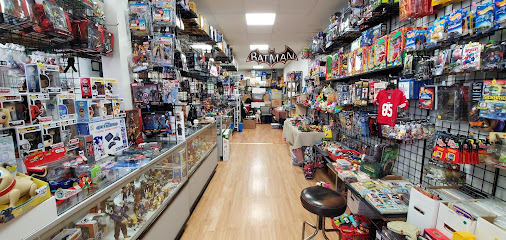
The toy shop
3.1 km
Discover a magical toy store in San Leandro, filled with collectibles, timeless toys, and unforgettable memories for all ages.
Essential bars & hidden hideouts

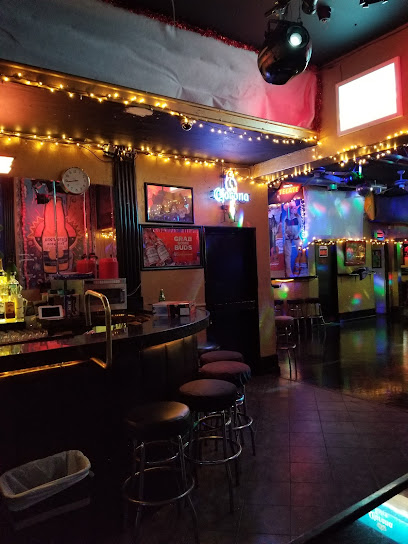
Club Caliente
2.6 km
Discover Club Caliente: A vibrant bar and nightclub experience in San Leandro, perfect for nightlife enthusiasts and fun seekers alike.
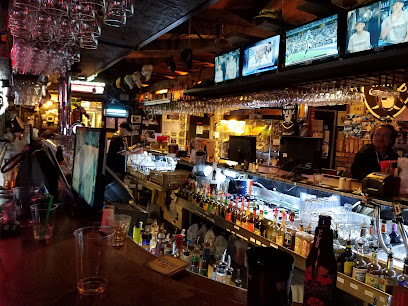
Rickey's Sports Lounge
3.0 km
Experience the ultimate sports bar atmosphere at Rickey's Sports Lounge, where great food meets exciting entertainment for the whole family.
The Cooler
3.0 km
Experience San Leandro's craft beer culture at The Cooler, where local brews and vibrant atmosphere come together for an unforgettable outing.
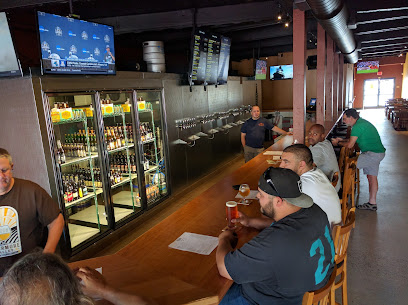
Chili's Grill & Bar
3.1 km
Experience the perfect blend of American and Tex-Mex cuisine at Chili's Grill & Bar in San Leandro, where flavor and fun meet.
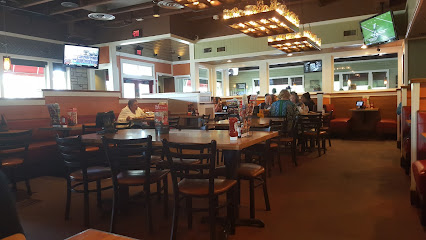
Cunha's Cocktails
3.1 km
Discover Cunha's Cocktails in San Leandro, where creative drinks meet a cozy atmosphere for a perfect night out.
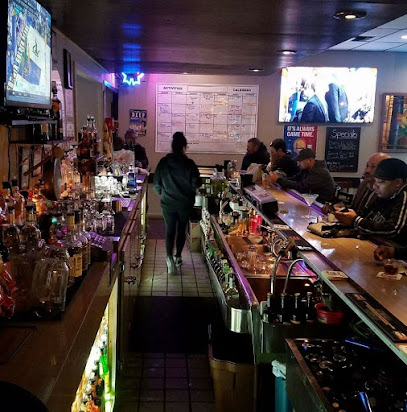
Danny Murry's Irish Pub
3.1 km
Discover the authentic Irish experience at Danny Murry's Irish Pub, where unique drinks and a warm atmosphere await every visitor.
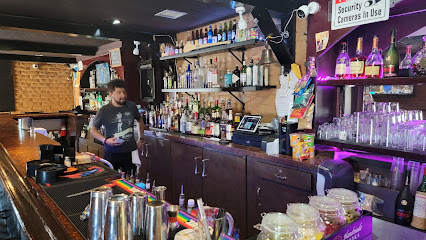
Bar El Tenampa De Oakland Ca.
3.5 km
Discover the vibrant nightlife of San Leandro at Bar El Tenampa, where drinks flow and good times roll in a welcoming atmosphere.
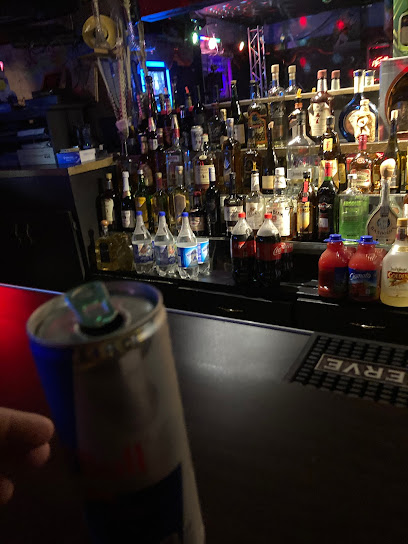
La Oficina #2
4.1 km
Experience the vibrant nightlife and signature cocktails at La Oficina #2, a popular bar in San Leandro, CA, perfect for socializing and relaxation.
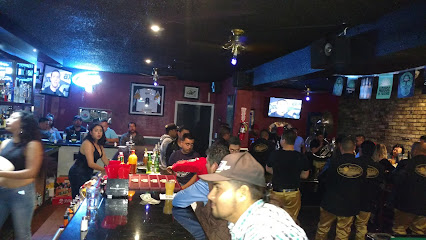
The Doolittle
4.7 km
Discover The Doolittle, Castro Valley's charming bar with handcrafted cocktails and a vibrant atmosphere perfect for locals and tourists alike.
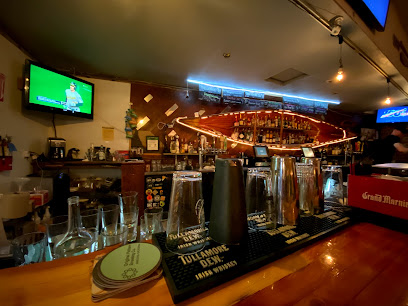
991 Club
4.9 km
Experience the vibrant nightlife at 991 Club in San Leandro, California, where great drinks and a welcoming atmosphere await every visitor.
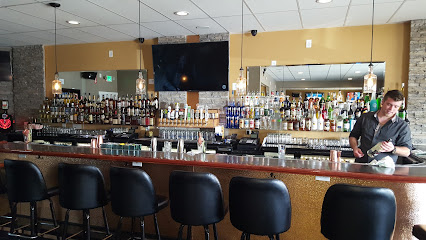
Valley Inn
4.9 km
Discover the charm of Valley Inn, a cocktail bar and event venue in Castro Valley offering delightful drinks and a cozy atmosphere for all.
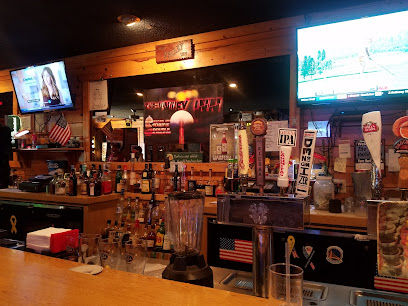
Doucet Saloon
5.0 km
Experience the charm of Doucet Saloon, a lively dive bar in Castro Valley, offering affordable drinks and a true taste of local culture.
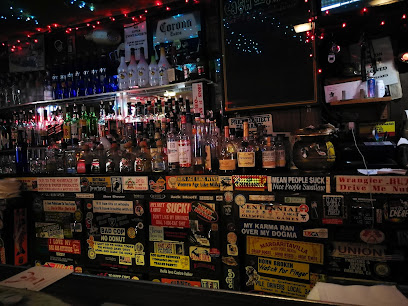
Ryan's
5.2 km
Experience the lively spirit of Ryan's Cocktail Bar in San Leandro, where every cocktail tells a story and every night is an adventure.
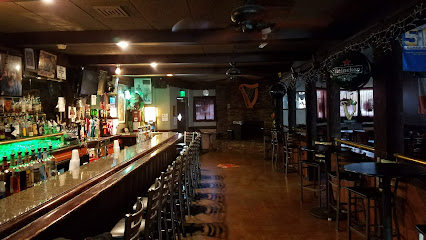
The Lit
5.2 km
Experience the vibrant atmosphere at The Lit, a lively bar in San Leandro, CA, perfect for drinks and socializing with locals.
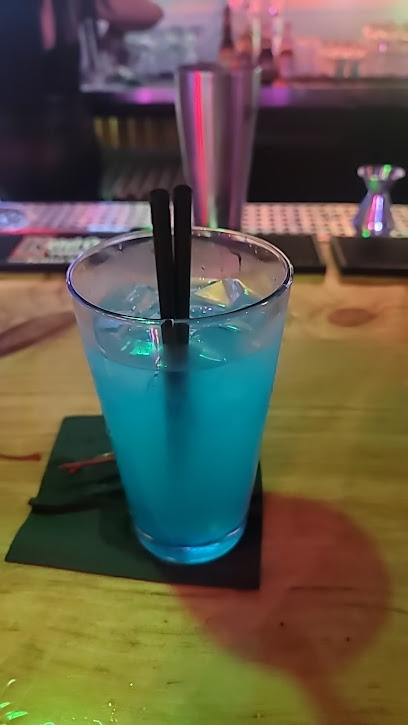
Brass Boar Lounge
5.4 km
Experience the charm of Castro Valley at the Brass Boar Lounge, a cozy bar with a delightful outdoor patio and a fantastic drink selection.
Nightclubs & after hour spots

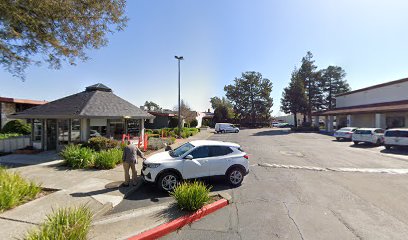
VIP Studios
3.5 km
Discover the electrifying nightlife at VIP Studios, a premier night club in San Leandro offering unforgettable music, dancing, and social experiences.
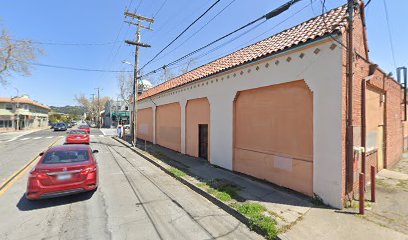
El Potro Club
7.1 km
Discover the vibrant nightlife of Hayward at El Potro Club, an adult entertainment venue offering electrifying performances and a lively atmosphere.
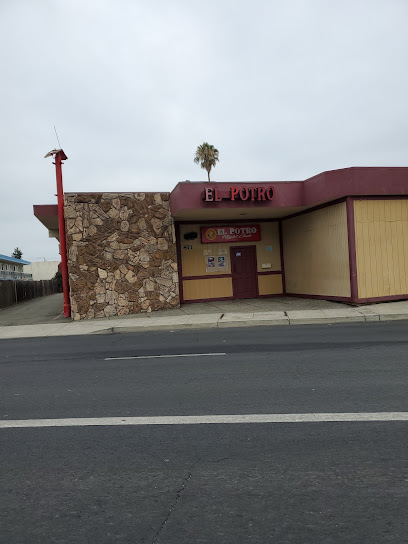
La Frontera Night Club
9.4 km
Experience the vibrant nightlife at La Frontera Night Club in Oakland, featuring live music, delicious food, and a lively atmosphere.
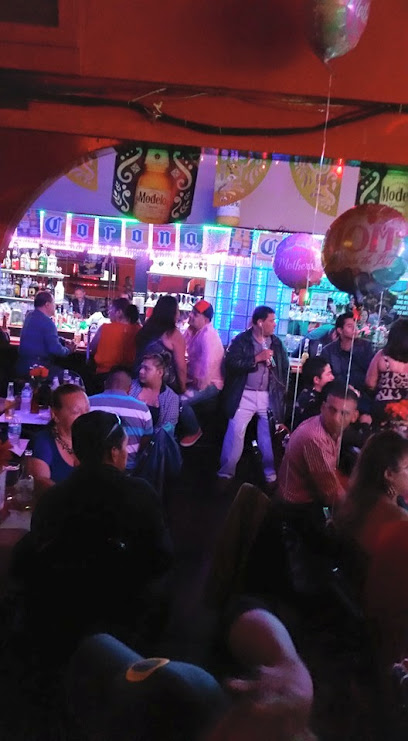
Lounge 3411
10.1 km
Discover the vibrant nightlife at Lounge 3411 in Oakland's Dimond District, featuring live Blues music and a cozy atmosphere for all.
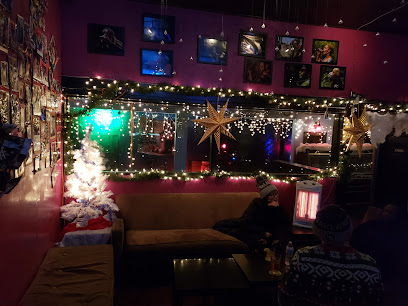
Meenar Music Club
14.7 km
Discover the pulsating nightlife of Danville at Meenar Music Club, where live music and vibrant energy create unforgettable nights.
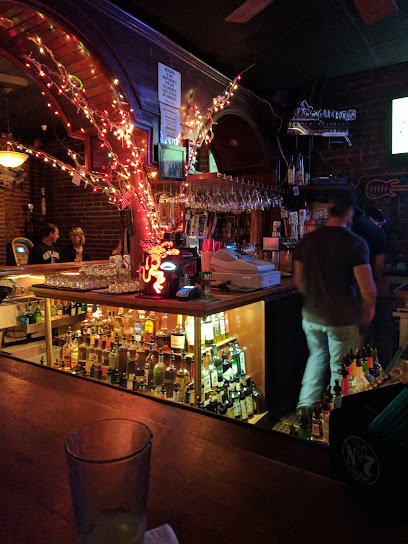
Muscle Bar
14.7 km
Experience the vibrant nightlife at Muscle Bar in Hayward, California, where great drinks and a lively atmosphere await every visitor.
Ruby Room
14.9 km
Experience vibrant nightlife at The Ruby Room in Oakland, where stylish decor meets delicious drinks and unforgettable memories.
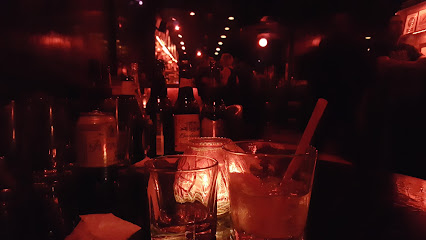
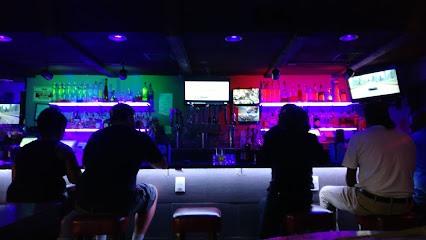
Pepper Tree Lounge
15.1 km
Pepper Tree Lounge: A vibrant Union City hotspot combining dance, billiards, and sports in a welcoming atmosphere.
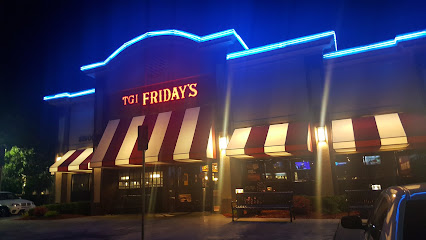
TGI Fridays
15.1 km
Discover the vibrant atmosphere and delicious American classics at TGI Fridays in Union City, where every meal is a celebration.
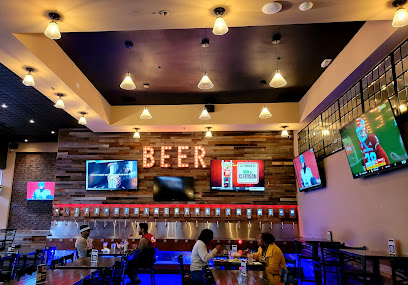
Pacific PourHouse
15.2 km
Experience the best of American cuisine at Pacific PourHouse, a lively gastropub in Union City, California, renowned for its delicious food and craft beverages.
Level 13 Ultra Lounge
15.4 km
Immerse yourself in an upscale nightlife experience at Level 13 Ultra Lounge in Downtown Oakland, where elegance meets vibrant entertainment.
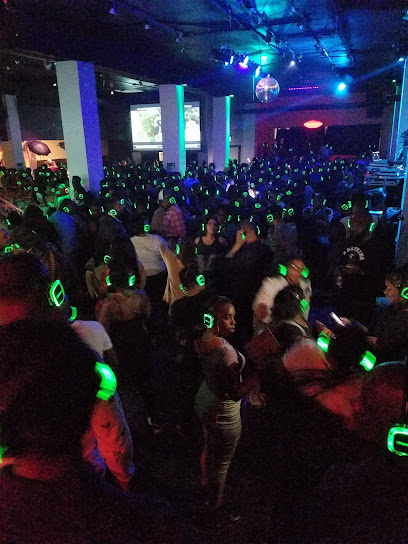
New Karibbean City
15.4 km
Discover New Karibbean City in Oakland: A vibrant night club and Caribbean restaurant with authentic Jamaican cuisine and live music for a memorable night out.
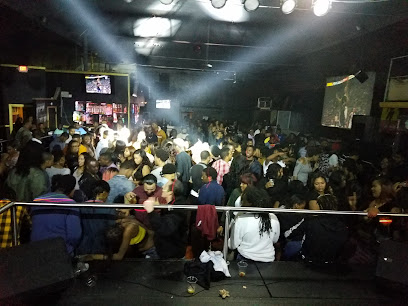
Lux Oakland
15.5 km
Immerse yourself in the vibrant nightlife of Oakland at Lux Oakland, where stylish ambiance and dynamic music create an unforgettable experience.
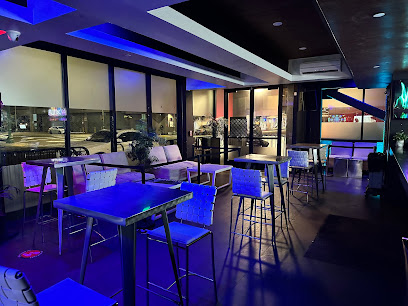
Qué Rico Nightclub
15.5 km
Discover the vibrant nightlife of Qué Rico Nightclub, Oakland's premier gay bar and nightclub, offering great food, drinks, and unforgettable parties.
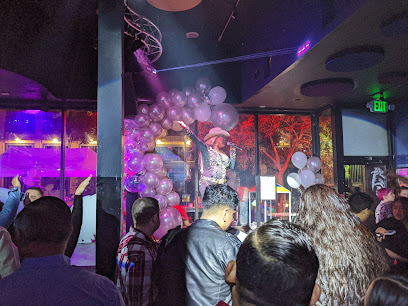
Elbo Room Jack London
15.6 km
Discover the lively Elbo Room Jack London, Oakland's top night club and bar, offering a vibrant atmosphere, great music, and affordable drinks.