

Free Pailin Travel Guide & Mobile App
Explore Pailin with free travel guides. Discover regional history, expert tips, proposed trips, and audio guides on web or mobile app.


Discover Pailin in western Cambodia for sapphire heritage, Buddhist hilltop temples, waterfalls, orchards and quiet Cardamom foothills near Thailand.
Read more about Pailin
When is the best time to visit Pailin?
Best: December–February · 28–29°C| Month | High (°C) | Rainfall (mm) |
|---|---|---|
| January (best) | 28 | 4 |
| February (best) | 29 | 8 |
| March | 31 | 20 |
| April | 32 | 57 |
| May | 32 | 145 |
| June | 31 | 198 |
| July | 31 | 172 |
| August | 31 | 186 |
| September | 31 | 243 |
| October | 31 | 202 |
| November | 30 | 110 |
| December (best) | 28 | 18 |
Getting to and around Pailin
How to get there
Transportation
Best attractions in Pailin
Pailin’s attractions combine a small provincial town, Buddhist heritage, gem-mining history and forest-edge excursions. Phnom Yat is the central cultural and scenic stop: its temple complex and stairway lead to elevated views across the town and western Cambodian countryside. Wat Rattanak Sophoan provides another opportunity to see local religious architecture and observe the continuing role of Buddhism in daily life. Around Pailin, former sapphire-mining areas and gem shops offer context for the industry that shaped the province, although visitors should not enter disused workings without clear local guidance. Phnom Khiev and waterfall areas such as O’Tavao are suited to short nature outings, with conditions varying considerably between the dry and wet seasons. Rural roads pass orchards, plantations and foothill scenery rather than a concentrated circuit of formal museums or large attractions. The province is best approached slowly, using Pailin town as a base and arranging transport for the countryside. Its appeal lies in the combination of landscape, border culture and difficult modern history, rather than in a long list of highly developed visitor facilities.
-
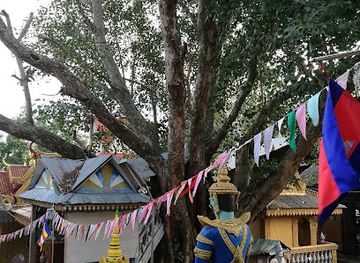
Yey Yat Shrine
Discover the tranquil beauty and spiritual significance of Yey Yat Shrine in Krong Pailin, a unique historical landmark rich in Cambodian culture.
-
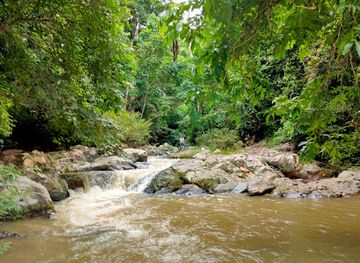
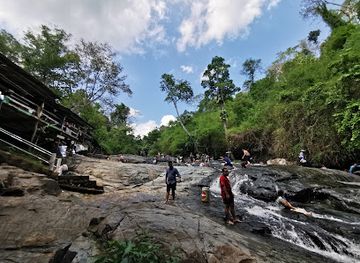
Phnom Khiev Waterfall
Experience the tranquil beauty of Phnom Khiev Waterfall in Krong Pailin, a serene natural escape perfect for relaxation and adventure.
-
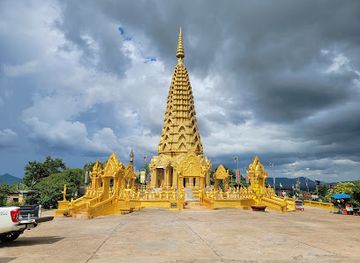
Yat Mountain
Discover the breathtaking views and cultural heritage of Yat Mountain in Krong Pailin, a must-visit destination for nature lovers and adventurers.
Best landmarks in Pailin
Phnom Yat is Pailin’s defining landmark, rising above the town as a wooded hill crowned by a Buddhist temple complex. The stairway, shrine buildings and elevated position make it both a religious site and a visual reference point for understanding the settlement’s geography. Wat Rattanak Sophoan is another notable religious landmark, recognised for its distinctive Khmer Buddhist design and its place in the town’s local spiritual life. The province’s gem-mining landscape forms a more unconventional landmark: excavated ground, trading premises and sapphire associations reveal how mineral wealth shaped Pailin’s growth, although working and abandoned sites should be approached only with informed local guidance. Phnom Khiev and the wooded heights around the province provide natural landmarks rather than monumental architecture, with views and seasonal waterfalls marking the transition from town and cultivated land towards the Cardamom foothills. Together, these places express Pailin’s layered identity as a Buddhist provincial centre, a former mining district and a western border landscape shaped by forest, trade and conflict.
-
Historical landmark
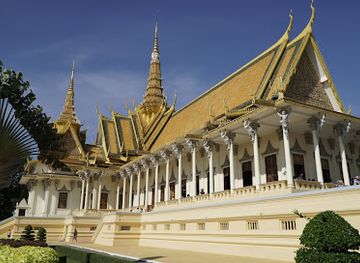
Royal Palace
Explore Cambodia's regal heritage at the Royal Palace in Phnom Penh, a stunning complex of Khmer architecture, ornate gardens, and sacred treasures.
-
Tourist attraction
Phnom Khiev Waterfall
Discover the beauty of Phnom Khiev Waterfall in Pailin: a serene escape with natural pools, lush landscapes, and historical significance.
-
Hotel
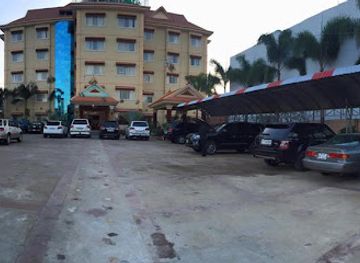
Pailin City Hotel
Experience comfort and convenience at Pailin City Hotel, your gateway to exploring the natural beauty and cultural richness of Pailin, Cambodia.
-
 Resort hotel
Memoria Resort- ម៉េម៉ូរីយ៉ា រីសត ប៉ៃលិន
Discover tranquility and history at Memoria Palace & Resort in Pailin, Cambodia, nestled in the Cardamom Mountains near the Thai border.
Explore Pailin on the map
Plan your trip on one map. See where the top cities, national parks and sights are, and book hotels and experiences in a few clicks.
Best hotels in Pailin
Best restaurants in Pailin
Dining in Pailin is centred on Khmer home-style cooking, simple restaurants, market stalls and establishments influenced by nearby Thailand. Rice dishes, soups, grilled meats, freshwater fish, stir-fries and fresh vegetables are common, while seasonal fruit from the surrounding agricultural districts is an important part of local eating. Markets and roadside sellers are useful places to find noodles, snacks, grilled foods and drinks at modest prices, although selection and opening times vary. Thai flavours and ingredients appear regularly because of the province’s border connections, but this does not make Pailin a separate Thai culinary destination. Restaurants in town generally offer practical, informal meals rather than an extensive fine-dining scene; larger guesthouses may provide broader menus for international visitors. Travellers should carry drinking water on countryside excursions and choose busy food stalls with good turnover. Gem-themed promotion is more visible than a particular signature dish, so the most distinctive food experiences are likely to come from seasonal produce, local markets and everyday provincial cooking.
-
Restaurant
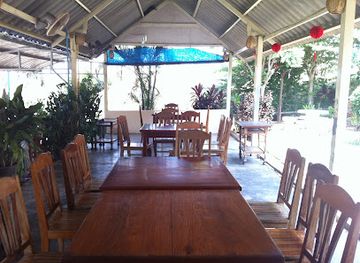
Memoria Resort- ម៉េម៉ូរីយ៉ា រីសត ប៉ៃលិន
Experience tranquility at Memoria Resort in Krong Pailin—where comfort meets nature in an enchanting Cambodian escape.
-
Restaurant
The Beer Garden
Experience authentic Cambodian flavors at The Beer Garden, where local brews meet delicious bites in a lively atmosphere.
-
Restaurant
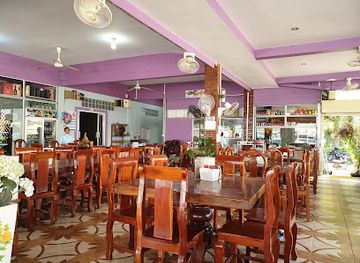
Pailin City Restaurant
Savor authentic Cambodian flavors at Pailin City Restaurant in Krong Pailin - a true culinary gem for every food lover.
-
Restaurant
Pipop Penh Chett
Experience authentic Khmer cuisine at Pipop Penh Chett in Krong Pailin – where tradition meets taste in every dish.
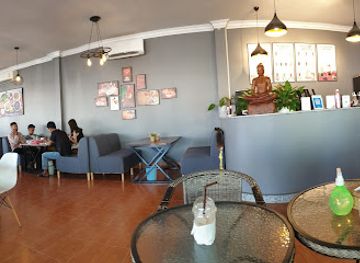
Best bars in Pailin
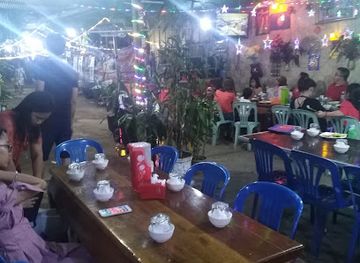
Pailin has a restrained evening scene rather than a major nightlife district. After dark, social life is concentrated in casual beer restaurants, Khmer eateries, small cafés and modest bars around the town centre and main roads. Some venues may show sport or play local music, while guesthouses and hotels provide the quietest setting for an early evening drink. Border commerce gives the town a Thai influence, but visitors should not expect the dense concentration of clubs found in Phnom Penh or the larger resort cities. Rural areas become quiet soon after sunset, and transport options are more limited at night, so arrange a return journey before visiting attractions outside town. Drinking is not necessary to experience Pailin’s evening culture; an evening market meal, a temple visit at a respectful distance or a conversation with a local driver can be more representative of the province’s pace. Venue availability and opening arrangements are liable to change, particularly outside the main tourist seasons.
-
The Beer Garden
Discover the vibrant atmosphere of The Beer Garden in Phsar Prum, where local flavors and refreshing brews meet cultural experiences.
-
Restaurant
Pipop Penh Chett
Discover the authentic taste of Cambodia at Pipop Penh Chett in Krong Pailin, where every dish tells a story of local tradition and flavor.
-
Restaurant
ហាងបាយ ទឹកសុទ្ធត្រចៀកកាំ
Savor the best of Cambodian cuisine at ហាងបាយ ទឹកសុទ្ធត្រចៀកកាំ, where every dish tells a story of culture and tradition.
-
Restaurant
អាហារដ្ឋានចៅចិត្រ
Experience authentic Cambodian cuisine at អាហារដ្ឋានចៅចិត្រ in Krong Pailin, where traditional flavors meet a warm atmosphere.
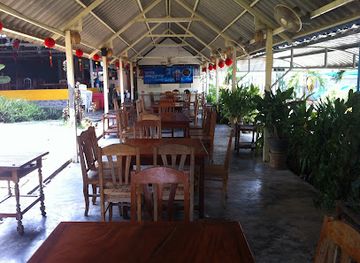
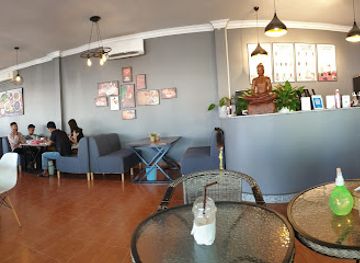
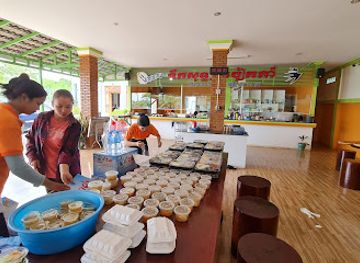
Best nightclubs in Pailin
Pailin has a restrained evening scene rather than a major nightlife district. After dark, social life is concentrated in casual beer restaurants, Khmer eateries, small cafés and modest bars around the town centre and main roads. Some venues may show sport or play local music, while guesthouses and hotels provide the quietest setting for an early evening drink. Border commerce gives the town a Thai influence, but visitors should not expect the dense concentration of clubs found in Phnom Penh or the larger resort cities. Rural areas become quiet soon after sunset, and transport options are more limited at night, so arrange a return journey before visiting attractions outside town. Drinking is not necessary to experience Pailin’s evening culture; an evening market meal, a temple visit at a respectful distance or a conversation with a local driver can be more representative of the province’s pace. Venue availability and opening arrangements are liable to change, particularly outside the main tourist seasons.
-
Night club
Pontoon Club
Dive into the vibrant nightlife at Pontoon Club, Phnom Penh's top destination for live music and unforgettable parties.
-
Live music bar
Darlin' Darlin' Music Lounge
Discover the lively ambiance and captivating live music at Darlin' Darlin' Music Lounge in Phnom Penh, a must-visit destination for nightlife enthusiasts.
-
Night club
LOVE - Phnom Penh
Experience the electrifying nightlife of Phnom Penh at LOVE, a top night club with vibrant energy and exceptional DJ performances.
-
MAX CLUB POIPET
Discover the vibrant nightlife of Krong Poi Pet at MAX CLUB POIPET - a premier destination for dancing and music lovers.




Best shops in Pailin
Shopping in Pailin is modest and practical, with the town’s markets and small commercial streets providing the main retail experience. Fresh fruit, vegetables, prepared foods, household goods and everyday clothing are sold alongside Cambodian snacks and locally traded produce. The province’s best-known purchase is jewellery or loose sapphire, but buyers should be cautious: gemstones may be heat-treated, their origin may be difficult to prove and quality assessments require specialist expertise. Request written details and receipts, avoid pressure to buy and do not assume that a low price indicates a bargain. Small Buddhist items, Cambodian handicrafts and packaged foods can make more straightforward souvenirs, while seasonal fruit reflects Pailin’s agricultural hinterland. Thai goods are also visible because of the border connection, particularly in shops serving local residents. There is no extensive luxury-shopping district, and retail choice becomes limited outside Pailin town, so visitors should buy essential supplies before travelling into rural areas.
-
Cake shop
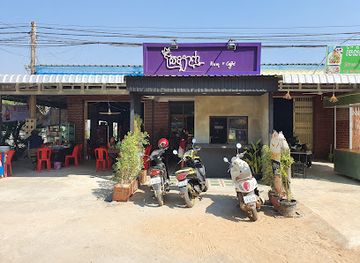
ស្រឡាញ់Num&cafe
Experience the sweetness of life at ស្រឡាញ់Num&cafe, where delectable cakes and cozy ambiance meet in Krong Pailin.
-
Shopping mall
Dyna phone shop
Discover the latest mobile technology at Dyna Phone Shop in Krong Pailin, a vibrant hub for tech enthusiasts.
-
Home improvement store
Beger Colour Design Center Pailin
Discover a world of color and creativity at Beger Colour Design Center, Pailin's premier destination for home improvement and design inspiration.
-
Home goods store
Ratanak Pailin
Explore Ratanak Pailin in Krong Pailin for unique home goods and authentic Cambodian crafts that embody local culture.

Get your free copy of our complete guide to Pailin, delivered straight to you.
Everything on this page, from attractions and restaurants to essentials and local phrases, in one PDF you can read offline, print or share.
Already have an account? Sign in
Your Pailin guide is ready.
We'll send it to · Not you? Sign out

Getting your guide ready…
We are putting together a fresh copy of the Pailin guide. This can take up to a minute.
This can take a few moments. If your browser asks, choose Allow so the download can start. You'll find the guide in your Downloads folder.
Nothing happened? Download it again
Sorry, the guide is taking longer than usual. Please try again in a minute, or get it by email instead.
Pailin essentials
Currency and Payment
Safety
Emergency Situations
Do's and Don'ts
Local Tips
From Eve
Local phrases worth knowing
You don't need to get them perfect. A few words go a long way, and locals appreciate the effort.
Basics
| English | Local | Say it |
|---|---|---|
| Hello | សួស្តី | [suosdey] |
| Goodbye | លាហើយ | [leahery] |
| Yes | បាទ/ចាស | [bat/chah] |
| No | ទេ | [te] |
| Please/You're welcome | សូម | [som] |
| Thank you | អរគុណ | [orkun] |
| Excuse me/Sorry | សុំទោស | [som tos] |
| How are you? | សុខសប្បាយរឺទេ? | [sok sabay reu te?] |
| Fine. And you? | សុខសប្បាយ។ អ្នក呢? | [sok sabay. anak neh?] |
| Do you speak English? | អ្នកនិយាយភាសាអង់គ្លេសទេ? | [anak niyeay phea sa angkles te?] |
| I don't understand | ខ្ញុំមិនយល់ទេ | [khnhom min yol te] |
Eating & Drinking
| English | Local | Say it |
|---|---|---|
| I'd like to see the menu, please | ខ្ញុំចង់មើលមេនុយ | [khnhom jong merl menu] |
| I don't eat meat | ខ្ញុំមិនញ៉ាំសាច់ | [khnhom min nham sach] |
| Cheers! | ជួយសុខសប្បាយ! | [chuy sok sabay!] |
| I would like to pay, please | ខ្ញុំចង់បង់ប្រាក់ | [khnhom jong bang brack] |
Emergencies
| English | Local | Say it |
|---|---|---|
| Help! | ជួយ! | [chuy!] |
| Go away! | មានពេលទៅ! | [mean pel tov!] |
| Call the Police! | អញ្ជើញឱ្យអំណាច! | [anjeynh oy amnach!] |
| Call a doctor! | អញ្ជើញឱ្យពេទ្យ! | [anjeynh oy peth!] |
| I'm lost | ខ្ញុំស្វែងរកផ្លូវ | [khnhom svaeng rak phlov] |
| I'm ill | ខ្ញុំឈឺ | [khnhom cheu] |
Shopping
| English | Local | Say it |
|---|---|---|
| I'd like to buy... | ខ្ញុំចង់ទិញ... | [khnhom jong thinh...] |
| I'm just looking | ខ្ញុំកំពុងមើល | [khnhom kampong merl] |
| How much is it? | វាម៉ាសុី? | [vama si?] |
| That's too expensive | វាធំជាងនេះ | [va thom cheang nih] |
| Can you lower the price? | អ្នកអាចបន្ថយតម្លៃទេ? | [anak ach banthoy tamlai te?] |
Time & Numbers
| English | Local | Say it |
|---|---|---|
| What time is it? | ម៉ោងប៉ុន្មានហើយ? | [maong ponman hey?] |
| It's one o'clock | ម៉ោងមួយ | [maong muoy] |
| Half past (10) | ម៉ោងពាក់កណ្តាល (១០) | [maong peak kandal (10)] |
| Morning | ព្រឹក | [preuk] |
| Afternoon | រសៀល | [rosiel] |
| Evening | ល្ងាច | [lngach] |
| Yesterday | ម្សិលមិញ | [msil minh] |
| Today | ថ្ងៃនេះ | [thngai nih] |
| Tomorrow | ថ្ងៃស្អែក | [thngai saek] |
| 1 | ១ | [muoy] |
| 2 | ២ | [pi] |
| 3 | ៣ | [bei] |
| 4 | ៤ | [puon] |
| 5 | ៥ | [pram] |
| 6 | ៦ | [pram muoy] |
| 7 | ៧ | [pram pi] |
| 8 | ៨ | [pram bei] |
| 9 | ៩ | [pram puon] |
| 10 | ១០ | [pram muoy] |
Transport & Directions
| English | Local | Say it |
|---|---|---|
| Where's a/the...? | ឯណាមាន...? | [ae na mean...?] |
| What's the address? | អាសយដ្ឋានអ្វី? | [aseyathaan ave?] |
| Can you show me (on the map)? | អ្នកអាចបង្ហាញខ្ញុំ (នៅលើផែនទី)? | [anak ach banghean khnhom (nov ler phentii)?] |
| When's the next (bus)? | ម៉ោងទៅគ្រាន់ណាស? | [maong tov krean na?] |
| A ticket (to ....) | សំបុត្រ (ទៅ....) | [sambat (tov....)] |
History of Pailin
Early settlement and the western frontier
Pailin lies in a frontier zone between Cambodia’s western plains and the Cardamom foothills. Its history reflects movement between lowland Khmer settlements and upland forest areas rather than the dense concentration of monumental remains found around Angkor. The surrounding region has long been valued for forest products, agricultural land and routes linking Cambodia with territories to the west. Although Pailin is not chiefly known for a major ancient temple complex, its later importance grew from its position near the Thai border and from mineral deposits in the surrounding hills.
Siamese administration and the return to Cambodia
Pailin was administered by Siam for much of the nineteenth century, as Cambodia’s western frontier was contested and influenced by the expanding power of both Siam and French Indochina. Under the 1907 agreements between France and Siam, Pailin and several other western territories were transferred to French control and incorporated into French Cambodia. This change placed the gem-producing district more firmly within the administrative framework of the Cambodian state while preserving its importance as a borderland linked economically to Thailand.
The rise of the sapphire economy
Pailin became widely associated with sapphire mining during the late nineteenth and twentieth centuries. Diggings around the town attracted workers, traders and merchants, and the gem economy helped give Pailin a more cosmopolitan character than might be expected from its size. Stones from the area entered regional trading networks, particularly through Thailand, whose established jewellery industry provided nearby expertise and markets. Mining has fluctuated with deposit quality, technology and political conditions, but sapphire remains central to the province’s public identity.
War, occupation and Khmer Rouge control
Cambodia’s civil war and the wider Indochina conflict profoundly affected Pailin and its surrounding borderlands. After the Khmer Rouge period, the province became one of the movement’s most important remaining strongholds, supported in part by access to the Thai frontier and revenues associated with natural resources and cross-border trade. Fighting, displacement and the presence of mines and unexploded ordnance left a lasting mark on rural communities. The period also contributed to Pailin’s long political and economic separation from much of the rest of Cambodia.
The 1996 defection and political reintegration
In 1996, senior Khmer Rouge figures, including Ieng Sary, reached an agreement with the Cambodian government and brought much of the Pailin area back under government administration. The settlement helped end organised Khmer Rouge resistance in the region, although other fighting and insecurity continued elsewhere for a time. Pailin was subsequently established as a separate municipality and later became a province. Its roads, public institutions and commercial links gradually developed as Cambodia’s wider peace and reconstruction process advanced.
Pailin in contemporary Cambodia
Modern Pailin combines a provincial administration, border commerce, agriculture and a reduced but still recognisable gem tradition. Improved road connections have made access easier from Battambang and the national road network, while the province’s hills and waterfalls have drawn a modest number of domestic and international visitors. The legacy of conflict remains relevant to land use and rural safety, but Pailin is now primarily a small western Cambodian community negotiating the balance between agricultural development, cross-border trade and nature-based tourism.
Pailin in Photos
Browse through our photo collection highlighting the charm and character of the destination.
Neighbouring regions of Pailin
The closest regions to Pailin, if you have time for more than one.
-

-

-
-

-


Swipe for more regions
Explore more

Explore more of Cambodia
Discover Cambodia: From the ancient wonders of Angkor Wat to the vibrant streets of Phnom Penh, immerse yourself in a land of history, culture, and natural beauty.
Explore Cambodia