

Free Kampong Speu Travel Guide & Mobile App
Explore Kampong Speu with free travel guides. Discover regional history, expert tips, proposed trips, and audio guides on web or mobile app.


Discover Kampong Speu: Cambodia's serene province with lush landscapes, historic temples, and authentic cultural experiences. A perfect escape to nature and tradition.
Read more about Kampong Speu
When is the best time to visit Kampong Speu?
Best: December–February · 31–33°C| Month | High (°C) | Rainfall (mm) |
|---|---|---|
| January (best) | 31 | 5 |
| February (best) | 33 | 10 |
| March | 35 | 30 |
| April | 35 | 75 |
| May | 34 | 150 |
| June | 33 | 200 |
| July | 33 | 210 |
| August | 33 | 200 |
| September | 32 | 180 |
| October | 32 | 140 |
| November | 32 | 70 |
| December (best) | 31 | 20 |
Getting to and around Kampong Speu
How to get there
Transportation
Top city travel guides in Kampong Speu
The cities of Kampong Speu, and the easiest places to base yourself.

Swipe for more cities
Best attractions in Kampong Speu
Kampong Speu, a hidden gem in Cambodia, offers an array of captivating experiences for the intrepid traveler. From the awe-inspiring Phnom Aural, Cambodia's highest peak, where trekking enthusiasts can marvel at panoramic vistas and rich biodiversity, to the tranquil Kirirom National Park with its lush pine forests and cascading waterfalls, nature lovers will find solace and adventure alike. History buffs can explore the ancient Chisor Mountain Temple, a testament to Cambodia’s storied past with its intricate carvings and majestic ruins. The region is also famed for its local markets and artisan workshops, where visitors can immerse themselves in the vibrant Khmer culture, sampling delectable local cuisine and witnessing traditional crafts. With its blend of natural beauty, historical intrigue, and cultural richness, Kampong Speu promises an unforgettable journey off the beaten path.
-
Museum
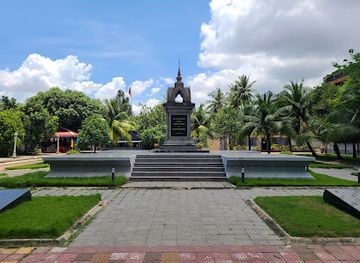
Tuol Sleng Genocide Museum
A former Khmer Rouge prison in Phnom Penh, serving as a chilling memorial to the Cambodian genocide and a call for peace.
-
Historical landmark
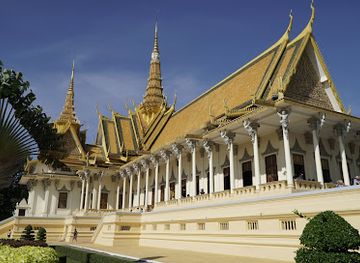
Royal Palace
Discover Cambodia's royal heritage at the Royal Palace in Phnom Penh, a stunning complex of Khmer architecture, ornate gilding, and historical treasures.
-
Market
Orussey Market
Discover the heart of Phnom Penh at Orussey Market, a vibrant hub filled with local produce, crafts, and authentic Cambodian flavors.
-
Night market
Phnom Penh Night Market
Experience Phnom Penh's vibrant nightlife at this bustling riverside market, offering shopping, street food, and cultural performances every weekend.
Best landmarks in Kampong Speu
Kampong Speu in Cambodia offers a rich tapestry of experiences for travelers, from the awe-inspiring heights of Phnom Aural, the tallest peak in Cambodia, to the serene and sacred grounds of the ancient pagodas like Phnom Preah Reach Trop. Adventure seekers can explore the lush, unspoiled forests teeming with wildlife, while history buffs can delve into the poignant relics of the Cambodian Civil War at the Choeung Ek Memorial. For a taste of local culture, visitors can immerse themselves in the vibrant market scenes at the Kampong Speu Night Market, savoring authentic Khmer cuisine and artisanal crafts. The spectacular waterfalls of Phnom Chisor provide a refreshing escape and a picturesque backdrop for unforgettable memories.
-
Buddhist temple
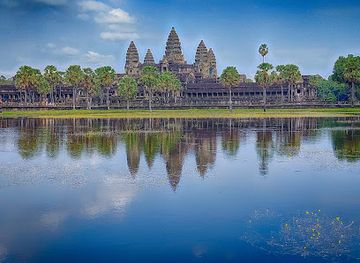
Angkor Wat
Explore Angkor Wat, the magnificent temple complex in Cambodia, a UNESCO World Heritage site blending Hindu and Buddhist traditions.
-
Buddhist temple
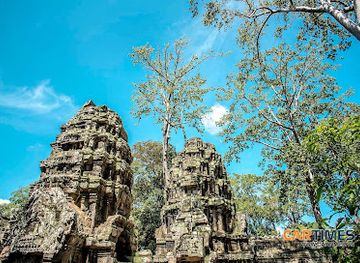
Ta Prohm Temple
Discover Ta Prohm, the 'Tomb Raider Temple' in Siem Reap, where nature intertwines with ancient Khmer architecture for a mystical experience.
-
 Monument
Independence Monument
A majestic lotus-shaped monument in Phnom Penh, commemorating Cambodia's independence and honoring its heroes. A symbol of freedom and national pride.
-
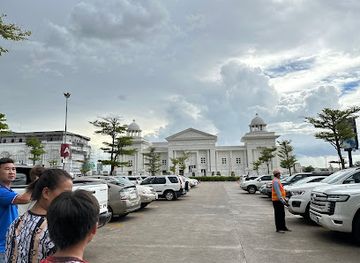
Shopping mall
AEON MALL Sen Sok
Discover a modern shopping and entertainment experience at AEON MALL Sen Sok City, Phnom Penh's premier retail destination with diverse offerings.
Explore Kampong Speu on the map
Plan your trip on one map. See where the top cities, national parks and sights are, and book hotels and experiences in a few clicks.
Best hotels in Kampong Speu
Best restaurants in Kampong Speu
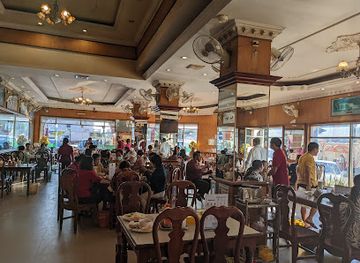
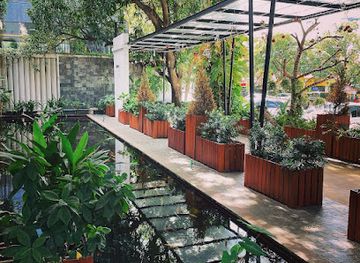
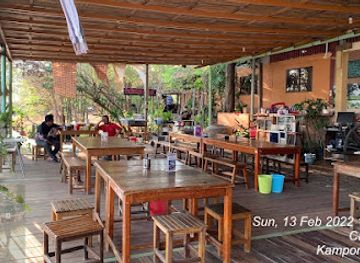
Kampong Speu's dining scene is a tantalizing blend of traditional Cambodian flavors and fresh, locally-sourced ingredients that will leave your taste buds craving more. Visitors can expect to dine in charming, open-air eateries where the scent of grilled meats and aromatic spices fill the air. Must-try local dishes include Amok, a fragrant fish curry steamed in banana leaves, and Num Banh Chok, a refreshing rice noodle dish often enjoyed for breakfast. The area is also renowned for its palm sugar, which is used to create delectable desserts and sweet treats. Whether you're savoring a simple street food snack or indulging in a multi-course meal at a local restaurant, Kampong Speu offers an authentic culinary adventure that showcases the rich gastronomic heritage of Cambodia.
-
Cambodian
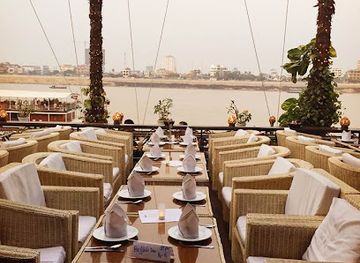
Titanic Restaurant
Experience authentic Cambodian cuisine at Titanic Restaurant along the beautiful Mekong River in Phnom Penh.
-
Cambodian
Arunras Restaurant
Discover the flavors of Cambodia at Arunras Restaurant in Krong Stueng Saen - where every dish tells a story.
-
French
Topaz Norodom
Experience exquisite French cuisine at Topaz Norodom - Phnom Penh's premier fine dining destination with an exceptional wine selection.
-
Restaurant
Prey Pros Restaurant
Experience authentic Cambodian flavors at Prey Pros Restaurant - where tradition meets taste in every dish.
Best bars in Kampong Speu
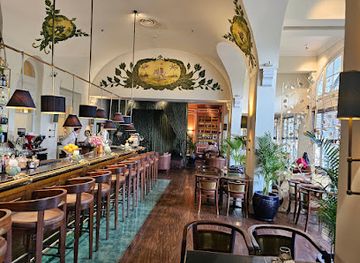
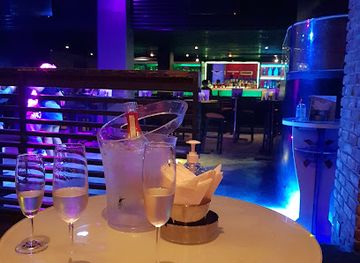
Kampong Speu, while often overshadowed by Cambodia's more renowned cities, offers a surprisingly vibrant nightlife that promises an authentic, local experience. As dusk settles, the town comes alive with bustling night markets where you can sample an array of delectable street food, from savory grilled meats to sweet Khmer desserts. Cozy up in a local bar where you can sip on traditional Cambodian brews, or explore the lively music scene with venues featuring everything from traditional Apsara dance performances to contemporary Khmer rock bands. For a more laid-back evening, take a stroll along the riverfront, where the reflections of twinkling lights create a serene atmosphere perfect for unwinding. Kampong Speu's nightlife is a blend of cultural immersion and modern entertainment, offering visitors a unique glimpse into the heart of Cambodia's local life after dark.
-
Bar
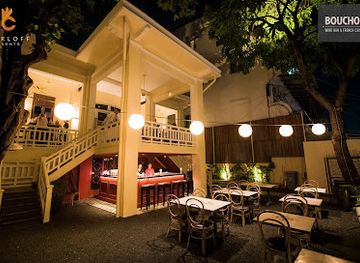
Bouchon Wine Bar
Experience the best of French cuisine and live music at Bouchon Wine Bar in Phnom Penh, a perfect blend of culinary delight and vibrant atmosphere.
-
Bar
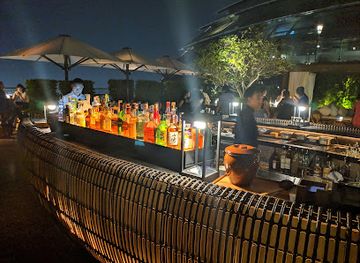
Sora Bar
Discover the luxurious allure of Sora Bar in Phnom Penh, where stunning city views meet exquisite cocktails in a vibrant atmosphere.
-
Bar
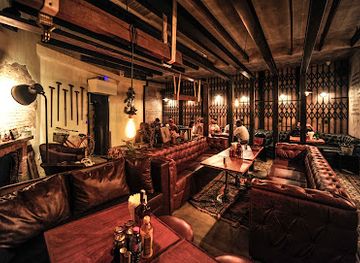
BATTBONG Speakeasy Bar . Bistro
Discover the hidden paradise of BATTBONG Speakeasy Bar & Bistro in Phnom Penh, where delightful cocktails and cozy ambiance meet.
-
Bar
Elephant Bar
Discover the lively Elephant Bar in Phnom Penh - a vibrant spot for delicious drinks and unforgettable social experiences.
Best nightclubs in Kampong Speu
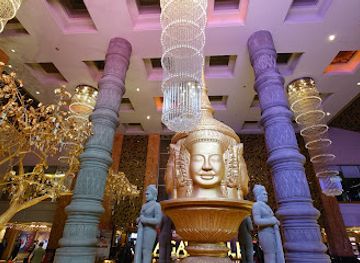
Kampong Speu, while often overshadowed by Cambodia's more renowned cities, offers a surprisingly vibrant nightlife that promises an authentic, local experience. As dusk settles, the town comes alive with bustling night markets where you can sample an array of delectable street food, from savory grilled meats to sweet Khmer desserts. Cozy up in a local bar where you can sip on traditional Cambodian brews, or explore the lively music scene with venues featuring everything from traditional Apsara dance performances to contemporary Khmer rock bands. For a more laid-back evening, take a stroll along the riverfront, where the reflections of twinkling lights create a serene atmosphere perfect for unwinding. Kampong Speu's nightlife is a blend of cultural immersion and modern entertainment, offering visitors a unique glimpse into the heart of Cambodia's local life after dark.
-
Night club
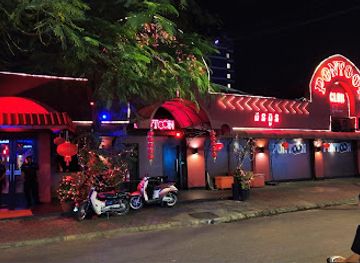
Pontoon Club
Dive into the electrifying nightlife of Pontoon Club, Phnom Penh's hottest live music and dance venue where unforgettable nights await.
-
Night club
LOVE - Phnom Penh
Experience the vibrant nightlife of Phnom Penh at LOVE, where electrifying music and unforgettable dance parties await every night.
-
Night club
Naga World Night Club
Experience the vibrant nightlife of Phnom Penh at Naga World Night Club, where electrifying music, exquisite drinks, and unforgettable moments await.
-
Night club
Vito Club
Discover Phnom Penh's electrifying nightlife at Vito Club, a trendy venue with vibrant music and a lively atmosphere perfect for unforgettable nights.

Best shops in Kampong Speu
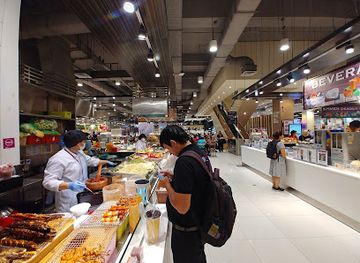
Kampong Speu offers a unique and vibrant shopping experience that immerses visitors in the heart of authentic Cambodian culture. The bustling local markets, such as Phsar Kampong Speu, are teeming with life, offering an array of fresh produce, fragrant spices, and handmade crafts that reflect the region's rich heritage. Here, you can find traditional Khmer textiles, intricately woven by local artisans, alongside stalls brimming with colorful fruits, aromatic herbs, and delectable street food that tantalizes the senses. For those seeking souvenirs, local shops feature beautiful pottery, exquisite silverware, and intricate carvings, providing a perfect memento of your journey. The shopping scene in Kampong Speu is not just about purchasing goods, but about experiencing the vibrant daily life and timeless traditions of its people.
-
Shopping mall
AEON Mall Phnom Penh
Explore AEON Mall Phnom Penh for an unparalleled shopping experience featuring international brands, diverse dining, and family-friendly entertainment.
-
Supermarket
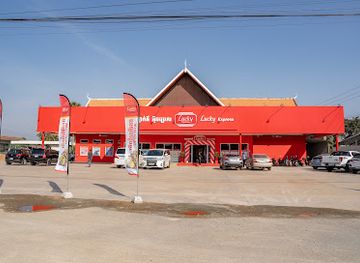
Lucky Express Kampong Speu
Explore Lucky Express Kampong Speu, a vibrant supermarket offering local delights and international goods for every traveler’s needs.
-
Grocery store
ហាង 2500
Explore local flavors and everyday delights at the 2500 Grocery Store in Krong Chbar Mon, a treasure trove for tourists seeking authentic Cambodian goods.
-
Store
Chhuon Kimsan
Discover the charm of Cambodia at Chhuon Kimsan, your go-to store for local goods and authentic souvenirs in Krong Chbar Mon.
Get your free copy of our complete guide to Kampong Speu, delivered straight to you.
Everything on this page, from attractions and restaurants to essentials and local phrases, in one PDF you can read offline, print or share.
Already have an account? Sign in
Your Kampong Speu guide is ready.
We'll send it to · Not you? Sign out

Getting your guide ready…
We are putting together a fresh copy of the Kampong Speu guide. This can take up to a minute.
This can take a few moments. If your browser asks, choose Allow so the download can start. You'll find the guide in your Downloads folder.
Nothing happened? Download it again
Sorry, the guide is taking longer than usual. Please try again in a minute, or get it by email instead.
Kampong Speu essentials
Currency and Payment
Safety
Emergency Situations
Do's and Don'ts
Local Tips
From Eve
Local phrases worth knowing
You don't need to get them perfect. A few words go a long way, and locals appreciate the effort.
Basics
| English | Local | Say it |
|---|---|---|
| Hello | សួស្តី | [Suosdey] |
| Goodbye | លាហើយ | [Leahery] |
| Yes | បាទ | [Bat] |
| No | ទេ | [Te] |
| Please/You're welcome | សូម | [Som] |
| Thank you | អរគុណ | [Orkun] |
| Excuse me/Sorry | សូមទោស | [Somtos] |
| How are you? | សុខសប្បាយដែរទេ? | [Sok sabay dae te?] |
| Fine. And you? | សុខសប្បាយ។ អ្នកល្អទេ? | [Sok sabay. Anak l'aor te?] |
| Do you speak English? | អ្នកអាចនិយាយភាសាអង់គ្លេសមែនទេ? | [Anak ach niyeay piasa Angkles maen te?] |
| I don't understand | ខ្ញុំមិនយល់ទេ | [Khnhom min yol te] |
Eating & Drinking
| English | Local | Say it |
|---|---|---|
| I'd like to see the menu, please | ខ្ញុំចង់មើលម៉ឺនុយ សូម | [Khnhom chong merl menu som] |
| I don't eat meat | ខ្ញុំមិនបរិច្ឆេទសាច់ | [Khnhom min barichhet sach] |
| Cheers! | ជួយក្តៅ! | [Choeuy kdao!] |
| I would like to pay, please | ខ្ញុំចង់បង់ប្រាក់ សូម | [Khnhom chong bang brak som] |
Emergencies
| English | Local | Say it |
|---|---|---|
| Help! | ជួយ! | [Choeuy!] |
| Go away! | ចេញទៅ! | [Chenh tov!] |
| Call the Police! | ហៅពូលីស! | [Hav polis!] |
| Call a doctor! | ហៅវេជ្ជបណ្ឌិត! | [Hav vechya bondit!] |
| I'm lost | ខ្ញុំបានខូចទិស | [Khnhom ban khoch thik] |
| I'm ill | ខ្ញុំមានជម្ងឺ | [Khnhom mean chomngue] |
Shopping
| English | Local | Say it |
|---|---|---|
| I'd like to buy... | ខ្ញុំចង់ទិញ... | [Khnhom chong teanh...] |
| I'm just looking | ខ្ញុំគ្រាន់តែរកមើល | [Khnhom khran tae rok merl] |
| How much is it? | តម្លៃប៉ុន្មាន? | [Damlay ponman?] |
| That's too expensive | វាអ្នកខ្ពស់ពេក | [Ve anak kphos pek] |
| Can you lower the price? | អ្នកអាចបន្ថយតម្លៃបានទេ? | [Anak ach banthoy damlay ban te?] |
Time & Numbers
| English | Local | Say it |
|---|---|---|
| What time is it? | ម៉ោងប៉ុន្មានហើយ? | [Maong ponman hey?] |
| It's one o'clock | ម៉ោងមួយ | [Maong muoy] |
| Half past (10) | ម៉ោងពុល (10) | [Maong pol (10)] |
| Morning | ព្រឹក | [Preuk] |
| Afternoon | រសៀល | [Rasiel] |
| Evening | ល្ងាច | [Lngach] |
| Yesterday | ម្សិលមិញ | [Msil minh] |
| Today | ថ្ងៃនេះ | [Thngai nih] |
| Tomorrow | ថ្ងៃស្អែក | [Thngai saek] |
| 1 | មួយ | [Muoy] |
| 2 | ពីរ | [Pir] |
| 3 | បី | [Bei] |
| 4 | បួន | [Boun] |
| 5 | ប្រាំ | [Pram] |
| 6 | ប្រាំមួយ | [Pram muoy] |
| 7 | ប្រាំពីរ | [Pram pir] |
| 8 | ប្រាំបី | [Pram bei] |
| 9 | ប្រាំបួន | [Pram boun] |
| 10 | ១០ | [10] |
Transport & Directions
| English | Local | Say it |
|---|---|---|
| Where's a/the...? | នៅឯណា...? | [Nov ae na...?] |
| What's the address? | អាសយដ្ឋានអ្វី? | [Aseyatthan ave?] |
| Can you show me (on the map)? | អ្នកអាចបង្ហាញខ្ញុំ (នៅលើផែនទី)? | [Anak ach bonhaing khnhom (nov ler phentii)?] |
| When's the next (bus)? | ម៉ោងបន្ទាប់ (កង់)? | [Maong bantoap (kang)?] |
| A ticket (to ....) | សំបុត្រមួយ (ទៅ....) | [Sambot muoy (tov....)] |
History of Kampong Speu
Ancient Origins and Pre-Angkorian Period
Kampong Speu, located in southwestern Cambodia, has a rich history that dates back to the pre-Angkorian period. Archaeological findings suggest that this region was inhabited by early Khmer communities who engaged in agriculture and trade. The ancient hill temples of Phnom Sruoch and the vestiges of early settlements provide a glimpse into the life and culture of these early inhabitants.
Angkorian Era Influence
During the Angkorian era, Kampong Speu was an important part of the Khmer Empire. The region contributed to the empire's prosperity through its agricultural productivity, particularly in rice cultivation. The influence of Angkorian architecture can still be seen in the ruins of temples and structures scattered across the province. Kampong Speu served as a vital link between the capital, Angkor, and the coastal regions, facilitating trade and communication.
French Colonial Period
In the late 19th century, Kampong Speu came under French colonial rule along with the rest of Cambodia. The French introduced new infrastructure, including roads and schools, which helped modernize the region. Despite the colonial dominance, Kampong Speu retained much of its traditional Khmer culture and way of life. The blend of colonial architecture and traditional Khmer buildings is a testament to this period.
Role in Cambodian Independence
Kampong Speu played a significant role in Cambodia's struggle for independence from French colonial rule. The province was a hotbed of nationalist sentiment and saw several uprisings and protests against the colonial authorities. Prominent figures from Kampong Speu contributed to the independence movement, which eventually led to Cambodia gaining independence in 1953.
Impact of the Khmer Rouge Regime
The Khmer Rouge regime, which lasted from 1975 to 1979, had a devastating impact on Kampong Speu. The province, like much of Cambodia, suffered from forced labor, mass executions, and severe food shortages. Many historical sites were damaged or neglected during this period. The legacy of this dark chapter is still felt today, and numerous memorials and museums in Kampong Speu serve as a reminder of the atrocities committed.
Post-Khmer Rouge Recovery
Following the fall of the Khmer Rouge regime, Kampong Speu began a slow process of recovery and rebuilding. Efforts to restore historical sites and preserve cultural heritage gained momentum. The province has since focused on developing its agricultural sector and improving infrastructure. Kampong Speu's rich history and cultural heritage have become central to its identity and tourism industry.
Modern-Day Kampong Speu
Today, Kampong Speu is a vibrant province that harmoniously blends its historical legacy with modern development. The region is known for its scenic landscapes, including the Cardamom Mountains and the Kirirom National Park. Kampong Speu's cultural festivals, traditional crafts, and historical landmarks attract tourists from around the world. The province continues to celebrate its rich history while embracing progress and innovation.
Kampong Speu in Photos
Browse through our photo collection highlighting the charm and character of the destination.
Neighbouring regions of Kampong Speu
The closest regions to Kampong Speu, if you have time for more than one.
-

-

-

-

-


Swipe for more regions
Explore more

Explore more of Cambodia
Discover Cambodia: From the ancient wonders of Angkor Wat to the vibrant streets of Phnom Penh, immerse yourself in a land of history, culture, and natural beauty.
Explore Cambodia