

Free Kampong Chhnang Travel Guide & Mobile App
Explore Kampong Chhnang with free travel guides. Discover regional history, expert tips, proposed trips, and audio guides on web or mobile app.


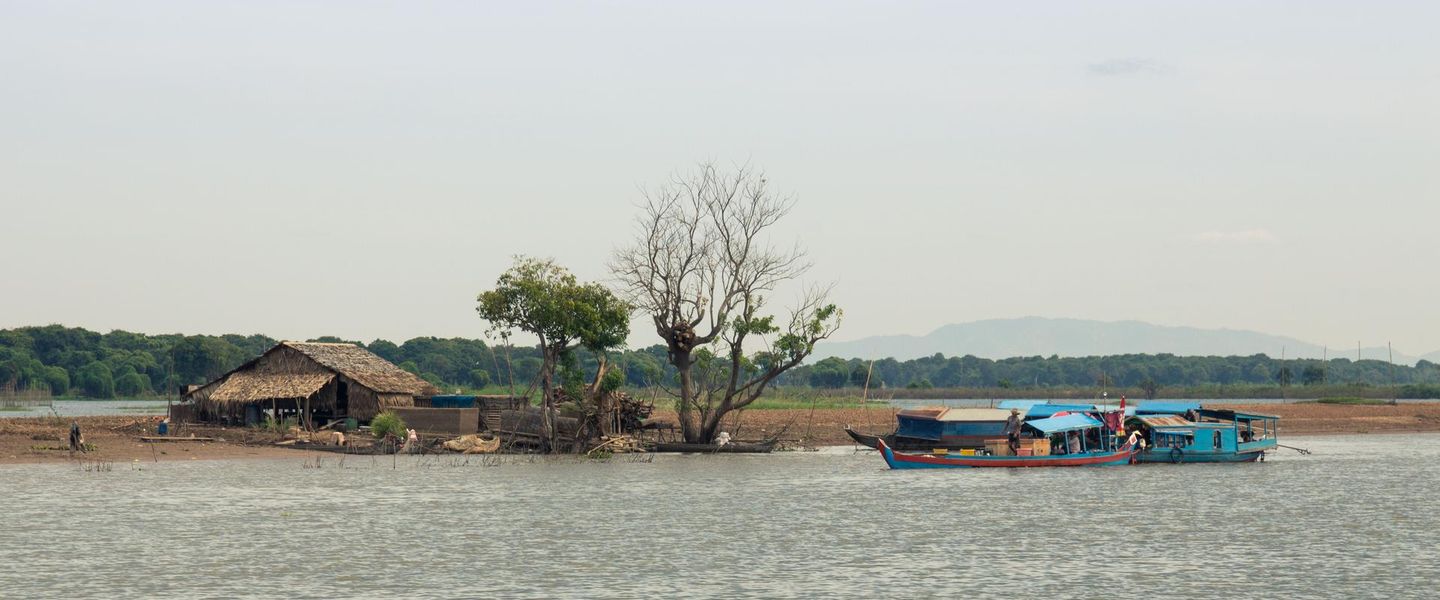


Explore Kampong Chhnang in Cambodia for traditional pottery, Tonle Sap communities, palm-sugar villages, riverside scenery and rural Khmer life.
Read more about Kampong Chhnang
When is the best time to visit Kampong Chhnang?
Best: December–February · 30–33°C| Month | High (°C) | Rainfall (mm) |
|---|---|---|
| January (best) | 31 | 3 |
| February (best) | 33 | 4 |
| March | 35 | 15 |
| April | 36 | 50 |
| May | 35 | 100 |
| June | 33 | 120 |
| July | 33 | 130 |
| August | 33 | 140 |
| September | 32 | 130 |
| October | 32 | 100 |
| November | 31 | 50 |
| December (best) | 30 | 10 |
Getting to and around Kampong Chhnang
How to get there
Transportation
Top city travel guides in Kampong Chhnang
The cities of Kampong Chhnang, and the easiest places to base yourself.

Swipe for more cities
Best attractions in Kampong Chhnang
Kampong Chhnang’s attractions centre on living culture, waterways and rural landscapes rather than a dense collection of monumental ruins. The provincial capital provides access to markets, riverside activity and local transport, while nearby pottery-producing communities offer an insight into the making of earthenware vessels and the practical craft traditions behind the province’s name. In the countryside, visitors encounter rice fields, sugar palms, village pagodas and small hills rising above an otherwise level plain. Phnom Krang Dei Meas provides a modest hill excursion and a local religious setting. Tonle Sap communities, including Chhnok Tru in the province’s northern area, reveal how homes, schools, commerce and fishing adapt to seasonal water levels; visits should be arranged carefully and respectfully. Boat trips can be highly dependent on weather, water height and local access. Cycling, short walks and accompanied drives are suitable ways to observe farms and village life, while the province’s markets provide a direct view of food, household goods and everyday commerce. The appeal lies in the relationship between people, clay, crops and water rather than in formal resort facilities.
-
Kampong Chhnang Fountain
Experience tranquility at the Kampong Chhnang Fountain in Cambodia, a picturesque attraction perfect for relaxation and cultural exploration.

Best landmarks in Kampong Chhnang
The Tonle Sap River and its adjoining floodplain are Kampong Chhnang’s most defining geographical landmarks. They explain the province’s fishing economy, seasonal landscapes and floating settlements more powerfully than any single constructed monument. Chhnok Tru is a notable example of a large water-based community within the province, where the arrangement of homes and services reflects changing lake levels and aquatic livelihoods. Phnom Krang Dei Meas forms a visible landmark near the provincial centre, rising above the flat countryside and associated with local religious traditions. The area’s pottery villages are cultural landmarks in a broader sense: kilns, clay-working spaces and rows of earthenware connect present-day production with the meaning of Kampong Chhnang’s name. Buddhist pagodas, village shrines and traditional houses add smaller architectural markers throughout the province, though their appearance and accessibility vary. Rather than monumental castles or colonial streetscapes, Kampong Chhnang’s identity is expressed through the meeting of river, floodplain, craft and settlement. Visitors should treat active religious sites and inhabited floating communities as living places, not simply photographic scenery.
-
Buddhist temple
Wat Phnom Daun Penh
Discover the spiritual heart of Phnom Penh at Wat Phnom, a historic temple offering serene beauty and panoramic city views.
-
Park
Wat Botum Park
Discover a peaceful retreat in Phnom Penh's Wat Botum Park, a blend of nature, culture, and community life.
-
Tourist attraction
Phreah Reach Throap Mountain
Explore Cambodia's former royal capital at Oudong Mountain: ancient temples, panoramic views, and Khmer history await.
-
Park
Cambodian Cultural Village
Discover Cambodia's soul at the Cambodian Cultural Village near Siem Reap: a vibrant showcase of traditions, performances, and heritage from diverse ethnic groups all in one place.


Explore Kampong Chhnang on the map
Plan your trip on one map. See where the top cities, national parks and sights are, and book hotels and experiences in a few clicks.
Best hotels in Kampong Chhnang
Best restaurants in Kampong Chhnang
Dining in Kampong Chhnang is closely connected to Cambodia’s wider central plain and Tonle Sap food culture. Local markets and simple eateries serve rice with grilled meats, soups, stir-fries, noodles and freshwater fish, while seasonal vegetables, herbs and fermented ingredients add distinctive Khmer flavours. Fish from the lake and rivers may appear in dishes such as sour soups and other everyday preparations, although availability varies with season and catch. Palm sugar and products from Cambodia’s sugar-palm economy are important regional ingredients, and visitors may encounter palm-based sweets or drinks in village markets. Kampong Chhnang’s pottery heritage also remains relevant at the table, since earthenware vessels have traditionally been used for cooking and storing food. Restaurants in the provincial town range from informal Khmer establishments to modest hotels and cafés, while rural stops are simpler and often operate during daytime hours. Carrying drinking water and checking hygiene standards at small food stalls is sensible, particularly when travelling by boat or through remote villages.
-
Restaurant
ភោជនីយដ្ឋានអង្គរថ្មី ខេត្តកំពង់ឆ្នាំង-Angkor Thmey Restaurant
Savor authentic Cambodian Chinese cuisine at Angkor Thmey Restaurant in Krong Kampong Chhnang – where flavor meets culture.
-
Restaurant
Domrey Sor Kampong Chhnang
Experience authentic Cambodian flavors and comforting coffee at Domrey Sor Kampong Chhnang – your culinary haven on National Highway 5.
-
Restaurant
K'am Meas Restaurant
Savor authentic Cambodian and Chinese cuisine at K'am Meas Restaurant in Khum Pongro – a delightful stop for travelers seeking flavor.
-
South East Asian
Smile Restaurant
Experience authentic Southeast Asian flavors at Smile Restaurant in Krong Kampong Cham – where tradition meets culinary excellence.


Best bars in Kampong Chhnang
Kampong Chhnang does not have a major nightclub scene, and evening life is generally quieter than in Phnom Penh or Cambodia’s principal tourist centres. In the provincial capital, visitors are more likely to find casual Khmer restaurants, small cafés, beer gardens and hotel-based dining than dedicated late-night venues. Local residents often socialise around food, conversation and televised entertainment, while riverside areas may become calm after dark. Outside the town, rural evenings centre on family and community life, with few formal options for visitors. Alcohol is available in restaurants and shops, but it is not necessary for engaging with the province’s culture. Arrange transport back to accommodation before travelling into rural districts, as tuk-tuks and taxis may be less readily available late at night. Some seasonal celebrations and public events can bring music and temporary activity, but these should be confirmed locally rather than assumed to follow a fixed tourist calendar.
-
Restaurant
ភោជនីយដ្ឋានអង្គរថ្មី ខេត្តកំពង់ឆ្នាំង-Angkor Thmey Restaurant
Experience the authentic flavors of Cambodia at Angkor Thmey Restaurant in Krong Kampong Chhnang, where tradition meets taste.
-
Van Soleap Restaurant
Discover authentic Cambodian flavors at Van Soleap Restaurant, a must-visit dining destination in Krong Kampong Chhnang offering delightful local cuisine.
-
Restaurant
ARENG CAFE
Discover the flavors of Cambodia at Areng Cafe, a cozy restaurant in Krong Kampong Chhnang, offering authentic dishes and a warm atmosphere for travelers.
-
Restaurant
អប្សគុជឃ្មុំ
Discover authentic Khmer flavors at អប្សគុជឃ្មុំ, where every dish tells a story of Cambodia's culinary heritage.


Best nightclubs in Kampong Chhnang
Kampong Chhnang does not have a major nightclub scene, and evening life is generally quieter than in Phnom Penh or Cambodia’s principal tourist centres. In the provincial capital, visitors are more likely to find casual Khmer restaurants, small cafés, beer gardens and hotel-based dining than dedicated late-night venues. Local residents often socialise around food, conversation and televised entertainment, while riverside areas may become calm after dark. Outside the town, rural evenings centre on family and community life, with few formal options for visitors. Alcohol is available in restaurants and shops, but it is not necessary for engaging with the province’s culture. Arrange transport back to accommodation before travelling into rural districts, as tuk-tuks and taxis may be less readily available late at night. Some seasonal celebrations and public events can bring music and temporary activity, but these should be confirmed locally rather than assumed to follow a fixed tourist calendar.
-
Gold Star Restaurant & KTV
Experience the best of dining and karaoke at Gold Star Restaurant & KTV in Krong Kampong Chhnang, where fun meets flavor.
-
ផ្ទះបូរី (បងមេឃ)
Unleash your night at ផ្ទះបូរី (បងមេឃ) in Kampong Cham, where vibrant music and a lively atmosphere create unforgettable experiences.
-
57 Club KPC
Experience the vibrant nightlife at 57 Club KPC in Krong Kampong Cham – where music, friends, and unforgettable moments collide.
-
ស្រីម៉ៅ
Discover the electric atmosphere of ស្រីម៉ៅ, where the beat of Cambodian nightlife resonates through the vibrant dance floor.


Best shops in Kampong Chhnang
Shopping in Kampong Chhnang is focused on practical local commerce, handmade pottery and agricultural products rather than large retail complexes. The provincial markets are useful for observing everyday trade and buying snacks, fruit, spices, woven goods and household items, while small shops in the town provide basic travel supplies. Pottery is the most distinctive purchase: locally made earthenware may include cooking vessels, water containers and decorative pieces, although designs, quality and availability vary between workshops. Ask whether an item is handmade and pack fragile ceramics carefully, since larger purchases may need protective wrapping or onward transport arrangements. Palm sugar and other shelf-stable food products can make useful gifts when clearly labelled and properly packaged. Rural communities may offer goods directly from households or small producers, but stock is not always consistent and card payment is unlikely. Bargain politely where bargaining is customary, and remember that paying a fair price can matter more than securing the lowest possible cost from a small artisan.
-
Market
Kampong Chhnang Market
Discover the vibrant culture and local flavors at Kampong Chhnang Market, a bustling hub of commerce in Cambodia.
-
Pottery store
Kampong Chhnang Pottery
Discover the artistry of Kampong Chhnang Pottery, where tradition meets creativity in the heart of Cambodia.
-
Tourist attraction
Kampong Chhnang Floating Village
Experience the vibrant culture and breathtaking beauty of Kampong Chhnang Floating Village, a unique gem along Cambodia's Tonle Sap River.
-
Store
Kampong chnang
Explore the cultural heart of Cambodia in Kampong Chhnang, known for its pottery, stunning landscapes, and vibrant local markets.


Get your free copy of our complete guide to Kampong Chhnang, delivered straight to you.
Everything on this page, from attractions and restaurants to essentials and local phrases, in one PDF you can read offline, print or share.
Already have an account? Sign in
Your Kampong Chhnang guide is ready.
We'll send it to · Not you? Sign out

Getting your guide ready…
We are putting together a fresh copy of the Kampong Chhnang guide. This can take up to a minute.
This can take a few moments. If your browser asks, choose Allow so the download can start. You'll find the guide in your Downloads folder.
Nothing happened? Download it again
Sorry, the guide is taking longer than usual. Please try again in a minute, or get it by email instead.
Kampong Chhnang essentials
Currency and Payment
Safety
Emergency Situations
Do's and Don'ts
Local Tips
From Eve
Local phrases worth knowing
You don't need to get them perfect. A few words go a long way, and locals appreciate the effort.
Basics
| English | Local | Say it |
|---|---|---|
| Hello | សួស្តី | [soursdey] |
| Goodbye | លាទៅ | [leatov] |
| Yes | បាទ/ចាស | [bat/chah] |
| No | ទេ | [teh] |
| Please/You're welcome | សូម | [som] |
| Thank you | អរគុណ | [orkun] |
| Excuse me/Sorry | សូមអភ័យទោស | [som aphaytos] |
| How are you? | សុខសប្បាយរបស់អ្នកទេ? | [sok sabay robos anak te?] |
| Fine. And you? | សុខសប្បាយ។ អ្នក呢? | [sok sabay. anak ne?] |
| Do you speak English? | អ្នកនិយាយភាសាអង់គ្លេសទេ? | [anak niyeay phea sa angkles te?] |
| I don't understand | ខ្ញុំមិនយល់ទេ | [khnhom min yol te] |
Eating & Drinking
| English | Local | Say it |
|---|---|---|
| I'd like to see the menu, please | ខ្ញុំចង់មើលម៉ឺនុយ | [khnhom chong merl menu] |
| I don't eat meat | ខ្ញុំមិនបរិភោគសាច់ | [khnhom min boriphok sach] |
| Cheers! | ជេរ! | [cheer!] |
| I would like to pay, please | ខ្ញុំចង់បង់ប្រាក់ | [khnhom chong bang prak] |
Emergencies
| English | Local | Say it |
|---|---|---|
| Help! | ជួយ! | [jouy!] |
| Go away! | ទៅឆ្ងាយ! | [tev chhngay!] |
| Call the Police! | ហៅប៉ូលិស! | [hao polis!] |
| Call a doctor! | ហៅវេជ្ជបណ្ឌិត! | [hao vechbandit!] |
| I'm lost | ខ្ញុំបាត់ខ្លួន | [khnhom bat kluon] |
| I'm ill | ខ្ញុំឈឺ | [khnhom chheu] |
Shopping
| English | Local | Say it |
|---|---|---|
| I'd like to buy... | ខ្ញុំចង់ទិញ... | [khnhom chong teanh...] |
| I'm just looking | ខ្ញុំគ្រាន់តែចង់មើល | [khnhom kroante chong merl] |
| How much is it? | ថ្លៃប៉ុន្មាន? | [thlai ponman?] |
| That's too expensive | ថ្លៃច្រើនពេក | [thlai chraen phek] |
| Can you lower the price? | អ្នកអាចកាត់ថ្លៃទេ? | [anak ach kat thlai te?] |
Time & Numbers
| English | Local | Say it |
|---|---|---|
| What time is it? | ម៉ោងប៉ុន្មាន? | [maong ponman?] |
| It's one o'clock | ម៉ោងមួយ | [maong muoy] |
| Half past (10) | ម៉ោងកន្លះ(១០) | [maong kanlah (10)] |
| Morning | ព្រឹក | [pruok] |
| Afternoon | រសៀល | [rosiel] |
| Evening | យប់ | [yub] |
| Yesterday | ម្សិលមិញ | [msil minh] |
| Today | ថ្ងៃនេះ | [thngai nih] |
| Tomorrow | ថ្ងៃស្អែក | [thngai saek] |
| 1 | ១ | [muoy] |
| 2 | ២ | [pii] |
| 3 | ៣ | [bai] |
| 4 | ៤ | [buon] |
| 5 | ៥ | [pram] |
| 6 | ៦ | [pram muoy] |
| 7 | ៧ | [pram pii] |
| 8 | ៨ | [pram bai] |
| 9 | ៩ | [pram buon] |
| 10 | ១០ | [pram pram] |
Transport & Directions
| English | Local | Say it |
|---|---|---|
| Where's a/the...? | នៅឯណា...? | [nov ae na...?] |
| What's the address? | អាសយដ្ឋានអ្វី? | [asaydthan ave?] |
| Can you show me (on the map)? | អ្នកអាចបង្ហាញខ្ញុំ(លើផែនទី)? | [anak ach bonghean khnhom (leu phentti)?] |
| When's the next (bus)? | ម៉ោងរថយន្តក្រោយទៅ? | [maong rothyon kroi tev?] |
| A ticket (to ....) | សំបុត្រ(ទៅ....) | [sambot (tev....)] |
History of Kampong Chhnang
Early communities of the Tonle Sap basin
The Tonle Sap basin has supported settlement, fishing and farming for many centuries. Seasonal flooding renewed soils and created productive aquatic environments, encouraging communities to adapt their homes and livelihoods to changing water levels. Although the archaeological record is spread across the wider central Cambodian plain rather than concentrated in one famous site in Kampong Chhnang, the province forms part of the landscape that supported early Khmer society. The enduring importance of fishing, rice cultivation and water transport reflects environmental patterns with deep historical roots.
The Khmer kingdoms and inland waterways
During the formation and expansion of the Khmer states, the central plain and Tonle Sap waterways connected settlements, agricultural areas and royal centres. Kampong Chhnang’s position near the lake and along routes between the capital region and north-western Cambodia gave it practical importance as a river and market area. The province does not contain Angkor’s principal monumental core, but its landscapes belong to the wider economic system that supplied food, labour and materials to successive Khmer centres.
Pottery traditions and the port of ceramics
Kampong Chhnang’s identity developed partly through pottery production and river commerce. Local craft traditions used suitable clay deposits to make cooking vessels, water jars and other utilitarian ceramics for households and markets. Production was historically linked to women’s household work as well as village-based exchange, while waterways helped move goods through the region. The name Kampong Chhnang, commonly translated as “Port of Pottery”, records this association. Contemporary workshops use changing methods and markets, but handmade earthenware remains an important expression of local heritage.
French colonial administration and changing transport
Cambodia’s incorporation into the French protectorate from the nineteenth century brought new administrative structures, mapping and transport priorities. Kampong Chhnang remained a predominantly agricultural and river-oriented province, but roads and government institutions gradually altered connections between the provincial centre, Phnom Penh and neighbouring areas. Colonial-era influence is more visible through town planning, administrative buildings and the development of modern transport corridors than through a large concentration of monumental architecture.
War, upheaval and the Khmer Rouge period
Like the rest of Cambodia, Kampong Chhnang experienced severe disruption during the civil war years and the Khmer Rouge period from 1975 to 1979. Communities were displaced, family structures were broken and agricultural production was reorganised under coercive conditions. The province’s rural population suffered deaths, forced labour and shortages, while later decades brought the difficult work of rebuilding villages, schools, pagodas and local economies. This history is often encountered through community memory rather than a single major visitor monument, and it should be approached respectfully.
Post-1979 reconstruction and rural change
After the fall of Democratic Kampuchea, Kampong Chhnang gradually rebuilt its agricultural, market and transport networks. Improved roads strengthened links with Phnom Penh, while fishing, rice cultivation, pottery, palm products and small commerce continued to support local livelihoods. Floating and lakeside communities have also faced changing water conditions, environmental pressures and economic opportunities. These developments have made the province more accessible to visitors while preserving its character as a place where traditional crafts and water-based life remain part of the contemporary economy.
Kampong Chhnang in Photos
Browse through our photo collection highlighting the charm and character of the destination.
Neighbouring regions of Kampong Chhnang
The closest regions to Kampong Chhnang, if you have time for more than one.
-

-
-

-

-


Swipe for more regions
Explore more

Explore more of Cambodia
Discover Cambodia: From the ancient wonders of Angkor Wat to the vibrant streets of Phnom Penh, immerse yourself in a land of history, culture, and natural beauty.
Explore Cambodia