

Free Pursat Travel Guide & Mobile App
Explore Pursat with free travel guides. Discover regional history, expert tips, proposed trips, and audio guides on web or mobile app.


Explore Pursat in Cambodia for river-town life, marble carving, rice country and access to the forested Cardamom Mountains.
Read more about Pursat
When is the best time to visit Pursat?
Best: November–January · 30–32°C| Month | High (°C) | Rainfall (mm) |
|---|---|---|
| January (best) | 32 | 3 |
| February | 33 | 8 |
| March | 36 | 20 |
| April | 37 | 50 |
| May | 35 | 120 |
| June | 33 | 150 |
| July | 32 | 160 |
| August | 33 | 160 |
| September | 32 | 140 |
| October | 31 | 100 |
| November (best) | 30 | 40 |
| December (best) | 30 | 10 |
Getting to and around Pursat
How to get there
Transportation
Top city travel guides in Pursat
The cities of Pursat, and the easiest places to base yourself.
-

-

-


Swipe for more cities
Destinations in Pursat
Resorts, valleys and scenic spots worth a trip of their own.

Swipe for more destinations
Best attractions in Pursat
Pursat's attractions are primarily rural, cultural and environmental rather than concentrated in a single monumental complex. In Pursat town, visitors can explore the market, riverfront, pagodas and marble-carving workshops that reflect the province's material culture and everyday economy. The surrounding lowlands offer views of rice fields, village roads, fruit-growing areas and the seasonal waterways connected to the Tonle Sap system. In the west, the character of the province changes as roads lead towards Veal Veng and the Cardamom foothills, where forest, streams and mountain scenery replace the open agricultural plain. Phnom Samkos Wildlife Sanctuary and the Central Cardamom Mountains are important for biodiversity and watershed protection, although access is generally arranged through local guides and depends on weather and road conditions. Wildlife observation should be approached as a conservation experience rather than a guaranteed encounter. The province also suits visitors interested in Cambodia's post-war rural development, railway history and less formal cultural encounters. Pursat is best explored at a measured pace, combining the provincial capital with a carefully planned excursion rather than attempting to cover the entire province in a single day.
-
Battambang Floating Village
Discover the enchanting life of Battambang Floating Village, where nature meets culture in a vibrant waterside community.
-
Pursat Museum
Explore the Pursat Museum, a cultural gem in Cambodia that showcases local art and historical artifacts, reflecting the vibrant spirit of the community.
Best landmarks in Pursat
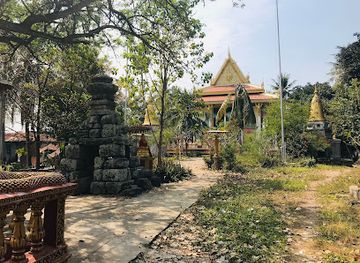
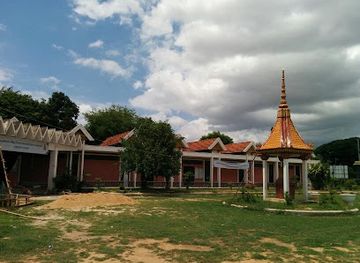
Pursat town's most recognisable civic and cultural features are its river corridor, Buddhist pagodas, market area and workshops associated with the province's marble-carving tradition. These places are modest in scale, but together they express the relationship between the town's commercial life, religious practice and surrounding geology. The Pursat River is an important geographical landmark, linking the provincial capital to the wider lowland landscape before its waters join the Tonle Sap system. In the western districts, the forested Cardamom ranges provide the province's most imposing natural backdrop, with Phnom Samkos and the protected mountain landscapes around it representing major ecological landmarks. The transition from flat rice country to wooded highlands is itself one of Pursat's defining visual features. Railway infrastructure and long-established road corridors also recall the province's role as a link between Phnom Penh and western Cambodia. Visitors should distinguish these living and landscape landmarks from the grand temple monuments concentrated in other parts of Cambodia; Pursat's significance lies in the combination of river, rural settlement, craft, transport history and protected forest.
-
Tourist attraction
Pursat Railway Bridge
Discover the historic Pursat Railway Bridge in Cambodia, offering stunning views and a peaceful retreat into the nation's colonial past.
Explore Pursat on the map
Plan your trip on one map. See where the top cities, national parks and sights are, and book hotels and experiences in a few clicks.
Best hotels in Pursat
Best restaurants in Pursat
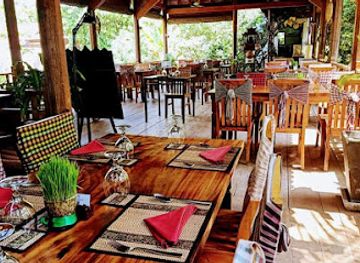
Dining in Pursat is centred on Khmer home-style cooking, market food, roadside stalls and simple restaurants rather than a large international dining scene. Rice, freshwater fish, vegetables, soups, stir-fries and fermented or preserved ingredients form the basis of everyday meals, with seasonal produce moving through local markets from the surrounding agricultural districts. The town's eateries are useful places to try noodle soups, grilled meats, rice dishes and Cambodian curries, while cafés and small bakeries provide straightforward breakfasts and drinks. Along the main road, food stops often cater to domestic travellers and may specialise in practical meals served quickly. In rural areas, choice is more limited and meals may be arranged through guesthouses or local hosts. Cambodian coffee, fresh fruit and sweet drinks are widely available, and visitors should carry water when travelling into remote areas. Prices and menus are usually clearest when ordering from a displayed list or with assistance from a local guide.
-
Restaurant
Malop Svay Restaurant (Mlop Svay)
Experience authentic Cambodian cuisine at Malop Svay Restaurant in Krong Pursat - where every dish tells a story.
-
Cambodian
Changkran Khmer Restaurant
Savor authentic Cambodian flavors in an elegant setting at Changkran Khmer Restaurant - where tradition meets fine dining.
-
Restaurant
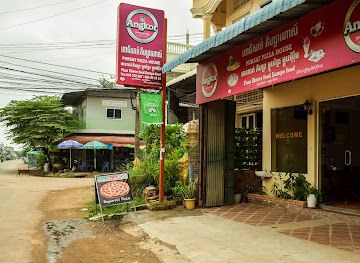
Pursat Pizza House
Discover authentic Italian flavors at Pursat Pizza House in Krong Pursat - where every slice tells a story.
-
Restaurant
Thmor Keo Restaurant
Experience authentic Khmer cuisine at Thmor Keo Restaurant in Krong Pursat – where flavors meet tradition in a warm setting.
Best bars in Pursat
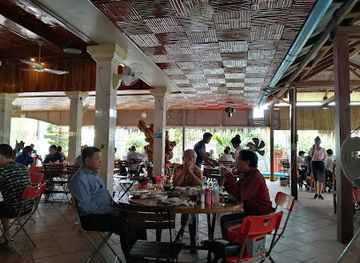
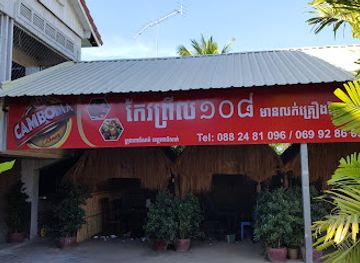
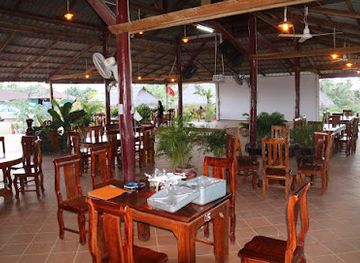
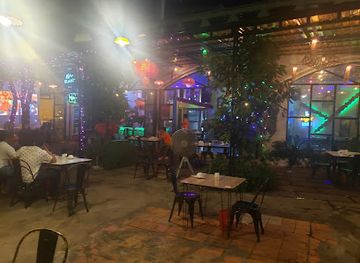
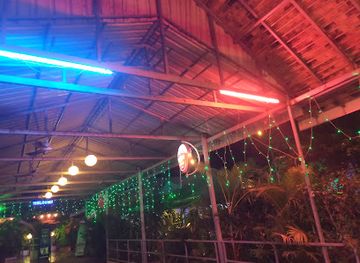
Pursat has a low-key evening scene shaped by family restaurants, cafés, beer gardens and local establishments rather than a dedicated nightclub district. After dark, activity is concentrated around the provincial capital, where residents meet for food, conversation and drinks, while smaller settlements become quiet relatively early. Visitors may find Cambodian beer, soft drinks, coffee and simple mixed drinks, but should not expect the late-night variety of Phnom Penh or Siem Reap. Some restaurants provide informal evening entertainment, and guesthouses can usually suggest current local options without relying on permanent venue listings. In rural and mountain districts, evenings are primarily about dining, sitting outdoors and enjoying the cooler air; organised nightlife is uncommon. Drink responsibly, arrange transport before going out and avoid assuming that a quiet local venue operates to fixed tourist-oriented hours.
-
Restaurant
អាហារដ្ឋាន បុប្ផាសៀមរាប
Savor authentic Cambodian cuisine in a cozy, vibrant setting at អាហារដ្ឋាន បុប្ផាសៀមរាប, a must-visit restaurant and pub in Krong Pursat.
-
Restaurant
Lomhe Pursat Restaurant
Experience authentic Cambodian flavors at Lomhe Pursat Restaurant in Krong Pursat, where every dish tells a story of local heritage and culinary tradition.
-
Restaurant
101 Pub & Restaurant
Savor the essence of Cambodian cuisine and international flavors at 101 Pub & Restaurant in Krong Pursat.
-
Restaurant
Seven Luck Restaurant
Discover the authentic flavors of Cambodia at Seven Luck Restaurant in Krong Pursat, where every dish tells a story.
Best nightclubs in Pursat
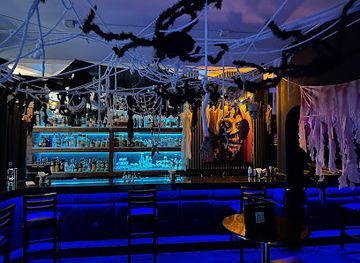
Pursat has a low-key evening scene shaped by family restaurants, cafés, beer gardens and local establishments rather than a dedicated nightclub district. After dark, activity is concentrated around the provincial capital, where residents meet for food, conversation and drinks, while smaller settlements become quiet relatively early. Visitors may find Cambodian beer, soft drinks, coffee and simple mixed drinks, but should not expect the late-night variety of Phnom Penh or Siem Reap. Some restaurants provide informal evening entertainment, and guesthouses can usually suggest current local options without relying on permanent venue listings. In rural and mountain districts, evenings are primarily about dining, sitting outdoors and enjoying the cooler air; organised nightlife is uncommon. Drink responsibly, arrange transport before going out and avoid assuming that a quiet local venue operates to fixed tourist-oriented hours.
-
Pontoon Club
Pontoon Club: A Thrilling Nightlife Experience in Phnom Penh with Live Music and a Lively Crowd.
-
LOVE - Phnom Penh
Discover Phnom Penh's nightlife at LOVE, where pulsating beats, vibrant crowds, and unforgettable experiences await every night.
-
Vito Club
Experience the electrifying nightlife of Vito Club in Phnom Penh, where great music and a vibrant atmosphere unite for unforgettable nights.
-
XZOOM DISCO CLUB
Discover the electrifying nightlife of Phnom Penh at XZOOM Disco Club, where music, dance, and fun await every night.



Best shops in Pursat
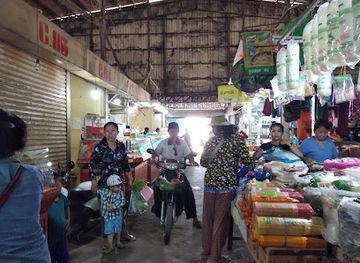
Shopping in Pursat is practical and locally focused, with the provincial market and town shops offering fresh produce, prepared foods, household goods, clothing and everyday Cambodian products. The province's most distinctive purchase is marble or stonework, including carved religious images and decorative objects made by local artisans. Inspect pieces carefully, ask about packing and transport, and buy only from legitimate sellers; protected historical or natural material should never be removed or traded. Rural markets provide opportunities to see seasonal fruit, rice products, dried foods and other produce from the surrounding agricultural districts, although market days and stock vary. Small shops may also sell Cambodian coffee, snacks, woven goods and craft items, but selection is more limited than in the country's major tourist centres. Bargaining is customary in some informal settings, while fixed prices are more common in established shops. Carrying small riel notes makes low-value purchases simpler, especially outside Pursat town.
-
Supermarket
Pursat Market
Explore the vibrant Pursat Market, a cultural hub in Krong Pursat filled with local goods, fresh produce, and unforgettable street food experiences.
-
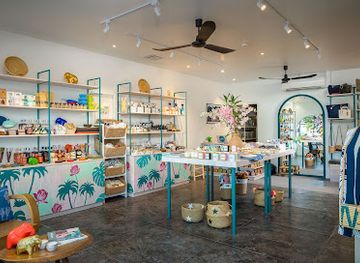
Gift shop
SATU Concept Store
Explore SATU Concept Store in Siem Reap for unique Cambodian gifts and souvenirs that reflect the rich culture and artistry of the region.
-
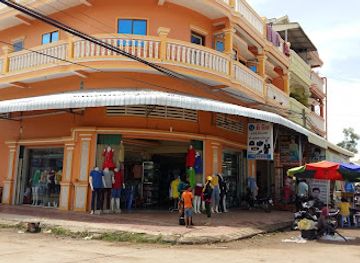
Men's clothing store
Theany Clothing Store
Explore the latest trends and timeless styles at Theany Clothing Store in Krong Pursat, your go-to destination for men's fashion.
-
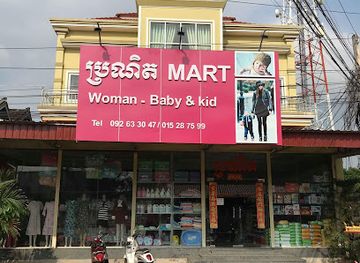
Clothing store
Branith
Discover unique fashion pieces and local artistry at Branith, a charming clothing store in the heart of Krong Pursat, Cambodia.
Get your free copy of our complete guide to Pursat, delivered straight to you.
Everything on this page, from attractions and restaurants to essentials and local phrases, in one PDF you can read offline, print or share.
Already have an account? Sign in
Your Pursat guide is ready.
We'll send it to · Not you? Sign out

Getting your guide ready…
We are putting together a fresh copy of the Pursat guide. This can take up to a minute.
This can take a few moments. If your browser asks, choose Allow so the download can start. You'll find the guide in your Downloads folder.
Nothing happened? Download it again
Sorry, the guide is taking longer than usual. Please try again in a minute, or get it by email instead.
Pursat essentials
Currency and Payment
Safety
Emergency Situations
Do's and Don'ts
Local Tips
From Eve
Local phrases worth knowing
You don't need to get them perfect. A few words go a long way, and locals appreciate the effort.
Basics
| English | Local | Say it |
|---|---|---|
| Hello | សួស្តី | [Soursdey] |
| Goodbye | លាហើយ | [Lea Hey] |
| Yes | បាទ/ចាស | [Bat/Chas] |
| No | អត់ | [At] |
| Please/You're welcome | សូម | [Som] |
| Thank you | អរគុណ | [Arkun] |
| Excuse me/Sorry | សូមអភ័យទោស | [Som Aphay Tos] |
| How are you? | សុខសប្បាយរបស់អ្នកទេ? | [Sok Sabay Robos Anak Te?] |
| Fine. And you? | សុខសប្បាយ។ អ្នក呢? | [Sok Sabay. Anak Ne?] |
| Do you speak English? | អ្នកនិយាយភាសាអង់គ្លេសទេ? | [Anak Niyeay Pheasa Angkles Te?] |
| I don't understand | ខ្ញុំមិនយល់ទេ | [Khnom Min Yol Te] |
Eating & Drinking
| English | Local | Say it |
|---|---|---|
| I'd like to see the menu, please | ខ្ញុំចង់មើលតារាងអាហារទន្ទឹមសូម | [Khnom Jang Merl Tarang Ahahar Tontum Som] |
| I don't eat meat | ខ្ញុំមិនបរិភោគសាច់ | [Khnom Min Bariphok Sach] |
| Cheers! | សូមឲ្យនេះគឺជាការសំណាង! | [Som Aoy Nih Keu Chea Kar Samnang!] |
| I would like to pay, please | ខ្ញុំចង់បង់ប្រាក់សូម | [Khnom Jang Bang Prak Som] |
Emergencies
| English | Local | Say it |
|---|---|---|
| Help! | ជួយ! | [Chouy!] |
| Go away! | ទៅឆ្ងាយ! | [Teu Chhngey!] |
| Call the Police! | ទូរស័ព្ទអំពាវនាវប៉ូលីស! | [Turosap Ampav Neav Polis!] |
| Call a doctor! | ទូរស័ព្ទហៅវេជ្ជបណ្ឌិត! | [Turosap Hav Veche Banndit!] |
| I'm lost | ខ្ញុំត្រូវបានភ្ញាក់ខ្លួន | [Khnom Trov Ban Phneak Klun] |
| I'm ill | ខ្ញុំឈឺ | [Khnom Cheu] |
Shopping
| English | Local | Say it |
|---|---|---|
| I'd like to buy... | ខ្ញុំចង់ซื้อ... | [Khnom Jang Su...] |
| I'm just looking | ខ្ញុំកំពុងមើលប៉ុណ្ណោះ | [Khnom Kompong Merl Ponnoh] |
| How much is it? | តម្លៃប៉ុន្មាន? | [Tamlay Ponman?] |
| That's too expensive | វាឡើងខ្ពស់ពេក | [Ve Laeng Khpos Peak] |
| Can you lower the price? | អាចបន្ថយតម្លៃបានទេ? | [Aach Banthoy Tamlay Ban Te?] |
Time & Numbers
| English | Local | Say it |
|---|---|---|
| What time is it? | ម៉ោងប៉ុន្មានហើយ? | [Maong Ponman Hey?] |
| It's one o'clock | ម៉ោងមួយ | [Maong Mouy] |
| Half past (10) | ម៉ោងបីសិប | [Maong Bei Sip] |
| Morning | ព្រឹក | [Pruk] |
| Afternoon | រសៀល | [Rasiel] |
| Evening | ល្ងាច | [Lngah] |
| Yesterday | ម្សិលមិញ | [Msil Minh] |
| Today | ថ្ងៃនេះ | [Thngai Nih] |
| Tomorrow | ថ្ងៃស្អែក | [Thngai Saek] |
| 1 | ១ | [1] |
| 2 | ២ | [2] |
| 3 | ៣ | [3] |
| 4 | ៤ | [4] |
| 5 | ៥ | [5] |
| 6 | ៦ | [6] |
| 7 | ៧ | [7] |
| 8 | ៨ | [8] |
| 9 | ៩ | [9] |
| 10 | ១០ | [10] |
Transport & Directions
| English | Local | Say it |
|---|---|---|
| Where's a/the...? | មាន...ឯណា? | [Mean... Eana?] |
| What's the address? | អាសយដ្ឋានអ្វី? | [Asey Dthan Avey?] |
| Can you show me (on the map)? | អាចបង្ហាញខ្ញុំ(លើផែនទី)បានទេ? | [Aach Bonghean Khnom (Leu Phen Ti) Ban Te?] |
| When's the next (bus)? | ម៉ោងដំបូង(ឡាន)មកដល់? | [Maong Dambong (Lan) Mok Dol?] |
| A ticket (to ....) | សំបុត្រ(ទៅ....) | [Sambot (Teu....)] |
History of Pursat
Early Settlement and the Angkorian Landscape
The lowlands of present-day Pursat formed part of the wider settlement zone around the Tonle Sap basin, where waterways, seasonal flooding and fertile soils supported agriculture and movement. During the Angkorian period, the region was connected to the political and religious world centred farther east at Angkor. Local communities contributed to the agricultural and communication networks that sustained the Khmer state, although much of Pursat's archaeological heritage is less monumental and less extensively visited than the great temple complexes near Siem Reap.
The Western Khmer Frontier
Pursat occupied a strategic position between the Tonle Sap plain and western Cambodia. Its routes linked agricultural settlements with the Cardamom foothills and the approaches towards Battambang and the Thai borderlands. Across the post-Angkorian centuries, authority in western Cambodia shifted between competing Khmer administrations and outside powers. This frontier character influenced settlement, trade and military movement, leaving the province with a history closely tied to wider struggles over western Cambodia rather than to one uninterrupted local dynasty.
Royal Cambodia and Regional Administration
During the nineteenth century, Cambodia was governed within a changing regional balance involving the Khmer court, Siam and later France. Pursat became part of the administrative framework consolidated under the French protectorate from the 1860s onwards. Roads, official buildings, markets and new systems of taxation linked the province more closely to the colonial state. The period also helped shape the administrative geography and transport routes through which Pursat is understood today.
Railways, Agriculture and Colonial Modernisation
The railway linking Phnom Penh with western Cambodia strengthened the movement of rice, people and commercial goods through Pursat and neighbouring provinces. Rail transport complemented river and road routes and encouraged the growth of market centres. Agriculture remained central, with rice cultivation organised around the seasonal water regime of the Tonle Sap plain. The resulting landscape of fields, canals, villages and trading points remains one of the most recognisable features of lowland Pursat.
War, the Khmer Rouge and Displacement
Like the rest of Cambodia, Pursat was profoundly affected by the wars and political upheavals of the twentieth century. The Cambodian Civil War, the Khmer Rouge period from 1975 to 1979 and the years of continuing conflict disrupted farming, separated families and caused extensive displacement. Mountain and forest areas became associated with armed movement and insecurity. The province's present-day rural population and rebuilt communities reflect the difficult process of recovery that followed the end of large-scale conflict.
Post-war Reconstruction and Forest Conservation
From the 1990s onwards, improved security and investment gradually reconnected Pursat's towns and villages with national transport networks. Reconstruction supported agriculture, local commerce and public services, while the Cardamom region increasingly became recognised for its ecological importance. Protected areas such as Phnom Samkos Wildlife Sanctuary and the Central Cardamom Mountains represent a modern effort to conserve forests, watersheds and wildlife while managing the pressures created by roads, settlement and economic development.
Pursat in Photos
Browse through our photo collection highlighting the charm and character of the destination.
Neighbouring regions of Pursat
The closest regions to Pursat, if you have time for more than one.
-

-

-

-

-


Swipe for more regions
Explore more

Explore more of Cambodia
Discover Cambodia: From the ancient wonders of Angkor Wat to the vibrant streets of Phnom Penh, immerse yourself in a land of history, culture, and natural beauty.
Explore Cambodia