

Free Svay Rieng Travel Guide & Mobile App
Explore Svay Rieng with free travel guides. Discover regional history, expert tips, proposed trips, and audio guides on web or mobile app.


Explore Svay Rieng’s rice plains, Khmer countryside, border markets and Bavet’s cross-border energy in eastern Cambodia.
Read more about Svay Rieng
When is the best time to visit Svay Rieng?
Best: December–February · 30–31°C| Month | High (°C) | Rainfall (mm) |
|---|---|---|
| January (best) | 30 | 3 |
| February (best) | 31 | 5 |
| March | 33 | 8 |
| April | 35 | 12 |
| May | 34 | 24 |
| June | 33 | 35 |
| July | 33 | 35 |
| August | 33 | 35 |
| September | 32 | 29 |
| October | 32 | 24 |
| November | 31 | 12 |
| December (best) | 30 | 5 |
Getting to and around Svay Rieng
How to get there
Transportation
Best attractions in Svay Rieng
Svay Rieng’s attractions are primarily cultural, rural and experiential rather than monumental. The provincial capital offers a compact introduction to eastern Cambodian town life through its markets, pagodas, food stalls and streets along the National Road 1 corridor. Away from town, rice fields, palms, irrigation channels and village settlements provide the setting for unhurried drives and short cycling or walking excursions, particularly in the cooler parts of the day. Local Buddhist monasteries are places of worship and community activity, so visitors should approach them respectfully rather than treating them as staged attractions. Bavet presents a contrasting experience: its border gate, transport activity, hotels, casinos and commercial streets illustrate the economic importance of Cambodia’s connection with Vietnam. The frontier atmosphere is most relevant to travellers interested in trade, migration and overland movement, while the casino sector should be approached with discretion. Svay Rieng is not a substitute for the major archaeological destinations elsewhere in Cambodia; its interest lies in observing a living agricultural province and a rapidly changing border town. Travellers who have private transport can explore the countryside more easily, but should expect modest visitor infrastructure and confirm local directions before leaving the main highway.
-
Tourist attraction
Svay Rieng City Main roundabout
Discover the tranquil charm of Svay Rieng City Main Roundabout, a cultural hub where local life and serenity meet in the heart of Cambodia.

Best landmarks in Svay Rieng
The most recognisable landmark in Svay Rieng is the Bavet–Moc Bai border crossing, where Cambodia’s National Road 1 meets the principal overland route into southern Vietnam. It is a functional frontier rather than a historic monument, but its customs facilities, traffic and surrounding commercial development express the province’s contemporary importance. Svay Rieng town’s Buddhist pagodas and civic streets provide a quieter architectural reference point, with decorated religious buildings set among ordinary markets, homes and administrative structures. Across the province, the broad rice plains and lines of palms are geographical landmarks in their own right: they define the horizon and reveal the dependence of local communities on seasonal water and agriculture. Bavet’s casino hotels form another conspicuous modern silhouette, marking the contrast between border commerce and the low-rise rural landscape beyond the main road. Unlike Cambodia’s temple-rich north-west, Svay Rieng has relatively few internationally recognised monumental sites, so its landmarks are best read together as evidence of a living frontier—religious communities, agricultural land, transport infrastructure and a border economy evolving side by side.
-
Historical landmark
Royal Palace
Explore Cambodia's Royal Palace in Phnom Penh: A historic landmark showcasing Khmer architecture, the Silver Pagoda, and lush gardens.
-
Tourist attraction
Kean Svay Krav Resort
Escape to Kean Svay Krav Resort for a tranquil retreat near Phnom Penh, offering relaxation, nature, and family-friendly activities.
-
Historical place
Preah Khan Kampong Svay East Entrance Causeway
A historic causeway marking the entrance to the vast Preah Khan Kampong Svay temple complex, adorned with carvings and ancient history.
-
Pagoda
Wat Prey Angkonh
Discover the serene beauty and spiritual heritage of Wat Prey Angkonh, a stunning Buddhist pagoda in Krong Bavet, Cambodia.


Explore Svay Rieng on the map
Plan your trip on one map. See where the top cities, national parks and sights are, and book hotels and experiences in a few clicks.
Best hotels in Svay Rieng
Best restaurants in Svay Rieng
Dining in Svay Rieng is informal and closely tied to the rhythms of Cambodian town and border life. Local restaurants and market stalls serve rice dishes, soups, stir-fries, grilled meats, freshwater fish, noodle preparations and vegetable plates, often accompanied by fresh herbs, pickles and chilli-based sauces. Breakfast is commonly available early, with rice porridge, noodle soup and grilled pork among the practical choices for travellers on the road. Bavet’s position beside Vietnam gives its food scene a more visibly cross-border character, with Vietnamese-influenced noodles, broths, coffee and baguette-style snacks alongside Khmer cooking. In the provincial capital and larger settlements, family-run eateries, cafés and simple restaurants provide most of the dining options; hotels and casinos in Bavet offer broader menus but are not necessarily representative of local cuisine. Markets are useful for seasonal fruit and inexpensive meals, although visitors should favour busy stalls with a high turnover and take care with untreated water and raw ingredients.
-
Cambodian
Eleven One Kitchen - BKK1
Experience the essence of Cambodian cuisine with modern twists at Eleven One Kitchen - BKK1 in vibrant Phnom Penh.
-
Restaurant
La Croisette Phnom Penh
Experience exquisite dining at La Croisette Phnom Penh - where local flavors meet international cuisine in a serene riverside garden setting.
-
Cambodian
Eleven One Kitchen
Experience authentic Cambodian flavors blended with international cuisine at Eleven One Kitchen in Phnom Penh.
-
Restaurant
Malop Svay Restaurant (Mlop Svay)
Discover authentic Cambodian cuisine at Malop Svay Restaurant in Krong Pursat - a must-visit culinary destination for all food lovers.


Best bars in Svay Rieng
Svay Rieng’s evening life is modest and concentrated around local beer gardens, cafés, restaurants, karaoke venues and informal roadside businesses rather than a large club scene. In the provincial capital, evenings tend to revolve around food, conversation and family or business gatherings, with activity easing earlier than in Phnom Penh. Bavet has a more commercial nightlife because of its casinos, hotels, karaoke lounges and border traffic, but the atmosphere is geared towards visitors, workers and cross-border commerce rather than a distinctive local music district. Travellers should check venue rules, keep personal belongings secure and avoid accepting unsolicited gambling or entertainment offers. Outside the two main urban centres, nightlife is generally limited, and rural accommodation may offer little beyond a meal and a quiet evening.
-
Restaurant
Boeung Meas Svay Rieng
Experience the vibrant flavors of Cambodian cuisine at Boeung Meas Svay Rieng, a beloved restaurant in Krong Svay Rieng.
-
Restaurant
Corner Belly Full Belly
Discover authentic Cambodian flavors at Corner Belly Full Belly, a must-visit restaurant in Krong Svay Rieng for an unforgettable dining experience.
-
Restaurant
Friend Zone Restaurant
Experience the essence of Khmer cuisine at Friend Zone Restaurant, a must-visit culinary destination in Krong Svay Rieng.
-
Restaurant
The Voice KTV swimming pool and restaurant
Experience the vibrant atmosphere of The Voice KTV Swimming Pool and Restaurant in Krong Svay Rieng, where entertainment meets relaxation.


Best nightclubs in Svay Rieng
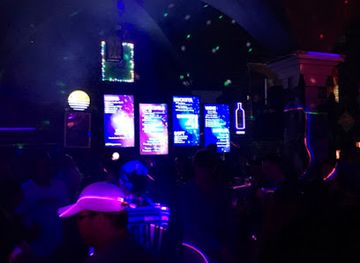
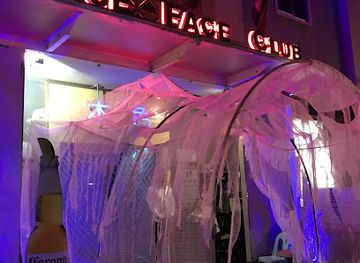
Svay Rieng’s evening life is modest and concentrated around local beer gardens, cafés, restaurants, karaoke venues and informal roadside businesses rather than a large club scene. In the provincial capital, evenings tend to revolve around food, conversation and family or business gatherings, with activity easing earlier than in Phnom Penh. Bavet has a more commercial nightlife because of its casinos, hotels, karaoke lounges and border traffic, but the atmosphere is geared towards visitors, workers and cross-border commerce rather than a distinctive local music district. Travellers should check venue rules, keep personal belongings secure and avoid accepting unsolicited gambling or entertainment offers. Outside the two main urban centres, nightlife is generally limited, and rural accommodation may offer little beyond a meal and a quiet evening.
-
Night club
LOVE - Phnom Penh
Experience the lively nightlife at LOVE - Phnom Penh, where music and dance create unforgettable memories in the heart of Cambodia.
-
Night club
Town Club
Discover Phnom Penh's premier nightlife destination at Town Club, where great music and vibrant energy come together for an unforgettable night out.
-
Night club
Top 5 Club
Discover the pulse of Krong Bavet's nightlife at Top 5 Club, where music, dancing, and vibrant energy come together for a memorable experience.
-
Night club
V-Club
Experience exhilarating nightlife at V-Club in Krong Bavet, a vibrant night club for dancing, music, and unforgettable memories.


Best shops in Svay Rieng
Shopping in Svay Rieng is practical and local, centred on fresh markets, small town shops and roadside stalls rather than major retail centres. Svay Rieng town is the better place to browse everyday produce, snacks, household goods, clothing and simple Cambodian food products, while smaller settlements offer limited but useful supplies for travellers continuing along the road. Bavet has a broader commercial environment because of border traffic, with convenience shops, hotel retail, currency services and markets serving Cambodian and Vietnamese customers. Regional purchases may include packaged snacks, fruit, dried foods, spices and locally made everyday goods, although quality and provenance should be checked carefully. Travellers seeking refined Cambodian handicrafts or extensive galleries will find a narrower choice here than in Phnom Penh, Siem Reap or larger tourist centres. Bargaining is common in informal markets but should remain courteous, and it is wise to carry riel for small transactions. At the border, keep receipts for significant purchases and confirm customs requirements before taking goods across the international frontier.
-
Shopping mall
A Sia Phone VS Clothes,Shoe Shops
Experience shopping like never before at A Sia Phone in Krong Svay Rieng, where local culture meets modern fashion in a vibrant marketplace.
-
Store
Metfone Svay Reang Branch
Explore the heart of Krong Svay Rieng at Metfone Svay Reang Branch - your go-to mobile service hub for tourists.
-
Department store
Som Chantha Grocery and Brewary Distributor
Experience the local flavors and vibrant culture at Som Chantha Grocery and Brewery Distributor in Krong Svay Rieng, Cambodia.
-
Clothing store
DARA
Explore DARA in Krong Svay Rieng for a unique shopping experience featuring local designs and high-quality fashion at affordable prices.


Get your free copy of our complete guide to Svay Rieng, delivered straight to you.
Everything on this page, from attractions and restaurants to essentials and local phrases, in one PDF you can read offline, print or share.
Already have an account? Sign in
Your Svay Rieng guide is ready.
We'll send it to · Not you? Sign out

Getting your guide ready…
We are putting together a fresh copy of the Svay Rieng guide. This can take up to a minute.
This can take a few moments. If your browser asks, choose Allow so the download can start. You'll find the guide in your Downloads folder.
Nothing happened? Download it again
Sorry, the guide is taking longer than usual. Please try again in a minute, or get it by email instead.
Svay Rieng essentials
Currency and Payment
Safety
Emergency Situations
Do's and Don'ts
Local Tips
From Eve
Local phrases worth knowing
You don't need to get them perfect. A few words go a long way, and locals appreciate the effort.
Basics
| English | Local | Say it |
|---|---|---|
| Hello | សួស្តី | [suo-sdey] |
| Goodbye | លាហើយ | [lea-haey] |
| Yes | បាទ/ចាស | [bat/cha] |
| No | ទេ | [te] |
| Please/You're welcome | សូម | [som] |
| Thank you | អរគុណ | [orkun] |
| Excuse me/Sorry | សូមអភ័យទោស | [som-aphey-tos] |
| How are you? | អ្នកសុខសប្បាយដែរទេ? | [anak sok sabay dae te?] |
| Fine. And you? | សុខសប្បាយ។ អ្នក呢? | [sok sabay. anak ne?] |
| Do you speak English? | អ្នកនិយាយភាសាអង់គ្លេសទេ? | [anak niyeay pheasa angkles te?] |
| I don't understand | ខ្ញុំមិនយល់ទេ | [khnhom min yol te] |
Eating & Drinking
| English | Local | Say it |
|---|---|---|
| I'd like to see the menu, please | ខ្ញុំចង់មើលម៉ឺនុយសូម | [khnhom chong merl menu som] |
| I don't eat meat | ខ្ញុំមិនបរិច្ឆេទសាច់ | [khnhom min borichhet sach] |
| Cheers! | ជំរាបសួរ! | [jum reap suor!] |
| I would like to pay, please | ខ្ញុំចង់បង់ប្រាក់សូម | [khnhom chong bang brack som] |
Emergencies
| English | Local | Say it |
|---|---|---|
| Help! | ជួយ! | [jouy!] |
| Go away! | ទៅឆ្ងាយ! | [tov chhngay!] |
| Call the Police! | ហៅប៉ូលិស! | [hao polis!] |
| Call a doctor! | ហៅគ្រូពេទ្យ! | [hao kruo pet!] |
| I'm lost | ខ្ញុំអស់ផ្លូវ | [khnhom ahs phlov] |
| I'm ill | ខ្ញុំឈឺ | [khnhom chheu] |
Shopping
| English | Local | Say it |
|---|---|---|
| I'd like to buy... | ខ្ញុំចង់ទិញ... | [khnhom chong tin...] |
| I'm just looking | ខ្ញុំត្រឹមមើលប៉ុណ្ណោះ | [khnhom trem merl ponnoh] |
| How much is it? | តម្លៃប៉ុន្មាន? | [damlai ponman?] |
| That's too expensive | វាធ្វើឲ្យខ្ពស់ពេក | [vea tver aoy kphos pek] |
| Can you lower the price? | អ្នកអាចកាត់តម្លៃបានទេ? | [anak ach kat damlai ban te?] |
Time & Numbers
| English | Local | Say it |
|---|---|---|
| What time is it? | ម៉ោងប៉ុន្មានហើយ? | [maong ponman haey?] |
| It's one o'clock | ម៉ោងមួយហើយ | [maong muoy haey] |
| Half past (10) | ពាន់កន្លះ (១០) | [pon kanlah (10)] |
| Morning | ព្រឹក | [preuk] |
| Afternoon | រសៀល | [rosiel] |
| Evening | ល្ងាច | [lngach] |
| Yesterday | ម្សិលមិញ | [msil minh] |
| Today | ថ្ងៃនេះ | [thngai nih] |
| Tomorrow | ថ្ងៃស្អែក | [thngai saek] |
| 1 | ១ | [muoy] |
| 2 | ២ | [pi] |
| 3 | ៣ | [bei] |
| 4 | ៤ | [buoy] |
| 5 | ៥ | [pram] |
| 6 | ៦ | [pram muoy] |
| 7 | ៧ | [pram pi] |
| 8 | ៨ | [pram bei] |
| 9 | ៩ | [pram buoy] |
| 10 | ១០ | [pram pram] |
Transport & Directions
| English | Local | Say it |
|---|---|---|
| Where's a/the...? | អ្នកសូមជួយផ្ដល់ទីតាំង... | [anak som jouy pdol ti tang...] |
| What's the address? | អាសយដ្ឋានអ្វី? | [asayathaan ave?] |
| Can you show me (on the map)? | អ្នកអាចបង្ហាញខ្ញុំ(នៅលើផែនទី)? | [anak ach banghean khnhom (nov ler phentii)?] |
| When's the next (bus)? | ម៉ោងដំណាក់ក្រោយ(ឡានក្រុង)? | [maong damnak kraoy (lan krong)?] |
| A ticket (to ....) | សំបុត្រ(ទៅ....) | [sambot (tov....)] |
History of Svay Rieng
Early Khmer Settlement in the Eastern Lowlands
Svay Rieng lies within the broad lowlands that have long connected the Mekong basin with the eastern Khmer world and the territory of present-day southern Vietnam. Archaeological evidence across the region shows that communities practised wet-rice agriculture, exchanged goods and participated in the wider cultural developments associated with early states such as Funan and Chenla. The modern province was not an isolated frontier: waterways and overland routes connected settlements, religious communities and market centres. Much of the early material record is less monumental than that of Angkor, but the agricultural landscape reflects a long history of adapting to seasonal water and fertile alluvial soils.
The Angkorian and Post-Angkorian Khmer World
During the Angkorian period, the eastern plains formed part of the wider Khmer political and cultural sphere, although Svay Rieng is not known for a concentration of large temple monuments comparable with Angkor. Buddhist and Hindu traditions, systems of local authority and rice cultivation continued to shape settlement. After Angkor’s political centre declined, power in Cambodia shifted between regional capitals and neighbouring states, and eastern provinces became places where Khmer, Vietnamese and other regional interests met. Pagodas, settlement patterns and surviving religious customs provide stronger evidence of this continuing cultural landscape than monumental ruins do.
A Frontier Between Cambodian and Vietnamese Powers
From the early modern period onward, the eastern Cambodian plain was affected by the expansion and administration of Vietnamese power in the Mekong region, as well as by changing Cambodian relations with Siam and Vietnam. Communities around the frontier experienced shifting authority, taxation and migration, while trade routes linked Cambodian settlements with markets to the east. These developments help explain why Svay Rieng has a distinctive borderland character today. Khmer remains the principal cultural reference, but Vietnamese influence is visible in commerce, cuisine, family connections and the practical importance of the roads leading towards the border.
French Colonial Administration and the Modern Border
Cambodia became part of French Indochina in the nineteenth century, and colonial administration formalised many boundaries and reorganised routes, taxation and provincial government. The eastern frontier was increasingly managed through roads, posts and administrative centres rather than only through older local networks. Svay Rieng’s position along the route towards Saigon, now Ho Chi Minh City, gained practical importance. Colonial rule also tied local agricultural production more closely to wider transport and commercial systems, leaving a legacy in administrative geography and road corridors rather than in a large concentration of colonial architecture.
War and Revolutionary Conflict in the Borderlands
During the Vietnam War and the Cambodian conflict that followed, eastern Cambodia was exposed to military activity because of its proximity to Vietnam and the routes crossing the borderlands. Bombing, armed movements and later fighting disrupted farming communities and displaced residents. Svay Rieng also experienced the wider Khmer Rouge period, when forced collectivisation, political violence and the destruction of ordinary social institutions affected the province as they did much of Cambodia. The quiet agricultural landscape therefore conceals a difficult twentieth-century history that remains important to understanding the lives of local communities.
Reconstruction, Border Trade and Bavet’s Rise
After the end of large-scale conflict, Svay Rieng gradually rebuilt its villages, roads, schools and markets. Improved national-road connections and the opening and expansion of formal border crossings strengthened trade with Vietnam. Bavet developed into a major frontier commercial centre, with customs activity, transport services, hotels and casino-based tourism contributing to its distinctive economy. This transformation sits alongside continuing rice cultivation and local market life. Modern Svay Rieng is consequently shaped by two linked but contrasting forces: rural agriculture across much of the province and increasingly intensive cross-border movement at Bavet.
Svay Rieng in Photos
Browse through our photo collection highlighting the charm and character of the destination.
Neighbouring regions of Svay Rieng
The closest regions to Svay Rieng, if you have time for more than one.
-

-

-

-

-


Swipe for more regions
Explore more

Explore more of Cambodia
Discover Cambodia: From the ancient wonders of Angkor Wat to the vibrant streets of Phnom Penh, immerse yourself in a land of history, culture, and natural beauty.
Explore Cambodia