

Free Takeo Travel Guide & Mobile App
Explore Takeo with free travel guides. Discover regional history, expert tips, proposed trips, and audio guides on web or mobile app.


Explore Takeo’s early Khmer temples, Tonle Bati lake, rural waterways and ancient Angkor Borei heritage south of Phnom Penh.
Read more about Takeo
When is the best time to visit Takeo?
Best: December–February · 30–32°C| Month | High (°C) | Rainfall (mm) |
|---|---|---|
| January (best) | 30 | 10 |
| February (best) | 32 | 20 |
| March | 33 | 40 |
| April | 34 | 80 |
| May | 33 | 150 |
| June | 32 | 190 |
| July | 32 | 190 |
| August | 32 | 180 |
| September | 32 | 160 |
| October | 31 | 210 |
| November | 30 | 90 |
| December (best) | 30 | 30 |
Getting to and around Takeo
How to get there
Transportation
Top city travel guides in Takeo
The cities of Takeo, and the easiest places to base yourself.

Swipe for more cities
Best attractions in Takeo
Takeo’s attractions are concentrated in archaeological landscapes rather than large modern visitor complexes. Angkor Borei and Phnom Da form the province’s most important historical pairing: the former preserves traces of an early urban centre, while the latter rises as a sacred hill with early Khmer temples and sculptural associations. At Tonle Bati, the temple of Ta Prohm and nearby Yeay Peau combine religious architecture with a lakeside setting that is also used for local recreation. Phnom Chisor offers a hilltop temple reached by a long stairway, with broad views over the agricultural plain, while Neang Khmao provides a more compact encounter with Angkorian brick architecture. Outside the monuments, the province’s appeal lies in rice fields, canals, lotus ponds, village roads and seasonal wetlands. Visitors can arrange local boat travel where conditions permit, cycle short rural stretches, or explore markets and monasteries around the provincial capital. Facilities are generally modest, and the experience depends more on landscape, history and quiet observation than on curated entertainment. A knowledgeable guide adds considerable value at the archaeological sites, where the relationship between waterways, settlement and temple construction is not always obvious from the surviving remains.
-
 Tourist attraction
Independence Monument
A lotus-shaped monument in Phnom Penh commemorating Cambodia's independence and honoring its war heroes. A symbol of freedom and resilience.
-
Tourist attraction
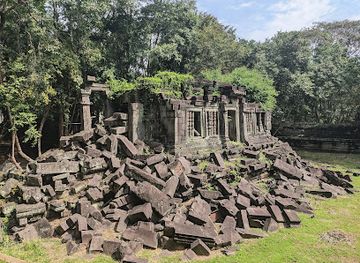
Prasat Beng Mealea
Explore the captivating Prasat Beng Mealea, a hidden Khmer temple surrounded by lush jungle, rich history, and stunning architecture.
-
Tourist attraction
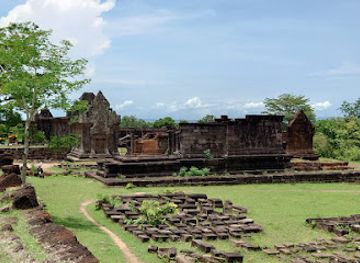
Vat Phou
Explore Vat Phou, an ancient Khmer temple in Laos, a UNESCO World Heritage Site blending Hindu and Buddhist traditions.
-
Tourist attraction
Kbal Spean
Discover ancient carvings in a jungle riverbed at Kbal Spean, the 'River of a Thousand Lingas,' near Siem Reap and Angkor Wat.
Best landmarks in Takeo
Phnom Da is Takeo’s most recognisable archaeological landmark, a low sacred hill whose temples and surrounding remains belong to the formative centuries of Khmer art. Its importance lies not only in the surviving structures but also in its relationship with Angkor Borei, the ancient settlement across the surrounding plain. At Tonle Bati, Ta Prohm is a compact late Angkorian monument built under Jayavarman VII, with carved sandstone galleries that remain legible despite weathering; nearby Yeay Peau provides a smaller and more secluded temple setting. Phnom Chisor is distinguished by its elevated position and stairway approach, leading to a temple complex associated with the Angkorian period and views across cultivated lowlands. Neang Khmao, with its tall red-brick tower, is another memorable marker of the province’s temple architecture. Angkor Borei itself is less visually monumental than the great temple sites, but its embankments, archaeological remains and museum context give it exceptional historical significance. Together these places define Takeo as a landscape of early urban, religious and agricultural history rather than a province of isolated monuments.
-
Buddhist temple
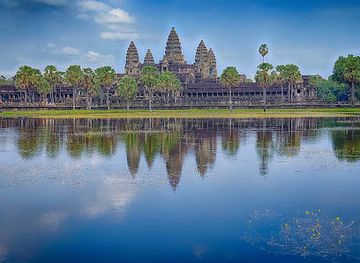
Angkor Wat
Explore Angkor Wat, the magnificent 'City of Temples,' a UNESCO World Heritage Site and a symbol of Khmer architectural genius.
-
Buddhist temple
Bayon Temple
Discover the serene faces and intricate carvings of Bayon Temple, a jewel of Khmer architecture in the heart of Angkor Thom.
-
Buddhist temple
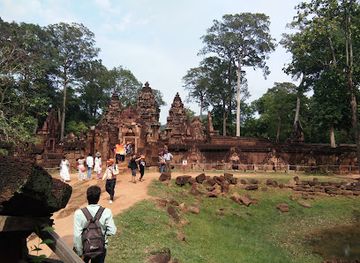
Ta Prohm Temple
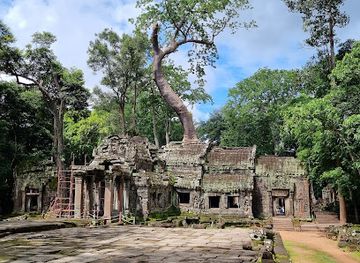
Explore Ta Prohm, the Tomb Raider Temple: where nature embraces ancient Khmer architecture in a mesmerizing dance of stone and jungle.
-
Historical landmark
Royal Palace
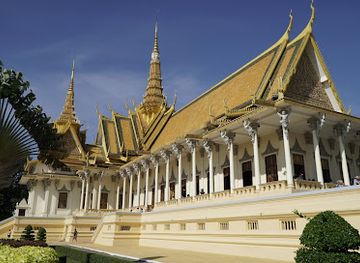
Explore the Royal Palace in Phnom Penh: a dazzling display of Khmer architecture, rich history, and Cambodia's enduring royal traditions.
Explore Takeo on the map
Plan your trip on one map. See where the top cities, national parks and sights are, and book hotels and experiences in a few clicks.
Best hotels in Takeo
Best restaurants in Takeo
Takeo’s food scene is centred on local Cambodian cooking rather than a dedicated tourist restaurant circuit. In the provincial capital and larger settlements, simple rice shops, noodle stalls, markets and family-run eateries serve freshwater fish, chicken, pork, vegetables, soups, grilled foods and seasonal fruit. The province’s watery agricultural landscape makes fish and rice especially familiar parts of everyday eating, while lotus and other rural produce appear according to season. Breakfast may be based around rice porridge or noodles, and iced drinks and fresh fruit are useful in the heat. Around Tonle Bati, lakeside food stalls and informal dining areas may offer a more relaxed setting, though standards and availability vary. Visitors should expect Cambodian flavours built around herbs, fermented or preserved ingredients, prahok where used, and sweet, sour and savoury contrasts rather than a separate cuisine exclusive to Takeo. Markets are the best places to see the breadth of local produce, but choose busy stalls with a good turnover and take bottled or treated water when travelling into rural areas.
-
Restaurant
Oskar Bistro Phnom Penh
Experience exquisite dining at Oskar Bistro in Phnom Penh - where local flavors meet international flair alongside stunning river views.
-
Cambodian
Thmor Da Restaurant
Experience authentic Cambodian flavors at Thmor Da Restaurant in Phnom Penh—where every dish tells a story.
-
Restaurant
D.GREEN Coffee & Restaurant
Experience authentic Cambodian flavors at D.GREEN Coffee & Restaurant – where local cuisine meets international delights in a cozy atmosphere.
-
Greek
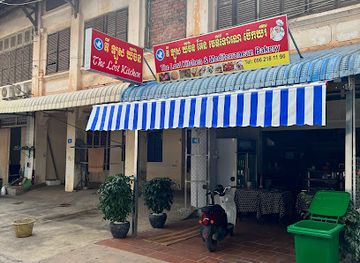
The lost kitchen
Experience authentic Greek cuisine at The Lost Kitchen - a hidden culinary gem in Cambodia's vibrant dining scene.

Best bars in Takeo
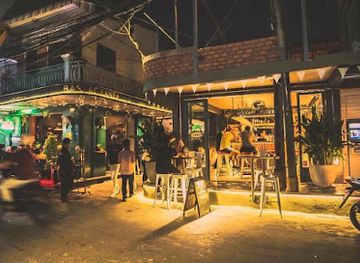
Takeo has a restrained evening scene suited to early dinners, socialising and riverside or lakeside relaxation rather than late-night clubbing. In the provincial capital, visitors may find casual beer gardens, small bars, cafés and restaurants where local residents gather, while rural evenings are more likely to centre on family homes, village shops or modest eateries. Tonle Bati can be active during daytime outings but should not be treated as a major nightlife destination after dark. There is little reason to expect the concentrated nightclub districts found in Phnom Penh or Siem Reap. Beer is widely available, but alcohol is not necessary for engaging with local evening life; a meal, market visit or quiet walk in a populated area may be more appropriate. Arrange return transport before travelling to isolated temples or lakeside areas, as late public transport and taxis can be limited. As elsewhere in Cambodia, follow local sensitivities around noise, religious sites and photographing people.
-
Bar
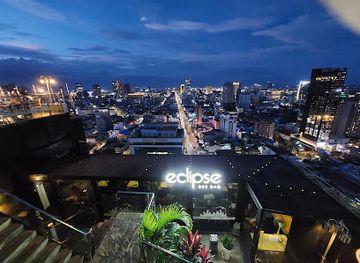
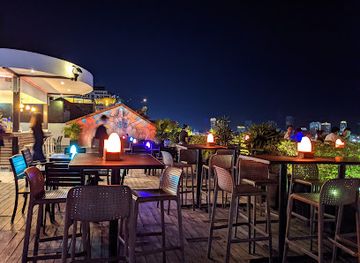
Eclipse Sky Bar
Discover the breathtaking views and vibrant atmosphere at Eclipse Sky Bar, Phnom Penh's premier rooftop destination for cocktails and cityscapes.
-
Bar
Le Moon Rooftop
Discover the stunning views and vibrant atmosphere at Le Moon Rooftop Bar in Phnom Penh, where relaxation meets entertainment.
-
Bar
Sora Bar
Discover Sora Bar, Phnom Penh's premier rooftop destination offering stunning city views and exquisite cocktails in a luxurious setting.
-
Bar
Bassac Lane
Discover the vibrant nightlife and dining scene at Bassac Lane, Phnom Penh's trendy bar and restaurant destination offering unique flavors and unforgettable experiences.
Best nightclubs in Takeo
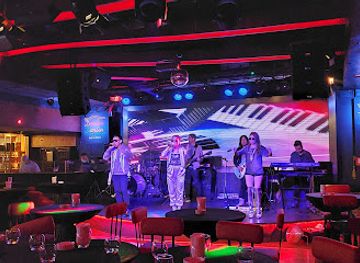
Takeo has a restrained evening scene suited to early dinners, socialising and riverside or lakeside relaxation rather than late-night clubbing. In the provincial capital, visitors may find casual beer gardens, small bars, cafés and restaurants where local residents gather, while rural evenings are more likely to centre on family homes, village shops or modest eateries. Tonle Bati can be active during daytime outings but should not be treated as a major nightlife destination after dark. There is little reason to expect the concentrated nightclub districts found in Phnom Penh or Siem Reap. Beer is widely available, but alcohol is not necessary for engaging with local evening life; a meal, market visit or quiet walk in a populated area may be more appropriate. Arrange return transport before travelling to isolated temples or lakeside areas, as late public transport and taxis can be limited. As elsewhere in Cambodia, follow local sensitivities around noise, religious sites and photographing people.
-
Night club
Pontoon Club
Dive into Phnom Penh's vibrant nightlife at Pontoon Club, a lively night club with electrifying live music and an unforgettable atmosphere.
-
Live music bar
Darlin' Darlin' Music Lounge
Discover the lively atmosphere of Darlin' Darlin' Music Lounge, Phnom Penh's premier live music bar offering unforgettable nightlife experiences.
-
Disco club
Heart Of Darkness
Discover the electrifying nightlife of Phnom Penh at Heart Of Darkness, a premier disco club with vibrant music and an unforgettable atmosphere.
-
Night club
HClub Nightclub, Restaurant & Bar
Discover the vibrant nightlife at HClub Nightclub, Restaurant & Bar in Phnom Penh, offering exquisite dining and electrifying entertainment.



Best shops in Takeo
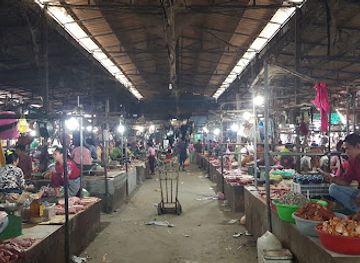
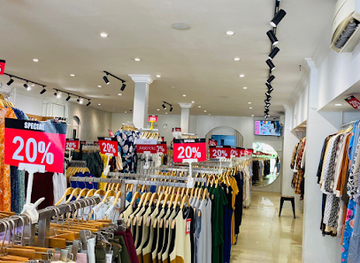
Shopping in Takeo is practical and local, with markets and small high streets serving provincial residents rather than a large souvenir industry. The main market in the provincial capital is a useful place to see fresh produce, cooked food, household goods, clothing and everyday Cambodian commerce. Rural markets along the roads towards temple sites may offer fruit, snacks, drinks and basic goods, but opening patterns and stock vary. Visitors can look for packaged Cambodian foods, woven items, simple textiles, palm-related products and small religious or decorative objects, although quality and provenance should be checked before purchase. Takeo is not primarily known for extensive designer or luxury shopping, and specialist handicrafts may be easier to find in Phnom Penh. Bargaining is common in informal markets but should remain good-natured; fixed-price shops are less negotiable. Carry small riel notes, bring a reusable bag where possible, and avoid buying archaeological fragments or objects presented as ancient, since removing cultural material is illegal and damages the heritage that makes the province significant.
-
Market
Takeo Market
Experience the lively atmosphere, delicious local cuisine, and unique shopping opportunities at Takeo Market in Krong Doun Kaev.
-
Clothing store
Little Fashion Shop
Explore Little Fashion Shop in Phnom Penh for trendy clothing and unique accessories that celebrate local craftsmanship and style.
-
Book store
Book Store
Explore the hidden literary treasures at the charming Book Store in Krong Doun Kaev, where every book tells a story.
-
Electronics store
Happi Shop
Explore the latest electronics at Happi Shop, Krong Doun Kaev, Cambodia – your one-stop destination for all tech needs!
Get your free copy of our complete guide to Takeo, delivered straight to you.
Everything on this page, from attractions and restaurants to essentials and local phrases, in one PDF you can read offline, print or share.
Already have an account? Sign in
Your Takeo guide is ready.
We'll send it to · Not you? Sign out

Getting your guide ready…
We are putting together a fresh copy of the Takeo guide. This can take up to a minute.
This can take a few moments. If your browser asks, choose Allow so the download can start. You'll find the guide in your Downloads folder.
Nothing happened? Download it again
Sorry, the guide is taking longer than usual. Please try again in a minute, or get it by email instead.
Takeo essentials
Currency and Payment
Safety
Emergency Situations
Do's and Don'ts
Local Tips
From Eve
Local phrases worth knowing
You don't need to get them perfect. A few words go a long way, and locals appreciate the effort.
Basics
| English | Local | Say it |
|---|---|---|
| Hello | សួស្តី | [suasdey] |
| Goodbye | លាហើយ | [leahoy] |
| Yes | បាទ/ចាស | [bat/chah] |
| No | ទេ | [te] |
| Please/You're welcome | សូម | [soem] |
| Thank you | អរគុណ | [orkun] |
| Excuse me/Sorry | សូមអភ័យទោស | [soem aphytoh] |
| How are you? | អ្នកសុខសប្បាយរដ្ឋមែនទេ? | [anak sok sabay roht men te?] |
| Fine. And you? | សុខសប្បាយ។ ហេតុអ្វី? | [sok sabay. het avey?] |
| Do you speak English? | អ្នកនិយាយភាសាអង់គ្លេសទេ? | [anak niyeay pheasa angkles te?] |
| I don't understand | ខ្ញុំមិនយល់ទេ | [khnhom min yol te] |
Eating & Drinking
| English | Local | Say it |
|---|---|---|
| I'd like to see the menu, please | ខ្ញុំចង់មើលម្ហូបសូម | [khnhom jong merl mhoob soem] |
| I don't eat meat | ខ្ញុំមិនញ៉ាំសាច់ | [khnhom min nyam sach] |
| Cheers! | សូមអបអរសាទរ! | [soem aborasaht!] |
| I would like to pay, please | ខ្ញុំចង់បង់ប្រាក់សូម | [khnhom jong bang prak soem] |
Emergencies
| English | Local | Say it |
|---|---|---|
| Help! | ជួយខ្ញុំ! | [jouy khnhom!] |
| Go away! | ទៅឆ្ងាយ! | [tev chhngay!] |
| Call the Police! | ហៅប៉ូលីស! | [hao polis!] |
| Call a doctor! | ហៅពេទ្យ! | [hao pet!] |
| I'm lost | ខ្ញុំបាត់ | [khnhom bat] |
| I'm ill | ខ្ញុំឈឺ | [khnhom chhu] |
Shopping
| English | Local | Say it |
|---|---|---|
| I'd like to buy... | ខ្ញុំចង់ទិញ... | [khnhom jong teanh...] |
| I'm just looking | ខ្ញុំកំពុងមើលតែ | [khnhom kompong merl tae] |
| How much is it? | តើហ្នឹងមានតម្លៃប៉ុន្មាន? | [tae hneng mean tamlai ponman?] |
| That's too expensive | ថាអ្នកមានតម្លៃខ្ពស់ពេក | [tha anak mean tamlai kphos pek] |
| Can you lower the price? | អ្នកអាចបន្ថយតម្លៃបានទេ? | [anak ach bantoey tamlai ban te?] |
Time & Numbers
| English | Local | Say it |
|---|---|---|
| What time is it? | ម៉ោងប៉ុន្មានហើយ? | [maong ponman hey?] |
| It's one o'clock | ម៉ោងមួយ | [maong muoy] |
| Half past (10) | ម៉ោងពាក់កណ្តាល (១០) | [maong peak kandal (10)] |
| Morning | ព្រឹក | [preuk] |
| Afternoon | ល្ងាច | [lgnah] |
| Evening | ល្ងាច | [lgnah] |
| Yesterday | ម្សិលមិញ | [msil minh] |
| Today | ថ្ងៃនេះ | [thngai nih] |
| Tomorrow | ថ្ងៃស្អែក | [thngai saek] |
| 1 | ១ | [muoy] |
| 2 | ២ | [pi] |
| 3 | ៣ | [bei] |
| 4 | ៤ | [buon] |
| 5 | ៥ | [pram] |
| 6 | ៦ | [pram muoy] |
| 7 | ៧ | [pram pi] |
| 8 | ៨ | [pram bei] |
| 9 | ៩ | [pram buo] |
| 10 | ១០ | [pram muoy] |
Transport & Directions
| English | Local | Say it |
|---|---|---|
| Where's a/the...? | តើ...នៅឯណា? | [tae... nov ae na?] |
| What's the address? | អាសយដ្ឋានអ្វី? | [asayadthan avey?] |
| Can you show me (on the map)? | អ្នកអាចបង្ហាញខ្ញុំ (លើផែនទី)? | [anak ach banghean khnhom (leu phen ti)?] |
| When's the next (bus)? | ម៉ោងបន្ទាប់ (រថយន្ត)? | [maong bantob (rathyon)?] |
| A ticket (to ....) | សំបុត្រ (ទៅ....) | [sambat (tev....)] |
History of Takeo
Angkor Borei and the Early Lower Mekong, c. first millennium BCE–sixth century CE
The area around Angkor Borei preserves evidence of an early, substantial settlement connected to the waterways of the lower Mekong. It is commonly associated with Funan, a polity known from archaeological evidence and Chinese accounts for its agriculture, trade and international contacts. Embankments, canals, habitation areas and religious remains indicate that the settlement was more than an isolated temple site. Its position enabled movement between inland Cambodia and maritime trading networks, helping make the Takeo area an important centre before the rise of Angkor.
Phnom Da and the emergence of early Khmer art, sixth–seventh centuries
The temples and sculpture of Phnom Da belong to a formative period in Khmer history, when political and religious traditions were developing from earlier lower Mekong cultures into the artistic language later associated with the Khmer Empire. The hill’s brick and laterite structures, together with images linked to Hindu and Buddhist worship, demonstrate sophisticated stone carving and temple construction. Phnom Da and Angkor Borei are often studied together because their proximity shows the relationship between an urban centre and its nearby sacred landscape.
Angkorian temples in the Takeo plain, ninth–thirteenth centuries
As Khmer political power expanded and eventually centred on the Angkor region, the Takeo landscape remained part of a wider network of provincial sanctuaries and agricultural settlements. Phnom Chisor, Neang Khmao and the temples at Tonle Bati represent different phases of Angkorian construction and worship. Their brick towers, lintels and sandstone carvings reflect changing architectural styles and royal religious policies. The surviving monuments also show how temples were positioned in relation to hills, reservoirs, roads and cultivated land rather than existing as completely separate monuments.
Tonle Bati under Jayavarman VII, late twelfth–early thirteenth century
The sanctuary of Ta Prohm at Tonle Bati was constructed during the reign of Jayavarman VII, whose programme of temple building and public works extended across the Khmer realm. Its name should not be confused with the better-known Ta Prohm at Angkor; the Takeo monument is a distinct temple near the Tonle Bati lake. The site, together with nearby Yeay Peau, illustrates the religious and administrative importance of the southern plain during the late Angkorian period, when Mahayana Buddhist foundations existed alongside older Hindu traditions.
French colonial rule and the reshaping of southern Cambodia, 1863–1953
Under the French protectorate, Cambodia was incorporated into a colonial administrative and economic system that altered taxation, transport, land administration and agricultural production. Takeo’s rice-growing plain became more closely connected to the emerging road and railway network serving Phnom Penh and southern Cambodia. Colonial rule also brought new administrative boundaries and institutions, while leaving older village, religious and agricultural structures in place. The period forms part of the broader modern history of Cambodia rather than a separate local political tradition.
War, Khmer Rouge rule and post-conflict recovery, 1970s onwards
Takeo, like much of rural Cambodia, suffered during the civil war, the wider Indochina conflict and the Khmer Rouge period. Communities experienced displacement, violence, the destruction or neglect of religious life, and the interruption of farming and education. Since the 1980s, villages and provincial towns have rebuilt around rice agriculture, local trade, schools and Buddhist institutions. Archaeological conservation and domestic tourism have gradually brought renewed attention to the province’s early history, although many sites remain modestly developed.
Takeo in Photos
Browse through our photo collection highlighting the charm and character of the destination.
Neighbouring regions of Takeo
The closest regions to Takeo, if you have time for more than one.
-

-

-

-

-


Swipe for more regions
Explore more

Explore more of Cambodia
Discover Cambodia: From the ancient wonders of Angkor Wat to the vibrant streets of Phnom Penh, immerse yourself in a land of history, culture, and natural beauty.
Explore Cambodia