

Free Prey Veng Travel Guide & Mobile App
Explore Prey Veng with free travel guides. Discover regional history, expert tips, proposed trips, and audio guides on web or mobile app.


Prey Veng offers rural Cambodian landscapes, Mekong crossings, Buddhist heritage and the ancient archaeological setting of Ba Phnom.
Read more about Prey Veng
When is the best time to visit Prey Veng?
Best: December–February · 29–33°C| Month | High (°C) | Rainfall (mm) |
|---|---|---|
| January (best) | 32 | 5 |
| February (best) | 33 | 10 |
| March | 35 | 20 |
| April | 36 | 50 |
| May | 35 | 120 |
| June | 34 | 130 |
| July | 33 | 150 |
| August | 33 | 160 |
| September | 32 | 150 |
| October | 31 | 120 |
| November | 30 | 50 |
| December (best) | 29 | 10 |
Getting to and around Prey Veng
How to get there
Transportation
Top city travel guides in Prey Veng
The cities of Prey Veng, and the easiest places to base yourself.

Swipe for more cities
Best attractions in Prey Veng
Prey Veng’s attractions are centred on archaeology, Buddhist life, river transport and the agricultural countryside rather than a dense circuit of monumental sights. Ba Phnom is the province’s principal heritage destination, combining a low wooded hill, local shrines, archaeological associations and wide views over the surrounding plain. The experience is atmospheric and contextual: the importance of the site is understood through its landscape and continuing religious use as much as through visible ruins. In Prey Veng town, markets and pagodas provide a window into provincial Cambodian life, while smaller rural temples can be visited respectfully when access is possible. Neak Loeung, on the Mekong, is notable for its role as a long-standing transport and trading settlement and for the bridge that now carries the main road across the river. Travellers interested in nature can explore rice-growing areas, canals and seasonal wetlands with local guidance, although these are working landscapes rather than formal national parks or fully developed visitor attractions. Cycling and short rural drives are rewarding in the cooler months, but visitors should expect limited signage, shade and interpretation outside the main population centres.
-
Library
National Library
Discover the heart of Cambodian culture at the National Library in Phnom Penh, a haven for literature and history enthusiasts.
-
Park
Chong Porm
Discover tranquility at Chong Porm, a beautiful park in Krong Prey Veng, perfect for nature lovers and cultural enthusiasts alike.
-
Buddhist temple
Toul Baray Andet
Discover tranquility at Toul Baray Andet: A sacred lake and temple offering a serene escape near Prey Veng with rich Khmer culture.
-
Tourist attraction
Love
Explore the serene beauty of Love in Krong Prey Veng, a captivating tourist attraction that showcases local culture and stunning landscapes.


Best landmarks in Prey Veng
Ba Phnom is Prey Veng’s most distinctive historical landmark, rising above an otherwise remarkably level agricultural landscape. Its significance comes from the combination of sacred hill, archaeological setting and continuing local worship, linking the visible present with Cambodia’s early religious and political history. The hill is not comparable in scale to Angkor’s major temple complexes, but its setting helps visitors understand how elevated sites could structure settlement and belief in the lower Mekong region. The Mekong crossing at Neak Loeung is another defining feature of the province. The bridge is a major piece of contemporary infrastructure, while the settlement’s riverfront position reflects older patterns of ferry travel, commerce and movement between eastern and western Cambodia. In Prey Veng town, Buddhist pagodas and their walled compounds form important civic and spiritual landmarks, even when they are not internationally famous monuments. Across the province, palm-lined roads, rice plains, canals and seasonal watercourses create a broader cultural landscape in which agriculture and waterways remain as significant as individual buildings.
-
Buddhist temple
Angkor Wat
Explore Angkor Wat, the magnificent temple complex in Cambodia, a UNESCO World Heritage site and a symbol of Khmer architecture.
-
 Buddhist temple
Bayon Temple
Explore Bayon Temple, a stunning Khmer masterpiece in Siem Reap, adorned with iconic smiling faces and rich historical narratives.
-
Buddhist temple
Ta Prohm Temple
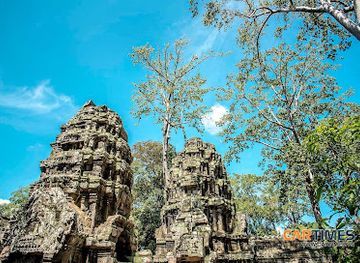
Explore Ta Prohm, the 'Tomb Raider Temple' in Angkor, where nature embraces ancient Khmer architecture, creating a mesmerizing and unforgettable experience.
-
Museum
Tuol Sleng Genocide Museum
A haunting memorial to the victims of the Khmer Rouge regime, preserving the stories of Cambodia's tragic past.


Explore Prey Veng on the map
Plan your trip on one map. See where the top cities, national parks and sights are, and book hotels and experiences in a few clicks.
Best hotels in Prey Veng
Best restaurants in Prey Veng
Dining in Prey Veng is predominantly local, informal and market-based. Small Khmer restaurants, noodle stalls and food vendors serve rice dishes, soups, grilled meats, freshwater fish, vegetables and snacks prepared according to familiar lowland Cambodian traditions. Morning markets are especially useful for sampling seasonal fruit, rice porridge, noodles and ready-to-eat dishes, while roadside cafés provide sweet coffee, tea and simple meals. Fish from the Mekong and connected waterways is an important part of the regional food environment, although menus vary with season and availability. Visitors may encounter fermented fish products and strongly flavoured pastes, which are central to Cambodian cooking but can be requested separately if unfamiliar. Prey Veng town has the widest choice of restaurants and basic international fare, whereas rural areas offer fewer options and earlier meal times. Bottled water is widely available, and travellers should choose busy food stalls with a high turnover, particularly in hot weather.
-
Restaurant
La Croisette Phnom Penh
Discover La Croisette Phnom Penh: A riverside bistro offering exquisite cuisine amidst lush gardens, perfect for travelers seeking culinary delights.
-
Restaurant
Prey Pros Restaurant
Experience the rich flavors of Cambodia at Prey Pros Restaurant, where every meal is a journey through local culinary traditions.
-
Restaurant
Oskar Bistro Phnom Penh
Discover exquisite dining at Oskar Bistro in Phnom Penh – where local flavors meet international cuisine by the riverside.
-
Restaurant
VEHAA | Restaurant & Bar
Discover delicious food and live music at VEHAA | Restaurant & Bar in Phnom Penh – a culinary gem blending local flavors with vibrant nightlife.


Best bars in Prey Veng
Prey Veng has a modest evening scene rather than a concentrated nightlife district. In the provincial capital, evening activity is found around local restaurants, cafés, beer gardens and small karaoke venues, with social life often beginning and ending earlier than in Phnom Penh. Neak Loeung and other larger settlements have roadside eateries and casual drinking places serving local beer and soft drinks, but entertainment is primarily local rather than aimed at international visitors. Rural evenings are quieter, centred on family homes, small shops and occasional community gatherings. Travellers should not expect a significant nightclub circuit, extensive late-night transport or a broad selection of craft cocktails. As elsewhere in Cambodia, drinking alcohol is not necessary to participate in local life; respectful behaviour, awareness of traffic and arranging a safe return to accommodation are more important than staying out late.
-
Bar
Eclipse Sky Bar
Experience breathtaking views and delightful cuisine at Eclipse Sky Bar, Phnom Penh's premier destination for nightlife and dining.
-
Bar
Bouchon Wine Bar
Discover Bouchon Wine Bar: A fusion of French cuisine, exquisite wines, and live music in the heart of Phnom Penh.
-
Bar
BATTBONG Speakeasy Bar . Bistro
Experience the charm of BATTBONG Speakeasy Bar & Bistro, a hidden gem in Phnom Penh offering craft cocktails and a cozy atmosphere for every occasion.
-
Restaurant
Reoung Loeung Restaurant Preyveng
Discover authentic Cambodian flavors at Reoung Loeung Restaurant in Krong Prey Veng, where every dish is a delightful culinary journey.


Best nightclubs in Prey Veng
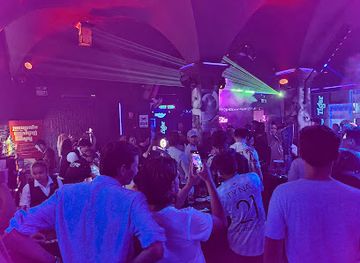
Prey Veng has a modest evening scene rather than a concentrated nightlife district. In the provincial capital, evening activity is found around local restaurants, cafés, beer gardens and small karaoke venues, with social life often beginning and ending earlier than in Phnom Penh. Neak Loeung and other larger settlements have roadside eateries and casual drinking places serving local beer and soft drinks, but entertainment is primarily local rather than aimed at international visitors. Rural evenings are quieter, centred on family homes, small shops and occasional community gatherings. Travellers should not expect a significant nightclub circuit, extensive late-night transport or a broad selection of craft cocktails. As elsewhere in Cambodia, drinking alcohol is not necessary to participate in local life; respectful behaviour, awareness of traffic and arranging a safe return to accommodation are more important than staying out late.
-
Night club
Pontoon Club
Experience the vibrant nightlife of Phnom Penh at Pontoon Club, the ultimate destination for live music and dancing.
-
Night club
LOVE - Phnom Penh
Discover the electrifying nightlife at LOVE - Phnom Penh, where vibrant music and a lively atmosphere come together for an unforgettable night.
-
Night club
Naga World Night Club
Experience the vibrant nightlife at Naga World Night Club in Phnom Penh, where music, dance, and unforgettable moments come alive in style.
-
Night club
Vito Club
Experience the electrifying nightlife of Phnom Penh at Vito Club, where vibrant music and trendy vibes create unforgettable nights.


Best shops in Prey Veng
Shopping in Prey Veng is focused on local markets, small town streets and practical everyday commerce rather than large retail complexes. The main markets in and around the provincial capital are places to find fruit, vegetables, freshwater fish, snacks, cooked food, household goods and inexpensive clothing. Visitors may also encounter Cambodian rice products, palm sugar and other edible items suitable for short journeys, provided packaging and transport requirements are considered. Rural markets vary by settlement and market day, so ask locally rather than expecting a permanent tourist market. Handicrafts and souvenirs are less formally presented here than in Siem Reap or Phnom Penh, although woven goods, baskets and household items may be available through local sellers. Neak Loeung’s position on a major road gives it a practical trading character, with roadside shops rather than a dedicated visitor shopping quarter. Carry riel for small purchases, examine packaged food labels and bargain gently where bargaining is customary.
-
Home goods store
ISI - Prey Veng Branch
Explore ISI - Prey Veng Branch, a premier home goods store in Prey Veng, Cambodia, offering a variety of quality products for all your home needs.
-
Furniture store
SONG SARAT TRADING Co., Ltd.
Explore Song Sarat Trading Co., Ltd. for exquisite Amish furniture that blends traditional craftsmanship with modern elegance in the heart of Cambodia.
-
General store
KY Mart
Discover KY Mart in Prey Veng, Cambodia - your friendly local general store for authentic snacks and everyday essentials.
-
Print shop
បណ្ណាគារក្រុងព្រៃវែង | PREY VENG TOWN STATIONERY & BOOK SHOP
Explore the unique Prey Veng Town Stationery & Book Shop in Krong Prey Veng, where local culture meets creativity in a cozy setting.


Get your free copy of our complete guide to Prey Veng, delivered straight to you.
Everything on this page, from attractions and restaurants to essentials and local phrases, in one PDF you can read offline, print or share.
Already have an account? Sign in
Your Prey Veng guide is ready.
We'll send it to · Not you? Sign out

Getting your guide ready…
We are putting together a fresh copy of the Prey Veng guide. This can take up to a minute.
This can take a few moments. If your browser asks, choose Allow so the download can start. You'll find the guide in your Downloads folder.
Nothing happened? Download it again
Sorry, the guide is taking longer than usual. Please try again in a minute, or get it by email instead.
Prey Veng essentials
Currency and Payment
Safety
Emergency Situations
Do's and Don'ts
Local Tips
From Eve
Local phrases worth knowing
You don't need to get them perfect. A few words go a long way, and locals appreciate the effort.
Basics
| English | Local | Say it |
|---|---|---|
| Hello | សួស្តី | [Soursdei] |
| Goodbye | លាហើយ | [Leahaey] |
| Yes | បាទ/ចាស | [Bat/Chas] |
| No | ទេ | [Te] |
| Please/You’re welcome | សូម/សូមស្វាគមន៍ | [Som/Som Svakum] |
| Thank you | អរគុណ | [Orkun] |
| Excuse me/Sorry | សូមអភ័យទោស | [Som Aphaytos] |
| How are you? | សុខសប្បាយទេ? | [Sok Sabay Te?] |
| Fine. And you? | សុខសប្បាយ។ អ្នក呢? | [Sok Sabay. Anak Ne?] |
| Do you speak English? | អ្នកនិយាយភាសាអង់គ្លេសទេ? | [Anak Niyay Pheasa Angkles Te?] |
| I don't understand | ខ្ញុំមិនយល់ទេ | [Khnhom Min Yol Te] |
Eating & Drinking
| English | Local | Say it |
|---|---|---|
| I'd like to see the menu, please | ខ្ញុំចង់មើលម៉ឺនុយ, សូម | [Khnhom Jong Merl Menu, Som] |
| I don't eat meat | ខ្ញុំមិនញ៉ាំសាច់ | [Khnhom Min Nyam Sach] |
| Cheers! | ជូនពរ! | [Choun Por!] |
| I would like to pay, please | ខ្ញុំចង់បង់ប្រាក់, សូម | [Khnhom Jong Bong Brak, Som] |
Emergencies
| English | Local | Say it |
|---|---|---|
| Help! | ជួយ! | [Chouy!] |
| Go away! | ចូរទៅហើយ! | [Chor Tov Haey!] |
| Call the Police! | ហៅប៉ូលីស! | [Hav Polis!] |
| Call a doctor! | ហៅពេទ្យ! | [Hav Pet!] |
| I'm lost | ខ្ញុំខកចិត្ត | [Khnhom Khak Jet] |
| I'm ill | ខ្ញុំឈឺ | [Khnhom Chheu] |
Shopping
| English | Local | Say it |
|---|---|---|
| I'd like to buy... | ខ្ញុំចង់ទិញ... | [Khnhom Jong Tinh...] |
| I'm just looking | ខ្ញុំតែស្វែងរក | [Khnhom Tae Svaeng Rok] |
| How much is it? | តម្លៃប៉ុន្មាន? | [Damlay Bonman?] |
| That's too expensive | វា pricey ច្រើនពេក | [Va Pricey Chraen Peak] |
| Can you lower the price? | អ្នកអាចកាត់តម្លៃទេ? | [Anak Ach Kat Damlay Te?] |
Time & Numbers
| English | Local | Say it |
|---|---|---|
| What time is it? | ម៉ោងប៉ុន្មាន? | [Maong Bonman?] |
| It's one o'clock | ម៉ោងមួយ | [Maong Mouy] |
| Half past (10) | ប៉ុន្មាននាទី (១០) | [Bonman Neati (10)] |
| Morning | ព្រឹក | [Pruk] |
| Afternoon | រសៀល | [Rosiel] |
| Evening | ល្ងាច | [Lngach] |
| Yesterday | ម្សិលមិញ | [Mserl Minh] |
| Today | ថ្ងៃនេះ | [Thngai Nih] |
| Tomorrow | ថ្ងៃស្អែក | [Thngai Saek] |
| 1 | ១ | [Mouy] |
| 2 | ២ | [Pey] |
| 3 | ៣ | [Bey] |
| 4 | ៤ | [Buon] |
| 5 | ៥ | [Pram] |
| 6 | ៦ | [Pram Muoy] |
| 7 | ៧ | [Pram Pey] |
| 8 | ៨ | [Pram Bey] |
| 9 | ៩ | [Pram Buon] |
| 10 | ១០ | [Pram Muoy] |
Transport & Directions
| English | Local | Say it |
|---|---|---|
| Where's a/the...? | នៅឯណា...? | [Nov Aey Na...?] |
| What's the address? | អាស័យដ្ឋានអ្វី? | [Asey Dthan Avey?] |
| Can you show me (on the map)? | អ្នកអាចបង្ហាញខ្ញុំ (លើផែនទី)? | [Anak Ach Bonghean Khnhom (Leu Phen Ti)?] |
| When's the next (bus)? | ម៉ោងក្រោយ (យានយន្ត)? | [Maong Kroy (Yan Yont)?] |
| A ticket (to ....) | សំបុត្រ (ទៅ...) | [Sambot (Tov...)] |
History of Prey Veng
Early Mekong Civilisations and Ba Phnom
The Ba Phnom area preserves evidence of the long-settled cultural landscape of the lower Mekong. Many scholars associate the wider region with the political and trading world of Funan, which flourished in the first centuries of the Common Era, although the precise relationship between individual sites and ancient states remains complex. Ba Phnom’s hilltop and surrounding plain later retained religious importance, illustrating how early sacred landscapes could continue to matter through successive Cambodian periods.
Chenla and the Angkorian Cultural Sphere
From the later first millennium, the region formed part of the cultural and political sphere shaped by Chenla and, subsequently, the Khmer Empire. Irrigated agriculture, temple patronage and networks linking inland settlements with the Mekong helped consolidate Khmer society. Prey Veng does not contain the monumental concentration of Angkorian architecture found in north-western Cambodia, but its archaeological sites and religious traditions reflect the same broad historical processes.
Post-Angkor Cambodia and Riverine Communities
After the decline of Angkor’s political dominance, settlements in the Mekong lowlands remained connected to Cambodia’s shifting royal centres and to regional trade. Communities developed around rice cultivation, fishing and river transport, while Buddhist institutions became important centres of local life. The province’s flat terrain and waterways encouraged dispersed settlement rather than a single dominant urban centre, a pattern that remains visible in its villages and agricultural landscapes.
The French Protectorate and Colonial Administration
Cambodia became a French protectorate in 1863, and colonial administration gradually reorganised provincial government, taxation, roads and communication. Prey Veng’s position between Phnom Penh, the eastern provinces and the Vietnamese border gave it practical importance within the lowland transport network. Colonial influence was expressed more through administrative structures, commercial routes and changing systems of control than through a large surviving European architectural quarter.
War, Revolution and Rural Disruption
The wider Prey Veng region experienced the upheavals that affected Cambodia during the civil-war era, the Khmer Rouge period and the conflicts that followed Vietnamese intervention in 1979. Rural communities suffered displacement, violence, loss of education and severe damage to social institutions. The recovery of pagodas, schools, markets and farming livelihoods after the 1980s forms an important part of the province’s modern history, even where physical traces of the conflict are limited.
Mekong Infrastructure and Contemporary Change
In the twenty-first century, improved roads and the Neak Loeung Bridge have strengthened connections between south-eastern Cambodia and Phnom Penh, reducing reliance on the former ferry crossing. Agriculture remains central, especially rice cultivation, while seasonal migration, small businesses and cross-border trade also shape household economies. These changes have increased mobility without removing the province’s predominantly rural character, and the Mekong continues to influence settlement, transport and agricultural conditions.
Prey Veng in Photos
Browse through our photo collection highlighting the charm and character of the destination.
Neighbouring regions of Prey Veng
The closest regions to Prey Veng, if you have time for more than one.
-

-

-

-
-


Swipe for more regions
Explore more

Explore more of Cambodia
Discover Cambodia: From the ancient wonders of Angkor Wat to the vibrant streets of Phnom Penh, immerse yourself in a land of history, culture, and natural beauty.
Explore Cambodia