

Free Tbong Khmum Travel Guide & Mobile App
Explore Tbong Khmum with free travel guides. Discover regional history, expert tips, proposed trips, and audio guides on web or mobile app.


Explore Tbong Khmum in eastern Cambodia for Mekong villages, rubber plantations, prehistoric heritage, rural markets and quiet provincial roads.
Read more about Tbong Khmum
When is the best time to visit Tbong Khmum?
Best: December–February · 29–32°C| Month | High (°C) | Rainfall (mm) |
|---|---|---|
| January (best) | 31 | 5 |
| February (best) | 32 | 10 |
| March | 33 | 30 |
| April | 35 | 70 |
| May | 34 | 120 |
| June | 32 | 150 |
| July | 32 | 170 |
| August | 32 | 170 |
| September | 31 | 150 |
| October | 31 | 130 |
| November | 30 | 70 |
| December (best) | 29 | 20 |
Getting to and around Tbong Khmum
How to get there
Transportation
Top city travel guides in Tbong Khmum
The cities of Tbong Khmum, and the easiest places to base yourself.

Swipe for more cities
Best attractions in Tbong Khmum
Tbong Khmum’s attractions are primarily rural, archaeological and landscape-based rather than concentrated in a single tourism hub. The Memot area offers an opportunity to learn about prehistoric circular earthworks and the early communities associated with them, although the remains are not presented like a large, highly developed archaeological park. Rubber plantations provide a distinctive eastern Cambodian landscape, with orderly rows of trees, latex collection and small roads passing through agricultural settlements; visitors should arrange access respectfully because many plantations are working land. Along the province’s western side, Mekong villages reveal river fishing, small-scale cultivation, ferry activity and market trade. Suong is useful for observing provincial Cambodian life, visiting local markets and arranging excursions, while village pagodas offer quieter encounters with contemporary Buddhist practice. Cycling and motorbike journeys can be rewarding on suitable roads, particularly in the cooler morning, but route planning and local advice are essential. Seasonal fruit, rice fields, cassava plots and roadside workshops add texture to journeys between towns. Tbong Khmum is best suited to travellers interested in archaeology, agriculture, waterways and everyday life rather than visitors seeking a dense programme of ticketed monuments.
-
Nokor Bachey Pagoda
Explore Nokor Bachey Pagoda: A unique blend of ancient Khmer architecture and modern Buddhist worship in Kampong Cham.
-
Phnom Bros Library
Discover the tranquil haven of Phnom Bros Library, where book lovers unite to explore a wealth of literature and local culture in Cambodia.
-
Kizuna Bridge Roundabout
Discover the Kizuna Bridge Roundabout, a picturesque symbol of Cambodia-Japan friendship, vibrant local culture, and stunning river views.
-
Mekong Dolphin Pleasance
Discover the enchanting Mekong Dolphin Pleasance, a serene haven for observing rare Irrawaddy dolphins and enjoying breathtaking river views.


Best landmarks in Tbong Khmum
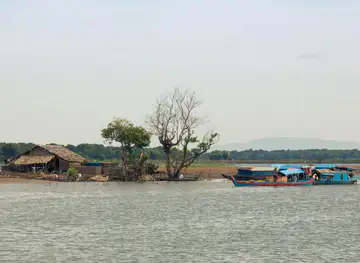
The most significant landmarks in Tbong Khmum are associated with the province’s archaeological past, agricultural identity and river geography. The prehistoric circular earthworks around Memot are important historical features because they preserve evidence of organised settlement in the eastern Cambodian borderlands long before the Angkorian period. Their low, landscape-based form makes them less immediately recognisable than a stone temple, but that is precisely why interpretation and local guidance matter. Rows of mature rubber trees and plantation roads form a distinctive modern landmark of the province, reflecting the colonial-era expansion of commercial agriculture and its continuing economic legacy. Suong’s civic and religious buildings represent the administrative and Buddhist life of a young provincial capital, while village pagodas remain focal points for worship, ceremonies and community activity. Along the western side, the Mekong is the province’s most powerful natural landmark: its broad waters, riverbank vegetation, fishing craft and seasonal changes define the character of settlements facing the river. Together, these places show Tbong Khmum as a meeting point of prehistoric settlement, modern plantation history, Buddhist community life and Mekong geography.
-
Tourist attraction
Phnom Bros Library
Discover Cambodian heritage at Phnom Bros Library: a tranquil retreat offering literature, culture, and history near the legendary Phnom Bros mountain.
-
Tourist attraction
Kizuna Bridge Roundabout
Experience the heart of Kampong Cham at Kizuna Bridge Roundabout: stunning views, local culture, and Khmer hospitality await at the city's gateway.
-
Tourist attraction
Kampi Mega Rapid
Experience thrilling white-water rafting and stunning scenery at Kampi Mega Rapid, a must-visit destination on the Mekong River in Cambodia.
-
Tourist attraction
Phnom Srei
Discover Phnom Srei in Kampong Cham: Explore ancient temples, enjoy panoramic views, and immerse yourself in Cambodian history and folklore.


Explore Tbong Khmum on the map
Plan your trip on one map. See where the top cities, national parks and sights are, and book hotels and experiences in a few clicks.
Best hotels in Tbong Khmum
Best restaurants in Tbong Khmum
Dining in Tbong Khmum is centred on Cambodian home-style cooking, market stalls, small restaurants and roadside cafés rather than an extensive international restaurant scene. Rice accompanies freshwater fish, grilled meats, vegetables, sour soups and dishes seasoned with herbs, fermented fish and aromatic pastes. The Mekong and surrounding waterways support fish-based meals, while rural markets display seasonal fruit and produce from the province’s farms. Rubber country also has a strong agricultural identity, although latex is an economic product rather than a culinary speciality. In Suong, visitors will find the broadest selection of Khmer dishes and simple Chinese-Cambodian-influenced fare; outside town, menus may be limited and food is often prepared according to what is available that day. Morning markets are useful places to see the region’s food culture through noodles, rice dishes, grilled snacks, fruit and preserved products. Bottled water is easy to find in larger settlements, but travellers should choose busy food stalls with good turnover and take local advice in smaller villages.
-
Restaurant
Hao An Restaurant
Discover the flavors of Cambodia at Hao An Restaurant, where Chinese and Khmer cuisines blend seamlessly in a welcoming setting.
-
Restaurant
River Grass
Experience authentic Cambodian cuisine at River Grass in Krong Kampong Cham - where tradition meets taste.
-
South East Asian
Smile Restaurant
Discover authentic Khmer cuisine and European delights at Smile Restaurant in Kampong Cham - a must-visit culinary experience.
-
Restaurant
Meatophum- មាតុភូមិ
Discover authentic Khmer flavors at Meatophum in Krong Kampong Cham – a must-visit for culinary enthusiasts and culture seekers.


Best bars in Tbong Khmum
Nightlife in Tbong Khmum is modest and locally oriented. In Suong, evening activity centres on Khmer restaurants, cafés, beer gardens and informal gathering places rather than dedicated nightclub districts. Smaller towns and villages generally become quiet after dinner, although roadside eateries and market areas may remain active for a while. Travellers are more likely to encounter music at family celebrations, pagoda events or community occasions than a programmed live-music circuit aimed at international visitors. Some accommodation may serve drinks, but opening arrangements vary and should not be assumed. The province’s evening appeal lies in the cooler air, night markets where available, riverside or town-centre walks and sociable dining, not in a major club scene. Visitors should drink responsibly, arrange transport before going out and avoid travelling on poorly lit rural roads after dark.
-
Bar
The River Sky Bar & Restaurant
Discover the perfect blend of dining and breathtaking views at The River Sky Bar & Restaurant in Krong Kampong Cham, Cambodia.
-
Bar
អាហារដ្ឋាន ៧១ (ទីរួមខេត្តត្បូងឃ្មុំ)
Experience the essence of Cambodian cuisine at Restaurant 71, a must-visit destination for tourists in Tboung Khmum.
-
Golden River KTV
Experience the joy of karaoke at Golden River KTV, a lively bar in Ponhea Kraek District, where every song brings people together.
-
Bar
ភូមិលេីកដាច់
Experience the vibrant ambiance of ភូមិលេីកដាច់, a lively pub in Krong Kampong Cham perfect for socializing and enjoying local culture.


Best nightclubs in Tbong Khmum
Nightlife in Tbong Khmum is modest and locally oriented. In Suong, evening activity centres on Khmer restaurants, cafés, beer gardens and informal gathering places rather than dedicated nightclub districts. Smaller towns and villages generally become quiet after dinner, although roadside eateries and market areas may remain active for a while. Travellers are more likely to encounter music at family celebrations, pagoda events or community occasions than a programmed live-music circuit aimed at international visitors. Some accommodation may serve drinks, but opening arrangements vary and should not be assumed. The province’s evening appeal lies in the cooler air, night markets where available, riverside or town-centre walks and sociable dining, not in a major club scene. Visitors should drink responsibly, arrange transport before going out and avoid travelling on poorly lit rural roads after dark.
-
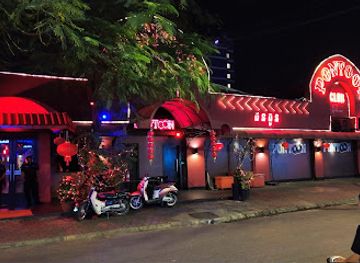
Pontoon Club
Discover the heartbeat of Phnom Penh's nightlife at Pontoon Club, where live music and vibrant crowds create unforgettable memories.
-
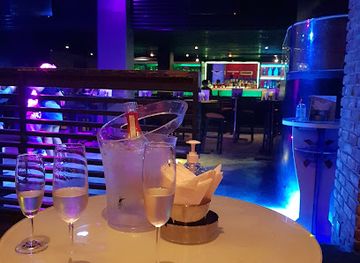
LOVE - Phnom Penh
Discover the pulsating nightlife at LOVE - Phnom Penh, where vibrant music and an energetic crowd create unforgettable nights.
-
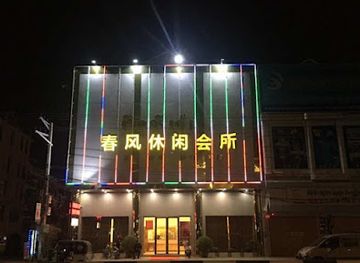
Vito Club
Experience the vibrant nightlife of Phnom Penh at Vito Club, where the music is hot, and the vibes are unforgettable.
-
XZOOM DISCO CLUB
Discover the vibrant nightlife of Phnom Penh at XZOOM Disco Club, where music and energy unite for an unforgettable party experience.

Best shops in Tbong Khmum
Shopping in Tbong Khmum is primarily practical and local, with Suong providing the widest choice of everyday shops, small supermarkets, pharmacies, clothing stalls and market produce. Traditional markets are the best places to see rice, freshwater fish, vegetables, fruit, spices, snacks and household goods moving through the provincial economy. In smaller towns, shopping is mainly conducted through independent stores and roadside stalls rather than formal retail centres. Visitors may find Cambodian snacks, dried or preserved foods, woven items and locally grown produce suitable for modest souvenirs, but the province is not a major destination for luxury retail or a large handicraft industry. Rubber is central to the local economy, yet plantation products are not necessarily packaged for tourists, so ask sellers about provenance rather than assuming a product is locally made. Carry riel for market purchases, bargain politely only where appropriate and inspect food packaging before buying. Travellers looking for a broad selection of nationally marketed crafts or high-end souvenirs will find more choice in Phnom Penh or Siem Reap, outside Tbong Khmum.
-
Store
Sok Heng sell product
Explore the charm of Cambodian craftsmanship at Sok Heng Sell Product, a must-visit store in Memot for unique souvenirs and local treasures.
-
Seasonal goods store
Khmerstorereviews
Explore the vibrant culture of Cambodia through unique crafts at Khmerstorereviews, a must-visit seasonal goods store for every traveler.
-
Clothing store
Soung
Discover the unique fashion offerings at Soung, a clothing store in Tboung Khmum that celebrates local culture and style.
-
Clothing store
A.N Clothes
Explore authentic Cambodian fashion at A.N Clothes, a charming clothing store offering unique garments and accessories to enhance your travel experience.


Get your free copy of our complete guide to Tbong Khmum, delivered straight to you.
Everything on this page, from attractions and restaurants to essentials and local phrases, in one PDF you can read offline, print or share.
Already have an account? Sign in
Your Tbong Khmum guide is ready.
We'll send it to · Not you? Sign out

Getting your guide ready…
We are putting together a fresh copy of the Tbong Khmum guide. This can take up to a minute.
This can take a few moments. If your browser asks, choose Allow so the download can start. You'll find the guide in your Downloads folder.
Nothing happened? Download it again
Sorry, the guide is taking longer than usual. Please try again in a minute, or get it by email instead.
Tbong Khmum essentials
Currency and Payment
Safety
Emergency Situations
Do's and Don'ts
Local Tips
From Eve
Local phrases worth knowing
You don't need to get them perfect. A few words go a long way, and locals appreciate the effort.
Basics
| English | Local | Say it |
|---|---|---|
| Hello | សួស្តី | [Suosdey] |
| Goodbye | លាហើយ | [Leahery] |
| Yes | បាទ/ចាស | [Bat/Chas] |
| No | ទេ | [Te] |
| Please/You're welcome | សូម/សូមអរគុណ | [Som/Som Arkun] |
| Thank you | អរគុណ | [Arkun] |
| Excuse me/Sorry | អភ័យទោស | [Aphay Tos] |
| How are you? | អ្នកសុខសប្បាយទេ? | [Neak Sok Sabay Te?] |
| Fine. And you? | សុខសប្បាយ។ ហើយអ្នក? | [Sok Sabay. Haey Neak?] |
| Do you speak English? | អ្នកនិយាយភាសាអង់គ្លេសទេ? | [Neak Niyeay Phesa Angkles Te?] |
| I don't understand | ខ្ញុំមិនយល់ទេ | [Khnom Min Yol Te] |
Eating & Drinking
| English | Local | Say it |
|---|---|---|
| I'd like to see the menu, please | សូមបង្ហាញម៉ឺនុយ | [Som Banghean Menu] |
| I don't eat meat | ខ្ញុំមិនបរិច្ឆេទសាច់ | [Khnom Min Barichhet Sach] |
| Cheers! | ជួយសុខសប្បាយ! | [Chuy Sok Sabay!] |
| I would like to pay, please | សូមអោយខ្ញុំបង់ប្រាក់ | [Som Aoy Khnom Bang Brak] |
Emergencies
| English | Local | Say it |
|---|---|---|
| Help! | ជួយ! | [Chuy!] |
| Go away! | ចាកចេញ! | [Chak Chenh!] |
| Call the Police! | ហៅប៉ូលីស! | [Hav Polis!] |
| Call a doctor! | ហៅវេជ្ជបណ្ឌិត! | [Hav Vechebandit!] |
| I'm lost | ខ្ញុំបានបាត់ | [Khnom Ban Bat] |
| I'm ill | ខ្ញុំឈឺ | [Khnom Cheu] |
Shopping
| English | Local | Say it |
|---|---|---|
| I'd like to buy... | ខ្ញុំចង់ទិញ... | [Khnom Jang Tinh...] |
| I'm just looking | ខ្ញុំគ្រាន់តែបង្ហាញ | [Khnom Kran Te Banghean] |
| How much is it? | តម្លៃប៉ុន្មាន? | [Tamlay Ponman?] |
| That's too expensive | ថាខ្ពស់ពេក | [Tha Kphos Peek] |
| Can you lower the price? | អ្នកអាចកាត់តម្លៃបានទេ? | [Neak Aach Kat Tamlay Ban Te?] |
Time & Numbers
| English | Local | Say it |
|---|---|---|
| What time is it? | ម៉ោងម៉េច? | [Maong Mech?] |
| It's one o'clock | ម៉ោងមួយ | [Maong Muoy] |
| Half past (10) | ម៉ោងកន្លះ(១០) | [Maong Kanlah (10)] |
| Morning | ព្រឹក | [Preuk] |
| Afternoon | ល្ងាច | [Lngach] |
| Evening | ល្ងាច | [Lngach] |
| Yesterday | ម្សិលមិញ | [Msel Minh] |
| Today | ថ្ងៃនេះ | [Thngai Nih] |
| Tomorrow | ថ្ងៃស្អែក | [Thngai Saek] |
| 1 | ១ | [Muoy] |
| 2 | ២ | [Peh] |
| 3 | ៣ | [Bey] |
| 4 | ៤ | [Buon] |
| 5 | ៥ | [Pram] |
| 6 | ៦ | [Pram Muoy] |
| 7 | ៧ | [Pram Peh] |
| 8 | ៨ | [Pram Bey] |
| 9 | ៩ | [Pram Buon] |
| 10 | ១០ | [Pram] |
Transport & Directions
| English | Local | Say it |
|---|---|---|
| Where's a/the...? | នៅឯណា...? | [Nov Ae Na...?] |
| What's the address? | អាសយដ្ឋានអ្វី? | [Aseyatthan Avey?] |
| Can you show me (on the map)? | អ្នកអាចបង្ហាញខ្ញុំ(លើផែនទី)? | [Neak Aach Banghean Khnom (Leu Phen Ti)?] |
| When's the next (bus)? | ម៉ោង(កញ្ចក់)ក្រោយមក? | [Maong (Kanchoak) Krau Mok?] |
| A ticket (to ....) | សំបុត្រ(ទៅ....) | [Sambot (Tov....)] |
History of Tbong Khmum
Prehistoric Memot Settlements
The Memot area is linked to a prehistoric tradition of circular earthwork settlements found in parts of eastern Cambodia and southern Vietnam. These sites generally consist of raised or excavated rings enclosing inhabited areas and are associated with communities that practised agriculture, made pottery and worked stone and other materials. Their exact development was complex, but the earthworks demonstrate organised settlement and landscape management long before the emergence of the Angkorian state. Much of the archaeological evidence is easily overlooked in a modern rural landscape, making local interpretation especially valuable.
Funan, Chenla and the Mekong Borderlands
From the early centuries of the first millennium, the Mekong basin formed part of the wider cultural and trading world associated with Funan and, later, Chenla. Tbong Khmum was not an isolated frontier: river routes and overland connections linked communities in present-day Cambodia and southern Vietnam, allowing religious ideas, goods and political influences to circulate. Archaeological traces across the eastern Cambodian lowlands are less visually dominant than Angkorian temples, but they belong to the long process through which Khmer-speaking societies, Indian religious traditions and regional states developed.
The Angkorian and Post-Angkorian Khmer World
Eastern Cambodia participated in the broader Khmer cultural sphere that produced Angkor and later Cambodian kingdoms. Although Tbong Khmum is not known for a concentration of monumental Angkorian temples, its settlements, waterways and religious institutions formed part of the countryside supporting successive Khmer polities. Over later centuries, village monasteries and Buddhist communities became important centres of education and ritual. The province’s present-day pagodas therefore belong to a much longer history of religious and agricultural settlement than their current buildings alone suggest.
French Colonial Administration and Rubber
Cambodia became a French protectorate in 1863, and colonial administration gradually reshaped eastern provinces through roads, taxation, cadastral control and commercial agriculture. Rubber plantations expanded in eastern Cambodia during the twentieth century, linking rural land to international markets and bringing new labour and management systems into the region. The plantation landscape around Tbong Khmum remains one of the clearest legacies of that period. Rubber did not replace rice cultivation, fishing or village production, but it introduced a more industrial and export-oriented pattern into the countryside.
War, Revolution and Displacement
Like much of Cambodia, the area now forming Tbong Khmum experienced severe disruption during the civil wars of the 1960s and 1970s, the bombing associated with the wider Indochina conflict, and Democratic Kampuchea from 1975 to 1979. Rural communities suffered displacement, violence, forced labour and the destruction of social institutions, including religious life. The subsequent period of reconstruction was difficult and gradual. Modern villages, roads and plantations should therefore be understood against a recent history in which families rebuilt livelihoods and communities after extraordinary upheaval.
Creation of Tbong Khmum Province in 2013
Tbong Khmum became a separate Cambodian province in 2013, when territory was divided from neighbouring Kampong Cham province. The administrative change recognised the scale and distinctiveness of the eastern districts, which include the provincial capital Suong and important agricultural areas such as Memot. It also gave local authorities a more direct framework for managing roads, public services and economic development. For visitors, the province’s relatively recent administrative identity explains why many maps and older travel accounts may describe parts of Tbong Khmum as being in Kampong Cham.
Tbong Khmum in Photos
Browse through our photo collection highlighting the charm and character of the destination.
Neighbouring regions of Tbong Khmum
The closest regions to Tbong Khmum, if you have time for more than one.
-
-

-

-

-


Swipe for more regions
Explore more

Explore more of Cambodia
Discover Cambodia: From the ancient wonders of Angkor Wat to the vibrant streets of Phnom Penh, immerse yourself in a land of history, culture, and natural beauty.
Explore Cambodia