

Free Kandal Travel Guide & Mobile App
Explore Kandal with free travel guides. Discover regional history, expert tips, proposed trips, and audio guides on web or mobile app.


Kandal surrounds Phnom Penh with royal history, Mekong waterways, silk villages, rice fields and accessible Cambodian countryside.
Read more about Kandal
When is the best time to visit Kandal?
Best: November–January · 30–31°C| Month | High (°C) | Rainfall (mm) |
|---|---|---|
| January (best) | 31 | 1 |
| February | 33 | 1 |
| March | 34 | 10 |
| April | 35 | 40 |
| May | 34 | 60 |
| June | 33 | 100 |
| July | 33 | 150 |
| August | 33 | 150 |
| September | 33 | 100 |
| October | 32 | 50 |
| November (best) | 30 | 20 |
| December (best) | 30 | 1 |
Getting to and around Kandal
How to get there
Transportation
Top city travel guides in Kandal
The cities of Kandal, and the easiest places to base yourself.

Swipe for more cities
Best attractions in Kandal
Kandal’s attractions are shaped by its position between Cambodia’s capital and its great rivers. The historic centrepiece is Oudong, where Buddhist monuments and royal stupas stand on a chain of low hills surrounded by rice fields and villages. The site rewards visitors who want historical context and open landscapes rather than a dense monument complex. Koh Dach offers a different experience, with weaving households, village roads, orchards and river scenery; visits should be conducted respectfully and without assuming every home is open to the public. Along the Mekong and Bassac, boat trips, ferries, pagodas and market settlements reveal the province’s water-based economy, although services are subject to local conditions. Kien Svay provides a popular riverside leisure setting, especially for Cambodian families, while rural roads south and east of Phnom Penh lead through farmland and small communities. Visitors can also combine heritage stops with birdwatching, cycling or informal food excursions, but should expect limited interpretation and facilities outside the principal sites. The attraction landscape is less about a long list of ticketed institutions than about connecting royal history, craft production, waterways and contemporary village life.
-
Tourist attraction
Orussey Market
Experience the vibrant local culture and flavors at Orussey Market, a bustling marketplace in the heart of Phnom Penh, Cambodia.
-
Tourist attraction
Phnom Penh Night Market
Experience Phnom Penh's vibrant nightlife at the Night Market: Shop for souvenirs, savor street food, and enjoy live Khmer music by the river.
-
Tourist attraction
Olympic Market
Explore Olympic Market in Phnom Penh for a colorful shopping experience filled with local flavors, textiles, and cultural treasures.
-
Tourist attraction
Kirirom National Park
Explore Kirirom National Park: A breathtaking sanctuary of pine forests, waterfalls, and diverse wildlife in the heart of Cambodia.
Best landmarks in Kandal
Oudong’s low Phnom Udong hills are Kandal’s most important historic landmark, carrying royal stupas and Buddhist monuments associated with the former Cambodian capital. Their elevated position provides a clear visual contrast with the surrounding floodplain and helps explain the site’s political and symbolic importance. The Mekong and Bassac are natural landmarks rather than single monuments, but their broad channels, ferry crossings and riverside settlements define the province’s geography and historic economy. Koh Dach’s rural river island landscape is another recognisable feature, combining waterways, orchards, village lanes and traditional weaving communities. Ta Khmau’s urban fabric is less monumental, yet its location beside the Bassac illustrates the continuing connection between provincial administration, trade and Phnom Penh’s metropolitan edge. Across Kandal, active pagodas, village shrines, bridges and market centres are locally significant landmarks, though many are modest and should be approached as working community places rather than staged visitor sites. The province’s strongest visual identity lies in the relationship between water, elevated religious sites and densely settled agricultural lowlands.
-
Buddhist temple
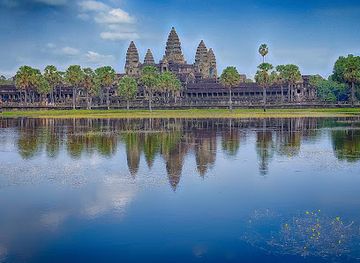
Angkor Wat
Explore Angkor Wat, the magnificent temple city in Cambodia, a UNESCO World Heritage Site showcasing Khmer architecture and rich history.
-
 Buddhist temple
Bayon Temple
Discover the serene faces of Bayon Temple in Angkor Thom, a mesmerizing blend of Khmer art, architecture, and Buddhist symbolism.
-
Buddhist temple
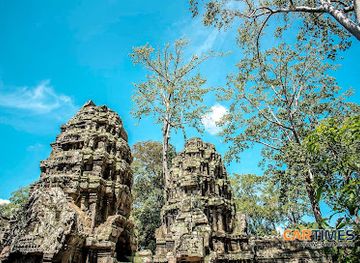
Ta Prohm Temple
Discover Ta Prohm, the Tomb Raider Temple: where nature and ancient Khmer architecture intertwine in a mesmerizing dance of time and history.
-
Historical landmark
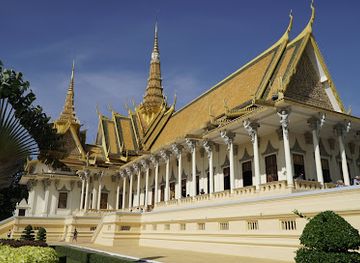
Royal Palace
Explore the Royal Palace in Phnom Penh: A majestic landmark showcasing Cambodia's rich history, stunning Khmer architecture, and royal heritage.
Explore Kandal on the map
Plan your trip on one map. See where the top cities, national parks and sights are, and book hotels and experiences in a few clicks.
Best hotels in Kandal
Best restaurants in Kandal
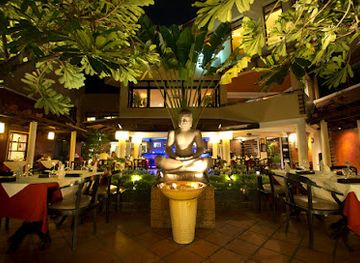
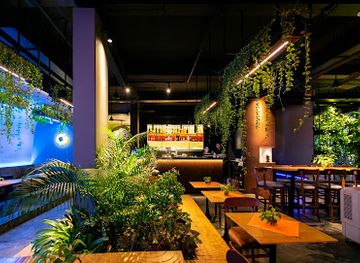
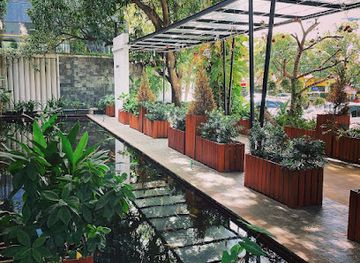
Eating in Kandal is closely connected to the foodways of Cambodia’s central floodplain. Local meals commonly centre on rice with freshwater fish, prawns, vegetables, herbs and broths, while grilled meats, noodles and simple rice dishes are widely available in market areas and roadside restaurants. Riverside settings around Kien Svay and the Mekong are associated with relaxed communal meals, often featuring fish and shared plates, though menus and quality vary by establishment. Ta Khmau and the larger settlements offer Khmer restaurants, cafés and Chinese-Cambodian influences, while village stalls provide an affordable way to try soups, grilled snacks, fruit and local sweets. Visitors should distinguish between Cambodian dishes found throughout the country and produce particularly associated with riverine and agricultural Kandal, such as freshwater catch, seasonal fruit and vegetables. Food markets are busiest early, and rural vendors may have limited English or no card facilities, making small riel notes useful.
-
Restaurant
David's Restaurant Homemade Noodles
Experience authentic Cambodian cuisine at David's Restaurant Homemade Noodles in Phnom Penh, known for its delicious homemade noodle dishes and warm ambiance.
-
Cambodian
Malis Norodom
Discover the exquisite flavors of Cambodia at Malis Norodom - where tradition meets elegance in fine dining.
-
Restaurant
La Croisette Phnom Penh
Experience exquisite dining at La Croisette Phnom Penh - where lush gardens meet culinary excellence along the riverside.
-
French
Topaz Norodom
Experience exquisite French fine dining at Topaz Norodom in Phnom Penh, where culinary artistry meets unparalleled elegance.
Best bars in Kandal
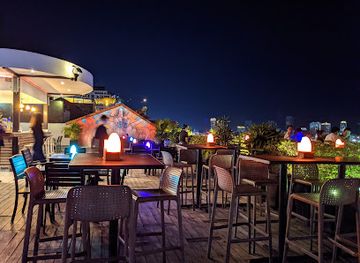
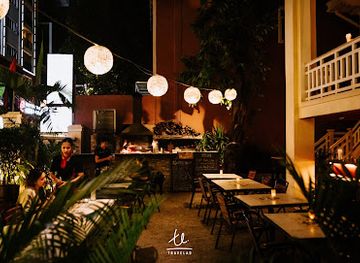
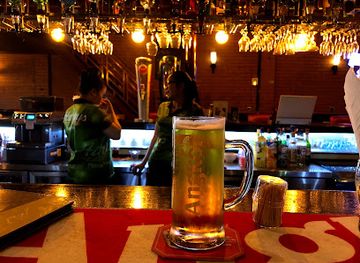
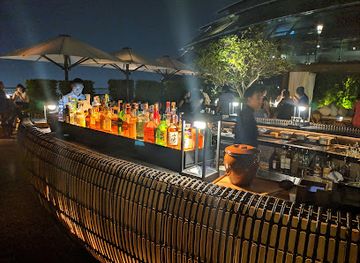
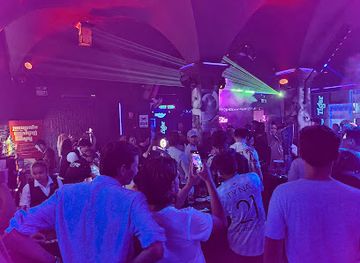
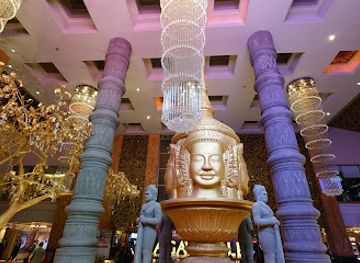
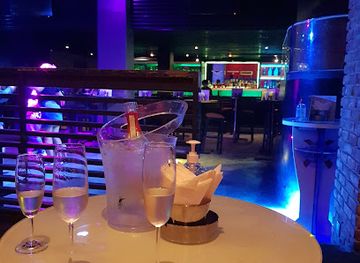
Kandal does not have a major independent nightclub scene; evening life is generally quieter and more local than in central Phnom Penh. Ta Khmau and larger roadside settlements have Khmer restaurants, beer gardens, cafés and informal gathering places, while riverside leisure areas may become busy with family groups and shared meals rather than club crowds. In rural districts, traditional eateries, small beer spots and home-based social visits are more typical than late-night entertainment. Travellers seeking cocktail bars, live music and a broad choice of clubs will usually return to Phnom Penh, which lies adjacent to the province but is outside it. Night travel in rural areas can be difficult because lighting and transport options are limited, so arrange a reliable return journey in advance and observe local expectations around noise near homes and pagodas.
-
Bar
Le Moon Rooftop
Experience breathtaking views and innovative cocktails at Le Moon Rooftop, the ultimate bar and lounge destination in Phnom Penh.
-
Bar
Bouchon Wine Bar
Savor exquisite French cuisine and fine wines at Bouchon Wine Bar, a perfect blend of taste and ambiance in Phnom Penh.
-
Restaurant
Harry’s Phnom Penh
Discover the vibrant flavors of Cambodia at Harry’s Phnom Penh, a bar & grill offering delightful dishes and stunning riverside views.
-
Bar
Sora Bar
Experience the height of luxury at Sora Bar, where exquisite cocktails meet stunning views of Phnom Penh's skyline.
Best nightclubs in Kandal
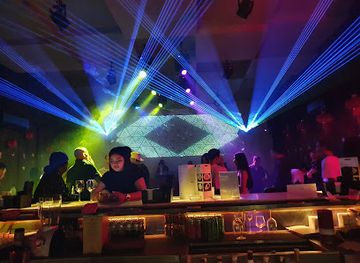
Kandal does not have a major independent nightclub scene; evening life is generally quieter and more local than in central Phnom Penh. Ta Khmau and larger roadside settlements have Khmer restaurants, beer gardens, cafés and informal gathering places, while riverside leisure areas may become busy with family groups and shared meals rather than club crowds. In rural districts, traditional eateries, small beer spots and home-based social visits are more typical than late-night entertainment. Travellers seeking cocktail bars, live music and a broad choice of clubs will usually return to Phnom Penh, which lies adjacent to the province but is outside it. Night travel in rural areas can be difficult because lighting and transport options are limited, so arrange a reliable return journey in advance and observe local expectations around noise near homes and pagodas.
-
Night club
Pontoon Club
Experience the vibrant nightlife of Phnom Penh at Pontoon Club, a premier destination for live music and electrifying dance parties.
-
Night club
LOVE - Phnom Penh
Discover the ultimate nightlife experience at LOVE - Phnom Penh, where vibrant music and electrifying energy come together for unforgettable nights.
-
Night club
Naga World Night Club
Experience the vibrant nightlife of Phnom Penh at Naga World Night Club, where music, dance, and elegance converge for an unforgettable evening.
-
Night club
Vito Club
Discover the energetic vibe of Vito Club in Phnom Penh, a premier nightlife destination featuring trendy music and a lively atmosphere.
Best shops in Kandal
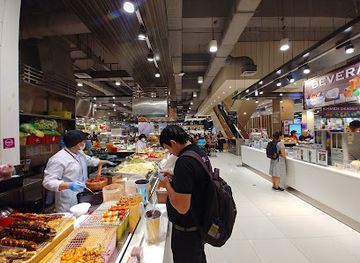
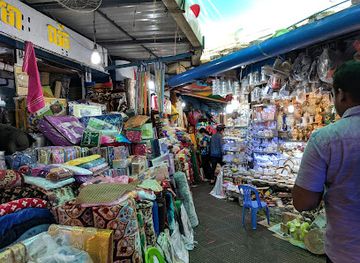
Shopping in Kandal is primarily local and practical, with markets in Ta Khmau and other towns selling fresh produce, prepared food, household goods, clothing and Cambodian snacks. Koh Dach is the province’s most distinctive place to look for silk and woven textiles, although designs, materials and prices differ between producers; ask about fibre and production methods, and buy directly only when the seller is clearly offering goods for sale. Rural markets are useful for seasonal fruit, dried foods, spices and small household items rather than polished souvenir ranges. Visitors may also find woven goods, baskets and simple handicrafts associated with village production, but availability is irregular and quality should be assessed carefully. Phnom Penh, immediately outside Kandal, offers a much broader choice of galleries, boutiques and specialist stores, whereas shopping within the province is more closely tied to farming, food and everyday commerce. Carry riel for market purchases and package food products securely for onward travel.
-
Shopping mall
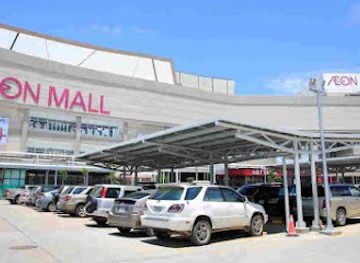
AEON Mall Phnom Penh
Discover the ultimate shopping experience at AEON Mall Phnom Penh, where luxury meets local charm in Cambodia's vibrant capital.
-
Shopping mall
AEON Mall Sen Sok
Discover the perfect blend of shopping, dining, and entertainment at AEON Mall Sen Sok, Phnom Penh's premier shopping destination.
-
Shopping mall
Sorya Center Point
Discover Sorya Center Point, Phnom Penh's premier shopping mall featuring diverse retail, delectable dining, and exciting entertainment options for all ages.
-
Convenience store
រស្មីម៉ាតReaksmey Mart
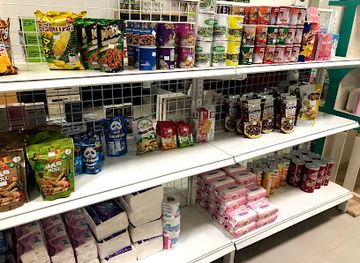
Discover the convenience of Reaksmey Mart in Pakkdey, your go-to spot for local snacks and travel essentials.
Get your free copy of our complete guide to Kandal, delivered straight to you.
Everything on this page, from attractions and restaurants to essentials and local phrases, in one PDF you can read offline, print or share.
Already have an account? Sign in
Your Kandal guide is ready.
We'll send it to · Not you? Sign out

Getting your guide ready…
We are putting together a fresh copy of the Kandal guide. This can take up to a minute.
This can take a few moments. If your browser asks, choose Allow so the download can start. You'll find the guide in your Downloads folder.
Nothing happened? Download it again
Sorry, the guide is taking longer than usual. Please try again in a minute, or get it by email instead.
Kandal essentials
Currency and Payment
Safety
Emergency Situations
Do's and Don'ts
Local Tips
From Eve
Local phrases worth knowing
You don't need to get them perfect. A few words go a long way, and locals appreciate the effort.
Basics
| English | Local | Say it |
|---|---|---|
| Hello | សួស្តី | [suas-dei] |
| Goodbye | លាហើយ | [lea-haey] |
| Yes | បាទ / ចាស | [bat / chas] |
| No | អត់ | [at] |
| Please/You're welcome | សូម | [soom] |
| Thank you | អរគុណ | [orkun] |
| Excuse me/Sorry | សូមអភ័យទោស | [soom aphay tos] |
| How are you? | សុខសប្បាយរបស់អ្នកទេ? | [sok sabay robos anak te?] |
| Fine. And you? | សុខសប្បាយ។ អ្នក呢? | [sok sabay. anak ne?] |
| Do you speak English? | អ្នកនិយាយភាសាអង់គ្លេសទេ? | [anak niyeay phea sa angkles te?] |
| I don't understand | ខ្ញុំមិនយល់ទេ | [khnhom min yol te] |
Eating & Drinking
| English | Local | Say it |
|---|---|---|
| I'd like to see the menu, please | ខ្ញុំចង់មើលម៉ឺនុយ, សូម | [khnhom chong merl menu, soom] |
| I don't eat meat | ខ្ញុំមិនញ៉ាំសាច់ | [khnhom min nham sach] |
| Cheers! | ជំរាបសួរ! | [jom reap suor!] |
| I would like to pay, please | ខ្ញុំចង់បង់ប្រាក់, សូម | [khnhom chong bang brak, soom] |
Emergencies
| English | Local | Say it |
|---|---|---|
| Help! | ជួយ! | [jouy!] |
| Go away! | ទៅចAway! | [tev cha away!] |
| Call the Police! | ហៅមន្ត្រីនគរបាល! | [hao mntray niakorbail!] |
| Call a doctor! | ហៅវេជ្ជបណ្ឌិត! | [hao vechhya bandit!] |
| I'm lost | ខ្ញុំបានបាត់ | [khnhom ban bat] |
| I'm ill | ខ្ញុំអ្នកជំរះ | [khnhom anak jomrah] |
Shopping
| English | Local | Say it |
|---|---|---|
| I'd like to buy... | ខ្ញុំចង់ទិញ... | [khnhom chong teanh...] |
| I'm just looking | ខ្ញុំគ្រាន់តែតាមដាន | [khnhom krouan tae tam dan] |
| How much is it? | តម្លៃប៉ុន្មាន? | [tamlai ponman?] |
| That's too expensive | វាធ្វើអោយថ្លៃពេក | [ve thveu ay thlai pek] |
| Can you lower the price? | អ្នកអាចកាត់តម្លៃទេ? | [anak ach kat tamlai te?] |
Time & Numbers
| English | Local | Say it |
|---|---|---|
| What time is it? | ម៉ោងប៉ុន្មានហើយ? | [maong ponman hey?] |
| It's one o'clock | ម៉ោងមួយ | [maong muoy] |
| Half past (10) | ម៉ោងរយៈពេលមួយគត់ | [maong royah pel muoy kot] |
| Morning | ព្រឹក | [prek] |
| Afternoon | ល្ងាច | [lngaech] |
| Evening | ល្ងាច | [lngaech] |
| Yesterday | ម្សិលមិញ | [msil minh] |
| Today | ថ្ងៃនេះ | [thngai nih] |
| Tomorrow | ថ្ងៃស្អែក | [thngai saek] |
| 1 | ១ | [muoy] |
| 2 | ២ | [pei] |
| 3 | ៣ | [bei] |
| 4 | ៤ | [buon] |
| 5 | ៥ | [pram] |
| 6 | ៦ | [pram muoy] |
| 7 | ៧ | [pram pei] |
| 8 | ៨ | [pram bei] |
| 9 | ៩ | [pram buon] |
| 10 | ១០ | [pram pram] |
Transport & Directions
| English | Local | Say it |
|---|---|---|
| Where's a/the...? | ឯណាដែល... | [aena del...] |
| What's the address? | អាសយដ្ឋានអ្វី? | [asayadhthan ave?] |
| Can you show me (on the map)? | អ្នកអាចបង្ហាញខ្ញុំ (លើផែនទី)? | [anak ach banghean khnhom (leu phen ti)?] |
| When's the next (bus)? | ម៉ោងបន្ទាប់ (រថយន្ត)? | [maong bontob (rath yon)?] |
| A ticket (to ....) | សំបុត្រទៅ.... | [sambot tov....] |
History of Kandal
Ancient Riverine Kingdoms
Kandal lies within the central Cambodian plain, a region shaped for centuries by the Mekong, Bassac and Tonlé Sap drainage systems. Archaeological evidence from the wider lower Mekong records early communities engaged in rice cultivation, fishing and river commerce before the rise of Angkor. It is safer to view the province as part of this connected cultural landscape than to assign every ancient site to a single kingdom. Waterways provided transport, food and political links across what is now central Cambodia.
The Angkorian Agricultural Landscape
During the Angkorian period, the central plain supported an expanding Khmer state whose power depended on rice production, labour organisation and long-distance connections. Kandal was not the ceremonial centre of Angkor, but its floodplains and waterways formed part of the agricultural and transport environment linking important settlements. The enduring pattern of villages, rice fields, ponds and religious foundations reflects a long history of adapting settlement to seasonal water rather than attempting to eliminate it.
Oudong and the Post-Angkorian Court
Oudong became a principal royal capital in the seventeenth century and remained the seat of Cambodia’s monarchy until the court moved to Phnom Penh in the nineteenth century. Its position on elevated ground near the Tonlé Sap and Mekong systems offered both symbolic and practical advantages. Royal stupas and religious monuments on the Oudong hills preserve the memory of successive kings, while the surrounding rural setting illustrates the relationship between courtly power, Buddhist institutions and the agricultural population.
Phnom Penh’s Rise and Kandal’s Changing Role
When the royal capital shifted to Phnom Penh, Kandal increasingly became the countryside surrounding the kingdom’s principal political and commercial centre. River traffic connected villages and market towns with the capital, carrying rice, fish, fruit and other goods. Ta Khmau and settlements along the Mekong and Bassac developed within this metropolitan hinterland. The distinction between capital and province has never been absolute: Kandal’s waterways, farms and labour markets have long supported Phnom Penh’s growth.
French Protectorate and Colonial Infrastructure
Under the French protectorate, Cambodia’s administration, taxation and transport networks were reorganised, with Phnom Penh as the principal colonial centre. Kandal’s proximity made it part of the capital’s supply area and brought changes to roads, waterways, land administration and commercial agriculture. Colonial rule also altered patterns of trade and government without erasing village institutions or Buddhist life. Many journeys through the province today still follow routes whose importance grew during this period of administrative and economic change.
War, Displacement and Reconstruction
Cambodia’s civil wars, the Khmer Rouge period and the conflicts that followed the 1970s brought profound disruption to Kandal, as they did to the rest of the country. Communities experienced displacement, loss of life, damaged institutions and the interruption of agricultural and religious life. Since the 1990s, the province has been reshaped by reconstruction, population growth, expanding roads and its close economic relationship with Phnom Penh. Contemporary Kandal combines resilient rural traditions with rapid suburban and industrial change.
Kandal in Photos
Browse through our photo collection highlighting the charm and character of the destination.
Neighbouring regions of Kandal
The closest regions to Kandal, if you have time for more than one.
-

-

-

-

-


Swipe for more regions
Explore more

Explore more of Cambodia
Discover Cambodia: From the ancient wonders of Angkor Wat to the vibrant streets of Phnom Penh, immerse yourself in a land of history, culture, and natural beauty.
Explore Cambodia