
Kampong Cham, Cambodia Travel Guide
Discover Kampong Cham: Cambodia's riverside treasure with ancient temples, colonial charm, and vibrant local culture.
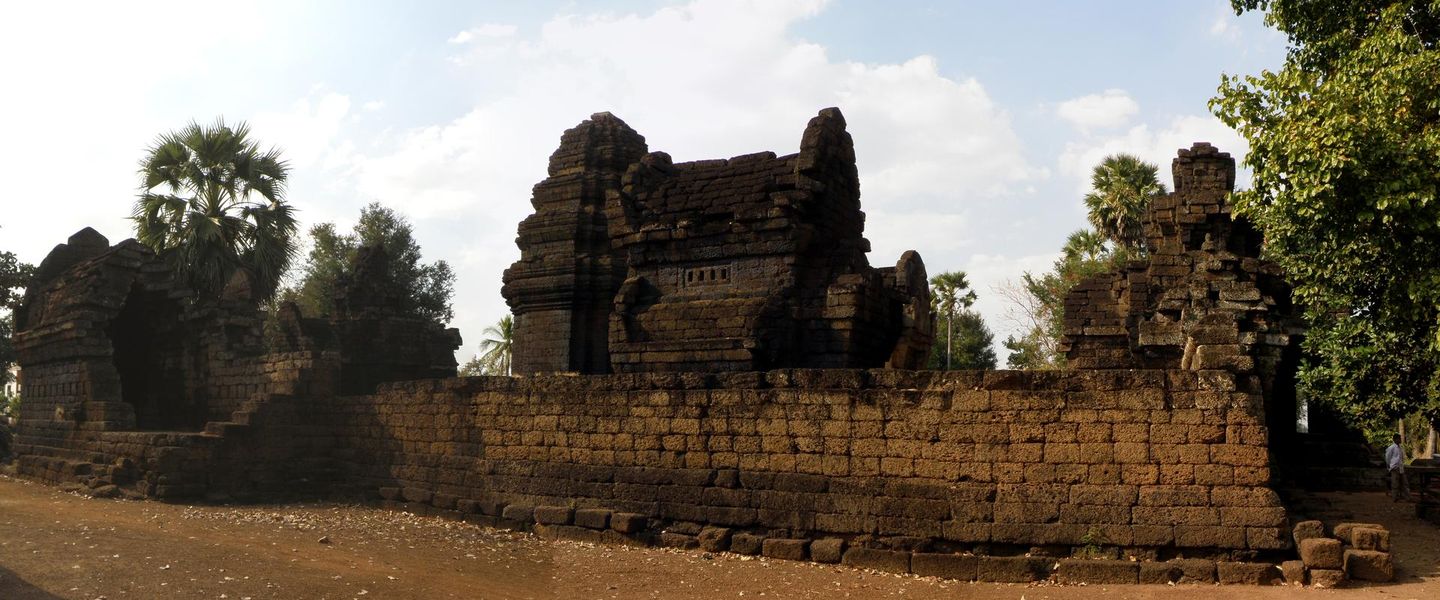
Kampong Cham, located on the banks of the Mekong River, is a charming city in Cambodia that offers a blend of natural beauty and rich cultural heritage. Known for its serene riverside views and vibrant local life, it is a destination that invites tourists to experience the true essence of Cambodia. The city is home to several ancient temples, including Wat Nokor Bachey, a unique blend of an 11th-century Angkorian temple and a modern pagoda. Visitors can wander through the ruins and marvel at the intricate carvings that depict historical stories and religious motifs. Additionally, the French colonial architecture in Kampong Cham adds a nostalgic charm to the city, with well-preserved buildings that transport you back in time. Kampong Cham also offers a taste of local life through its bustling markets and friendly locals. The Kizuna Bridge, one of the longest bridges in Cambodia, provides a spectacular view of the Mekong River and is a popular spot for evening strolls. For those interested in rural life, the nearby island of Koh Paen can be accessed via a bamboo bridge during the dry season or by ferry during the wet season. Here, tourists can explore the local villages, ride bicycles through the lush countryside, and enjoy the peaceful surroundings.

Know before you go
Hi, I'm Eve. Here are a few practical things to know before exploring Kampong Cham.
- Visit the temples early in the morning to avoid the heat and crowds.
- Try the local street food at the night market for an authentic culinary experience.
- Bring a hat and sunscreen, as the sun can be quite intense during the day.
- Rent a bicycle to explore the island of Koh Paen and its scenic countryside.
- Learn a few basic Khmer phrases to enhance your interaction with the friendly locals.
- Check the seasonal availability of the bamboo bridge to Koh Paen before planning your visit.
Explore Kampong Cham: Things to Do, Places to Eat, Hotels & More
Handpicked recommendations for top attractions, local dining, accommodations, and more

Top Attractions & Sightseeing in Kampong Cham
Top-rated picks
Best Attractions

Silk Island
Explore the tranquil beauty of Silk Island, a cultural haven for silk weaving enthusiasts near Phnom Penh, rich in artisan craftsmanship and scenic landscapes.

Hanchey Bamboo Resort
Discover serenity and sustainable luxury at Hanchey Bamboo Resort, an eco-friendly paradise in the heart of Cambodia's countryside.

Phnom Srei
Explore the serene landscapes and cultural richness of Phnom Srei, a tranquil tourist attraction in Cambodia's Kampong Siem District, perfect for relaxation and nature lovers.
Koh Pen
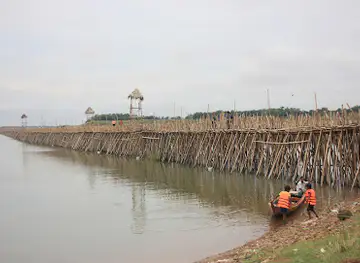
Explore the serene beauty of Koh Pen, a tranquil Cambodian island paradise perfect for relaxation and nature lovers.

Best landmarks in Kampong Cham
Top-rated picks
Best Landmarks

Kampong Cham Market
Experience the vibrant culture and commerce of Kampong Cham at its central market, a sensory feast of local life and Cambodian heritage.

Kizuna Bridge Roundabout
Experience the heart of Kampong Cham at the Kizuna Bridge Roundabout: a vibrant hub offering stunning views, local culture, and Khmer hospitality.

Kaoh Pan Island Bamboo Bridge
Experience Cambodian ingenuity crossing the seasonal Bamboo Bridge to Kaoh Paen Island, offering Mekong views and a glimpse of rural life.

Natural Bungalow
Experience tranquility at Natural Bungalow in Krong Kampong Cham. Relax in nature, explore local culture, and create unforgettable memories.

Best restaurants in Kampong Cham
Top-rated picks
Best Restaurants

Hao An Restaurant
Experience authentic Chinese and Khmer cuisine at Hao An Restaurant in Krong Kampong Cham - a must-visit culinary destination.

ភោជនីយដ្ឋានអង្គរថ្មី ខេត្តកំពង់ឆ្នាំង-Angkor Thmey Restaurant
Experience authentic Cambodian-Chinese cuisine at Angkor Thmey Restaurant in Krong Kampong Chhnang – a must-visit culinary destination.

River Grass
Experience authentic Cambodian cuisine at River Grass in Krong Kampong Cham – where every dish tells a story.

Smile Restaurant
Discover the vibrant flavors of South East Asia at Smile Restaurant in Krong Kampong Cham, where culinary excellence meets local tradition.

Best bars in Kampong Cham
Top-rated picks
Best Bars

Hao An Restaurant
Experience the authentic flavors of Cambodia at Hao An Restaurant in Krong Kampong Cham, where every dish tells a story.

Smile Restaurant
Discover the vibrant flavors of South East Asia at Smile Restaurant, a culinary haven in Krong Kampong Cham, Cambodia, combining tradition and innovation.

បាយក្រហម កំពង់ចាម
Discover the authentic taste of Cambodia at Bay Krahorm, a charming breakfast restaurant in Kampong Cham, offering a delightful culinary experience.

Taurus Bar
Discover the enchanting Taurus Bar in Krong Kampong Cham, where delightful cuisine meets stunning panoramic views, perfect for every traveler.

Best nightclubs in Kampong Cham
Top-rated picks
Best Nightclubs

Pontoon Club
Discover Phnom Penh's nightlife at Pontoon Club, a vibrant night club offering live music and an electrifying atmosphere for unforgettable experiences.

LOVE - Phnom Penh
Discover the electrifying nightlife at LOVE - Phnom Penh, where vibrant music and a lively crowd create unforgettable nights in Cambodia's capital.

Naga World Night Club
Discover the ultimate nightlife experience at Naga World Night Club in Phnom Penh, where music, dance, and luxury come together for an unforgettable evening.

Good Luck Ktv
Experience the vibrant nightlife of Krong Kampong Cham at Good Luck Ktv, where karaoke meets culture for an unforgettable evening.

Best shops in Kampong Cham
Top-rated picks
Best Shops

Kampong Cham Market
Explore the vibrant ambiance of Kampong Cham Market, where local culture, food, and crafts come alive in a colorful marketplace.

Bun Long Stationery
Explore the literary treasures of Bun Long Stationery in Krong Kampong Cham, where every book tells a story and every visit is a delightful experience.

Setra Supermarket
Explore local flavors and essentials at Setra Supermarket, the go-to grocery destination in Krong Kampong Cham.

FairPlus Supermarket Kampong Cham
Discover the pulse of Kampong Cham at FairPlus Supermarket, where local culture meets convenience and variety.

Explore Kampong Cham on the Map
A handpicked selection of must-see spots in Kampong Cham, mapped for you.
Kampong Cham Essentials
-
Kampong Cham is accessible from Phnom Penh, which is the capital city of Cambodia. The most common way to get to Kampong Cham is by bus, with several companies offering daily services. The journey typically takes around 2.5 to 3 hours. Alternatively, you can hire a private taxi for a faster and more comfortable ride. For those who prefer traveling by river, there are also boat services available from Phnom Penh to Kampong Cham, providing a scenic journey along the Mekong River.
-
Within Kampong Cham, transportation options include tuk-tuks, motorbike taxis, and bicycles, which are ideal for short distances. Tuk-tuks are widely available and can be hailed from almost anywhere in the town. For a more local experience, you can rent a bicycle and explore the town at your own pace. If you plan to visit areas outside the town, hiring a car or a motorbike is recommended for greater flexibility.
-
The official currency in Cambodia is the Cambodian Riel (KHR), but the US Dollar (USD) is also widely accepted. Credit cards are accepted in some hotels, restaurants, and larger shops, but it is advisable to carry cash for smaller establishments and markets. ATMs are available in Kampong Cham, and they dispense both Riel and USD. It is wise to have a mix of both currencies for convenience.
-
Kampong Cham is generally a safe destination for tourists. However, it is advisable to take standard precautions. Avoid walking alone at night in poorly lit areas and keep an eye on your belongings in crowded places like markets. Petty thefts, such as bag snatching, can occur, so always be vigilant. Areas around the riverfront and the central market are safe during the day but exercise caution at night.
-
In case of emergency, dial 117 for police assistance and 119 for medical emergencies. The main hospital in Kampong Cham is Kampong Cham Provincial Hospital, which provides basic medical services. Pharmacies are available in the town where you can purchase over-the-counter medications. It is recommended to have travel insurance that covers medical emergencies. For more serious health issues, consider traveling to Phnom Penh for better medical facilities.
-
Fashion: Do dress modestly, especially when visiting religious sites. Avoid wearing revealing clothing. Religion: Do respect local customs and traditions. Always remove your shoes and cover your shoulders when entering temples and pagodas. Public Transport: Do be respectful and give up your seat to elderly passengers. Don't eat or drink on public transport. Greetings: Do greet people with a friendly smile and a slight bow. A traditional greeting involves placing your palms together in a prayer-like position. Eating & Drinking: Do try local delicacies and accept food offerings graciously. Don't refuse hospitality, as it is considered impolite.
-
To experience Kampong Cham like a local, visit the local markets, such as the Kampong Cham Central Market, where you can buy fresh produce and traditional Cambodian goods. Engage with locals, as they are often friendly and willing to share stories about the town's history and culture. Don't miss visiting the Bamboo Bridge, a unique seasonal structure built across the Mekong River. For a unique experience, rent a bicycle and explore the French colonial architecture and the scenic countryside around Kampong Cham.
When is the best time to visit Kampong Cham?
Useful Local Phrases for Kampong Cham
You don't need to speak the language perfectly. Even learning a few simple words can make conversations warmer—and locals usually appreciate the effort.
— Eve

Here are the phrases I use most often in Kampong Cham. Try a few—you'll be surprised how far they go! 😊
❤️
-
- Helloសួស្តី
[suas-dey] - Goodbyeលាហើយ
[lea-haey] - Yesបាទ/ចាស
[bat/chas] - Noមិនអព្យាក្រឹត
[min ap-yea-kret] - Please/You're welcomeសូម
[soam] - Thank youអរគុណ
[orkun] - Excuse me/Sorryសូមអភ័យទោស
[soam a-phyay-tos] - How are you?សុខសប្បាយរបស់អ្នកទេ?
[sok sabay robos anak te?] - Fine. And you?សុខសប្បាយ។ អ្នក呢?
[sok sabay. anak ne?] - Do you speak English?អ្នកនិយាយភាសាអង់គ្លេសទេ?
[anak niyeay phea-sa ang-kles te?] - I don't understandខ្ញុំមិនយល់ទេ
[khnhom min yol te]
- Helloសួស្តី
-
- I'd like to see the menu, pleaseខ្ញុំចង់មើលម៉ឺនុយ សូម
[khnhom jong merl menu, soam] - I don't eat meatខ្ញុំមិនបរិភោគសាច់
[khnhom min bari-phok sach] - Cheers!ជំរាបសួរ!
[jom-reap-sour] - I would like to pay, pleaseខ្ញុំចង់បង់ប្រាក់ សូម
[khnhom jong bang prak, soam]
- I'd like to see the menu, pleaseខ្ញុំចង់មើលម៉ឺនុយ សូម
-
- Help!ជួយ!
[jouy] - Go away!ចេញទៅ!
[chenh tov] - Call the Police!ហៅប៉ុស្តិ៍!
[hav post!] - Call a doctor!ហៅវេជ្ជបណ្ឌិត!
[hav vech-bondit!] - I'm lostខ្ញុំបានបាត់
[khnhom ban bat] - I'm illខ្ញុំឈឺ
[khnhom chheu]
- Help!ជួយ!
-
- I'd like to buy...ខ្ញុំចង់ទិញ...
[khnhom jong tin...] - I'm just lookingខ្ញុំកំពុងមើលតែប៉ុណ្ណោះ
[khnhom kom-pong merl tae ponnoh] - How much is it?វាឡាយប៉ុន្មាន?
[vea lai ponman?] - That's too expensiveវាហួសឆ្ងាយពេក
[vea huas chhngai pek] - Can you lower the price?អាចកាត់តម្លៃបានទេ?
[ach kat domlai ban te?]
- I'd like to buy...ខ្ញុំចង់ទិញ...
-
- What time is it?ម៉ោងប៉ុន្មានហើយ?
[maong ponman hey?] - It's one o'clockវាម៉ោងមួយ
[vea maong muoy] - Half past (10)ម៉ោងពាក់កណ្តាល (១០)
[maong peak kandal (10)] - Morningព្រឹក
[pruok] - Afternoonល្ងាច
[lgnach] - Eveningល្ងាច
[lgnach] - Yesterdayម្សិលមិញ
[msil minh] - Todayថ្ងៃនេះ
[thngai nih] - Tomorrowថ្ងៃស្អែក
[thngai saek] - 1១
[muoy] - 2២
[pi] - 3៣
[bei] - 4៤
[buon] - 5៥
[pram] - 6៦
[pram-muoy] - 7៧
[pram-pi] - 8៨
[pram-bei] - 9៩
[pram-buon] - 10១០
[pram-pram]
- What time is it?ម៉ោងប៉ុន្មានហើយ?
-
- Where's a/the...?នៅឯណា...?
[nov ae-na...?] - What's the address?អាស័យដ្ឋានអ្វី?
[a-say-dthan avei?] - Can you show me (on the map)?អ្នកអាចបង្ហាញខ្ញុំ(លើផែនទី)?
[anak ach banghean khnhom (leu phen-ti)?] - When's the next (bus)?ម៉ោងបន្ទាប់(ឡាន)?
[maong bontab (lan)?] - A ticket (to ....)សំបុត្រ(ទៅ...)
[sambot (tov...)]
- Where's a/the...?នៅឯណា...?
History of Kampong Cham
-
Kampong Cham's history dates back to the pre-Angkorian era, with archaeological evidence suggesting that the area was inhabited as early as the 1st century AD. The region was part of the early Chenla Kingdom, which played a crucial role in the development of Cambodian civilization. Numerous ancient temples and artifacts found in the area provide a glimpse into its early cultural and religious practices.
-
During the height of the Khmer Empire, Kampong Cham was a significant provincial town. The influence of Angkor is evident in the grand architectural structures and temples such as Wat Nokor Bachey. Built in the 11th century, this temple complex showcases the intricate stone carvings and architectural prowess of the Khmer civilization. The region served as an important hub for trade and administration under Angkorian rule.
-
The arrival of the French in the 19th century marked a pivotal chapter in Kampong Cham's history. As the French established their protectorate over Cambodia, Kampong Cham became an essential administrative and commercial center. The town's layout and architecture were significantly influenced by French colonial designs, with well-planned streets, colonial-era buildings, and an emphasis on riverfront development. Kampong Cham was a bustling river port, facilitating trade and transportation along the Mekong River.
-
Following Cambodia's independence from French colonial rule in 1953, Kampong Cham experienced a period of modernization and growth. The construction of the Kizuna Bridge in 2001, the first bridge to span the Mekong River in Cambodia, marked a significant milestone in the region's development. This bridge improved connectivity, facilitating trade and travel between Kampong Cham and other parts of the country. The town has since continued to evolve, blending its rich historical heritage with modern amenities.
-
Kampong Cham is renowned for its vibrant cultural traditions and festivals. The annual Bon Om Touk (Water Festival) is a major event, drawing crowds to celebrate the end of the rainy season and the reversal of the Tonle Sap River's flow. Traditional Khmer dances, music, and boat races are key highlights of the festival. The region is also known for its silk weaving industry, with many local artisans producing intricate silk fabrics using age-old techniques.
-
Buddhism plays a central role in the cultural and religious life of Kampong Cham. The province is dotted with numerous pagodas and temples, each with its unique architectural style and historical significance. Wat Hanchey, perched atop a hill overlooking the Mekong River, dates back to the 8th century and offers panoramic views of the surrounding landscape. This ancient temple is a testament to the enduring spiritual heritage of the region.
-
Kampong Cham, like much of Cambodia, was profoundly affected by the Khmer Rouge regime from 1975 to 1979. The province witnessed significant hardship and loss during this tumultuous period. Many historical sites and cultural landmarks were damaged or destroyed. The resilience of the local population in the face of such adversity is a testament to their enduring spirit. Today, Kampong Cham continues to rebuild and preserve its rich historical and cultural heritage.
Neighbouring Regions of Kampong Cham
The closest regions to Kampong Cham, if you have time for more than one.



Your all‑in‑one travel companion app
Explore expert travel guides, compare and book tours, experiences, hotels, and more—all from the palm of your hand. Download now for seamless trip planning wherever your wanderlust takes you.


Explore More of Cambodia

Looking beyond Kampong Cham? Discover Cambodia for broader travel guides, local hot-spots, and regional highlights.
Explore CambodiaKampong Cham in Photos
Browse through our photo collection highlighting the charm and character of the destination.


Kampong Cham: A Riverside Gem in Cambodia
Kampong Cham, located on the banks of the Mekong River, is a charming city in Cambodia that offers a blend of natural beauty and rich cultural heritage. Known for its serene riverside views and vibrant local life, it is a destination that invites tourists to experience the true essence of Cambodia. The city is home to several ancient temples, including Wat Nokor Bachey, a unique blend of an 11th-century Angkorian temple and a modern pagoda. Visitors can wander through the ruins and marvel at the intricate carvings that depict historical stories and religious motifs. Additionally, the French colonial architecture in Kampong Cham adds a nostalgic charm to the city, with well-preserved buildings that transport you back in time. Kampong Cham also offers a taste of local life through its bustling markets and friendly locals. The Kizuna Bridge, one of the longest bridges in Cambodia, provides a spectacular view of the Mekong River and is a popular spot for evening strolls. For those interested in rural life, the nearby island of Koh Paen can be accessed via a bamboo bridge during the dry season or by ferry during the wet season. Here, tourists can explore the local villages, ride bicycles through the lush countryside, and enjoy the peaceful surroundings.