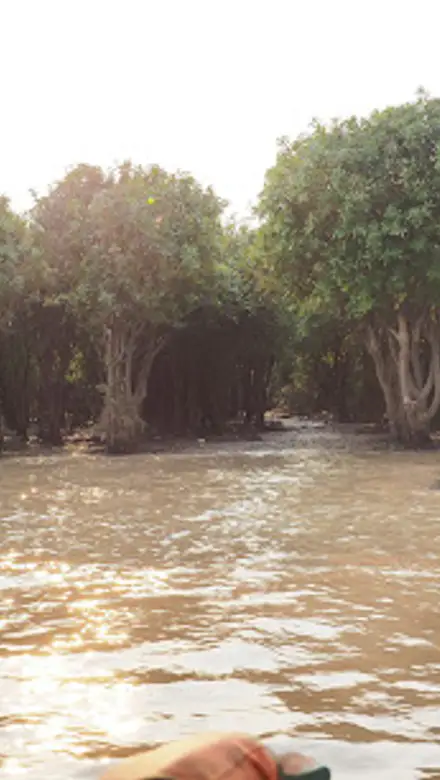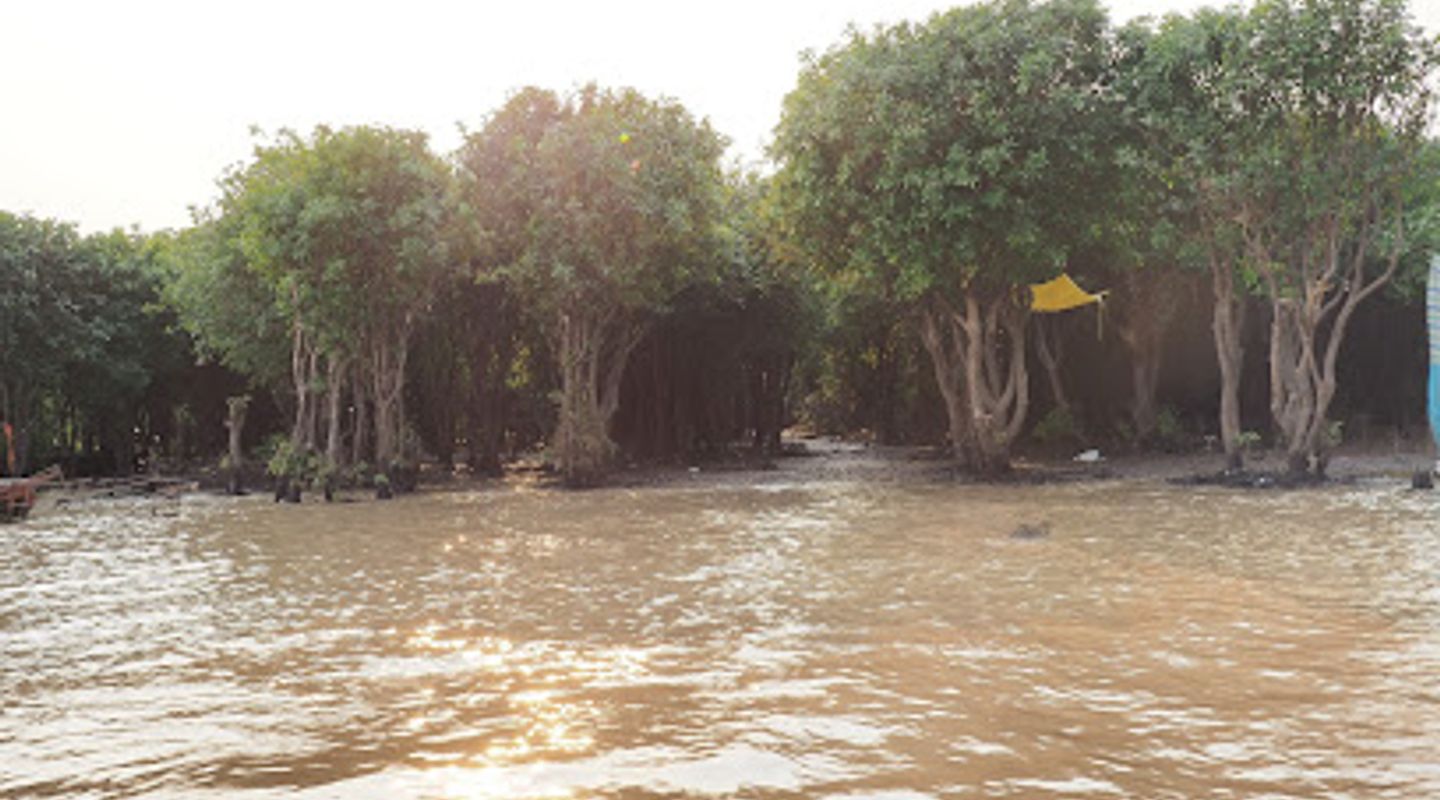
Tonlé Sap Biosphere Reserve, Takeo Travel Guide
Discover Cambodia's natural heart: Explore floating villages, rare birds, and the unique ecosystem of Tonlé Sap Biosphere Reserve.
The Tonlé Sap Biosphere Reserve, a UNESCO-designated site, is Southeast Asia's largest freshwater lake and a unique ecological treasure. Explore floating villages, diverse wildlife, and experience the traditional life of the local communities who depend on the lake's resources.
A brief summary to Tonlé Sap Biosphere Reserve
- 6MJ5+Q7R, Anphlong Ta O, KH
- Click to display

Know before you go
Hi, I'm Eve. Here are a few practical things to know before exploring Tonlé Sap Biosphere Reserve.
- Visit during the dry season (November to May) for the best birdwatching opportunities at Prek Toal.
- Hire a local guide to learn more about the area's ecology and the culture of the floating villages.
- Bring binoculars and a camera to fully appreciate the diverse wildlife and stunning landscapes.
Do you manage this location?
Take control to get all the benefits, like improved information, better appearance, and stronger visibility across AI-powered discovery. Learn more about listing your business on Evendo
Activate your presenceOther nearby places you may find interesting
The closest places of the same kind, if this one is not quite what you had in mind.
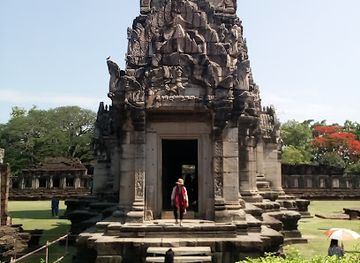
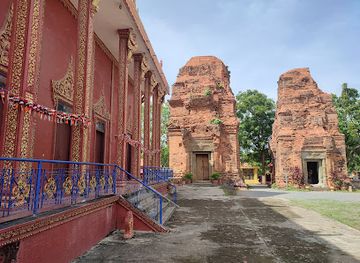

Explore Tonlé Sap Biosphere Reserve on the Map
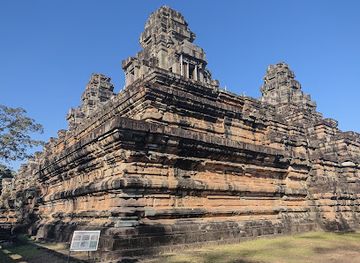
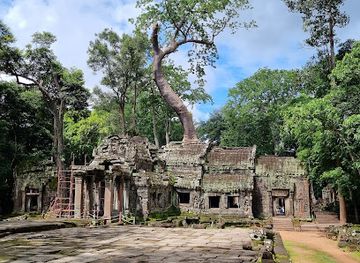
A handpicked selection of must-see spots near Tonlé Sap Biosphere Reserve, mapped for you.
Unlock the Best of Tonlé Sap Biosphere Reserve
Buy tickets
-
No tickets available
Book tours with entry


Getting There
-
Tuk-Tuk
From Siem Reap, hire a tuk-tuk for a direct route to the Tonlé Sap Lake. Negotiate the fare, typically around $15-$25 for a round trip. The journey takes approximately 30-45 minutes. Ensure you agree on a pick-up time for your return to Siem Reap.
-
Public Transport
From Siem Reap's central bus station, take a bus heading towards Battambang. The fare is about $5-$10, and the journey takes around 1 hour. Inform the driver to stop near the reserve, from where you may need a tuk-tuk or walk the final 3 kilometers.
Discover more about Tonlé Sap Biosphere Reserve
More to explore near Tonlé Sap Biosphere Reserve













Your all‑in‑one travel companion app
Explore expert travel guides, compare and book tours, experiences, hotels, and more—all from the palm of your hand. Download now for seamless trip planning wherever your wanderlust takes you.


Explore More of Takeo
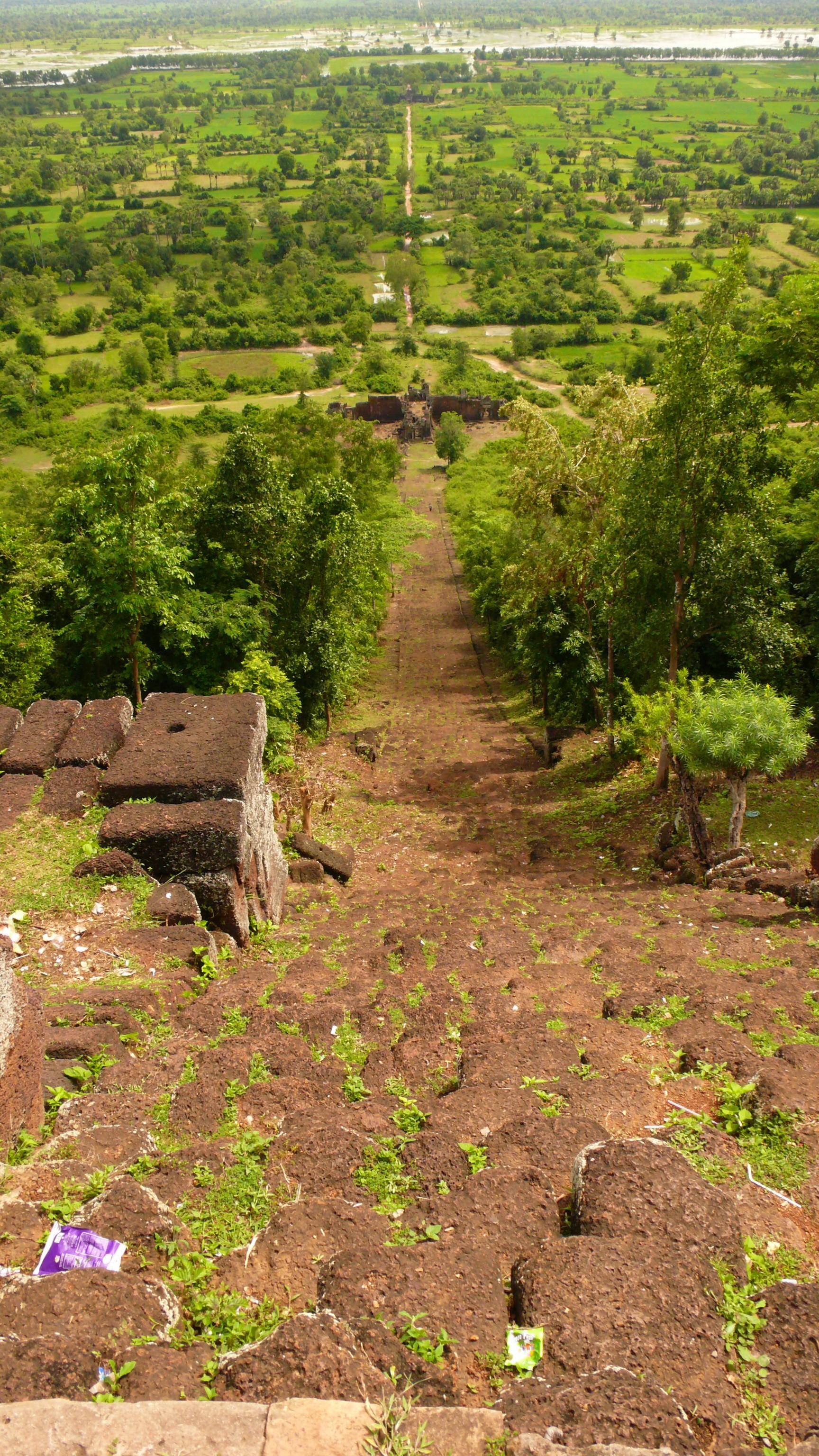
Looking beyond Tonlé Sap Biosphere Reserve? Discover Takeo for broader travel guides, local hot-spots, and regional highlights.
Explore Takeo
Discover authentic Khmer crafts at Siem Reap's Made in Cambodia Market, supporting local artisans and preserving traditional Cambodian heritage.
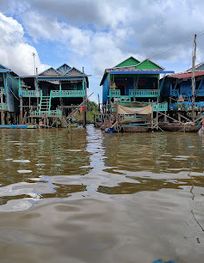
Discover a unique aquatic world: Explore the floating villages of Tonle Sap Lake near Siem Reap and witness a traditional Cambodian lifestyle.