

Free Bamenda Highlands Travel Guide & Mobile App
Explore Bamenda Highlands with free travel guides. Discover regional history, expert tips, proposed trips, and audio guides on web or mobile app.





Explore Cameroon’s Bamenda Highlands for volcanic landscapes, fondom heritage, forest walks, markets and the distinctive culture of the Grassfields.
Read more about Bamenda Highlands
When is the best time to visit Bamenda Highlands?
Best: December–February · 26–27°C| Month | High (°C) | Rainfall (mm) |
|---|---|---|
| January (best) | 26 | 10 |
| February (best) | 27 | 20 |
| March | 28 | 70 |
| April | 29 | 120 |
| May | 28 | 150 |
| June | 28 | 220 |
| July | 27 | 280 |
| August | 27 | 300 |
| September | 27 | 260 |
| October | 27 | 160 |
| November | 27 | 70 |
| December (best) | 26 | 20 |
Getting to and around Bamenda Highlands
How to get there
Transportation
Best attractions in Bamenda Highlands
The Bamenda Highlands offer a combination of cultural heritage, upland scenery and nature-based excursions rather than a concentration of conventional tourist facilities. Bamenda’s markets and craft workshops introduce the commercial life of the Grassfields, while the Bamenda escarpment provides broad views over cultivated valleys and lower countryside. The Bafut Palace complex is the region’s most accessible cultural attraction, presenting the history of a traditional kingdom through its compound, museum and associated buildings. Further across the highlands, communities such as Mankon, Oku, Kom and Nso preserve distinct traditions, although visits should be arranged respectfully and according to current local conditions. The Kilum-Ijim forest landscape near Mount Oku is important for montane biodiversity, watershed protection and guided walking, with birdwatching and ecological interpretation more appropriate than independent trekking. Agricultural plateaux, crater-lake country and winding ridge roads create opportunities for landscape photography and short walks, but roads and paths can be difficult in wet weather. The region’s attractions are dispersed, and responsible tourism depends on local guides, community permission and careful attention to security advice.
-
Museum
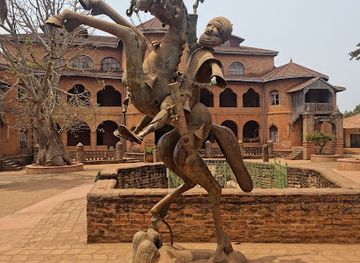
Musée De Foumban
Discover the artistic treasures and rich history of the Bamoun Kingdom at Musée De Foumban, a cultural landmark in Cameroon.
-
Tourist attraction
Governor junction upstation BAMENDA
Experience the vibrant culture and local life at Governor Junction Upstation, a must-visit attraction in the heart of Bamenda, Cameroon.
-
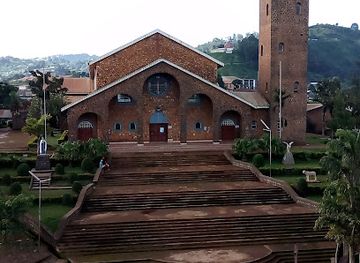
Cathedral
Cathedral Parish Kumbo
A hilltop cathedral in Kumbo, Cameroon, showcasing stunning stone architecture and a vibrant community spirit since the 1950s.
-
Tourist attraction
Reservoir of the Mapé
Explore the serene beauty of the Reservoir of the Mapé, a hidden gem in Kimi, Cameroon, perfect for relaxation and nature appreciation.
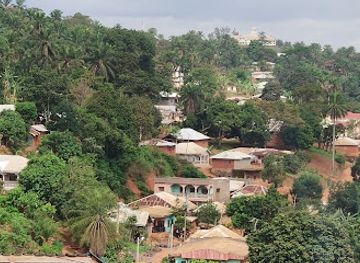

Best landmarks in Bamenda Highlands
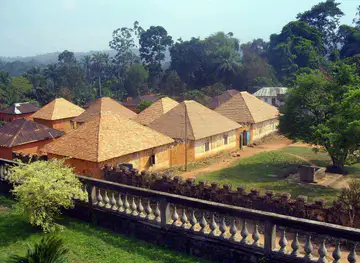
The Bafut Palace complex is the Bamenda Highlands’ most important cultural landmark, representing the political and ceremonial centre of the Bafut fondom. Its traditional buildings, royal compound and museum provide a physical record of local authority during both the precolonial and colonial periods. Around Bamenda, the escarpment is the defining natural landmark: its steep edge separates the elevated town and agricultural plateau from lower terrain and creates some of the region’s clearest landscape outlooks. The volcanic uplands around Mount Oku and the Kilum-Ijim forest form another major geographical landmark, combining high elevation, crater-lake landscapes and rare montane habitats. Traditional palace compounds and ceremonial architecture in Mankon, Kom and other Grassfields communities are also significant, but their accessibility depends on permission and current local circumstances. Rather than viewing these places as scenic backdrops alone, visitors should understand them as living cultural and environmental sites whose meanings belong to local communities.
-
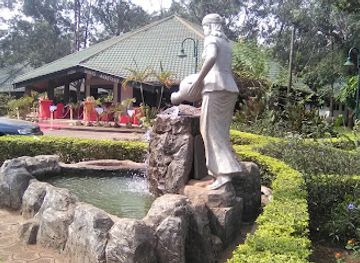
Restaurant
Bois Sainte Anastasie
Discover a peaceful retreat in the heart of Yaoundé at Bois Sainte Anastasie, a perfect blend of nature, art, and relaxation.
-
Cultural landmark
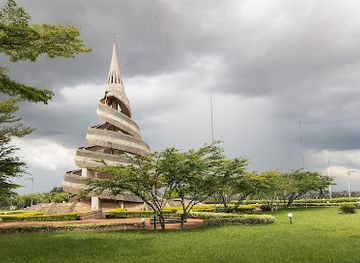
Cameroon Reunification Monument
A landmark in Yaoundé symbolizing Cameroon's reunification, cultural heritage, and the enduring spirit of national unity.
-
Apartment complex
Ayos Centre
Discover Foumban's artistic heart at Ayos Centre: Where creativity thrives and Cameroonian culture comes to life. A unique blend of art and hospitality.
-
National park
Waza National Park
Explore Cameroon's Waza National Park: a biodiverse haven with elephants, lions, giraffes, and stunning savanna landscapes.
Explore Bamenda Highlands on the map
Plan your trip on one map. See where the top cities, national parks and sights are, and book hotels and experiences in a few clicks.
Best hotels in Bamenda Highlands
Best restaurants in Bamenda Highlands
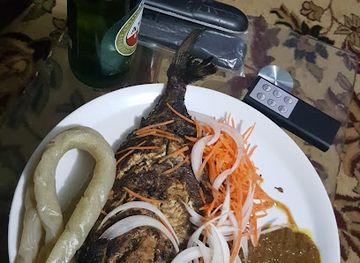
Dining in the Bamenda Highlands is closely linked to household farming, markets and the practical cooking of the Grassfields. Restaurants and cafés in Bamenda serve familiar Cameroonian dishes such as ndolé, eru, grilled meat, rice, beans, plantain and cassava-based accompaniments, while potatoes, maize and leafy vegetables are especially prominent in the cooler uplands. Eru, a vegetable dish associated particularly with the English-speaking regions, is often served with water fufu, although preparation varies between cooks and communities. Markets provide fruit, groundnuts, spices, bread and seasonal produce, while small eateries and hotel restaurants offer the most predictable choices for travellers. Poultry, goat and freshwater fish may appear on menus, but availability varies. There is a modest café and bakery culture in Bamenda, alongside informal food stalls that require sensible attention to hygiene and water. Ask locally about ingredients and regional preparation rather than assuming that a dish has one fixed recipe or origin.
-
Restaurant
Le Safoutier Restaurant
Discover the exquisite flavors at Le Safoutier Restaurant in Yaoundé's Hilton Hotel - where local meets international cuisine.
-
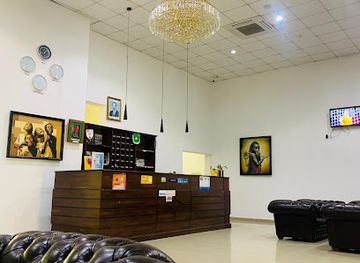
Hotel
Blue Pearl Hotel, Bamenda
Discover comfort at Blue Pearl Hotel in Bamenda – where modern amenities meet vibrant nightlife for an unforgettable stay.
-
Snack bar
DREAMLAND SNACK BAR
Experience the vibrant flavors of Bamenda at Dreamland Snack Bar, where local cuisine meets a welcoming atmosphere.
-
Restaurant
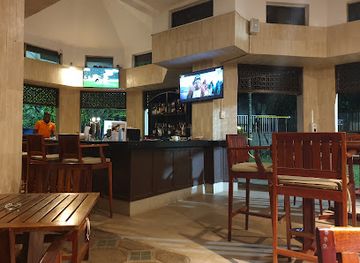
Dreamland Restaurant
Experience vibrant dining at Dreamland Restaurant in Bamenda, where local flavors meet global cuisine in a lively atmosphere.


Best bars in Bamenda Highlands
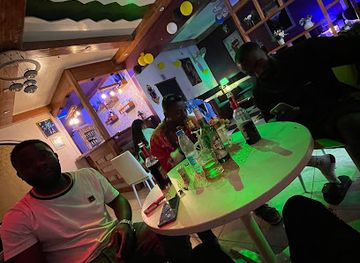
Evening life in the Bamenda Highlands is centred mainly on restaurants, hotel lounges, neighbourhood bars, music and conversation rather than a large, distinct nightclub circuit. Bamenda has the widest choice of places to eat and meet, with locally popular venues and occasional live music, but opening arrangements and public movement can be affected by security measures or curfews. In smaller highland communities, evenings are quieter and social life generally revolves around family, local gathering places and modest drinking establishments. Visitors should not treat nightlife as a priority in a region where conditions can change quickly: confirm arrangements locally, return to accommodation before dark and avoid political gatherings or crowded events. Beer and soft drinks are widely available, while locally produced drinks may be encountered but should be approached cautiously when their preparation and provenance are unclear.
-
Snack bar
DREAMLAND SNACK BAR
Experience the vibrant flavors of Bamenda at Dreamland Snack Bar, where local delicacies meet a warm atmosphere.
-
Lounge
City Bistro
Discover the heart of Bamenda at City Bistro, where local flavors meet a cozy lounge atmosphere for an unforgettable culinary experience.
-
Bar
Behindche Tap
Discover the vibrant nightlife of Bamenda at Behindche Tap, where local drinks and a friendly atmosphere await you.
-
Western
Vinas Lounge
Discover the essence of Western cuisine at Vinas Lounge, Bamenda's top dining destination offering a cozy ambiance and delectable dishes.


Best nightclubs in Bamenda Highlands
Evening life in the Bamenda Highlands is centred mainly on restaurants, hotel lounges, neighbourhood bars, music and conversation rather than a large, distinct nightclub circuit. Bamenda has the widest choice of places to eat and meet, with locally popular venues and occasional live music, but opening arrangements and public movement can be affected by security measures or curfews. In smaller highland communities, evenings are quieter and social life generally revolves around family, local gathering places and modest drinking establishments. Visitors should not treat nightlife as a priority in a region where conditions can change quickly: confirm arrangements locally, return to accommodation before dark and avoid political gatherings or crowded events. Beer and soft drinks are widely available, while locally produced drinks may be encountered but should be approached cautiously when their preparation and provenance are unclear.
-
Disco club
Le Penalty Lounge
Experience the electrifying nightlife of Yaoundé at Le Penalty Lounge, a premier disco club and lounge for unforgettable moments.
-
Disco club
Byblos Nightclub
Discover the vibrant nightlife at Byblos Nightclub in Douala, where music and dance come alive for an unforgettable experience.
-
Night club
MIDNYTE CLUB
Discover the vibrant nightlife at MIDNYTE CLUB in Douala, where energy meets elegance for an unforgettable evening of music and dance.
-
Disco club
XO NIGHT CLUB
Immerse yourself in Yaoundé's vibrant nightlife at XO Night Club, where electrifying music and an energetic crowd create unforgettable moments.




Best shops in Bamenda Highlands
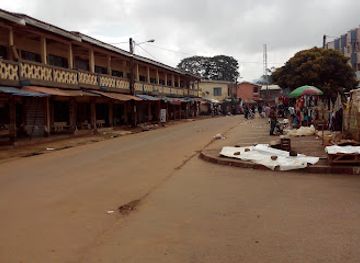
Shopping in the Bamenda Highlands is strongest in markets, independent workshops and produce stalls rather than large formal retail centres. Bamenda offers the broadest selection of clothing, household goods, food and locally made crafts, while smaller towns and villages provide more direct contact with agricultural produce and regional trading networks. Look for woven raffia work, baskets, carved wooden objects, textiles, pottery and practical handmade goods, but ask about provenance and avoid purchasing cultural objects that may be sacred, protected or difficult to export. Coffee, dried foods, spices, groundnuts and seasonal crops can make useful regional purchases when properly packaged. Haggling may be customary in open markets, but it should remain courteous and proportionate. Carry cash, inspect craft quality carefully and avoid photographing stalls or makers without permission. Retail availability, market days and transport conditions can change, so confirm details locally rather than relying on a fixed itinerary.
-
Market
Bamenda Main Market
Explore Bamenda Main Market: A bustling hub of local culture, vibrant goods, and authentic experiences in the heart of Cameroon.
-
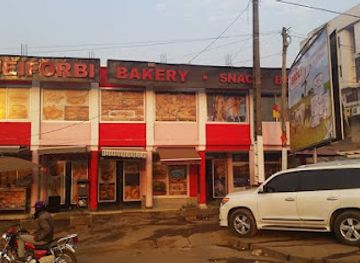
Bakery
Njeiforbi Bakery Bamenda
Discover the sweet side of Bamenda at Njeiforbi Bakery, where tradition and flavor come together in every delightful bite.
-
Supermarket
Oscar Shop Bamenda
Experience Bamenda's vibrant culture at Oscar Shop, offering a diverse selection of local and international products in a lively supermarket setting.
-
Shopping mall
Mbveh market
Discover the essence of Kumbo at Mbveh Market, a vibrant shopping haven filled with local treasures and cultural experiences.


Get your free copy of our complete guide to Bamenda Highlands, delivered straight to you.
Everything on this page, from attractions and restaurants to essentials and local phrases, in one PDF you can read offline, print or share.
Already have an account? Sign in
Your Bamenda Highlands guide is ready.
We'll send it to · Not you? Sign out

Getting your guide ready…
We are putting together a fresh copy of the Bamenda Highlands guide. This can take up to a minute.
This can take a few moments. If your browser asks, choose Allow so the download can start. You'll find the guide in your Downloads folder.
Nothing happened? Download it again
Sorry, the guide is taking longer than usual. Please try again in a minute, or get it by email instead.
Bamenda Highlands essentials
Currency and Payment
Safety
Emergency Situations
Do's and Don'ts
Local Tips
From Eve
Local phrases worth knowing
You don't need to get them perfect. A few words go a long way, and locals appreciate the effort.
Basics
| English | Local | Say it |
|---|---|---|
| Hello | Mbi efo | [Mbee eh-fo] |
| Goodbye | Nda mbu | [Nda mboo] |
| Yes | Ee | [Eh] |
| No | Aah | [Ah] |
| Please/You're welcome | Ndo | [Ndo] |
| Thank you | Mesi | [Meh-see] |
| Excuse me/Sorry | Sory | [Soh-ree] |
| How are you? | Ndi mfo? | [Ndee mfo?] |
| Fine. And you? | Mbi. Ndi efo? | [Mbee. Ndee eh-fo?] |
| Do you speak English? | Ndi kɔŋ English? | [Ndee kon English?] |
| I don't understand | Nda nɔ jɔŋ | [Nda noh jong] |
Eating & Drinking
| English | Local | Say it |
|---|---|---|
| I'd like to see the menu, please | Ndi mbɔh menu, ndo | [Ndee mboa menu, ndo] |
| I don't eat meat | Nda nɔ nyam | [Nda noh nyam] |
| Cheers! | Nda kɔsɔ | [Nda koh-so] |
| I would like to pay, please | Ndi mbɔh sɔ, ndo | [Ndee mboa so, ndo] |
Emergencies
| English | Local | Say it |
|---|---|---|
| Help! | Bɛŋ! | [Behng!] |
| Go away! | Bɔ nɛ! | [Boh neh!] |
| Call the Police! | Bɔŋ gɔtɛ nɔ! | [Bohng got-eh noh!] |
| Call a doctor! | Bɔŋ nyɔŋ! | [Bohng nyong!] |
| I'm lost | Ndi nɔ tɛŋ | [Ndee noh teng] |
| I'm ill | Ndi nɔ mɛ | [Ndee noh meh] |
Shopping
| English | Local | Say it |
|---|---|---|
| I'd like to buy... | Ndi mbɔh pɔ... | [Ndee mboa po...] |
| I'm just looking | Ndi nɔ kɔkɔ | [Ndee noh koh-koh] |
| How much is it? | Ndi mɛ ŋka? | [Ndee meh ngah?] |
| That's too expensive | Ndi mɛ nɔ fɔl | [Ndee meh noh fol] |
| Can you lower the price? | Ndi kɔ kɔsɔ ŋka? | [Ndee koh koh-so ngah?] |
Time & Numbers
| English | Local | Say it |
|---|---|---|
| What time is it? | Ndi mɛ nɛ? | [Ndee meh neh?] |
| It's one o'clock | Ndi mɛ mɔtɔ | [Ndee meh mo-to] |
| Half past (10) | Ndi mɛ nɛ 10 | [Ndee meh neh 10] |
| Morning | Pɛdɛ | [Pe-de] |
| Afternoon | Bɔndɛ | [Bon-de] |
| Evening | Kɔlɔ | [Koh-lo] |
| Yesterday | Kɔlɔ mbu | [Koh-lo mboo] |
| Today | Kɔlɔ mɛ | [Koh-lo meh] |
| Tomorrow | Kɔlɔ nɛ | [Koh-lo neh] |
| 1 | Mɔtɔ | [Mo-to] |
| 2 | Mbɔtɔ | [Mbo-to] |
| 3 | Tɔ | [Toh] |
| 4 | Nɛ | [Neh] |
| 5 | Njum | [Njum] |
| 6 | Njuŋ | [Nju-ng] |
| 7 | Njuŋ mbɔ | [Nju-ng mboo] |
| 8 | Njuŋ kɛ | [Nju-ng keh] |
| 9 | Njuŋ nɛ | [Nju-ng neh] |
| 10 | Njuŋ pɔ | [Nju-ng po] |
Transport & Directions
| English | Local | Say it |
|---|---|---|
| Where's a/the...? | Ndi nɛ a...? | [Ndee neh ah...?] |
| What's the address? | Ndi mɛ adrese? | [Ndee meh ah-deh-se?] |
| Can you show me (on the map)? | Ndi kɔ mɛ (na mɛp)? | [Ndee koh meh (nah meh-p)?] |
| When's the next (bus)? | Ndi mɛ kɔtɛ (bus)? | [Ndee meh koh-teh (bus)?] |
| A ticket (to ....) | Mɛ tikɛt (to ...) | [Meh ti-ket (to ...)] |
History of Bamenda Highlands
Early Grassfields settlement and cultural formation
The Bamenda Highlands have been occupied and cultivated for many centuries, with communities developing around fertile upland soils, springs, forest resources and defensible ridges. The wider Grassfields became a complex cultural zone rather than a single unified kingdom. Lineages, villages and later fondoms established systems of authority, ritual practice, land management and exchange. Archaeological and oral traditions point to long processes of migration, settlement and political consolidation. The artistic legacy of this history is visible in carved posts, masks, stools, woven textiles and palace architecture, although meanings vary between communities and should not be reduced to tourist decoration.
The rise of the Bamenda-area fondoms
Before European rule, political life in the highlands was organised through several kingdoms and fondoms, each governed by a fon and supported by councils, titled societies and royal compounds. Bafut, Mankon, Kom, Oku and neighbouring polities developed their own histories while participating in regional trade and diplomacy. The Bafut fondom became one of the best-known political centres near present-day Bamenda, with a palace compound that embodied royal, religious and administrative functions. These institutions were reshaped by colonial rule but remain important in contemporary cultural life.
German conquest and the Bamenda station, late nineteenth century–1916
German colonial expansion reached the Grassfields during the late nineteenth and early twentieth centuries. Military campaigns and negotiations brought local kingdoms and communities into the German colonial system, while Bamenda became an administrative and military station. Colonial rule introduced new forms of taxation, labour demands, roads and official administration, but it also relied on and altered existing authorities. Resistance and accommodation varied from one fondom to another. The German period ended during the First World War, when the territory was taken by British and French forces.
British Cameroons and the development of Bamenda
After the First World War, the former German territory was divided into League of Nations mandates and later United Nations trust territories. The western highlands became part of British-administered Cameroons, with Bamenda developing as a major administrative centre. English-language education, courts and administrative practices connected the region to British West Africa, while local rulers continued to exercise customary authority in many areas. Roads, schools, missions and commercial agriculture expanded, including coffee production. The period also strengthened a distinct Anglophone institutional and cultural inheritance within the future country of Cameroon.
The 1961 plebiscite and reunification
In 1961, British Southern Cameroons voted to join the already independent Republic of Cameroon, while the northern part of British Cameroons joined Nigeria. Southern Cameroons entered a federal union with the French-speaking Republic of Cameroon, and Bamenda became an important centre in the federated West Cameroon state. The federation was replaced by a unitary state in 1972, a change that remains central to political memory in the English-speaking regions. The region’s legal, educational and administrative traditions consequently developed alongside, and sometimes in tension with, wider national institutions.
Coffee, craft and contemporary highland change
During the later twentieth century, coffee, food crops, trade, education and public administration shaped the economy of the Bamenda Highlands. Cooperative farming and market networks linked upland producers with Bamenda and other parts of Cameroon, while craft production preserved important Grassfields forms in wood, raffia and textiles. Since 2016, political crisis and armed conflict in the North-West and South-West Regions have disrupted movement, schooling, farming and tourism. The effects vary by locality and can change rapidly, making current security information indispensable for any visit.
Bamenda Highlands in Photos
Browse through our photo collection highlighting the charm and character of the destination.
Neighbouring regions of Bamenda Highlands
The closest regions to Bamenda Highlands, if you have time for more than one.
-
-

-

-

-


Swipe for more regions
Explore more

Explore more of Cameroon
Discover Cameroon: A Land of Diverse Landscapes, Rich Cultural Heritage, and Unforgettable Adventures in the Heart of Africa.
Explore Cameroon