

Free West Region Travel Guide & Mobile App
Explore West Region with free travel guides. Discover regional history, expert tips, proposed trips, and audio guides on web or mobile app.


Explore Cameroon’s West Region for Bamoun and Bamileke heritage, volcanic highlands, cool upland towns, craft traditions and regional cuisine.
Read more about West Region
When is the best time to visit West Region?
Best: December–February · 25–26°C| Month | High (°C) | Rainfall (mm) |
|---|---|---|
| January (best) | 25 | 20 |
| February (best) | 26 | 30 |
| March | 27 | 40 |
| April | 28 | 50 |
| May | 29 | 60 |
| June | 30 | 70 |
| July | 30 | 80 |
| August | 30 | 80 |
| September | 29 | 70 |
| October | 28 | 60 |
| November | 27 | 50 |
| December (best) | 26 | 40 |
Getting to and around West Region
How to get there
Transportation
Top city travel guides in West Region
The cities of West Region, and the easiest places to base yourself.
-

-

-

-

-

-


Swipe for more cities
Destinations in West Region
Resorts, valleys and scenic spots worth a trip of their own.
-

-


Swipe for more destinations
Best attractions in West Region
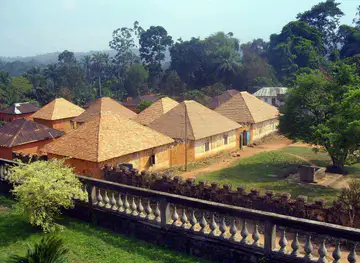
The West Region’s attractions combine royal heritage, highland scenery and everyday cultural life. Foumban is the leading cultural destination, with the Bamoun royal palace, museum collections and craft workshops offering insight into court history, metalwork, textiles, woodcarving and the region’s distinctive visual traditions. Around Bafoussam and Bandjoun, traditional chiefdoms provide opportunities to understand Bamileke political institutions and architecture, subject to permission and local arrangements. Dschang adds a museum of Cameroonian civilisations, a cooler upland setting and access to the cultivated Menoua landscape. Nature-based outings include Lake Baleng, the Metché waterfalls and viewpoints across the Bamboutos highlands, while Lake Monoun offers a more solemn encounter with the region’s volcanic geology and modern history. Markets, coffee-growing areas, village roads and craft centres are attractions in their own right, though they require patience and respectful local guidance. The region is better suited to cultural touring, photography, short walks and scenic road journeys than to a tightly scheduled list of conventional tourist sites.
-
Zoo
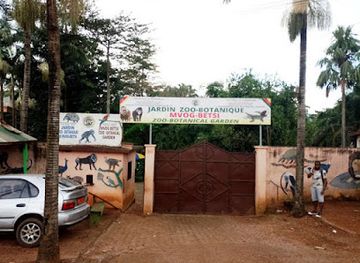
Mvog-Betsi Botanical Zoological Garden
Experience the vibrant wildlife and lush landscapes of Mvog-Betsi Botanical Zoological Garden in Yaoundé, a perfect destination for families and nature lovers.
-
Restaurant
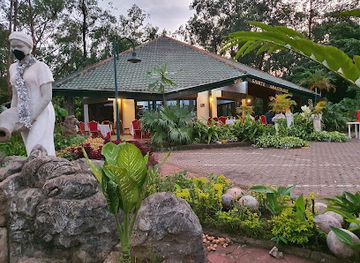
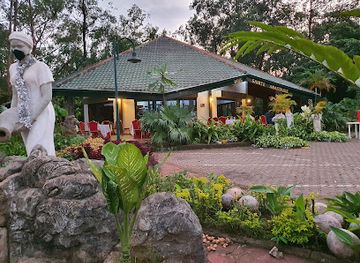
Bois Sainte Anastasie
Discover the perfect blend of nature and local cuisine at Bois Sainte Anastasie, a charming restaurant and park in the heart of Yaoundé.
-
Park
Rond point Makepe
Explore the serene beauty of Rond Point Makepe, a lush park in Douala offering relaxation, leisure activities, and a taste of local culture.
-
Museum
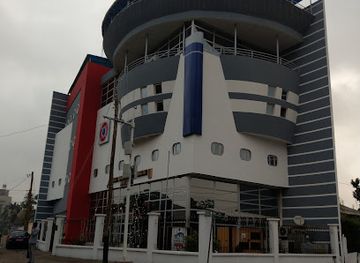
Maritime Museum Of Douala
Discover the Maritime Museum of Douala, where the rich maritime history of Cameroon comes to life through fascinating exhibits and engaging displays.

Best landmarks in West Region
The Bamoun royal palace in Foumban is the region’s most recognisable architectural landmark, associated with the long history of the Bamoun kingdom and the court of Sultan Ibrahim Njoya. Its formal compound and museum collections make it a historical symbol as well as a visitor site. The traditional chiefdom complex at Bandjoun represents the architectural and political heritage of the Bamileke Grassfields, where royal compounds, reception spaces and carved elements express the authority of the fon, or traditional ruler. The Metché waterfalls near Bafoussam are both a natural feature and a place remembered in local and national accounts of colonial-era resistance. Lake Monoun, a volcanic crater lake in the Noun area, is a significant geological landmark because of its 1984 gas eruption and the continuing importance of environmental monitoring. The Bamboutos massif provides the region’s most prominent mountain backdrop, with high pastoral and cultivated landscapes that are visually distinctive but weather-dependent. Dschang’s historic upland townscape and cultural institutions complete a landmark network that reflects the region’s political, geological and social history.
-
Museum
National Museum
Discover Cameroon's cultural heart at the National Museum in Yaoundé, showcasing art, history, and traditions from across the nation.
-
Restaurant
Bois Sainte Anastasie
Discover Bois Sainte Anastasie: Yaoundé's charming park with nature, art, and a tranquil riverside setting for relaxation and events.
-
Cultural landmark
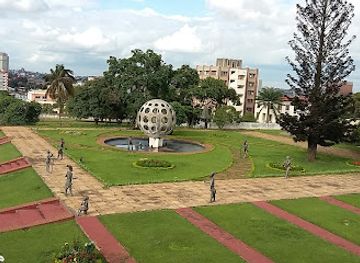
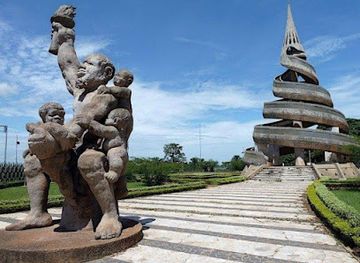
Cameroon Reunification Monument
A landmark in Yaoundé symbolizing Cameroon's reunification and national identity, with unique architecture and historical significance.
-
Catholic church
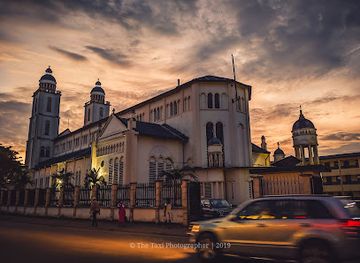
Cathedral of St Peter and Paul Bonadibong
Discover the architectural beauty and spiritual significance of Douala's iconic Cathedral of St Peter and Paul Bonadibong, a cultural and religious landmark.
Explore West Region on the map
Plan your trip on one map. See where the top cities, national parks and sights are, and book hotels and experiences in a few clicks.
Best hotels in West Region
Best restaurants in West Region
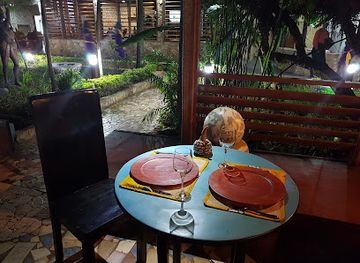
Dining in the West Region is closely tied to highland agriculture and market supply. Bafoussam and Dschang have the widest choice of restaurants, cafés and informal eateries, while Foumban combines everyday Cameroonian cooking with places catering to visitors near the palace area. Common meals include plantain, maize, beans, rice, potatoes, vegetables and sauces served with grilled meat or fish; dishes and preparation styles vary between Bamileke, Bamoun and other local communities. Roadside grills and small eateries often provide the most direct introduction to local flavours, although hygiene standards and availability differ, so choose busy establishments with good food turnover. Markets are useful for seasonal fruit, vegetables, spices and locally produced goods. Coffee-growing traditions remain part of the highland economy, and locally brewed drinks may appear at informal gatherings. International and continental food is more readily available in larger hotels, but rural districts generally offer simpler menus and early dining hours.
-
Restaurant
Le Safoutier Restaurant
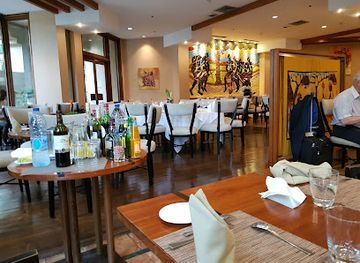
Experience exquisite dining at Le Safoutier Restaurant in Yaoundé's Hilton Hotel—where local flavors meet international cuisine.
-
Restaurant
Boukarou Lounge
Discover the vibrant culinary scene at Boukarou Lounge in Yaoundé—where local flavors meet live music.
-
Restaurant
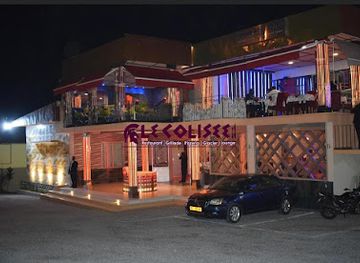
Restaurant "Le Colisée", Yaoundé
Experience the vibrant flavors of Yaoundé at Restaurant Le Colisée – your go-to spot for pizza, sundaes, and fine wine.
-
Restaurant
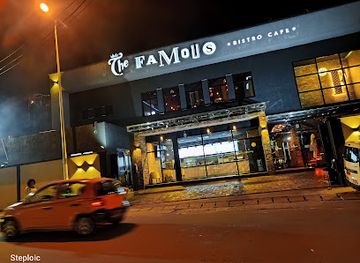
The Famous
Discover exquisite local and international cuisine at The Famous, Yaoundé's top dining destination.
Best bars in West Region
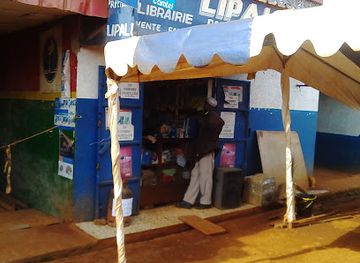
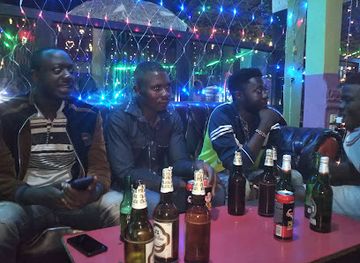
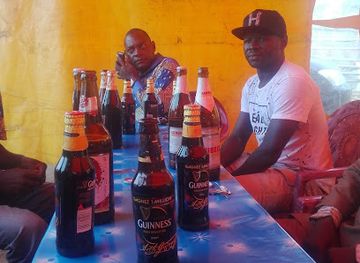
Evening life in the West Region is concentrated in Bafoussam, Dschang and Foumban rather than spread across a large club circuit. Bafoussam has the broadest selection of hotel bars, beer venues, cafés and music-led establishments, with activity varying by neighbourhood and day of the week. Dschang’s university population supports a more youthful restaurant and bar scene, while Foumban’s evenings are generally quieter and centred on restaurants, hotel lounges and social venues. In smaller towns and villages, traditional drinking spots and neighbourhood bars are more common than dedicated nightclubs. Live music, televised football and conversation are often more important than formal nightlife programming. Visitors should use trusted transport after dark, avoid displaying valuables and confirm current local advice before seeking venues outside the central areas.
-
Bar
Restaurant
Discover the heart of Bangangte's nightlife at this lively bar, where local flavors and vibrant atmosphere meet.
-
Bar
Retrouvailles Bar
Experience the lively atmosphere and local flavors at Retrouvailles Bar, a must-visit spot for tourists in Foumban.
-
Bar
Las Vegas
Discover the electrifying energy of Las Vegas, where dazzling nightlife, world-class entertainment, and gourmet dining come together for an unforgettable experience.
-
Bar
Repos Du Voyageur-Bar, Bafoussam
Experience the vibrant nightlife and local culture at Repos Du Voyageur-Bar in Bafoussam, where refreshing drinks and friendly faces await.
Best nightclubs in West Region
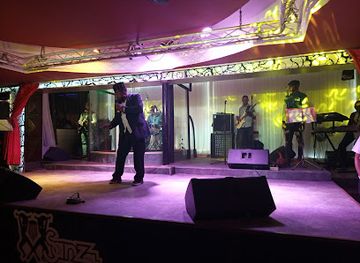
Evening life in the West Region is concentrated in Bafoussam, Dschang and Foumban rather than spread across a large club circuit. Bafoussam has the broadest selection of hotel bars, beer venues, cafés and music-led establishments, with activity varying by neighbourhood and day of the week. Dschang’s university population supports a more youthful restaurant and bar scene, while Foumban’s evenings are generally quieter and centred on restaurants, hotel lounges and social venues. In smaller towns and villages, traditional drinking spots and neighbourhood bars are more common than dedicated nightclubs. Live music, televised football and conversation are often more important than formal nightlife programming. Visitors should use trusted transport after dark, avoid displaying valuables and confirm current local advice before seeking venues outside the central areas.
-
Night club
Sanza Night Club, Yaoundé
Discover the lively atmosphere and vibrant energy of Sanza Night Club in Yaoundé, where the nightlife truly comes alive.
-
Disco club
Katios Night Club Yaoundé
Discover the electrifying nightlife of Yaoundé at Katios Night Club, where music and dance come alive in a vibrant atmosphere.
-
Disco club
Byblos Nightclub
Discover the vibrant nightlife at Byblos Nightclub in Douala, where music, dancing, and unforgettable memories await in an electric atmosphere.
-
Night club
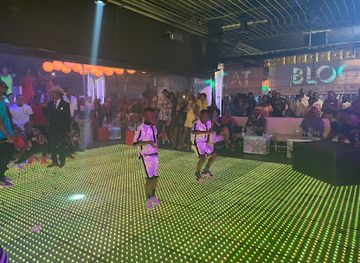
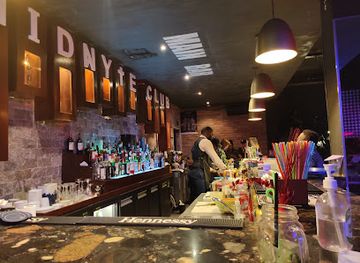
MIDNYTE CLUB
Immerse yourself in Douala's nightlife at MIDNYTE CLUB, where music and culture converge for an electrifying experience.

Best shops in West Region
Shopping in the West Region is strongest in market towns, where textiles, household goods, fresh produce and locally made crafts are sold alongside imported merchandise. Foumban is particularly associated with Bamoun arts and crafts, including carved wood, metalwork, decorative objects and items inspired by royal iconography; buy from established workshops and ask about appropriate photography. Bafoussam offers the largest general retail choice, with busy markets, food shops, clothing stalls and practical supplies, while Dschang has independent traders, student-oriented businesses and products from the surrounding agricultural area. Traditional chiefdoms and cultural centres may offer better opportunities for considered craft purchases than roadside stalls, but availability changes. Useful regional products include coffee, spices, woven goods, carved objects and seasonal foods. Bargaining is customary in many informal markets but should remain courteous, and visitors should check quality, provenance and customs restrictions before purchasing antiques, wildlife products or objects claimed to be historically important.
-
Shopping mall
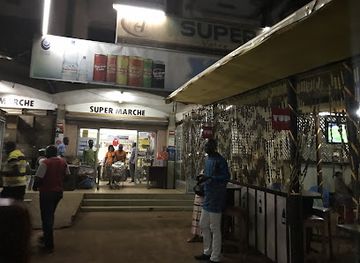
Supermarché, restaurant, snack bar Yatch center
Discover the bustling Yatch Center in Bafoussam, where shopping meets delightful dining experiences, perfect for every traveler.
-
Tourist attraction
Ekom Nkam Waterfalls
Discover the enchanting Ekom Nkam Waterfalls in Nkongsamba, Cameroon – a stunning natural wonder perfect for adventure seekers and nature lovers.
-
Art museum
Bandjoun Station
Discover the artistic heartbeat of Cameroon at Bandjoun Station, a cultural gem showcasing local and international talent through diverse exhibitions.
-
Clothing store
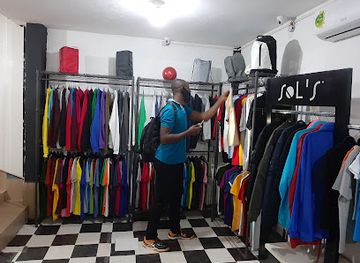
Boutique Sol's a Douala - Cameroon
Explore vibrant fashion and rich culture at Boutique Sol's in Douala, where traditional meets contemporary in a unique shopping experience.


Get your free copy of our complete guide to West Region, delivered straight to you.
Everything on this page, from attractions and restaurants to essentials and local phrases, in one PDF you can read offline, print or share.
Already have an account? Sign in
Your West Region guide is ready.
We'll send it to · Not you? Sign out

Getting your guide ready…
We are putting together a fresh copy of the West Region guide. This can take up to a minute.
This can take a few moments. If your browser asks, choose Allow so the download can start. You'll find the guide in your Downloads folder.
Nothing happened? Download it again
Sorry, the guide is taking longer than usual. Please try again in a minute, or get it by email instead.
West Region essentials
Currency and Payment
Safety
Emergency Situations
Do's and Don'ts
Local Tips
From Eve
Local phrases worth knowing
You don't need to get them perfect. A few words go a long way, and locals appreciate the effort.
Basics
| English | Local | Say it |
|---|---|---|
| Hello | Mokou | [moh-koh] |
| Goodbye | Ndeh | [ndeh] |
| Yes | Aye | [aye] |
| No | Ooh | [oo] |
| Please/You're welcome | Ngwa | [ngwah] |
| Thank you | Mikolo | [mee-koh-loh] |
| Excuse me/Sorry | Ndo | [ndoh] |
| How are you? | Olenya? | [oh-len-yah] |
| Fine. And you? | Mikolo. Na wo? | [mee-koh-loh. nah woh?] |
| Do you speak English? | Ngwa ikwene English? | [ngwah ee-kwe-neh ehng-lish?] |
| I don't understand | Ayi eyeng | [ah-yee eh-yeng] |
Eating & Drinking
| English | Local | Say it |
|---|---|---|
| I'd like to see the menu, please | Ngwa banga menu | [ngwah ban-gah meh-noo] |
| I don't eat meat | Ayi banga ndeng | [ah-yee ban-gah n-den-g] |
| Cheers! | Ngwa mboko! | [ngwah m-boh-koh] |
| I would like to pay, please | Ngwa banga kwen, please | [ngwah ban-gah k-wen, please] |
Emergencies
| English | Local | Say it |
|---|---|---|
| Help! | Ndo! | [ndoh!] |
| Go away! | Ngwa na! | [ngwah nah!] |
| Call the Police! | Ndo a Police! | [ndoh ah poh-lees!] |
| Call a doctor! | Ndo a daktari! | [ndoh ah dahk-tah-ree!] |
| I'm lost | Ngwa a mboka | [ngwah ah m-boh-kah] |
| I'm ill | Ngwa a bwan | [ngwah ah b-wan] |
Shopping
| English | Local | Say it |
|---|---|---|
| I'd like to buy... | Ngwa banga chua... | [ngwah ban-gah chwah] |
| I'm just looking | Ngwa a ndong | [ngwah ah n-dong] |
| How much is it? | Mikolo a ngwene? | [mee-koh-loh ah ng-weh-neh?] |
| That's too expensive | Ayi a ntye | [ah-yee ah n-tyeh] |
| Can you lower the price? | Ngwa ka ngwene a ntye? | [ngwah kah ng-weh-neh ah n-tyeh?] |
Time & Numbers
| English | Local | Say it |
|---|---|---|
| What time is it? | Mikolo a ngwene? | [mee-koh-loh ah ng-weh-neh?] |
| It's one o'clock | Ayi a ngwene mboko | [ah-yee ah ng-weh-neh m-boh-koh] |
| Half past (10) | Ndo a ntye (10) | [ndoh ah n-tyeh (10)] |
| Morning | Mokou na | [moh-koh nah] |
| Afternoon | Mokou ayong | [moh-koh ah-yong] |
| Evening | Mokou akat | [moh-koh ah-kat] |
| Yesterday | Mokou a luma | [moh-koh ah loo-mah] |
| Today | Mokou a nyanga | [moh-koh ah nyan-gah] |
| Tomorrow | Mokou a luma ngwene | [moh-koh ah loo-mah ng-weh-neh] |
| 1 | Mokou | [moh-koh] |
| 2 | Mboko | [m-boh-koh] |
| 3 | Mboko mboko | [m-boh-koh m-boh-koh] |
| 4 | Mboko ayong | [m-boh-koh ah-yong] |
| 5 | Mboko akat | [m-boh-koh ah-kat] |
| 6 | Mboko luma | [m-boh-koh loo-mah] |
| 7 | Mboko nyanga | [m-boh-koh nyan-gah] |
| 8 | Mboko luma ngwene | [m-boh-koh loo-mah ng-weh-neh] |
| 9 | Mboko luma mboko | [m-boh-koh loo-mah m-boh-koh] |
| 10 | Mboko mboko mboko | [m-boh-koh m-boh-koh m-boh-koh] |
Transport & Directions
| English | Local | Say it |
|---|---|---|
| Where's a/the...? | Olenya a ...? | [oh-len-yah ah ...?] |
| What's the address? | Mikolo a ngwene a ...? | [mee-koh-loh ah ng-weh-neh ah ...?] |
| Can you show me (on the map)? | Ngwa ka ngwene a (na map)? | [ngwah kah ng-weh-neh ah (nah map)?] |
| When's the next (bus)? | Olenya a ngwene (bus)? | [oh-len-yah ah ng-weh-neh (bus)?] |
| A ticket (to ....) | A ticket (to ...) | [ah tee-ket (to ...)] |
History of West Region
Grassfields Chiefdoms and Early Settlement
The western highlands have long supported intensive farming and complex political communities. Before the colonial period, the region was organised through numerous chiefdoms and kingdoms rather than a single authority. Bamileke chiefdoms developed elaborate systems of royal succession, land management, ritual life and trade, while neighbouring communities maintained their own languages and institutions. The visible compounds of chiefs, carved architectural elements and ceremonial objects are legacies of these political traditions. Population movements within the wider Grassfields over many centuries created a culturally varied region with related but distinct identities.
The Rise of the Bamoun Kingdom
The Bamoun kingdom emerged in the Noun area, traditionally tracing its foundation to Nchare Yen and the establishment of Foumban as its political centre. Over successive reigns, the kingdom consolidated authority over surrounding territories and developed a court culture supported by administration, craftsmanship, military organisation and long-distance exchange. Foumban became the focus of royal architecture and material culture that still define the region’s historical image. The Bamoun monarchy survived the colonial period and remains an important cultural institution, although its contemporary role is not the same as its pre-colonial political authority.
Colonial Rule and the Grassfields
German colonial forces extended control over the western Grassfields in the early twentieth century, after which the region came under French administration following Germany’s defeat in the First World War. Colonial rule reshaped taxation, labour, roads, schooling and agricultural production, while traditional rulers were incorporated into an altered administrative system. Coffee and other cash crops became increasingly important, and towns such as Dschang and Bafoussam developed new administrative and commercial functions. Colonial boundaries and institutions also connected communities to a wider Cameroonian state whose political structure changed repeatedly during the twentieth century.
Sultan Ibrahim Njoya and Bamoun Intellectual Heritage
Sultan Ibrahim Njoya, who ruled the Bamoun kingdom from the late nineteenth century until 1933, is one of the region’s most influential historical figures. He encouraged court scholarship, artistic production and administrative innovation, and is associated with the development of the Bamoun writing system known as A-ka-u-ku. His reign also coincided with German and later French colonial expansion, which placed the kingdom under intense political pressure. The palace complex and museum in Foumban preserve important parts of this intellectual and artistic legacy, including objects connected with the royal court and Bamoun history.
Nationalism, Conflict and Independence
The western region was affected by the political struggles that accompanied the end of French colonial rule. Support for nationalist movements, including the Union des Populations du Cameroun, was strong in parts of the Bamileke area, and the late 1950s and early 1960s brought military operations, displacement and severe political repression. The conflict left lasting memories in local communities and influenced post-independence relations between the central government and the western highlands. Cameroon achieved independence in 1960, while the former British and French territories followed different constitutional paths before reunification in 1961.
Agriculture, Roads and Urban Growth
From the second half of the twentieth century, improved roads, expanding markets and population growth strengthened the region’s links with Douala, Yaoundé and neighbouring highland areas. Bafoussam became the principal commercial and administrative centre, while Dschang developed as an educational and cultural town and Foumban retained its royal and craft identity. Smallholder agriculture remains central, with coffee, maize, beans, potatoes, vegetables and plantains contributing to household livelihoods and regional trade. Urban expansion has brought new businesses and services, but it has also increased pressure on farmland, roads and mountain environments.
Lake Monoun’s 1984 Limnic Eruption
Lake Monoun, in the Noun area of the West Region, experienced a rare limnic eruption in August 1984. A sudden release of carbon dioxide from the deep lake caused the deaths of dozens of people in nearby communities and drew international scientific attention to volcanic crater lakes. The event demonstrated that hazards can exist even in apparently calm highland landscapes. Monitoring and scientific work at Cameroon’s crater lakes increased after the disaster, and visitors should follow local guidance around lake shores rather than treating them as ordinary picnic or swimming locations.
West Region in Photos
Browse through our photo collection highlighting the charm and character of the destination.
Neighbouring regions of West Region
The closest regions to West Region, if you have time for more than one.
-
-

-

-

-


Swipe for more regions
Explore more

Explore more of Cameroon
Discover Cameroon: A Land of Diverse Landscapes, Rich Cultural Heritage, and Unforgettable Adventures in the Heart of Africa.
Explore Cameroon