

Free North-West Region Travel Guide & Mobile App
Explore North-West Region with free travel guides. Discover regional history, expert tips, proposed trips, and audio guides on web or mobile app.


Explore Cameroon's North-West Region for highland scenery, crater lakes, royal traditions and Grassfields culture, with careful security planning.
Read more about North-West Region
When is the best time to visit North-West Region?
Best: December–February · 25–26°C| Month | High (°C) | Rainfall (mm) |
|---|---|---|
| January (best) | 25 | 18 |
| February (best) | 26 | 28 |
| March | 26 | 63 |
| April | 27 | 106 |
| May | 27 | 142 |
| June | 27 | 183 |
| July | 26 | 191 |
| August | 26 | 195 |
| September | 26 | 164 |
| October | 26 | 99 |
| November | 25 | 43 |
| December (best) | 25 | 22 |
Getting to and around North-West Region
How to get there
Transportation
Top city travel guides in North-West Region
The cities of North-West Region, and the easiest places to base yourself.
-

-

-

-

-

-


Swipe for more cities
Destinations in North-West Region
Resorts, valleys and scenic spots worth a trip of their own.
-

-


Swipe for more destinations
Best attractions in North-West Region
The North-West Region's attractions combine highland scenery with living Grassfields heritage. Bamenda provides access to the Bamenda Highlands and the escarpment, while its markets, craft activity and cultural institutions introduce visitors to the region's artistic traditions. Rural routes lead towards traditional fondoms such as Bafut and Kom, where royal compounds, ceremonial architecture and local histories are more important than conventional museum displays. Permission and security arrangements should be established before any visit. The Oku area offers some of the region's most distinctive natural experiences, including Lake Oku, upland forest and mountain landscapes that appeal to walkers and birdwatchers. The Ndop plain, cultivated valleys and volcanic slopes reveal the relationship between agriculture and terrain, while the Menchum area is associated with dramatic waterfalls and river scenery. Outdoor travel can involve demanding roads, limited services and changing weather, and some areas may be inaccessible because of the security situation. Rather than a compact circuit of ticketed sights, the region is best understood as a collection of cultural landscapes, market towns, royal institutions and highland environments whose accessibility must be assessed locally.
-
Wildlife rescue service
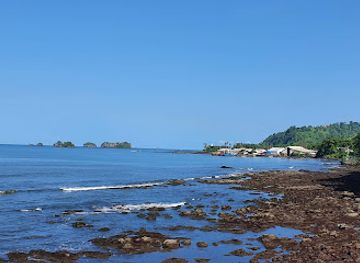
Limbe Wildlife Centre
Discover the Limbe Wildlife Centre, a premier destination for wildlife conservation in Cameroon, where you can encounter rescued animals and learn about their rehabilitation.
-
Tourist attraction
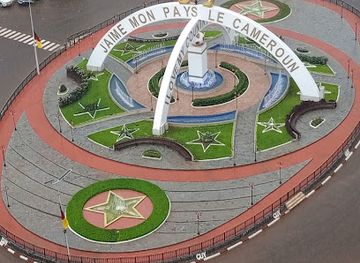
I love my country Cameroon round about
Explore the vibrant spirit of Yaoundé at I Love My Country Roundabout, a colorful landmark celebrating Cameroonian culture and community.
-
National park
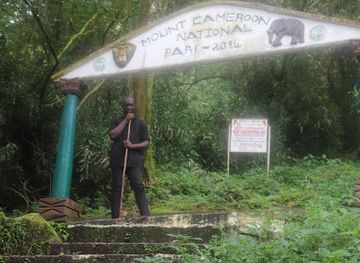
Mount Cameroon National Park
Explore the breathtaking landscapes and diverse ecosystems of Mount Cameroon National Park, a top destination for nature lovers and adventure seekers in Cameroon.
-
Museum
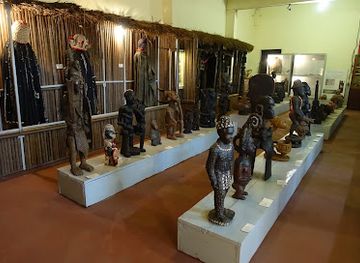
Blackitude Museum
Discover the essence of Cameroon at Blackitude Museum, where art, music, and history come alive in the heart of Yaoundé.
Best landmarks in North-West Region
The North-West Region's most significant landmarks express the history of Grassfields political institutions and the drama of a volcanic highland environment. The Bafut Palace complex is associated with the Fon of Bafut and illustrates the architectural and ceremonial importance of a traditional royal seat, although access to particular areas should be arranged respectfully. The Kom royal compound and the palace traditions of Nso, Mankon and Bali likewise represent enduring local histories, but these are living institutions rather than static monuments and should not be treated as ordinary tourist sites. Lake Oku is one of the region's defining natural landmarks, occupying a volcanic crater in a cool mountain setting, while Mount Oku and the surrounding highland forests form a prominent landscape in the west of the region. The Bamenda escarpment provides the regional capital with its distinctive physical setting, dropping towards lower terrain and shaping views, climate and movement. Menchum Falls is another notable natural feature, associated with a deep river valley and powerful cascades. Conditions, access and security around all remote landmarks require current local confirmation.
-
Museum
National Museum
Explore Cameroon's rich heritage at the National Museum in Yaoundé, showcasing diverse artifacts, art, and historical exhibits in a historic setting.
-
Restaurant
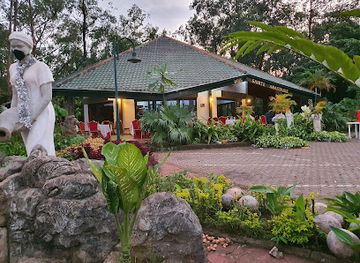
Bois Sainte Anastasie
Escape the city buzz at Bois Sainte Anastasie, Yaoundé's green heart with art, nature, and events by the Ekozoa River.
-
Cultural landmark
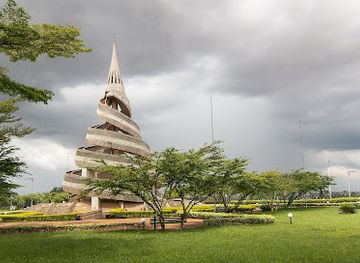
Cameroon Reunification Monument
A landmark in Yaoundé symbolizing Cameroon's reunification and national identity, reflecting the country's rich history and cultural heritage.
-
Apartment complex
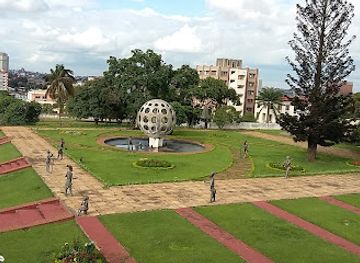
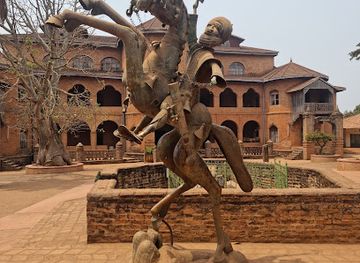
Ayos Centre
Discover Cameroonian artistry and culture at Ayos Centre in Foumban, a vibrant hub showcasing local traditions and artistic expression.
Explore North-West Region on the map
Plan your trip on one map. See where the top cities, national parks and sights are, and book hotels and experiences in a few clicks.
Best hotels in North-West Region
Best restaurants in North-West Region
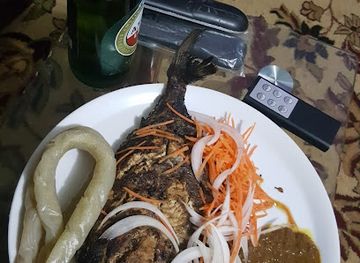
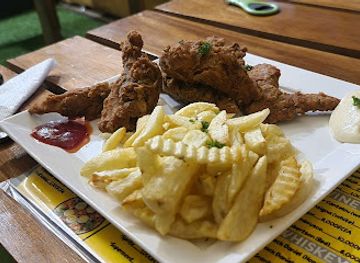
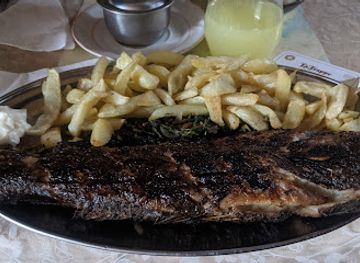
Dining in the North-West Region is shaped by Cameroon's wider cuisine and by the produce of the highlands. In Bamenda, visitors may find cafés, roadside grills, restaurants and local eateries serving dishes such as ndolé, eru, grilled meat, rice, beans, plantain and fufu-based preparations, although menus and opening arrangements can change with local conditions. Corn, beans, potatoes, vegetables and other crops from the uplands are important to household and market cooking, while palm oil, spices and smoked or dried ingredients add depth to many dishes. Smaller towns generally offer simpler food through market stalls, chop bars and modest restaurants rather than a broad formal dining scene. Bottled drinks and locally familiar soft beverages are widely encountered, but travellers should use trusted water and food sources. Markets are useful places to see regional produce, yet visitors should ask before photographing vendors and should not assume that a dish associated with Cameroon originated specifically in the North-West.
-
Snack bar
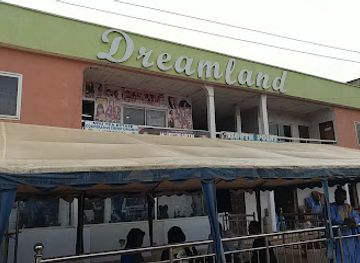
DREAMLAND SNACK BAR
Experience authentic Cameroonian snacks at Dreamland Snack Bar in Bamenda - where flavor meets culture!
-
Restaurant
Dreamland Restaurant
Experience authentic Cameroonian flavors at Dreamland Restaurant in Bamenda - where culinary excellence meets warm hospitality.
-
Restaurant
Lenny's Cuisine
Experience authentic Cameroonian flavors at Lenny's Cuisine, a top-rated restaurant in Bamenda offering delightful dishes in a welcoming setting.
-
Restaurant
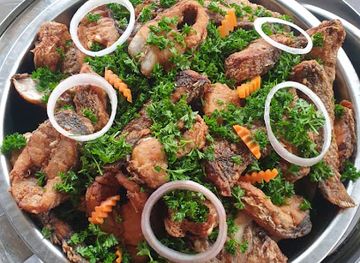
ALL AROMA
Experience authentic Cameroonian cuisine at All Aroma in Bamenda – where every dish tells a story!
Best bars in North-West Region
Evening activity in the North-West Region has traditionally centred on neighbourhood drinking spots, restaurants, hotel bars, live music and social gatherings in Bamenda and the larger market towns rather than on a concentrated nightclub district. Local beer and soft-drink venues may accompany food, conversation and televised sport, while cultural or religious events follow their own schedules and etiquette. Nightlife is substantially more limited in rural areas, where establishments may close early and transport after dark can be difficult. Because of the security situation, curfews, road restrictions and sudden disruptions may affect evening movement; visitors should follow current local advice, remain close to a trusted base and avoid crowded political or public gatherings. Alcohol is not necessary to engage with the region's social life, and respectful daytime visits, food, music and conversation are generally more appropriate ways to understand local culture.
-
Lounge
City Bistro
Discover the flavors of Bamenda at City Bistro, where delightful dishes and a vibrant atmosphere await every visitor.
-
Bar
Behindche Tap
Experience the vibrant nightlife at Behindche Tap, Bamenda's favorite bar for locals and tourists alike, featuring a diverse drink selection and great views.
-
Western
Vinas Lounge
Experience the delightful fusion of Western cuisine and local charm at Vinas Lounge in Bamenda, your perfect dining destination.
-
Grill
Chenjo's Grill
Discover the vibrant flavors of Cameroon at Chenjo's Grill, Bamenda's premier destination for delicious grilled dishes.

Best nightclubs in North-West Region
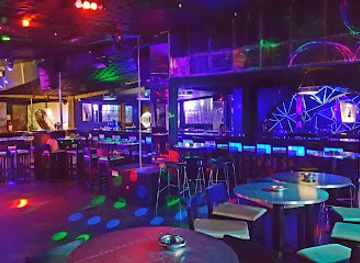
Evening activity in the North-West Region has traditionally centred on neighbourhood drinking spots, restaurants, hotel bars, live music and social gatherings in Bamenda and the larger market towns rather than on a concentrated nightclub district. Local beer and soft-drink venues may accompany food, conversation and televised sport, while cultural or religious events follow their own schedules and etiquette. Nightlife is substantially more limited in rural areas, where establishments may close early and transport after dark can be difficult. Because of the security situation, curfews, road restrictions and sudden disruptions may affect evening movement; visitors should follow current local advice, remain close to a trusted base and avoid crowded political or public gatherings. Alcohol is not necessary to engage with the region's social life, and respectful daytime visits, food, music and conversation are generally more appropriate ways to understand local culture.
-
Disco club
Katios Night Club Yaoundé
Discover the heart of Yaoundé's nightlife at Katios Night Club, where music and culture come alive in an unforgettable disco experience.
-
Night club
SWITCH NIGHT-CLUB
Dive into the nightlife at SWITCH NIGHT-CLUB, Douala's premier destination for an electrifying evening filled with music, dancing, and vibrant energy.
-
Lounge
Plush House VIP
Experience the cultural charm of Bamenda at Plush House VIP, a cozy lounge offering delightful cuisine and vibrant local music.
-
Night club
THE POINT SNACK BAR
Discover the vibrant nightlife at The Point Snack Bar in Bamenda, where delicious snacks and lively music create unforgettable moments.



Best shops in North-West Region
Shopping in the North-West Region is strongest in Bamenda's markets and commercial streets, where visitors may find clothing, household goods, agricultural produce, books, foodstuffs and locally made craftwork. Carved wooden objects, woven materials, baskets, beadwork and other Grassfields-inspired products reflect the region's artistic traditions, though buyers should ask about provenance and avoid purchasing anything that appears ceremonial, antique or culturally restricted. Market towns such as Ndop, Kumbo and Wum have their own trading identities, but retail choice and opening arrangements vary with security and transport conditions. Regional foods, including grains, vegetables, potatoes, spices and other farm produce, are more practical purchases than fragile souvenirs. Independent craft stalls and small galleries may be preferable to rushed roadside buying, and bargaining should remain courteous and proportionate. Carrying cash is useful, particularly outside Bamenda, while travellers should keep purchases discreet and avoid photographing sellers or workshops without consent.
-
Market
Bamenda Main Market
Discover the heart of Bamenda at Bamenda Main Market, where culture, commerce, and community come alive in a vibrant marketplace.
-
Supermarket
Njeiforbi Supermarket/ Bakery
Experience the heart of Bamenda at Njeiforbi Supermarket/Bakery, where local flavors and fresh produce await every visitor.
-
Supermarket
Oscar Shop Bamenda
Discover the heart of Bamenda at Oscar Shop, a vibrant supermarket offering local produce and a taste of Cameroonian culture.
-
 Bakery
Kings and Queens Confectionery
Discover delectable pastries and unique treats at Kings and Queens Confectionery in Bamenda, where tradition meets taste.

Get your free copy of our complete guide to North-West Region, delivered straight to you.
Everything on this page, from attractions and restaurants to essentials and local phrases, in one PDF you can read offline, print or share.
Already have an account? Sign in
Your North-West Region guide is ready.
We'll send it to · Not you? Sign out

Getting your guide ready…
We are putting together a fresh copy of the North-West Region guide. This can take up to a minute.
This can take a few moments. If your browser asks, choose Allow so the download can start. You'll find the guide in your Downloads folder.
Nothing happened? Download it again
Sorry, the guide is taking longer than usual. Please try again in a minute, or get it by email instead.
North-West Region essentials
Currency and Payment
Safety
Emergency Situations
Do's and Don'ts
Local Tips
From Eve
Local phrases worth knowing
You don't need to get them perfect. A few words go a long way, and locals appreciate the effort.
Basics
| English | Local | Say it |
|---|---|---|
| Hello | Njang | [nʒæŋ] |
| Goodbye | Bia | [biːɑ] |
| Yes | Ee | [iː] |
| No | Ala | [ɑːlɑ] |
| Please/You're welcome | Mèngè | [mɛŋɛ] |
| Thank you | Mèngàŋ | [mɛŋəŋ] |
| Excuse me/Sorry | Bèè | [bɛː] |
| How are you? | Ndem na? | [ndɛm nɑ] |
| Fine. And you? | Mèngè. Ndè è? | [mɛŋɛ ndɛ ɛ] |
| Do you speak English? | Nji ngwè English? | [ndʒi ŋwɛ ɛŋɡlɪʃ] |
| I don't understand | Ala nji tɔk | [ɑːlɑ ndʒi tɔk] |
Eating & Drinking
| English | Local | Say it |
|---|---|---|
| I'd like to see the menu, please | Mèngè nji mbèngè nji, biko | [mɛŋɛ ndʒi mɛŋɛ ndʒi biko] |
| I don't eat meat | Ala nji nte na | [ɑːlɑ ndʒi ntɛ nɑ] |
| Cheers! | Nji boko! | [ndʒi bɔkɔ] |
| I would like to pay, please | Mèngè nji mbèngè, biko | [mɛŋɛ ndʒi mɛŋɛ biko] |
Emergencies
| English | Local | Say it |
|---|---|---|
| Help! | Nji nji! | [ndʒi ndʒi] |
| Go away! | Bia na! | [biɑ nɑ] |
| Call the Police! | Nji tɔ Police! | [ndʒi tɔ pəˈliːs] |
| Call a doctor! | Nji tɔ dɔkta! | [ndʒi tɔ dɔktɑ] |
| I'm lost | Nji nji bɛɛ | [ndʒi ndʒi bɛɛ] |
| I'm ill | Nji nji sɔ | [ndʒi ndʒi sɔ] |
Shopping
| English | Local | Say it |
|---|---|---|
| I'd like to buy... | Mèngè nji tɔ a... | [mɛŋɛ ndʒi tɔ a] |
| I'm just looking | Nji tɔ nji | [ndʒi tɔ ndʒi] |
| How much is it? | Ngwè bɔ? | [ŋwɛ bɔ] |
| That's too expensive | Ala bɔ ndè | [ɑːlɑ bɔ ndɛ] |
| Can you lower the price? | Nji nji bɔ tɔ? | [ndʒi ndʒi bɔ tɔ] |
Time & Numbers
| English | Local | Say it |
|---|---|---|
| What time is it? | Ngwè tɔ? | [ŋwɛ tɔ] |
| It's one o'clock | Ngwè ɛn nɔ | [ŋwɛ ɛn nɔ] |
| Half past (10) | Nɔ ɔbè (10) | [nɔ ɔbɛ (10)] |
| Morning | Bia | [biɑ] |
| Afternoon | Ndeng | [ndɛŋ] |
| Evening | Bia kɛ | [biɑ kɛ] |
| Yesterday | Nji nji wé | [ndʒi ndʒi wɛ] |
| Today | Nji nji tɔ | [ndʒi ndʒi tɔ] |
| Tomorrow | Nji nji nɔ | [ndʒi ndʒi nɔ] |
| 1 | Mɔk | [mɔk] |
| 2 | Nyo | [njo] |
| 3 | Nje | [ndʒɛ] |
| 4 | Nne | [nnɛ] |
| 5 | Ndi | [ndi] |
| 6 | Nso | [nso] |
| 7 | Nyi | [nji] |
| 8 | Nnɔ | [nnɔ] |
| 9 | Nnɛ | [nnɛ] |
| 10 | Nne | [nnɛ] |
Transport & Directions
| English | Local | Say it |
|---|---|---|
| Where's a/the...? | Nji tɔ a...? | [ndʒi tɔ a] |
| What's the address? | Ngwè na? | [ŋwɛ nɑ] |
| Can you show me (on the map)? | Nji nji biko (na map)? | [ndʒi ndʒi biko nɑ mɑp] |
| When's the next (bus)? | Ngwè tɔ bɔ a (bus)? | [ŋwɛ tɔ bɔ a bʌs] |
| A ticket (to ....) | Nji tɔ ticket (tɔ ...) | [ndʒi tɔ tɪkɪt tɔ] |
History of North-West Region
Early Grassfields communities and royal states
The western Grassfields were settled by farming communities whose political systems developed into numerous chiefdoms and kingdoms. Oral traditions, palace institutions and archaeological evidence point to long histories of migration, alliance, conflict and exchange across the uplands. In the area now forming the North-West Region, polities such as Bafut, Kom, Bali, Mankon, Nso and Oku established systems of authority centred on rulers, titled officials, ritual specialists and productive agricultural lands. Their legacies remain visible in royal compounds, regalia, carved objects, settlement patterns and continuing customary institutions.
Trade, migration and the Bamenda Highlands before colonial rule
Before European conquest, the region was connected to neighbouring Grassfields states and wider trade routes through the movement of people, livestock, palm products, kola, tools, cloth and other goods. Agricultural communities adapted to the varied terrain, cultivating crops on upland slopes and in richer valleys. Migration and political expansion repeatedly reshaped local identities, while neighbouring kingdoms negotiated tribute, protection and access to land. These older connections help explain why linguistic and cultural boundaries in the North-West do not always correspond neatly to modern administrative divisions.
German rule and the colonial reordering of the region
German forces extended colonial authority into the Grassfields in the late nineteenth and early twentieth centuries, incorporating the area into German Kamerun. The colonial administration altered relationships between local rulers and external authority, imposed new forms of taxation and labour, and encouraged roads and commercial production. German rule was brief, ending during the First World War, but it established a framework later modified by the British and French administrations. The period also began the more intensive documentary and administrative classification of the region's communities.
British Southern Cameroons and the Bamenda administrative centre
After the First World War, the territory became part of the British-administered mandated area of the Cameroons, and later the UN Trust Territory of British Cameroons. Bamenda developed as an administrative and educational centre within Southern Cameroons, whose institutions, legal traditions and school system differed in important respects from those of French-administered Cameroun. Roads, missions, schools and trading networks strengthened the town's regional role. English-language education and common-law influences remain significant parts of the North-West's modern historical identity.
Independence, federation and reunification
In 1961, Southern Cameroons voted to join the newly independent Republic of Cameroon in a federal arrangement, while the northern part of the former British-administered territory joined Nigeria. The federal system was replaced by a unitary state in 1972, bringing a major constitutional change to the relationship between the former British and French territories. For many residents of the North-West, debates about regional autonomy, language, education, law and political representation continued after reunification and became central to later political mobilisation.
Agriculture, education and regional commerce
During the post-independence decades, the North-West Region became known for intensive agriculture, cattle keeping, market trading, education and small-scale manufacturing. The fertile Ndop plain and other valleys supported food production, while Bamenda expanded as a centre for schools, public administration and commerce. Craft production, including carved woodwork, woven textiles and metalwork, connected local cultural institutions with wider markets. These economic activities were affected by road conditions, political instability and the displacement of residents during the later security crisis.
The Anglophone crisis since 2016
In 2016, protests by lawyers and teachers in Cameroon's English-speaking regions developed into a much broader political crisis. Separatist movements, government security operations, armed confrontations and targeted violence have since caused deaths, displacement, school disruption and economic damage across the North-West Region. Conditions vary considerably between towns and over time, but the conflict remains a defining contemporary reality. Travellers should not treat heritage sites or rural landscapes as automatically accessible, and should obtain current, location-specific advice before visiting.
North-West Region in Photos
Browse through our photo collection highlighting the charm and character of the destination.
Neighbouring regions of North-West Region
The closest regions to North-West Region, if you have time for more than one.
-

-
-

-

-


Swipe for more regions
Explore more

Explore more of Cameroon
Discover Cameroon: A Land of Diverse Landscapes, Rich Cultural Heritage, and Unforgettable Adventures in the Heart of Africa.
Explore Cameroon