

Free Far North Region Travel Guide & Mobile App
Explore Far North Region with free travel guides. Discover regional history, expert tips, proposed trips, and audio guides on web or mobile app.


Explore Far North Cameroon for Mandara Mountain scenery, Sahelian crafts, Waza wildlife and the cultural landscapes of Lake Chad.
Read more about Far North Region
When is the best time to visit Far North Region?
Best: November–January · 29–31°C| Month | High (°C) | Rainfall (mm) |
|---|---|---|
| January (best) | 29 | 0 |
| February | 32 | 1 |
| March | 34 | 1 |
| April | 37 | 5 |
| May | 40 | 15 |
| June | 40 | 50 |
| July | 36 | 100 |
| August | 35 | 150 |
| September | 34 | 90 |
| October | 33 | 40 |
| November (best) | 31 | 5 |
| December (best) | 29 | 1 |
Getting to and around Far North Region
How to get there
Transportation
Top city travel guides in Far North Region
The cities of Far North Region, and the easiest places to base yourself.

Swipe for more cities
Best attractions in Far North Region
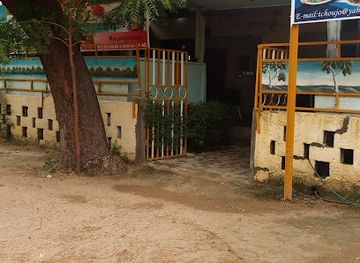
The Far North’s attractions range from wildlife and mountain scenery to living cultural landscapes. Waza National Park is the region’s principal protected area, with open savannah, seasonal wetlands and the possibility of seeing elephants, giraffes, antelope and abundant birdlife when access and security conditions allow. Near Kousséri, Kalamaloué National Park protects another section of the Logone-Chari environment, although visits require especially careful local planning. The Mandara Mountains around Mokolo and Rhumsiki offer rocky ridges, cultivated valleys, traditional settlements and walking opportunities, while the landscapes around Pouss and Maga reveal the relationship between Mousgoum communities and seasonal floodwaters. Maroua provides craft workshops, markets and cultural institutions, and the towns and villages of the Logone plain offer insight into farming, fishing and pastoral life. These experiences are best approached through pre-arranged, respectful visits rather than spontaneous excursions, as transport, weather and security conditions can change quickly.
-
Park
tacha haman Gawar
Explore Tacha Haman Gawar, a tranquil park in Mokolo, perfect for relaxation and enjoying nature's beauty amidst scenic landscapes.
-
Hiking area
Mont Maroua
Explore the stunning landscapes of Mont Maroua, Cameroon—a hiker's paradise offering breathtaking views and diverse wildlife.
-
 Tourist attraction
Foyer Moufou
Experience the warm hospitality and vibrant culture of Maroua at Foyer Moufou, a captivating tourist attraction that immerses you in local life.
-
Tourist attraction
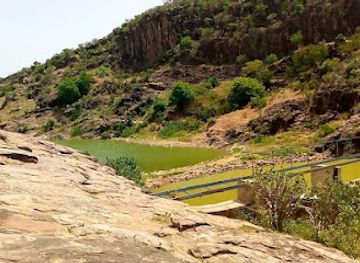
Petit barrage de Mokolo
Explore the serene Petit Barrage de Mokolo, a hidden gem in Cameroon, perfect for nature lovers and those seeking tranquility amidst stunning landscapes.


Best landmarks in Far North Region
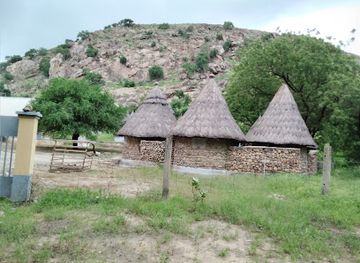
The Mandara Mountains are the Far North’s defining natural landmark, with the distinctive rocky formations around Rhumsiki and the broader highland scenery near Mokolo providing a strong visual contrast with the plains. The region’s earthen architecture is equally significant: the tapering compounds associated with Mousgoum communities around Pouss and Maga express building traditions adapted to seasonal flooding and local materials. In the Logone-Chari area, the rivers and floodplains are geographical landmarks as well as foundations of settlement and trade. Lake Chad, reached through the far northern districts, is a vast and shifting regional reference point whose shoreline and wetlands change with season and water levels. Maroua’s older quarters, markets and craft areas provide a more urban expression of Sahelian heritage, while historic settlements around Kousséri reflect the importance of river crossings and Lake Chad commerce. Access to remote landmarks should always be checked locally because security conditions can override ordinary sightseeing plans.
-
National park
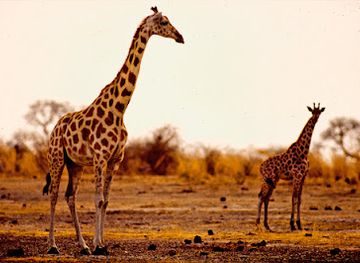
Waza National Park
Discover Cameroon's wildlife haven: Waza National Park, a UNESCO site boasting diverse species and stunning savanna landscapes.
Explore Far North Region on the map
Plan your trip on one map. See where the top cities, national parks and sights are, and book hotels and experiences in a few clicks.
Best hotels in Far North Region
Best restaurants in Far North Region
-
Restaurant
Restaurant Le Kilanta
Experience authentic Cameroonian cuisine at Restaurant Le Kilanta in Maroua - a culinary gem celebrating local flavors and hospitality.
-
Restaurant
LE NOUMOU
Discover authentic Cameroonian cuisine at Le Noumou in Maroua—where every meal tells a story of local tradition and flavor.
-
Restaurant
MIAM-MIAM
Experience authentic Cameroonian flavors at MIAM-MIAM in Maroua – where every meal tells a story!
-
Restaurant
Hotel La Prudence
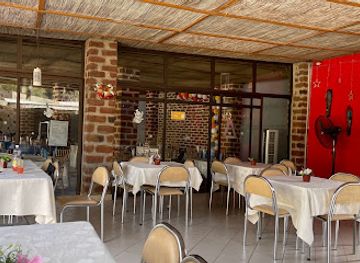
Experience exquisite dining at Hotel La Prudence in Maroua – where local flavors meet global cuisine in an elegant setting.
Best bars in Far North Region
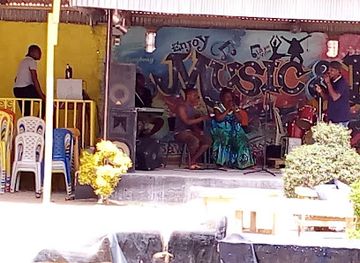
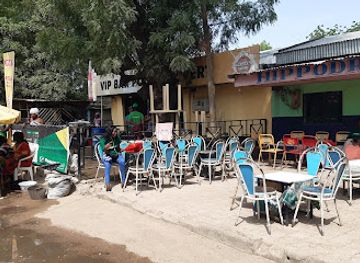
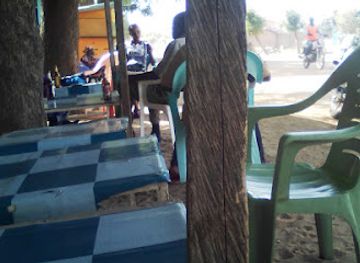
Nightlife in the Far North is concentrated mainly in Maroua and is quieter and more locally oriented than the club scenes of Douala or Yaoundé. Evening choices include hotel bars, cafés, modest restaurants and informal venues where people meet for conversation, televised sport or music. Traditional tea and soft drinks are common social options, and some establishments serve beer, although alcohol is not central to every community’s evening life. In smaller towns such as Mokolo, Mora and Kousséri, nightlife usually centres on food stalls, cafés and neighbourhood gathering places rather than dedicated nightclubs. Rural areas become quiet after dark, and security considerations make late movement discouraged. Visitors should follow local advice, use arranged transport and avoid walking unfamiliar streets at night.
-
Bar
Pavillon Plus
Experience the vibrant nightlife at Pavillon Plus, a lively bar in Maroua offering a delightful selection of drinks and a welcoming atmosphere.
-
Bar
Fotambo Bar
Discover the lively ambiance and affordable drinks at Fotambo Bar, the perfect spot to experience Maroua's vibrant nightlife.
-
Bar
Champs Elysee Bar
Discover the lively spirit of Maroua at Champs Elysee Bar, where great drinks and vibrant culture come together in a perfect blend.
-
Bar
Dream's Club
Experience the vibrant nightlife at Dream's Club in Maroua, where local culture meets a lively atmosphere and great drinks.
Best nightclubs in Far North Region
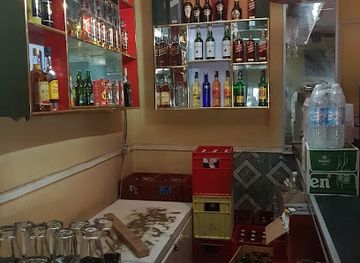
Nightlife in the Far North is concentrated mainly in Maroua and is quieter and more locally oriented than the club scenes of Douala or Yaoundé. Evening choices include hotel bars, cafés, modest restaurants and informal venues where people meet for conversation, televised sport or music. Traditional tea and soft drinks are common social options, and some establishments serve beer, although alcohol is not central to every community’s evening life. In smaller towns such as Mokolo, Mora and Kousséri, nightlife usually centres on food stalls, cafés and neighbourhood gathering places rather than dedicated nightclubs. Rural areas become quiet after dark, and security considerations make late movement discouraged. Visitors should follow local advice, use arranged transport and avoid walking unfamiliar streets at night.
-
Night club
Lounge Caïman First
Discover the lively nightlife at Lounge Caïman First, Garoua's premier nightclub, where music and culture come alive under the stars.
Best shops in Far North Region
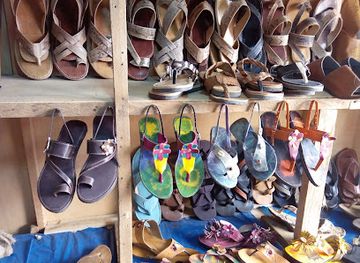
Maroua is the region’s main shopping centre, particularly known for leatherwork, woven goods, embroidered textiles, metalwork, baskets and other crafts associated with northern Cameroon. Markets and craft areas offer belts, bags, sandals, decorative objects and household items, though quality and prices vary; respectful bargaining is customary in many market settings, but fair dealing matters more than forcing a very low price. Smaller towns provide food markets and practical goods rather than extensive retail choice, while villages may offer locally made crafts only through arranged visits. Regional products can include millet, sorghum, peanuts, dried foods, spices and woven textiles. Visitors should check customs and airline rules before buying animal products, archaeological-looking objects or materials made from protected species. Photography and payment should be handled discreetly, particularly in busy markets and around workshops.
-
African goods store
Centre artisanal
Discover authentic African crafts and vibrant culture at the Centre Artisanal in Maroua, a must-visit shopping destination for tourists.
-
Shopping mall
Sté Sadou Holding SA
Experience the vibrant shopping culture of Maroua at Sté Sadou Holding SA, where local treasures await every visitor.
-
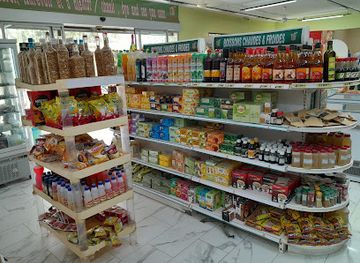
Grocery store
MODERNE MARKET
Discover the authentic flavors of Maroua at Moderne Market, a vibrant grocery store showcasing local produce and culinary treasures.
-
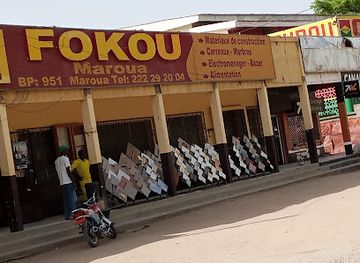
Supermarket
FOKOU Founangue
Explore the flavors of Cameroonian cuisine and local products at FOKOU Founangue, Maroua’s vibrant supermarket.
Get your free copy of our complete guide to Far North Region, delivered straight to you.
Everything on this page, from attractions and restaurants to essentials and local phrases, in one PDF you can read offline, print or share.
Already have an account? Sign in
Your Far North Region guide is ready.
We'll send it to · Not you? Sign out

Getting your guide ready…
We are putting together a fresh copy of the Far North Region guide. This can take up to a minute.
This can take a few moments. If your browser asks, choose Allow so the download can start. You'll find the guide in your Downloads folder.
Nothing happened? Download it again
Sorry, the guide is taking longer than usual. Please try again in a minute, or get it by email instead.
Far North Region essentials
Currency and Payment
Safety
Emergency Situations
Do's and Don'ts
Local Tips
From Eve
Local phrases worth knowing
You don't need to get them perfect. A few words go a long way, and locals appreciate the effort.
Basics
| English | Local | Say it |
|---|---|---|
| Hello | Ndewo | [N-deh-woh] |
| Goodbye | Kachifo | [Kah-chee-foh] |
| Yes | Ee | [Eh] |
| No | Ala | [Ah-lah] |
| Please/You’re welcome | Biko | [Bee-koh] |
| Thank you | Ekele | [Eh-keh-leh] |
| Excuse me/Sorry | Ndo | [N-doh] |
| How are you? | Kedu | [Keh-doo] |
| Fine. And you? | O di mma. Kedu? | [Oh dee mah. Keh-doo?] |
| Do you speak English? | I na asụ Bekee? | [Ee nah ah-soo Beh-keh?] |
| I don't understand | Anaghị m aghọta | [Ah-nah-hee m ah-ghoh-tah] |
Eating & Drinking
| English | Local | Say it |
|---|---|---|
| I’d like to see the menu, please | Achọrọ m ịhụ menu, biko | [Ah-choh-roh m ee-hoo meh-noo, bee-koh] |
| I don't eat meat | Anaghị m eri anụ | [Ah-nah-hee m eh-ree ah-noo] |
| Cheers! | Nnoo! | [N-noh!] |
| I would like to pay, please | Achọrọ m ịkwụ ụgwọ, biko | [Ah-choh-roh m ee-kwoo oo-gwo, bee-koh] |
Emergencies
| English | Local | Say it |
|---|---|---|
| Help! | Ndo! | [N-doh!] |
| Go away! | Pụọ! | [Poo-ah!] |
| Call the Police! | Kpọọ ndị uweojii! | [Kpo-oh n-dee oo-weh-oh-gee!] |
| Call a doctor! | Kpọọ dọkịta! | [Kpo-oh doh-kee-tah!] |
| I’m lost | A na m efu | [Ah nah m eh-foo] |
| I’m ill | Anaghị m ahụ ike | [Ah-nah-hee m ah-hoo ee-keh] |
Shopping
| English | Local | Say it |
|---|---|---|
| I’d like to buy... | Achọrọ m ịzụta... | [Ah-choh-roh m ee-zoo-tah...] |
| I’m just looking | Anọ m na-ele anya | [Ah-noh m nah-eh-leh ah-nyah] |
| How much is it? | Ogologo ego ole? | [Oh-goh-loh-goh eh-goh oh-leh?] |
| That’s too expensive | Ọ bụrụ na ọ dị oke ọnụ | [Oh boo-roo nah oh dee oh-keh oh-noo] |
| Can you lower the price? | Ị nwere ike belata ọnụ? | [Ee n-weh-reh ee-keh beh-lah-tah oh-noo?] |
Time & Numbers
| English | Local | Say it |
|---|---|---|
| What time is it? | Kedu oge ọ bụ? | [Keh-doo oh-geh oh boo?] |
| It's one o'clock | Oge bụ otu elekere | [Oh-geh boo oh-too eh-leh-keh-reh] |
| Half past (10) | Ọkara elekere (10) | [Oh-kah-rah eh-leh-keh-reh (10)] |
| Morning | Ụtụtụ | [Oo-too-too] |
| Afternoon | Ehihie | [Eh-hee-eh] |
| Evening | Mgbede | [M-gbeh-deh] |
| Yesterday | Ụnyaahụ | [Oo-nya-ah-hoo] |
| Today | Taa | [Tah] |
| Tomorrow | Echi | [Eh-chee] |
| 1 | Otu | [Oh-too] |
| 2 | Abụọ | [Ah-boo-ah] |
| 3 | Atọ | [Ah-toh] |
| 4 | Anọ | [Ah-noh] |
| 5 | Ise | [Ee-seh] |
| 6 | Isii | [Ee-see-ee] |
| 7 | Asaa | [Ah-sah-ah] |
| 8 | Asatọ | [Ah-sah-toh] |
| 9 | Itolu | [Ee-toh-loo] |
| 10 | Iri | [Ee-ree] |
Transport & Directions
| English | Local | Say it |
|---|---|---|
| Where's a/the...? | Ebee ka ... dị? | [Eh-beh-kah ... dee?] |
| What's the address? | Kedu adreesị? | [Keh-doo ah-dree-see?] |
| Can you show me (on the map)? | Ị nwere ike igosi m (na mpempe akwụkwọ)? | [Ee n-weh-reh ee-keh ee-goh-see m (nah mpem-peh ah-kwa-kwu)?] |
| When's the next (bus)? | Olee mgbe (bụrụ) nke ọzọ? | [Oh-leh m-bgeh (boo-roo) n-keh oh-zoh?] |
| A ticket (to ....) | Tiketi (ga ...) | [Tee-keh-tee (gah ...)] |
History of Far North Region
Sao and Lake Chad Civilisations
The Lake Chad basin has supported settled communities, farming, fishing and long-distance exchange for many centuries. The Sao cultural traditions, associated with settlements around the southern and eastern shores of Lake Chad, left archaeological evidence of substantial communities, pottery and craft production. In the Far North, the remains of ancient settlement and the continuing importance of water, floodplains and seasonal cultivation reflect a much older relationship between people and this changing inland lake environment.
Kanem-Bornu and Trans-Sahelian Trade
From the medieval period, the Kanem-Bornu world became a major political and commercial force around Lake Chad. Its influence reached communities in present-day Far North Cameroon through trade, Islamic scholarship, political authority and the movement of livestock, salt, textiles and other goods. Settlements in the Logone-Chari area developed within a wider Sahelian network rather than in isolation, and the region’s Muslim cultural heritage, historic routes and urban traditions retain traces of these connections.
Kotoko States and Logone-Chari Kingdoms
Along the Logone and Chari rivers, Kotoko polities developed fortified settlements and trading centres that controlled passages through the floodplain and links towards Lake Chad. Kousséri and neighbouring river settlements were shaped by this history of commerce, diplomacy and competition. Earthen defensive structures, traditional compounds and the region’s river-based livelihoods provide reminders of a political landscape in which control of water routes and fertile seasonal land was central.
Fulani Expansion and Lamidates
During the eighteenth and nineteenth centuries, Fulani political and religious movements reshaped much of northern Cameroon. Lamidates, or emirate-like polities governed by lamidos, became important centres of authority, taxation, Islamic learning and pastoral organisation. Maroua and other northern settlements were drawn into these changing political networks, while relations between pastoral groups, farming communities and older local authorities varied from place to place. The cultural and religious influence of this period remains visible in northern urban life and social institutions.
Colonial Rule and the Northern Frontier
European colonial intervention altered the Far North’s administration, trade routes and political geography. German claims in Cameroon were followed by French control after the First World War, with the northern territories administered within French Cameroon. Colonial authorities imposed new forms of taxation, labour and governance while also developing roads and administrative posts. The region remained connected to the wider Lake Chad world, but colonial borders increasingly divided communities whose commercial, pastoral and family links predated them.
Independence and Regional Integration
Cameroon became independent in 1960, and the northern territories were incorporated into the new state while retaining strong links with neighbouring Chad and Nigeria. Maroua expanded as an administrative, commercial and educational centre, and road connections strengthened ties between the regional capital, the Mandara Mountains, the Logone plain and Lake Chad. The Far North’s economy continued to combine farming, pastoralism, fishing, market trade and handicrafts, all influenced by rainfall and seasonal water levels.
Environmental Pressure and Contemporary Insecurity
The Far North has faced repeated pressure from drought, variable rainfall, soil degradation and changes in the Lake Chad basin, alongside rapid population growth and competition over land and water. Since the 2010s, attacks and instability linked to Boko Haram and related armed groups have made parts of the region highly sensitive, particularly near the Nigerian and Chadian borders and around Lake Chad. These conditions affect travel, conservation and livelihoods, making current security information essential to any visit.
Far North Region in Photos
Browse through our photo collection highlighting the charm and character of the destination.
Neighbouring regions of Far North Region
The closest regions to Far North Region, if you have time for more than one.
-

-

-

-

-


Swipe for more regions
Explore more

Explore more of Cameroon
Discover Cameroon: A Land of Diverse Landscapes, Rich Cultural Heritage, and Unforgettable Adventures in the Heart of Africa.
Explore Cameroon