

Free Adamawa Travel Guide & Mobile App
Explore Adamawa with free travel guides. Discover regional history, expert tips, proposed trips, and audio guides on web or mobile app.


Explore Adamawa, Cameroon for Ngaoundéré's highland culture, Fulani heritage, waterfalls, cattle country and expansive savannah landscapes.
Read more about Adamawa
When is the best time to visit Adamawa?
Best: November–January · 28–29°C| Month | High (°C) | Rainfall (mm) |
|---|---|---|
| January (best) | 29 | 6 |
| February | 31 | 11 |
| March | 33 | 55 |
| April | 30 | 110 |
| May | 27 | 180 |
| June | 26 | 200 |
| July | 25 | 210 |
| August | 25 | 220 |
| September | 26 | 200 |
| October | 28 | 120 |
| November (best) | 29 | 30 |
| December (best) | 28 | 5 |
Getting to and around Adamawa
How to get there
Transportation
Top city travel guides in Adamawa
The cities of Adamawa, and the easiest places to base yourself.
-
-


Swipe for more cities
Destinations in Adamawa
Resorts, valleys and scenic spots worth a trip of their own.
-

-

-


Swipe for more destinations
Best attractions in Adamawa
Adamawa's attractions are dispersed and are best understood as a combination of highland scenery, traditional culture and rural landscapes rather than as a concentrated circuit of ticketed sights. Ngaoundéré provides the region's principal cultural base, with its lamidat, markets and urban life offering insight into the history of the Adamawa Plateau. Outside the capital, Tello Falls is a notable excursion for visitors prepared for a locally organised journey, while the uplands around Ngaoundéré offer opportunities for walking and landscape photography. The volcanic and grassy relief of the plateau becomes more remote towards the massifs and valleys, where access depends heavily on roads, weather and local guidance. Southern Adamawa includes extensive woodland and savannah around the Mbam and Djerem basin, a setting of ecological interest rather than an easy short visit. Cattle routes, farming settlements and seasonal rivers are also part of the region's living landscape. Formal museums and family attractions are limited compared with Cameroon's major cities, so the strongest experiences tend to come from combining a cultural visit in Ngaoundéré with carefully planned rural excursions.
-
Tourist attraction
Cross River National Park
Discover the breathtaking wilderness of Cross River National Park, Nigeria's lush escape featuring diverse wildlife and stunning landscapes.
-
Tourist attraction
Gashaka-Gumti National Park
Explore Nigeria's largest national park, a haven for wildlife and stunning landscapes on the Cameroon border.
-
Tourist attraction
Ranch de Ngaoundaba
Explore the untouched beauty and vibrant culture of Ranch de Ngaoundaba, a top tourist attraction in Cameroon offering adventure and relaxation.
-
Nature preserve
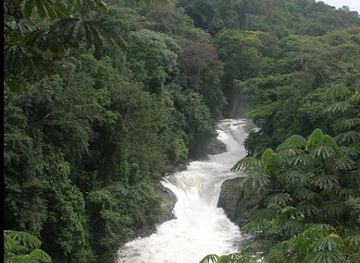
Tello Waterfalls (Chutes de Telle)
Explore the breathtaking Tello Waterfalls in Bazanga, a natural preserve offering stunning views, hiking trails, and a serene escape into nature's beauty.


Best landmarks in Adamawa
The lamidat of Ngaoundéré is Adamawa's most important cultural landmark, representing the traditional authority that helped shape the city's political and religious history. Its significance lies not only in its architecture but also in the continuing place of the lamido within local public life; visits should therefore be arranged respectfully and according to local access rules. The urban form of Ngaoundéré, including its mosques, market areas and administrative buildings, reflects layers of Fulani, colonial and post-independence development. Mount Ngaoundéré and the surrounding plateau are geographical landmarks rather than a single monumental site, marking the elevated terrain from which the city takes its name. Tello Falls provides a contrasting natural landmark, where water descends through the highland landscape during the appropriate seasonal conditions. Farther south, the wooded and savannah environments associated with the Mbam and Djerem basin are important landscape landmarks, though their remoteness and limited infrastructure make them more suitable for prepared expeditions than casual sightseeing.
-
National park
Cross River National Park
Explore Nigeria's largest rainforest, a biodiversity hotspot with rare primates, diverse birdlife, and stunning natural landscapes.
-
Restaurant
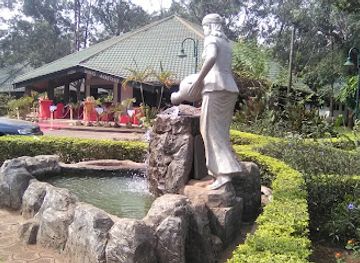
Bois Sainte Anastasie
Discover a refreshing green space in Yaoundé: Bois Sainte Anastasie, where nature meets art in the heart of the city.
-
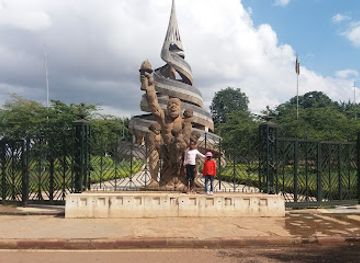
Cultural landmark
Cameroon Reunification Monument
A landmark in Yaoundé symbolizing Cameroon's reunification, unity, and cultural richness, offering historical insights and panoramic views.
-
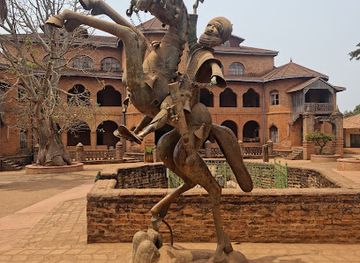
Apartment complex
Ayos Centre
Discover Cameroonian art and culture at Ayos Centre in Foumban, a unique blend of art studio and apartment complex offering an immersive local experience.
Explore Adamawa on the map
Plan your trip on one map. See where the top cities, national parks and sights are, and book hotels and experiences in a few clicks.
Best hotels in Adamawa
Best restaurants in Adamawa
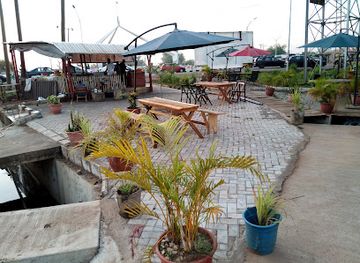
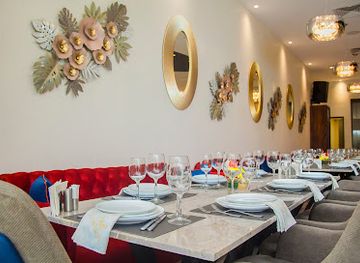
Dining in Adamawa is centred on practical, filling food shaped by the plateau's farming and pastoral economies. Ngaoundéré offers restaurants, hotel dining rooms, cafés and informal food stalls serving rice, beans, maize, millet, sorghum, grilled meat and sauces, with availability varying by neighbourhood and time of day. Beef is prominent in many meals, while milk and other pastoral products reflect the region's Fulani heritage. Local dishes should be approached through the wider culinary traditions of northern Cameroon rather than treated as a single fixed Adamawa cuisine. Markets are useful for fruit, groundnuts, grains and prepared snacks, although visitors should choose busy stalls with good turnover and take care with untreated water. Outside Ngaoundéré, dining options become simpler and advance planning is important. Meals at rural inns or family-run establishments may require patience, but they can provide a more direct connection with local ingredients and everyday food culture.
-
Restaurant
Le Safoutier Restaurant
Discover unparalleled dining at Le Safoutier Restaurant in Yaoundé – where local flavors meet international excellence amidst luxury.
-
Restaurant
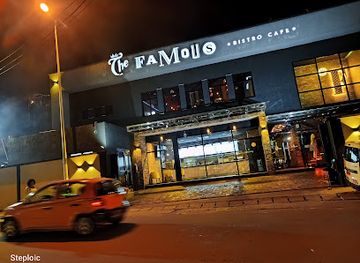
The Famous
Experience authentic Cameroonian cuisine at The Famous restaurant in Yaoundé - a true taste of Africa's rich culinary heritage.
-
Restaurant
Babz Lounge
Discover exquisite dining at Babz Lounge in Jimeta, where local flavors meet international cuisine for an unforgettable culinary journey.
-
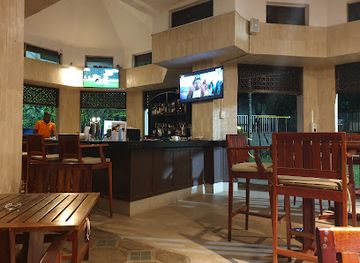
Restaurant
LA MARQUISE RESTAURANT
Savor authentic Cameroonian fast food in the heart of Douala at La Marquise Restaurant – where flavor meets comfort.
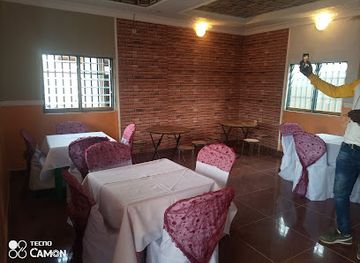
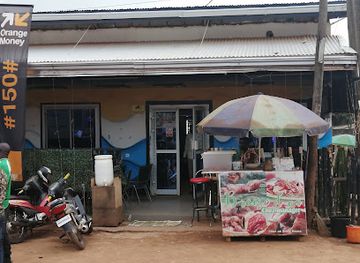
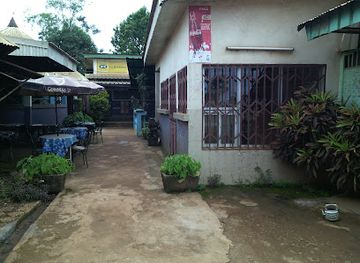
Best bars in Adamawa
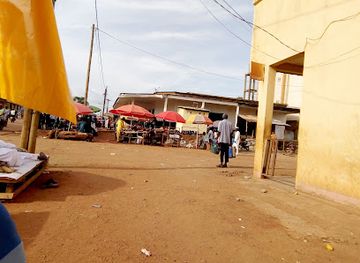
Adamawa's evening life is modest and concentrated mainly in Ngaoundéré. Hotel bars, neighbourhood drinking spots, cafés and traditional-style refreshment places provide spaces for conversation, football and music, while restaurants offer the most predictable late-evening option. The city does not have the extensive club circuit associated with Cameroon's largest urban centres, and nightlife outside Ngaoundéré is generally limited. Some venues may feature contemporary Cameroonian music, but opening arrangements and atmosphere can change, so local advice is more reliable than an online directory. In smaller towns and rural areas, evenings are usually social but quieter, often centred on family compounds, local eateries or community gatherings rather than formal entertainment venues. Visitors should return to accommodation by an agreed time when travelling outside the capital and should avoid displaying cash in busy nightlife areas.
-
Bar
Central Bar Meiganga
Experience the vibrant nightlife of Meiganga at Central Bar, where local culture and friendly vibes come together for an unforgettable evening.
-
Bar
Mirage Bar
Experience the vibrant nightlife at Mirage Bar in Tibati, where refreshing drinks and a friendly atmosphere await every traveler.
-
Bar
Drink House
Experience the vibrant nightlife at Drink House, a lively bar in Ngaoundere offering a variety of drinks in a welcoming atmosphere.
-
Bar
Chateau Des Deux Boukarous Bar
Experience the vibrant atmosphere at Chateau Des Deux Boukarous Bar in Ngaoundere, a perfect blend of relaxation and local culture.
Best nightclubs in Adamawa
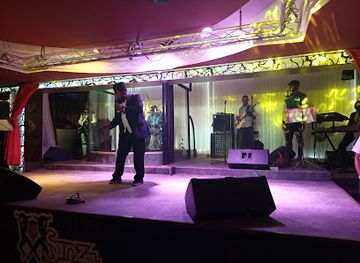
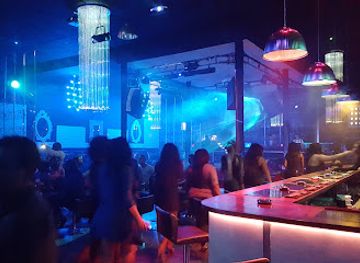
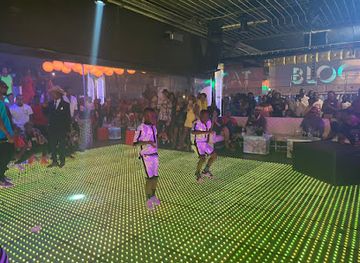
Adamawa's evening life is modest and concentrated mainly in Ngaoundéré. Hotel bars, neighbourhood drinking spots, cafés and traditional-style refreshment places provide spaces for conversation, football and music, while restaurants offer the most predictable late-evening option. The city does not have the extensive club circuit associated with Cameroon's largest urban centres, and nightlife outside Ngaoundéré is generally limited. Some venues may feature contemporary Cameroonian music, but opening arrangements and atmosphere can change, so local advice is more reliable than an online directory. In smaller towns and rural areas, evenings are usually social but quieter, often centred on family compounds, local eateries or community gatherings rather than formal entertainment venues. Visitors should return to accommodation by an agreed time when travelling outside the capital and should avoid displaying cash in busy nightlife areas.
-
Night club
Sanza Night Club, Yaoundé
Discover the vibrant nightlife at Sanza Night Club in Yaoundé, where music, dance, and culture collide for an unforgettable experience.
-
Lounge
L'olympia Lounge
Discover the vibrant atmosphere of L'Olympia Lounge in Douala, where good music and relaxation meet for an unforgettable night out.
-
Disco club
Katios Night Club Yaoundé
Discover the vibrant nightlife of Yaoundé at Katios Night Club, a premier destination for dancing, music, and unforgettable experiences.
-
Disco club
Byblos Nightclub
Discover the electrifying nightlife at Byblos Nightclub in Douala, a premier disco club where music, dance, and culture come alive!

Best shops in Adamawa
Shopping in Adamawa is primarily practical and market-based, with Ngaoundéré offering the widest choice of foodstuffs, clothing, household goods and locally traded livestock-related products. Markets are the best places to encounter millet, sorghum, maize, rice, beans, groundnuts and seasonal produce, while small shops and roadside stalls serve everyday needs rather than luxury retail. Visitors may find leather goods, woven items, beads and clothing associated with northern Cameroonian craft traditions, but quality and provenance vary, so purchases should be made directly and respectfully rather than treating traditional objects as curiosities. Regional food products, such as grains, dried ingredients and groundnuts, can make useful souvenirs if customs and airline restrictions permit. Outside Ngaoundéré, retail is limited and intermittent. Bargaining may be customary in markets, but it should remain courteous, and clear agreement on price before a transaction prevents confusion.
-
Home goods store
Mbaymboum امبايبوم
Discover the charm of Mbaymboum in Panzama, a home goods store offering unique local crafts and a warm atmosphere for every traveler.
-
 Supermarket
Boutique Abba
Explore Boutique Abba in Tignere for a taste of local life, unique products, and a vibrant atmosphere that connects tourists with the community.
-
Shopping mall
DOUALAYEL CAMEROUN
Experience the vibrant culture and shopping delights of Doualayel, Cameroon, where local life meets modern commerce.
-
Shopping mall
Boutique Papa
Discover the vibrant shopping scene at Boutique Papa in Tignere, where local culture meets modern commerce.
Get your free copy of our complete guide to Adamawa, delivered straight to you.
Everything on this page, from attractions and restaurants to essentials and local phrases, in one PDF you can read offline, print or share.
Already have an account? Sign in
Your Adamawa guide is ready.
We'll send it to · Not you? Sign out

Getting your guide ready…
We are putting together a fresh copy of the Adamawa guide. This can take up to a minute.
This can take a few moments. If your browser asks, choose Allow so the download can start. You'll find the guide in your Downloads folder.
Nothing happened? Download it again
Sorry, the guide is taking longer than usual. Please try again in a minute, or get it by email instead.
Adamawa essentials
Currency and Payment
Safety
Emergency Situations
Do's and Don'ts
Local Tips
From Eve
Local phrases worth knowing
You don't need to get them perfect. A few words go a long way, and locals appreciate the effort.
Basics
| English | Local | Say it |
|---|---|---|
| Hello | Ndewo | [Ndeh-woh] |
| Goodbye | Chao | [Chow] |
| Yes | Ee | [Eh] |
| No | Aah | [Ah] |
| Please/You're welcome | Biko | [Bee-koh] |
| Thank you | Imela | [Ee-meh-lah] |
| Excuse me/Sorry | Ndo | [N-doh] |
| How are you? | Kedu? | [Kay-doo] |
| Fine. And you? | O di mma. Kedu? | [Oh dee mah. Kay-doo] |
| Do you speak English? | I na-asụ Bekee? | [Ee nah-ah-soo Beh-keh] |
| I don't understand | Anaghị m aghọta | [Ah-nah-hee m ah-go-tah] |
Eating & Drinking
| English | Local | Say it |
|---|---|---|
| I'd like to see the menu, please | Achọrọ m ịhụ menu, biko | [Ah-cho-roh m ee-hoo meh-noo, bee-koh] |
| I don't eat meat | Anaghị m eri anụ | [Ah-nah-hee m eh-ree ah-noo] |
| Cheers! | Nabata | [Nah-bah-tah] |
| I would like to pay, please | Achọrọ m ịkwụ ụgwọ, biko | [Ah-cho-roh m ee-kwoo oo-goh, bee-koh] |
Emergencies
| English | Local | Say it |
|---|---|---|
| Help! | Nkwado! | [N-kwa-doh] |
| Go away! | Pụọ! | [Poo-rah] |
| Call the Police! | Kpọọ polisi! | [Kpo-oh poh-lee-see] |
| Call a doctor! | Kpọọ dọkịta! | [Kpo-oh doh-kee-tah] |
| I'm lost | Emeghị m ebe | [Eh-meh-hee m eh-beh] |
| I'm ill | Anwụ m ọrịa | [Ah-nwuh m oh-ree-ah] |
Shopping
| English | Local | Say it |
|---|---|---|
| I'd like to buy... | Achọrọ m ịzụta... | [Ah-cho-roh m ee-zoo-tah] |
| I'm just looking | Anọ m na-achọ | [Ah-noh m nah-choo] |
| How much is it? | Oleekwa ego? | [Oh-lay-kwa eh-go] |
| That's too expensive | O bu oké ọnụ | [Oh boo oh-kay on-oo] |
| Can you lower the price? | Ị nwere ike belata ọnụ? | [Ee nwe-reh ee-keh beh-lah-tah on-oo] |
Time & Numbers
| English | Local | Say it |
|---|---|---|
| What time is it? | Kedu oge? | [Kay-doo oh-geh] |
| It's one o'clock | Ọ bụ otu elekere | [Oh boo oh-too eh-leh-keh-reh] |
| Half past (10) | Oge iri na nkeji iri | [Oh-geh ee-ree nah keh-gee ee-ree] |
| Morning | Ụtụtụ | [Oo-too-too] |
| Afternoon | Ehihie | [Eh-hee-yeh] |
| Evening | Mgbede | [M-gbeh-deh] |
| Yesterday | Ụnyaah | [Oo-nyah] |
| Today | Taa | [Tah] |
| Tomorrow | Echi | [Eh-chee] |
| 1 | Otu | [Oh-too] |
| 2 | Abụọ | [Ah-boo-ah] |
| 3 | Atọ | [Ah-taw] |
| 4 | Anọ | [Ah-naw] |
| 5 | Ise | [Ee-seh] |
| 6 | Isii | [Ee-see] |
| 7 | Asaa | [Ah-sah] |
| 8 | Asatọ | [Ah-sah-taw] |
| 9 | Itolu | [Ee-toh-loo] |
| 10 | Iri | [Ee-ree] |
Transport & Directions
| English | Local | Say it |
|---|---|---|
| Where's a/the...? | Ebee ka ...? | [Eh-beh ka ...?] |
| What's the address? | Kedu adreesị? | [Kay-doo ah-dreh-see?] |
| Can you show me (on the map)? | Ị nwere ike igosi m (na map)? | [Ee nwe-reh ee-keh ee-goh-see m (nah map)?] |
| When's the next (bus)? | Kedu mgbe (bụrụ)? | [Kay-doo em-bgeh (boo-rah)?] |
| A ticket (to ....) | Tiket (na ...) | [Tee-ket (nah ...)] |
History of Adamawa
Early Highland Communities and Trade Routes
Before the formation of modern Cameroon, the Adamawa Plateau was inhabited by diverse farming and pastoral communities linked by regional exchange routes. The uplands connected the northern savannah with the forests and river systems farther south, allowing livestock, grain, salt and manufactured goods to circulate. Archaeological knowledge of the region is less extensive for visitors than that of Cameroon's better-known northern sites, but the surviving settlement patterns and cultural diversity point to a long history of movement rather than isolation. Seasonal agriculture and cattle husbandry became especially important in shaping the plateau's economy and landscape.
The Nineteenth-Century Fulani Expansion
During the nineteenth century, Fulani-led Islamic states expanded across much of the central and northern Cameroonian interior. Ngaoundéré developed as a major centre under a lamido, or traditional ruler, and became part of a wider political and commercial network associated with the Emirate of Adamawa. The new order introduced stronger Islamic institutions and reconfigured relations among established communities, pastoral groups and trading settlements. Its legacy remains visible in the authority of the lamidat, the region's Muslim heritage and the importance of cattle and long-distance exchange.
Ngaoundéré and the Adamawa Lamidat
Ngaoundéré grew in importance as the seat of a powerful traditional authority on the plateau. The lamidat governed through a combination of political leadership, customary practice and Islamic influence, while the town served as a market and administrative centre for surrounding communities. Traditional institutions did not disappear when colonial administration arrived; instead, they continued to shape local identity and social organisation. Today, the lamidat and the city surrounding it provide an especially important setting for understanding how pre-colonial political structures remain part of public life in northern Cameroon.
German and French Colonial Rule
German colonial rule incorporated the Adamawa area into Kamerun at the end of the nineteenth century, although effective control varied across the interior. After the First World War, the territory was divided under a League of Nations mandate, with the area that became modern Adamawa administered by France. Colonial authorities altered boundaries, taxation, transport and agricultural administration, while existing traditional rulers were often retained as intermediaries. The period also intensified the region's connection with wider export and administrative networks, leaving institutions and infrastructure that influenced Cameroon after independence.
Railway and Post-Independence Integration
Ngaoundéré's role changed significantly when the railway from the south reached the city in the 1970s. The line connected the Adamawa Plateau more directly with Yaoundé, Douala and southern markets, strengthening Ngaoundéré's position as a gateway between ecological and economic zones. Following Cameroon's independence in 1960 and the later reunification of the former British and French territories, roads, rail and state administration helped integrate Adamawa into the national framework. The region nevertheless retained strong cross-border and north-south trading relationships.
Pastoralism, Agriculture and Contemporary Adamawa
Modern Adamawa remains shaped by the coexistence of mobile or semi-mobile cattle herding, settled farming and expanding towns. Cattle markets and livestock routes are economically important, while maize, millet, sorghum, rice, beans and other crops support rural households. Population growth, changing land use and variable rainfall have increased the need to manage relations between farmers and herders carefully. Ngaoundéré's educational, administrative and commercial roles have expanded, but the region's contemporary identity still rests on the interaction of plateau landscapes, pastoral culture and long-established local authorities.
Adamawa in Photos
Browse through our photo collection highlighting the charm and character of the destination.
Neighbouring regions of Adamawa
The closest regions to Adamawa, if you have time for more than one.
-

-

-

-

-


Swipe for more regions
Explore more

Explore more of Cameroon
Discover Cameroon: A Land of Diverse Landscapes, Rich Cultural Heritage, and Unforgettable Adventures in the Heart of Africa.
Explore Cameroon