

Free Mora Travel Guide & Mobile App
Explore Mora with free travel guides. Discover regional history, expert tips, proposed trips, and audio guides on web or mobile app.


Explore Mora in Cameroon's Far North for Sahelian landscapes, Mandara foothills, market culture and a carefully planned regional journey.
Read more about Mora
When is the best time to visit Mora?
Best: December–February · 26–28°C| Month | High (°C) | Rainfall (mm) |
|---|---|---|
| January (best) | 27 | 1 |
| February (best) | 28 | 1 |
| March | 30 | 5 |
| April | 31 | 20 |
| May | 32 | 60 |
| June | 30 | 120 |
| July | 28 | 150 |
| August | 28 | 150 |
| September | 28 | 120 |
| October | 27 | 60 |
| November | 27 | 20 |
| December (best) | 26 | 1 |
Getting to and around Mora
How to get there
Transportation
Best attractions in Mora
Mora's attractions are primarily geographic, cultural and experiential rather than a collection of ticketed monuments. The town provides access to a Sahelian setting where cultivated plains, seasonal drainage channels and the rocky margins of the Mandara region meet. Market areas offer insight into local commerce, with grains, livestock, household goods and regional produce moving through a trading centre that serves surrounding communities. The wider commune contains rural landscapes and settlements whose architecture, farming patterns and social life differ from those of the main road corridor, but visits should be made only with trusted local arrangements. Short excursions towards rocky terrain can reveal the physical contrast between the open plain and the Mandara foothills, although route conditions and security advice must be checked first. Mora is also a useful base for understanding the wider Far North, while the Waza region and its national park lie outside Mora and require separate planning. Visitors should not expect a conventional museum circuit or extensive visitor infrastructure; the area's value lies in its landscape, borderland history, market culture and carefully guided encounters with everyday life.
-
Park
Modzogo / Gokoro Cameroon National Park
Discover the serene landscapes and diverse wildlife of Modzogo / Gokoro Cameroon National Park, a hidden gem in Central Africa.
-
 Tourist attraction
Mont Koundjila
Explore the breathtaking beauty of Mont Koundjila, a premier tourist attraction in Douval that promises adventure and stunning vistas.
-
Tourist attraction
Montagne de Tokombéré
Discover the breathtaking beauty and vibrant culture at Montagne de Tokombéré, a must-visit natural wonder in Cameroon for every adventurous traveler.
-
Tourist attraction
BARRAGE DE BALDAMA
Explore the scenic beauty and tranquility of Barrage de Baldama, a must-visit tourist attraction in Cameroon for nature lovers and cultural explorers.


Best landmarks in Mora
Mora's most recognisable landmark is its position against the northern Mandara landscape, where isolated rocky heights and foothills rise beyond the flatter Sahelian plain. These geological forms are visually important because they mark the transition between two different environments and have historically influenced settlement, cultivation, movement and local identities. The town's administrative buildings, transport corridor and market spaces are less monumental than the castles or grand civic architecture found in some African destinations, but they express Mora's role as the departmental centre of Mayo-Sava and a commercial junction near the Nigerian frontier. Rural compounds, mosques and cultivated landscapes may also be significant locally, yet they are living places rather than open-air monuments and should be approached respectfully. Mora's importance is therefore best read as a combination of landscape and position: the road linking the regional capital with the border, the market serving surrounding communities and the mountain edge that gives the town its distinctive visual setting. Security facilities and border infrastructure should never be treated as sightseeing landmarks or photographed.
-
Tourist attraction
Route pour mora
Experience Cameroon's beauty on Route pour Mora: stunning landscapes, vibrant culture, and unforgettable views await on this scenic journey.
Explore Mora on the map
Plan your trip on one map. See where the top cities, national parks and sights are, and book hotels and experiences in a few clicks.
Best hotels in Mora
Best restaurants in Mora
Dining in Mora is modest and closely connected to local markets, roadside commerce and household cooking rather than a developed restaurant scene. Meals commonly draw on the staples of northern Cameroon, including millet or sorghum preparations, rice, beans, maize, groundnuts and seasonal vegetables, often served with sauces and grilled or stewed meat where available. Small eateries and food stalls may offer brochettes, porridge, fried foods and tea, while local markets provide opportunities to see grain, onions, sesame and other regional produce. Muslim dietary customs are influential in much of Mayo-Sava, so visitors should ask clearly about ingredients and preparation. Restaurant choice, refrigeration and opening arrangements can be limited, especially beyond the town centre. Maroua, outside Mora, generally provides a broader selection of established cafés and restaurants, but visitors should still prioritise food that is freshly cooked, drink treated or sealed water and carry suitable provisions for road journeys.
-
Restaurant
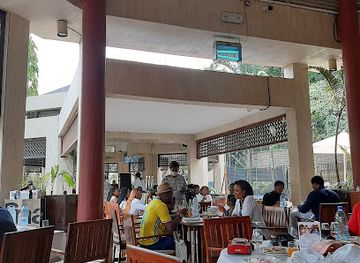
Le Safoutier Restaurant
Discover an exquisite blend of local flavors and international cuisine at Le Safoutier Restaurant in Yaoundé's Hilton Hotel.
-
Restaurant
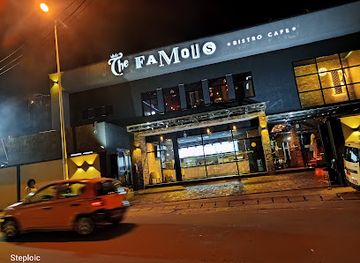
The Famous
Experience exquisite dining at The Famous in Yaoundé – where local flavors meet international flair.
-
Restaurant
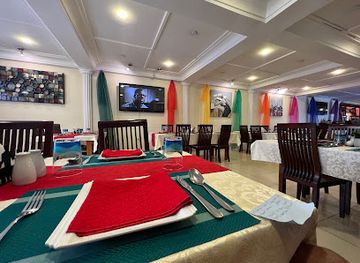
Mahima Restaurant Yaounde سوبر ماركة ومطعم ماهيما
Experience authentic Indian cuisine at Mahima Restaurant in Yaoundé – where every meal is a journey through India's rich culinary landscape.
-
Restaurant
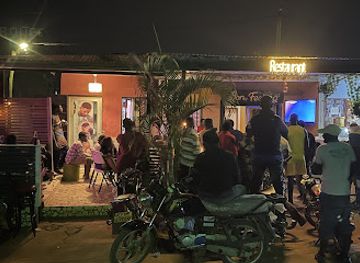
BON FEELING Restaurant & Lounge
Experience authentic Cameroonian cuisine at Bon Feeling Restaurant & Lounge in Yaoundé, where every meal is a celebration of local flavors.
Best bars in Mora
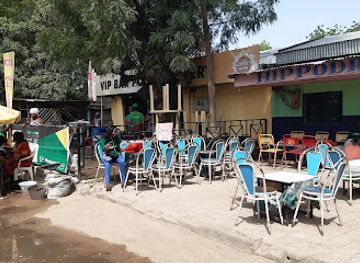
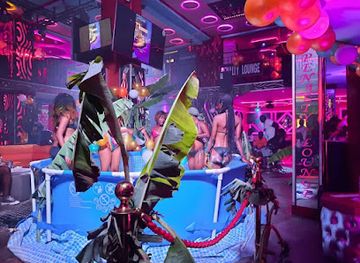
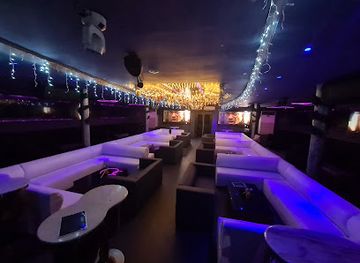
Mora does not have a large or clearly defined nightclub economy. Evening life is more likely to centre on modest cafés, tea sellers, food stalls, neighbourhood meeting places and informal social activity than on late-night entertainment venues. Alcohol is available in some establishments, but the town's predominantly Muslim cultural setting means that visitors should observe local sensitivities and avoid assuming that drinking is central to social life. Restaurants and roadside businesses may close early, particularly during periods of heightened security or when movement restrictions apply. Live music and larger nightlife options are more likely to be found in Maroua, outside Mora, although current conditions and venue availability should be checked locally. For visitors staying in Mora, discreet evenings, early starts and accommodation-based socialising are generally more practical than seeking a club scene.
-
Bar
Fotambo Bar
Discover the vibrant atmosphere of Fotambo Bar in Maroua, where refreshing drinks and local culture meet.
-
Bar
Champs Elysee Bar
Experience the vibrant nightlife of Maroua at Champs Elysee Bar, where local culture meets a lively atmosphere.
-
Bar
Djarako Bar
Experience the vibrant spirit of Maroua at Djarako Bar, where refreshing drinks and local culture blend seamlessly.
-
Bar
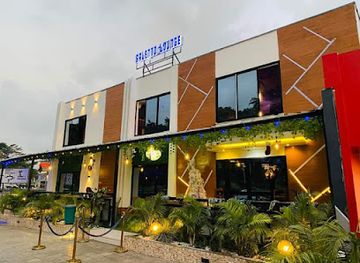
Salento Lounge Limbe
Discover the lively nightlife at Salento Lounge Limbe, where vibrant cocktails and a welcoming atmosphere await you.
Best nightclubs in Mora
Mora does not have a large or clearly defined nightclub economy. Evening life is more likely to centre on modest cafés, tea sellers, food stalls, neighbourhood meeting places and informal social activity than on late-night entertainment venues. Alcohol is available in some establishments, but the town's predominantly Muslim cultural setting means that visitors should observe local sensitivities and avoid assuming that drinking is central to social life. Restaurants and roadside businesses may close early, particularly during periods of heightened security or when movement restrictions apply. Live music and larger nightlife options are more likely to be found in Maroua, outside Mora, although current conditions and venue availability should be checked locally. For visitors staying in Mora, discreet evenings, early starts and accommodation-based socialising are generally more practical than seeking a club scene.
-
Disco club
Le Penalty Lounge
Discover the vibrant nightlife at Le Penalty Lounge, a premier disco club in Yaoundé, where music and socializing blend perfectly.
-
Lounge
Mermo NightLife
Discover Douala's nightlife at Mermo Lounge, where vibrant music, signature cocktails, and a stylish atmosphere await you.
-
Disco club
Byblos Nightclub
Dive into the vibrant nightlife at Byblos Nightclub in Douala, where music, dancing, and fun come alive every night.
-
Night club
MIDNYTE CLUB
Discover the electrifying nightlife at MIDNYTE CLUB in Douala, where unforgettable music and vibrant atmosphere await you.


Best shops in Mora
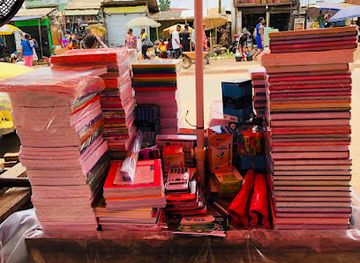
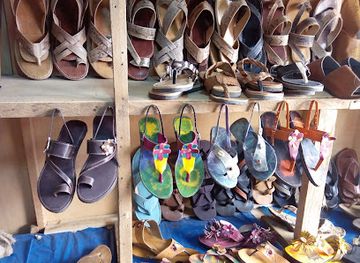
Shopping in Mora is centred on local markets, roadside stalls and small independent shops rather than formal retail centres. Visitors may find grains, groundnuts, sesame, onions, spices, woven goods, household wares, clothing and practical travel supplies, with stock varying according to season and transport conditions. Market purchases are often more useful and locally representative than imported souvenirs, while bargaining may be customary for some goods but should remain friendly and proportionate. Regional food products can be difficult to transport safely in the heat, so choose sealed or durable items for onward journeys. Craft traditions vary across the Far North and the Mandara borderlands; ask a trusted local contact about provenance rather than assuming that every item sold in a market was made nearby. Mora has limited specialist shopping, and visitors seeking a wider choice of books, textiles, crafts, banking services or packaged provisions are likely to find Maroua, outside the commune, more practical.
-
Market
Mora Market
Explore the vibrant Mora Market in Cameroon, a cultural gem showcasing local produce, crafts, and authentic culinary delights.
-
African goods store
Centre artisanal
Explore Maroua's Centre Artisanal, a vibrant market showcasing exquisite African crafts and local artistry that reflects the region’s rich culture.
-
Gas station
TotalEnergies MORA
Discover convenience at TotalEnergies Mora for all your fueling and auto care needs in Cameroon.
-
Clothing store
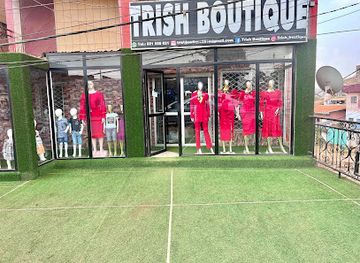
Trish Boutique Cmr
Discover unique fashion at Trish Boutique Cmr in Yaoundé, where local craftsmanship meets contemporary style in a vibrant shopping experience.
Get your free copy of our complete guide to Mora, delivered straight to you.
Everything on this page, from attractions and restaurants to essentials and local phrases, in one PDF you can read offline, print or share.
Already have an account? Sign in
Your Mora guide is ready.
We'll send it to · Not you? Sign out

Getting your guide ready…
We are putting together a fresh copy of the Mora guide. This can take up to a minute.
This can take a few moments. If your browser asks, choose Allow so the download can start. You'll find the guide in your Downloads folder.
Nothing happened? Download it again
Sorry, the guide is taking longer than usual. Please try again in a minute, or get it by email instead.
Mora essentials
Currency and Payment
Safety
Emergency Situations
Do's and Don'ts
Local Tips
From Eve
Local phrases worth knowing
You don't need to get them perfect. A few words go a long way, and locals appreciate the effort.
Basics
| English | Local | Say it |
|---|---|---|
| Hello | Bonjour | [bɔ̃ʒuʁ] |
| Goodbye | Au revoir | [o ʁəvwaʁ] |
| Yes | Oui | [wi] |
| No | Non | [nɔ̃] |
| Please/You're welcome | S'il vous plaît | [sil vu plɛ] |
| Thank you | Merci | [mɛʁsi] |
| Excuse me/Sorry | Excusez-moi | [ɛkskyze mwa] |
| How are you? | Comment ça va? | [kɔmɑ̃ sa va] |
| Fine. And you? | Bien. Et vous? | [bjɛ̃ e vu] |
| Do you speak English? | Parlez-vous anglais? | [paʁle vu ɑ̃ɡlɛ] |
| I don't understand | Je ne comprends pas | [ʒə nə kɔ̃pʁɑ̃ pa] |
Eating & Drinking
| English | Local | Say it |
|---|---|---|
| I'd like to see the menu, please | Je voudrais voir le menu, s'il vous plaît | [ʒə vudʁɛ vwɑʁ lə məny s'il vu plɛ] |
| I don't eat meat | Je ne mange pas de viande | [ʒə nə mɑ̃ʒ pa də vjɑ̃d] |
| Cheers! | Santé! | [sɑ̃te] |
| I would like to pay, please | Je voudrais payer, s'il vous plaît | [ʒə vudʁɛ peje s'il vu plɛ] |
Emergencies
| English | Local | Say it |
|---|---|---|
| Help! | Au secours! | [o səkuʁ] |
| Go away! | Allez-vous-en! | [ale vu zɑ̃] |
| Call the Police! | Appelez la police! | [aple la pɔlis] |
| Call a doctor! | Appelez un médecin! | [aple ɛ̃ mɛdecɛ̃] |
| I'm lost | Je suis perdu | [ʒə sɥi pɛʁdy] |
| I'm ill | Je suis malade | [ʒə sɥi malad] |
Shopping
| English | Local | Say it |
|---|---|---|
| I'd like to buy... | Je voudrais acheter... | [ʒə vudʁɛ aʃte] |
| I'm just looking | Je regarde juste | [ʒə ʁəɡaʁd ʒyst] |
| How much is it? | C'est combien? | [sɛ kɔ̃bjɛ̃] |
| That's too expensive | C'est trop cher | [sɛ tʁo ʃɛʁ] |
| Can you lower the price? | Pouvez-vous baisser le prix? | [puve vu bɛse lə pʁi] |
Time & Numbers
| English | Local | Say it |
|---|---|---|
| What time is it? | Quelle heure est-il? | [kɛl œʁ ɛt il] |
| It's one o'clock | Il est une heure | [il ɛt yn œʁ] |
| Half past (10) | Dix heures et demie | [dis œʁ e dəmi] |
| Morning | Matin | [matɛ̃] |
| Afternoon | Après-midi | [apʁɛ midi] |
| Evening | Soir | [swaʁ] |
| Yesterday | Hier | [jɛʁ] |
| Today | Aujourd'hui | [oʒuʁdɥi] |
| Tomorrow | Demain | [dəmɛ̃] |
| 1 | Un | [œ̃] |
| 2 | Deux | [dø] |
| 3 | Trois | [tʁwa] |
| 4 | Quatre | [katʁ] |
| 5 | Cinq | [sɛ̃k] |
| 6 | Six | [sis] |
| 7 | Sept | [sɛt] |
| 8 | Huit | [ɥit] |
| 9 | Neuf | [nœf] |
| 10 | Dix | [dis] |
Transport & Directions
| English | Local | Say it |
|---|---|---|
| Where's a/the...? | Où est un/le...? | [u ɛ ɛ̃ lə] |
| What's the address? | Quelle est l'adresse? | [kɛl ɛ l'adʁɛs] |
| Can you show me (on the map)? | Pouvez-vous me montrer (sur la carte)? | [puve vu mə mɔ̃tʁe syʁ la kaʁt] |
| When's the next (bus)? | Quand est le prochain (bus)? | [kɑ̃ ɛ lə pʁɔʃɛ̃] |
| A ticket (to ....) | Un billet (pour....) | [ɛ̃ bijɛ puʁ] |
History of Mora
Ancient Sahelian Settlement and Trade
The Mora area belongs to a wider Sahelian zone where farming, pastoralism and long-distance exchange developed around seasonal watercourses and routes crossing the northern Mandara region. Archaeological interpretation in the Far North points to long histories of settlement, ironworking and interaction between communities of the plains and mountains. Rather than forming a single ancient kingdom, the region was shaped by overlapping local societies and trading networks. Grain, livestock, leather and other goods moved through markets that connected the interior with larger centres around Lake Chad and the northern Nigerian plains.
Islamic Networks and Kanem-Bornu Influence
From the medieval period, the wider Mora region was connected to the political and commercial world of Kanem-Bornu, whose influence extended across much of the Lake Chad basin. Islamic scholarship, clerical networks and caravan commerce became important forces in northern Cameroon, although their reach varied between settled communities, mountain societies and pastoral groups. The legacy remains visible in religious practice, Arabic-derived terminology, regional trade links and the prominence of Muslim communities in Mayo-Sava, alongside enduring local traditions and diverse forms of authority.
The Mandara Borderlands and Local Polities
Mora lies near the meeting point of the open plains and the Mandara highlands, a zone historically occupied by communities with distinct languages, social structures and political traditions. Relations between plains-based Muslim authorities, mountain communities and pastoral groups included trade, alliance, migration and conflict. The area's rugged terrain helped some highland societies retain considerable autonomy, while market towns such as Mora connected them with wider systems of taxation and exchange. This borderland history helps explain the region's cultural diversity today.
German and French Colonial Rule
European colonial rule altered administration, taxation, transport and commercial patterns across northern Cameroon. German claims were followed after the First World War by French administration under the mandate system, and Mora became part of a more centralised territorial structure linking the Far North to larger colonial centres. Roads, administrative posts and formal markets expanded, but colonial policies also redirected older trade routes and imposed new forms of labour and taxation. Contemporary administrative boundaries, including Mayo-Sava Department, reflect later developments of this colonial framework.
Independence and Regional Integration
Cameroon became independent in 1960, and Mora continued to function as a departmental and commercial centre within the northern part of the country. Road connections strengthened its role between Maroua, the Mandara foothills and the Nigerian frontier, while seasonal agriculture and livestock remained central to local livelihoods. Population movement and trade across the wider borderland continued despite the international boundary. The town's importance therefore derives less from monumental architecture than from its administrative position and its links with surrounding rural communities.
The Lake Chad Basin Security Crisis
Since the 2010s, the wider Far North has been affected by insurgency, cross-border violence, displacement and humanitarian pressures associated with Boko Haram and related armed groups. Mora and Mayo-Sava have experienced the consequences of this instability because of their proximity to Nigeria and their position on regional transport routes. Security concerns have affected travel, commerce and public life, while local authorities, communities and aid organisations have responded to displaced populations and disrupted livelihoods. Visitors should regard security information as a central part of historical and practical understanding of the area.
Mora in Photos
Browse through our photo collection highlighting the charm and character of the destination.
Neighbouring regions of Mora
The closest regions to Mora, if you have time for more than one.
-

-

-

-

-


Swipe for more regions
Explore more

Explore more of Cameroon
Discover Cameroon: A Land of Diverse Landscapes, Rich Cultural Heritage, and Unforgettable Adventures in the Heart of Africa.
Explore Cameroon