

Cape Race Lighthouse Travel Guide
Free Guide: Explore Newfoundland's maritime history at Cape Race Lighthouse, a beacon of hope and a witness to pivotal moments in communication and navigation.


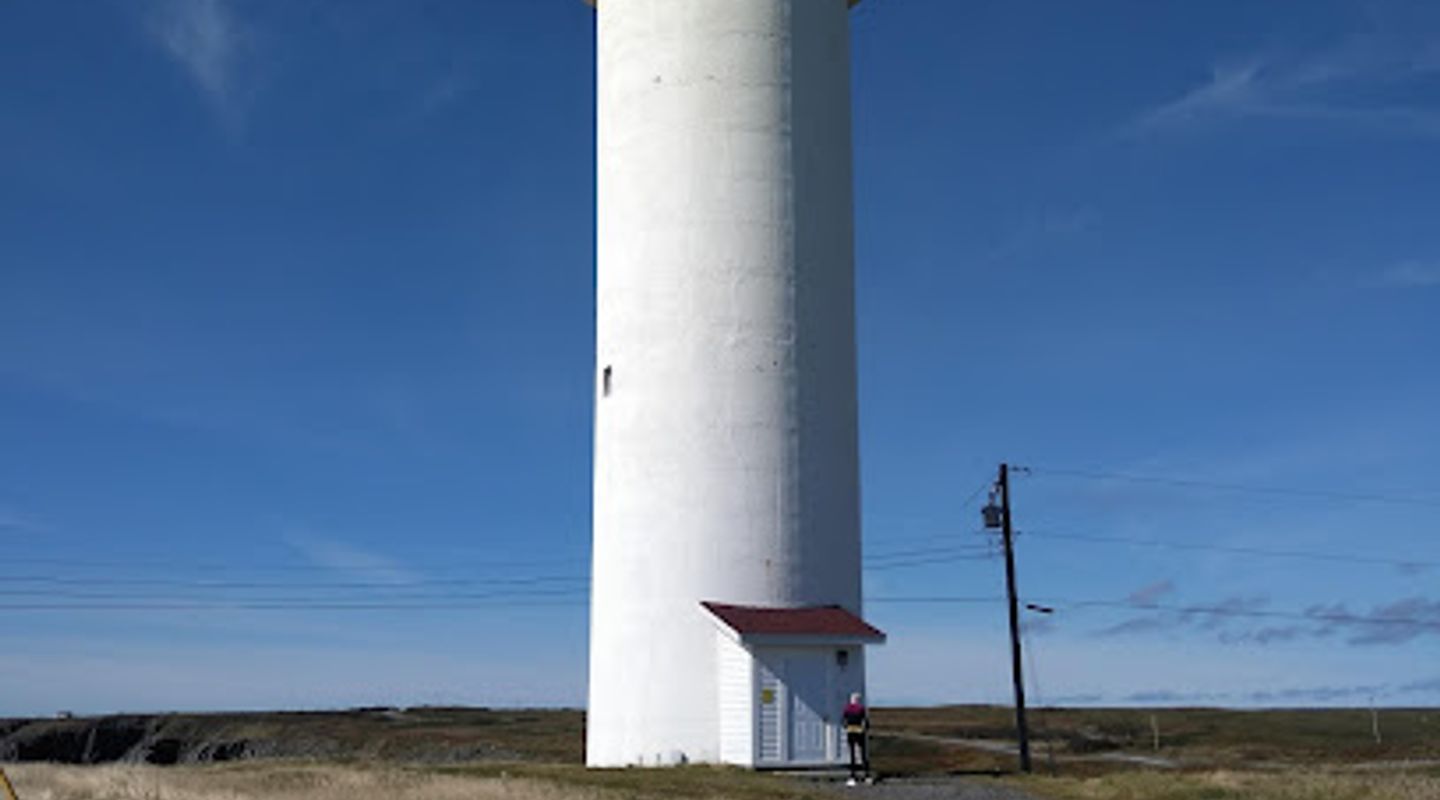
A brief summary of Cape Race Lighthouse
Explore Newfoundland's maritime history at Cape Race Lighthouse, a beacon of hope and a witness to pivotal moments in communication and navigation.
Perched on Newfoundland's Avalon Peninsula, Cape Race Lighthouse has guided ships for over 160 years. This National Historic Site played a crucial role in maritime history, including receiving the Titanic's distress call, and offers stunning views of the rugged coastline.
- Address
- Newfoundland and Labrador A0A 4B0
- Phone
- Website
Getting there
Driving
Public Transport
Discover more about Cape Race Lighthouse
Overview
Cape Race Lighthouse, a prominent beacon on Newfoundland's southeastern coast, has stood as a sentinel of the North Atlantic since 1856. The original cast iron tower, now located in Ottawa at the National Science and Technology Museum, was replaced in 1907 by the current reinforced concrete structure. This new lighthouse was equipped with a hyperradiant Fresnel lens, one of the largest and rarest in the world, capable of emitting a one million candle power flash.Cape Race's significance extends beyond navigation. In 1904, a Marconi wireless station was established here, making it among the first locations to receive radio signals from ships. Famously, in April 1912, the station received the distress call from the Titanic. The lighthouse also played a vital role in communicating with Allied convoys during both World Wars.Today, Cape Race Lighthouse is a National Historic Site, offering visitors a chance to explore its rich maritime history and witness the stunning natural beauty of the Avalon Peninsula. The Myrick Wireless Interpretation Centre, a replica of the original Marconi station, provides exhibits and artifacts that immerse visitors in the world of early wireless communications. The surrounding area is also a nature-lover's paradise, with hiking trails and the nearby Mistaken Point Ecological Reserve, a UNESCO World Heritage Site known for its ancient fossil beds.
Evendo Review Centre
 Google
Guest reviews
Explore Cape Race Lighthouse on the map
A handpicked selection of must-see spots near Cape Race Lighthouse, mapped for you.
Get your free copy of our complete guide to Cape Race Lighthouse, delivered straight to you.
Everything on this page, from opening hours and how to get there to Eve’s tips and the best time to go, in one PDF you can read offline, print or share.
Already have an account? Sign in
Your Cape Race Lighthouse guide is ready.
We'll send it to · Not you? Sign out

Getting your guide ready…
We are putting together a fresh copy of the Cape Race Lighthouse guide. This can take up to a minute.
This can take a few moments. If your browser asks, choose Allow so the download can start. You'll find the guide in your Downloads folder.
Nothing happened? Download it again
Sorry, the guide is taking longer than usual. Please try again in a minute, or get it by email instead.
Unlock the best of Cape Race Lighthouse
Skip-the-line tickets, guided tours with entry, and walking tours of the area, booked in a few clicks.

Other nearby places you may find interesting
The closest places of the same kind, if this one is not quite what you had in mind.
-
-
-
-
-


Swipe for more places
More to explore near Cape Race Lighthouse

 Best experiences near Cape Race Lighthouse
 Best hotels near Cape Race Lighthouse
 Best landmarks near Cape Race Lighthouse
 Best attractions near Cape Race Lighthouse
 Best shops near Cape Race Lighthouse
 Best restaurants near Cape Race Lighthouse
 Best bars near Cape Race Lighthouse
Do you manage this location?
Take control to get all the benefits, like improved information, better appearance, and stronger visibility across AI-powered discovery.
Explore more
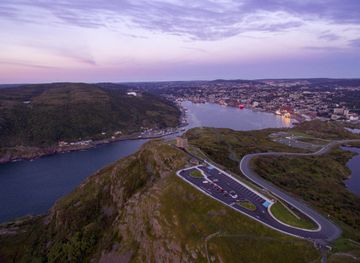
Explore more of Avalon Peninsula
Discover the Avalon Peninsula in Canada: A blend of vibrant city life, historic sites, and stunning natural landscapes. Perfect for adventurers and history enthusiasts alike.
Explore Avalon Peninsula
Explore more of Canada
Discover Canada's breathtaking landscapes, diverse cities, and rich cultural heritage. A must-visit destination for outdoor adventures and vibrant urban experiences.
Explore Canada
