

Edmonton Capital Region, Canada Travel Guide
Discover the Edmonton Capital Region: a vibrant blend of cultural richness, natural beauty, and world-class attractions in the heart of Alberta.
Welcome to the Edmonton Capital Region, a vibrant and diverse area that serves as the beating heart of Alberta. This region is famous for its cultural richness, world-class attractions, and natural beauty. With the North Saskatchewan River winding through the area, you will find picturesque views and numerous outdoor activities to enjoy. In Edmonton, the capital city, you can explore the expansive West Edmonton Mall, which offers shopping, dining, and entertainment options all under one roof. For history enthusiasts, the Royal Alberta Museum and Fort Edmonton Park offer a fascinating glimpse into the region's past. Art lovers will appreciate the Art Gallery of Alberta, showcasing a wide range of contemporary and historical pieces. Beyond the city limits, the region boasts beautiful parks such as Elk Island National Park, a haven for wildlife and stargazing. The multicultural fabric of the Edmonton Capital Region is also reflected in its diverse dining scene, offering everything from traditional Canadian fare to international delights. Whether you're seeking adventure, culture, or relaxation, the Edmonton Capital Region has something to offer every traveler.

Know before you go
Hi, I'm Eve. Here are a few practical things to know before exploring Edmonton Capital Region.
- Visit Elk Island National Park for wildlife viewing and stargazing.
- Explore the West Edmonton Mall early in the morning to avoid crowds.
- Check the festival calendar before your trip; Edmonton is known as the 'Festival City.'
- Utilize the extensive river valley trail system for scenic walks or bike rides.
- Dress in layers; Edmonton's weather can be unpredictable.
Explore Edmonton Capital Region: Things to Do, Places to Eat, Hotels & More
Handpicked recommendations for top attractions, local dining, accommodations, and more

Top Attractions & Sightseeing in Edmonton Capital Region
Top-rated picks
Best Attractions

Remic Rapids Park
Explore Remic Rapids Park, a serene oasis along the Ottawa River, perfect for picnics, nature walks, and breathtaking views.

Escape Bicycle Tours and Rentals - Ottawa
Discover Ottawa's charm and beauty on two wheels with Escape Bicycle Tours and Rentals, offering bike and scooter rentals for every adventurer.

Fletcher Wildlife Garden
Explore Fletcher Wildlife Garden, Ottawa's serene escape into nature, where local wildlife and stunning flora thrive in harmony.

Central Experimental Farm
Visit the Central Experimental Farm in Ottawa for a unique blend of agriculture, history, and beautiful gardens, perfect for all ages.

Best landmarks in Edmonton Capital Region


Best restaurants in Edmonton Capital Region
Top-rated picks
Best Restaurants

JOEY Rideau
Contemporary fusion dining in a historic setting with theater kitchen views and craft cocktails.

KIN Vineyards
Pioneering Burgundian Chardonnay and Pinot Noir on Carp Ridge's limestone slopes, KIN Vineyards offers tastings, Italian bites, and vineyard views in a casual haven 20 minutes from Ottawa.

Best bars in Edmonton Capital Region
Top-rated picks
Best Bars

Mill Street Brew Pub Ottawa
Experience the essence of Ottawa at Mill Street Brew Pub, where craft beer meets delicious local cuisine in a vibrant atmosphere.

King's Head Pub
Experience the vibrant atmosphere and authentic flavors at King's Head Pub in downtown Winnipeg, a must-visit for every traveler.

Las Palapas Resort Grill
Experience the vibrant tastes of Mexico and the Caribbean at Las Palapas Resort Grill, a must-visit destination in Saskatoon.

The Laff
Experience Ottawa's vibrant nightlife at The Laff, a lively bar and live music venue in Byward Market, perfect for music lovers and night owls.

Best shops in Edmonton Capital Region
Top-rated picks
Best Shops

CF Rideau Centre
Discover a shopping paradise at CF Rideau Centre in Ottawa, offering a wide array of stores, dining options, and vibrant atmosphere for every visitor.

Midtown
Discover the vibrant shopping experience at Midtown, Saskatoon's premier mall featuring diverse stores and delectable dining options.

Lawson Heights Mall
Discover shopping, dining, and entertainment at Lawson Heights Mall, Saskatoon's premier retail destination for all your needs.

Real Canadian Superstore Confederation Drive
Shop local at the Real Canadian Superstore in Saskatoon for fresh produce, baked goods, and everyday essentials for tourists and locals alike.

Explore Edmonton Capital Region on the Map
A handpicked selection of must-see spots in Edmonton Capital Region, mapped for you.
Edmonton Capital Region Essentials
-
Edmonton Capital Region is located in the province of Alberta, Canada. The most common entry point is the Edmonton International Airport (YEG), which is well-connected with major cities worldwide. From the airport, you can take a taxi, ride-share service, or the Edmonton Skyshuttle, which provides regular service to various city locations. Alternatively, you can also reach Edmonton by train via VIA Rail or by bus services like Greyhound and Red Arrow.
-
Edmonton Capital Region has a comprehensive public transportation system, primarily managed by Edmonton Transit Service (ETS). This includes buses and the Light Rail Transit (LRT) system, which connects key areas of the city. Taxis and ride-share services like Uber and Lyft are also available. For those who prefer to drive, car rental services are readily accessible at the airport and various locations in the city. Cycling is another viable option, with numerous bike lanes and shared paths.
-
The official currency in Canada is the Canadian Dollar (CAD). Credit and debit cards are widely accepted in most places, including restaurants, hotels, and shops. ATMs are plentiful and allow you to withdraw cash as needed. Make sure to notify your bank about your travel plans to avoid any issues with card transactions.
-
Edmonton Capital Region is generally safe for tourists, but it's always wise to exercise caution. Areas like Downtown and Whyte Avenue are popular and generally safe but be mindful of your surroundings, especially at night. Avoid less populated areas and be cautious in neighbourhoods such as McCauley and certain parts of Alberta Avenue, which are known for higher crime rates. Always keep your belongings secure and avoid displaying valuables openly.
-
In case of emergency, dial 911 for police, fire, or medical assistance. Edmonton has several hospitals, including the University of Alberta Hospital and the Royal Alexandra Hospital, offering comprehensive medical care. Pharmacies are widespread and can provide over-the-counter medications. It is advisable to have travel insurance that covers medical emergencies.
-
Fashion: Do dress in layers, as weather can change rapidly. Casual wear is generally acceptable, but dress smartly for fine dining or formal events. Religion: Do respect religious sites and practices. Remove hats and lower your voice when entering places of worship. Public Transport: Do have exact change for bus fares or use a transit card. Don’t eat or drink on public transport. Greetings: Do greet people with a friendly 'hello' or handshake. Canadians appreciate politeness and courtesy. Eating & Drinking: Do try local dishes and tip around 15-20% in restaurants. Don't forget to say 'please' and 'thank you'.
-
To experience Edmonton like a local, visit the Old Strathcona Farmers' Market for fresh produce and artisanal goods. Attend a hockey game at Rogers Place to feel the city's sports spirit. Explore the river valley parks for outdoor activities like hiking and biking. Don’t miss the Edmonton Folk Music Festival or the Fringe Theatre Festival for a taste of local culture. Engaging with locals at community events can provide a deeper understanding of the region's way of life.
When is the best time to visit Edmonton Capital Region?
Useful Local Phrases for Edmonton Capital Region
You don't need to speak the language perfectly. Even learning a few simple words can make conversations warmer—and locals usually appreciate the effort.
— Eve

Here are the phrases I use most often in Edmonton Capital Region. Try a few—you'll be surprised how far they go! 😊
❤️
-
- HelloHello
[hɛloʊ] - GoodbyeGoodbye
[ɡʊdˈbaɪ] - YesYes
[jɛs] - NoNo
[noʊ] - Please/You're welcomePlease/You're welcome
[pliz/ jʊər ˈwɛlkəm] - Thank youThank you
[θæŋk ju] - Excuse me/SorryExcuse me/Sorry
[ɪkˈskjus mi/ˈsɔri] - How are you?How are you?
[haʊ ɑr ju] - Fine. And you?Fine. And you?
[faɪn. ənd ju] - Do you speak English?Do you speak English?
[du ju spiːk ˈɪŋɡlɪʃ] - I don't understandI don't understand
[aɪ doʊnt ˌʌndərˈstænd]
- HelloHello
-
- I'd like to see the menu, pleaseI'd like to see the menu, please
[aɪd laɪk tu si ðə ˈmɛnju, pliz] - I don't eat meatI don't eat meat
[aɪ doʊnt it mit] - Cheers!Cheers!
[tʃɪrz] - I would like to pay, pleaseI would like to pay, please
[aɪ wʊd laɪk tu peɪ, pliz]
- I'd like to see the menu, pleaseI'd like to see the menu, please
-
- Help!Help!
[hɛlp] - Go away!Go away!
[ɡoʊ əˈweɪ] - Call the Police!Call the Police!
[kɔl ðə pəˈlis] - Call a doctor!Call a doctor!
[kɔl ə ˈdɑktər] - I'm lostI'm lost
[aɪm lɔst] - I'm illI'm ill
[aɪm ɪl]
- Help!Help!
-
- I'd like to buy...I'd like to buy...
[aɪd laɪk tu baɪ...] - I'm just lookingI'm just looking
[aɪm dʒʌst ˈlʊkɪŋ] - How much is it?How much is it?
[haʊ mʌtʃ ɪz ɪt] - That's too expensiveThat's too expensive
[ðæts tu ɪkˈspɛnsɪv] - Can you lower the price?Can you lower the price?
[kæn ju ˈloʊər ðə praɪs]
- I'd like to buy...I'd like to buy...
-
- What time is it?What time is it?
[wʌt taɪm ɪz ɪt] - It's one o'clockIt's one o'clock
[ɪts wʌn əˈklɑk] - Half past (10)Half past (10)
[hæf pæst (10)] - MorningMorning
[ˈmɔrnɪŋ] - AfternoonAfternoon
[ˌæf.tɚˈnun] - EveningEvening
[ˈiːv.nɪŋ] - YesterdayYesterday
[ˈjɛstərˌdeɪ] - TodayToday
[təˈdeɪ] - TomorrowTomorrow
[təˈmɔroʊ] - 11
[wʌn] - 22
[tu] - 33
[θri] - 44
[fɔr] - 55
[faɪv] - 66
[sɪks] - 77
[sɛvən] - 88
[eɪt] - 99
[naɪn] - 1010
[tɛn]
- What time is it?What time is it?
-
- Where's a/the...?Where's a/the...?
[wɛr z ə/ðə...?] - What's the address?What's the address?
[wʌt s ði əˈdrɛs?] - Can you show me (on the map)?Can you show me (on the map)?
[kæn ju ʃoʊ mi (ɑn ðə mæp)?] - When's the next (bus)?When's the next (bus)?
[wɛn z ðə nɛkst (bʌs)?] - A ticket (to ....)A ticket (to ....)
[ə ˈtɪkɪt (tu ....)]
- Where's a/the...?Where's a/the...?
History of Edmonton Capital Region
-
Long before European settlers arrived, the Edmonton Capital Region was home to various Indigenous peoples, including the Cree, Dene, and Nakota Sioux. The region served as a vital meeting point for trade, social gatherings, and spiritual ceremonies. Their deep connection to the land is still evident today in various cultural sites and events.
-
The fur trade played a pivotal role in the early history of Edmonton. In 1795, Fort Edmonton was established by the Hudson's Bay Company as a trading post. The fort became a bustling center for fur trading, attracting trappers, traders, and Indigenous peoples from all over the region. This era laid the foundation for Edmonton's future growth and development.
-
The arrival of the Canadian Pacific Railway in the late 19th century marked a significant turning point for Edmonton. The railway connected Edmonton to the rest of Canada, facilitating the movement of goods and people. This development spurred rapid growth and transformed Edmonton from a modest trading post into a burgeoning city.
-
Edmonton was officially incorporated as a town in 1892 and became a city in 1904. The early 20th century saw a surge in population and infrastructure development, including the establishment of the University of Alberta in 1908. Edmonton's growth was further accelerated by the discovery of oil in the Leduc area in 1947, earning it the nickname 'Oil Capital of Canada.'
-
Throughout the 20th and 21st centuries, Edmonton has evolved into a vibrant cultural hub. The city hosts numerous festivals, such as the Edmonton International Fringe Theatre Festival and the Heritage Festival, celebrating its diverse community. The Art Gallery of Alberta and the Royal Alberta Museum are key cultural institutions that highlight the region's rich history and artistic achievements.
-
In recent decades, Edmonton has continued to grow and diversify. The revitalization of downtown, the expansion of public transportation, and the development of new residential and commercial areas have transformed the cityscape. Edmonton's commitment to sustainability and innovation is evident in initiatives like the Blatchford redevelopment project, which aims to create one of the world’s largest sustainable communities.
Neighbouring Regions of Edmonton Capital Region
The closest regions to Edmonton Capital Region, if you have time for more than one.


Your all‑in‑one travel companion app
Explore expert travel guides, compare and book tours, experiences, hotels, and more—all from the palm of your hand. Download now for seamless trip planning wherever your wanderlust takes you.


Explore More of Canada
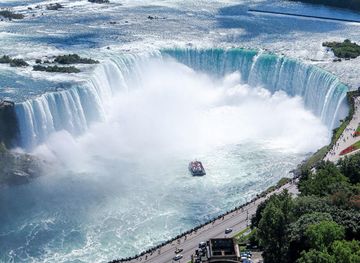
Looking beyond Edmonton Capital Region? Discover Canada for broader travel guides, local hot-spots, and regional highlights.
Explore CanadaEdmonton Capital Region in Photos
Browse through our photo collection highlighting the charm and character of the destination.


Edmonton Capital Region: The Heart of Alberta
Welcome to the Edmonton Capital Region, a vibrant and diverse area that serves as the beating heart of Alberta. This region is famous for its cultural richness, world-class attractions, and natural beauty. With the North Saskatchewan River winding through the area, you will find picturesque views and numerous outdoor activities to enjoy. In Edmonton, the capital city, you can explore the expansive West Edmonton Mall, which offers shopping, dining, and entertainment options all under one roof. For history enthusiasts, the Royal Alberta Museum and Fort Edmonton Park offer a fascinating glimpse into the region's past. Art lovers will appreciate the Art Gallery of Alberta, showcasing a wide range of contemporary and historical pieces. Beyond the city limits, the region boasts beautiful parks such as Elk Island National Park, a haven for wildlife and stargazing. The multicultural fabric of the Edmonton Capital Region is also reflected in its diverse dining scene, offering everything from traditional Canadian fare to international delights. Whether you're seeking adventure, culture, or relaxation, the Edmonton Capital Region has something to offer every traveler.