

Free Western Canada Travel Guide & Mobile App
Explore Western Canada with free travel guides. Discover regional history, expert tips, proposed trips, and audio guides on web or mobile app.


Explore Western Canada for Pacific coastlines, Rocky Mountain parks, prairie horizons, Indigenous heritage, wildlife and memorable road journeys.
Read more about Western Canada
When is the best time to visit Western Canada?
Best: June–August · 24–26°C| Month | High (°C) | Rainfall (mm) |
|---|---|---|
| January | -6 | 20 |
| February | -4 | 18 |
| March | 4 | 25 |
| April | 13 | 30 |
| May | 20 | 35 |
| June (best) | 24 | 40 |
| July (best) | 26 | 35 |
| August (best) | 25 | 30 |
| September | 18 | 25 |
| October | 9 | 20 |
| November | 2 | 22 |
| December | -4 | 25 |
Getting to and around Western Canada
How to get there
Transportation
Top city travel guides in Western Canada
The cities of Western Canada, and the easiest places to base yourself.
-
-

-


Swipe for more cities
Destinations in Western Canada
Resorts, valleys and scenic spots worth a trip of their own.

Swipe for more destinations
Best attractions in Western Canada
Western Canada's attractions range from Pacific shorelines and temperate rainforest to glaciated mountain parks, rolling foothills, open prairie and boreal forest. British Columbia combines Vancouver's museums, galleries and waterfront with the gardens and coastal landscapes of Vancouver Island, the Okanagan's lakes and vineyards, and interior communities linked by scenic highways. Alberta offers the internationally recognised mountain environments of Banff and Jasper national parks, Waterton Lakes, paleontological attractions around Drumheller and the cultural institutions of Calgary and Edmonton. Saskatchewan's Grasslands National Park protects a rare prairie ecosystem, while its northern lakes and forest provide a very different experience. Manitoba brings together Winnipeg's museums, historic river districts and cultural venues with Riding Mountain National Park, prairie landscapes and Churchill's seasonal wildlife excursions. Hiking, canoeing, skiing, wildlife viewing, cycling and camping are central to the region, but access and facilities differ greatly between urban parks, developed mountain corridors and remote northern landscapes.
-
Tourist attraction
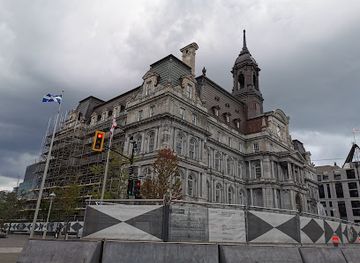
Vieux-Port de Montréal
Explore the historic charm and vibrant atmosphere of Vieux-Port de Montréal, a must-see destination for every traveler.
-
Park
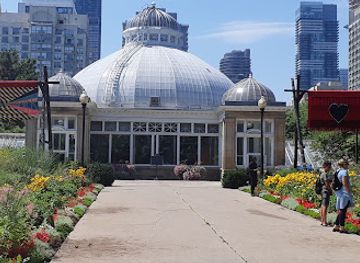
Allan Gardens
Explore Allan Gardens, a serene botanical garden in Toronto, showcasing diverse flora, historical charm, and tranquil pathways for a refreshing escape.
-
Botanical garden
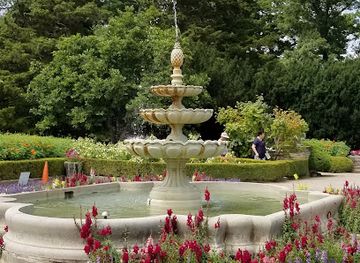
Royal Botanical Gardens Canada
Discover the beauty and tranquility of the Royal Botanical Gardens in Burlington, Ontario, a stunning destination for nature lovers and cultural enthusiasts.
-
Park
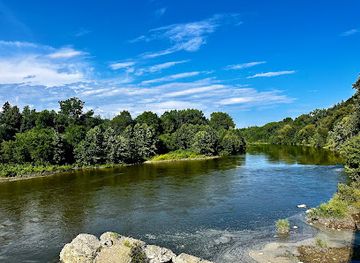
Springbank Park
Discover the natural beauty of Springbank Park in London, Ontario, where lush landscapes and recreational activities await every visitor.
Best landmarks in Western Canada
Western Canada's most recognisable landmarks are often landscapes rather than buildings. The Canadian Rockies provide the defining silhouettes of Banff and Jasper national parks, with landmarks including Lake Louise, Moraine Lake, the Columbia Icefield and the alpine skyline around Jasper; these places are within Alberta, though access routes may pass through neighbouring British Columbia. In British Columbia, Vancouver's Lions Gate Bridge, Victoria's Inner Harbour architecture, the Parliament Buildings and the forests of Pacific Rim National Park Reserve express different aspects of the province's coastal identity. Alberta's Calgary Tower and Edmonton's river valley are prominent urban reference points, while Drumheller's Royal Tyrrell Museum and surrounding badlands represent the province's geological importance. Winnipeg's historic Forks, where the Red and Assiniboine rivers meet, is a major cultural and geographical landmark. Saskatchewan's Grasslands National Park and Manitoba's Riding Mountain landscapes provide powerful reminders that prairie and boreal environments are as significant to Western Canada's identity as its mountains.
-
Tourist attraction
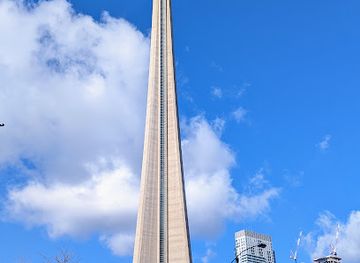
CN Tower
Experience breathtaking views and fine dining at the iconic CN Tower – a must-visit landmark in Toronto!
-
Tourist attraction
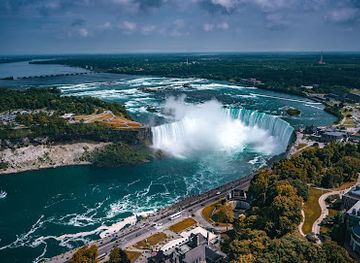
Horseshoe Falls of Canada
Experience the breathtaking beauty of Horseshoe Falls, a natural wonder that captivates millions every year with its stunning views and exhilarating adventures.
-
Tourist attraction
Journey Behind the Falls
Discover the breathtaking views and powerful cascades of Niagara Falls like never before at Journey Behind the Falls.
-
 Observation deck
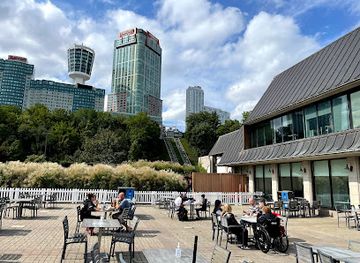
Skylon Tower
Experience the stunning views and fine dining at Skylon Tower, the iconic observation deck in Niagara Falls, Ontario, perfect for every traveler.
Explore Western Canada on the map
Plan your trip on one map. See where the top cities, national parks and sights are, and book hotels and experiences in a few clicks.
Best hotels in Western Canada
Best restaurants in Western Canada
Dining across Western Canada reflects both immense geography and a multicultural population. British Columbia is particularly associated with Pacific seafood, salmon, shellfish, Asian-influenced cooking, Okanagan fruit and wines, while Alberta is known for beef, bison and prairie produce alongside increasingly diverse urban dining. Saskatchewan and Manitoba draw on grains, pulses, freshwater fish, game and immigrant food traditions, with Winnipeg especially noted for a broad range of cultural cuisines. Farmers' markets, bakeries, cafés, brewpubs, rural inns and contemporary restaurants are common in larger towns and cities, while remote areas require more planning. Indigenous foodways and Indigenous-led dining experiences may introduce ingredients such as wild berries, game, fish and locally gathered plants, although practices vary by community. Regional specialities should be understood as part of wider Canadian culinary traditions rather than as a single Western Canadian cuisine.
-
Mexican
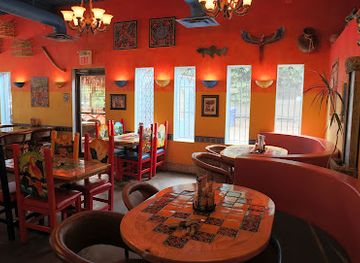
Las Palapas Resort Grill
Experience the vibrant flavors of Mexico and the Caribbean at Las Palapas Resort Grill in Saskatoon - where every meal is a fiesta!
-
Restaurant
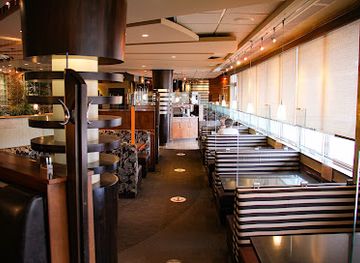
Mano's Restaurant & Lounge
Experience culinary excellence at Mano's Restaurant & Lounge in Saskatoon - where modern cuisine meets cozy ambiance.
-
Restaurant
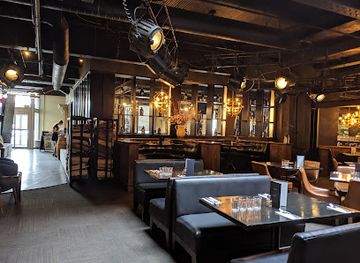
Earls Kitchen + Bar
Discover delicious global cuisine at Earls Kitchen + Bar in Saskatoon - where great food meets vibrant atmosphere.
-
Restaurant
Cactus Club Cafe Saskatoon
Experience modern dining at Cactus Club Cafe Saskatoon with diverse dishes and vibrant atmosphere in the heart of Saskatchewan's cultural scene.
Best bars in Western Canada
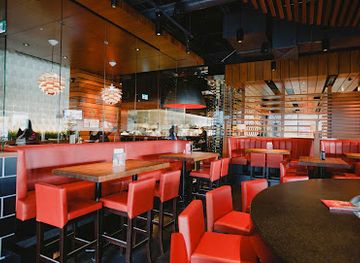
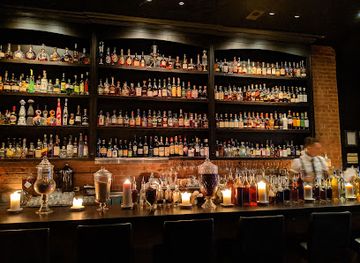
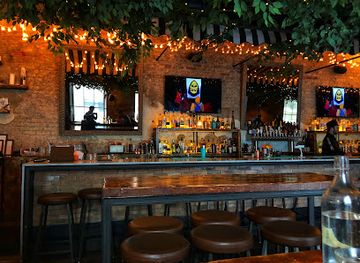
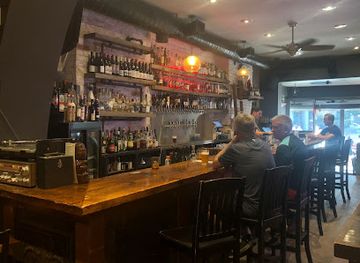
Evening life is concentrated in the region's major cities and university centres. Vancouver offers cocktail bars, live music, breweries and late-night venues, while Victoria has a more compact mix of pubs, restaurants and cultural performances. Calgary and Edmonton have extensive choices ranging from craft breweries and modern bars to live music venues, theatres and nightclubs; Winnipeg, Saskatoon and Regina also support established restaurant, pub and arts scenes. Outside the cities, traditional pubs, hotel lounges, community venues, breweries and seasonal events are more typical than large club districts. Mountain resorts can have lively après-ski evenings, but this varies by town and season. Licensing rules and closing arrangements differ by province, so visitors should check current local information rather than assume that venues operate late. Alcohol is not necessary to experience the region's evening culture, which also includes concerts, theatre, festivals and night-time cultural programming.
-
Cocktail bar
BarChef
Discover Toronto's premier cocktail bar, BarChef, where innovative mixology meets a vibrant atmosphere for an unforgettable night out.
-
Bar
Bar Poet
Experience the vibrant nightlife of Toronto at Bar Poet, where crafted cocktails meet a lively atmosphere in the heart of the city.
-
Gastropub
Bar Hop
Discover the best of Toronto's gastropub scene with craft beers, delicious food, and a vibrant atmosphere at Bar Hop.
-
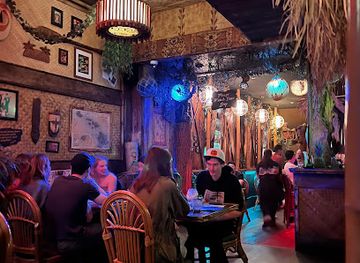
Tiki bar
The Shameful Tiki Room Toronto
Discover a tropical escape in Toronto at The Shameful Tiki Room, where exotic cocktails and vibrant decor create unforgettable memories.
Best nightclubs in Western Canada
Evening life is concentrated in the region's major cities and university centres. Vancouver offers cocktail bars, live music, breweries and late-night venues, while Victoria has a more compact mix of pubs, restaurants and cultural performances. Calgary and Edmonton have extensive choices ranging from craft breweries and modern bars to live music venues, theatres and nightclubs; Winnipeg, Saskatoon and Regina also support established restaurant, pub and arts scenes. Outside the cities, traditional pubs, hotel lounges, community venues, breweries and seasonal events are more typical than large club districts. Mountain resorts can have lively après-ski evenings, but this varies by town and season. Licensing rules and closing arrangements differ by province, so visitors should check current local information rather than assume that venues operate late. Alcohol is not necessary to experience the region's evening culture, which also includes concerts, theatre, festivals and night-time cultural programming.
-
Bar
The Fifth Social Club
Discover Toronto's nightlife at The Fifth Social Club, a premier bar and lounge known for its exquisite cocktails and vibrant atmosphere.
-
Night club
Club 54 Nightclub
Discover the exhilarating nightlife at Club 54 Nightclub in Burlington, where electrifying music and vibrant atmosphere await your arrival.
-
Night club
Isabelle's
Isabelle's: Toronto's Premier Night Club for Energetic Nights and Creative Cocktails
-
Night club
Sugar Daddys
Discover Sugar Daddys, Mississauga's vibrant nightclub offering an unforgettable nightlife experience with great music, drinks, and a lively atmosphere.



Best shops in Western Canada
Shopping varies sharply across Western Canada. Vancouver and Calgary provide the broadest mix of department stores, independent design shops, galleries, markets and luxury retailers, while Edmonton is noted for extensive commercial developments and a strong arts-and-crafts scene. Victoria, Winnipeg, Saskatoon and Regina have established central shopping areas with independent retailers, booksellers, galleries, cafés and specialist food shops. In smaller towns, look for farmers' markets, antique stores, locally made preserves, pottery, textiles, jewellery, artwork and regional food products rather than large retail complexes. British Columbia is a useful place to seek locally produced wine, fruit products, arts and Indigenous-made work purchased respectfully through legitimate channels; prairie provinces offer grains, preserves, prairie-themed crafts and art. Markets and seasonal stalls change by community and time of year, so visitors should check current local arrangements and distinguish authentic regional work from generic souvenirs.
-
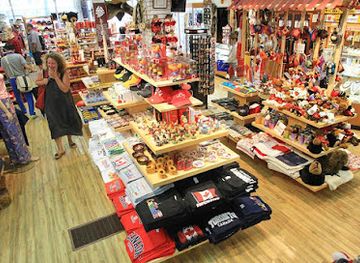
Gift shop
Royal Canadian Gifts
Explore an exquisite selection of authentic Canadian souvenirs at Royal Canadian Gifts in vibrant Toronto, perfect for every traveler.
-
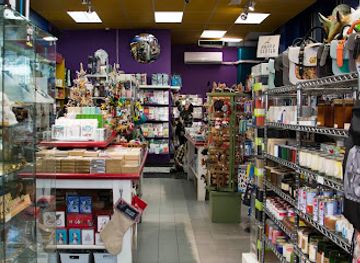
Gift shop
Outer Layer
Explore Outer Layer, Toronto's charming gift shop filled with unique finds and heartfelt greeting cards that capture the city's creative spirit.
-
Vintage clothing store
4th Quarter Vintage
Explore the charm of yesteryear at 4th Quarter Vintage, Saskatoon's premier destination for vintage clothing, records, and unique finds.
-
Store
The Local Store - PEC
Explore The Local Store - PEC for unique artisan goods and local flavors in the heart of Prince Edward County, Ontario.
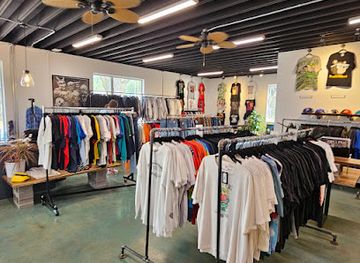
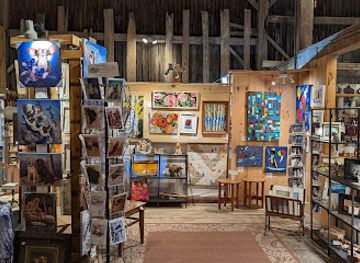
Get your free copy of our complete guide to Western Canada, delivered straight to you.
Everything on this page, from attractions and restaurants to essentials and local phrases, in one PDF you can read offline, print or share.
Already have an account? Sign in
Your Western Canada guide is ready.
We'll send it to · Not you? Sign out

Getting your guide ready…
We are putting together a fresh copy of the Western Canada guide. This can take up to a minute.
This can take a few moments. If your browser asks, choose Allow so the download can start. You'll find the guide in your Downloads folder.
Nothing happened? Download it again
Sorry, the guide is taking longer than usual. Please try again in a minute, or get it by email instead.
Western Canada essentials
Currency and Payment
Safety
Emergency Situations
Do's and Don'ts
Local Tips
From Eve
Local phrases worth knowing
You don't need to get them perfect. A few words go a long way, and locals appreciate the effort.
Basics
| English | Local | Say it |
|---|---|---|
| Hello | Hey there | [Hey th-air] |
| Goodbye | See ya | [See yah] |
| Yes | Yup | [Yup] |
| No | Nope | [Nope] |
| Please/You're welcome | No problem | [No prah-blem] |
| Thank you | Thanks a lot | [Thanks a lot] |
| Excuse me/Sorry | Sorry | [Sorry] |
| How are you? | How's it going? | [How's it goin'?] |
| Fine. And you? | Good. You? | [Good. You?] |
| Do you speak English? | Do ya speak English? | [Do yah speak English?] |
| I don't understand | I don't get it | [I don't get it] |
Eating & Drinking
| English | Local | Say it |
|---|---|---|
| I'd like to see the menu, please | Can I see the menu? | [Can I see the menu?] |
| I don't eat meat | I'm not a meat eater | [I'm not a meat eater] |
| Cheers! | Cheers! | [Cheers!] |
| I would like to pay, please | Can I get the bill, please? | [Can I get the bill, please?] |
Emergencies
| English | Local | Say it |
|---|---|---|
| Help! | Help! | [Help!] |
| Go away! | Leave me alone! | [Leave me alone!] |
| Call the Police! | Call the cops! | [Call the cops!] |
| Call a doctor! | Get a doctor! | [Get a doctor!] |
| I'm lost | I’m lost | [I’m lost] |
| I'm ill | I’m not feeling well | [I’m not feeling well] |
Shopping
| English | Local | Say it |
|---|---|---|
| I'd like to buy... | I want to buy... | [I want to buy...] |
| I'm just looking | Just browsing, thanks | [Just browsing, thanks] |
| How much is it? | What's the price? | [What's the price?] |
| That's too expensive | That's a bit pricey | [That's a bit pricey] |
| Can you lower the price? | Can you make it cheaper? | [Can you make it cheaper?] |
Time & Numbers
| English | Local | Say it |
|---|---|---|
| What time is it? | What time is it? | [What time is it?] |
| It's one o'clock | It's 1 o'clock | [It's 1 o'clock] |
| Half past (10) | Half past ten | [Half past ten] |
| Morning | Morning | [Morning] |
| Afternoon | Afternoon | [Afternoon] |
| Evening | Evening | [Evening] |
| Yesterday | Yesterday | [Yesterday] |
| Today | Today | [Today] |
| Tomorrow | Tomorrow | [Tomorrow] |
| 1 | One | [One] |
| 2 | Two | [Two] |
| 3 | Three | [Three] |
| 4 | Four | [Four] |
| 5 | Five | [Five] |
| 6 | Six | [Six] |
| 7 | Seven | [Seven] |
| 8 | Eight | [Eight] |
| 9 | Nine | [Nine] |
| 10 | Ten | [Ten] |
Transport & Directions
| English | Local | Say it |
|---|---|---|
| Where's a/the...? | Where's the nearest...? | [Where's the nearest...?] |
| What's the address? | What's the address? | [What's the address?] |
| Can you show me (on the map)? | Can you point it out? | [Can you point it out?] |
| When's the next (bus)? | When's the next bus? | [When's the next bus?] |
| A ticket (to ....) | A ticket to... | [A ticket to...] |
History of Western Canada
Indigenous Nations and Ancient Landscapes
Western Canada has been home to Indigenous peoples since long before the arrival of European states. First Nations, Métis and Inuit communities have maintained distinct languages, laws, economies and cultural relationships with the land, although Inuit Nunangat lies chiefly in Canada's northern and eastern Arctic rather than the four provinces conventionally called Western Canada. Archaeological evidence, oral histories, trade routes, cultural landscapes and living communities continue to shape the region. Visitors should understand that Indigenous history is not confined to museums or the past; it remains central to contemporary identity, interpretation and land stewardship.
Fur Trade and Inland Networks
From the late eighteenth century, European and Canadian fur-trading companies established posts and routes through the western interior, building on Indigenous trading systems rather than replacing them outright. The North West Company and Hudson's Bay Company competed for furs, labour and commercial influence along rivers and portage routes. Fort Edmonton, Lower Fort Garry near Winnipeg and other surviving or reconstructed sites illustrate this period, while the Métis emerged through complex relationships among Indigenous peoples, European traders and families connected to the trade. The era accelerated European mapping and settlement but also brought disease, political disruption and colonial expansion.
Colonial Expansion and Confederation
British Columbia joined Canada in 1871 after negotiations shaped by colonial ambitions, economic concerns and the promise of infrastructure, while Manitoba entered Confederation in 1870. Alberta and Saskatchewan were created as provinces in 1905 from territories administered by Canada. These changes formalised federal authority across the West and were accompanied by treaties, reserve creation and policies that profoundly restricted Indigenous autonomy. The Red River Resistance, associated with Métis leader Louis Riel, revealed the tensions surrounding land, language, religion and political representation during Canada's westward consolidation.
Railways, Settlement and Prairie Agriculture
The completion and expansion of the Canadian Pacific Railway helped connect eastern Canada with British Columbia and supported the settlement policies that transformed the Prairies in the late nineteenth and early twentieth centuries. Railway towns, grain elevators, immigrant farming communities and new cities grew across Manitoba, Saskatchewan and Alberta. Wheat became central to the regional economy, while ranching developed strongly in southern Alberta and British Columbia's interior. This transformation displaced Indigenous peoples from traditional lands and brought waves of immigration whose languages, faiths, foodways and institutions remain visible in western communities.
Resource Industries and Urban Growth
Mining, forestry, hydroelectricity, fishing and agriculture shaped Western Canada's economy, while oil and natural gas became especially important in Alberta and northeastern British Columbia during the twentieth century. Resource development produced boom towns, company communities, transport corridors and periods of severe economic fluctuation. Vancouver, Calgary, Edmonton, Winnipeg, Regina and Saskatoon expanded as administrative, commercial and cultural centres. The region's modern identity therefore combines major metropolitan growth with rural and resource-based communities, and debates over land use, energy, conservation and Indigenous rights remain prominent.
National Parks and the Modern Visitor Economy
The creation and expansion of national and provincial parks turned mountain, prairie, forest and coastal landscapes into major destinations for recreation and conservation. Banff, established in 1885, was Canada's first national park, followed by protected areas such as Jasper, Waterton Lakes, Riding Mountain and Grasslands. Tourism brought roads, rail access, hotels and outdoor industries, but park histories also include the displacement or restriction of Indigenous peoples and the shaping of landscapes for visitors. Today conservation, climate change, wildlife management and Indigenous participation are integral to the region's travel story.
Western Canada in Photos
Browse through our photo collection highlighting the charm and character of the destination.
Neighbouring regions of Western Canada
The closest regions to Western Canada, if you have time for more than one.
-

-

-

-

-


Swipe for more regions
Explore more
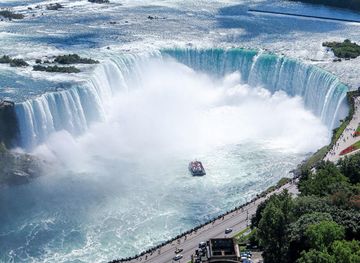
Explore more of Canada
Discover Canada's breathtaking landscapes, diverse cities, and rich cultural heritage. A must-visit destination for outdoor adventures and vibrant urban experiences.
Explore Canada