

Free Calgary Region Travel Guide & Mobile App
Explore Calgary Region with free travel guides. Discover regional history, expert tips, proposed trips, and audio guides on web or mobile app.


Explore Calgary Region for riverside parks, western heritage, Indigenous culture, lively arts, prairie cuisine and easy access to Alberta's foothills.
Read more about Calgary Region
When is the best time to visit Calgary Region?
Best: June–August · 22–24°C| Month | High (°C) | Rainfall (mm) |
|---|---|---|
| January | -2 | 14 |
| February | 0 | 12 |
| March | 7 | 18 |
| April | 12 | 24 |
| May | 19 | 39 |
| June (best) | 22 | 59 |
| July (best) | 24 | 54 |
| August (best) | 23 | 48 |
| September | 18 | 34 |
| October | 11 | 25 |
| November | 4 | 17 |
| December | -2 | 14 |
Getting to and around Calgary Region
How to get there
Transportation
Best landmarks in Calgary Region
The Calgary Region's most recognisable landmarks combine civic architecture, western history, sport and river geography. The Calgary Tower remains a prominent downtown orientation point, rising above the central business district and recalling the city's post-war growth. Fort Calgary marks the confluence of the Bow and Elbow rivers and the 1875 establishment of the North-West Mounted Police post that preceded the modern city. The Peace Bridge, with its distinctive red, helical form, spans the Bow River and has become a notable symbol of contemporary Calgary. The Saddledome, formerly associated with the city's major sports and entertainment events, is one of the most familiar structures on the Stampede grounds, while the nearby Calgary Stampede grounds represent the continuing importance of rodeo and agricultural exhibition culture. WinSport's Olympic facilities preserve the physical legacy of the 1988 Winter Olympics. Outside the built-up centre, the Bow and Elbow river corridors, Nose Hill and the broad valley landscapes of Fish Creek Provincial Park function as geographical landmarks, showing how closely Calgary's urban identity remains tied to prairie, water and open space.
-
Historical landmark
Fort Livingstone National Historic Site
Discover the historic site of Fort Livingstone, the first NWMP headquarters and capital of the Northwest Territories.

Explore Calgary Region on the map
Plan your trip on one map. See where the top cities, national parks and sights are, and book hotels and experiences in a few clicks.
Best hotels in Calgary Region
Best restaurants in Calgary Region
Calgary's dining scene reflects Alberta's prairie and ranching economy while drawing on the city's highly diverse population. Beef is prominent, but menus also make use of bison, game, grains, seasonal vegetables and locally produced dairy, alongside international cuisines from East and South Asia, the Middle East, Europe, Africa and Latin America. Neighbourhoods such as Inglewood, Kensington, the Beltline, East Village and the areas around 17th Avenue offer concentrations of cafés, bakeries, casual restaurants and more formal dining, while rural communities around Calgary are known for pubs, cafés and farm-linked food businesses. Farmers' markets provide opportunities to find Alberta produce, preserves, baking and artisan goods when operating seasonally. Craft breweries and distilleries are part of the contemporary food-and-drink landscape, and western-style breakfasts, burgers and grilled meats remain familiar choices. Tipping is customary for table service, and sales tax is generally added to displayed prices.
-
Sports bar
The Canadian Brewhouse (Saskatoon West)
Discover the ultimate sports bar experience at The Canadian Brewhouse in Saskatoon West with great food, drinks, and live game action.

Best bars in Calgary Region
Evening life in the Calgary Region is concentrated mainly in the city, especially downtown, the Beltline, 17th Avenue, Kensington, Inglewood and parts of East Village. Traditional pubs, sports bars, breweries, cocktail rooms, wine bars and restaurants provide more of the region's nightlife than large-scale clubbing, although Calgary has venues for dancing and late-night entertainment. Studio Bell and the city's theatres, comedy spaces and concert venues contribute to a broader cultural evening scene, with programming varying throughout the year. Neighbouring communities such as Cochrane and Okotoks generally offer pubs, restaurants, breweries and occasional live music rather than a dense nightlife district. The Calgary Stampede period brings additional concerts and late-night activity, but venues and arrangements change, so current listings should be checked. Drink-driving laws are strictly enforced, and visitors should plan a taxi, rideshare or public-transport journey when drinking.
-
Pub
King's Head Pub
Discover the lively atmosphere and delicious cuisine at Winnipeg's King's Head Pub, a must-visit spot for every traveler.
-
Mexican
Las Palapas Resort Grill
Experience the best of Mexican and Caribbean cuisine at Las Palapas Resort Grill, a vibrant dining destination in Saskatoon.
-
Sports bar
The Canadian Brewhouse (Winnipeg)
Experience the best of Winnipeg's nightlife at The Canadian Brewhouse, where great food meets a vibrant sports atmosphere.
-
Bar
The Laff
Discover the vibrant nightlife at The Laff, a premier bar and live music venue in Ottawa's Byward Market offering unforgettable experiences.


Best nightclubs in Calgary Region
Evening life in the Calgary Region is concentrated mainly in the city, especially downtown, the Beltline, 17th Avenue, Kensington, Inglewood and parts of East Village. Traditional pubs, sports bars, breweries, cocktail rooms, wine bars and restaurants provide more of the region's nightlife than large-scale clubbing, although Calgary has venues for dancing and late-night entertainment. Studio Bell and the city's theatres, comedy spaces and concert venues contribute to a broader cultural evening scene, with programming varying throughout the year. Neighbouring communities such as Cochrane and Okotoks generally offer pubs, restaurants, breweries and occasional live music rather than a dense nightlife district. The Calgary Stampede period brings additional concerts and late-night activity, but venues and arrangements change, so current listings should be checked. Drink-driving laws are strictly enforced, and visitors should plan a taxi, rideshare or public-transport journey when drinking.
-
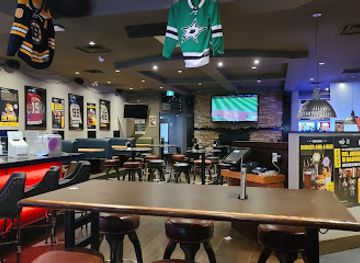
Sports bar
Shark Club Sports Bar & Grill
Dive into a vibrant sports bar experience at Shark Club in Saskatoon, where delicious food meets thrilling live sports action.
Best shops in Calgary Region
Shopping in the Calgary Region ranges from large urban retail districts to independent neighbourhood streets and seasonal food markets. Downtown, the Core and the surrounding central districts provide department-store, fashion, dining and service retail, while 17th Avenue, Kensington and Inglewood are better suited to independent boutiques, vintage items, galleries, books, design goods and local food businesses. Calgary's western identity is reflected in outlets selling boots, hats, leather goods and ranch-inspired clothing, although visitors should distinguish durable local products from mass-produced souvenirs. Farmers' markets and artisan markets offer Alberta produce, baking, preserves, honey, crafts and small-batch goods, with dates and locations varying through the year. Neighbouring communities such as Cochrane and Okotoks have smaller high streets with cafés, antiques, gifts and locally oriented shops rather than the scale of Calgary's commercial centres. Indigenous-made art should be purchased from reputable artists, galleries or recognised retailers that provide clear information about provenance and cultural attribution.
-
Shopping mall
Midtown
Discover Midtown in Saskatoon: A vibrant shopping mall offering diverse stores, delicious dining, and a lively community atmosphere.
-
Outdoor clothing and equipment shop
Cabela's Saskatoon
Discover Cabela's Saskatoon, your ultimate destination for outdoor clothing and equipment, catering to all adventure seekers visiting Saskatchewan.
-
Second hand store
Value Village
Discover the charm of thrifting at Value Village, Regina's premier second-hand store, offering unique finds and sustainable shopping options.
-
Outdoor clothing and equipment shop
Cabela's Regina
Explore Cabela's Regina, the ultimate outdoor equipment store offering everything for camping, fishing, and hunting enthusiasts in Saskatchewan.


Get your free copy of our complete guide to Calgary Region, delivered straight to you.
Everything on this page, from attractions and restaurants to essentials and local phrases, in one PDF you can read offline, print or share.
Already have an account? Sign in
Your Calgary Region guide is ready.
We'll send it to · Not you? Sign out

Getting your guide ready…
We are putting together a fresh copy of the Calgary Region guide. This can take up to a minute.
This can take a few moments. If your browser asks, choose Allow so the download can start. You'll find the guide in your Downloads folder.
Nothing happened? Download it again
Sorry, the guide is taking longer than usual. Please try again in a minute, or get it by email instead.
Calgary Region essentials
Currency and Payment
Safety
Emergency Situations
Do's and Don'ts
Local Tips
From Eve
Local phrases worth knowing
You don't need to get them perfect. A few words go a long way, and locals appreciate the effort.
Basics
| English | Local | Say it |
|---|---|---|
| Hello | Hello | [həˈloʊ] |
| Goodbye | Goodbye | [ɡʊdˈbaɪ] |
| Yes | Yes | [jɛs] |
| No | No | [noʊ] |
| Please/You're welcome | Please/You're welcome | [pliz/ jʊr ˈwɛlkəm] |
| Thank you | Thank you | [θæŋk ju] |
| Excuse me/Sorry | Excuse me/Sorry | [ɪkˈskjus mi/ ˈsɔri] |
| How are you? | How are you? | [haʊ ɑr ju] |
| Fine. And you? | Fine. And you? | [faɪn. ənd ju] |
| Do you speak English? | Do you speak English? | [du ju spiːk ˈɪŋɡlɪʃ] |
| I don't understand | I don't understand | [aɪ doʊnt ˌʌndərˈstænd] |
Eating & Drinking
| English | Local | Say it |
|---|---|---|
| I'd like to see the menu, please | I'd like to see the menu, please | [aɪd laɪk tə si ðə ˈmɛnju, pliz] |
| I don't eat meat | I don't eat meat | [aɪ doʊnt iːt miːt] |
| Cheers! | Cheers! | [tʃɪrz] |
| I would like to pay, please | I would like to pay, please | [aɪ wʊd laɪk tə peɪ, pliz] |
Emergencies
| English | Local | Say it |
|---|---|---|
| Help! | Help! | [hɛlp] |
| Go away! | Go away! | [ɡoʊ əˈweɪ] |
| Call the Police! | Call the Police! | [kɔl ðə pəˈlis] |
| Call a doctor! | Call a doctor! | [kɔl ə ˈdɑktər] |
| I'm lost | I'm lost | [aɪm lɔst] |
| I'm ill | I'm ill | [aɪm ɪl] |
Shopping
| English | Local | Say it |
|---|---|---|
| I'd like to buy... | I'd like to buy... | [aɪd laɪk tə baɪ...] |
| I'm just looking | I'm just looking | [aɪm dʒʌst ˈlʊkɪŋ] |
| How much is it? | How much is it? | [haʊ mʌtʃ ɪz ɪt] |
| That's too expensive | That's too expensive | [ðæts tuː ɪkˈspɛnsɪv] |
| Can you lower the price? | Can you lower the price? | [kæn ju ˈloʊər ðə praɪs] |
Time & Numbers
| English | Local | Say it |
|---|---|---|
| What time is it? | What time is it? | [wʌt taɪm ɪz ɪt] |
| It's one o'clock | It's one o'clock | [ɪts wʌn əˈklɒk] |
| Half past (10) | Half past (10) | [hæf pæst (10)] |
| Morning | Morning | [ˈmɔrnɪŋ] |
| Afternoon | Afternoon | [ˌæftərˈnun] |
| Evening | Evening | [ˈivnɪŋ] |
| Yesterday | Yesterday | [ˈjɛstərdeɪ] |
| Today | Today | [təˈdeɪ] |
| Tomorrow | Tomorrow | [təˈmɔroʊ] |
| 1 | 1 | [wʌn] |
| 2 | 2 | [tu] |
| 3 | 3 | [θri] |
| 4 | 4 | [fɔr] |
| 5 | 5 | [faɪv] |
| 6 | 6 | [sɪks] |
| 7 | 7 | [sɛvən] |
| 8 | 8 | [eɪt] |
| 9 | 9 | [naɪn] |
| 10 | 10 | [tɛn] |
Transport & Directions
| English | Local | Say it |
|---|---|---|
| Where's a/the...? | Where's a/the...? | [wɛrz ə/ðə...?] |
| What's the address? | What's the address? | [wʌts ði ˈædrɛs?] |
| Can you show me (on the map)? | Can you show me (on the map)? | [kæn ju ʃoʊ mi (ɑn ðə mæp)?] |
| When's the next (bus)? | When's the next (bus)? | [wɛnʤ ðə nɛkst (bʌs)?] |
| A ticket (to ....) | A ticket (to ....) | [ə ˈtɪkɪt (tə ....)] |
History of Calgary Region
Indigenous Homelands and Treaty 7
The Calgary Region lies within the traditional territories and ongoing cultural landscapes of the Siksika, Kainai, Piikani, Tsuut'ina and Stoney Nakoda Nations, collectively represented in Treaty 7, signed in 1877. Indigenous use of the Bow and Elbow river valleys long predates the city, encompassing travel routes, hunting grounds, trade networks and places of cultural significance. Métis histories are also part of the region's past and present. Visitors should understand that Calgary's later colonial development did not replace these relationships; Indigenous communities continue to shape the region's cultural, political and artistic life.
Fort Calgary and the Mounted Police, 1875
In 1875, the North-West Mounted Police established a post at the confluence of the Bow and Elbow rivers to assert Canadian authority and regulate the region's fur trade and frontier relations. The settlement that grew around the post took the name Calgary, borrowed from Calgary Bay on Scotland's Isle of Mull. The fort was later dismantled, but the site remains an important place for interpreting the complex relationships among Indigenous nations, colonial government, immigration and the development of southern Alberta.
Railway Arrival and Urban Incorporation
The Canadian Pacific Railway reached Calgary in the 1880s, connecting the settlement with eastern Canada and helping establish it as a service and distribution centre for ranching and agriculture. Calgary became a town in 1884 and a city in 1894. Railway access encouraged immigration, land settlement, commercial construction and the creation of a durable downtown grid. Although the tracks and early buildings have been altered by later growth, the city's street plan, railway heritage and surviving historic districts still reflect this foundational period.
Ranching, Agriculture and the Calgary Stampede
Cattle ranching and grain farming shaped the economy and public identity of the region as settlement expanded across the plains and foothills. Calgary's annual exhibition and rodeo developed into the Calgary Stampede, first held in 1912 and later becoming a major international western event. Its traditions draw on ranching, Indigenous and frontier narratives, although those histories are complex and have been interpreted differently over time. The Stampede remains a significant cultural and economic occasion, while agricultural communities around Calgary continue to supply food and maintain rural connections.
Petroleum and Economic Transformation
Petroleum changed southern Alberta's economy during the twentieth century. The Turner Valley oilfield, south-west of Calgary and outside the city, became an important early producing area, while later discoveries across Alberta helped Calgary develop into a national centre for energy companies, finance and professional services. The city's skyline and population growth were strongly influenced by this sector, particularly during post-war expansion and later oil booms. Today, energy remains part of the regional economy, alongside technology, logistics, tourism, manufacturing, education and cultural industries.
The 1988 Winter Olympics
Calgary hosted the 1988 Winter Olympics, an event that brought global attention, new infrastructure and a lasting sporting legacy to the region. Venues included the Olympic Oval at the University of Calgary and the ski-jump and sliding facilities at Canada Olympic Park, now operated as WinSport. The Games reinforced Calgary's reputation as a winter-sports centre and accelerated urban investment. Some Olympic facilities continue to serve athletes, students and visitors, linking the region's contemporary identity with a defining moment in its modern history.
Contemporary Calgary and Regional Growth
Since the late twentieth century, Calgary has expanded rapidly across the prairie edge, while neighbouring municipalities such as Airdrie, Cochrane, Okotoks and Chestermere have grown as separate communities within the wider metropolitan area. Immigration has broadened the region's languages, restaurants, festivals and cultural institutions. At the same time, debates about energy, housing, transport, water, climate resilience and Indigenous recognition have become central to public life. Calgary today is therefore not simply a frontier or oil city, but a diverse and evolving urban region connected to both prairie and foothill landscapes.
Calgary Region in Photos
Browse through our photo collection highlighting the charm and character of the destination.
Neighbouring regions of Calgary Region
The closest regions to Calgary Region, if you have time for more than one.
-

-

-

-

-


Swipe for more regions
Explore more
Explore more of Canada
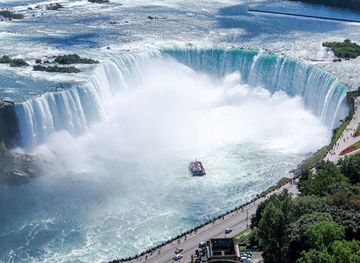
Discover Canada's breathtaking landscapes, diverse cities, and rich cultural heritage. A must-visit destination for outdoor adventures and vibrant urban experiences.
Explore Canada