

Free Lakeland County Travel Guide & Mobile App
Explore Lakeland County with free travel guides. Discover regional history, expert tips, proposed trips, and audio guides on web or mobile app.


Explore Lakeland County in Alberta for clear lakes, boreal forests, Indigenous and Métis heritage, paddling, camping and northern outdoor life.
Read more about Lakeland County
When is the best time to visit Lakeland County?
Best: June–August · 23–26°C| Month | High (°C) | Rainfall (mm) |
|---|---|---|
| January | -5 | 35 |
| February | -3 | 29 |
| March | 3 | 32 |
| April | 11 | 36 |
| May | 19 | 44 |
| June (best) | 23 | 58 |
| July (best) | 26 | 64 |
| August (best) | 26 | 55 |
| September | 19 | 48 |
| October | 11 | 42 |
| November | 3 | 37 |
| December | -3 | 32 |
Getting to and around Lakeland County
How to get there
Transportation
Explore Lakeland County on the map
Plan your trip on one map. See where the top cities, national parks and sights are, and book hotels and experiences in a few clicks.
Best hotels in Lakeland County
Best restaurants in Lakeland County
Dining in Lakeland County is centred on Lac La Biche and the smaller communities, with restaurants, cafés, takeaways and straightforward family establishments serving the needs of local residents and travellers. The regional food character reflects northern Alberta rather than a sharply separate cuisine: freshwater fish, wild game, hearty soups, preserves, home baking and grilled meats are natural complements to the area’s forests and lakes, although availability varies by season and business. Visitors may also encounter French-Canadian and Métis culinary influences alongside the broader Canadian menu of burgers, sandwiches and comfort food. Local shops and markets can be useful places to look for baked goods, seasonal produce and preserves, while self-catering is sensible for camping or longer stays in the parks. Accommodation kitchens and picnic facilities make it practical to carry provisions, particularly when exploring beyond Lac La Biche. Tipping in restaurants follows normal Canadian practice, and advance checking is sensible for smaller rural businesses whose hours and menus can change.
-
Fine Dining
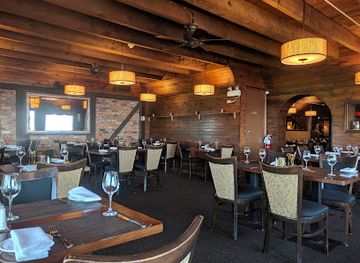
Lake House Restaurant
Experience fine dining like never before at Lake House Restaurant - where exquisite cuisine meets breathtaking views in Vineland Station.
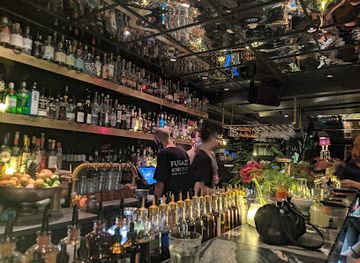
Best bars in Lakeland County
Evenings in Lakeland County are generally quiet and community-oriented rather than built around a major nightclub scene. Lac La Biche has the widest choice of pubs, casual bars, restaurants and occasional live entertainment, while smaller communities tend to offer fewer venues and earlier closing patterns. Traditional hotel bars and relaxed local establishments are more characteristic than large dance clubs, and outdoor recreation, community events and conversations over a meal often shape the evening. Visitors staying in provincial parks should expect dark skies and limited late-night services rather than organised nightlife. Alcohol can be purchased and consumed only in accordance with Alberta law, and responsible planning is important when distances between communities are considerable. Seasonal festivals or local performances may add activity at particular times, but arrangements change, so current information should be checked locally rather than assumed.
-
Restaurant
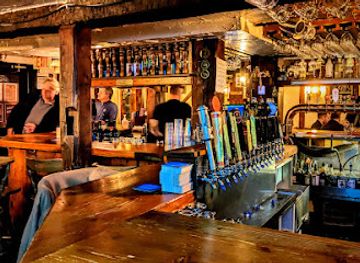
The Olde Angel Inn
Experience the historic charm and delightful flavors at The Olde Angel Inn in Niagara-on-the-Lake, where every meal tells a story.
-
Cocktail bar
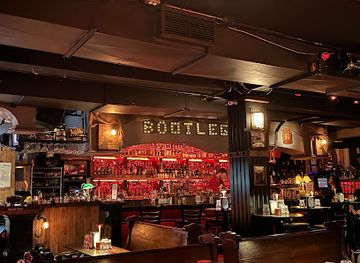
Bootlegger cocktail bar & cuisine
Experience the essence of Montreal nightlife at Bootlegger Cocktail Bar & Cuisine, where exquisite cocktails meet live jazz in a cozy atmosphere.
-
Winery
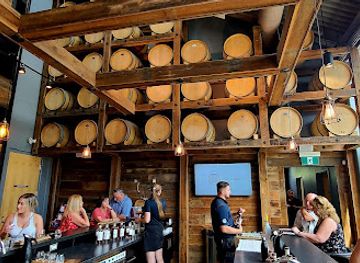
Wayne Gretzky Estates
Discover the essence of Niagara-on-the-Lake at Wayne Gretzky Estates, blending exquisite wines, culinary delights, and breathtaking views.
-
Bar
Atwater Cocktail Club
Experience the vibrant cocktail culture of Montreal at Atwater Cocktail Club, where each drink tells a story.
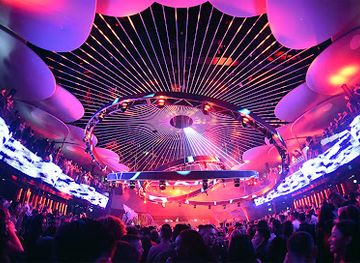
Best nightclubs in Lakeland County
Evenings in Lakeland County are generally quiet and community-oriented rather than built around a major nightclub scene. Lac La Biche has the widest choice of pubs, casual bars, restaurants and occasional live entertainment, while smaller communities tend to offer fewer venues and earlier closing patterns. Traditional hotel bars and relaxed local establishments are more characteristic than large dance clubs, and outdoor recreation, community events and conversations over a meal often shape the evening. Visitors staying in provincial parks should expect dark skies and limited late-night services rather than organised nightlife. Alcohol can be purchased and consumed only in accordance with Alberta law, and responsible planning is important when distances between communities are considerable. Seasonal festivals or local performances may add activity at particular times, but arrangements change, so current information should be checked locally rather than assumed.
-
Night club
Rebel
Discover the electrifying nightlife of Rebel, Toronto's premier night club, where unforgettable moments and vibrant energy await every visitor.
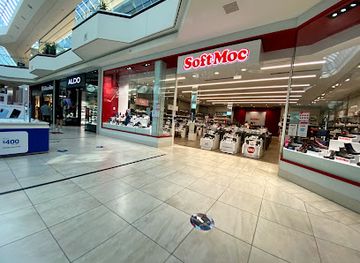
Best shops in Lakeland County
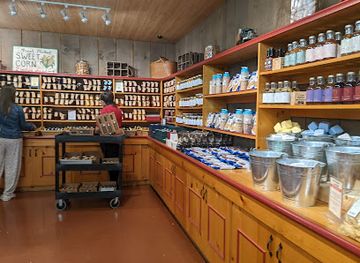
Shopping in Lakeland County is practical and locally focused, with the broadest selection in Lac La Biche and smaller ranges of services in Plamondon and rural communities. Visitors will find everyday supplies, outdoor equipment, groceries, cafés and locally oriented independent businesses rather than a large urban retail district. For distinctive purchases, look for regional food products such as preserves, baking and other shelf-stable provisions, as well as locally made crafts or Indigenous and Métis cultural items sold through established community or cultural channels. Farmers’ markets and seasonal community events can offer produce, baking and handmade goods, but their dates and participating vendors vary. Outdoor recreation shops are useful for fishing, camping and paddling supplies, while grocery stores are important stops before travelling into the provincial parks. Souvenirs are more likely to reflect the lake country, boreal landscape and local heritage than luxury retail, so visitors should allow time to browse community businesses rather than expect a concentrated shopping centre.
-
Shopping mall
CF Markville
Explore the ultimate shopping experience at CF Markville, where big brands and delightful dining await in Markham, Ontario.
-
Restaurant
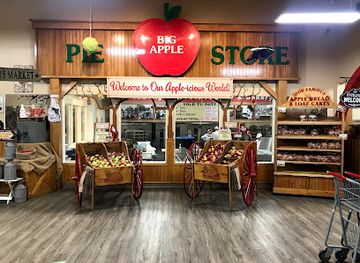
The Big Apple
Discover The Big Apple in Colborne, Ontario – a delightful restaurant and attraction featuring fresh pies, fun activities, and unique shopping experiences.
-
Market
Walker's Country Market
Discover fresh produce, delightful baked goods, and unique local crafts at Walker's Country Market in beautiful Niagara-on-the-Lake.
-
Gift shop
Blue Banana Market
Explore Blue Banana Market in Old Toronto for unique gifts and souvenirs that capture the essence of the city.

Get your free copy of our complete guide to Lakeland County, delivered straight to you.
Everything on this page, from attractions and restaurants to essentials and local phrases, in one PDF you can read offline, print or share.
Already have an account? Sign in
Your Lakeland County guide is ready.
We'll send it to · Not you? Sign out

Getting your guide ready…
We are putting together a fresh copy of the Lakeland County guide. This can take up to a minute.
This can take a few moments. If your browser asks, choose Allow so the download can start. You'll find the guide in your Downloads folder.
Nothing happened? Download it again
Sorry, the guide is taking longer than usual. Please try again in a minute, or get it by email instead.
Lakeland County essentials
Currency and Payment
Safety
Emergency Situations
Do's and Don'ts
Local Tips
From Eve
Local phrases worth knowing
You don't need to get them perfect. A few words go a long way, and locals appreciate the effort.
Basics
| English | Local | Say it |
|---|---|---|
| Hello | Hey there | [Hey ther] |
| Goodbye | See ya later | [See ya lay-ter] |
| Yes | Yep | [Yep] |
| No | Nah | [Nah] |
| Please/You're welcome | No problem | [No prob-lem] |
| Thank you | Thanks a lot | [Thanks a lot] |
| Excuse me/Sorry | Pardon me | [Par-don me] |
| How are you? | How's it going? | [How's it goe-ing?] |
| Fine. And you? | Good. And you? | [Good. And you?] |
| Do you speak English? | Do ya speak English? | [Do ya speak English?] |
| I don't understand | I don't get it | [I don't get it] |
Eating & Drinking
| English | Local | Say it |
|---|---|---|
| I'd like to see the menu, please | Can I see the menu, please? | [Can I see the men-oo, please?] |
| I don't eat meat | I'm a vegetarian | [I'm a vege-tar-ian] |
| Cheers! | Cheers! | [Cheers!] |
| I would like to pay, please | Can I get the bill, please? | [Can I get the bill, please?] |
Emergencies
| English | Local | Say it |
|---|---|---|
| Help! | Help! | [Help!] |
| Go away! | Leave me alone! | [Leave me a-lone!] |
| Call the Police! | Call 911! | [Call nine-one-one!] |
| Call a doctor! | Get a doctor! | [Get a doc-tor!] |
| I'm lost | I'm turned around | [I'm turned a-round] |
| I'm ill | I'm not feeling well | [I'm not feel-ing well] |
Shopping
| English | Local | Say it |
|---|---|---|
| I'd like to buy... | I wanna buy... | [I wanna buy...] |
| I'm just looking | Just browsing | [Just brows-ing] |
| How much is it? | What's the price? | [What's the price?] |
| That's too expensive | That's way too pricey | [That's way too pry-see] |
| Can you lower the price? | Can you knock down the price? | [Can you knock down the price?] |
Time & Numbers
| English | Local | Say it |
|---|---|---|
| What time is it? | What time ya got? | [What time ya got?] |
| It's one o'clock | It's one o'clock | [It's one o'clock] |
| Half past (10) | Half past ten | [Half past ten] |
| Morning | Morning | [Morn-ing] |
| Afternoon | Afternoon | [Af-ter-noon] |
| Evening | Evening | [Eve-ning] |
| Yesterday | Yesterday | [Yes-ter-day] |
| Today | Today | [To-day] |
| Tomorrow | Tomorrow | [To-mor-row] |
| 1 | One | [One] |
| 2 | Two | [Two] |
| 3 | Three | [Three] |
| 4 | Four | [Four] |
| 5 | Five | [Five] |
| 6 | Six | [Six] |
| 7 | Seven | [Seven] |
| 8 | Eight | [Eight] |
| 9 | Nine | [Nine] |
| 10 | Ten | [Ten] |
Transport & Directions
| English | Local | Say it |
|---|---|---|
| Where's a/the...? | Where's the...? | [Where's the...?] |
| What's the address? | What's the address? | [What's the ad-dress?] |
| Can you show me (on the map)? | Can ya show me on the map? | [Can ya show me on the map?] |
| When's the next (bus)? | When's the next bus? | [When's the next bus?] |
| A ticket (to ....) | A ticket to ... | [A tick-et to ...] |
History of Lakeland County
Indigenous homelands and lake networks
The Lac La Biche area lies within the long-established homelands of Cree, Dene and Métis peoples. The connected lakes, rivers and forest provided routes for travel, fishing, hunting, trapping and seasonal gathering, while knowledge of the terrain shaped movement through the boreal environment. Indigenous presence predates written records by many thousands of years, and contemporary communities remain central to the region’s identity. The landscape should therefore be understood not as an empty wilderness later opened by outsiders, but as a lived and travelled cultural environment.
The fur trade and the name Lac La Biche
Lac La Biche became an important inland meeting point during the expansion of the fur trade in the late eighteenth and nineteenth centuries. The French name, meaning ‘lake of the doe’, reflects the terminology used by explorers and traders, while Indigenous and Métis knowledge made movement and survival in the region possible. Canoe routes linked the lake country with the wider Athabasca and North Saskatchewan systems. Trading, transport and seasonal work encouraged the growth of a mixed population whose cultural influence remains visible in local history.
Lac La Biche Mission and Catholic settlement
Roman Catholic missionaries established a mission at Lac La Biche in the nineteenth century, creating one of the earliest permanent Catholic mission settings in what became Alberta. The mission operated within a complex world of Indigenous communities, Métis families, missionaries and commercial travellers. Its buildings and surviving landscape illustrate the practical realities of religious and agricultural settlement in the northern interior. Today, Lac La Biche Mission National Historic Site preserves this chapter while also prompting visitors to consider the wider effects of mission activity and colonial change.
Métis communities and agricultural change
Métis families played a significant role in the region’s transport, harvesting, farming and trading economy. As colonial administration expanded in the late nineteenth and early twentieth centuries, land use changed through surveys, settlement and the development of agricultural communities. French-speaking and other immigrant settlers added further cultural layers, particularly around places such as Plamondon. Farming has never erased the importance of the lakes and forest: fishing, trapping, forestry and seasonal work continued alongside agriculture, creating the mixed rural economy associated with the area.
Roads, resource development and modern government
Twentieth-century roads, improved communications and expanding public services connected the lake district more closely with Edmonton and northern Alberta. Forestry, oil and gas, construction, public administration and service industries became important alongside agriculture and tourism. Political boundaries also changed as local municipalities were reorganised. The former Lakeland County and the former Town of Lac La Biche were amalgamated in 2007 to form Lac La Biche County, the current municipal framework for much of the destination described by the older name.
Parks and the conservation of lake country
As roads and recreation developed, parts of the boreal lake landscape were protected for public enjoyment and ecological conservation. Lakeland Provincial Park became known for its interconnected waterways and canoe routes, while Sir Winston Churchill Provincial Park protects an island setting in Lac La Biche. These parks represent a modern shift from treating northern land chiefly as a source of resources towards recognising its recreational, cultural and ecological value. They also preserve habitats important to waterfowl, fish and forest wildlife.
Lakeland County in Photos
Browse through our photo collection highlighting the charm and character of the destination.
Neighbouring regions of Lakeland County
The closest regions to Lakeland County, if you have time for more than one.
-

-

-

-

-


Swipe for more regions
Explore more
Explore more of Canada
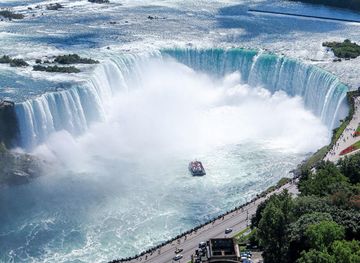
Discover Canada's breathtaking landscapes, diverse cities, and rich cultural heritage. A must-visit destination for outdoor adventures and vibrant urban experiences.
Explore Canada