

Free James Bay Travel Guide & Mobile App
Explore James Bay with free travel guides. Discover regional history, expert tips, proposed trips, and audio guides on web or mobile app.


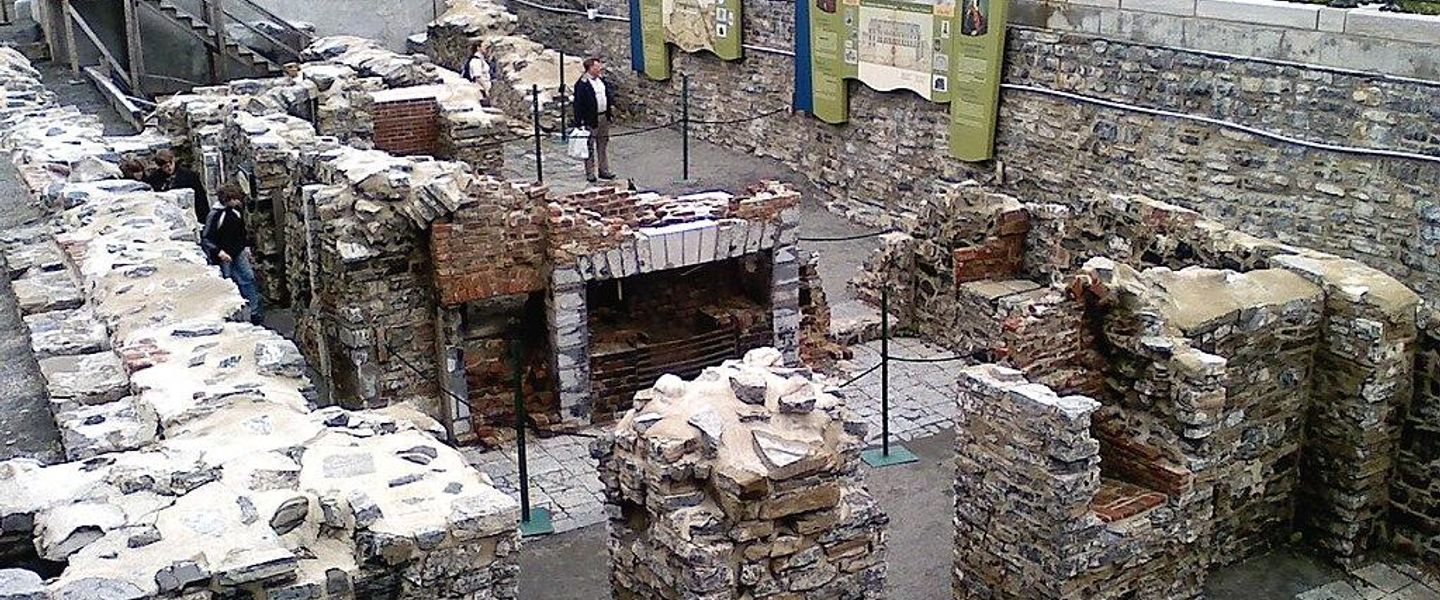


Explore James Bay’s Cree communities, historic trading posts, boreal wilderness and northern highways across the remote landscapes of Ontario and Quebec.
When is the best time to visit James Bay?
Best: June–August · 22–25°C| Month | High (°C) | Rainfall (mm) |
|---|---|---|
| January | -15 | 40 |
| February | -13 | 35 |
| March | -2 | 40 |
| April | 8 | 45 |
| May | 15 | 50 |
| June (best) | 22 | 60 |
| July (best) | 25 | 70 |
| August (best) | 23 | 70 |
| September | 16 | 60 |
| October | 10 | 50 |
| November | 2 | 40 |
| December | -10 | 35 |
Getting to and around James Bay
How to get there
Transportation
Explore James Bay on the map
Plan your trip on one map. See where the top cities, national parks and sights are, and book hotels and experiences in a few clicks.
Best hotels in James Bay
Best restaurants in James Bay
Dining in James Bay is shaped by logistics, seasonality and community scale rather than by a distinct restaurant circuit. Moosonee, Moose Factory, Matagami, Chibougamau, Radisson and other larger centres offer practical cafés, hotel dining rooms, takeaways and general stores, but choices become limited quickly outside settled areas. Visitors should carry suitable snacks for long road journeys and confirm whether accommodation provides meals. Regional food traditions reflect Cree relationships with the land and water, including fish, game and berries, although availability depends on season, local regulation and community practice; these foods should never be assumed or requested without sensitivity. Along the Quebec approach roads, everyday northern fare sits alongside familiar Canadian dishes and provisions brought in over long supply routes. Guided cultural experiences may provide the most appropriate way to learn about harvesting and food knowledge, while markets and shops in larger communities are useful places to buy packaged supplies rather than expecting a destination built around fine dining.
-
Restaurant
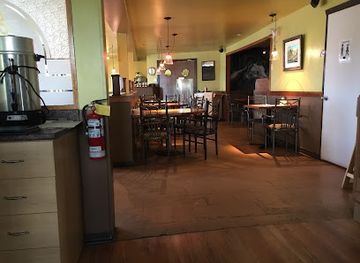
Resto Chez Mika
Experience the rich flavors of Quebec at Resto Chez Mika in Radisson – where every dish tells a story.
Best bars in James Bay
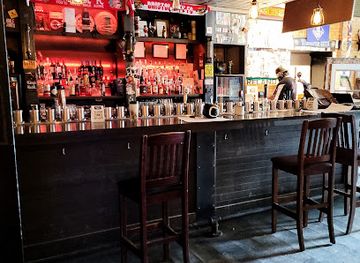
James Bay has little conventional nightclub culture. Evening life in Moosonee and other larger settlements centres on hotel lounges, local restaurants, community events and quiet social venues, while many smaller Cree communities have no visitor-oriented nightlife at all. Alcohol service is governed by local and provincial or territorial regulations, which can vary in remote communities, so visitors should check arrangements rather than assume that a bar is available. In northern Quebec, Radisson, Matagami, Chibougamau and Chapais provide more established places to eat or meet, but they remain working communities rather than entertainment destinations. The most characteristic evenings may involve a guided cultural programme, an authorised community event, or the changing light over the river and wetlands. Visitors should never treat community gatherings as performances, and should follow local rules concerning photography, alcohol and access.
-
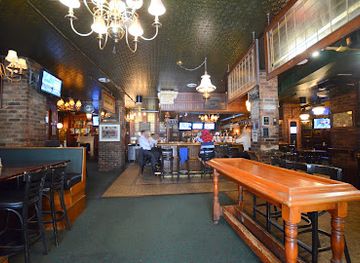
Irish pub
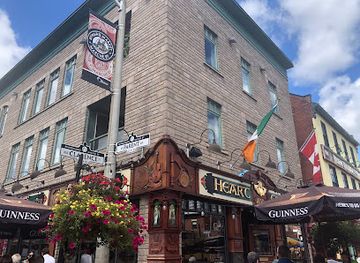
Heart & Crown - ByWard Market
Experience authentic Irish culture at Heart & Crown, a lively pub in ByWard Market, offering delicious food, drinks, and live entertainment.
-
Pub
King's Head Pub
Discover the lively ambiance and delicious offerings at Winnipeg's iconic King's Head Pub, a perfect spot for food and drink lovers alike.
-
Pub
Scotland Yard Pub
Experience authentic British pub culture at Scotland Yard Pub in Toronto, featuring hearty meals, craft drinks, and a lively atmosphere.
-
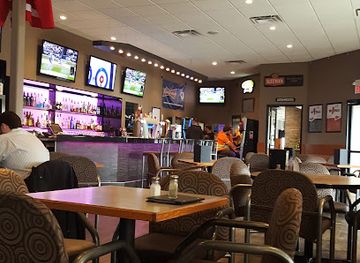
Family-friendly
Smitty's Restaurant & Lounge - Winnipeg St. James
Savor the family-friendly charm of Smitty's Restaurant & Lounge in Winnipeg, where hearty meals and cozy atmosphere welcome diners of all ages.
Best nightclubs in James Bay
James Bay has little conventional nightclub culture. Evening life in Moosonee and other larger settlements centres on hotel lounges, local restaurants, community events and quiet social venues, while many smaller Cree communities have no visitor-oriented nightlife at all. Alcohol service is governed by local and provincial or territorial regulations, which can vary in remote communities, so visitors should check arrangements rather than assume that a bar is available. In northern Quebec, Radisson, Matagami, Chibougamau and Chapais provide more established places to eat or meet, but they remain working communities rather than entertainment destinations. The most characteristic evenings may involve a guided cultural programme, an authorised community event, or the changing light over the river and wetlands. Visitors should never treat community gatherings as performances, and should follow local rules concerning photography, alcohol and access.
-
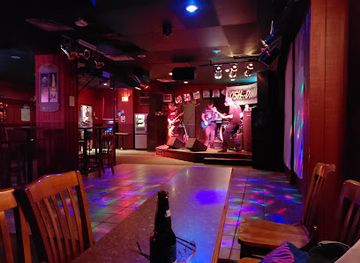
Night club
The Fraser (Tavern)
Immerse yourself in North Bay's nightlife at The Fraser Tavern, where vibrant music and delicious drinks create unforgettable experiences.
Best shops in James Bay
Shopping in James Bay is practical and locally focused. Moosonee and Moose Factory have general stores and small retail outlets where visitors can obtain food, clothing, outdoor supplies and locally relevant provisions, while larger Quebec centres such as Chibougamau, Chapais and Matagami provide broader everyday shopping. Radisson serves travellers on the northern road corridor but is not a large retail destination. Community-based cultural organisations and authorised makers may offer Cree art, beadwork, clothing, crafted items or other products, providing a more respectful way to purchase regional work than treating cultural objects as generic souvenirs. Ask about provenance and permissions, particularly for works involving traditional designs or materials, and never remove archaeological or natural objects from the landscape. Northern food shops are also important for stocking long road journeys. There are no major luxury shopping districts; the region’s retail character reflects remote supply chains, household needs, outdoor travel and locally made cultural products.
-
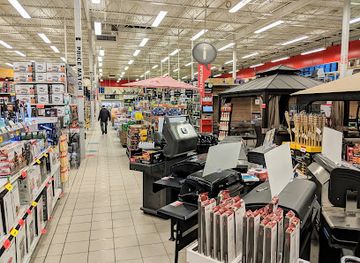
Department store
Canadian Tire
Explore Winnipeg's Canadian Tire: Your ultimate destination for home, auto, and outdoor essentials.
-
Electronics store
Best Buy
Explore the best in electronics at Best Buy Winnipeg, where technology meets convenience in a vibrant shopping environment.
-
Craft store
Michaels
Explore Michaels in Winnipeg for all your crafting needs, from art supplies to home decor, and unlock your creativity with endless possibilities.
-
Department store
Walmart Supercentre
Discover unbeatable deals and a wide variety of products at the Walmart Supercentre in North Bay, Ontario - your ultimate shopping destination!

Get your free copy of our complete guide to James Bay, delivered straight to you.
Everything on this page, from attractions and restaurants to essentials and local phrases, in one PDF you can read offline, print or share.
Already have an account? Sign in
Your James Bay guide is ready.
We'll send it to · Not you? Sign out

Getting your guide ready…
We are putting together a fresh copy of the James Bay guide. This can take up to a minute.
This can take a few moments. If your browser asks, choose Allow so the download can start. You'll find the guide in your Downloads folder.
Nothing happened? Download it again
Sorry, the guide is taking longer than usual. Please try again in a minute, or get it by email instead.
James Bay essentials
Currency and Payment
Safety
Emergency Situations
Do's and Don'ts
Local Tips
From Eve
Local phrases worth knowing
You don't need to get them perfect. A few words go a long way, and locals appreciate the effort.
Basics
| English | Local | Say it |
|---|---|---|
| Hello | Tansi | [tan-see] |
| Goodbye | Kinanâskomitin | [kee-nah-nah-sko-mi-tin] |
| Yes | Iyes | [ee-yes] |
| No | Mîna | [mee-nah] |
| Please/You’re welcome | Mîkwâc | [mee-kwahch] |
| Thank you | Nakurmik | [nah-kur-mik] |
| Excuse me/Sorry | Nîkânâhk | [nee-kah-nahk] |
| How are you? | Kîkway nîkân? | [kee-kway nee-kahn] |
| Fine. And you? | Nîkâk, kîkway nîkân? | [nee-kahk, kee-kway nee-kahn] |
| Do you speak English? | Kîkway nîkâk nîhiyaw? | [kee-kway nee-kahk nee-hee-yaw] |
| I don’t understand | Nîkâk mîna nîkâhkwêy | [nee-kahk mee-nah nee-kah-kweh] |
Eating & Drinking
| English | Local | Say it |
|---|---|---|
| I’d like to see the menu, please | Nîkâk wîhkwâk mîna sîkwâc | [nee-kahk wee-hk-wahk mee-nah see-kwahch] |
| I don’t eat meat | Nîkâk mîna nikamîhk | [nee-kahk mee-nah ni-kah-meek] |
| Cheers! | Kîkway! | [kee-kway] |
| I would like to pay, please | Nîkâk mîna wîkîsik | [nee-kahk mee-nah wee-kee-sik] |
Emergencies
| English | Local | Say it |
|---|---|---|
| Help! | Nîkâk kîkway! | [nee-kahk kee-kway] |
| Go away! | Nîkâk mîna kîkway! | [nee-kahk mee-nah kee-kway] |
| Call the Police! | Nîkâk wîhkwâk pîkiskwêw | [nee-kahk wee-hk-wahk pee-kis-kweh] |
| Call a doctor! | Nîkâk wîhkwâk nîhiyaw | [nee-kahk wee-hk-wahk nee-hee-yaw] |
| I’m lost | Nîkâk mîna nîhiyaw | [nee-kahk mee-nah nee-hee-yaw] |
| I’m ill | Nîkâk mîna pîkiskwêw | [nee-kahk mee-nah pee-kis-kweh] |
Shopping
| English | Local | Say it |
|---|---|---|
| I’d like to buy... | Nîkâk wîhkwâk ... | [nee-kahk wee-hk-wahk ...] |
| I’m just looking | Nîkâk mîna kîkway nîkâhk | [nee-kahk mee-nah kee-kway nee-kahk] |
| How much is it? | Kîkway kîsikâw? | [kee-kway kee-sik-aw] |
| That’s too expensive | Kîkway nîkâhkwêy | [kee-kway nee-kah-kweh] |
| Can you lower the price? | Kîkway nîkâk mîna kîsikâw? | [kee-kway nee-kahk mee-nah kee-sik-aw] |
Time & Numbers
| English | Local | Say it |
|---|---|---|
| What time is it? | Kîkway kîsikâw? | [kee-kway kee-sik-aw] |
| It’s one o’clock | Kîsikâw nîkâk pîsim | [kee-sik-aw nee-kahk pee-sim] |
| Half past (10) | Kîsikâw pîsim kîkway | [kee-sik-aw pee-sim kee-kway] |
| Morning | Nîkâk | [nee-kahk] |
| Afternoon | Kîkway pîsim | [kee-kway pee-sim] |
| Evening | Kîkway nîkâk | [kee-kway nee-kahk] |
| Yesterday | Kîkway nîkâk kîsikâw | [kee-kway nee-kahk kee-sik-aw] |
| Today | Kîkway nîkâk | [kee-kway nee-kahk] |
| Tomorrow | Kîkway pîsim | [kee-kway pee-sim] |
| 1 | Nîkâk | [nee-kahk] |
| 2 | Nîkâk nîsi | [nee-kahk nee-see] |
| 3 | Nîkâk nîso | [nee-kahk nee-so] |
| 4 | Nîkâk nîsow | [nee-kahk nee-soh] |
| 5 | Nîkâk nîsîk | [nee-kahk nee-seek] |
| 6 | Nîkâk nîsîk nîsi | [nee-kahk nee-seek nee-see] |
| 7 | Nîkâk nîsîk nîso | [nee-kahk nee-seek nee-so] |
| 8 | Nîkâk nîsîk nîsow | [nee-kahk nee-seek nee-soh] |
| 9 | Nîkâk nîsîk nîsîk | [nee-kahk nee-seek nee-seek] |
| 10 | Nîkâk nîsîk nîsîs | [nee-kahk nee-seek nee-sees] |
Transport & Directions
| English | Local | Say it |
|---|---|---|
| Where's a/the...? | Kîkway kîsikâw? | [kee-kway kee-sik-aw] |
| What's the address? | Kîkway pîkiskwêw? | [kee-kway pee-kis-kweh] |
| Can you show me (on the map)? | Kîkway nîkâk wîhkwâk (kîsikâw)? | [kee-kway nee-kahk wee-hk-wahk (kee-sik-aw)] |
| When's the next (bus)? | Kîkway pîsim wîhkwâk? | [kee-kway pee-sim wee-hk-wahk] |
| A ticket (to ....) | Nîkâk wîhkwâk ... | [nee-kahk wee-hk-wahk ...] |
History of James Bay
Cree Territory and Ancient Land Use
The shores and inland drainage basins of James Bay are part of the homeland of Cree peoples, whose presence long predates written records and European trade. Seasonal movement between inland hunting grounds, rivers, wetlands and coastal areas shaped routes, knowledge and social relationships across what is now northern Ontario and Quebec. The region’s archaeological record and living traditions should not be reduced to a pre-European past: Cree governance, language, land-based practice and community life remain central to James Bay’s identity.
Hudson’s Bay Company and the Fur Trade, from 1670
The Hudson’s Bay Company received its charter in 1670 and established coastal trading posts around Hudson Bay and James Bay. Moose Factory, founded in 1673 on the Moose River, became one of the company’s longest-running settlements and an important centre for exchange with Cree trappers. Fort Albany and other posts connected the coast with inland travel networks. European commerce reshaped regional economies, but it depended on Indigenous expertise, transportation routes and trading relationships.
Rupert’s Land and Canadian Expansion
For much of the colonial period, the James Bay drainage was included within Rupert’s Land, the vast territory associated with the Hudson’s Bay Company. Canada acquired Rupert’s Land in 1870, after which administrative boundaries and state institutions increasingly extended into the north. The change did not erase Cree territorial rights or established patterns of life, but it introduced new pressures through surveying, settlement policy, resource development and the expansion of provincial authority.
Treaty Relationships and Northern Administration
Treaty 9, also known as the James Bay Treaty, was signed in stages between 1905 and 1929 and covers a large part of present-day northern Ontario, including communities connected with James Bay. Its interpretation and implementation remain matters of continuing importance. In Quebec, the James Bay and Northern Quebec Agreement of 1975 created a major modern framework for Cree rights, governance, compensation and participation in development. These agreements form essential context for travel in the region.
Hydroelectric Development in Quebec
Construction of the James Bay hydroelectric project began in the 1970s across the La Grande River watershed. The project brought major dams, reservoirs, roads, airports and worker settlements to a remote part of Quebec, while also causing profound changes to waterways, wildlife patterns and Cree land use. Cree opposition and negotiations helped shape the James Bay and Northern Quebec Agreement and later arrangements. The Robert-Bourassa generating station and associated infrastructure remain among the most consequential human alterations of the region.
The Cree Quest for Self-Government
During the late twentieth and early twenty-first centuries, Cree institutions pursued greater control over education, health, economic development, language and local governance. The Grand Council of the Crees and individual communities have played an important role in negotiating with Quebec and Canada and in managing relationships with resource and hydroelectric projects. Contemporary James Bay is therefore not simply a remote resource frontier: it is a region where Indigenous political authority and economic aspirations continue to develop.
Resource Industries and Northern Connectivity
Mining, forestry, hydroelectricity, air transport and all-season or seasonal roads have shaped modern settlement patterns around James Bay. Towns such as Chibougamau, Chapais and Matagami developed partly through mineral and forest economies, while roads towards Radisson and the eastern James Bay communities followed large infrastructure projects. These links have improved access but have not made the region urban or densely serviced. Much of James Bay remains dependent on seasonal logistics, aviation and carefully planned supply chains.
James Bay in Photos
Browse through our photo collection highlighting the charm and character of the destination.
Neighbouring regions of James Bay
The closest regions to James Bay, if you have time for more than one.
-

-

-

-

-


Swipe for more regions
Explore more
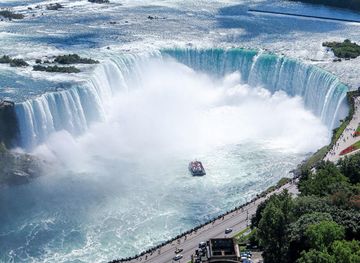
Explore more of Canada
Discover Canada's breathtaking landscapes, diverse cities, and rich cultural heritage. A must-visit destination for outdoor adventures and vibrant urban experiences.
Explore Canada