

Free Nunavik Travel Guide & Mobile App
Explore Nunavik with free travel guides. Discover regional history, expert tips, proposed trips, and audio guides on web or mobile app.


Nunavik offers Inuit culture, roadless Arctic wilderness, wildlife, national parks and remote communities across northern Quebec.
Read more about Nunavik
When is the best time to visit Nunavik?
Best: June–August · 17–20°C| Month | High (°C) | Rainfall (mm) |
|---|---|---|
| January | -15 | 23 |
| February | -14 | 19 |
| March | -9 | 24 |
| April | 0 | 28 |
| May | 9 | 41 |
| June (best) | 17 | 52 |
| July (best) | 20 | 69 |
| August (best) | 18 | 65 |
| September | 12 | 50 |
| October | 4 | 36 |
| November | -3 | 29 |
| December | -11 | 27 |
Getting to and around Nunavik
How to get there
Transportation
Top city travel guides in Nunavik
The cities of Nunavik, and the easiest places to base yourself.

Swipe for more cities
Best attractions in Nunavik
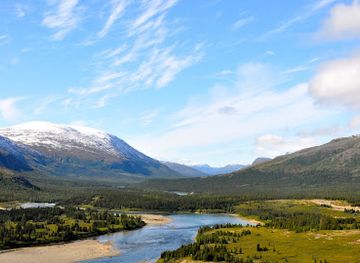
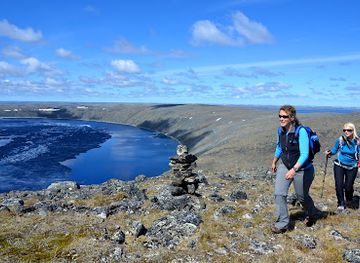
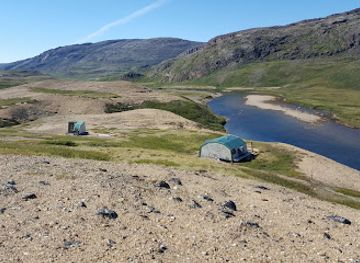
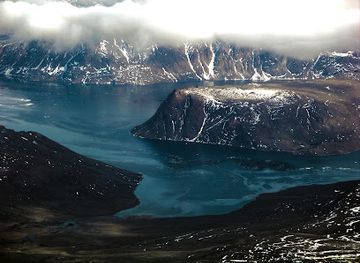
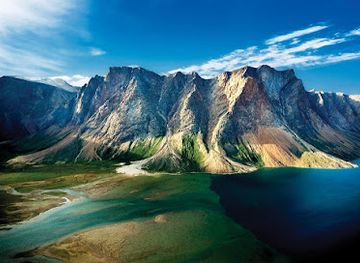
Nunavik's attractions are primarily landscapes, cultural encounters and guided journeys rather than conventional visitor complexes. Kuururjuaq National Park follows the Koroc River through deep valleys towards the Torngat Mountains and Mont Iberville, offering challenging hiking, paddling and wildlife observation for suitably equipped visitors. Pingualuit National Park centres on the lake-filled Pingualuit impact crater, whose near-circular form is especially striking from the air and surrounding tundra. Tursujuq National Park encompasses a huge area of Hudson Bay coast, river country, lakes and wetlands, while Ulittaniujalik National Park protects rugged interior terrain and archaeological evidence of earlier travel. In the communities, cultural centres, carving studios, print collections and local guides provide context that cannot be gained from scenery alone. Summer excursions may involve boating, fishing, birdwatching or observing caribou and marine wildlife; winter experiences can include northern lights, dog teams and snowmobile travel when locally organised. Access to all remote attractions depends on permits, weather, equipment and community-based logistics.
-
Tourist attraction
Parcs Nunavik
Discover the breathtaking beauty of Parcs Nunavik, a national park in Kuujjuaq, Quebec, offering stunning landscapes and rich Inuit heritage.
-
Tourist attraction
Pingualuit National Park (a provincial park)
Discover the untouched beauty of Pingualuit National Park, home to a stunning meteorite crater and diverse wildlife in Nunavik, Quebec.
-
Tourist attraction
Tursujuq National Park
Discover the untouched beauty of Tursujuq National Park, a haven for adventure sports and nature exploration in Quebec, Canada.
-
Park
Katannilik Territorial Park
Discover the stunning landscapes and rich wildlife of Katannilik Territorial Park in Nunavut, a true Arctic adventure awaits.
Best landmarks in Nunavik
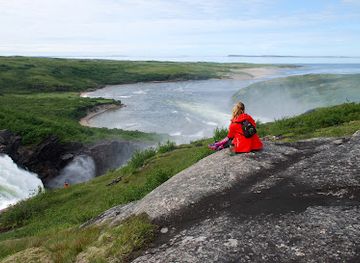
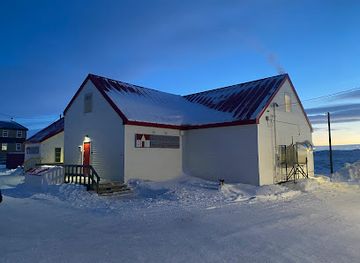
The Pingualuit impact crater is Nunavik's most recognisable geological landmark: an almost circular, water-filled depression on the Ungava Plateau created by a meteorite impact and surrounded by open tundra. In Kuururjuaq National Park, the Koroc River valley leads towards Mont Iberville, the highest mountain in Quebec, and the surrounding Torngat landscape forms a powerful natural boundary between Nunavik and Labrador. Cap Wolstenholme, at the northern tip of Quebec beside Hudson Strait, marks one of the region's most remote coastal settings, with sea cliffs, islands and marine routes shaped by ice. The broad Hudson Bay coastline around Inukjuak, Puvirnituq and neighbouring communities contains exposed rock, tidal flats and river mouths that are landmarks in both geographical and cultural terms. Within settlements, churches, community buildings, airstrips and utilitarian housing often reflect the practical realities of Arctic life rather than a preserved historic architectural style. Archaeological sites across Nunavik are important cultural landmarks, but many are sensitive and should be viewed only with appropriate local guidance.
-
 Hotel
HotelAuberge Kuujjuaq Inn
Experience Northern Quebec: Comfortable lodging, dining, and community at Kuujjuaq Inn, the heart of Nunavik's largest Inuit village.
-
Museum
Nunatta Sunakkutaangit Museum ᓄᓇᑦᑕ ᓱᓇᒃᑯᑖᖏᑦ ᑕᑯᔭᒐᖃᕐᕕᒃ
Uncover the vibrant history and culture of the Inuit people at Nunatta Sunakkutaangit Museum in Iqaluit, Nunavut.
-
National park
Auyuittuq National Park
Discover the untouched beauty and adventure of Auyuittuq National Park in Nunavut, a majestic escape into the Arctic wilderness.
-
National park
Torngat Mountains National Park
Discover a land where mountains meet the sea, Inuit culture thrives, and the spirit of the Arctic wilderness captivates the soul.
Explore Nunavik on the map
Plan your trip on one map. See where the top cities, national parks and sights are, and book hotels and experiences in a few clicks.
Best hotels in Nunavik
Best restaurants in Nunavik
Dining in Nunavik is shaped by supply, season and community size rather than by a concentrated restaurant scene. Larger settlements such as Kuujjuaq and Puvirnituq have hotel dining rooms, cafés, takeaways and workplace or community food services, while smaller communities offer fewer formal choices. Imported Canadian and international staples are common, but visitors may also encounter country foods such as Arctic char, caribou, seal or goose when these are available through local hosts or approved community channels. Preparation and availability vary, and country food should be approached respectfully rather than treated as a novelty. Groceries and fresh produce can be expensive and inconsistent, so independent travellers should plan supplies carefully and confirm what accommodation provides. Local artists, guides and residents are often the best source of advice about respectful opportunities to taste regional foods. There is little basis for presenting Nunavik as a conventional culinary destination, but eating within a community can offer a valuable insight into northern supply networks and Inuit life.
-
Bar
Auberge Kuujjuaq Inn
Experience northern Quebec's charm at Auberge Kuujjuaq Inn with warm hospitality, delicious cuisine, and vibrant local culture.
-
Hotel
Charlie Kudluk Co-operative Hotel
Discover comfort and culture at Charlie Kudluk Co-operative Hotel in Kuujjuaq - your gateway to Northern Quebec adventures.
-
Bar
YVP Pub&Grill
Experience northern hospitality at YVP Pub&Grill in Kuujjuaq - great food, drinks & live entertainment await you.
-
Hotel
CO-OP Hotel
Discover comfort and cultural richness at CO-OP Hotel in Inukjuak - your gateway to exploring northern Quebec's stunning landscapes.
Best bars in Nunavik
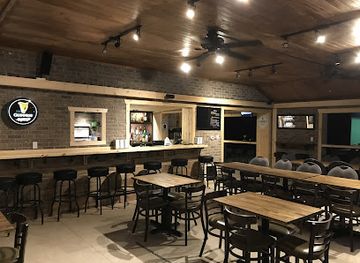
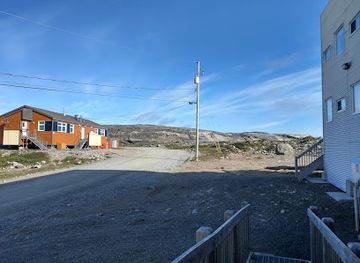
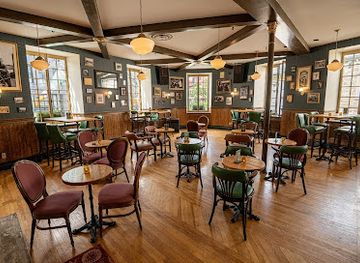
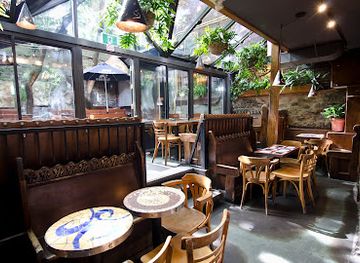
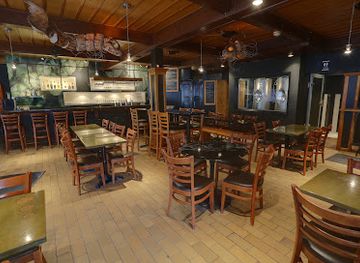
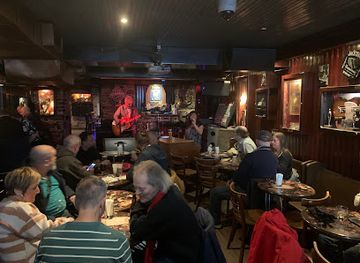
Nunavik does not have a large conventional nightlife industry, and evening life differs from one community to another. Hotels, cafés, community halls and local events may provide places to meet, while organised cultural programmes, music, sports and seasonal gatherings are often more significant than bars or nightclubs. Alcohol controls vary by community under Nunavik's local regulatory arrangements, so visitors should not assume that alcohol can be bought, brought in or consumed in the same way everywhere. In some settlements, alcohol restrictions are substantial; ask a local host or accommodation provider about the rules before travelling. Evenings may instead centre on conversation, craft, storytelling, northern lights or preparation for the next day's land-based activity. Visitors should avoid treating community life as entertainment and should observe local expectations around noise, photography and private spaces.
-
Irish pub
Pub St-Patrick
Discover the heart of Irish culture at Pub St-Patrick in Québec City, offering authentic cuisine and a vibrant atmosphere for every visitor.
-
Pub
London Jack
Discover the lively ambiance and local flavors at London Jack Pub in Québec City, a must-visit destination for every traveler.
-
Bar
Bar Le Sacrilège
Join the vibrant nightlife at Bar Le Sacrilège, a beloved bar in Québec City known for its friendly atmosphere and extensive drink selection.
-
Brewpub
La Korrigane - Brasserie artisanale
Discover the heart of craft brewing at La Korrigane, where artisan beers and delicious dishes come together in a vibrant Québec City atmosphere.
Best nightclubs in Nunavik
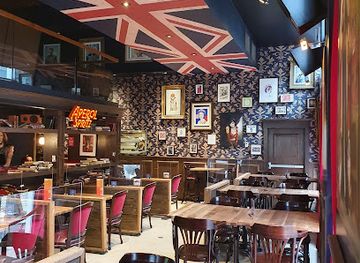
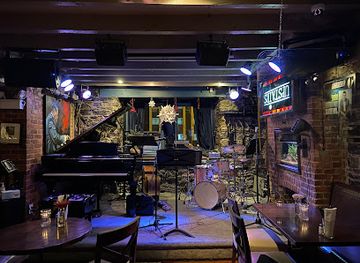
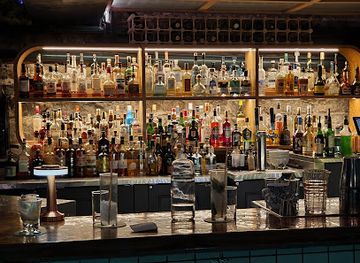
Nunavik does not have a large conventional nightlife industry, and evening life differs from one community to another. Hotels, cafés, community halls and local events may provide places to meet, while organised cultural programmes, music, sports and seasonal gatherings are often more significant than bars or nightclubs. Alcohol controls vary by community under Nunavik's local regulatory arrangements, so visitors should not assume that alcohol can be bought, brought in or consumed in the same way everywhere. In some settlements, alcohol restrictions are substantial; ask a local host or accommodation provider about the rules before travelling. Evenings may instead centre on conversation, craft, storytelling, northern lights or preparation for the next day's land-based activity. Visitors should avoid treating community life as entertainment and should observe local expectations around noise, photography and private spaces.
-
Grill
Upstairs Jazz Bar & Grill
Discover the perfect blend of live jazz and delectable grill cuisine at Upstairs Jazz Bar & Grill in the heart of Montreal.
-
Cocktail bar
Bar Le Mal Nécessaire
Discover the vibrant atmosphere and exotic cocktails of Bar Le Mal Nécessaire, a must-visit cocktail bar in downtown Montreal.
-
Bar
Bistro à Jojo
Experience the best of Montreal's culinary delights and vibrant live performances at Bistro à Jojo, a cultural gem in the heart of the city.
-
Bay
Hudson Bay
Explore the majestic Hudson Bay, a haven for nature lovers and adventure seekers, offering stunning views and rich wildlife experiences.

Best shops in Nunavik
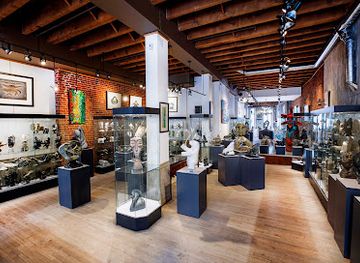
Shopping in Nunavik is concentrated in community stores, small independent outlets, hotel counters and cultural organisations rather than extensive retail districts. The most meaningful purchases are locally made carvings, prints, jewellery, sewn garments and other handmade works, with styles and materials varying between communities. Inuktitut design traditions and imagery are expressed through both established art forms and contemporary work, so visitors should ask about the artist, provenance, materials and permission to export any restricted natural material. Groceries, outdoor supplies and practical goods are available in larger settlements but can be costly because of northern transport and limited choice. Souvenirs imported from outside the region should not be confused with Inuit-made art. Buying directly from artists, recognised community outlets or reputable regional organisations helps support local creators. There are no large-scale shopping centres or conventional luxury retail areas; the value of shopping here lies in meeting the people and stories connected with an authentic local object.
-
Supermarket
Metro Daoust Valleyfield
Discover fresh local groceries and exquisite catering services at Metro Daoust Valleyfield, your supermarket destination in Quebec.
-
Art gallery
Images Boréales Inuit Art Gallery
Explore the essence of Inuit culture through stunning artworks at Images Boréales Art Gallery in Montreal, a treasure for art lovers and cultural enthusiasts.
-
General store
Newviq’vi/Tullik General Store
Experience local charm and convenience at Newviq’vi/Tullik General Store, the heart of Kuujjuaq's shopping scene, offering essentials and unique treasures.
-
Art gallery
Art Inuit Brousseau-Brousseau
Explore the enchanting world of Inuit art at Art Inuit Brousseau-Brousseau in Québec City, showcasing exceptional cultural treasures and creativity.

Get your free copy of our complete guide to Nunavik, delivered straight to you.
Everything on this page, from attractions and restaurants to essentials and local phrases, in one PDF you can read offline, print or share.
Already have an account? Sign in
Your Nunavik guide is ready.
We'll send it to · Not you? Sign out

Getting your guide ready…
We are putting together a fresh copy of the Nunavik guide. This can take up to a minute.
This can take a few moments. If your browser asks, choose Allow so the download can start. You'll find the guide in your Downloads folder.
Nothing happened? Download it again
Sorry, the guide is taking longer than usual. Please try again in a minute, or get it by email instead.
Nunavik essentials
Currency and Payment
Safety
Emergency Situations
Do's and Don'ts
Local Tips
History of Nunavik
Early Palaeoeskimo and Dorset Cultures
Archaeological evidence shows that Palaeoeskimo peoples lived across the eastern Arctic, including present-day Nunavik, thousands of years ago. The Dorset tradition, which flourished in the region before the arrival of Thule-speaking Inuit ancestors, is associated with specialised hunting technologies, small winter dwellings and finely made tools. Sites on coastal and inland routes demonstrate that Nunavik was never an empty wilderness: people developed detailed knowledge of animals, ice, stone and seasonal movement long before European contact.
Thule Ancestors and the Development of Inuit Society
Thule migrants reached the eastern Arctic roughly a millennium ago, bringing technologies suited to hunting bowhead whales and other marine animals, including large skin boats, harpoons and dog traction. Over time, their descendants developed the regional societies now recognised as Inuit, adapting to Nunavik's sea coasts, river systems and inland caribou routes. Archaeological camps, tools, stone structures and continuing cultural knowledge reveal a long relationship with the land rather than a recent settlement history.
European Exploration and the Fur Trade
European exploration of Hudson Bay and Hudson Strait began in the seventeenth century, followed by the expansion of the Hudson's Bay Company and other trading interests. Inuit already controlled the region's travel routes and economic life, and the fur trade introduced new goods, trading posts and forms of commercial exchange without replacing local knowledge or subsistence practices. Whaling and missionary activity later added further outside influence, particularly along the coast and around major posts.
Missionaries, Schools and External Administration
During the nineteenth and twentieth centuries, churches, traders and government agencies increased their presence in northern Quebec. Mission stations, schools, wage employment and imported goods altered patterns of settlement and seasonal movement, while Inuit communities faced institutions designed largely outside the region. The gradual concentration of families into permanent settlements brought access to services but also placed pressure on language, authority, housing and customary land-based activities.
The James Bay and Northern Quebec Agreement, 1975
Hydroelectric development in the James Bay area prompted major political mobilisation among Cree and Inuit communities. The James Bay and Northern Quebec Agreement, signed in 1975, was Canada's first modern comprehensive land-claims agreement. For Inuit in Nunavik it established financial compensation, land categories, hunting and harvesting provisions, and regional institutions for education, health and local administration. Its arrangements remain fundamental to the way the region is governed and its resources are managed.
Makivik and Inuit Regional Institutions
Makivvik Corporation, established under the land-claims agreement, represents Nunavik Inuit interests and manages compensation funds and economic initiatives. Alongside the Kativik Regional Government, the Kativik School Board and health and social-service institutions, it forms part of a regional structure shaped by Inuit priorities. These organisations support language, culture, transport, housing, employment and land-based activities while negotiating with Quebec and Canada over the region's future.
Contemporary Nunavik
Modern Nunavik combines strong community identity and land-based knowledge with the pressures of high living costs, limited infrastructure, climate change and dependence on air and seasonal marine supply routes. Inuit artists, educators, hunters, environmental organisations and local governments continue to shape public life. National parks and conservation projects increasingly involve Inuit knowledge and participation, reflecting a broader effort to protect ecosystems while maintaining customary access and cultural continuity.
Nunavik in Photos
Browse through our photo collection highlighting the charm and character of the destination.
Neighbouring regions of Nunavik
The closest regions to Nunavik, if you have time for more than one.
-

-

-

-

-


Swipe for more regions
Explore more
Explore more of Canada
Discover Canada's breathtaking landscapes, diverse cities, and rich cultural heritage. A must-visit destination for outdoor adventures and vibrant urban experiences.
Explore Canada