

Free Kingston and the Islands Travel Guide & Mobile App
Explore Kingston and the Islands with free travel guides. Discover regional history, expert tips, proposed trips, and audio guides on web or mobile app.


Explore Kingston and the Islands for limestone heritage, waterfront history, island landscapes, cultural life and outdoor adventures in eastern Ontario.
Read more about Kingston and the Islands
When is the best time to visit Kingston and the Islands?
Best: June–August · 24–27°C| Month | High (°C) | Rainfall (mm) |
|---|---|---|
| January | -2 | 50 |
| February | -1 | 45 |
| March | 4 | 50 |
| April | 11 | 60 |
| May | 19 | 70 |
| June (best) | 24 | 75 |
| July (best) | 27 | 80 |
| August (best) | 26 | 80 |
| September | 21 | 70 |
| October | 14 | 65 |
| November | 8 | 55 |
| December | 1 | 50 |
Getting to and around Kingston and the Islands
How to get there
Transportation
Best attractions in Kingston and the Islands
Kingston and the Islands offers a varied concentration of heritage, water-based and cultural attractions within a relatively compact part of eastern Ontario. Kingston’s historic core rewards walking, with museums, galleries, churches, civic buildings and former commercial premises occupying streets built largely from local limestone. Fort Henry provides the region’s most substantial military interpretation, while the Kingston fortifications and waterfront explain why the city was important to imperial defence and transport. The Rideau Canal’s southern terminus adds historic engineering and boating interest, and cruises explore the harbour, islands and St Lawrence scenery from the water. Wolfe Island brings a rural dimension, with cycling, birdwatching, agricultural landscapes and broad lake views, although visitors should plan around ferry arrangements and limited services. Kayaking, sailing, fishing and shoreline walks are popular in suitable conditions, while parks and conservation areas provide quieter outdoor settings close to the city. Cultural attractions include theatre, music, visual arts and institutions associated with Queen’s University and the Royal Military College. Families can combine accessible museums and boat trips with fortifications and open-air exploration, while history enthusiasts will find overlapping Indigenous, French, British, military, penal and maritime narratives rather than a single period dominating the destination.
-
Tourist attraction
Boldt Castle & Boldt Yacht House
Explore the romantic Boldt Castle on Heart Island, a stunning historical landmark of love and architectural brilliance in the Thousand Islands.
-
Tourist attraction
Scenic Caves Nature Adventures
Discover thrilling adventures and breathtaking landscapes at Scenic Caves Nature Adventures in Ontario's Blue Mountains.
-
Boat tour agency
City Cruises Gananoque
Experience the breathtaking beauty and rich history of the Thousand Islands with City Cruises Gananoque, your gateway to unforgettable boat tours.
-
Historical place
Fort Henry National Historic Site
Discover Fort Henry National Historic Site: A UNESCO World Heritage Site rich in military history, stunning views, and engaging exhibits in Kingston, Ontario.


Best landmarks in Kingston and the Islands
Kingston’s most recognisable landmarks express its military, political and maritime importance. Fort Henry stands above the entrance to the Rideau Canal and commands views across Kingston Harbour, making its defensive purpose immediately legible. The Kingston fortifications, including Murney Tower and other surviving works, form a distributed nineteenth-century defence system rather than a single enclosed monument. The former Kingston Penitentiary is a powerful institutional landmark on the waterfront, associated with Canadian penal history and the city’s long relationship with federal establishments. In the centre, City Hall and the surrounding limestone streets recall Kingston’s short period as capital of the Province of Canada, while the Royal Military College contributes another prominent institutional presence beside the harbour. The Rideau Canal’s Kingston entrance links the city to a nationally important waterway and World Heritage landscape. Across the water, Wolfe Island’s broad fields, ferry landing and open shoreline are less monumental but visually fundamental to the region, showing how Kingston’s identity depends on its island geography. Together these places create a landscape of fortifications, public buildings, prisons, waterways and working rural horizons.
-
Historical place
Fort Henry National Historic Site
Step back in time at Fort Henry National Historic Site, a 19th-century British fortress offering military demonstrations and historical immersion.
-
Historical landmark
Kingston Penitentiary
Discover the haunting history of Kingston Penitentiary, a must-visit historical landmark and museum in Ontario, Canada, offering insights into the past of Canadian justice.
-
Boat tour agency
Kingston 1000 Islands Cruises
Discover the beauty of the 1000 Islands with scenic cruises departing from Kingston's historic waterfront. A memorable experience for all ages.
-
Nature preserve
Lemoine Point Conservation Area
Discover the tranquility of Lemoine Point Conservation Area, a nature preserve in Kingston, Ontario, featuring scenic trails and stunning waterfront views.
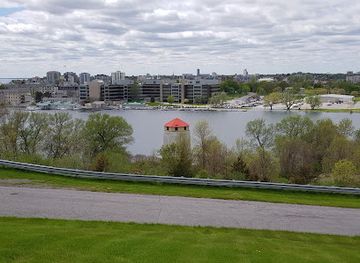


Explore Kingston and the Islands on the map
Plan your trip on one map. See where the top cities, national parks and sights are, and book hotels and experiences in a few clicks.
Best hotels in Kingston and the Islands
Best restaurants in Kingston and the Islands
Kingston’s dining scene reflects its position as a university city, historic port and agricultural gateway. Independent cafés, bakeries, pubs and contemporary restaurants are concentrated around the central streets, while the waterfront adds seasonal dining and views across the harbour. Menus commonly draw on Ontario produce, local farms, freshwater and Great Lakes influences, and the wider province’s developing wine and craft beverage culture. The region is not defined by one exclusive dish, but visitors can expect Canadian comfort food, modern bistro cooking, vegetarian options, burgers, baked goods and restaurants that make use of changing seasonal ingredients. Farmers’ markets and food stalls are useful for tasting regional produce, preserves and prepared foods, while Wolfe Island’s rural character is better suited to planning ahead than spontaneous restaurant-hopping. Kingston’s pubs remain part of its social landscape, but the city also supports cafés, international cuisines and more formal dining. Tipping is customary for table service, and prices generally exclude Canadian sales tax.
-
Pizza
Wooden Heads Gourmet Pizza
Discover Kingston's culinary delight at Wooden Heads Gourmet Pizza - where artisanal pizzas meet Italian tradition.
-
Restaurant
Dianne's
Experience the best of Mexican and seafood cuisine at Dianne's in Kingston - where every meal is a celebration of flavor.
-
Grill
Jack's Kingston
Discover Jack's Kingston - where American classics meet modern flair in a welcoming gastropub atmosphere perfect for families and friends.
-
Hamburger
Harper's
Discover Kingston’s culinary gem at Harper’s—home of delicious burgers and vegetarian delights in a cozy diner setting.


Best bars in Kingston and the Islands
Evening life in Kingston is concentrated in and around the historic centre, where traditional pubs, casual bars, cafés, restaurants and live-music venues serve a population shaped by Queen’s University, the Royal Military College and year-round residents. The atmosphere ranges from relaxed evenings in historic commercial streets to busier student-oriented nights during academic terms, while performances and cultural events broaden the choice beyond drinking venues. The waterfront and central districts can be active in summer, particularly when festivals or outdoor programming are taking place, but schedules are seasonal and changeable. Wolfe Island and the smaller islands have a much quieter evening culture, centred on community activities, private gatherings and occasional local events rather than a permanent nightlife circuit. Visitors should plan transport back from island excursions and avoid assuming that late-night services will be readily available outside Kingston. Breweries, pubs and cocktail-focused establishments add variety, but nightlife is best understood as intimate and locally scaled rather than a major club destination.
-
Brewpub
The Kingston Brewing Company
Experience the rich flavors of Kingston at the Kingston Brewing Company, where craft beer and barbecue come together in a vibrant brewpub atmosphere.
-
Restaurant
Chez Piggy Restaurant & Bar
Discover the flavors of Kingston at Chez Piggy Restaurant & Bar, where local ingredients meet creative cuisine in a charming setting.
-
Restaurant
One Eyed Jack Restaurant + Bar Kingston
Experience the vibrant ambiance and delightful dishes at One Eyed Jack Restaurant + Bar, a culinary gem in Kingston, Ontario.
-
Irish pub
The Toucan
Discover The Toucan, Kingston's premier Irish pub offering authentic cuisine, live music, and a lively atmosphere perfect for tourists.


Best nightclubs in Kingston and the Islands
Evening life in Kingston is concentrated in and around the historic centre, where traditional pubs, casual bars, cafés, restaurants and live-music venues serve a population shaped by Queen’s University, the Royal Military College and year-round residents. The atmosphere ranges from relaxed evenings in historic commercial streets to busier student-oriented nights during academic terms, while performances and cultural events broaden the choice beyond drinking venues. The waterfront and central districts can be active in summer, particularly when festivals or outdoor programming are taking place, but schedules are seasonal and changeable. Wolfe Island and the smaller islands have a much quieter evening culture, centred on community activities, private gatherings and occasional local events rather than a permanent nightlife circuit. Visitors should plan transport back from island excursions and avoid assuming that late-night services will be readily available outside Kingston. Breweries, pubs and cocktail-focused establishments add variety, but nightlife is best understood as intimate and locally scaled rather than a major club destination.
-
Irish pub
The Toucan
Experience the heart of Ireland at The Toucan, Kingston's lively Irish pub with delicious food, great drinks, and unforgettable live music.
-
Restaurant
The Mansion Restaurant & Bar
Discover Kingston’s culinary scene at The Mansion Restaurant & Bar, known for its delicious food, vibrant atmosphere, and live music entertainment.
-
Bar
Barcadia
Discover Barcadia: Kingston’s lively bar offering an exciting mix of drinks, games, and entertainment for a memorable night out.
-
Pub
The Brass Pub
Experience Kingston's vibrant pub culture at The Brass Pub, where local flavors and a welcoming atmosphere come together for a memorable dining experience.


Best shops in Kingston and the Islands
Shopping in Kingston is strongest in the historic centre, where independent retailers, bookshops, galleries, cafés and small specialist businesses occupy limestone buildings around the main streets. The Kingston Public Market, one of the city’s long-established civic institutions, is associated with seasonal produce, prepared food and local trading, although visitors should check current market days and arrangements. Galleries and craft shops offer ceramics, jewellery, artwork, books and Ontario-made gifts, while food shops provide practical souvenirs such as preserves, baked goods, maple products and other regional specialities. The city also has ordinary high-street and suburban retail areas for everyday needs, but these are less distinctive than the central shopping streets. Wolfe Island has a smaller and more dispersed selection, reflecting its rural population and limited commercial infrastructure rather than a formal retail district. For locally made goods, ask about provenance and seasonal availability, and remember that Canadian sales tax is usually added at the till. The best shopping experiences combine a market or independent shop visit with the architecture and public spaces of central Kingston.
-
Book store
Indigo - Kingston
Discover the charm of Indigo - Kingston, a bookstore that celebrates literature and creativity in the heart of Ontario.
-
Gift shop
Minotaur
Explore Kingston's Minotaur Gift Shop for unique gifts, local art, and crafting supplies that capture the essence of Ontario's creativity.
-
Gift shop
Midori Gifts
Discover unique stationery and artisan gifts at Midori Gifts, a must-visit shop in Kingston, Ontario for creative finds and local treasures.
-
Clothing store
Urban Outfitters
Explore Urban Outfitters in Kingston for the latest in fashion, beauty, and home decor, all within a trendy and vibrant shopping experience.


Get your free copy of our complete guide to Kingston and the Islands, delivered straight to you.
Everything on this page, from attractions and restaurants to essentials and local phrases, in one PDF you can read offline, print or share.
Already have an account? Sign in
Your Kingston and the Islands guide is ready.
We'll send it to · Not you? Sign out

Getting your guide ready…
We are putting together a fresh copy of the Kingston and the Islands guide. This can take up to a minute.
This can take a few moments. If your browser asks, choose Allow so the download can start. You'll find the guide in your Downloads folder.
Nothing happened? Download it again
Sorry, the guide is taking longer than usual. Please try again in a minute, or get it by email instead.
Kingston and the Islands essentials
Currency and Payment
Safety
Emergency Situations
Do's and Don'ts
Local Tips
From Eve
Local phrases worth knowing
You don't need to get them perfect. A few words go a long way, and locals appreciate the effort.
Basics
| English | Local | Say it |
|---|---|---|
| Hello | Hello | [həˈloʊ] |
| Goodbye | Goodbye | [ɡʊdˈbaɪ] |
| Yes | Yes | [jɛs] |
| No | No | [noʊ] |
| Please/You're welcome | Please/You're welcome | [pliːz/ jʊr ˈwɛlkəm] |
| Thank you | Thank you | [θæŋk ju] |
| Excuse me/Sorry | Excuse me/Sorry | [ɪkˈskjus mi/ˈsɔri] |
| How are you? | How are you? | [haʊ ɑr ju] |
| Fine. And you? | Fine. And you? | [faɪn. ənd ju] |
| Do you speak English? | Do you speak English? | [du jʊ spiːk ˈɪŋɡlɪʃ] |
| I don't understand | I don't understand | [aɪ doʊnt ˌʌndərˈstænd] |
Eating & Drinking
| English | Local | Say it |
|---|---|---|
| I'd like to see the menu, please | I'd like to see the menu, please | [aɪd laɪk tə si ðə ˈmɛnju, pliːz] |
| I don't eat meat | I don't eat meat | [aɪ doʊnt it miːt] |
| Cheers! | Cheers! | [tʃɪrz] |
| I would like to pay, please | I would like to pay, please | [aɪ wəd laɪk tə peɪ, pliːz] |
Emergencies
| English | Local | Say it |
|---|---|---|
| Help! | Help! | [hɛlp] |
| Go away! | Go away! | [ɡoʊ əˈweɪ] |
| Call the Police! | Call the Police! | [kɔl ðə pəˈlis] |
| Call a doctor! | Call a doctor! | [kɔl ə ˈdɑktər] |
| I'm lost | I'm lost | [aɪm lɔst] |
| I'm ill | I'm ill | [aɪm ɪl] |
Shopping
| English | Local | Say it |
|---|---|---|
| I'd like to buy... | I'd like to buy... | [aɪd laɪk tə baɪ...] |
| I'm just looking | I'm just looking | [aɪm dʒʌst ˈlʊkɪŋ] |
| How much is it? | How much is it? | [haʊ mʌtʃ ɪz ɪt] |
| That's too expensive | That's too expensive | [ðæts tu ɪkˈspɛnsɪv] |
| Can you lower the price? | Can you lower the price? | [kæn ju ˈloʊər ðə praɪs] |
Time & Numbers
| English | Local | Say it |
|---|---|---|
| What time is it? | What time is it? | [wʌt taɪm ɪz ɪt] |
| It's one o'clock | It's one o'clock | [ɪts wʌn əˈklɑk] |
| Half past (10) | Half past (10) | [hæf pæst (10)] |
| Morning | Morning | [ˈmɔrnɪŋ] |
| Afternoon | Afternoon | [ˌæftərˈnun] |
| Evening | Evening | [ˈivnɪŋ] |
| Yesterday | Yesterday | [ˈjɛstərdeɪ] |
| Today | Today | [təˈdeɪ] |
| Tomorrow | Tomorrow | [təˈmɔroʊ] |
| 1 | 1 | [wʌn] |
| 2 | 2 | [tu] |
| 3 | 3 | [θri] |
| 4 | 4 | [fɔr] |
| 5 | 5 | [faɪv] |
| 6 | 6 | [sɪks] |
| 7 | 7 | [sɛvən] |
| 8 | 8 | [eɪt] |
| 9 | 9 | [naɪn] |
| 10 | 10 | [tɛn] |
Transport & Directions
| English | Local | Say it |
|---|---|---|
| Where's a/the...? | Where's a/the...? | [wɛrz ə/ðə...?] |
| What's the address? | What's the address? | [wʌts ði əˈdrɛs] |
| Can you show me (on the map)? | Can you show me (on the map)? | [kæn ju ʃoʊ mi (ɑn ðə mæp)?] |
| When's the next (bus)? | When's the next (bus)? | [wɛn'z ðə nɛkst (bʌs)?] |
| A ticket (to ....) | A ticket (to ....) | [ə ˈtɪkɪt (tə ....)] |
History of Kingston and the Islands
Indigenous Homelands and the Cataraqui Waterway
The Kingston area lies within the wider homelands and travel networks of Indigenous peoples, including Anishinaabe and Haudenosaunee communities. The junction of Lake Ontario, the St Lawrence River and the Cataraqui waterway made the area important for movement, exchange and fishing long before European settlement. Indigenous presence remains part of the region’s living history, not merely an archaeological subject. Visitors should understand that the city’s later colonial story unfolded on lands shaped by Indigenous knowledge, relationships and continuing communities.
Fort Frontenac and French Colonial Strategy, 1673
In 1673, the French established Fort Frontenac at the mouth of the Cataraqui River under the direction of Louis de Buade de Frontenac. The fort formed part of New France’s network for controlling movement and trade along the Great Lakes and the St Lawrence corridor. Although the original structure no longer survives, its location established the strategic importance of the site that became Kingston. The region’s position between the interior waterways and the lower St Lawrence continued to influence military and commercial decisions for centuries.
British Rule and the Loyalist Settlement
After the Seven Years’ War, Britain took control of the area, and the settlement expanded after the American Revolution when United Empire Loyalists and other newcomers arrived in what became Upper Canada. Kingston developed as a military and administrative centre, with its harbour and waterways supporting trade. The settlement’s early British colonial character remains visible in parts of the street plan, fortifications and surviving buildings, although this history also involved the displacement and restriction of Indigenous peoples and the growth of a society shaped by imperial power.
The Rideau Canal and Nineteenth-Century Kingston
The Rideau Canal opened in 1832, linking Ottawa with Kingston through a navigable route designed partly to secure communications after the War of 1812. Kingston became the canal’s southern gateway and an important military and commercial centre. Its strategic landscape was reinforced by Fort Henry, the Kingston fortifications, the Murney Tower and other defensive works. The canal and associated fortifications helped create the historic waterfront setting recognised today, while limestone quarrying and construction gave the city much of its architectural character.
Kingston as Capital of the Province of Canada, 1841–1844
Following the union of Upper and Lower Canada, Kingston served as the first capital of the Province of Canada from 1841 until 1844. The choice reflected its defensible position and communications, although the city’s exposed location and limited room for expansion soon encouraged the legislature to move to Montréal and later Toronto. Kingston’s brief capital period left a lasting civic legacy, including the prominence of the former parliament area and the city’s reputation as an administrative and political centre during a formative phase of Canadian history.
Confederation, Railways and a Growing Urban Centre
Kingston joined the Canadian Confederation in 1867 as part of Ontario. During the nineteenth century, railways, shipping, manufacturing and limestone construction connected the city more closely to the expanding national economy. The waterfront served both commercial and industrial purposes, while institutions such as Queen’s University and the Royal Military College strengthened Kingston’s educational and military roles. On the islands, farming and ferry-linked settlement developed within the same regional economy, producing the mixture of agricultural landscapes and maritime connections still visible today.
Penitentiary, Military and Institutional Heritage
Kingston became associated with major national institutions, notably Kingston Penitentiary, which opened in 1835 and operated for almost two centuries before closing as a federal penitentiary in 2013. The prison formed part of a broader institutional landscape that included military establishments, naval facilities and educational bodies. These organisations influenced employment, architecture and public life, while also reflecting difficult histories of incarceration, discipline and state authority. Today, several sites interpret these legacies for visitors rather than presenting them as simple symbols of civic pride.
Modern Kingston and the Islands
In the twentieth and twenty-first centuries, Kingston evolved from a primarily military, port and industrial centre into a diversified city built around education, healthcare, heritage tourism, public administration and cultural activity. Queen’s University, the Royal Military College and the Canadian Forces presence remain influential, while the waterfront and historic core support museums, hospitality and events. The islands have retained stronger agricultural and low-density identities, although they are closely connected to Kingston through ferries, recreation and regional services. This contrast is central to the destination’s contemporary character.
Kingston and the Islands in Photos
Browse through our photo collection highlighting the charm and character of the destination.
Neighbouring regions of Kingston and the Islands
The closest regions to Kingston and the Islands, if you have time for more than one.
-
-
-

-

-


Swipe for more regions
Explore more
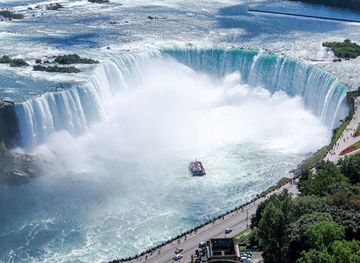
Explore more of Canada
Discover Canada's breathtaking landscapes, diverse cities, and rich cultural heritage. A must-visit destination for outdoor adventures and vibrant urban experiences.
Explore Canada