

Free Haliburton Highlands Travel Guide & Mobile App
Explore Haliburton Highlands with free travel guides. Discover regional history, expert tips, proposed trips, and audio guides on web or mobile app.


Explore Haliburton Highlands in Ontario for granite landscapes, clear lakes, woodland trails, paddling, winter sports and a flourishing arts scene.
Read more about Haliburton Highlands
When is the best time to visit Haliburton Highlands?
Best: June–August · 24–27°C| Month | High (°C) | Rainfall (mm) |
|---|---|---|
| January | -5 | 50 |
| February | -3 | 45 |
| March | 4 | 55 |
| April | 12 | 60 |
| May | 20 | 70 |
| June (best) | 24 | 80 |
| July (best) | 27 | 90 |
| August (best) | 26 | 85 |
| September | 20 | 75 |
| October | 14 | 65 |
| November | 7 | 55 |
| December | 0 | 50 |
Getting to and around Haliburton Highlands
How to get there
Transportation
Best attractions in Haliburton Highlands
Haliburton Highlands is built around outdoor experiences, with canoeing, kayaking, fishing, swimming, hiking and cycling spread among its lakes and forest roads. The Haliburton Forest and Wildlife Reserve offers extensive woodland recreation and interpretation, while Sir Sam’s Ski & Bike provides downhill activities in summer and winter. The Haliburton Sculpture Forest combines contemporary art with a walk through mature woodland, and Abbey Gardens presents ecological restoration, gardens and community enterprise on a former industrial site. Minden’s Gull River is a focus for paddling, walking and river scenery, while the Dorset Lookout Tower supplies a broad view over the surrounding forests and lakes. Cultural attractions include the Haliburton Highlands Museum, Rails End Gallery and Arts Centre, and the Minden Hills Cultural Centre. Conservation areas and public parks add quieter opportunities for birdwatching, picnicking and short walks. In winter, snowshoeing, cross-country skiing, downhill skiing and snowmobiling become major attractions, although conditions and access vary with the weather. The region’s appeal lies in the combination of dispersed natural recreation, small-town cultural venues and locally managed outdoor destinations rather than in a single large visitor complex.
-
Tourist attraction
Haliburton Forest & Wild Life Reserve Ltd
Experience the breathtaking beauty and rich wildlife of Haliburton Forest & Wildlife Reserve, a top Canadian destination for nature lovers and adventure seekers.
-
Park
Oxtongue River - Ragged Falls Provincial Park
Explore the breathtaking beauty of Oxtongue River - Ragged Falls Provincial Park, a natural gem in Ontario perfect for outdoor adventures and relaxation.
-
Park
Kawartha Highlands Provincial Park
Explore the natural beauty and outdoor adventures at Kawartha Highlands Provincial Park, Ontario's serene getaway for nature lovers and adventure seekers.
-
Tourist attraction
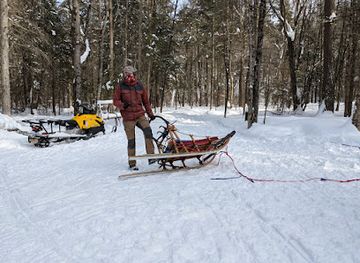
Winterdance Dogsled Tours
Discover the beauty of winter with exhilarating dogsled tours in Eagle Lake, Ontario, where adventure meets breathtaking landscapes and furry companions.

Best landmarks in Haliburton Highlands
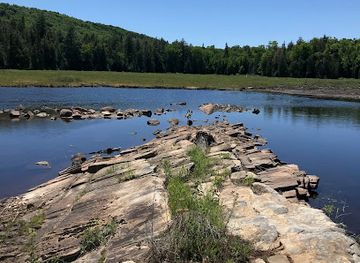
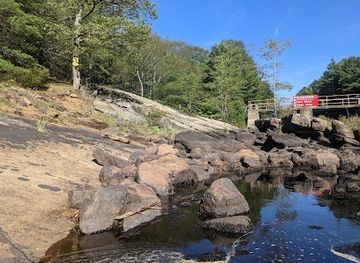
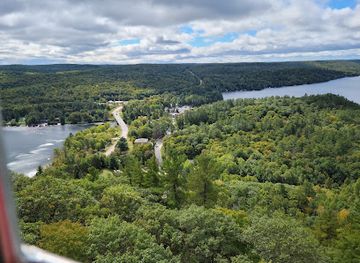
The Dorset Lookout Tower is one of Haliburton Highlands’ most recognisable visual landmarks, standing above the forest near Dorset and offering long views across the area’s lake country. In Haliburton, the Haliburton Sculpture Forest has become a distinctive cultural landmark because artworks are integrated into a woodland landscape rather than displayed in conventional galleries. Minden’s Gull River and its rapids form a defining natural and civic feature, helping shape the town’s streetscape, recreation and public identity. The historic village environments of Haliburton and Minden preserve reminders of nineteenth-century settlement, commercial development and the region’s dependence on roads and waterways. Head Lake Park provides a central green and waterfront setting in Haliburton, while the former industrial landscape at Abbey Gardens illustrates the area’s transition from resource extraction towards conservation and community use. Across the county, exposed granite, forested ridgelines and broad lake horizons are landmarks in their own right: they explain the highlands’ name and distinguish the region from flatter agricultural parts of southern Ontario. These places matter not only for their appearance but also for the way they reveal the relationships between geology, settlement, timber, recreation and contemporary regional identity.
-
 Park
ParkAlgonquin Provincial Park
Discover Ontario's iconic wilderness: canoeing, hiking, wildlife, and stunning landscapes await in Algonquin Provincial Park, a natural playground.
-
Tourist attraction
Dorset Lookout Tower
Experience breathtaking 360° views from the Dorset Lookout Tower, a historic fire tower transformed into a scenic destination in the Algonquin Highlands.
-
Tourist attraction
Haliburton Forest & Wild Life Reserve Ltd
Discover a vast wilderness playground in Ontario's Highlands: hiking, wildlife, canopy tours, and sustainable forestry in a stunning natural setting.
-
Grill
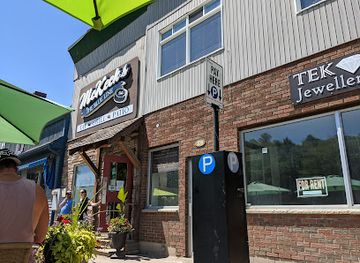
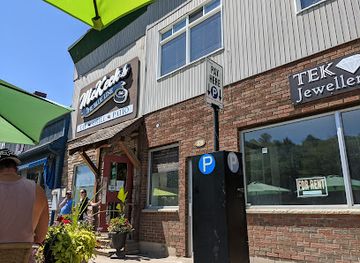
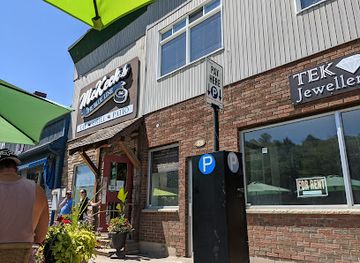
McKeck's-Tap and Grill
Haliburton's favorite family-friendly tap and grill, serving up hearty pub fare and good times since 1986. A local tradition!

Explore Haliburton Highlands on the map
Plan your trip on one map. See where the top cities, national parks and sights are, and book hotels and experiences in a few clicks.
Best hotels in Haliburton Highlands
Best restaurants in Haliburton Highlands
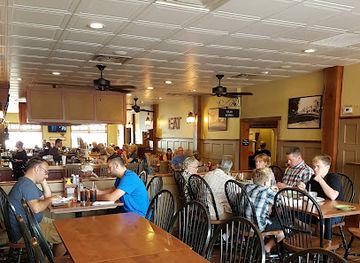
Dining in Haliburton Highlands reflects a rural, cottage-country economy, with cafés, family restaurants, pubs, bakeries, seasonal eateries and food served at inns and outdoor destinations. Menus commonly draw on familiar Canadian and North American comfort food, while local producers contribute seasonal vegetables, preserves, maple products, baked goods and meats. Freshwater fish may appear in regional cooking, although visitors should distinguish locally caught fish from commercially supplied ingredients. Farmers’ markets and farm shops are useful places to find produce, prepared foods and maple syrup when operating seasonally. Haliburton and Minden offer the broadest choice of everyday dining, while smaller communities and lakeside areas tend to have fewer options and earlier closing times. Reservations are sensible for popular summer evenings and autumn weekends, especially where accommodation and restaurants are limited. Tipping for table service follows Canadian practice, and prices generally exclude sales tax. Craft beer, cider and Canadian wines may be available, but the region’s culinary identity is best understood through its seasonal produce, relaxed cafés, independent kitchens and practical food culture rather than a single signature dish.
-
Grill
McKeck's-Tap and Grill
Discover delicious grill cuisine at McKeck's Tap and Grill in Haliburton – where local flavors meet a welcoming atmosphere.
-
Steak
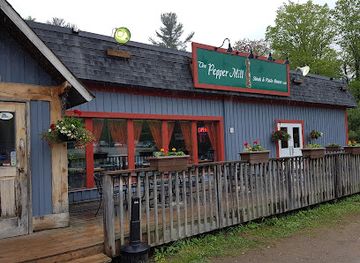
Pepper Mill Steak & Pasta House
Experience culinary excellence at Pepper Mill Steak & Pasta House in Minden, Ontario - where every meal is crafted with passion and quality.
-
Restaurant
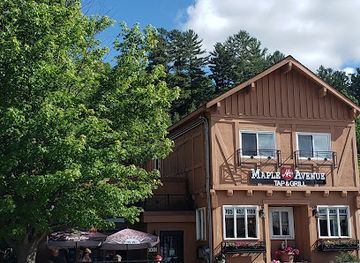
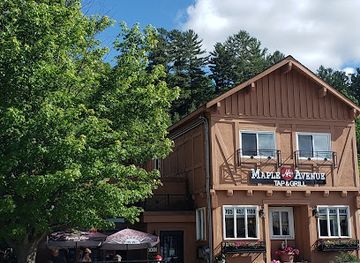
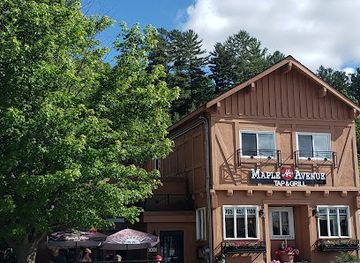
Maple Avenue Tap & Grill
Discover delicious Canadian cuisine at Maple Avenue Tap & Grill in Haliburton - where great food meets an inviting atmosphere.
-
Inn
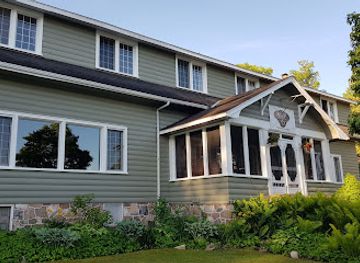
Bonnie View Inn
Discover tranquility at Bonnie View Inn: your lakeside escape featuring cozy accommodations, delightful dining, and breathtaking views in Haliburton.
Best bars in Haliburton Highlands
Evening life in Haliburton Highlands is generally low-key and community-based rather than centred on large nightclubs. Traditional pubs, restaurant bars and hotel lounges provide places for dinner, local conversation and occasional live music, particularly in Haliburton and Minden. Some seasonal events and outdoor businesses add evening entertainment during the summer, while winter visitors tend to gather around resort dining, après-ski settings and informal community venues. Smaller villages have limited late-night options, and rural distances make driving after drinking especially unwise. Visitors should arrange a taxi, designated driver or accommodation within walking distance rather than assume transport will be available late at night. Breweries, cider producers and other licensed venues may feature local or Ontario-made drinks, but opening arrangements vary by season. The region’s evening character is shaped more by lake sunsets, fireside gatherings, cultural events and quiet pub meals than by a formal nightlife district.
-
Tourist attraction
Haliburton Forest & Wild Life Reserve Ltd
Discover the breathtaking beauty and adventure of Haliburton Forest & Wild Life Reserve, where nature meets exploration in Ontario.
-
Grill
McKeck's-Tap and Grill
Discover the flavor of Haliburton at McKeck's Tap and Grill, where local ingredients meet a cozy bar and grill atmosphere perfect for all occasions.
-
Restaurant
Maple Avenue Tap & Grill
Experience the best of Haliburton dining at Maple Avenue Tap & Grill, where local flavors meet a relaxed atmosphere.
-
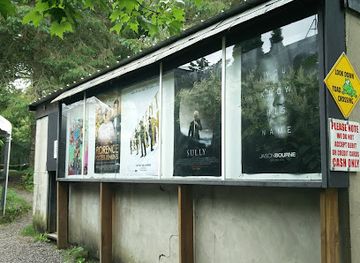
Movie theater
Highlands Cinemas
Discover the charm of Highlands Cinemas in Kinmount, Ontario, where cinematic experiences meet a unique local ambiance.
Best nightclubs in Haliburton Highlands
Evening life in Haliburton Highlands is generally low-key and community-based rather than centred on large nightclubs. Traditional pubs, restaurant bars and hotel lounges provide places for dinner, local conversation and occasional live music, particularly in Haliburton and Minden. Some seasonal events and outdoor businesses add evening entertainment during the summer, while winter visitors tend to gather around resort dining, après-ski settings and informal community venues. Smaller villages have limited late-night options, and rural distances make driving after drinking especially unwise. Visitors should arrange a taxi, designated driver or accommodation within walking distance rather than assume transport will be available late at night. Breweries, cider producers and other licensed venues may feature local or Ontario-made drinks, but opening arrangements vary by season. The region’s evening character is shaped more by lake sunsets, fireside gatherings, cultural events and quiet pub meals than by a formal nightlife district.
-
Grill
McKeck's-Tap and Grill
Experience the best of grill cuisine at McKeck's Tap and Grill in Haliburton, Ontario, where great food meets a vibrant atmosphere.
-
Restaurant
Maple Avenue Tap & Grill
Maple Avenue Tap & Grill: A Must-Visit Restaurant and Bar in Haliburton, Ontario, Offering Delicious Comfort Food and Local Brews.
-
Resort hotel
Sir Sam's Inn and Spa- Ontario's Cottage Country Adult Resort
Discover tranquility and luxury at Sir Sam's Inn and Spa, Ontario's premier adult resort nestled in the heart of Cottage Country.
-
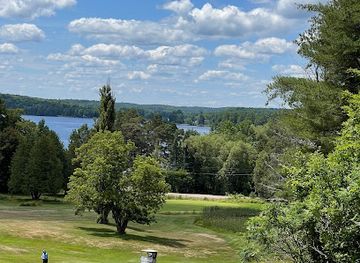
Golf course
Haliburton Highlands Golf Club
Discover the beauty and challenge of Haliburton Highlands Golf Club, where stunning landscapes meet exceptional golfing experiences in Ontario.
Best shops in Haliburton Highlands
Shopping in Haliburton Highlands is concentrated in the main villages and seasonal markets rather than large urban malls. Haliburton and Minden have independent shops, galleries, cafés, practical outdoor retailers and small businesses selling gifts, books, artwork and locally made goods. The region’s arts community makes original paintings, photography, woodwork, pottery, jewellery and other studio crafts more distinctive purchases than mass-produced souvenirs. Farmers’ markets and farm shops, where operating seasonally, are useful for maple syrup, preserves, baked goods, vegetables and other Ontario products. Galleries and craft studios may be dispersed along rural roads, so check access arrangements and opening days before making a dedicated trip. Outdoor equipment and cottage supplies are widely useful purchases, reflecting the area’s emphasis on paddling, hiking, skiing and lake recreation. Visitors should not expect extensive luxury or chain shopping; the appeal lies in browsing independent businesses, meeting makers and taking home regional food or practical craft items. Summer and autumn usually offer the broadest market and studio activity, while some small businesses reduce their hours outside the main visitor season.
-
Grocery store
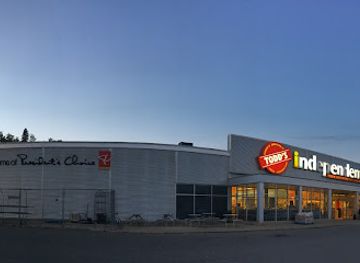
Todd's Your Independent Grocer Haliburton
Discover local flavors at Todd's Your Independent Grocer Haliburton, where fresh produce, baked goods, and deli delights await every visitor.
-
Grocery store
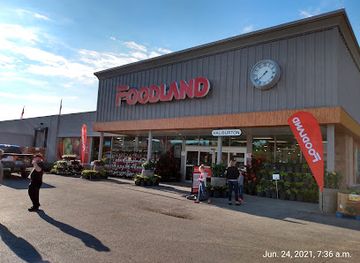
Foodland - Haliburton
Discover local flavors and fresh produce at Foodland in Haliburton, your ultimate grocery destination in Ontario.
-
Liquor store
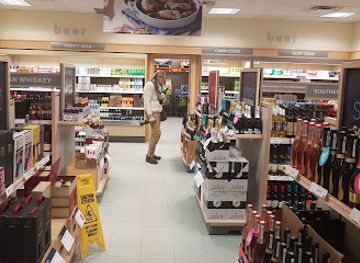
LCBO
Explore a diverse selection of wines, beers, and spirits at the LCBO in Haliburton, Ontario—where local flavors meet global tastes.
-
Bakery
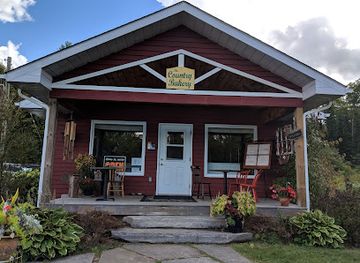
Country Bakery
Discover the rustic charm of Country Bakery in Algonquin Highlands, where delicious artisan baked goods meet cozy countryside ambiance.
Get your free copy of our complete guide to Haliburton Highlands, delivered straight to you.
Everything on this page, from attractions and restaurants to essentials and local phrases, in one PDF you can read offline, print or share.
Already have an account? Sign in
Your Haliburton Highlands guide is ready.
We'll send it to · Not you? Sign out

Getting your guide ready…
We are putting together a fresh copy of the Haliburton Highlands guide. This can take up to a minute.
This can take a few moments. If your browser asks, choose Allow so the download can start. You'll find the guide in your Downloads folder.
Nothing happened? Download it again
Sorry, the guide is taking longer than usual. Please try again in a minute, or get it by email instead.
Haliburton Highlands essentials
Currency and Payment
Safety
Emergency Situations
Do's and Don'ts
Local Tips
From Eve
Local phrases worth knowing
You don't need to get them perfect. A few words go a long way, and locals appreciate the effort.
Basics
| English | Local | Say it |
|---|---|---|
| Hello | Hey there | [Hey thair] |
| Goodbye | See you later | [See yuh lay-ter] |
| Yes | Yup | [Yup] |
| No | Nope | [Nope] |
| Please/You're welcome | No problem | [No prob-lem] |
| Thank you | Thanks a lot | [Thanks a lot] |
| Excuse me/Sorry | Pardon me | [Par-don me] |
| How are you? | How's it going? | [How's it goin'?] |
| Fine. And you? | Good. And you? | [Good. An' yuh?] |
| Do you speak English? | Do ya speak English? | [Do ya speak Inglish?] |
| I don't understand | I don't get it | [I don't get it] |
Eating & Drinking
| English | Local | Say it |
|---|---|---|
| I'd like to see the menu, please | Can I see the menu, please? | [Can I see the menu, pleez?] |
| I don't eat meat | I’m a vegetarian | [I'm a vege-tair-ian] |
| Cheers! | Cheers! | [Cheers!] |
| I would like to pay, please | Can I get the bill, please? | [Can I get the bill, pleez?] |
Emergencies
| English | Local | Say it |
|---|---|---|
| Help! | Help! | [Help!] |
| Go away! | Leave me alone! | [Leave me alone!] |
| Call the Police! | Call the police! | [Call the police!] |
| Call a doctor! | Get a doctor! | [Get a doctor!] |
| I'm lost | I’m lost | [I'm lost] |
| I'm ill | I'm not feeling well | [I'm not feeling well] |
Shopping
| English | Local | Say it |
|---|---|---|
| I'd like to buy... | I want to buy... | [I want to buy...] |
| I'm just looking | Just browsing, thanks | [Just browsing, thx] |
| How much is it? | What’s the price? | [What's the price?] |
| That's too expensive | That's a bit pricey | [That's a bit pricy] |
| Can you lower the price? | Can you make it cheaper? | [Can you make it cheeper?] |
Time & Numbers
| English | Local | Say it |
|---|---|---|
| What time is it? | What time is it? | [What time is it?] |
| It's one o'clock | It's one o'clock | [It's one o'clock] |
| Half past (10) | Half past ten | [Half past ten] |
| Morning | Morning | [Morning] |
| Afternoon | Afternoon | [Afternoon] |
| Evening | Evening | [Evening] |
| Yesterday | Yesterday | [Yesterday] |
| Today | Today | [Today] |
| Tomorrow | Tomorrow | [Tomorrow] |
| 1 | One | [One] |
| 2 | Two | [Two] |
| 3 | Three | [Three] |
| 4 | Four | [Four] |
| 5 | Five | [Five] |
| 6 | Six | [Six] |
| 7 | Seven | [Seven] |
| 8 | Eight | [Eight] |
| 9 | Nine | [Nine] |
| 10 | Ten | [Ten] |
Transport & Directions
| English | Local | Say it |
|---|---|---|
| Where's a/the...? | Where's the...? | [Where's the...?] |
| What's the address? | What's the address? | [What's the address?] |
| Can you show me (on the map)? | Can you show me on the map? | [Can you show me on the map?] |
| When's the next (bus)? | When's the next bus? | [When's the next bus?] |
| A ticket (to ....) | One ticket to ... | [One ticket to ...] |
History of Haliburton Highlands
Anishinaabe homelands and enduring presence
The lakes, rivers and forests of Haliburton Highlands lie within the wider traditional territory of Anishinaabe peoples, including communities connected with the Williams Treaties area. Waterways provided routes for travel, fishing and hunting long before colonial settlement, and Indigenous knowledge remains an important part of understanding the region’s ecology and history. The landscape should not be viewed as an empty wilderness awaiting European development: it has long been occupied, used and named by Indigenous peoples, whose presence continues through neighbouring First Nations and contemporary cultural, political and environmental work.
Nineteenth-century settlement and the Peterson Road
European settlement expanded during the nineteenth century as Ontario encouraged agricultural and timber development in its interior. The Peterson Road, begun in the 1850s, connected the emerging communities around present-day Haliburton with southern markets and became an important route through difficult, rocky terrain. Farming was often challenging because of thin soils and exposed bedrock, while small settlements, mills and supply businesses grew along roads and rivers. Many local communities retain street patterns, buildings and oral histories associated with this period of frontier migration and adaptation.
Logging, mills and the resource economy
Forestry became one of the defining economic forces of the highlands. White pine and other timber were harvested, moved by water and processed through mills that supported local employment and trade. Logging altered shorelines, waterways and forest composition, while also creating the foundations for many roads and settlements. The industry’s legacy can be read in museum collections, former mill sites, logging stories and the continuing importance of responsible forest management. Later tourism developed partly because the same lakes and woodland that supported resource industries attracted visitors seeking outdoor recreation.
Railway connections and changing access
Railways helped link the interior highlands with southern Ontario markets and made the movement of timber, supplies and passengers more dependable than the rough roads of the early settlement era. The Victoria Railway and related lines served communities in and around the county during the late nineteenth and early twentieth centuries, although routes and operations changed over time. Rail travel eventually declined as roads and private cars became more important. The transformation explains why present-day visitors encounter a road-based destination with former transport corridors and railway memories embedded in local heritage.
The rise of cottage country
During the twentieth century, improved roads, rising car ownership and shorter working holidays brought more visitors from Ontario’s urban centres to the lakes of Haliburton County. Seasonal cottages, camps and outdoor resorts became increasingly important alongside forestry and farming. This growth created employment and supported local services, but it also placed pressure on shorelines, water quality and waste management. Today, the region continues to balance recreational development with lake stewardship, environmental protection and the needs of permanent residents.
Arts, conservation and a year-round economy
From the late twentieth century onwards, the highlands developed a broader cultural and ecological identity. Galleries, studios, sculpture trails, museums and community arts organisations complemented established outdoor attractions, while conservation initiatives demonstrated new uses for former industrial land. Winter sports, snowmobiling and year-round tourism reduced dependence on the traditional summer cottage season. The result is a region where forestry, recreation, creative practice, conservation and small-scale enterprise all contribute to contemporary life.
Haliburton Highlands in Photos
Browse through our photo collection highlighting the charm and character of the destination.
Neighbouring regions of Haliburton Highlands
The closest regions to Haliburton Highlands, if you have time for more than one.
-
-

-

-

-


Swipe for more regions
Explore more
Explore more of Canada
Discover Canada's breathtaking landscapes, diverse cities, and rich cultural heritage. A must-visit destination for outdoor adventures and vibrant urban experiences.
Explore Canada