

Free Greater Toronto Area Travel Guide & Mobile App
Explore Greater Toronto Area with free travel guides. Discover regional history, expert tips, proposed trips, and audio guides on web or mobile app.


Explore the Greater Toronto Area for global cuisine, lakefront culture, major museums, diverse neighbourhoods and accessible urban nature across southern Ontario.
Read more about Greater Toronto Area
When is the best time to visit Greater Toronto Area?
Best: June–August · 24–27°C| Month | High (°C) | Rainfall (mm) |
|---|---|---|
| January | 1 | 50 |
| February | 1 | 45 |
| March | 7 | 50 |
| April | 13 | 60 |
| May | 19 | 65 |
| June (best) | 24 | 70 |
| July (best) | 27 | 75 |
| August (best) | 26 | 75 |
| September | 22 | 70 |
| October | 15 | 65 |
| November | 8 | 60 |
| December | 2 | 55 |
Getting to and around Greater Toronto Area
How to get there
Transportation
Top city travel guides in Greater Toronto Area
The cities of Greater Toronto Area, and the easiest places to base yourself.
-

-


Swipe for more cities
Best attractions in Greater Toronto Area
The GTA's attractions range from major cultural institutions and professional sport in central Toronto to heritage villages, conservation lands and multicultural commercial districts across the surrounding municipalities. Downtown Toronto contains the Royal Ontario Museum, the Art Gallery of Ontario, the Hockey Hall of Fame, the Canadian National Exhibition grounds and the theatres and galleries of the Entertainment District and Queen Street West. The waterfront adds the Toronto Islands, harbour parks and the cultural venues of Harbourfront, while the Distillery District presents nineteenth-century industrial architecture adapted for arts, dining and events. Beyond Toronto, the Aga Khan Museum in North York, Black Creek Pioneer Village in Toronto, the McMichael Canadian Art Collection in Kleinburg, the Canadian Automotive Museum in Oshawa and the Royal Botanical Gardens area near the western edge of Halton offer different perspectives on art, history and technology. Rouge National Urban Park, conservation areas around the Oak Ridges Moraine and waterfront parks in Mississauga, Oakville, Pickering and Whitby provide walking, birdwatching and quiet landscapes within the metropolitan region.
-
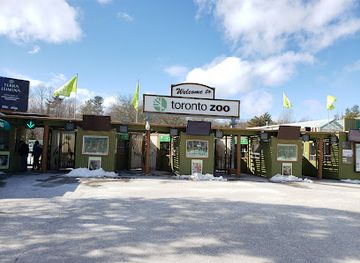
Zoo
Toronto Zoo
Discover the Toronto Zoo, a premier destination for wildlife lovers, featuring diverse animal species and engaging conservation efforts in a picturesque setting.
-
 Plaza
PlazaYonge-Dundas Square
Discover the vibrant Yonge-Dundas Square in downtown Toronto, a hub of entertainment, shopping, and cultural experiences.
-
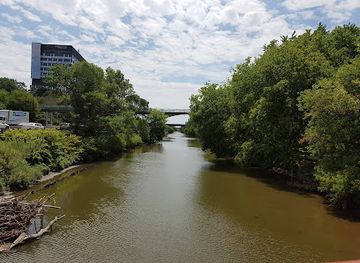
Park
Riverdale Park East
Explore Riverdale Park East: Toronto's urban oasis with breathtaking skyline views, lush greenery, and recreational activities for all ages.
-
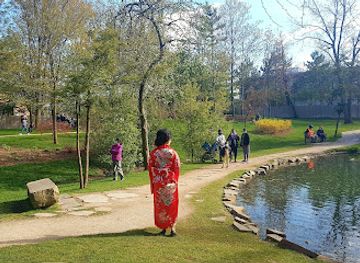
Park
Kariya Park
Discover the serene beauty and cultural charm of Kariya Park, a tranquil oasis in the heart of Mississauga, Ontario, perfect for relaxation and exploration.
Best landmarks in Greater Toronto Area
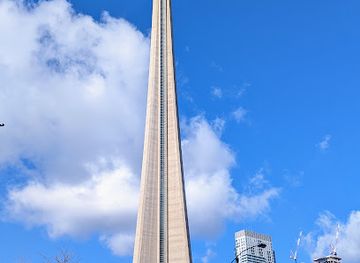
The CN Tower remains the GTA's most recognisable structure, dominating the Toronto skyline beside the Rogers Centre and the waterfront rail corridor. Nearby, Union Station, the Fairmont Royal York, Old City Hall and the nineteenth-century commercial buildings around St Lawrence Market express different stages of Toronto's civic and architectural development. Fort York marks the military origins of the colonial settlement, while Casa Loma reflects the grand residential ambitions of the early twentieth century. The Gooderham Building, known as the Flatiron Building, is a distinctive remnant of the old commercial city. Beyond central Toronto, the BAPS Shri Swaminarayan Mandir in the northwest of the city, the Toronto Temple in Markham and the historic streetscapes of Oakville and Unionville demonstrate the region's architectural and cultural variety. Rouge National Urban Park and the Lake Ontario shoreline function as natural landmarks, showing how forests, wetlands, ravines and open water remain woven into the metropolitan landscape.
-
Tourist attraction
CN Tower
Experience Toronto from Above: Breathtaking views, thrilling attractions, and unforgettable dining await at the iconic CN Tower.
-
Art museum
Royal Ontario Museum
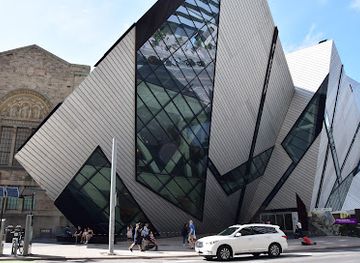
Explore 13 million artifacts of art, culture, and nature at Canada's largest museum, the Royal Ontario Museum in Toronto.
-
Plaza
Nathan Phillips Square
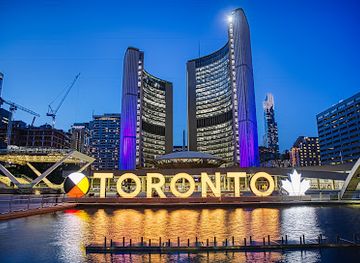
Explore Nathan Phillips Square, a vibrant urban plaza in Toronto known for its iconic architecture, cultural events, and the famous Toronto sign.
-
Museum
Casa Loma
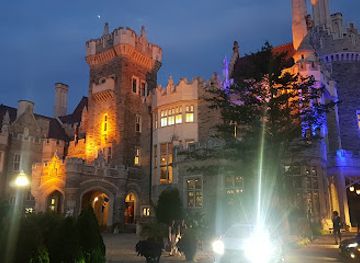
Explore Toronto's historic Casa Loma, a majestic castle with opulent interiors, secret passages, and stunning city views.
Explore Greater Toronto Area on the map
Plan your trip on one map. See where the top cities, national parks and sights are, and book hotels and experiences in a few clicks.
Best hotels in Greater Toronto Area
Best restaurants in Greater Toronto Area
Dining is one of the GTA's defining regional experiences, with established food communities spread across city and suburban municipalities rather than concentrated in one district. Toronto offers everything from Cantonese and Sichuan cooking to Italian, Portuguese, Greek, Caribbean, Ethiopian, Korean, Japanese and Middle Eastern restaurants, while Markham and Richmond Hill are particularly noted for the breadth of Chinese and other East Asian dining. Brampton and Mississauga have extensive South Asian and Caribbean food cultures, including vegetarian cooking, grilled meats, bakeries and sweets. The region also supports farmers' markets, independent cafés, contemporary Canadian restaurants, breweries and polished dining rooms using Ontario produce. In smaller centres such as Oakville, Pickering and Oshawa, heritage town centres combine cafés, pubs and family-run restaurants with newer international choices. Seasonal produce from the surrounding countryside and fish from the Great Lakes appear on menus, although the GTA's strongest culinary distinction is its remarkable range of global cuisines and the communities that sustain them.
-
Thai
PAI
Experience authentic Thai flavors at PAI in Toronto—where every dish tells a story and every visit feels like home.
-
Dinner theater
Medieval Times Dinner & Tournament
Immerse yourself in an unforgettable medieval experience at Medieval Times Dinner & Tournament - where knights clash and feasts delight.
-
Canadian
360 The Restaurant at the CN Tower
Elevate your dining experience at 360 The Restaurant in Toronto's iconic CN Tower with stunning views and exquisite Canadian cuisine.
-
Restaurant
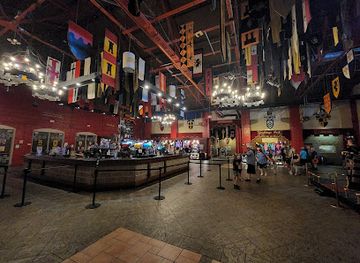
Storm Crow Manor
Discover Storm Crow Manor: A themed restaurant in Toronto where fantasy meets fantastic food in an immersive dining experience.

Best bars in Greater Toronto Area
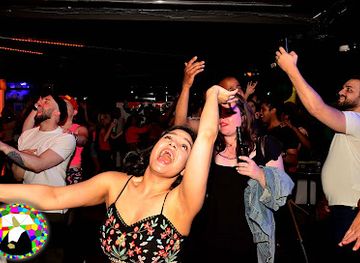
Nightlife is concentrated most heavily in Toronto, where the Entertainment District, King West, Queen West, Ossington Avenue, the Danforth and Church-Wellesley offer different combinations of pubs, cocktail bars, live music, comedy, theatre and clubs. Kensington Market and the west-end neighbourhoods are associated with a more independent evening scene, while larger venues host concerts and touring performers. Outside Toronto, nightlife is generally more local and dispersed: Mississauga, Brampton, Vaughan, Markham, Richmond Hill, Oakville and Oshawa have restaurants, breweries, sports bars, live-music venues and selected late-night businesses, but they do not form one continuous club district. Evening culture in suburban and outer municipalities often centres on dining, cinemas, community events and small venues rather than late-night tourism. Plan transport home carefully, as services become less frequent away from central Toronto and designated driving is important when visiting breweries or rural establishments.
-
Grill
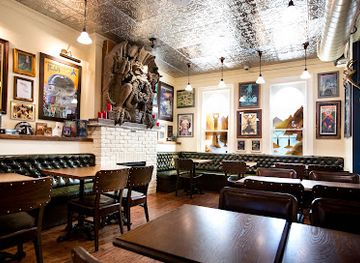
Loose Moose / Antler Room
Experience the flavors of Toronto at The Loose Moose / Antler Room, where hearty American dishes meet an energetic gastropub atmosphere.
-
Restaurant
Storm Crow Manor
Discover Storm Crow Manor, Toronto's whimsical restaurant where fantasy meets culinary delight in a vibrant, themed dining experience.
-
Bar
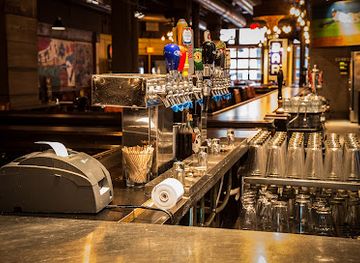
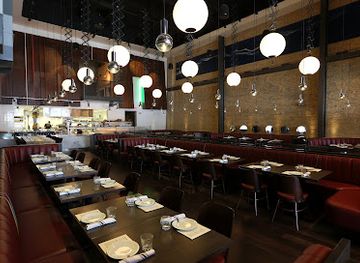
The Carbon Bar
Savor the rich flavors of Southern and American barbecue at The Carbon Bar in Toronto, a vibrant dining destination for all food lovers.
-
Cocktail bar
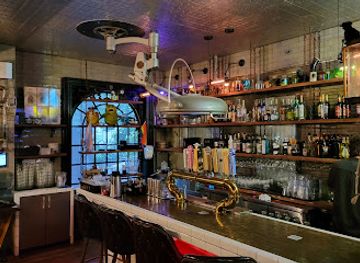
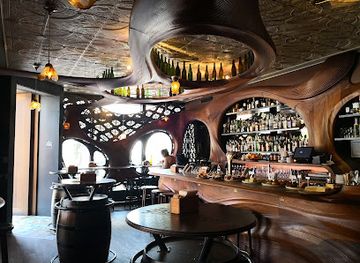
Bar Raval
Discover the vibrant fusion of Spanish tapas and innovative cocktails at Bar Raval in Toronto, where every sip and bite tells a story.
Best nightclubs in Greater Toronto Area
Nightlife is concentrated most heavily in Toronto, where the Entertainment District, King West, Queen West, Ossington Avenue, the Danforth and Church-Wellesley offer different combinations of pubs, cocktail bars, live music, comedy, theatre and clubs. Kensington Market and the west-end neighbourhoods are associated with a more independent evening scene, while larger venues host concerts and touring performers. Outside Toronto, nightlife is generally more local and dispersed: Mississauga, Brampton, Vaughan, Markham, Richmond Hill, Oakville and Oshawa have restaurants, breweries, sports bars, live-music venues and selected late-night businesses, but they do not form one continuous club district. Evening culture in suburban and outer municipalities often centres on dining, cinemas, community events and small venues rather than late-night tourism. Plan transport home carefully, as services become less frequent away from central Toronto and designated driving is important when visiting breweries or rural establishments.
-
Night club
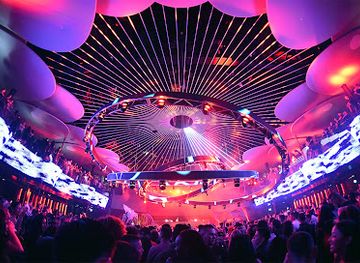
Rebel
Experience the electrifying nightlife of Toronto at Rebel, a premier nightclub featuring top DJs, stunning views, and an unforgettable atmosphere.
-
Resort hotel
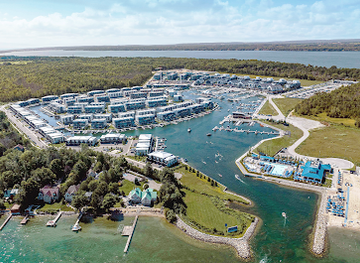
Friday Harbour Resort
Experience the perfect lakeside retreat at Friday Harbour Resort, where relaxation meets adventure in a stunning natural setting.
-
Bar
The Fifth Social Club
Discover the upscale nightlife at The Fifth Social Club, a vibrant bar and lounge in Toronto perfect for an unforgettable evening out.
-
Night club
El Convento Rico
Discover the lively atmosphere and vibrant music scene at El Convento Rico, a top night club and bar in Toronto's Old Town.

Best shops in Greater Toronto Area
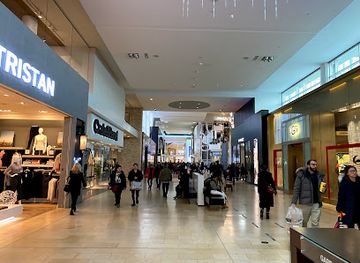
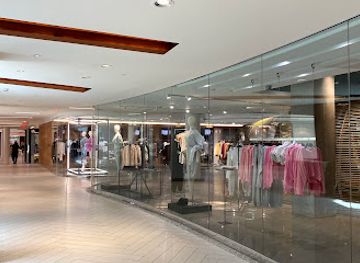
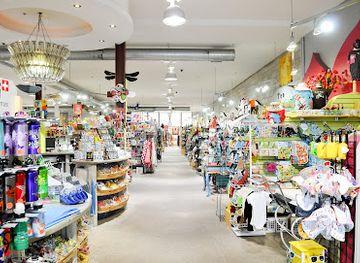
Shopping in the GTA ranges from dense urban streets and covered markets to large suburban centres and specialised cultural districts. Toronto's St Lawrence Market is the region's best-known food market, while Kensington Market combines independent food shops, vintage clothing, small retailers and cafés in a distinctive street setting. Queen Street West, Yorkville and the Bloor-Yorkville area offer different mixes of design, fashion, books, galleries and higher-end retail. Outside Toronto, the Toronto Premium Outlets area in Halton, Square One in Mississauga, Vaughan Mills and Pacific Mall in Markham represent major suburban shopping destinations with contrasting characters. Markham and Richmond Hill are useful for Asian groceries, restaurants and specialist retail; Brampton and Mississauga have South Asian, Caribbean and Middle Eastern food shops, clothing businesses and jewellers. Across the region, farmers' markets, craft studios, gallery shops and independent bakeries provide more locally rooted purchases than generic souvenirs.
-
Shopping mall
Yorkdale Shopping Centre
Discover a world of luxury shopping and gourmet dining at Yorkdale Shopping Centre, Toronto's premier retail destination.
-
Shopping mall
Yorkville Village
Discover Yorkville Village, the chic shopping destination in Toronto offering luxury brands, unique boutiques, and exquisite dining experiences.
-
Gift shop
Blue Banana Market
Explore Blue Banana Market in Kensington for unique gifts and souvenirs reflecting Toronto's vibrant culture and artistic spirit.
-
Vintage clothing store
Black Market Vintage Upstairs
Explore Black Market Vintage Upstairs in Toronto for a unique collection of eclectic vintage apparel that tells a story.
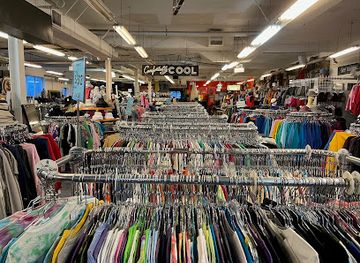
Get your free copy of our complete guide to Greater Toronto Area, delivered straight to you.
Everything on this page, from attractions and restaurants to essentials and local phrases, in one PDF you can read offline, print or share.
Already have an account? Sign in
Your Greater Toronto Area guide is ready.
We'll send it to · Not you? Sign out

Getting your guide ready…
We are putting together a fresh copy of the Greater Toronto Area guide. This can take up to a minute.
This can take a few moments. If your browser asks, choose Allow so the download can start. You'll find the guide in your Downloads folder.
Nothing happened? Download it again
Sorry, the guide is taking longer than usual. Please try again in a minute, or get it by email instead.
Greater Toronto Area essentials
Currency and Payment
Safety
Emergency Situations
Do's and Don'ts
Local Tips
From Eve
Local phrases worth knowing
You don't need to get them perfect. A few words go a long way, and locals appreciate the effort.
Basics
| English | Local | Say it |
|---|---|---|
| Hello | Hey | [Hey] |
| Goodbye | See ya | [See ya] |
| Yes | Yeah | [Yeah] |
| No | Nah | [Nah] |
| Please/You're welcome | No problem | [No problem] |
| Thank you | Thanks | [Thx] |
| Excuse me/Sorry | Sorry | [Sorry] |
| How are you? | How's it going? | [How's it going?] |
| Fine. And you? | Good, you? | [Good, you?] |
| Do you speak English? | Do you speak English? | [Do you speak English?] |
| I don't understand | I don't get it | [I don't get it] |
Eating & Drinking
| English | Local | Say it |
|---|---|---|
| I'd like to see the menu, please | Can I see the menu? | [Can I see the menu?] |
| I don't eat meat | I'm vegetarian | [I'm vegetarian] |
| Cheers! | Cheers! | [Cheers!] |
| I would like to pay, please | Can I get the bill? | [Can I get the bill?] |
Emergencies
| English | Local | Say it |
|---|---|---|
| Help! | Help! | [Help!] |
| Go away! | Get lost! | [Get lost!] |
| Call the Police! | Call the cops! | [Call the cops!] |
| Call a doctor! | Get a doctor! | [Get a doctor!] |
| I'm lost | I'm lost | [I'm lost] |
| I'm ill | I'm not feeling well | [I'm not feeling well] |
Shopping
| English | Local | Say it |
|---|---|---|
| I'd like to buy... | I want to buy... | [I want to buy...] |
| I'm just looking | Just browsing | [Just browsing] |
| How much is it? | What’s the price? | [What’s the price?] |
| That's too expensive | That's pricey | [That's pricey] |
| Can you lower the price? | Can you give me a deal? | [Can you give me a deal?] |
Time & Numbers
| English | Local | Say it |
|---|---|---|
| What time is it? | What time is it? | [What time is it?] |
| It's one o'clock | It's one o'clock | [It's one o'clock] |
| Half past (10) | Half past ten | [Half past ten] |
| Morning | Morning | [Morning] |
| Afternoon | Afternoon | [Afternoon] |
| Evening | Evening | [Evening] |
| Yesterday | Yesterday | [Yesterday] |
| Today | Today | [Today] |
| Tomorrow | Tomorrow | [Tomorrow] |
| 1 | One | [One] |
| 2 | Two | [Two] |
| 3 | Three | [Three] |
| 4 | Four | [Four] |
| 5 | Five | [Five] |
| 6 | Six | [Six] |
| 7 | Seven | [Seven] |
| 8 | Eight | [Eight] |
| 9 | Nine | [Nine] |
| 10 | Ten | [Ten] |
Transport & Directions
| English | Local | Say it |
|---|---|---|
| Where's a/the...? | Where's the...? | [Where's the...?] |
| What's the address? | What's the address? | [What's the address?] |
| Can you show me (on the map)? | Can you show me on the map? | [Can you show me on the map?] |
| When's the next (bus)? | When's the next bus? | [When's the next bus?] |
| A ticket (to ....) | One ticket to ... | [One ticket to ...] |
History of Greater Toronto Area
Indigenous Homelands and Early Trade Routes
The GTA lies within the traditional territories of Indigenous peoples including the Mississaugas of the Credit First Nation and other Anishinaabe communities, with longstanding connections to the coastline, rivers, forests and portage routes around Lake Ontario. The Humber River in particular formed an important route between the lake and the interior. Indigenous presence predates European settlement by thousands of years, and archaeological evidence records villages, camps, fishing grounds and agricultural activity across the region. Any account of the area's later urban development needs to recognise these enduring relationships with the land and the continuing presence of Indigenous communities.
York and the Colonial Settlement, 1793–1812
The colonial settlement of York was established on the north-western shore of Lake Ontario in 1793 as the administrative capital of Upper Canada. Its harbour, protected islands and defensible position helped the small settlement develop, although York remained modest in scale during its early decades. The War of 1812 brought military conflict to the town, including the American attack and occupation of York in 1813. Fort York, the surviving nineteenth-century fortification in central Toronto, preserves evidence of this period and represents the military and political origins of the modern city.
Toronto's Incorporation and Industrial Growth
York was incorporated as the City of Toronto in 1834, and the settlement expanded rapidly during the nineteenth century. Railways, the harbour, lake shipping and manufacturing encouraged population growth and connected Toronto with inland markets. Industries included food processing, clothing, machinery and other urban manufactures, while surrounding townships supplied agricultural products. The lakefront became a working industrial zone, and railway corridors shaped neighbourhoods that remain visible in the city's street plan. Toronto's economic rise also attracted migrants from Britain, Ireland and continental Europe, laying foundations for the region's later cultural diversity.
Municipal Expansion and Metropolitan Government
As Toronto grew beyond its original boundaries, adjacent municipalities developed their own town centres and suburban identities. The creation of Metropolitan Toronto in 1954 established a regional framework for coordinating roads, transit, housing and other services across the central city and surrounding municipalities. Rapid post-war suburbanisation transformed areas now associated with North York, Scarborough and Etobicoke, while new communities expanded in Peel, York, Durham and Halton. In 1998, the former municipalities of Metropolitan Toronto were amalgamated into the present City of Toronto, while the wider metropolitan region continued to operate through multiple municipal governments.
Post-war Immigration and Cultural Transformation
From the later twentieth century onwards, immigration reshaped the GTA's population, neighbourhoods and economy. Communities from the Caribbean, South Asia, East Asia, Africa, Europe, the Middle East and Latin America established businesses, religious institutions, cultural organisations and food traditions across Toronto and the surrounding municipalities. Former industrial and suburban areas became important centres of settlement, while cities such as Brampton, Mississauga, Markham and Vaughan grew dramatically. The region's multilingual public life, restaurants, festivals and commercial districts are direct expressions of this immigration history rather than a recent decorative addition to the metropolitan identity.
The Modern Metropolitan Region
The GTA is now one of North America's major economic and cultural regions, with influential sectors including finance, technology, education, healthcare, film and television, design, logistics and advanced manufacturing. Intensification around transit corridors has produced new high-rise centres beyond downtown Toronto, especially in Mississauga, Vaughan, Markham and North York, while large parts of the region remain suburban or rural in character. The contemporary GTA continues to face the challenges of housing pressure, congestion, infrastructure demands and environmental protection, making its changing urban form an important part of the visitor experience.
Greater Toronto Area in Photos
Browse through our photo collection highlighting the charm and character of the destination.
Neighbouring regions of Greater Toronto Area
The closest regions to Greater Toronto Area, if you have time for more than one.
-

-

-

-

-


Swipe for more regions
Explore more
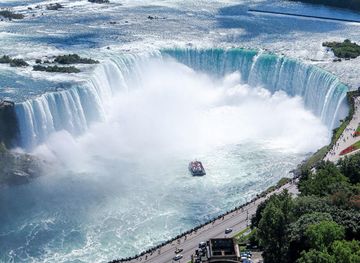
Explore more of Canada
Discover Canada's breathtaking landscapes, diverse cities, and rich cultural heritage. A must-visit destination for outdoor adventures and vibrant urban experiences.
Explore Canada