

Free Ottawa Valley Travel Guide & Mobile App
Explore Ottawa Valley with free travel guides. Discover regional history, expert tips, proposed trips, and audio guides on web or mobile app.


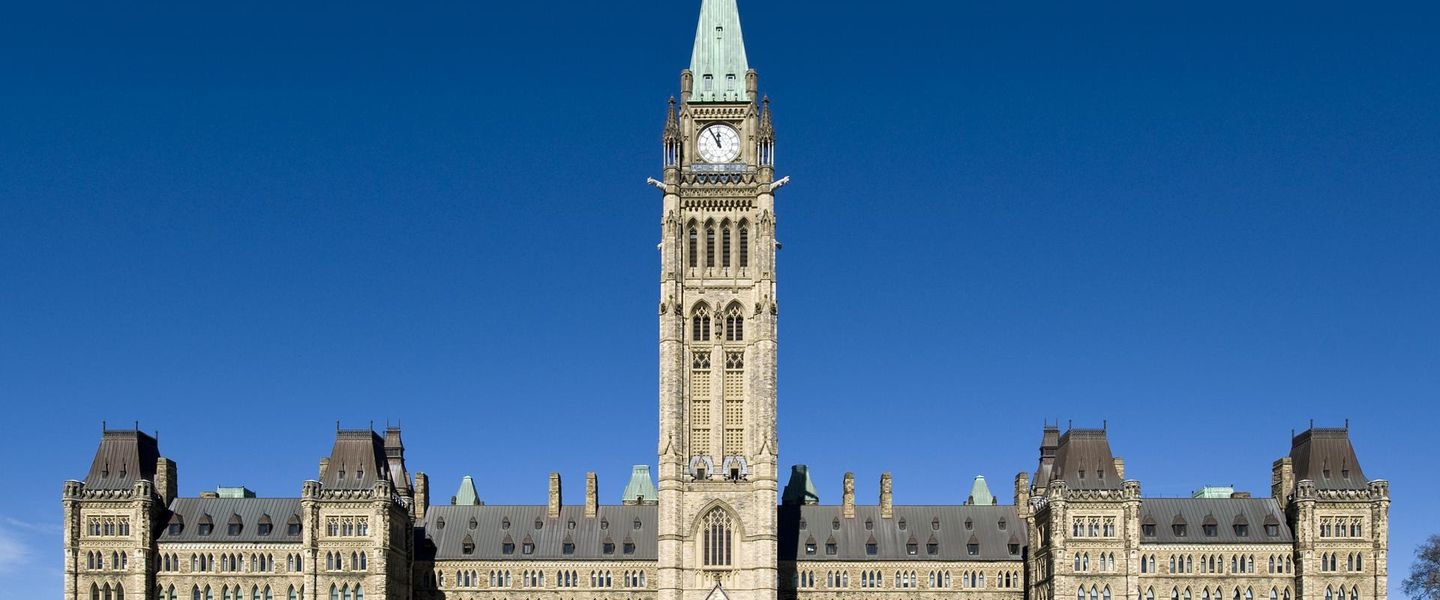


Explore the Ottawa Valley in Canada for bilingual cities, river towns, forest trails, museums, paddling, local food and four-season outdoor travel.
Read more about Ottawa Valley
When is the best time to visit Ottawa Valley?
Best: June, August–September · 21–27°C| Month | High (°C) | Rainfall (mm) |
|---|---|---|
| January | -4 | 55 |
| February | -2 | 50 |
| March | 6 | 55 |
| April | 12 | 65 |
| May | 20 | 80 |
| June (best) | 25 | 85 |
| July | 29 | 90 |
| August (best) | 27 | 85 |
| September (best) | 21 | 80 |
| October | 14 | 75 |
| November | 6 | 70 |
| December | -1 | 65 |
Getting to and around Ottawa Valley
How to get there
Transportation
Top city travel guides in Ottawa Valley
The cities of Ottawa Valley, and the easiest places to base yourself.

Swipe for more cities
Best attractions in Ottawa Valley
The Ottawa Valley’s attractions range from national museums and civic institutions in Ottawa and Gatineau to river towns, forest recreation and industrial heritage farther west. Ottawa’s cultural offer includes the National Gallery of Canada, the Canadian Museum of Nature and the Rideau Canal, while Gatineau provides the Canadian Museum of History and access to the wooded landscapes of Gatineau Park. In the upper valley, Pembroke’s Canadian Canoe Museum explores canoe design, travel and culture, and local heritage sites interpret timber, farming and river commerce. Outdoor visitors can paddle sections of the Ottawa River, hike in Gatineau Park and other conservation areas, cycle selected multi-use trails, or seek cross-country skiing and snowshoeing in winter. The region also supports camping, fishing, swimming and wildlife observation, though conditions and facilities vary considerably. Historic towns such as Arnprior, Renfrew and Pembroke offer museums, waterfront walks and architectural traces of the lumber era. Seasonal farm stands, maple operations and community events add a direct connection to the valley’s working countryside without turning the region into a single, uniform attraction zone.
-
Historical place
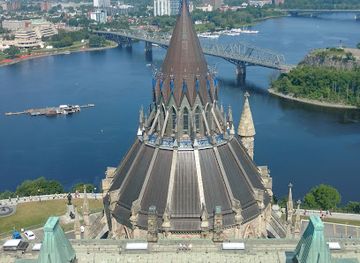
Parliament Hill
Explore Parliament Hill, a stunning historical landmark in Ottawa, where Canada's democracy comes to life amid breathtaking architecture and rich culture.
-
Natural history museum
Canadian Museum of Nature / Musée canadien de la nature
Discover the fascinating world of natural history at the Canadian Museum of Nature, a premier tourist attraction in Ottawa showcasing diverse exhibits.
-
History museum
Canadian Museum of History
Explore the rich cultural heritage of Canada at the Canadian Museum of History, featuring immersive exhibits and stunning architecture.
-
Art gallery
National Gallery of Canada
Explore the National Gallery of Canada: A Cultural Hub Showcasing Indigenous and Canadian Art in a Stunning Architectural Setting.

Best landmarks in Ottawa Valley
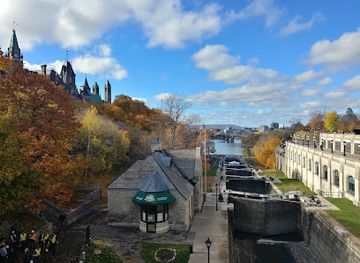
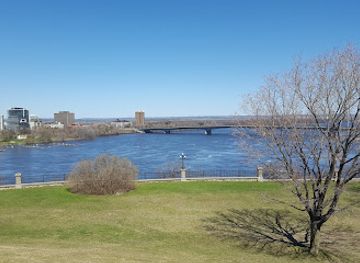
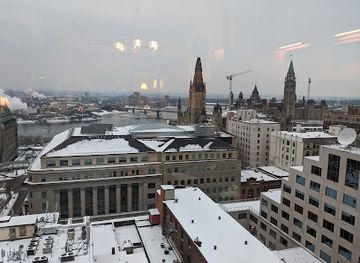
Parliament Hill is the Ottawa Valley’s most recognisable civic landmark, its Gothic Revival buildings occupying the bluff above the Ottawa River and expressing Ottawa’s role as Canada’s capital. The Rideau Canal locks below the hill form an equally important historic landscape, linking the capital to the nineteenth-century military and transport system. Across the river, the Canadian Museum of History’s broad modern building is a prominent architectural presence on the Gatineau waterfront, with views towards Ottawa. The Ottawa River itself is the region’s defining natural landmark, changing from a broad urban waterway to rapids, bays and forested reaches upstream. Gatineau Park provides a contrasting landmark landscape of Laurentian hills, lakes, lookouts and mature woodland close to the metropolitan area. In the upper valley, historic lumber-town streets, surviving industrial buildings and riverfront structures in places such as Arnprior, Renfrew and Pembroke preserve the visual legacy of timber commerce. The Chaudière Falls area, between Ottawa and Gatineau, recalls the river’s industrial power, although access and viewpoints are shaped by modern infrastructure and restricted sites.
-
Historical place
Parliament Hill
Discover the iconic Parliament Hill in Ottawa, a historical site that embodies Canadian democracy and breathtaking architecture, perfect for all tourists.
-
War museum
Canadian War Museum
Discover the Canadian War Museum in Ottawa, where history comes alive through engaging exhibits and heartfelt tributes to those who served.
-
Hotel
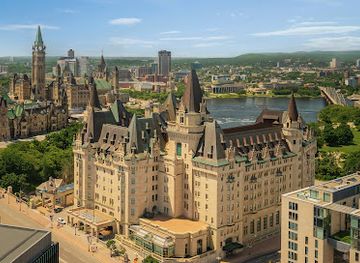
Fairmont Château Laurier
Experience timeless elegance in the heart of Ottawa at the Fairmont Château Laurier, a historic landmark offering luxury accommodations and exceptional service.
-
Historical landmark
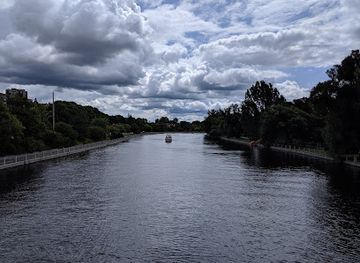
Rideau Canal National Historic Site
Discover the Rideau Canal National Historic Site in Ottawa, a blend of history and natural beauty, ideal for year-round recreational activities.
Explore Ottawa Valley on the map
Plan your trip on one map. See where the top cities, national parks and sights are, and book hotels and experiences in a few clicks.
Best hotels in Ottawa Valley
Best restaurants in Ottawa Valley
Dining in the Ottawa Valley reflects the meeting of Ontario, Quebec and wider Canadian food cultures. Ottawa and Gatineau provide the broadest choice, from contemporary Canadian cooking and international restaurants to cafés, bakeries, food halls and markets. In smaller towns, traditional restaurants, independent cafés, pubs and rural inns often form the practical dining base. Local produce appears seasonally through farm shops and markets, including apples, berries, vegetables, maple products and artisanal baked goods. The valley’s forest and agricultural background is also reflected in game, freshwater fish and hearty comfort food, although menus vary and no single dish represents the entire region. Quebec-side communities may offer tourtière, poutine and French-Canadian baking alongside modern cooking, while Ontario towns have their own pub, diner and bakery traditions. Craft beer, cider, maple products and locally made preserves make useful regional purchases. Outside the urban centres, dinner service can be limited and distances between establishments considerable, so planning matters more than searching for a formal dining district.
-
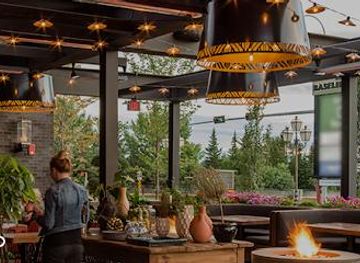
Restaurant
JOEY Rideau
Contemporary fusion dining in the Byward Market with creative sushi, premium steaks, and craft cocktails.
-
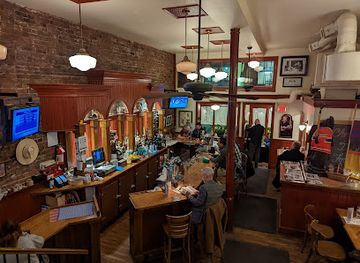
French
Chez Lucien
Experience authentic French cuisine at Chez Lucien in Ottawa's Byward Market - where every meal is a celebration of flavor and ambiance.
-
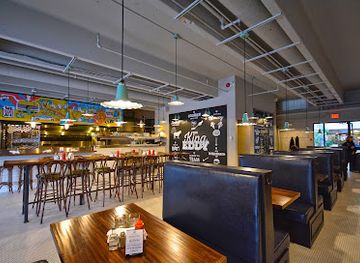
Restaurant
The King Eddy
Experience delicious gourmet burgers and vibrant dining at The King Eddy in Ottawa's Byward Market – a must-visit culinary hotspot.
-
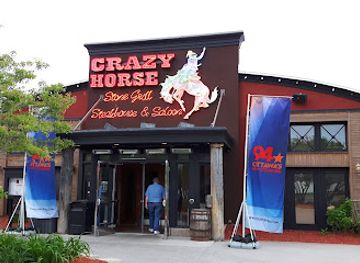
Grill
Crazy Horse Stonegrill Steakhouse & Saloon
Experience delicious stone-grilled cuisine and vibrant live music at Crazy Horse Stonegrill Steakhouse & Saloon in Kanata.
Best bars in Ottawa Valley
Evening life is concentrated in Ottawa and Gatineau, where the largest selection of bars, breweries, live-music rooms, theatres and late venues is found. The ByWard Market and nearby central Ottawa streets have a dense urban mix, while Gatineau offers bars, restaurants and cultural venues on the Quebec side of the river; the character of individual areas changes over time. In upper-valley towns such as Pembroke, Renfrew and Arnprior, nightlife is more modest and usually centres on pubs, restaurants, community events and occasional live music rather than large clubs. Breweries, taprooms and seasonal patios provide alternatives to late-night venues, and rural evenings often focus on conversation, food and outdoor accommodation. Winter and summer events can alter the evening scene, but visitors should check current arrangements rather than assume late opening hours outside the cities.
-
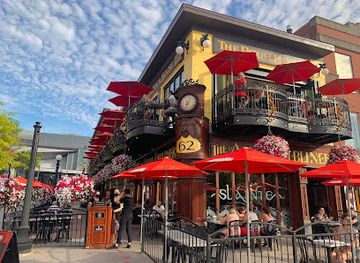
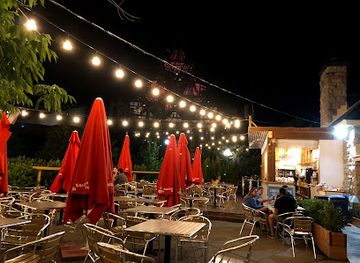
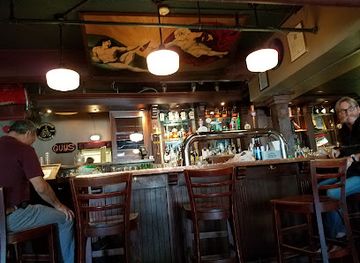
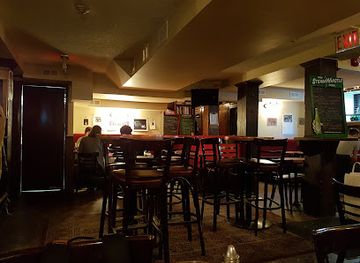
Irish pub
Aulde Dubliner & Pour House - ByWard Market, Ottawa ON
Discover the charm of Aulde Dubliner & Pour House, an Irish pub offering delicious food, a vibrant atmosphere, and live music in Ottawa’s ByWard Market.
-
Grill
Tavern On The Hill
Discover the vibrant atmosphere and delicious grill cuisine at Tavern On The Hill in Ottawa's Byward Market.
-
Bar
The Laff
Experience the rich history and vibrant nightlife at The Laff, Ottawa's oldest pub offering live music, great food, and a lively atmosphere.
-
Bar
The Manx Pub
Discover the charm of The Manx Pub in Ottawa, where cozy ambiance meets delicious culinary delights and friendly service.
Best nightclubs in Ottawa Valley
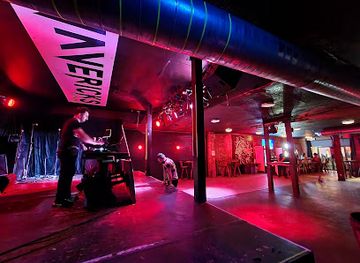
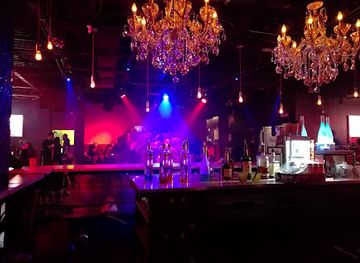
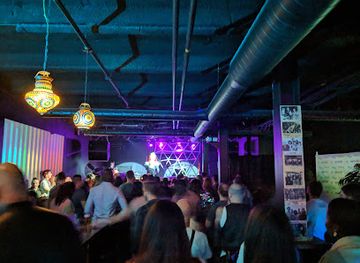
Evening life is concentrated in Ottawa and Gatineau, where the largest selection of bars, breweries, live-music rooms, theatres and late venues is found. The ByWard Market and nearby central Ottawa streets have a dense urban mix, while Gatineau offers bars, restaurants and cultural venues on the Quebec side of the river; the character of individual areas changes over time. In upper-valley towns such as Pembroke, Renfrew and Arnprior, nightlife is more modest and usually centres on pubs, restaurants, community events and occasional live music rather than large clubs. Breweries, taprooms and seasonal patios provide alternatives to late-night venues, and rural evenings often focus on conversation, food and outdoor accommodation. Winter and summer events can alter the evening scene, but visitors should check current arrangements rather than assume late opening hours outside the cities.
-
Baby store
Mavericks
Discover Mavericks, Ottawa's premier baby store in Byward Market, offering a delightful array of baby essentials and gifts for families.
-
Club
Rideau Club
Discover the charm of Rideau Club, Ottawa's exclusive venue for fine dining, social events, and networking in a stunning environment.
-
Night club
Hyde & Seek
Discover the vibrant nightlife at Hyde & Seek, Ottawa's premier night club, blending cocktails, disco, and lounge vibes for an unforgettable evening.
-
Night club
The 27 Club
Dive into the dynamic nightlife of Ottawa at The 27 Club, a premier night club with live music, crafted cocktails, and an unforgettable atmosphere.
Best shops in Ottawa Valley
Shopping is most varied in Ottawa and Gatineau, where central streets, neighbourhood high streets, galleries, markets and larger retail areas provide national brands alongside independent businesses. The ByWard Market is a long-established urban market district, while Gatineau and smaller Quebec communities add French-Canadian food products, bakeries and regional crafts. In upper-valley towns, shopping is more local and practical, with independent retailers, bookshops, antiques, galleries, craft outlets and seasonal markets rather than extensive luxury retail. Farm shops and roadside stands are good places to look for maple syrup, preserves, honey, apples, baked goods and other produce, especially during the warmer months. Outdoor equipment and canoe-related goods are also naturally prominent in a region shaped by paddling and forest recreation. Market schedules and seasonal stalls vary, so confirm arrangements before making a long rural detour, and treat Indigenous-made products with respect by buying from identifiable artists or legitimate retailers.
-
Gift shop
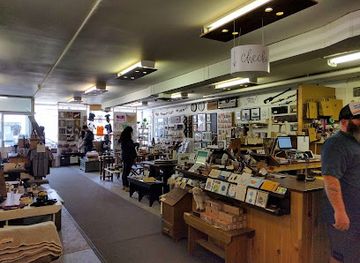
Maker House Co.
Explore Maker House Co. in Ottawa for a unique selection of handcrafted gifts, art, and gourmet products by local artisans.
-
Gift shop
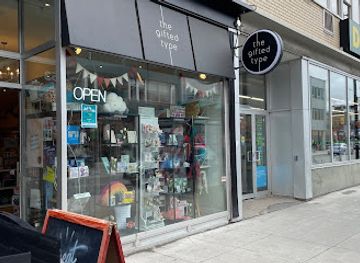
The Gifted Type
Discover unique gifts and local artisan creations at The Gifted Type, Ottawa's beloved gift shop in the heart of the Golden Triangle.
-
Used clothing store
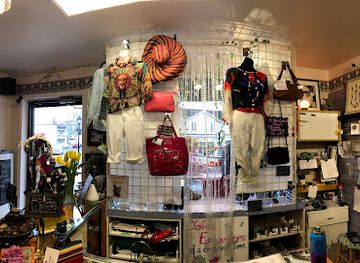
Clothes Encounters Of A Second Time designer consignment store
Unearth unique fashion treasures at Clothes Encounters Of A Second Time, Ottawa's premier designer consignment store for vintage and contemporary apparel.
-
Vintage clothing store
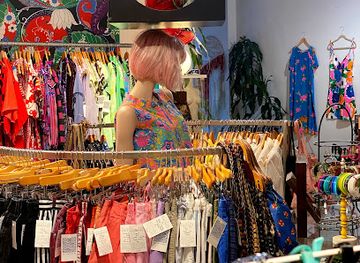
Bellwethers Vintage
Explore an eclectic collection of vintage fashion at Bellwethers Vintage in Ottawa, where timeless style meets modern flair.
Get your free copy of our complete guide to Ottawa Valley, delivered straight to you.
Everything on this page, from attractions and restaurants to essentials and local phrases, in one PDF you can read offline, print or share.
Already have an account? Sign in
Your Ottawa Valley guide is ready.
We'll send it to · Not you? Sign out

Getting your guide ready…
We are putting together a fresh copy of the Ottawa Valley guide. This can take up to a minute.
This can take a few moments. If your browser asks, choose Allow so the download can start. You'll find the guide in your Downloads folder.
Nothing happened? Download it again
Sorry, the guide is taking longer than usual. Please try again in a minute, or get it by email instead.
Ottawa Valley essentials
Currency and Payment
Safety
Emergency Situations
Do's and Don'ts
Local Tips
From Eve
Local phrases worth knowing
You don't need to get them perfect. A few words go a long way, and locals appreciate the effort.
Basics
| English | Local | Say it |
|---|---|---|
| Hello | Bonjour | [bawn-zhoor] |
| Goodbye | Au revoir | [oh ruh-vwahr] |
| Yes | Oui | [wee] |
| No | Non | [noh] |
| Please/You're welcome | S'il vous plaît/De rien | [seel voo pleh/deh ryan] |
| Thank you | Merci | [mair-see] |
| Excuse me/Sorry | Excusez-moi/Désolé | [ehks-kew-zay mwah/day-zoh-lay] |
| How are you? | Comment ça va? | [koh-mahn sah vah] |
| Fine. And you? | Bien. Et vous? | [byan. eh voo] |
| Do you speak English? | Parlez-vous anglais? | [par-lay voo ahn-glay] |
| I don't understand | Je ne comprends pas | [zhuh nuh kom-prahn pah] |
Eating & Drinking
| English | Local | Say it |
|---|---|---|
| I'd like to see the menu, please | Je voudrais voir le menu, s'il vous plaît | [zhuh voo-dray vwar luh meh-nu, seel voo pleh] |
| I don't eat meat | Je ne mange pas de viande | [zhuh nuh mahnj pah duh vyahnd] |
| Cheers! | Santé! | [sahn-tay] |
| I would like to pay, please | Je voudrais payer, s'il vous plaît | [zhuh voo-dray pay-ay, seel voo pleh] |
Emergencies
| English | Local | Say it |
|---|---|---|
| Help! | Au secours! | [oh se-koor] |
| Go away! | Allez-vous-en! | [ah-lay voo-zahn] |
| Call the Police! | Appelez la police! | [ah-peh-lay lah poh-lees] |
| Call a doctor! | Appelez un docteur! | [ah-peh-lay uhn dok-teur] |
| I'm lost | Je suis perdu | [zhuh swee pair-due] |
| I'm ill | Je suis malade | [zhuh swee mah-lahd] |
Shopping
| English | Local | Say it |
|---|---|---|
| I'd like to buy... | Je voudrais acheter... | [zhuh voo-dray ah-sheh-tay] |
| I'm just looking | Je regarde juste | [zhuh ruh-gard zhoost] |
| How much is it? | C'est combien? | [say kohm-byen] |
| That's too expensive | C'est trop cher | [say troh shair] |
| Can you lower the price? | Pouvez-vous baisser le prix? | [poo-vay voo beh-say luh pree] |
Time & Numbers
| English | Local | Say it |
|---|---|---|
| What time is it? | Quelle heure est-il? | [kel uhr eh-teel] |
| It's one o'clock | Il est une heure | [eel eh uhn uhr] |
| Half past (10) | Dix heures et demie | [dees uhr eh duh-mee] |
| Morning | Matin | [mah-tan] |
| Afternoon | Après-midi | [ah-preh-mee-dee] |
| Evening | Soir | [swahr] |
| Yesterday | Hier | [ee-air] |
| Today | Aujourd'hui | [oh-zhoor-dwee] |
| Tomorrow | Demain | [deh-man] |
| 1 | Un | [uhn] |
| 2 | Deux | [duh] |
| 3 | Trois | [trwah] |
| 4 | Quatre | [ka-truh] |
| 5 | Cinq | [sank] |
| 6 | Six | [sees] |
| 7 | Sept | [set] |
| 8 | Huit | [weet] |
| 9 | Neuf | [nuhf] |
| 10 | Dix | [dees] |
Transport & Directions
| English | Local | Say it |
|---|---|---|
| Where's a/the...? | Où est un/...? | [oo eh uhn] |
| What's the address? | Quelle est l'adresse? | [kel eh l'a-dress] |
| Can you show me (on the map)? | Pouvez-vous me montrer (sur la carte)? | [poo-vay voo muh mohn-tray (sur lah kart)] |
| When's the next (bus)? | Quand est le prochain (bus)? | [kahn eh luh pro-shen (boos)] |
| A ticket (to ....) | Un billet (pour ....) | [uhn bee-yay (poor)] |
History of Ottawa Valley
Indigenous waterways and ancient travel routes
The Ottawa River has long been an important transportation corridor for Anishinaabe peoples and other Indigenous communities. Its tributaries, portage routes and shorelines connected the Great Lakes, the St Lawrence basin and the interior forests. Archaeological evidence records longstanding occupation, while living Indigenous communities continue to maintain cultural, political and economic relationships with the valley. European maps and later colonial accounts often imposed new names on an older network of travel and knowledge.
French exploration and the fur trade
French explorers and traders entered the Ottawa River system during the seventeenth century, linking the waterway to the wider fur trade. River travel was difficult because of rapids and falls, requiring portages and local knowledge. The valley became a route between established settlements along the St Lawrence and the interior, although European activity depended heavily on Indigenous guidance, exchange networks and diplomatic relationships.
Settlement and the timber trade
After the American Revolution, Crown-sponsored settlement expanded along the lower and middle Ottawa Valley, bringing Loyalist communities and later immigrants to river towns and farm districts. During the nineteenth century, timber became the region’s dominant export. Huge quantities of square timber and sawn lumber travelled downriver towards Montreal and Quebec, and communities such as Ottawa, Hull, Arnprior and Pembroke grew through milling, shipping, provisioning and related trades.
The Rideau Canal and early transport networks
The Rideau Canal, completed in 1832 between Ottawa and Kingston, strengthened the strategic and commercial importance of the lower Ottawa Valley after the War of 1812. Ottawa developed around the canal’s northern terminus, first as Bytown and later as the capital of the Province of Canada. Roads, steamboats and railways gradually supplemented river transport, tying valley settlements more closely to Montreal, Toronto and the wider Canadian economy.
Capital formation and Confederation
Queen Victoria’s selection of Ottawa as the capital in 1857 transformed a timber town into a national political centre. Confederation in 1867 reinforced that role, and the construction of Parliament and other federal buildings gave the lower valley an important Gothic Revival architectural legacy. Across the river, Hull remained a major industrial and working community, creating a distinctly interconnected yet bilingual urban region.
Hydroelectricity, pulp and the modern upper valley
In the twentieth century, hydroelectric development, pulp and paper, mining-related activity and military institutions reshaped the upper Ottawa Valley. Towns such as Pembroke, Renfrew, Deep River and Petawawa acquired roles beyond traditional logging and farming. The Chalk River nuclear research site, west of Deep River, became a major scientific institution, while declining timber employment encouraged communities to diversify into services, tourism, recreation and heritage interpretation.
A bilingual cultural and recreational region
Since the late twentieth century, the Ottawa Valley has increasingly been experienced as a connected region rather than solely as separate Ontario and Quebec communities. Ottawa and Gatineau expanded as a metropolitan area, while museums, festivals, conservation initiatives and outdoor tourism broadened the valley’s appeal. River restoration, Indigenous cultural recognition and the preservation of logging, canal and industrial heritage now sit alongside the capital’s national institutions.
Ottawa Valley in Photos
Browse through our photo collection highlighting the charm and character of the destination.
Neighbouring regions of Ottawa Valley
The closest regions to Ottawa Valley, if you have time for more than one.
-

-

-

-

-


Swipe for more regions
Explore more
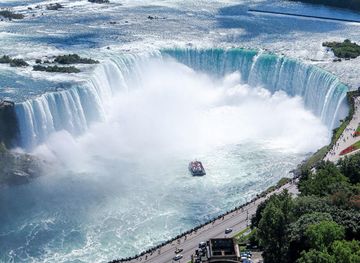
Explore more of Canada
Discover Canada's breathtaking landscapes, diverse cities, and rich cultural heritage. A must-visit destination for outdoor adventures and vibrant urban experiences.
Explore Canada