

Free Eastern Ontario Travel Guide & Mobile App
Explore Eastern Ontario with free travel guides. Discover regional history, expert tips, proposed trips, and audio guides on web or mobile app.


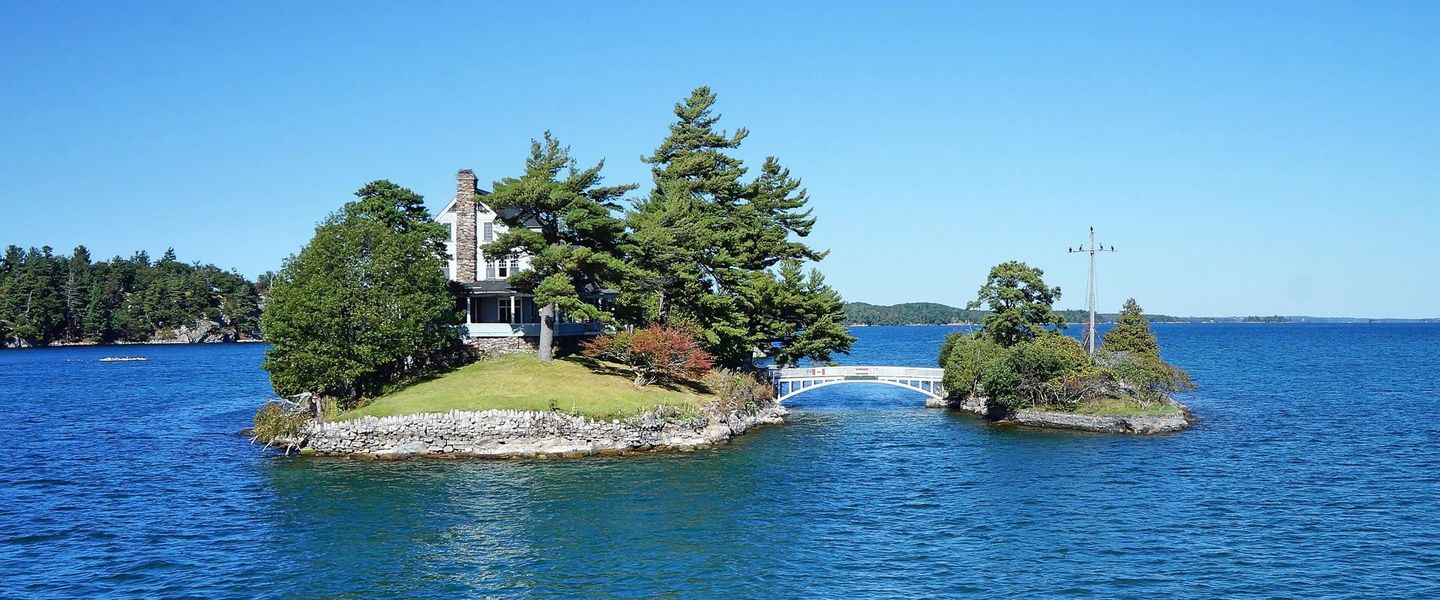


Eastern Ontario combines Ottawa's museums, Kingston's history, the Rideau Canal, Thousand Islands, rural food trails and Lake Ontario landscapes.
Read more about Eastern Ontario
When is the best time to visit Eastern Ontario?
Best: June–August · 25–27°C| Month | High (°C) | Rainfall (mm) |
|---|---|---|
| January | -5 | 50 |
| February | -2 | 45 |
| March | 4 | 55 |
| April | 13 | 65 |
| May | 21 | 75 |
| June (best) | 25 | 90 |
| July (best) | 27 | 95 |
| August (best) | 26 | 90 |
| September | 20 | 80 |
| October | 13 | 65 |
| November | 7 | 60 |
| December | -1 | 55 |
Getting to and around Eastern Ontario
How to get there
Transportation
Top city travel guides in Eastern Ontario
The cities of Eastern Ontario, and the easiest places to base yourself.
-

-


Swipe for more cities
Best attractions in Eastern Ontario
Eastern Ontario's attractions range from national cultural institutions in Ottawa to small museums and historic sites scattered through rural counties. Ottawa's Parliament Hill, national museums and Rideau Canal experiences provide the region's largest concentration of organised visits, while Kingston combines waterfront history with Fort Henry, the Kingston Penitentiary area and heritage architecture. The Rideau Canal corridor offers lock stations, boating, paddling, cycling and village stops between Ottawa and Kingston. Along the St Lawrence, Gananoque and Brockville are gateways for Thousand Islands cruises, and Upper Canada Village near Morrisburg interprets nineteenth-century rural life through reconstructed buildings and demonstrations. Prince Edward County adds beaches, conservation areas, galleries, farm shops and vineyards, with Sandbanks Provincial Park especially prominent for its sandy shoreline and dune landscape. Inland, the Ottawa Valley and Renfrew County provide forested lakes, canoeing, caves, hiking and industrial-heritage stories rather than a dense sequence of formal attractions. Seasonal conditions matter: water-based activities are concentrated in warmer months, while museums, historic houses and urban cultural venues make spring, autumn and winter practical for a different style of visit.
-
City park
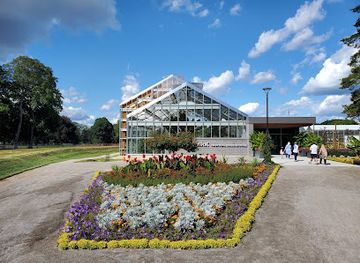
Gage Park
Explore Gage Park in Hamilton, a beautiful city park featuring a stunning greenhouse, vibrant gardens, and serene walking paths perfect for relaxation.
-
Restaurant
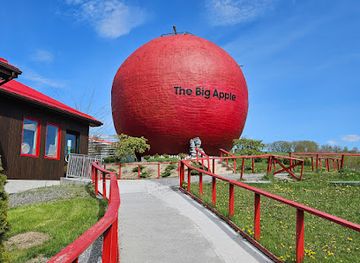
The Big Apple
Experience the joy of The Big Apple, where delicious pies meet fun activities like mini-golf and bocce ball in the heart of Ontario.
-
Scenic spot
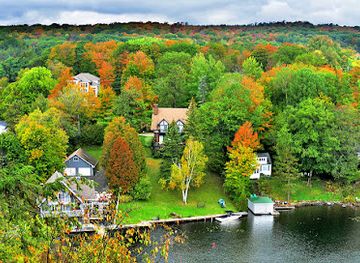
Lions Lookout
Experience the stunning landscapes and vibrant colors of Huntsville at Lions Lookout, a perfect spot for nature lovers and scenic views.
-
Tourist attraction
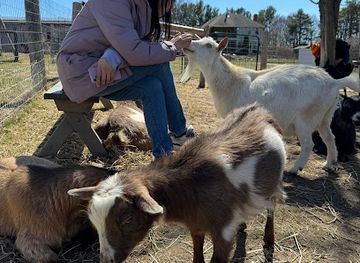
Haute Goat
Discover the joy of farm life at Haute Goat, a unique tourist attraction in Ontario, featuring friendly goats, artisanal goods, and a cozy café experience.
Best landmarks in Eastern Ontario
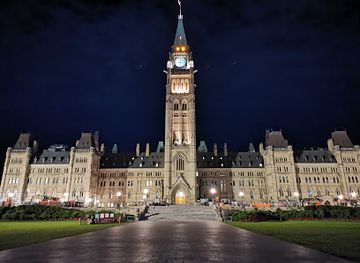
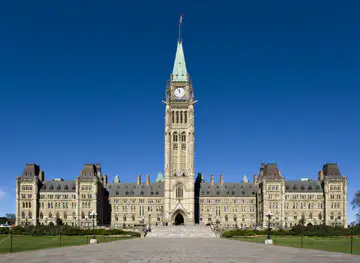
Parliament Hill in Ottawa is Eastern Ontario's most recognisable civic landmark, with its Gothic Revival buildings overlooking the Ottawa River and forming the symbolic centre of Canada's capital. The Rideau Canal is a different kind of landmark: its locks, dams, lakes and historic engineering works create a linear cultural landscape linking Ottawa with Kingston. In Kingston, Fort Henry occupies a commanding position above the harbour and the entrance to the canal, while the city's limestone streets and nineteenth-century public buildings express its former military and political importance. The Thousand Islands archipelago near Gananoque and Brockville is the region's defining natural landmark, where wooded islands and channels broaden the St Lawrence. Upper Canada Village near Morrisburg is a major reconstructed heritage landscape illustrating the society and technology of the nineteenth-century St Lawrence settlements. Prince Edward County's Sandbanks, with its long beaches and dune formations, provides a prominent natural counterpoint to the region's masonry and military landmarks. Together these places show how Eastern Ontario's identity rests on government, waterways, defence, settlement and changing rural landscapes.
-
Historical place
Parliament Hill
Experience the grandeur of Parliament Hill in Ottawa, a historical landmark and the heart of Canada's democratic process amidst stunning architecture and scenic views.
-
Tourist attraction
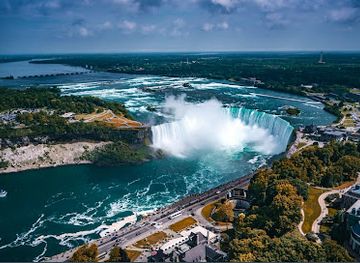
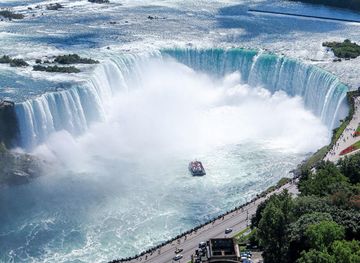
Horseshoe Falls of Canada
Experience the awe-inspiring power and beauty of Horseshoe Falls, the iconic centerpiece of Niagara Falls, on the Canadian side.
-
Historical place museum
Upper Canada Village
Experience the charm of 19th-century Ontario at Upper Canada Village, a living history museum filled with engaging activities and authentic heritage.
-
Historical place
Fort Henry National Historic Site
Explore 19th-century military life at this historic fortress with stunning views of Lake Ontario and the St. Lawrence River.
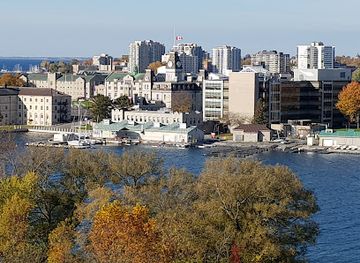
Explore Eastern Ontario on the map
Plan your trip on one map. See where the top cities, national parks and sights are, and book hotels and experiences in a few clicks.
Best hotels in Eastern Ontario
Best restaurants in Eastern Ontario
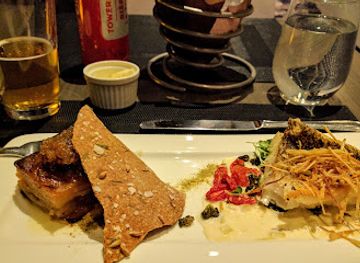
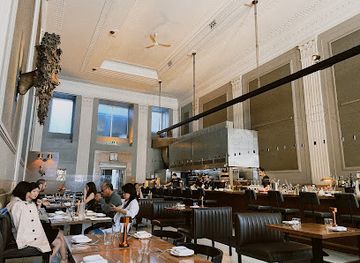
Eastern Ontario's dining reflects its agricultural districts, waterways and bilingual communities rather than one single regional cuisine. Ottawa and Kingston offer broad restaurant scenes, from contemporary Canadian cooking and international food to cafés, bakeries, pubs and farmers' market stalls. Prince Edward County is particularly associated with farm-to-table dining, vineyards, cider, craft beverages, orchards and local producers, while the Bay of Quinte and St Lawrence communities make use of seasonal produce, freshwater fish and traditional country baking. Cheese, maple products, preserves, apples and small-batch drinks are useful food souvenirs, and roadside stands are common in farming areas during the growing season. Rural inns and historic pubs provide a slower meal setting, though opening days can be seasonal. In Prescott-Russell and other communities near the Québec border, visitors may encounter stronger French-Canadian culinary influences alongside mainstream Ontario cooking. Reservations are sensible for popular county restaurants and summer weekends, but checking current opening arrangements is important outside the larger towns.
-
Canadian
360 The Restaurant at the CN Tower
Experience exquisite Canadian cuisine with breathtaking panoramic views at 360 The Restaurant in Toronto's iconic CN Tower.
-
Restaurant
Riviera Ottawa
Discover Riviera Ottawa: Where Culinary Excellence Meets Elegant Ambiance in Canada’s Capital City.
-
Restaurant
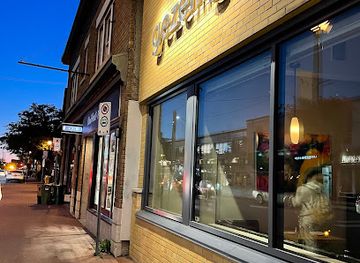
Gezellig
Discover Gezellig: Ottawa's premier dining destination offering locally sourced cuisine in a warm and inviting atmosphere.
-
Restaurant
Play Food & Wine
Discover the innovative flavors of Canada at Play Food & Wine in Ottawa's Byward Market - where every bite tells a story.
Best bars in Eastern Ontario
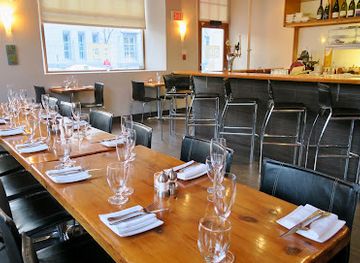
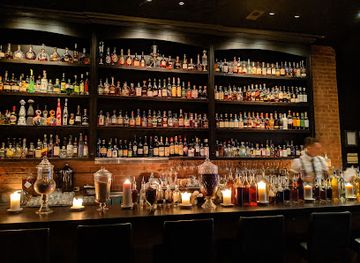
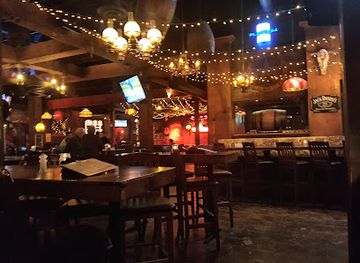
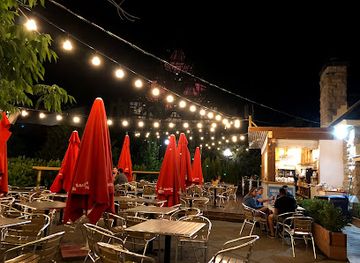
Nightlife in Eastern Ontario is concentrated in Ottawa and Kingston, with smaller but distinct evening scenes in towns such as Belleville, Brockville, Gananoque and Picton. Ottawa provides the widest choice of cocktail bars, breweries, live music, theatre-going and late venues, particularly around the central neighbourhoods, while Kingston's student population supports pubs, music rooms, restaurants and bars within a compact historic core. Prince Edward County is known more for winery and brewery visits, relaxed dining and seasonal events than for large nightclubs. In smaller communities, evening life generally centres on local pubs, hotel bars, community performances and occasional live music rather than a continuous club scene. Waterfront businesses and tour operators are often busiest in summer, whereas urban venues operate through more of the year. Visitors should check current licensing, transport and closing arrangements, especially when travelling between rural accommodation and evening venues.
-
Irish pub
Aulde Dubliner & Pour House - ByWard Market, Ottawa ON
Discover the charm of Aulde Dubliner & Pour House, an iconic Irish pub in ByWard Market, Ottawa, offering authentic food, drinks, and live music.
-
Cocktail bar
BarChef
Experience the artistry of cocktails at BarChef, Toronto’s premier cocktail bar offering innovative drinks and a stylish ambiance.
-
Grill
Crazy Horse Stonegrill Steakhouse & Saloon
Discover the unique dining experience at Crazy Horse Stonegrill Steakhouse & Saloon in Kanata, where sizzling flavors meet live music in a vibrant atmosphere.
-
Grill
Tavern On The Hill
Discover the best of Ottawa dining at Tavern On The Hill, where delicious grill dishes meet stunning city views in a relaxed atmosphere.

Best nightclubs in Eastern Ontario
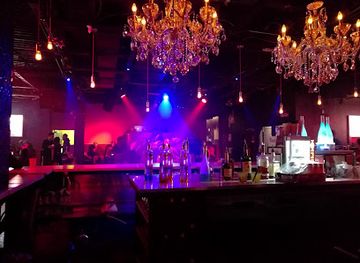
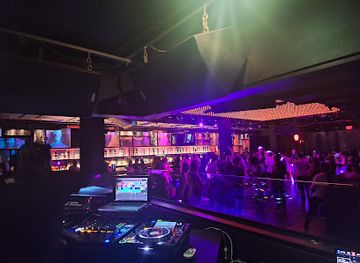
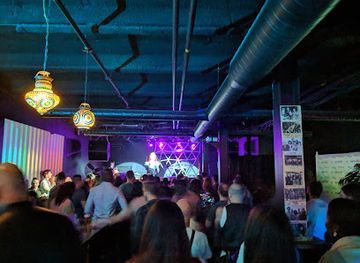
Nightlife in Eastern Ontario is concentrated in Ottawa and Kingston, with smaller but distinct evening scenes in towns such as Belleville, Brockville, Gananoque and Picton. Ottawa provides the widest choice of cocktail bars, breweries, live music, theatre-going and late venues, particularly around the central neighbourhoods, while Kingston's student population supports pubs, music rooms, restaurants and bars within a compact historic core. Prince Edward County is known more for winery and brewery visits, relaxed dining and seasonal events than for large nightclubs. In smaller communities, evening life generally centres on local pubs, hotel bars, community performances and occasional live music rather than a continuous club scene. Waterfront businesses and tour operators are often busiest in summer, whereas urban venues operate through more of the year. Visitors should check current licensing, transport and closing arrangements, especially when travelling between rural accommodation and evening venues.
-
Night club
Hyde & Seek
Discover Ottawa's vibrant nightlife at Hyde & Seek, a chic night club offering cocktails, dancing, and an unforgettable atmosphere.
-
Night club
Dragonfly Nightclub
Discover the electrifying nightlife at Dragonfly Nightclub in Niagara Falls, where music, dance, and live entertainment create unforgettable experiences.
-
Lounge
Thousand Islands Club
Experience fine dining and relaxation at Thousand Islands Club, where stunning views and exquisite cuisine come together in a serene setting.
-
Night club
The 27 Club
Discover the vibrant nightlife at The 27 Club, Ottawa's premier destination for live music and unforgettable experiences.
Best shops in Eastern Ontario
Shopping in Eastern Ontario is strongest in its historic town centres, independent main streets, markets and farm-producing districts rather than in one dominant retail zone. Ottawa offers the broadest range of national retailers, design shops, galleries and food markets, while Kingston combines independent shops, booksellers, arts venues and locally made goods around its limestone core. Smaller centres such as Perth, Brockville, Gananoque, Smiths Falls and Picton are suited to browsing boutiques, antiques, craft studios and galleries, with the character of each main street varying by season. Prince Edward County is a practical place to look for wine, cider, preserves, cheese, pottery, prints and other products sold directly by producers, although some businesses operate limited hours outside summer. Farm stands and farmers' markets across the region offer maple products, apples, baked goods and seasonal produce; bring reusable bags and confirm payment options at roadside stalls. For durable souvenirs, consider locally produced food, ceramics, textiles, books about the waterways or work by regional artists rather than generic merchandise.
-
State park
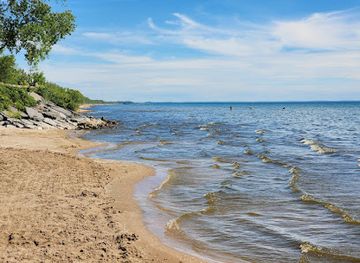
Southwick Beach State Park
Experience breathtaking views and outdoor adventures at Southwick Beach State Park, the perfect retreat for nature lovers and beachgoers.
-
Gift shop
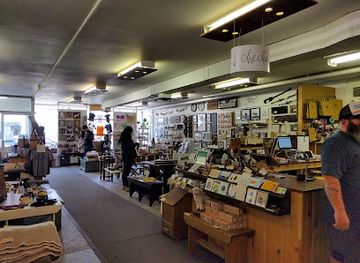
Maker House Co.
Discover unique, locally made gifts at Maker House Co. in Ottawa, blending art, culture, and gourmet delights for a memorable shopping experience.
-
State park
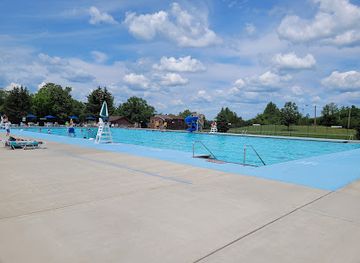
Keewaydin State Park
Explore Keewaydin State Park, a stunning state park in New York's Thousand Islands region, perfect for outdoor adventures and serene nature escapes.
-
Gift shop
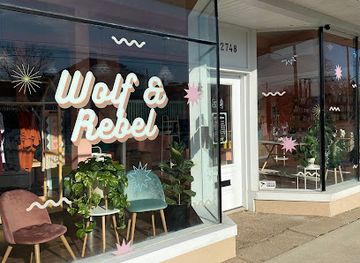
Wolf & Rebel
Explore Wolf & Rebel: A vibrant gift shop and café in Windsor offering retro treasures and delicious sushi takeaway for every visitor.
Get your free copy of our complete guide to Eastern Ontario, delivered straight to you.
Everything on this page, from attractions and restaurants to essentials and local phrases, in one PDF you can read offline, print or share.
Already have an account? Sign in
Your Eastern Ontario guide is ready.
We'll send it to · Not you? Sign out

Getting your guide ready…
We are putting together a fresh copy of the Eastern Ontario guide. This can take up to a minute.
This can take a few moments. If your browser asks, choose Allow so the download can start. You'll find the guide in your Downloads folder.
Nothing happened? Download it again
Sorry, the guide is taking longer than usual. Please try again in a minute, or get it by email instead.
Eastern Ontario essentials
Currency and Payment
Safety
Emergency Situations
Do's and Don'ts
Local Tips
From Eve
Local phrases worth knowing
You don't need to get them perfect. A few words go a long way, and locals appreciate the effort.
Basics
| English | Local | Say it |
|---|---|---|
| Hello | Hi | [hai] |
| Goodbye | See ya | [see yah] |
| Yes | Yeah | [yeh] |
| No | Nope | [nohp] |
| Please/You're welcome | Please/No problem | [pleez/no prob] |
| Thank you | Thanks | [thangs] |
| Excuse me/Sorry | Excuse me/Sorry | [ex-kyoos mee/sor-ee] |
| How are you? | How's it going? | [howz it go-ing] |
| Fine. And you? | Good. And you? | [good. and you?] |
| Do you speak English? | Do ya speak English? | [do yah speak ing-glish?] |
| I don't understand | I don’t get it | [eye dont get it] |
Eating & Drinking
| English | Local | Say it |
|---|---|---|
| I'd like to see the menu, please | Can I see the menu, please? | [kan I see the men-yoo, pleez?] |
| I don't eat meat | I’m a vegetarian | [I'm a vege-tay-ree-an] |
| Cheers! | Cheers! | [cheerz] |
| I would like to pay, please | Can I get the bill, please? | [kan I get the bill, pleez?] |
Emergencies
| English | Local | Say it |
|---|---|---|
| Help! | Help! | [help] |
| Go away! | Get lost! | [get lost] |
| Call the Police! | Call the cops! | [call the cops] |
| Call a doctor! | Call a doctor! | [call a doctor] |
| I'm lost | I’m lost | [I'm lost] |
| I'm ill | I’m sick | [I'm sik] |
Shopping
| English | Local | Say it |
|---|---|---|
| I'd like to buy... | I want to buy... | [I want to buy...] |
| I'm just looking | Just browsing | [just brow-zing] |
| How much is it? | What’s the price? | [what's the price?] |
| That's too expensive | That's way too pricey | [that’s way too pry-see] |
| Can you lower the price? | Can you cut the price? | [kan you kut the price?] |
Time & Numbers
| English | Local | Say it |
|---|---|---|
| What time is it? | What time is it? | [what time is it?] |
| It's one o'clock | It’s one | [it's one] |
| Half past (10) | Half past ten | [half past ten] |
| Morning | Morning | [morning] |
| Afternoon | Afternoon | [afternoon] |
| Evening | Evening | [evening] |
| Yesterday | Yesterday | [yes-ter-day] |
| Today | Today | [to-day] |
| Tomorrow | Tomorrow | [to-mor-row] |
| 1 | One | [one] |
| 2 | Two | [two] |
| 3 | Three | [three] |
| 4 | Four | [four] |
| 5 | Five | [five] |
| 6 | Six | [six] |
| 7 | Seven | [seven] |
| 8 | Eight | [eight] |
| 9 | Nine | [nine] |
| 10 | Ten | [ten] |
Transport & Directions
| English | Local | Say it |
|---|---|---|
| Where's a/the...? | Where's a...? | [where's a...?] |
| What's the address? | What’s the address? | [what's the address?] |
| Can you show me (on the map)? | Can you point it out? | [kan you point it out?] |
| When's the next (bus)? | When’s the next bus? | [when's the next bus?] |
| A ticket (to ....) | A ticket to... | [a ticket to...] |
History of Eastern Ontario
Indigenous waterways and long settlement
Eastern Ontario's rivers, lakes and portage routes have supported Indigenous communities for thousands of years. The Ottawa River, Rideau waterway, St Lawrence and Bay of Quinte formed connected travel and trading networks long before European colonisation. Anishinaabe, Haudenosaunee and Wendat histories, among others, remain central to understanding the region, although communities and their territories cannot be reduced to a single historical narrative. Archaeological sites, oral histories and continuing Indigenous presence provide context for landscapes later defined by canals, farms and colonial towns.
French exploration and the fur trade
French exploration along the St Lawrence and Ottawa river systems brought European mapping, missions and commercial networks into a region already shaped by Indigenous diplomacy and trade. The waterways became routes towards the interior, carrying furs and other goods as well as people. After the British conquest of New France in 1760, imperial competition and changing alliances altered the political framework, but the rivers continued to determine settlement, transport and commerce.
Loyalist settlement after the American Revolution
The arrival of United Empire Loyalists after the American Revolution transformed the St Lawrence and Bay of Quinte districts in the late eighteenth century. New settlements, townships and farms developed along the river and lake shore, while military and administrative institutions reinforced British North America's presence. Places such as Kingston, Brockville and Cornwall grew from this period, though their colonial history also involved the displacement of Indigenous peoples and the marginalisation of other communities. The region's grid roads, stone buildings and agricultural landscapes still reflect these early settlement patterns.
Kingston, garrisons and the War of 1812
Kingston's position where Lake Ontario meets the Cataraqui and St Lawrence routes made it a crucial naval and military centre. During the War of 1812, the town served as an important British base, and its strategic role continued afterwards. Fort Henry, the Martello towers and other defensive works were developed or strengthened during the nineteenth century to protect the entrance to the Rideau system and the approach to the St Lawrence. Kingston's military architecture remains one of Eastern Ontario's clearest historical signatures.
The Rideau Canal and the making of a capital
Built between 1826 and 1832 under the direction of Lieutenant-Colonel John By, the Rideau Canal created a secure military route between Ottawa, then known as Bytown, and Kingston. Its locks, dams and reservoirs also encouraged settlement and commerce. Bytown grew around the canal and later became Ottawa, selected as the capital of the Province of Canada by Queen Victoria in 1857. The canal continues to shape the region physically and symbolically, linking a national capital with rural communities and historic waterfronts.
Timber, mining, mills and railways
The Ottawa Valley and the northern parts of Eastern Ontario developed around timber extraction, sawmills, mineral resources and river transport. Towns such as Pembroke and Renfrew expanded through the lumber economy, while railways connected inland communities with Ottawa, Kingston and the St Lawrence. Smaller mills, quarries and industrial works also supported farms and settlements across the region. Much of this activity declined or changed during the twentieth century, but industrial buildings, railway alignments, museums and working landscapes preserve evidence of the transformation.
Agricultural and cultural change in the modern era
Twentieth-century Eastern Ontario combined established farming districts with expanding public institutions, tourism and service economies. Ottawa's growth as Canada's capital brought national museums, research and government employment, while Kingston developed as a university, military and heritage centre. Rural counties experienced population change, farm consolidation and renewed interest in local food, wine, craft production and heritage tourism. Contemporary Eastern Ontario is therefore neither solely rural nor metropolitan: it is a connected but varied region whose identity continues to be shaped by waterways, agriculture and bilingual and multicultural communities.
Eastern Ontario in Photos
Browse through our photo collection highlighting the charm and character of the destination.
Neighbouring regions of Eastern Ontario
The closest regions to Eastern Ontario, if you have time for more than one.
-

-

-

-
-


Swipe for more regions
Explore more
Explore more of Canada
Discover Canada's breathtaking landscapes, diverse cities, and rich cultural heritage. A must-visit destination for outdoor adventures and vibrant urban experiences.
Explore Canada