

Free Laurentides Travel Guide & Mobile App
Explore Laurentides with free travel guides. Discover regional history, expert tips, proposed trips, and audio guides on web or mobile app.


Explore Québec's Laurentides for mountain trails, lake resorts, winter sports, maple traditions and forested escapes within reach of Montréal.
Read more about Laurentides
When is the best time to visit Laurentides?
Best: June–August · 23–26°C| Month | High (°C) | Rainfall (mm) |
|---|---|---|
| January | -8 | 70 |
| February | -6 | 60 |
| March | 1 | 60 |
| April | 9 | 70 |
| May | 18 | 80 |
| June (best) | 23 | 90 |
| July (best) | 26 | 100 |
| August (best) | 24 | 90 |
| September | 19 | 80 |
| October | 13 | 80 |
| November | 3 | 80 |
| December | -3 | 80 |
Getting to and around Laurentides
How to get there
Transportation
Top city travel guides in Laurentides
The cities of Laurentides, and the easiest places to base yourself.
-

-


Swipe for more cities
Best attractions in Laurentides
The Laurentides offer outdoor recreation on a scale that ranges from accessible village parks to remote forest and mountain landscapes. Mont-Tremblant National Park is the region's major protected area, with lakes, rivers, hiking routes, canoeing, wildlife observation and winter activities across a large wooded territory. Oka National Park provides a contrasting setting of sandy shoreline, wetlands, mature woodland and historical landscapes near the Ottawa River. Around Mont-Tremblant, Saint-Sauveur and Sainte-Adèle, ski centres operate in winter and often provide summer access to hiking, cycling or family activities. Val-David is known for its outdoor setting and arts community, while Saint-Jérôme offers museums, cultural programming and urban services. The former railway corridor of Le P'tit Train du Nord links many Laurentian communities and is especially useful for multi-day cycling or shorter recreational outings. Visitors can also explore orchards, maple farms, lakeside beaches, galleries and small local heritage sites. Because attractions are spread across a large area, a satisfying itinerary usually combines one mountain base with a southern village or park rather than attempting to visit every district from Montréal in a single day.
-
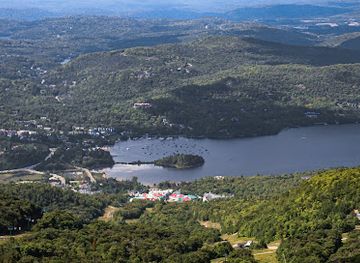
Ski resort
Mont-Tremblant Resort
Experience the year-round beauty of Mont-Tremblant Resort, the ultimate destination for skiing, hiking, and outdoor adventure in Quebec's stunning Laurentians.
-
Tourist attraction
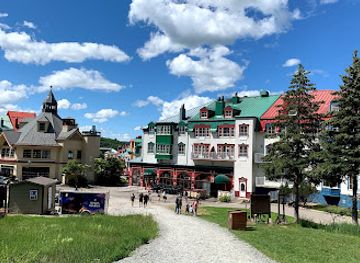
Tonga Lumina
Experience the enchanting journey of Tonga Lumina, where art, nature, and storytelling intertwine in a magical forest adventure in Mont-Tremblant.
-
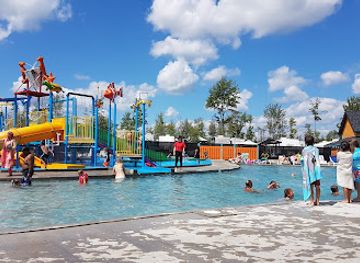
Water park
Atlantide Water Park
Discover the thrills of Atlantide Water Park in Quebec, a family-friendly water park with exhilarating slides, relaxing pools, and a fun atmosphere for all ages.
-
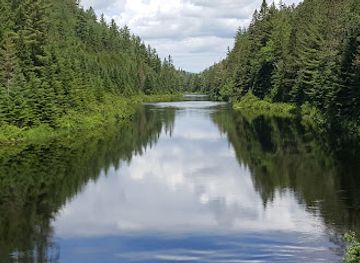
Park
Ouareau Forest Regional Park
Discover the beauty of Ouareau Forest Regional Park in Quebec, a perfect destination for hiking, wildlife watching, and family outings in nature.
Best landmarks in Laurentides
Mont-Tremblant is the Laurentides' most recognisable natural landmark, rising above the surrounding lakes and forest and giving its name to both the national park and the major resort community. The mountain's visual importance lies in its prominence within the Laurentian range, while the national park preserves a much broader landscape of summits, waterways and boreal-mixed forest. In the south, the Abbey of Oka is a notable historic complex associated with the Trappist community that established agricultural and religious institutions in the area; its wider landscape is closely linked with Oka National Park and the Ottawa River shore. The rebuilt church and village heritage of Oka also reflect the area's layered colonial and Indigenous history, although the events of the 1990 Oka Crisis require respectful interpretation. Le P'tit Train du Nord is a landmark of another kind: its bridges, former railway alignments and station communities record the transport infrastructure that opened the northern Laurentides to settlement and tourism. Older parish churches and village streets in places such as Saint-Eustache, Sainte-Agathe-des-Monts and Saint-Jérôme provide further evidence of the region's agricultural, religious and resort development.
-
Tourist attraction
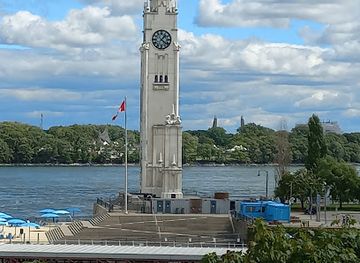
Vieux-Port de Montréal
Experience the rich history, vibrant culture, and stunning river views at Vieux-Port de Montréal, a must-visit destination for every traveler.
-
 Historical place
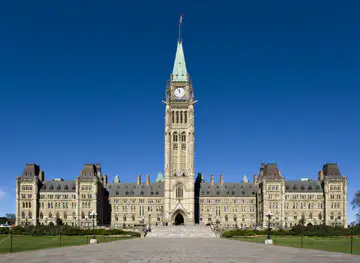
Parliament Hill
Discover the heart of Canada at Parliament Hill, where history, politics, and stunning architecture converge in Ottawa's iconic landmark.
-
Basilica
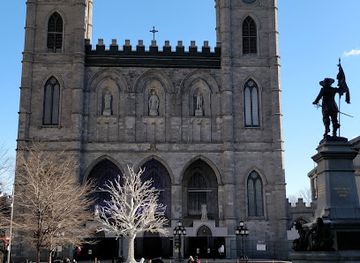
Notre-Dame Basilica of Montreal
Discover the enchanting Notre-Dame Basilica, a Gothic masterpiece in Montreal that combines spiritual reverence with artistic brilliance, captivating every visitor.
-
Park
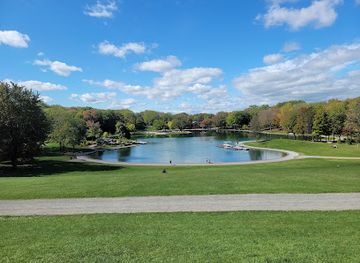
Mount Royal Park
Explore the natural beauty and breathtaking views of Mount Royal Park, a serene oasis in the heart of Montreal's urban landscape.
Explore Laurentides on the map
Plan your trip on one map. See where the top cities, national parks and sights are, and book hotels and experiences in a few clicks.
Best hotels in Laurentides
Best restaurants in Laurentides
Laurentides dining reflects Québec's agricultural south, forested interior and long-established resort culture. Maple products are central in spring, when cabanes à sucre serve traditional meals and syrups, taffy and other seasonal specialities. Farm shops and markets offer apples, berries, vegetables, cheeses, baked goods and prepared products, particularly around the lower Laurentides and village communities. In resort areas such as Mont-Tremblant and Saint-Sauveur, visitors will find cafés, casual restaurants, pubs and more formal dining rooms catering to visitors throughout the year, while smaller towns tend to centre on bakeries, family restaurants and local inns. Québec classics such as tourtière, pea soup, pâté and pouding chômeur may appear alongside contemporary menus using regional produce. Lake and forest settings do not mean that all food is locally sourced, so menus and farm shops are the best guide. French is predominant in hospitality, although English is common in major resorts.
-
Québécois restaurant
RESTAURANT AU PETIT POUCET
Experience authentic Québécois flavors at Restaurant Au Petit Poucet in Val-David – a cozy haven for breakfast lovers.
-
Bistro
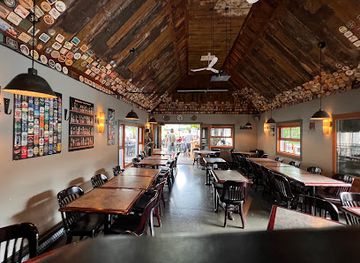
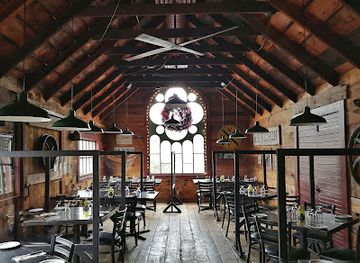
La Diable - Microbrasserie
Discover La Diable - Microbrasserie in Mont-Tremblant: A delightful fusion of craft beer and bistro dining in Quebec's scenic landscape.
-
Italian
Restaurant Antipasto
Experience authentic Italian cuisine at Restaurant Antipasto in Mont-Tremblant, where every dish tells a story of flavor and tradition.
-
Bistro
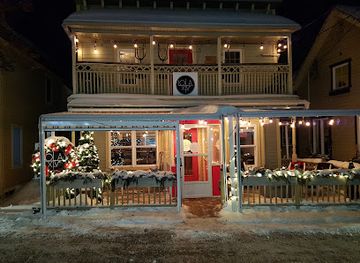
Lola 45
Experience exquisite dining at Lola 45 Bistro in Saint-Sauveur - where local flavors meet culinary creativity.
Best bars in Laurentides
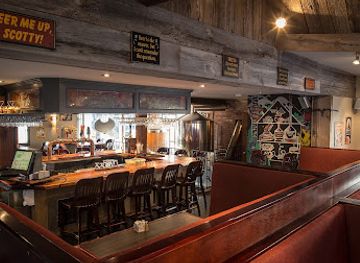
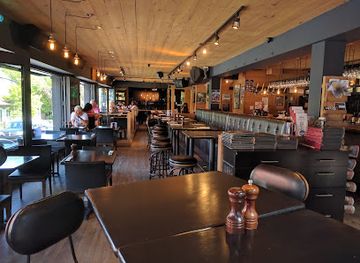
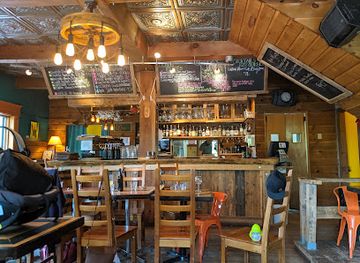
Evening life in the Laurentides is concentrated in resort towns and larger communities rather than spread across a continuous nightlife district. Mont-Tremblant has the broadest visitor-oriented choice, with hotel bars, casual pubs, restaurants, après-ski venues and occasional live entertainment, particularly during busy winter and summer periods. Saint-Sauveur and Sainte-Adèle offer a smaller selection of pubs, bars, restaurants and cultural venues, while Saint-Jérôme provides a more urban evening scene with bars, performances and places to eat. In Val-David and other village communities, the emphasis is often on independent cafés, breweries, live music and arts programming rather than nightclubs. Rural areas generally become quiet after dinner, and opening arrangements can be seasonal. Visitors should treat après-ski as one option rather than the defining feature of the region, with evening walks, concerts, cinema and fireside dining also forming part of the Laurentian night-time experience.
-
Brewpub
Dieu du Ciel! - Brasserie / Pub St-Jérome
Experience the essence of Quebec craft beer at Dieu du Ciel!, a lively brewpub in Saint-Jérôme with unique brews and delicious pub fare.
-
Bar
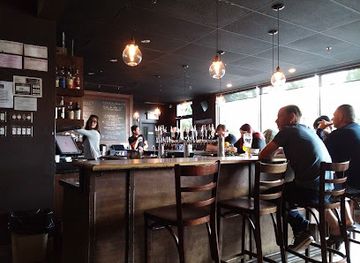
La Diable - Microbrasserie
Experience the best of craft brewing at La Diable - Microbrasserie in Mont-Tremblant, where exquisite beers meet exceptional bistro cuisine.
-
Restaurant
Restaurant Le Saint Sau Pub Gourmand
Experience the flavors of Quebec at Restaurant Le Saint Sau Pub Gourmand, a cozy dining spot in Saint-Sauveur renowned for its local cuisine and vibrant atmosphere.
-
Restaurant
Le Baril Roulant - Microbrasserie / Inn & Restaurant
Discover the flavors of Quebec at Le Baril Roulant, a microbrewery and inn serving delicious dishes and handcrafted beers in a cozy atmosphere.
Best nightclubs in Laurentides
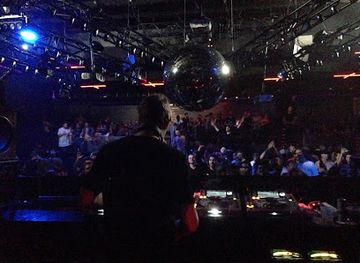
Evening life in the Laurentides is concentrated in resort towns and larger communities rather than spread across a continuous nightlife district. Mont-Tremblant has the broadest visitor-oriented choice, with hotel bars, casual pubs, restaurants, après-ski venues and occasional live entertainment, particularly during busy winter and summer periods. Saint-Sauveur and Sainte-Adèle offer a smaller selection of pubs, bars, restaurants and cultural venues, while Saint-Jérôme provides a more urban evening scene with bars, performances and places to eat. In Val-David and other village communities, the emphasis is often on independent cafés, breweries, live music and arts programming rather than nightclubs. Rural areas generally become quiet after dinner, and opening arrangements can be seasonal. Visitors should treat après-ski as one option rather than the defining feature of the region, with evening walks, concerts, cinema and fireside dining also forming part of the Laurentian night-time experience.
-
Night club
Stereo
Immerse yourself in the electrifying nightlife of Stereo, Montreal's premier nightclub with exceptional sound and a vibrant atmosphere.
-
Night club
Rockette Bar
Experience the vibrant nightlife at Rockette Bar in Montreal's Plateau-Mont-Royal, where great drinks and an eclectic crowd await.
-
Night club
Bar Datcha
Immerse yourself in Montreal's nightlife at Bar Datcha, where lively music and signature cocktails create an unforgettable experience.
-
Night club
Central Tapas & Nightclub Mont-Tremblant
Discover the energetic nightlife of Mont-Tremblant at Central Tapas & Nightclub, where delicious tapas and vibrant music create lasting memories.
Best shops in Laurentides
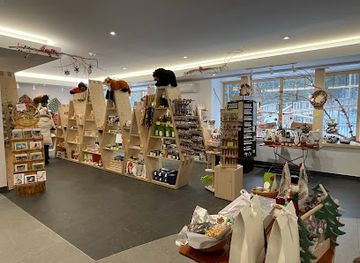
Shopping in the Laurentides is strongest in market towns, resort villages and farm-producing districts rather than in a single large retail centre. Saint-Sauveur has a concentrated selection of independent shops, galleries, cafés and visitor-oriented businesses, while Mont-Tremblant's pedestrian resort area combines outdoor clothing, gifts, food products and practical equipment with restaurants and accommodation. Val-David is associated with artists, craftspeople, galleries and small independent retailers, making it a useful place to look for locally made ceramics, textiles, artwork and design goods. Farm shops and seasonal markets sell maple syrup, preserves, honey, apples, baked goods, cheeses and other regional provisions; availability varies through the year. Saint-Jérôme and the southern urban corridor provide more conventional high-street and commercial shopping, while smaller communities are better for antiques, books, crafts and locally produced food than for extensive fashion retail. Winter visitors should expect outdoor equipment and clothing to be prominent, but durable regional gifts are generally more distinctive than generic resort souvenirs.
-
Outlet mall
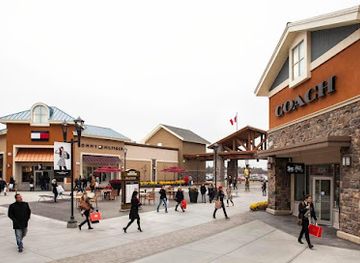
Premium Outlets Montréal
Shop designer brands at unbeatable prices in a beautiful outdoor setting at Premium Outlets Montréal, your ultimate shopping destination in Quebec.
-
Tourist attraction
Sentier des cimes Laurentides
Discover the breathtaking treetop walks of Sentier des Cimes Laurentides, where nature, adventure, and stunning views await you in the heart of Quebec.
-
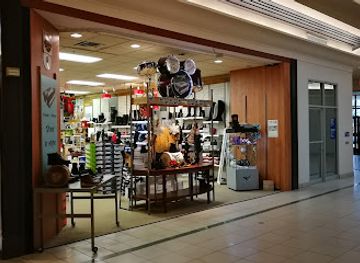
Shopping mall
Galeries Laurentides
Discover Galeries Laurentides: Shopping, dining, and entertainment in the heart of Saint-Jérôme, Quebec.
-
Souvenir store
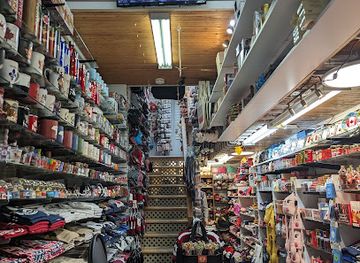
Souvenir du Québec
Explore Souvenir du Québec for authentic local crafts and unique gifts that capture the heart of Quebec's culture.
Get your free copy of our complete guide to Laurentides, delivered straight to you.
Everything on this page, from attractions and restaurants to essentials and local phrases, in one PDF you can read offline, print or share.
Already have an account? Sign in
Your Laurentides guide is ready.
We'll send it to · Not you? Sign out

Getting your guide ready…
We are putting together a fresh copy of the Laurentides guide. This can take up to a minute.
This can take a few moments. If your browser asks, choose Allow so the download can start. You'll find the guide in your Downloads folder.
Nothing happened? Download it again
Sorry, the guide is taking longer than usual. Please try again in a minute, or get it by email instead.
Laurentides essentials
Currency and Payment
Safety
Emergency Situations
Do's and Don'ts
Local Tips
From Eve
Local phrases worth knowing
You don't need to get them perfect. A few words go a long way, and locals appreciate the effort.
Basics
| English | Local | Say it |
|---|---|---|
| Hello | Bonjour | [bawn-zhoor] |
| Goodbye | Au revoir | [oh ruh-vwahr] |
| Yes | Oui | [wee] |
| No | Non | [noh] |
| Please/You're welcome | S'il vous plaît | [seel voo pleh] |
| Thank you | Merci | [mehr-see] |
| Excuse me/Sorry | Excusez-moi | [eck-skew-zay mwah] |
| How are you? | Comment ça va? | [koh-mohn sah vah] |
| Fine. And you? | Bien. Et vous? | [byehn. eh voo] |
| Do you speak English? | Parlez-vous anglais? | [par-lay voo ahn-glay] |
| I don't understand | Je ne comprends pas | [zhuh nuh kohm-prahn pah] |
Eating & Drinking
| English | Local | Say it |
|---|---|---|
| I'd like to see the menu, please | Je voudrais voir le menu, s'il vous plaît | [zhuh voo-dray vwar luh meh-nu, seel voo pleh] |
| I don't eat meat | Je ne mange pas de viande | [zhuh nuh mahnj pah duh vyahnd] |
| Cheers! | Santé! | [sahn-tay] |
| I would like to pay, please | Je voudrais payer, s'il vous plaît | [zhuh voo-dray pay-ay, seel voo pleh] |
Emergencies
| English | Local | Say it |
|---|---|---|
| Help! | Au secours! | [oh suh-koor] |
| Go away! | Allez-vous-en! | [ah-lay voo zahn] |
| Call the Police! | Appelez la police! | [ah-peh-lay lah poh-lees] |
| Call a doctor! | Appelez un docteur! | [ah-peh-lay uhn dok-teur] |
| I'm lost | Je suis perdu | [zhuh swee pair-doo] |
| I'm ill | Je suis malade | [zhuh swee mah-lahd] |
Shopping
| English | Local | Say it |
|---|---|---|
| I'd like to buy... | Je voudrais acheter... | [zhuh voo-dray ah-sheh-tay] |
| I'm just looking | Je regarde juste | [zhuh ruh-gard zhoost] |
| How much is it? | C'est combien? | [say kohm-byen] |
| That's too expensive | C'est trop cher | [say troh shair] |
| Can you lower the price? | Pouvez-vous baisser le prix? | [poo-vay voo beh-say luh pree] |
Time & Numbers
| English | Local | Say it |
|---|---|---|
| What time is it? | Quelle heure est-il? | [kel uhr eh-teel] |
| It's one o'clock | Il est une heure | [eel eh oon uhr] |
| Half past (10) | Dix heures et demie | [dees uhr eh duh-mee] |
| Morning | Matin | [mah-tahn] |
| Afternoon | Après-midi | [ah-pray mee-dee] |
| Evening | Soir | [swahr] |
| Yesterday | Hier | [ee-air] |
| Today | Aujourd'hui | [oh-zhoor dwee] |
| Tomorrow | Demain | [duh-mahn] |
| 1 | Un | [uhn] |
| 2 | Deux | [duh] |
| 3 | Trois | [trwah] |
| 4 | Quatre | [katr] |
| 5 | Cinq | [sank] |
| 6 | Six | [sees] |
| 7 | Sept | [set] |
| 8 | Huit | [weet] |
| 9 | Neuf | [nuhf] |
| 10 | Dix | [dees] |
Transport & Directions
| English | Local | Say it |
|---|---|---|
| Where's a/the...? | Où est un/une...? | [oo eh uhn/oon] |
| What's the address? | Quelle est l'adresse? | [kel eh la-dress] |
| Can you show me (on the map)? | Pouvez-vous me montrer (sur la carte)? | [poo-vay voo muh mohn-tray (sur lah kart)] |
| When's the next (bus)? | Quand est le prochain (autobus)? | [kahn eh luh pro-shen (oh-toh-boos)] |
| A ticket (to ....) | Un billet (pour....) | [uhn bee-yay (poor....)] |
History of Laurentides
Indigenous territories and long-standing settlement
The Laurentides are part of a landscape with a long Indigenous history, shaped by travel, hunting, fishing and trade along rivers and lakes. The south-west is closely associated with Kanehsatà:ke, a Mohawk community, while the forests farther north are connected to the traditional territory and contemporary presence of Algonquin peoples. Indigenous place names and continuing community life are part of the region's history, although many visitor accounts have traditionally underrepresented these perspectives. The waterways and forest routes that later facilitated colonial settlement had already been used and understood by Indigenous societies for generations.
Seigneurial settlement in the lower Laurentides
After the establishment of French colonial administration, seigneurial landholding encouraged farming and settlement along the Ottawa River and the Rivière des Mille Îles, as well as around routes leading north from Montréal. Communities in the modern Deux-Montagnes, Argenteuil and Mirabel areas developed through agriculture, parish institutions and river commerce. Catholic churches, rectories, older farmsteads and village street patterns preserve traces of this period. Settlement was more concentrated in the southern lowlands than in the forested uplands, where access remained difficult and economic activity was shaped increasingly by timber and seasonal resource use.
Timber, rivers and the opening of the northern forests
From the nineteenth century, logging became a major force in the northern Laurentides. Rivers and lakes served as transport corridors for timber, while sawmills, supply settlements and temporary camps followed the expansion of the industry. The forests supported employment and regional trade but also transformed Indigenous lands and ecological systems. Many communities grew as service centres for lumberjacks, farmers and merchants. The legacy remains visible in the region's road network, place names, former industrial sites and continuing debates about forestry, conservation and access to public lands.
Railways and the birth of resort tourism
Railway construction in the late nineteenth and early twentieth centuries made the Laurentian lakes and mountains far more accessible from Montréal. The line commonly known as the P'tit Train du Nord helped connect northern communities and encouraged the growth of summer resorts, hotels and recreational clubs. Visitors came for cooler air, boating, fishing and hiking, while winter tourism developed more gradually as transport and equipment improved. Although the railway's passenger era has ended, sections of its former route now form the linear Le P'tit Train du Nord park, a major cycling, walking and cross-country skiing corridor.
Skiing and the modern recreational economy
Downhill skiing expanded significantly in the Laurentides during the twentieth century, especially around Saint-Sauveur, Sainte-Adèle and Mont-Tremblant. Better roads, lifts, accommodation and equipment turned mountain recreation into a year-round economic pillar. Mont-Tremblant in particular became an internationally recognised resort, while smaller ski hills retained a more local and family-oriented character. Tourism diversified with hiking, golf, cycling, spas, festivals and lake activities, helping many communities move beyond a purely seasonal winter economy.
Kanehsatà:ke and the Oka Crisis, 1990
The Oka Crisis, which began in 1990 at Kanehsatà:ke and neighbouring Oka, was a major event in modern Canadian and Québec history. A proposed golf-course expansion and contested land claims led to a prolonged confrontation involving Mohawk land defenders, police and the Canadian Armed Forces. The crisis brought longstanding questions of land rights, sovereignty and recognition into national focus. Its effects remain part of the social and political history of the Laurentides, and visitors should approach sites and communities connected with the events respectfully rather than treating them as simple tourist spectacles.
Laurentides in Photos
Browse through our photo collection highlighting the charm and character of the destination.
Neighbouring regions of Laurentides
The closest regions to Laurentides, if you have time for more than one.
-

-

-

-
-


Swipe for more regions
Explore more
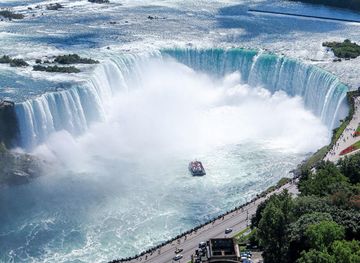
Explore more of Canada
Discover Canada's breathtaking landscapes, diverse cities, and rich cultural heritage. A must-visit destination for outdoor adventures and vibrant urban experiences.
Explore Canada