

Free Prairies Travel Guide & Mobile App
Explore Prairies with free travel guides. Discover regional history, expert tips, proposed trips, and audio guides on web or mobile app.


Explore Canada’s Prairies through Indigenous heritage, river cities, grain country, badlands, wildlife, local food and wide-open western landscapes.
Read more about Prairies
When is the best time to visit Prairies?
Best: June–August · 25–28°C| Month | High (°C) | Rainfall (mm) |
|---|---|---|
| January | -10 | 15 |
| February | -8 | 15 |
| March | 0 | 20 |
| April | 12 | 30 |
| May | 20 | 40 |
| June (best) | 25 | 50 |
| July (best) | 28 | 60 |
| August (best) | 26 | 50 |
| September | 20 | 40 |
| October | 10 | 30 |
| November | 0 | 20 |
| December | -8 | 15 |
Getting to and around Prairies
How to get there
Transportation
Top city travel guides in Prairies
The cities of Prairies, and the easiest places to base yourself.
-
-

-


Swipe for more cities
Destinations in Prairies
Resorts, valleys and scenic spots worth a trip of their own.

Swipe for more destinations
Best attractions in Prairies
The Prairies offer an unusually broad contrast between urban culture and open-country travel. Winnipeg’s museums, galleries, historic districts and Indigenous cultural institutions provide a strong eastern introduction, while Regina and Saskatoon combine civic heritage, university culture, river landscapes and contemporary arts. Calgary and Edmonton are major urban bases with extensive museums, festivals and performing arts, but the most distinctive experiences often lie beyond their boundaries. In Saskatchewan, Grasslands National Park protects rare mixed-grass prairie and dark-sky landscapes, while Wanuskewin Heritage Park interprets thousands of years of Indigenous history near the South Saskatchewan River. Southern Alberta adds badlands, dinosaur discoveries and the culturally significant sites of Head-Smashed-In Buffalo Jump and Writing-on-Stone Provincial Park. Manitoba’s Riding Mountain National Park brings forests, lakes and wildlife into the prairie itinerary, while the province’s southern and central regions contain wetlands, historic towns and agricultural landscapes. Scenic drives, birdwatching, hiking, canoeing, stargazing and wildlife observation are best planned around the season and the distance between services.
-
Zoo
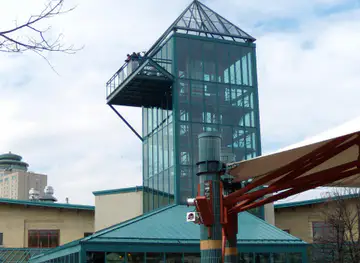
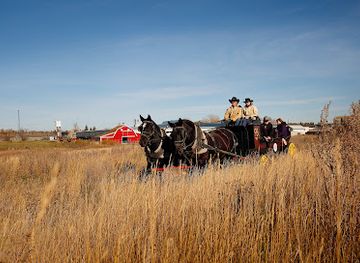
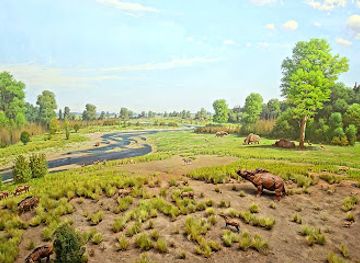
Saskatoon Forestry Farm Park & Zoo
Discover the captivating beauty and wildlife of Saskatoon Forestry Farm Park & Zoo, a perfect family-friendly destination filled with adventure and serenity.
-
Museum
Western Development Museum (WDM) - Saskatoon
Explore Saskatchewan's heritage at the Western Development Museum, where history comes alive through engaging exhibits and authentic artifacts.
-
Museum
Royal Saskatchewan Museum
Discover the natural and cultural heritage of Saskatchewan at the Royal Saskatchewan Museum in Regina, a captivating destination for all ages.
-
Park
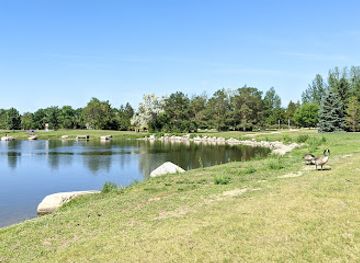
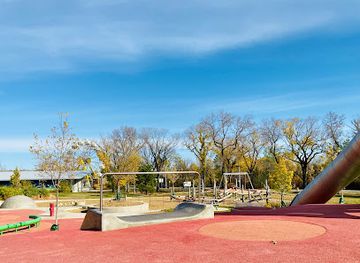
Kinsmen Park
Explore Kinsmen Park in Saskatoon, a perfect family-friendly destination featuring lush landscapes, thrilling rides, and scenic river views.
Best landmarks in Prairies
The Prairies’ most recognisable landmarks range from Indigenous cultural places to provincial capitals and dramatic geological formations. Head-Smashed-In Buffalo Jump in southern Alberta is a UNESCO World Heritage Site and a major place for understanding Blackfoot history, landscape knowledge and the long relationship between people and bison. Writing-on-Stone Provincial Park, also in Alberta, is known for its hoodoos, sandstone coulees and extensive Indigenous rock art. Wanuskewin Heritage Park near Saskatoon marks a long-used cultural landscape beside the South Saskatchewan River. In Winnipeg, the Manitoba Legislative Building is noted for its monumental classical design and Golden Boy statue, while the Esplanade Riel provides a distinctive contemporary crossing over the Red River. Regina’s Saskatchewan Legislative Building anchors Wascana Centre with its Beaux-Arts civic architecture. Further west, the Calgary Tower is a visible urban marker, while the badlands around Drumheller give Alberta an entirely different landmark vocabulary of exposed rock, coulees and fossil-bearing landscapes.
-
 Market
The Forks Market
Explore local flavors and unique crafts at Winnipeg's historic Forks Market, a vibrant destination where the rivers meet and cultures converge.
-
Museum
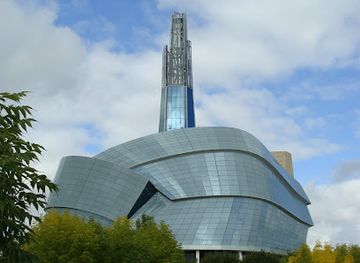
Canadian Museum for Human Rights
Experience the profound journey of human rights at the Canadian Museum for Human Rights in Winnipeg, where history meets hope and inspiration.
-
Park
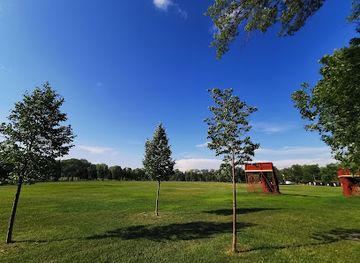
Kildonan Park
Discover Winnipeg's Kildonan Park: a historic urban oasis with gardens, trails, cultural attractions, and year-round recreation along the scenic Red River.
-
Stadium
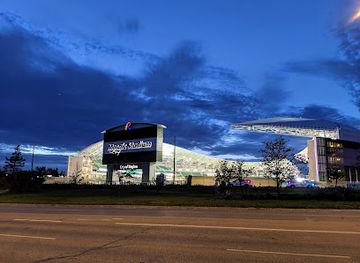
Mosaic Stadium
Explore the vibrant atmosphere of Mosaic Stadium, Regina's premier sports venue, where unforgettable events and Canadian culture come alive.
Explore Prairies on the map
Plan your trip on one map. See where the top cities, national parks and sights are, and book hotels and experiences in a few clicks.
Best hotels in Prairies
Best restaurants in Prairies
Prairie dining combines locally produced ingredients with the cultural diversity of its cities. Wheat, beef, pork, pulses, honey, berries, freshwater fish and greenhouse produce appear in restaurants, bakeries, farm shops and farmers’ markets across the three provinces. Winnipeg is particularly noted for its range of Ukrainian, Jewish, Filipino, South Asian, East Asian, Indigenous and other food traditions, while Saskatoon and Regina have strong contemporary scenes drawing on Saskatchewan grains, berries and vegetables. Alberta’s food culture includes ranching traditions, beef, game and agricultural produce, alongside international cuisines in Calgary and Edmonton. Visitors may encounter bannock and other Indigenous foodways, Métis influences, Ukrainian baking, prairie perogies and seasonal berry products, though recipes and traditions vary between communities. Pubs, cafés, diners and independent bakeries remain important in smaller towns, while larger cities offer more ambitious tasting menus and modern interpretations of regional ingredients.
-
Sports bar
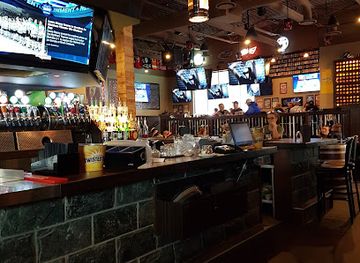
The Canadian Brewhouse (Regina Grasslands)
Experience the vibrant flavors of Canada at The Canadian Brewhouse in Regina Grasslands - where great food meets an exciting atmosphere.
-
Pub
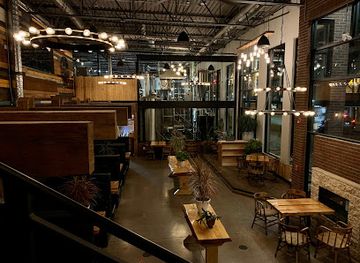
Prairie Sun Brewery
Discover the best craft beers and delicious bites at Prairie Sun Brewery in Saskatoon - your ultimate brewpub experience.
-
Restaurant
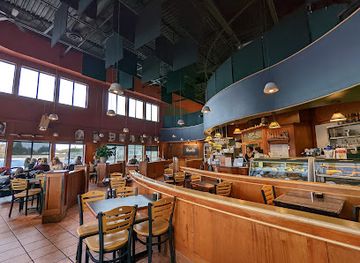
Prairie Ink Restaurant
Discover the vibrant flavors of Prairie Ink Restaurant - where local ingredients meet culinary creativity in Saskatoon.
-
Canadian
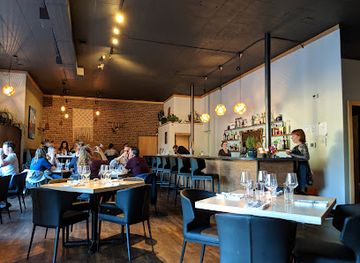
Hearth Restaurant
Discover Hearth Restaurant in Saskatoon: Where Canadian Cuisine Meets Cozy Ambiance.
Best bars in Prairies
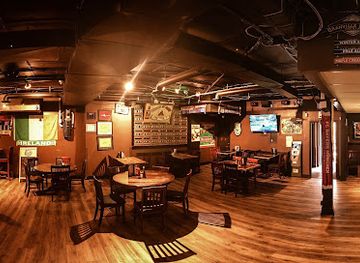
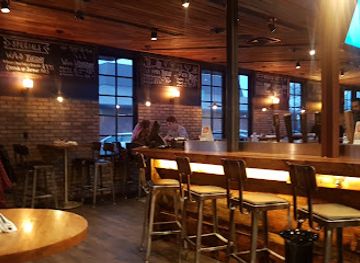
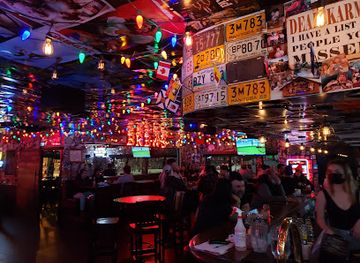
Evening life in the Prairies is concentrated in Winnipeg, Regina, Saskatoon, Calgary and Edmonton, with a quieter rhythm in smaller communities. Traditional pubs, breweries, cocktail bars, wine bars, cafés and live-music venues are common urban choices, and university populations help sustain nightlife in Winnipeg, Saskatoon, Edmonton and other larger centres. Calgary and Edmonton have the broadest range of late-night entertainment, while Winnipeg has established theatre, concert and cultural venues. In rural areas, evenings more often centre on community pubs, restaurants, hotel bars and seasonal events rather than dedicated nightclub districts. Local breweries and distilleries offer a way to explore prairie grain and agricultural production without making alcohol the focus of a visit. Check current arrangements before travelling, as venue operations and event programmes change frequently.
-
Pub
King's Head Pub
Experience the lively atmosphere and rich flavors of Winnipeg at King's Head Pub, where great food meets local culture.
-
Restaurant
Brazen Hall Kitchen & Brewery
Discover Winnipeg's Brazen Hall Kitchen & Brewery, where craft beers meet culinary excellence in a modern yet cozy atmosphere.
-
Bar
Leopold's Tavern Saskatoon - Broadway
Discover the lively ambiance and delicious food at Leopold's Tavern Saskatoon - Broadway, a local gem for craft beer and casual dining.
-
Bar
Leopold's Tavern Winnipeg - Henderson
Experience the vibrant atmosphere and delicious offerings at Leopold's Tavern, the heart of Winnipeg's bar scene.
Best nightclubs in Prairies
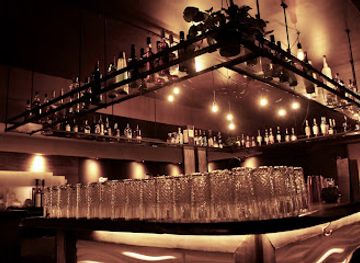
Evening life in the Prairies is concentrated in Winnipeg, Regina, Saskatoon, Calgary and Edmonton, with a quieter rhythm in smaller communities. Traditional pubs, breweries, cocktail bars, wine bars, cafés and live-music venues are common urban choices, and university populations help sustain nightlife in Winnipeg, Saskatoon, Edmonton and other larger centres. Calgary and Edmonton have the broadest range of late-night entertainment, while Winnipeg has established theatre, concert and cultural venues. In rural areas, evenings more often centre on community pubs, restaurants, hotel bars and seasonal events rather than dedicated nightclub districts. Local breweries and distilleries offer a way to explore prairie grain and agricultural production without making alcohol the focus of a visit. Check current arrangements before travelling, as venue operations and event programmes change frequently.
-
Bar
PiNK Bar and Lounge
Discover the vibrant nightlife at PiNK Bar and Lounge in Saskatoon, offering karaoke, dancing, and a lively atmosphere for an unforgettable evening.
-
Night club
Penrose YXE
Discover the heartbeat of Saskatoon's nightlife at Penrose YXE, a premier night club offering unforgettable experiences and vibrant entertainment.
-
Night club
World Famous Palomino Club
Discover Winnipeg's nightlife at the World Famous Palomino Club, where dancing, drinks, and live entertainment create unforgettable memories.
-
Restaurant
The Village
Experience the unique flavors and inviting ambiance of The Village, a must-visit restaurant in Winnipeg's River - Osborne neighborhood.



Best shops in Prairies
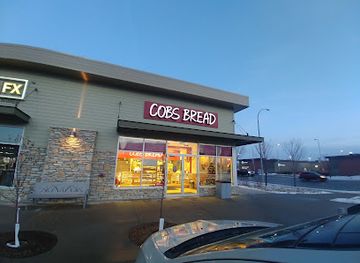
Shopping in the Prairies is strongest in the larger cities and historic market towns, where contemporary retail sits alongside craft, food and cultural shopping. Winnipeg offers independent boutiques, galleries, bookstores, markets and neighbourhood shopping, with The Forks providing a prominent setting for food products, crafts and local design. Saskatoon and Regina have central shopping streets, galleries and seasonal farmers’ markets, while Calgary and Edmonton provide the broadest selection of fashion, specialist retail and major shopping centres. Outside the cities, look for farm shops, prairie preserves, honey, grains, locally made baking, wool, leather goods, pottery, beadwork and regional artwork, buying Indigenous-made products from recognised artists or appropriate retailers. Antique shops and heritage-town main streets can be rewarding stops, although opening patterns vary. Markets are often seasonal, so confirm dates and locations before making a rural detour.
-
Shopping mall
Grasslands
Explore the dynamic shopping experience at Grasslands, Regina's premier destination for unique shops, delightful dining, and lively entertainment.
-
Gift shop
Aware House Books
Explore Aware House Books in Regina for unique gifts, eclectic books, and metaphysical supplies in a charming atmosphere.
-
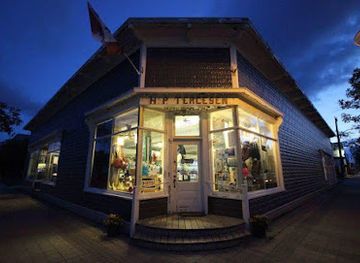
Gift shop
HP Tergesen & Sons
Discover unique gifts and stylish finds at HP Tergesen & Sons, a premier boutique in Gimli showcasing local craftsmanship.
-
Gift shop
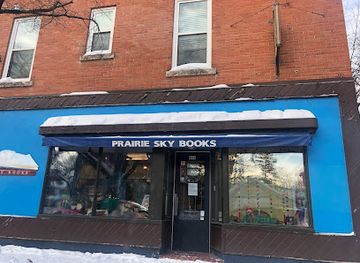
Prairie Sky Books
Explore Prairie Sky Books in Winnipeg - a charming gift shop and boutique filled with unique books and handcrafted treasures.

Get your free copy of our complete guide to Prairies, delivered straight to you.
Everything on this page, from attractions and restaurants to essentials and local phrases, in one PDF you can read offline, print or share.
Already have an account? Sign in
Your Prairies guide is ready.
We'll send it to · Not you? Sign out

Getting your guide ready…
We are putting together a fresh copy of the Prairies guide. This can take up to a minute.
This can take a few moments. If your browser asks, choose Allow so the download can start. You'll find the guide in your Downloads folder.
Nothing happened? Download it again
Sorry, the guide is taking longer than usual. Please try again in a minute, or get it by email instead.
Prairies essentials
Currency and Payment
Safety
Emergency Situations
Do's and Don'ts
Local Tips
From Eve
Local phrases worth knowing
You don't need to get them perfect. A few words go a long way, and locals appreciate the effort.
Basics
| English | Local | Say it |
|---|---|---|
| Hello | Howdy | [haʊdi] |
| Goodbye | See ya | [si jə] |
| Yes | Yup | [jʌp] |
| No | Nope | [noʊp] |
| Please/You're welcome | Please / No problem | [pliz / noʊ ˈprɑbləm] |
| Thank you | Thanks a lot | [θæŋks ə lɑt] |
| Excuse me/Sorry | Pardon me/Sorry | [ˈpɑrdən mi / ˈsɔri] |
| How are you? | How's it going? | [haʊz ɪt ˈgoʊɪŋ] |
| Fine. And you? | Good. And you? | [gʊd. ənd ju] |
| Do you speak English? | Do ya speak English? | [du jə spiːk ˈɪŋɡlɪʃ] |
| I don't understand | I don’t get it | [aɪ doʊnt ɡɛt ɪt] |
Eating & Drinking
| English | Local | Say it |
|---|---|---|
| I'd like to see the menu, please | Can I see the menu, please? | [kæn aɪ si ðə ˈmɛnju, pliz] |
| I don't eat meat | I ain't into meat | [aɪ eɪnt ˈɪntu mit] |
| Cheers! | Cheers! | [tʃɪrz] |
| I would like to pay, please | Can I get the bill, please? | [kæn aɪ gɛt ðə bɪl, pliz] |
Emergencies
| English | Local | Say it |
|---|---|---|
| Help! | Help! | [hɛlp] |
| Go away! | Get lost! | [ɡɛt lɔst] |
| Call the Police! | Call the cops! | [kɔl ðə kɑps] |
| Call a doctor! | Get a doctor! | [ɡɛt ə ˈdɑktər] |
| I'm lost | I'm turned around | [aɪm tɜrnd əˈraʊnd] |
| I'm ill | I ain't feeling well | [aɪ eɪnt ˈfɪlɪŋ wɛl] |
Shopping
| English | Local | Say it |
|---|---|---|
| I'd like to buy... | I wanna buy... | [aɪ ˈwɑnə baɪ] |
| I'm just looking | Just browsing | [dʒʌst ˈbraʊzɪŋ] |
| How much is it? | What’s the price? | [wʌts ðə praɪs] |
| That's too expensive | That costs too much | [ðæt kɔsts tu mʌtʃ] |
| Can you lower the price? | Can ya knock down the price? | [kæn jə nɑk daʊn ðə praɪs] |
Time & Numbers
| English | Local | Say it |
|---|---|---|
| What time is it? | What time ya got? | [wʌt taɪm jə ɡɑt] |
| It's one o'clock | It's one | [ɪts wʌn] |
| Half past (10) | Half past ten | [hæf pæst tɛn] |
| Morning | Morning | [ˈmɔrnɪŋ] |
| Afternoon | Afternoon | [ˌæftərˈnun] |
| Evening | Evening | [ˈivnɪŋ] |
| Yesterday | Yesterday | [ˈjɛstərdeɪ] |
| Today | Today | [təˈdeɪ] |
| Tomorrow | Tomorrow | [təˈmɔroʊ] |
| 1 | One | [wʌn] |
| 2 | Two | [tu] |
| 3 | Three | [θri] |
| 4 | Four | [fɔr] |
| 5 | Five | [faɪv] |
| 6 | Six | [sɪks] |
| 7 | Seven | [sɛvən] |
| 8 | Eight | [eɪt] |
| 9 | Nine | [naɪn] |
| 10 | Ten | [tɛn] |
Transport & Directions
| English | Local | Say it |
|---|---|---|
| Where's a/the...? | Where's the...? | [wɛrz ðə] |
| What's the address? | What's the address? | [wʌts ði ˈædrɛs] |
| Can you show me (on the map)? | Can ya show me (on the map)? | [kæn jə ʃoʊ mi (ɑn ðə mæp)] |
| When's the next (bus)? | When's the next (bus)? | [wɛnʔs ðə nɛkst (bʌs)] |
| A ticket (to ....) | A ticket (to ...) | [ə ˈtɪkɪt (tu ...)] |
History of Prairies
Indigenous Nations and the Bison Plains
The Prairies have been home to Indigenous peoples for thousands of years, with societies adapting to grasslands, river valleys, forests and wetlands through hunting, gathering, trade, agriculture and seasonal movement. Bison were central to many Plains cultures, providing food, clothing, tools and materials, while waterways connected communities across great distances. Cree, Saulteaux, Dakota, Dene, Blackfoot Confederacy nations and many other peoples maintain enduring relationships with these lands. Archaeological and cultural sites, including Wanuskewin near Saskatoon and Head-Smashed-In Buffalo Jump in Alberta, document sophisticated knowledge systems and long histories that predate European settlement by millennia.
The Fur Trade and Inland Rivers
From the late seventeenth century, European trading companies established commercial networks across the interior, building on Indigenous trade routes and diplomacy. Hudson’s Bay Company and North West Company posts linked the Prairies with Hudson Bay, the Great Lakes and the northern forests. Rivers such as the Red, Assiniboine, Saskatchewan and North Saskatchewan were vital transport corridors. The fur trade brought new goods, technologies and alliances, but it also introduced epidemic disease, intensified competition and altered political relationships. Forts and reconstructed trading sites across the region help explain how Indigenous and European economies became closely entangled.
Red River Métis Society and Louis Riel
At the junction of the Red and Assiniboine rivers, a distinct Métis society developed through relationships between Indigenous women and European fur traders, with its own culture, economy and political traditions. Red River settlement grew around river lots, agriculture and the bison trade. In 1869–70, Louis Riel and the provisional government at Red River resisted the transfer of Rupert’s Land to Canada without local consent, contributing to the creation of Manitoba. Later conflict and the execution of Riel in 1885 remain deeply significant in prairie history, while Métis communities and institutions continue to shape the region’s contemporary identity.
Treaties, Confederation and the Railway
After Canada acquired Rupert’s Land, the federal government negotiated numbered treaties with many First Nations across the Prairies during the 1870s and 1880s. Their meanings and obligations remain the subject of active dialogue, and treaty relationships are foundational to understanding the region. The Canadian Pacific Railway then crossed the southern Prairies, while branch lines followed. Railways enabled state administration, military movement, commercial agriculture and large-scale immigration, but they also displaced Indigenous peoples, restricted mobility and reshaped settlement. Winnipeg, Regina, Calgary and Edmonton expanded as railway and administrative centres.
Homesteading and the Wheat Economy
From the late nineteenth century into the early twentieth, government policies encouraged European and other immigrants to settle agricultural land. Wheat farming transformed southern Manitoba, Saskatchewan and Alberta, creating grids of roads, small towns, elevators and farmsteads. New communities brought Ukrainian, German, Scandinavian, Polish, Jewish and many other cultural influences, alongside continuing Indigenous and Métis presence. Mechanisation and improved rail connections increased production, but the farming economy remained vulnerable to drought, frost, world prices and distance. Grain elevators, agricultural museums and surviving prairie towns preserve the physical legacy of this settlement era.
The Great Depression and the Dust Bowl Years
The 1930s brought a severe crisis to the Prairies. Falling commodity prices, drought, soil erosion and recurring dust storms caused widespread hardship, particularly in southern Saskatchewan and Alberta. Families abandoned some farms, sought seasonal work or moved elsewhere, while governments developed relief schemes, soil-conservation measures and agricultural research. The experience changed farming practices and public policy, encouraging shelterbelts, diversified production and greater attention to water management. Dryland landscapes, interpretive centres and community histories across the southern provinces still recall the environmental and social consequences of the decade.
Urban Growth, Energy and a Diverse Modern West
After the Second World War, prairie cities grew through immigration, public investment, manufacturing, education and expanding services. Alberta’s oil and gas development, especially from the twentieth century onwards, accelerated the growth of Calgary and Edmonton and added an energy dimension to an economy still linked to agriculture. Manitoba and Saskatchewan developed important manufacturing, research, mining and public-sector institutions. Contemporary prairie society is increasingly diverse, with Indigenous revitalisation, new immigrant communities, urban cultural production and changing rural economies all shaping the region. Modern cities now stand alongside historic agricultural landscapes and communities adapting to climate and economic change.
Prairies in Photos
Browse through our photo collection highlighting the charm and character of the destination.
Neighbouring regions of Prairies
The closest regions to Prairies, if you have time for more than one.
-

-

-

-

-


Swipe for more regions
Explore more
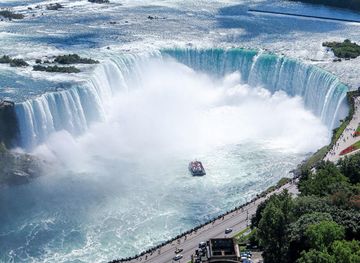
Explore more of Canada
Discover Canada's breathtaking landscapes, diverse cities, and rich cultural heritage. A must-visit destination for outdoor adventures and vibrant urban experiences.
Explore Canada