

Free Newfoundland and Labrador Travel Guide & Mobile App
Explore Newfoundland and Labrador with free travel guides. Discover regional history, expert tips, proposed trips, and audio guides on web or mobile app.


Explore Newfoundland and Labrador for Atlantic coastlines, Indigenous and maritime heritage, iceberg waters, fjords, wildlife and vast northern landscapes.
Read more about Newfoundland and Labrador
When is the best time to visit Newfoundland and Labrador?
Best: June–August · 17–20°C| Month | High (°C) | Rainfall (mm) |
|---|---|---|
| January | -1 | 120 |
| February | 0 | 110 |
| March | 3 | 100 |
| April | 5 | 100 |
| May | 11 | 90 |
| June (best) | 17 | 90 |
| July (best) | 20 | 90 |
| August (best) | 20 | 100 |
| September | 17 | 100 |
| October | 11 | 110 |
| November | 5 | 120 |
| December | 3 | 130 |
Getting to and around Newfoundland and Labrador
How to get there
Transportation
Destinations in Newfoundland and Labrador
Resorts, valleys and scenic spots worth a trip of their own.
-

-


Swipe for more destinations
Best attractions in Newfoundland and Labrador
Newfoundland and Labrador's attractions range from globally important archaeology to wilderness that is best experienced with time and preparation. On northern Newfoundland, L'Anse aux Meadows National Historic Site interprets the remains of a Norse settlement, while the nearby Viking Trail leads through coastal communities and boreal landscapes. Gros Morne National Park on the west coast combines fjord-like inlets, the Tablelands and geological features created by ancient tectonic forces; Terra Nova National Park offers forest, ponds, coastal scenery and well-maintained outdoor activities farther east. The Avalon Peninsula brings together St John's heritage, coastal walking at Cape Spear and the seabird cliffs of Witless Bay Ecological Reserve. Iceberg and whale viewing are seasonal highlights in several coastal areas, and museums, lighthouses, craft studios and community heritage sites add cultural depth. Labrador offers a more remote range of experiences, including the Basque whaling archaeology of Red Bay, the coastal heritage of Labrador Straits and the mountains, fjords and Indigenous cultural landscapes of Torngat Mountains National Park. Access, guiding and weather conditions vary considerably, so remote attractions should be treated as planned journeys rather than spontaneous stops.
-
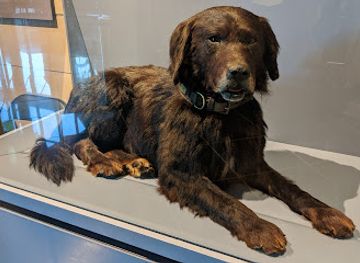
Museum
The Rooms
Explore the fascinating history and vibrant culture of Newfoundland and Labrador at The Rooms, a premier museum and art gallery in St. John's.
-
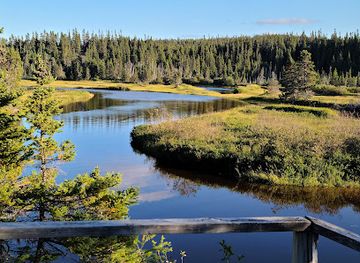
National park
Terra Nova National Park
Discover the breathtaking landscapes and rich wildlife of Terra Nova National Park, a stunning natural retreat in Newfoundland and Labrador.
-
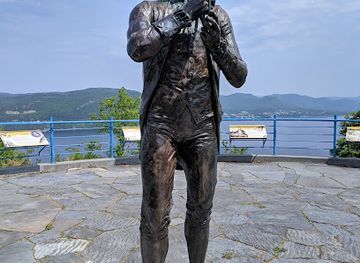
Tourist attraction
Captain James Cook National Historic Site
Discover the legacy of Captain James Cook amidst breathtaking vistas at Corner Brook's National Historic Site, a perfect blend of history and nature.
-
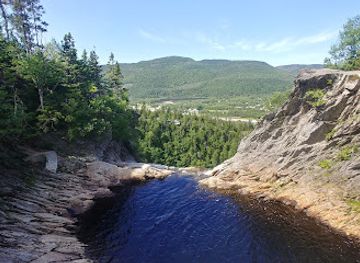
Park
Steady Brook Falls Trail
Experience the breathtaking beauty of Steady Brook Falls Trail, a serene park in Newfoundland and Labrador known for its stunning waterfalls and lush landscapes.
Best landmarks in Newfoundland and Labrador
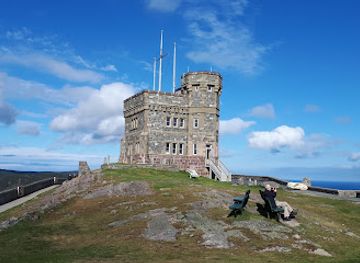
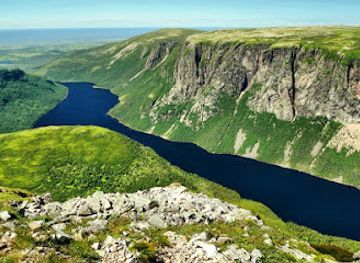
Signal Hill above St John's harbour is one of the province's best-known historic viewpoints, associated with coastal defence, maritime communication and the 1901 reception of the first transatlantic wireless signal. Nearby Cape Spear, on the eastern edge of the Avalon Peninsula, is Canada's easternmost point and is marked by a historic lighthouse and military remains. The brightly coloured streets, harbour and churches of St John's provide a distinctive urban landscape shaped by Atlantic trade and fishing. On the west coast, the Tablelands in Gros Morne National Park form an unusual ochre-coloured plateau of exposed mantle rock, while Western Brook Pond cuts inland as a dramatic glacial valley. L'Anse aux Meadows is significant not only as a landmark but as the clearest physical evidence of Norse settlement in North America. In Labrador, Red Bay's former whaling station preserves an international maritime story through harbour archaeology and underwater remains, while the Torngat Mountains create a remote northern landmark of sharp peaks, fjords and culturally important Inuit country. These places are separated by considerable distances and should be understood as distinct landscapes rather than stops on a compact circuit.
-
Historical landmark
Signal Hill National Historic Site
Experience the breathtaking views and rich history at Signal Hill National Historic Site, a must-see in St. John's, Newfoundland and Labrador.
-
National park
Gros Morne National Park Of Canada
Discover fjords, mountains, and unique geology in this UNESCO World Heritage Site on Newfoundland's stunning west coast.
-
Tourist attraction
Captain James Cook National Historic Site
Explore Captain James Cook National Historic Site in Corner Brook for stunning views and a glimpse into the life of the famous explorer.
-
Historical landmark
Port au Choix National Historic Site
Discover 6,000 years of history and stunning coastal scenery at Port au Choix National Historic Site, where ancient cultures thrived.
Explore Newfoundland and Labrador on the map
Plan your trip on one map. See where the top cities, national parks and sights are, and book hotels and experiences in a few clicks.
Best hotels in Newfoundland and Labrador
Best restaurants in Newfoundland and Labrador
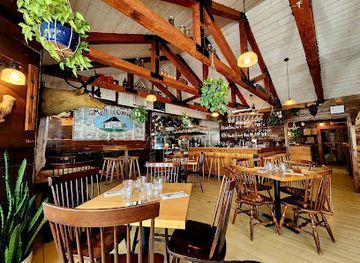
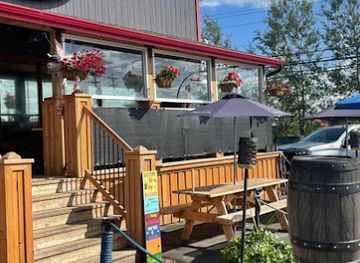
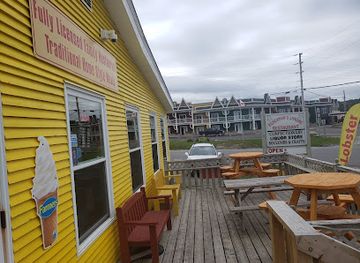
Dining in Newfoundland and Labrador reflects the province's fishing history, northern climate and growing interest in local ingredients. Salt cod remains an important culinary reference, appearing in dishes such as fish cakes and fish-and-brewis, while toutons, often served with savoury or sweet accompaniments, are a familiar Newfoundland speciality. Fresh cod, crab, mussels, lobster and other seafood feature strongly in coastal restaurants, although menus vary with season and local supply. Bakeapples, partridgeberries and blueberries appear in preserves, desserts and drinks, and game may be available in some establishments where regulations and supply permit. St John's has the broadest choice of contemporary restaurants, cafés, pubs and bakeries, while towns across the island offer seafood counters, family-run dining rooms and rural inns. In Labrador, food traditions differ between communities and include Inuit, Innu and settler influences; visitors should seek locally run venues and respect the seasonal nature of many ingredients. Farmers' markets and food festivals can be useful places to encounter regional baking, preserves and craft products.
-
Canadian
Mallard Cottage
Discover the essence of Canadian cuisine at Mallard Cottage in St. John's—where tradition meets flavor amidst stunning landscapes.
-
Restaurant
Baba Q's Smoke & Grill
Experience the best barbecue and cocktails at Baba Q's Smoke & Grill in Labrador City - a culinary gem that promises delicious flavors and great ambiance.
-
Restaurant
Fisherman's Landing Restaurant
Experience exquisite seafood dining at Fisherman's Landing Restaurant in Rocky Harbour – where local flavors meet stunning waterfront views.
-
Pub
The Newfoundland Pub
Discover The Newfoundland Pub: A cozy spot in Ottawa serving delicious Canadian fare and refreshing drinks in a friendly atmosphere.
Best bars in Newfoundland and Labrador
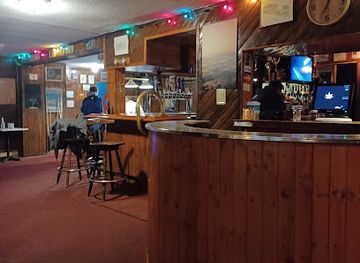
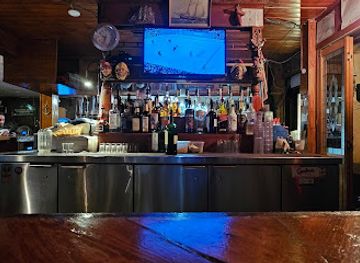
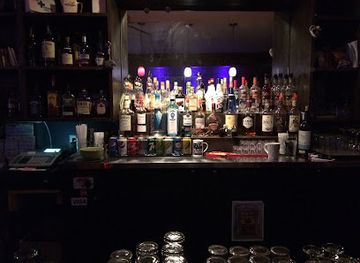
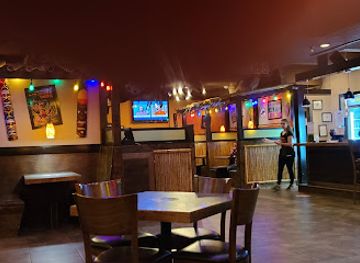
Evening life varies sharply across the province. St John's has the most concentrated choice of traditional pubs, live-music venues, restaurants, cocktail bars and small clubs, particularly around the downtown streets near the harbour. Its music culture draws on local songwriting, traditional repertoire and contemporary performers, but entertainment schedules change regularly. Elsewhere on Newfoundland, nightlife generally centres on community pubs, hotel lounges, restaurants, seasonal festivals and occasional live performances rather than a large club scene. In smaller towns, venues may close earlier and distances between them can be substantial. Labrador's evening culture is similarly community-based, with social clubs, pubs, eateries and local events providing the main options; in remote areas, the experience may consist of a quiet meal, a community gathering or an outdoor evening under broad northern skies. Drink responsibly, arrange transport in advance and remember that alcohol is not the only way to participate in local cultural life.
-
Restaurant
Baba Q's Smoke & Grill
Discover the rich flavors of barbecue and vibrant drinks at Baba Q's Smoke & Grill in Labrador City, Newfoundland and Labrador.
-
Pub
The Newfoundland Pub
Experience Canadian hospitality at The Newfoundland Pub in Ottawa, where delicious food, local brews, and a cozy atmosphere await.
-
Pub
The Black Sheep
Experience the vibrant atmosphere of The Black Sheep, a cozy pub in St. John's, serving local brews and delicious pub fare.
-
Grill
Jungle Jim's Eatery
Explore the diverse menu at Jungle Jim's Eatery in Labrador City, where American, Canadian, and Indian flavors meet in a family-friendly atmosphere.

Best nightclubs in Newfoundland and Labrador
Evening life varies sharply across the province. St John's has the most concentrated choice of traditional pubs, live-music venues, restaurants, cocktail bars and small clubs, particularly around the downtown streets near the harbour. Its music culture draws on local songwriting, traditional repertoire and contemporary performers, but entertainment schedules change regularly. Elsewhere on Newfoundland, nightlife generally centres on community pubs, hotel lounges, restaurants, seasonal festivals and occasional live performances rather than a large club scene. In smaller towns, venues may close earlier and distances between them can be substantial. Labrador's evening culture is similarly community-based, with social clubs, pubs, eateries and local events providing the main options; in remote areas, the experience may consist of a quiet meal, a community gathering or an outdoor evening under broad northern skies. Drink responsibly, arrange transport in advance and remember that alcohol is not the only way to participate in local cultural life.
-
Bar
Fish Net Lounge
Experience the best of Wabush at Fish Net Lounge, where local flavors and community spirit come together for an unforgettable night.

Best shops in Newfoundland and Labrador
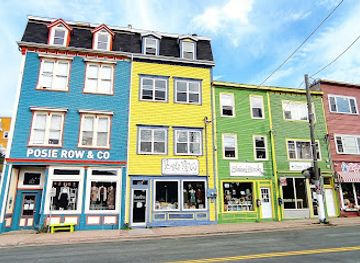
Shopping in Newfoundland and Labrador is strongest in St John's, where downtown streets combine independent clothing shops, bookshops, galleries, craft retailers, cafés and stores selling locally themed goods. Across Newfoundland, smaller market towns and outport communities offer studios and galleries featuring ceramics, woodwork, textiles, photography and paintings inspired by the coast. Farmers' markets and seasonal community markets are useful for preserves, baked goods, berries, seafood products and other regional foods, although locations and dates vary. Labrador's shopping is more community-based and practical, with locally made art, carvings, beadwork, textiles and other crafts available through Indigenous and regional cultural organisations when in season. Visitors should purchase directly from reputable makers and ask about the cultural significance and materials of Indigenous art rather than treating it as generic souvenir merchandise. Common keepsakes include locally designed books, music, artwork, knitwear and food products, while rural shops may have limited opening arrangements and card connectivity.
-
Department store
Walmart
Discover unbeatable prices and a vast selection at Walmart in Labrador City – your essential shopping stop for all needs.
-
Gift shop
Posie Row
Discover unique gifts and local artistry at Posie Row, the perfect spot for souvenirs in St. John's, Newfoundland and Labrador.
-
Shopping mall
Labrador Mall
Explore Labrador Mall: a cozy shopping haven in Labrador City, blending local charm with a variety of retail and dining options.
-
Gift shop
Island Treasures
Explore Island Treasures: Your local gift shop and bookstore in Corner Brook, showcasing Newfoundland's unique crafts and literature.

Get your free copy of our complete guide to Newfoundland and Labrador, delivered straight to you.
Everything on this page, from attractions and restaurants to essentials and local phrases, in one PDF you can read offline, print or share.
Already have an account? Sign in
Your Newfoundland and Labrador guide is ready.
We'll send it to · Not you? Sign out

Getting your guide ready…
We are putting together a fresh copy of the Newfoundland and Labrador guide. This can take up to a minute.
This can take a few moments. If your browser asks, choose Allow so the download can start. You'll find the guide in your Downloads folder.
Nothing happened? Download it again
Sorry, the guide is taking longer than usual. Please try again in a minute, or get it by email instead.
Newfoundland and Labrador essentials
Currency and Payment
Safety
Emergency Situations
Do's and Don'ts
Local Tips
From Eve
Local phrases worth knowing
You don't need to get them perfect. A few words go a long way, and locals appreciate the effort.
Basics
| English | Local | Say it |
|---|---|---|
| Hello | Howdy | [Hao-dee] |
| Goodbye | Take care | [Tayk kayr] |
| Yes | Yea | [Yay] |
| No | Naw | [Naw] |
| Please/You're welcome | No problem | [Noh proh-blum] |
| Thank you | Thanks a bunch | [Thangs a bun-ch] |
| Excuse me/Sorry | Sorry 'bout that | [Sor-ee 'bout that] |
| How are you? | How's she cuttin'? | [Hows she cuttin'?] |
| Fine. And you? | Good. And yerself? | [Goo-d. And yer-self?] |
| Do you speak English? | Do ya talk English? | [Doo ya talk In-glish?] |
| I don't understand | I ain't gettin' it | [I ain't get-tin' it] |
Eating & Drinking
| English | Local | Say it |
|---|---|---|
| I'd like to see the menu, please | Can I have a look at the menu, please? | [Can I hav a luk at the men-yoo, pleez?] |
| I don't eat meat | I don't eat meat | [I don't eat meet] |
| Cheers! | Bottoms up! | [Bot-toms up] |
| I would like to pay, please | Can I pay up, please? | [Can I pay up, pleez?] |
Emergencies
| English | Local | Say it |
|---|---|---|
| Help! | Help! | [Help!] |
| Go away! | Get lost! | [Get lost!] |
| Call the Police! | Call the cops! | [Call the cops!] |
| Call a doctor! | Get a doctor! | [Get a doc-tor!] |
| I'm lost | I'm all turned around | [I'm all turned a-round] |
| I'm ill | I'm not feelin' well | [I'm not feel-in' well] |
Shopping
| English | Local | Say it |
|---|---|---|
| I'd like to buy... | I'd like to grab... | [I'd like to grab...] |
| I'm just looking | Just havin' a gander | [Just hav-in' a gan-der] |
| How much is it? | What’s the damage? | [Wut's the dam-age?] |
| That's too expensive | That's a bit steep | [That's a bit steep] |
| Can you lower the price? | Can ya bring it down a bit? | [Can ya bring it down a bit?] |
Time & Numbers
| English | Local | Say it |
|---|---|---|
| What time is it? | What time is it? | [What time is it?] |
| It's one o'clock | It's one o'clock | [It's one o'clock] |
| Half past (10) | Half past ten | [Half past ten] |
| Morning | Mornin' | [Morn-in'] |
| Afternoon | Afternoon | [Af-ter-noon] |
| Evening | Evenin' | [Even-in'] |
| Yesterday | Yest'day | [Yes-ter-day] |
| Today | To-day | [To-day] |
| Tomorrow | To-morrow | [To-mor-row] |
| 1 | One | [Wun] |
| 2 | Two | [Too] |
| 3 | Three | [Three] |
| 4 | Four | [For] |
| 5 | Five | [Fiv] |
| 6 | Six | [Six] |
| 7 | Seven | [Sev-en] |
| 8 | Eight | [Ayt] |
| 9 | Nine | [Nin] |
| 10 | Ten | [Ten] |
Transport & Directions
| English | Local | Say it |
|---|---|---|
| Where's a/the...? | Where's the...? | [Where's the...?] |
| What's the address? | What's the address? | [What's the ad-dress?] |
| Can you show me (on the map)? | Can ya point it out to me? | [Can ya point it out to me?] |
| When's the next (bus)? | When's the next bus? | [When's the next bus?] |
| A ticket (to ....) | One ticket to ... | [Wun tick-it to ...] |
History of Newfoundland and Labrador
Indigenous Peoples and Ancient Settlement
Newfoundland and Labrador has been home to Indigenous peoples for thousands of years. The Innu have long occupied Labrador's interior and coast, Inuit communities have deep roots in northern Labrador, and Mi'kmaq communities have longstanding connections with Newfoundland and parts of the mainland. The Beothuk lived in Newfoundland before their population was devastated by disease, displacement and colonial expansion; Shanawdithit, who died in 1829, is commonly regarded as the last known Beothuk. Archaeological sites also document earlier cultures, including Maritime Archaic, Dorset and Palaeoeskimo traditions. Indigenous knowledge and contemporary communities remain central to understanding the province.
The Norse Settlement at L'Anse aux Meadows
Around the year 1000, Norse voyagers established a settlement at L'Anse aux Meadows on the northern tip of Newfoundland. Excavated remains of turf-built structures, ironworking and other artefacts confirm that the site was connected to Norse exploration across the North Atlantic. It is widely recognised as the earliest known European settlement in North America and demonstrates that transatlantic contact predated the later voyages associated with Christopher Columbus. The settlement appears to have been short-lived, but its discovery transformed understanding of medieval exploration and remains one of Newfoundland's most important archaeological legacies.
European Fisheries and the Atlantic Shore
From the sixteenth century, European fishing fleets were drawn to the exceptionally productive waters around Newfoundland and Labrador. English, French, Portuguese, Spanish and Basque fishermen established seasonal stations, curing cod onshore and creating an Atlantic economy based on salt fish. Red Bay in Labrador became a major Basque whaling station during the sixteenth century, and its archaeological remains reveal the scale of that enterprise. The fishery shaped settlement patterns, trade, language and international rivalries, while coastal communities developed around harbours, stages and the seasonal movement of people and supplies.
Colonial Rule and the Growth of Newfoundland Society
England claimed Newfoundland in 1583, when Sir Humphrey Gilbert formally asserted sovereignty at St John's, although European fishing and settlement had already created a complex Atlantic presence. French and English interests continued to compete, and the island's strategic harbours were involved in conflicts linked to wider imperial wars. Permanent settlement expanded gradually, especially around the Avalon Peninsula and other fishing districts. Churches, merchant houses, fishing stages and later civic buildings reflected the growth of a society whose economy remained closely tied to cod, coastal trade and the hazards of the North Atlantic.
The Dominion of Newfoundland and Confederation
Newfoundland became a self-governing dominion in 1907 and developed its own political institutions, flag and international identity. Economic strain during the Great Depression led to the suspension of responsible government in 1934 and administration by a Commission of Government. After a closely contested political debate and referendum process, Newfoundland joined Canada on 31 March 1949; Labrador joined it as part of the province. Confederation brought new federal connections and public investment, but it also left a lasting political and cultural legacy, particularly in debates about autonomy and regional identity.
Resource Development and Changing Coastal Economies
During the twentieth century, Newfoundland and Labrador's economy broadened beyond the cod fishery through pulp and paper, mining, hydroelectricity and public infrastructure. Labrador's iron-ore industry expanded around western Labrador, while the Churchill Falls hydroelectric project became one of the largest developments in the region. The commercial cod fishery collapsed in the early 1990s, causing severe social and economic disruption in many coastal communities and ending a way of life that had endured for centuries. Today, offshore energy, mining, tourism, fisheries and public services coexist with efforts to sustain rural and Indigenous communities.
Contemporary Indigenous Recognition and Cultural Renewal
Modern Newfoundland and Labrador continues to reckon with colonial policies, Indigenous dispossession and the legacy of the residential-school system. Inuit, Innu and Mi'kmaq governments and organisations have strengthened cultural, political and economic roles, while public interpretation increasingly acknowledges Indigenous place names, knowledge and stewardship. In 2016, the Qalipu Mi'kmaq First Nation received federal recognition as a landless band with members across Newfoundland. Museums, cultural centres, language initiatives, Indigenous-led tourism and community gatherings now form part of a broader effort to present the province's history with greater accuracy and Indigenous authority.
Newfoundland and Labrador in Photos
Browse through our photo collection highlighting the charm and character of the destination.
Neighbouring regions of Newfoundland and Labrador
The closest regions to Newfoundland and Labrador, if you have time for more than one.
-

-

-

-

-


Swipe for more regions
Explore more
Explore more of Canada
Discover Canada's breathtaking landscapes, diverse cities, and rich cultural heritage. A must-visit destination for outdoor adventures and vibrant urban experiences.
Explore Canada