

Free Gaspé Peninsula Travel Guide & Mobile App
Explore Gaspé Peninsula with free travel guides. Discover regional history, expert tips, proposed trips, and audio guides on web or mobile app.


Experience the unspoiled beauty of the Gaspé Peninsula, where rugged coastlines, vibrant wildlife, and rich history converge in eastern Quebec, Canada.
Read more about Gaspé Peninsula
When is the best time to visit Gaspé Peninsula?
Best: June–August · 19–22°C| Month | High (°C) | Rainfall (mm) |
|---|---|---|
| January | -6 | 95 |
| February | -5 | 85 |
| March | 0 | 85 |
| April | 7 | 85 |
| May | 14 | 90 |
| June (best) | 19 | 90 |
| July (best) | 22 | 100 |
| August (best) | 21 | 100 |
| September | 17 | 90 |
| October | 11 | 90 |
| November | 4 | 95 |
| December | -3 | 95 |
Getting to and around Gaspé Peninsula
How to get there
Transportation
Destinations in Gaspé Peninsula
Resorts, valleys and scenic spots worth a trip of their own.

Swipe for more destinations
Best attractions in Gaspé Peninsula
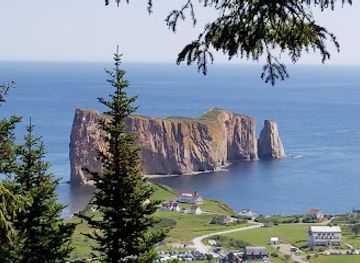
The Gaspé Peninsula, a gem on the eastern coast of Quebec, offers an unparalleled blend of natural beauty and rich history that captivates visitors from the moment they arrive. Explore the breathtaking Percé Rock, an iconic limestone formation rising majestically from the Gulf of St. Lawrence, or venture into Forillon National Park, where rugged cliffs meet dense forests and you can catch glimpses of seals, whales, and seabirds. History enthusiasts will be enchanted by the town of Gaspé, where Jacques Cartier first claimed Canada for France in 1534, and can delve into the past at the Musée de la Gaspésie. The peninsula's charming villages, such as Percé and Sainte-Anne-des-Monts, offer delightful local cuisine, vibrant arts scenes, and warm hospitality, making every corner of this region a new adventure waiting to be discovered.
-
National park
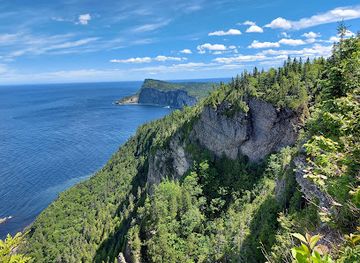
Forillon National Park
Discover the breathtaking landscapes, diverse wildlife, and rich history of Forillon National Park on the stunning Gaspé Peninsula in Quebec.
-
Tourist attraction
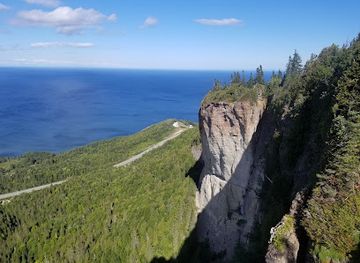
Geopark - Pavilion Tektonik
Experience the stunning geological formations and rich natural heritage at Geopark - Pavilion Tektonik in Percé, Quebec.
-
National park
Gaspesie National Park
Explore Gaspésie National Park, a breathtaking natural wonder in Quebec, offering hiking, skiing, kayaking, and a unique outdoor experience for every traveler.
-
Historical landmark
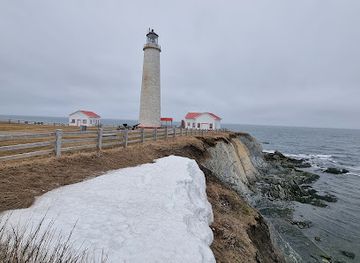
Cap-des-Rosiers Lighthouse
Discover the breathtaking Cap-des-Rosiers Lighthouse, a historical landmark that showcases maritime heritage and stunning coastal views in Gaspé, Quebec.

Best landmarks in Gaspé Peninsula
The Gaspé Peninsula, a jewel of Quebec, is a haven for nature enthusiasts and history buffs alike, offering a spectacular blend of rugged coastline, lush forests, and charming villages. Visitors can marvel at the iconic Percé Rock, a towering limestone monolith rising majestically from the Gulf of St. Lawrence, and explore the verdant Forillon National Park, where hiking trails wind through pristine wilderness and offer breathtaking ocean vistas. History comes alive at the Gaspé Museum and the historic Site of Gaspé Birthplace of Canada, where one can delve into the rich heritage of the region. Don't miss the picturesque Bonaventure Island, home to one of the largest gannet colonies in the world, and the striking Cap-des-Rosiers Lighthouse, the tallest in Canada, standing sentinel over the dramatic seascape. The Gaspé Peninsula's unique blend of natural beauty and cultural richness promises an unforgettable adventure for all who visit.
-
National park
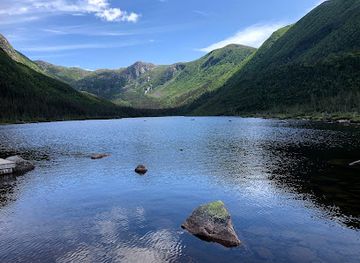
Gaspesie National Park
Explore a vast, mountainous park in the heart of the Gaspé Peninsula, home to unique wildlife and stunning scenery.
-
Tourist attraction
Plateforme Vitrée Suspendue
Experience breathtaking views from a glass platform suspended 200 meters above Percé, Quebec, in the heart of the Gaspésie region.
-
Historical landmark
Birthplace of Canada
Discover Canada's origins at Gaspé, where Jacques Cartier claimed the land in 1534. Explore historical buildings and immerse yourself in the region's rich heritage.
-
Tourist attraction
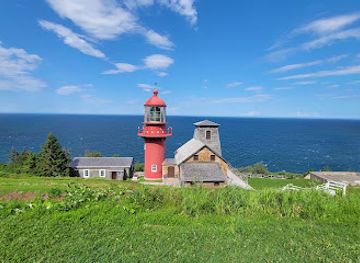
Pointe-à-la-Renommée Lighthouse
Discover a historic lighthouse, Marconi station, and stunning Gaspé Peninsula scenery at Pointe-à-la-Renommée, a beacon of maritime history.
Explore Gaspé Peninsula on the map
Plan your trip on one map. See where the top cities, national parks and sights are, and book hotels and experiences in a few clicks.
Best hotels in Gaspé Peninsula
Best restaurants in Gaspé Peninsula
The Gaspé Peninsula’s dining scene is a delightful fusion of maritime and Quebecois culinary traditions, offering visitors an array of fresh and locally-sourced seafood, including delectable lobster, scallops, and cod, often served in cozy, picturesque settings overlooking the Gulf of St. Lawrence. Quaint bistros and charming cafés provide a taste of regional specialties such as poutine with a twist, while fine dining establishments elevate rustic flavors with modern twists. Don’t miss the opportunity to savor traditional dishes like tourtière and smoked salmon, often paired with locally-brewed craft beers and fine Quebec wines, making every meal an authentic taste of Gaspé’s rich cultural tapestry.
-
Restaurant
Chez Boulay-bistro boréal
Discover authentic Quebec cuisine at Chez Boulay-bistro boréal – where local flavors meet innovative cooking in an inviting atmosphere.
-
Restaurant
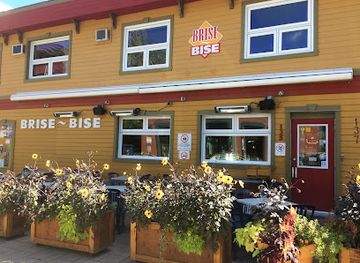
Brise Bise
Discover Gaspé's culinary treasure at Brise Bise – where fresh seafood meets live music in a vibrant atmosphere.
-
Seafood
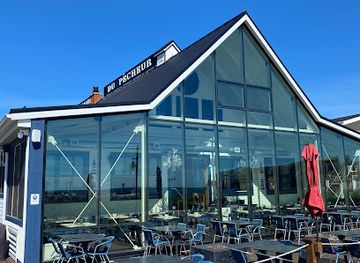
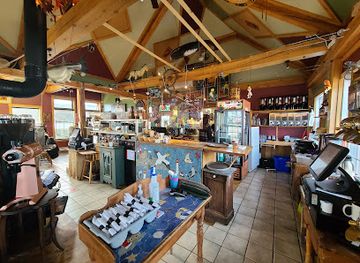
La Maison du Pêcheur
Discover fresh seafood delights at La Maison du Pêcheur in Percé - where every meal is a taste of coastal paradise.
-
Coffee shop
Cafe Des Artistes
Experience the artistic charm of Cafe Des Artistes in Gaspé—where gourmet coffee meets exquisite dining amidst local art.

Best bars in Gaspé Peninsula
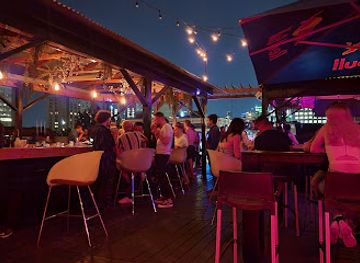
The nightlife scene on the Gaspé Peninsula is a vibrant tapestry of local culture and spirited revelry. Visitors can expect cozy, rustic bars offering craft beers brewed with regional ingredients, often accompanied by live folk music that tells the stories of the land. In the quaint town of Percé, the bars along the waterfront provide a stunning view of Percé Rock illuminated under the night sky, while the larger towns like Gaspé and Carleton-sur-Mer boast a mix of modern clubs and traditional pubs where dance floors come alive with the rhythms of both contemporary hits and traditional Québécois tunes. Seasonal festivals and events often extend into the night, featuring outdoor concerts, fire pits, and food stalls that keep the energy buzzing. For a more laid-back experience, there are numerous lounges and cafés where you can sip on locally sourced wines and gourmet coffees, all while soaking in the warm, welcoming atmosphere that defines this picturesque region.
-
Bar
Brise Bise
Discover Brise Bise in Gaspé, a vibrant bar and restaurant offering local cuisine, lively music, and an unforgettable atmosphere for tourists.
-
Brewpub
Pub Pit Caribou Percé
Discover the flavors of Quebec at Pub Pit Caribou in Percé, a must-visit brewpub offering local craft beers and exquisite cuisine.
-
Brewpub
Microbrasserie Pit Caribou
Experience the best of Quebec's craft beer culture at Microbrasserie Pit Caribou, where every sip tells a story of tradition and flavor.
-
Restaurant
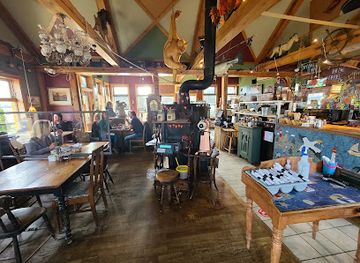
Cafe Des Artistes
Discover the charm of Cafe Des Artistes in Gaspé, where exceptional coffee and local flavors create a unique dining experience.

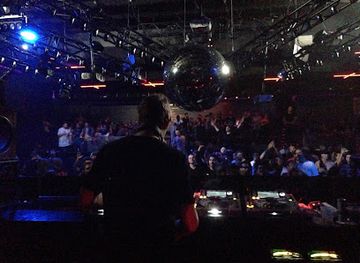
Best nightclubs in Gaspé Peninsula
The nightlife scene on the Gaspé Peninsula is a vibrant tapestry of local culture and spirited revelry. Visitors can expect cozy, rustic bars offering craft beers brewed with regional ingredients, often accompanied by live folk music that tells the stories of the land. In the quaint town of Percé, the bars along the waterfront provide a stunning view of Percé Rock illuminated under the night sky, while the larger towns like Gaspé and Carleton-sur-Mer boast a mix of modern clubs and traditional pubs where dance floors come alive with the rhythms of both contemporary hits and traditional Québécois tunes. Seasonal festivals and events often extend into the night, featuring outdoor concerts, fire pits, and food stalls that keep the energy buzzing. For a more laid-back experience, there are numerous lounges and cafés where you can sip on locally sourced wines and gourmet coffees, all while soaking in the warm, welcoming atmosphere that defines this picturesque region.
-
Cabaret club
Cabaret Mado
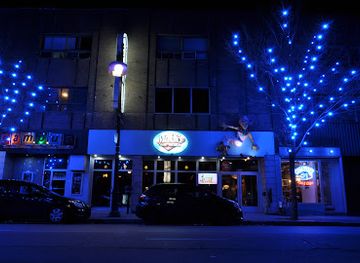
Discover the vibrant nightlife at Cabaret Mado, Montreal's premier cabaret club with dazzling performances and an unforgettable atmosphere.
-
Night club
Muzique
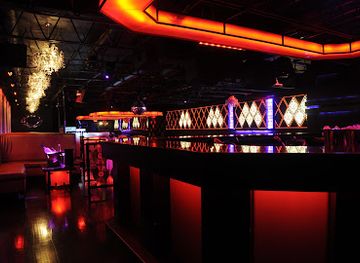
Experience the pulse of Montreal's nightlife at Muzique, where electrifying atmosphere meets diverse events and unforgettable nights.
-
Night club
Club Unity
Discover the energetic vibe of Club Unity in Montreal, where music, dancing, and unforgettable experiences come together in a lively atmosphere.
-
Night club
Stereo
Discover Stereo, Montreal's premier night club, where exceptional sound meets electrifying nightlife in the heart of the city.
Best shops in Gaspé Peninsula
The shopping scene in the Gaspé Peninsula is a delightful blend of local craftsmanship, unique boutiques, and charming markets that cater to both the casual browser and the avid collector. Visitors can explore quaint coastal towns brimming with shops offering handmade artisan goods, from intricate pottery and textiles to locally produced gourmet treats like maple syrup and smoked salmon. The region's vibrant art galleries showcase the work of talented local artists, while antique stores provide a treasure trove of vintage finds. Farmers' markets, bursting with fresh produce and regional specialties, offer an authentic taste of Gaspé's agricultural bounty. Whether you're seeking a one-of-a-kind souvenir or simply wish to immerse yourself in the local culture, the Gaspé Peninsula's diverse shopping venues promise an enriching and memorable experience.
-
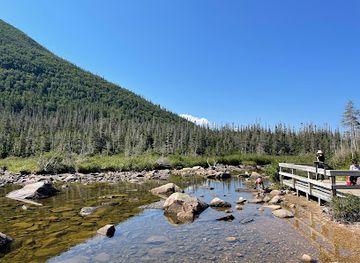
National park
Gaspesie National Park
Discover the breathtaking beauty of Gaspesie National Park, a natural haven in Quebec with stunning landscapes and outdoor adventures.
-
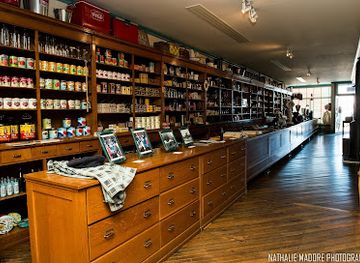
Tourist attraction
Magasin Général Historique Authentique 1928
Discover the rich history and local charm at Magasin Général Historique Authentique 1928, a unique tourist attraction in Cap-d'Espoir, Quebec.
-
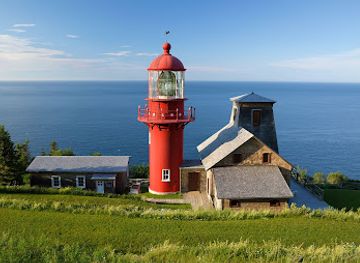
Tourist attraction
Pointe-à-la-Renommée Lighthouse
Explore the iconic Pointe-à-la-Renommée Lighthouse, a historical gem on the Gaspé coast, offering stunning views and rich maritime heritage.
-
Shopping mall
Carrefour Gaspe
Explore Carrefour Gaspe: Your go-to shopping mall in Gaspé, Quebec, blending retail therapy with local flavor and culture.
Get your free copy of our complete guide to Gaspé Peninsula, delivered straight to you.
Everything on this page, from attractions and restaurants to essentials and local phrases, in one PDF you can read offline, print or share.
Already have an account? Sign in
Your Gaspé Peninsula guide is ready.
We'll send it to · Not you? Sign out

Getting your guide ready…
We are putting together a fresh copy of the Gaspé Peninsula guide. This can take up to a minute.
This can take a few moments. If your browser asks, choose Allow so the download can start. You'll find the guide in your Downloads folder.
Nothing happened? Download it again
Sorry, the guide is taking longer than usual. Please try again in a minute, or get it by email instead.
Gaspé Peninsula essentials
Currency and Payment
Safety
Emergency Situations
Do's and Don'ts
Local Tips
From Eve
Local phrases worth knowing
You don't need to get them perfect. A few words go a long way, and locals appreciate the effort.
Basics
| English | Local | Say it |
|---|---|---|
| Hello | Bonjour | [bɔ̃ʒuʁ] |
| Goodbye | Au revoir | [o ʁəvwaʁ] |
| Yes | Oui | [wi] |
| No | Non | [nɔ̃] |
| Please/You're welcome | S'il vous plaît / De rien | [sil vu plɛ / də ʁjɛ̃] |
| Thank you | Merci | [mɛʁsi] |
| Excuse me/Sorry | Excusez-moi / Désolé | [ɛkskyze mwa / dezole] |
| How are you? | Comment ça va? | [kɔmɑ̃ sa va] |
| Fine. And you? | Bien. Et toi? | [bjɛ̃. e twa] |
| Do you speak English? | Parlez-vous anglais? | [paʁle vu ɑ̃ɡlɛ] |
| I don't understand | Je ne comprends pas | [ʒə nə kɔ̃pʁɑ̃ pa] |
Eating & Drinking
| English | Local | Say it |
|---|---|---|
| I'd like to see the menu, please | Je voudrais voir le menu, s'il vous plaît | [ʒə vudʁɛ vwaʁ lə məny, sil vu plɛ] |
| I don't eat meat | Je ne mange pas de viande | [ʒə nə mɑ̃ʒ pa də vjɑ̃d] |
| Cheers! | Santé! | [sɑ̃te] |
| I would like to pay, please | Je voudrais payer, s'il vous plaît | [ʒə vudʁɛ peje, sil vu plɛ] |
Emergencies
| English | Local | Say it |
|---|---|---|
| Help! | Au secours! | [o səkuʁ] |
| Go away! | Allez-vous en! | [ale vu ɑ̃] |
| Call the Police! | Appelez la police! | [aple la pɔlis] |
| Call a doctor! | Appelez un docteur! | [aple ɛ̃ dɔktœʁ] |
| I'm lost | Je suis perdu | [ʒə sɥi pɛʁdy] |
| I'm ill | Je suis malade | [ʒə sɥi malɑd] |
Shopping
| English | Local | Say it |
|---|---|---|
| I'd like to buy... | Je voudrais acheter... | [ʒə vudʁɛ aʃte] |
| I'm just looking | Je regarde juste | [ʒə ʁəɡaʁd ʒyst] |
| How much is it? | C'est combien? | [sɛ kɔ̃bjɛ̃] |
| That's too expensive | C'est trop cher | [sɛ tʁo ʃɛʁ] |
| Can you lower the price? | Pouvez-vous baisser le prix? | [puve vu besɛ le pʁi] |
Time & Numbers
| English | Local | Say it |
|---|---|---|
| What time is it? | Quelle heure est-il? | [kɛl œʁ ɛ til] |
| It's one o'clock | Il est une heure | [il ɛ yn œʁ] |
| Half past (10) | Dix heures et demie | [dis œʁ e dmi] |
| Morning | Matin | [matɛ̃] |
| Afternoon | Après-midi | [apʁɛ midi] |
| Evening | Soir | [swaʁ] |
| Yesterday | Hier | [jɛʁ] |
| Today | Aujourd'hui | [oʒuʁdɥi] |
| Tomorrow | Demain | [dəmɛ̃] |
| 1 | Un | [œ̃] |
| 2 | Deux | [dø] |
| 3 | Trois | [tʁwa] |
| 4 | Quatre | [katʁ] |
| 5 | Cinq | [sɛ̃k] |
| 6 | Six | [si] |
| 7 | Sept | [sɛt] |
| 8 | Huit | [ɥit] |
| 9 | Neuf | [nœf] |
| 10 | Dix | [dis] |
Transport & Directions
| English | Local | Say it |
|---|---|---|
| Where's a/the...? | Où est un/une...? | [u ɛ ɛ̃/yn] |
| What's the address? | Quelle est l'adresse? | [kɛl ɛ l'adʁɛs] |
| Can you show me (on the map)? | Pouvez-vous me montrer (sur la carte)? | [puve vu mə mɔ̃tʁe (syʁ la kaʁt)] |
| When's the next (bus)? | Quand est le prochain (autobus)? | [kɑ̃ ɛ lə pʁɔʃɛ̃ (otobus)] |
| A ticket (to ....) | Un billet (pour ....) | [œ̃ bijɛ (puʁ ....)] |
History of Gaspé Peninsula
Indigenous Peoples and Early Settlements
The Gaspé Peninsula, traditionally known as Gespe'gewa'ki by the Mi'kmaq people, has been home to Indigenous communities for thousands of years. The Mi’kmaq have a rich cultural history that includes intricate storytelling, fishing, and hunting practices. Their deep connection to the land is evident in their continuing presence in the region today.
Jacques Cartier’s Landing in 1534
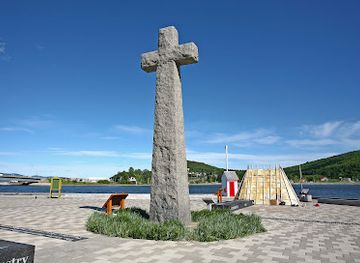
In 1534, the French explorer Jacques Cartier landed on the shores of the Gaspé Peninsula, marking one of the earliest European visits to North America. Cartier erected a 30-foot cross at Gaspé Bay, claiming the land for France. This moment is commemorated by the Gaspé Cross, a replica of which stands in the area today.
Basque Whalers and Fishermen
During the 16th century, Basque whalers and fishermen were frequent visitors to the Gaspé Peninsula. They established temporary camps along the coast, taking advantage of the rich fishing grounds. These early interactions between Europeans and Indigenous peoples laid the groundwork for future trade and cultural exchanges.
The French Regime and Settlement
By the early 17th century, French settlers began to establish more permanent communities in the Gaspé Peninsula. The development of fishing and fur trading industries during this period significantly influenced the local economy and culture. The French legacy is still palpable in the region's language, architecture, and traditions.
British Conquest and Acadian Presence
Following the British conquest of New France in 1760, the Gaspé Peninsula experienced significant demographic changes. The British encouraged settlement by Loyalists and other groups, including Acadians who had been expelled from the Maritime provinces. This influx of new residents contributed to the region's diverse cultural tapestry.
Cod Fisheries and Economic Boom
Throughout the 18th and 19th centuries, the cod fisheries played a central role in the Gaspé Peninsula’s economy. The abundance of cod attracted fishermen from various parts of the world, leading to the establishment of bustling fishing communities. This period is often referred to as the 'Golden Age' of Gaspé’s fishing industry.
Gaspé during World War II
During World War II, the Gaspé Peninsula became strategically significant due to its location. The town of Gaspé hosted a naval base, which played a critical role in the Battle of the Atlantic. The remnants of this era, including military installations and stories of local involvement, are an important part of the region’s heritage.
Modern Day Gaspé and Tourism
In the latter half of the 20th century, the Gaspé Peninsula transformed into a popular tourist destination. Attractions such as the Percé Rock, Forillon National Park, and the vibrant cultural festivals draw visitors from around the world. The preservation of natural beauty and historical landmarks continues to be a priority for the region.
Gaspé Peninsula in Photos
Browse through our photo collection highlighting the charm and character of the destination.
Neighbouring regions of Gaspé Peninsula
The closest regions to Gaspé Peninsula, if you have time for more than one.
-

-

-

-

-


Swipe for more regions
Explore more
Explore more of Canada
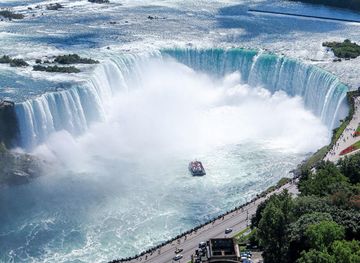
Discover Canada's breathtaking landscapes, diverse cities, and rich cultural heritage. A must-visit destination for outdoor adventures and vibrant urban experiences.
Explore Canada