

Nunatsiavut, Canada Travel Guide
Discover Nunatsiavut: An untouched gem in Canada's north, offering pristine wilderness, rich Inuit culture, and unforgettable adventures.
Nunatsiavut, located in the northern reaches of Newfoundland and Labrador, Canada, is a place where the natural world reigns supreme. This Inuit self-governing region is rich in culture, history, and breathtaking landscapes. The name Nunatsiavut means 'Our Beautiful Land' in Inuttitut, and it truly lives up to its name. Visitors are greeted by stunning fjords, ancient glaciers, and a pristine wilderness that is perfect for those looking to escape the hustle and bustle of modern life. The region is home to five main communities, each with its own unique charm and character. Nain, the largest community, serves as the administrative and cultural hub. Here, you can learn about the Inuit way of life, explore local art galleries, and even try traditional foods. The Torngat Mountains National Park is another must-see attraction, offering rugged mountains, deep fjords, and an array of wildlife including polar bears, caribou, and whales. Adventure seekers will find plenty of activities to keep them entertained. Whether it's hiking through the untouched landscapes, kayaking in the coastal waters, or taking a guided tour to learn about the region’s rich history and culture, there is something for everyone. The area is also a paradise for photographers, with its dramatic scenery and the ever-changing light providing endless opportunities for stunning shots.

Know before you go
Hi, I'm Eve. Here are a few practical things to know before exploring Nunatsiavut.
- Visit between June and September for the best weather and wildlife viewing opportunities.
- Book accommodations and guided tours in advance as services can be limited.
- Pack warm clothing, even in summer, as temperatures can be unpredictable.
- Learn a few phrases in Inuttitut to connect better with the local Inuit community.
- Respect local customs and traditions; always ask for permission before photographing people.
Explore Nunatsiavut: Things to Do, Places to Eat, Hotels & More
Handpicked recommendations for top attractions, local dining, accommodations, and more

Top Attractions & Sightseeing in Nunatsiavut
Top-rated picks
Best Attractions

Auyuittuq National Park
Discover the breathtaking beauty of Auyuittuq National Park, where the rugged Arctic landscape meets the spirit of adventure in Nunavut.

Torngat Mountains National Park
Discover the majestic landscapes and rich cultural heritage of Torngat Mountains National Park, a true gem in Newfoundland and Labrador’s wilderness.

Sirmilik National Park
Explore Sirmilik National Park: A breathtaking Arctic landscape rich in wildlife and Inuit heritage, perfect for adventure seekers and nature lovers.

Ukkusiksalik National Park
Explore Ukkusiksalik National Park – a breathtaking wilderness in Nunavut featuring diverse wildlife, stunning landscapes, and rich Inuit heritage.

Best landmarks in Nunatsiavut
Top-rated picks
Best Landmarks

Nunatta Sunakkutaangit Museum ᓄᓇᑦᑕ ᓱᓇᒃᑯᑖᖏᑦ ᑕᑯᔭᒐᖃᕐᕕᒃ
Immerse yourself in the vibrant culture and history of Nunavut at the Nunatta Sunakkutaangit Museum, a treasure trove of Inuit heritage.

Auyuittuq National Park
Discover the untouched beauty of Auyuittuq National Park in Nunavut, where majestic landscapes and Arctic wildlife await adventurous travelers.

Torngat Mountains National Park
Explore the untouched beauty of Torngat Mountains National Park, a stunning blend of rugged landscapes, rich wildlife, and Indigenous heritage in Newfoundland and Labrador.

Carvings Nunavut Inc
Explore the rich heritage of Inuit artistry at Carvings Nunavut Inc, a premier art gallery in Iqaluit showcasing unique carvings, jewelry, and crafts.

Best restaurants in Nunatsiavut
Top-rated picks
Best Restaurants

Black Heart Café
Experience warmth and community spirit at Black Heart Café in Iqaluit—your go-to spot for delicious coffee and hearty meals in Nunavut.

Wild Caraway
Experience the best of Nova Scotia's culinary scene at Wild Caraway, where local flavors meet innovative dining in a charming coastal setting.

Yummy Shawarma
Experience authentic Middle Eastern flavors at Yummy Shawarma in Iqaluit – where every bite tells a story.

The Storehouse Bar & Grill
Discover Iqaluit's culinary treasure at The Storehouse Bar & Grill, where local flavors meet a vibrant atmosphere.

Best bars in Nunatsiavut
Top-rated picks
Best Bars

Bar Raval
Discover the vibrant fusion of cocktails and tapas at Bar Raval, Toronto's premier destination for an unforgettable night out.
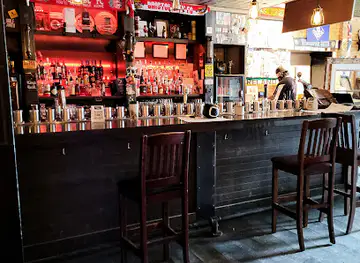
King's Head Pub
Discover the vibrant atmosphere and delicious menu at Winnipeg’s renowned King's Head Pub, a true gem in the heart of Downtown.

BarChef
Discover the art of mixology at BarChef, Toronto's top cocktail bar, where innovative drinks meet a vibrant atmosphere for an unforgettable experience.
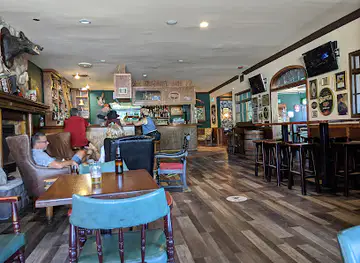
The Toad in the Hole
Experience the charm and flavor of Winnipeg at The Toad in the Hole, a delightful pub offering delicious food and a wide selection of drinks.

Best nightclubs in Nunatsiavut
Top-rated picks
Best Nightclubs

Lula Lounge
Lula Lounge: A premier live music venue and pan-Latin restaurant in Toronto, perfect for an unforgettable night out full of rhythm and flavor.

Stereo
Discover Stereo, Montreal's iconic night club, where world-class DJs and a vibrant atmosphere create unforgettable nightlife experiences.

El Convento Rico
Experience the vibrant nightlife of Toronto at El Convento Rico, a premier night club known for its lively music and dancing.

The Storehouse Bar & Grill
Discover the unique flavors of Nunavut at The Storehouse Bar & Grill, where local ingredients meet a welcoming atmosphere in Iqaluit.

Best shops in Nunatsiavut
Top-rated picks
Best Shops

Nunatta Sunakkutaangit Museum ᓄᓇᑦᑕ ᓱᓇᒃᑯᑖᖏᑦ ᑕᑯᔭᒐᖃᕐᕕᒃ
Explore the vibrant culture and history of Nunavut at the Nunatta Sunakkutaangit Museum, an essential destination for cultural enthusiasts.

Torngat Mountains National Park
Explore the breathtaking landscapes and rich wildlife of Torngat Mountains National Park, a hidden gem in Newfoundland and Labrador, Canada.

Carvings Nunavut Inc
Explore the heart of Nunavut's artistry at Carvings Nunavut Inc, where unique handmade carvings and crafts reflect the rich cultural heritage of the region.

Sequoia
Experience the authentic Native American culture at Sequoia, where every handcrafted item tells a story of tradition and creativity.

Explore Nunatsiavut on the Map
A handpicked selection of must-see spots in Nunatsiavut, mapped for you.
Nunatsiavut Essentials
-
Nunatsiavut is located in the northeastern part of Labrador, Canada. The primary gateway to Nunatsiavut is by air, with flights available from Goose Bay, Newfoundland, and Labrador. Air Borealis operates flights to Nain, Hopedale, Makkovik, Postville, and Rigolet. Alternatively, during the summer months, the Labrador Coastal Drive ferry service connects these communities with Happy Valley-Goose Bay.
-
Once in Nunatsiavut, transportation options are limited. Intra-community travel is typically done by foot, all-terrain vehicle (ATV), snowmobile, or boat, depending on the season. There are no major road connections between communities. Charter services are available for boat or snowmobile travel. For inter-community travel, flights operated by Air Borealis are the most reliable option.
-
The official currency in Nunatsiavut is the Canadian Dollar (CAD). Credit cards are accepted in some establishments, but it is advisable to carry cash, especially in smaller communities where card payment infrastructure may be limited. ATMs are not widely available, so ensure you have sufficient cash before arriving.
-
Nunatsiavut is generally a safe destination. However, standard travel precautions apply. Petty theft is rare, but it's always wise to keep an eye on personal belongings. Wildlife encounters can pose a risk, so follow local guidelines regarding wildlife safety. There are no specific high-crime areas targeting tourists.
-
In case of emergency, dial 911 for immediate assistance. Health services are available in each community, though facilities are limited. It is crucial to have travel insurance that covers medical emergencies and evacuation. For minor health issues, local clinics and pharmacies can provide assistance.
-
Fashion: Do dress warmly and in layers, as weather conditions can be unpredictable. Avoid wearing overly flashy or revealing clothing. Religion: Respect local customs and traditions. Public Transport: Public transport is limited, so do be prepared to use alternative means of travel. Greetings: Do greet locals with a friendly nod or handshake. Eating & Drinking: Do try local delicacies such as Arctic char and caribou. Don’t waste food, as resources can be scarce.
-
To experience Nunatsiavut like a local, engage with the Inuit culture by participating in community events and festivals. Visit local craft shops to purchase handmade Inuit art and crafts. Respect the environment and follow Leave No Trace principles. Engage with locals to learn about the region's rich history and heritage.
When is the best time to visit Nunatsiavut?
Useful Local Phrases for Nunatsiavut
You don't need to speak the language perfectly. Even learning a few simple words can make conversations warmer—and locals usually appreciate the effort.
— Eve

Here are the phrases I use most often in Nunatsiavut. Try a few—you'll be surprised how far they go! 😊
❤️
-
- HelloUva
[oo-vah] - GoodbyeUvaq
[oo-vahk] - YesAagju
[ahg-joo] - NoAagjuq
[ahg-jook] - Please/You're welcomeMaqtuk
[mahk-took] - Thank youQujannamiik
[koo-yah-nah-meek] - Excuse me/SorryUvvaqtuq
[oo-vahk-took] - How are you?Qanuippit?
[kah-nuip-pit] - Fine. And you?Niqin. Qanuippit?
[nee-keen. kah-nuip-pit] - Do you speak English?Inglisimiq?
[in-gli-si-mik] - I don't understandNukik anirniq
[noo-kik ah-neer-nik]
- HelloUva
-
- I'd like to see the menu, pleaseMaqtuk, uvaqtuq menu.
[mahk-took, oo-vahk-took men-oo] - I don't eat meatNukik niqituq aaniq.
[noo-kik nee-kee-took ah-nee-k] - Cheers!Uvaq!
[oo-vahk] - I would like to pay, pleaseMaqtuk, uvaqtuq atuaq.
[mahk-took, oo-vahk-took ah-too-ak]
- I'd like to see the menu, pleaseMaqtuk, uvaqtuq menu.
-
- Help!Uvaq!
[oo-vahk] - Go away!Qallun!
[kah-lun] - Call the Police!Qallun Police!
[kah-lun po-lees] - Call a doctor!Qallun doctor!
[kah-lun doc-tor] - I'm lostNukik nilluq.
[noo-kik nil-luq] - I'm illNukik aaniqtuq.
[noo-kik ah-nee-k-took]
- Help!Uvaq!
-
- I'd like to buy...Maqtuk, uvaqtuq ...
[mahk-took, oo-vahk-took ...] - I'm just lookingNukik soqqaq.
[noo-kik soq-qak] - How much is it?Qanuk angiq?
[kah-nook ahn-gik] - That's too expensiveAqajuk angiq.
[ah-kah-jook ahn-gik] - Can you lower the price?Nukik angiq ikaqtuk?
[noo-kik ahn-gik ee-kahk-took]
- I'd like to buy...Maqtuk, uvaqtuq ...
-
- What time is it?Qanuk tuniq?
[kah-nook too-neek] - It's one o'clockNiqin tuniaq.
[nee-keen too-nee-ak] - Half past (10)Maqtuk tuqik (10).
[mahk-took too-kik (ten)] - MorningUvaqtuq
[oo-vahk-took] - AfternoonUvaqtuq
[oo-vahk-took] - EveningUvaqtuq
[oo-vahk-took] - YesterdayUvvaq.
[oo-vahk] - TodayUvvaq.
[oo-vahk] - TomorrowUvvaq.
[oo-vahk] - 11
[one] - 22
[two] - 33
[three] - 44
[four] - 55
[five] - 66
[six] - 77
[seven] - 88
[eight] - 99
[nine] - 1010
[ten]
- What time is it?Qanuk tuniq?
-
- Where's a/the...?Qanuk ...?
[kah-nook ...?] - What's the address?Qanuk ataani?
[kah-nook ah-tah-nee] - Can you show me (on the map)?Nukik uvaqtuq (map).
[noo-kik oo-vahk-took (map)] - When's the next (bus)?Qanuk nilliq (bus)?
[kah-nook nil-lik (bus)?] - A ticket (to ....)Atuq (to ...).
[ah-too-k (to ...)]
- Where's a/the...?Qanuk ...?
History of Nunatsiavut
-
Nunatsiavut's history dates back to ancient times when the Thule and Dorset cultures inhabited the region. These early Arctic peoples were known for their remarkable adaptability to harsh climates, utilizing sophisticated tools and techniques for hunting and fishing. Archaeological sites across Nunatsiavut, such as those in Nain, offer a window into their way of life, including their distinctive housing structures and artistic expressions.
-
The Inuit, ancestors of today's Nunatsiavummiut, migrated to the Labrador coast around 500 years ago. They developed a deep connection with the land and sea, relying on hunting marine mammals, fishing, and gathering. The Inuit culture is rich with traditions, language, and knowledge passed down through generations, which continue to shape the identity of Nunatsiavut.
-
European contact began in the 16th century with the arrival of Basque and Portuguese fishermen. However, it was the Moravian missionaries in the 18th century who had a lasting impact. The Moravians established missions in communities like Nain (1771), Okak (1776), and Hopedale (1782). They introduced Christianity, education, and new economic practices while also documenting Inuit language and culture. The legacy of these missions is still evident in the architectural remnants and community structures.
-
The Hudson's Bay Company played a significant role in Nunatsiavut's history, establishing trading posts in the early 19th century. The fur trade became a major economic driver, with Inuit and European traders exchanging pelts for goods. This period brought significant changes, including shifts in traditional lifestyles and increased interaction with European goods and customs.
-
During World War II, Nunatsiavut gained strategic importance due to its location. The construction of air bases and radar stations in the region, such as the one at Saglek Bay, marked a period of military significance. This development brought new infrastructure and temporary population booms, influencing the local economy and introducing new cultural exchanges.
-
The journey to self-government was a pivotal chapter in Nunatsiavut's history. After decades of negotiations and advocacy, the Labrador Inuit Land Claims Agreement was signed in 2005, leading to the establishment of the Nunatsiavut Government. This autonomous Inuit regional government oversees areas such as health, education, and cultural preservation, reflecting the community's resilience and commitment to self-determination.
-
In recent years, efforts to revive and preserve Inuit culture have gained momentum. Initiatives include language revitalization programs, traditional arts and crafts workshops, and cultural festivals. The Illusuak Cultural Centre in Nain stands as a testament to these efforts, serving as a hub for cultural education and celebration, ensuring the rich heritage of Nunatsiavut is passed on to future generations.
Neighbouring Regions of Nunatsiavut
The closest regions to Nunatsiavut, if you have time for more than one.


Your all‑in‑one travel companion app
Explore expert travel guides, compare and book tours, experiences, hotels, and more—all from the palm of your hand. Download now for seamless trip planning wherever your wanderlust takes you.


Explore More of Canada
Looking beyond Nunatsiavut? Discover Canada for broader travel guides, local hot-spots, and regional highlights.
Explore CanadaNunatsiavut in Photos
Browse through our photo collection highlighting the charm and character of the destination.


Nunatsiavut: The Untamed Beauty of Canada’s Northern Shores
Nunatsiavut, located in the northern reaches of Newfoundland and Labrador, Canada, is a place where the natural world reigns supreme. This Inuit self-governing region is rich in culture, history, and breathtaking landscapes. The name Nunatsiavut means 'Our Beautiful Land' in Inuttitut, and it truly lives up to its name. Visitors are greeted by stunning fjords, ancient glaciers, and a pristine wilderness that is perfect for those looking to escape the hustle and bustle of modern life. The region is home to five main communities, each with its own unique charm and character. Nain, the largest community, serves as the administrative and cultural hub. Here, you can learn about the Inuit way of life, explore local art galleries, and even try traditional foods. The Torngat Mountains National Park is another must-see attraction, offering rugged mountains, deep fjords, and an array of wildlife including polar bears, caribou, and whales. Adventure seekers will find plenty of activities to keep them entertained. Whether it's hiking through the untouched landscapes, kayaking in the coastal waters, or taking a guided tour to learn about the region’s rich history and culture, there is something for everyone. The area is also a paradise for photographers, with its dramatic scenery and the ever-changing light providing endless opportunities for stunning shots.