

Free Acadian Peninsula Travel Guide & Mobile App
Explore Acadian Peninsula with free travel guides. Discover regional history, expert tips, proposed trips, and audio guides on web or mobile app.


Explore New Brunswick's Acadian Peninsula for francophone heritage, fishing villages, maritime food, beaches, birdlife and wide coastal landscapes.
Read more about Acadian Peninsula
When is the best time to visit Acadian Peninsula?
Best: June–August · 20–24°C| Month | High (°C) | Rainfall (mm) |
|---|---|---|
| January | -4 | 75 |
| February | -3 | 65 |
| March | 3 | 70 |
| April | 8 | 80 |
| May | 15 | 90 |
| June (best) | 20 | 100 |
| July (best) | 24 | 100 |
| August (best) | 22 | 100 |
| September | 19 | 90 |
| October | 13 | 80 |
| November | 7 | 80 |
| December | 0 | 75 |
Getting to and around Acadian Peninsula
How to get there
Transportation
Best attractions in Acadian Peninsula
The Acadian Peninsula's attractions centre on living culture, maritime history and open coastal landscapes. In and around Caraquet, the Village historique acadien near Bertrand offers an extensive interpretation of nineteenth- and early twentieth-century Acadian life through historic buildings, demonstrations and costumed interpretation, while local museums, galleries and cultural venues explore language, settlement and regional creativity. Shippagan provides a marine perspective through its port and Aquarium and Marine Centre, which introduces visitors to species and environments from the Gulf of St Lawrence. Tracadie is a useful base for beach visits, estuary scenery and outdoor activities, with nearby coastal routes leading to dunes and quieter shorelines. Lamèque and Miscou offer low-lying island landscapes, peatlands, lagoons, beaches and birdwatching opportunities. Kayaking, cycling, walking and wildlife observation are especially rewarding in fair weather, although wind and tides influence conditions. Seasonal festivals and community events add a strong cultural dimension, while working harbours and seafood operations provide a more current view of the region than heritage displays alone. The attraction landscape is less about a single monumental sight than about connecting villages, marine environments and Acadian cultural institutions over several days.
-
National park
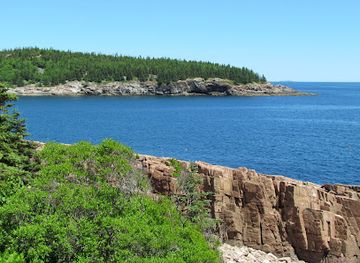
Acadia National Park
Discover the breathtaking landscapes and diverse wildlife of Acadia National Park in Maine, a must-visit destination for nature lovers and adventurers.
-
Scenic spot
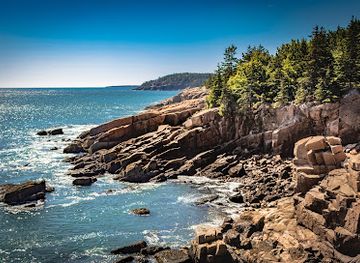
Thunder Hole
Experience the breathtaking power of nature at Thunder Hole, Bar Harbor's iconic coastal attraction with stunning views and thrilling ocean displays.
-
National park
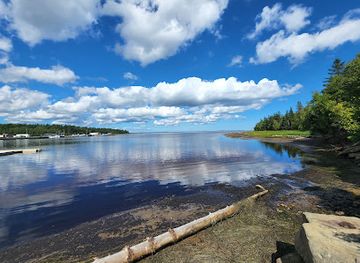
Kouchibouguac National Park
Explore the diverse ecosystems and stunning landscapes of Kouchibouguac National Park, a natural paradise on the Acadian coastline.
-
Scenic spot
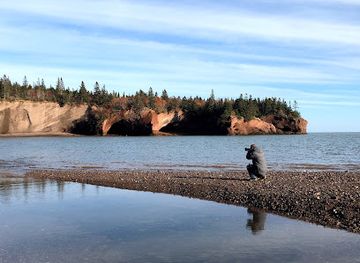
St Martins Sea Caves
Explore the breathtaking St. Martins Sea Caves, a natural wonder in New Brunswick with stunning coastal views and unique geological formations.
Best landmarks in Acadian Peninsula
The Village historique acadien near Bertrand is one of the peninsula's most recognisable cultural landmarks, presenting a carefully assembled landscape of Acadian buildings and recalling the rural institutions that shaped community life. Caraquet's waterfront, harbour and prominent churches express the continuing importance of the town as an Acadian cultural centre, while the annual Acadian flag and other public symbols reflect a modern identity rooted in a long history of survival and renewal. Shippagan's port and marine facilities form a distinctive working landmark, linking the town directly to fishing, marine research and the surrounding Gulf waters. On the northern islands, the long causeways and low horizons of Lamèque and Miscou lead to a different kind of landmark: peatlands, lagoons, beaches and expansive shorelines whose significance is ecological as well as visual. Tracadie combines a historic town setting with coastal approaches, estuaries and beaches that reveal how settlement and maritime geography interact. Across the peninsula, churches, cemeteries, fishing wharves and modest harbour structures may be less monumental than major Canadian sites, but together they give the region its recognisable character and preserve the physical record of Acadian and maritime life.
-
Tourist attraction
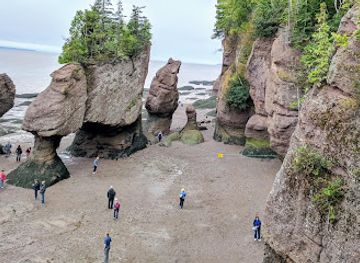
Hopewell Rocks Provincial Park
Walk the ocean floor and witness the world's highest tides at New Brunswick's iconic Hopewell Rocks Provincial Park.
-
Scenic spot
St Martins Sea Caves
Discover the geological wonders of St. Martins Sea Caves, shaped by the world's highest tides in the picturesque Bay of Fundy, New Brunswick.
-
Open air museum
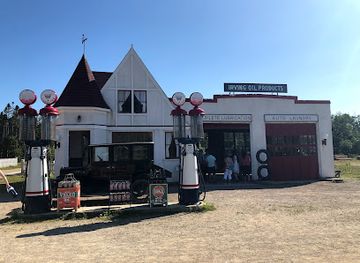
Village Historique Acadien
Experience Acadian history firsthand at this immersive living museum, showcasing life from 1770-1949 in Bertrand, New Brunswick.
-
Local history museum
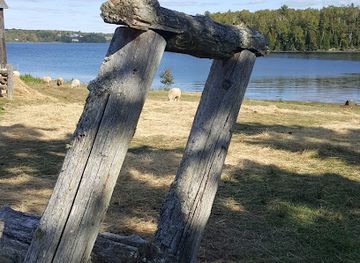
Kings Landing, New Brunswick
Experience 19th-century New Brunswick come to life at Kings Landing, a living history museum with interactive exhibits and costumed interpreters.

Explore Acadian Peninsula on the map
Plan your trip on one map. See where the top cities, national parks and sights are, and book hotels and experiences in a few clicks.
Best hotels in Acadian Peninsula
Best restaurants in Acadian Peninsula
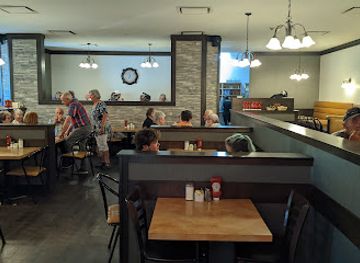
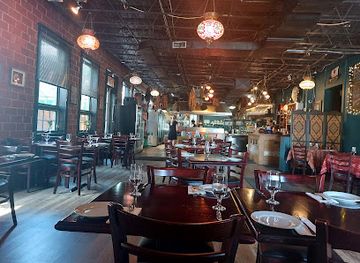
Dining in the Acadian Peninsula is closely linked to the Gulf of St Lawrence and the region's working waterfronts. Lobster, snow crab, shrimp, mussels, oysters, herring and other seafood appear according to season and local supply, served in restaurants, fish markets, roadside stands and community suppers. Traditional Acadian cooking also includes hearty dishes built around potatoes, vegetables, salt meat and seafood, with regional variations in preparation rather than one fixed menu. Visitors may encounter poutines acadiennes, tourtière-style savoury pies, seafood chowders and baked goods alongside familiar Maritime fare. Caraquet, Tracadie and Shippagan offer the broadest choice of cafés, restaurants and casual dining, while smaller villages are more likely to have seasonal establishments, takeaways or local markets. Ask whether seafood is locally landed and check seasonal opening arrangements before making a long drive. Dining also reflects New Brunswick's wider bilingual culture, with menus and service available in French, English or both. Local beer, cider and Canadian wines often complement seafood-focused meals.
-
American
Jordan Pond House Restaurant
Experience traditional American dining at Jordan Pond House with stunning views and iconic popovers in Acadia National Park.
-
Restaurant
Hynes Restaurant
Discover Hynes Restaurant: A culinary haven in Moncton offering delicious local dishes in a warm and inviting atmosphere.
-
Restaurant
Jean's
Experience the best of Canadian cuisine at Jean's Restaurant in Moncton – where flavor meets comfort in every dish.
-
Restaurant
Troy Restaurant & Grill
Experience authentic Mediterranean cuisine at Troy Restaurant & Grill in Wolfville - where flavors meet hospitality.

Best bars in Acadian Peninsula
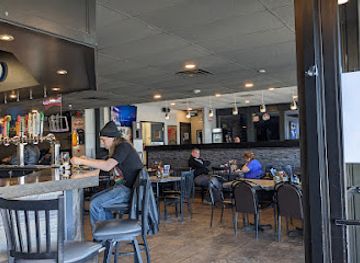
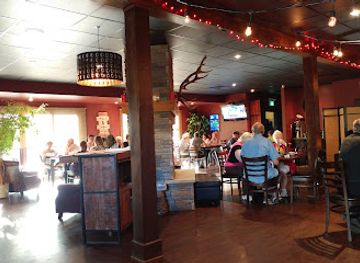
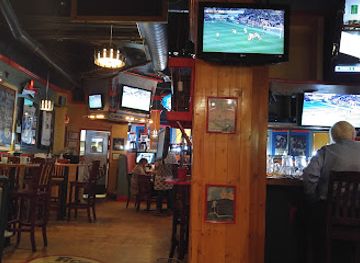
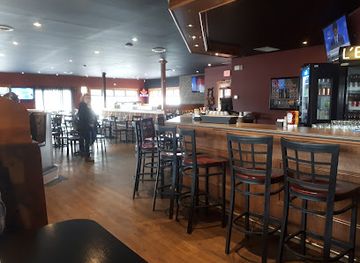
Evenings on the Acadian Peninsula are generally centred on pubs, restaurants, community events and live music rather than a large nightclub circuit. Caraquet has the broadest cultural programme, with performances and seasonal gatherings that draw on Acadian music, theatre and dance, while Tracadie and Shippagan provide smaller selections of bars and places for an evening meal. Traditional pubs and casual bars are useful for meeting friends and watching local or national sport, and some festivals create a livelier atmosphere during the summer. In rural villages and on the islands, nightlife is quieter and often depends on seasonal businesses or organised community events; distances and limited late transport make planning important. Visitors should not assume that every coastal town has late-opening venues, and checking current arrangements locally is sensible. The region's evening culture is best approached as an extension of its community and arts life, not solely as a drinking destination.
-
Pub
Igloo Beverage Room
Experience the vibrant atmosphere and delicious menu at Igloo Beverage Room, a beloved pub in Moncton, New Brunswick, perfect for relaxation and fun.
-
Pub
Joey's Pub
Discover the lively atmosphere of Joey's Pub in Bathurst, New Brunswick, where great food and drinks meet a vibrant social scene.
-
Sports bar
Rocky's Sports Bar
Experience the ultimate sports bar atmosphere at Rocky's Sports Bar in Saint John, where great food meets thrilling live sports.
-
Bar
L'Entracte Resto Pub
Experience the flavors of New Brunswick at L'Entracte Resto Pub, a charming bar and restaurant in Tracadie-Sheila offering delicious local cuisine and a warm atmosphere.
Best nightclubs in Acadian Peninsula
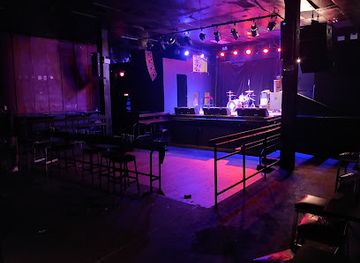
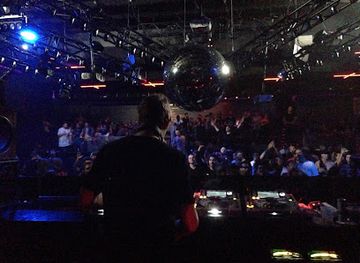
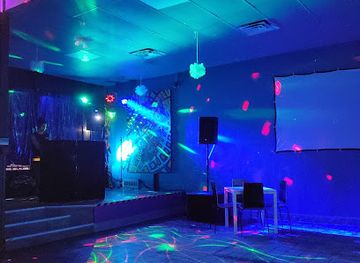
Evenings on the Acadian Peninsula are generally centred on pubs, restaurants, community events and live music rather than a large nightclub circuit. Caraquet has the broadest cultural programme, with performances and seasonal gatherings that draw on Acadian music, theatre and dance, while Tracadie and Shippagan provide smaller selections of bars and places for an evening meal. Traditional pubs and casual bars are useful for meeting friends and watching local or national sport, and some festivals create a livelier atmosphere during the summer. In rural villages and on the islands, nightlife is quieter and often depends on seasonal businesses or organised community events; distances and limited late transport make planning important. Visitors should not assume that every coastal town has late-opening venues, and checking current arrangements locally is sensible. The region's evening culture is best approached as an extension of its community and arts life, not solely as a drinking destination.
-
Live Music
Lee's Palace
Discover the heartbeat of Toronto's music scene at Lee's Palace, a vibrant venue for live performances and unforgettable experiences.
-
Night club
Stereo
Discover Stereo, Montreal's iconic night club renowned for its electrifying atmosphere, exceptional sound system, and unforgettable nightlife experience.
-
Lounge
Ioob Lounge Ltd
Discover the inviting atmosphere of Ioob Lounge Ltd in Moncton, where great food and a relaxed vibe await every visitor.
-
Disco club
Monarch Night Club
Discover the best nightlife in Fredericton at Monarch Night Club, where the beats are hot and the dance floor is always packed.

Best shops in Acadian Peninsula
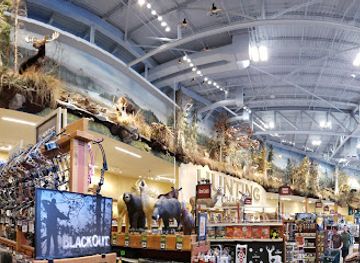
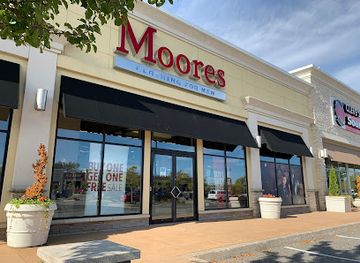
Shopping on the Acadian Peninsula is primarily local and practical, with the strongest choice in Caraquet, Tracadie and Shippagan. Independent shops, galleries and cultural outlets sell Acadian books, music, artwork, pottery, textiles and souvenirs, while food retailers and fish markets offer seafood and other products associated with the coast. Seasonal farmers' markets and community markets are useful places to look for preserves, baking, maple products, crafts and locally produced gifts, although opening days vary through the year. Smaller villages and the islands tend to offer fewer conventional retail choices but can provide roadside stands, artisan workshops and direct sales that reflect the rural economy. Visitors interested in Acadian culture should look for locally made work rather than generic Canada-themed merchandise, and should ask about the maker or community behind a product. Supermarkets and general shops are available in the principal towns for supplies, but remote coastal excursions should be planned with food, fuel and cash needs in mind.
-
Shopping mall
CF Champlain
Explore CF Champlain in Dieppe, a dynamic shopping mall featuring diverse stores, delicious dining, and a vibrant atmosphere for a memorable shopping experience.
-
Open air museum
Village Historique Acadien
Explore the Village Historique Acadien: A captivating open-air museum celebrating Acadian history and culture in picturesque New Brunswick.
-
Shopping mall
East Point Shopping
Experience the best shopping and dining in Saint John at East Point Shopping, where a vibrant atmosphere awaits every visitor.
-
Shopping mall
McAllister Place
Experience the ultimate shopping and dining adventure at McAllister Place, Saint John's premier shopping mall with diverse retail and entertainment options.
Get your free copy of our complete guide to Acadian Peninsula, delivered straight to you.
Everything on this page, from attractions and restaurants to essentials and local phrases, in one PDF you can read offline, print or share.
Already have an account? Sign in
Your Acadian Peninsula guide is ready.
We'll send it to · Not you? Sign out

Getting your guide ready…
We are putting together a fresh copy of the Acadian Peninsula guide. This can take up to a minute.
This can take a few moments. If your browser asks, choose Allow so the download can start. You'll find the guide in your Downloads folder.
Nothing happened? Download it again
Sorry, the guide is taking longer than usual. Please try again in a minute, or get it by email instead.
Acadian Peninsula essentials
Currency and Payment
Safety
Emergency Situations
Do's and Don'ts
Local Tips
From Eve
Local phrases worth knowing
You don't need to get them perfect. A few words go a long way, and locals appreciate the effort.
Basics
| English | Local | Say it |
|---|---|---|
| Hello | Salut | [sah-loo] |
| Goodbye | Au revoir | [oh ruh-vwahr] |
| Yes | Oui | [wee] |
| No | Non | [noh] |
| Please/You're welcome | S'il vous plaît / De rien | [seel voo pleh / duh ree-ehn] |
| Thank you | Merci | [mehr-see] |
| Excuse me/Sorry | Excusez-moi / Désolé | [ehk-skew-zay mwah / day-zoh-lay] |
| How are you? | Comment ça va? | [koh-mohn sah vah] |
| Fine. And you? | Bien. Et vous? | [byehn. eh voo] |
| Do you speak English? | Parlez-vous anglais? | [par-lay voo ahn-glay] |
| I don't understand | Je ne comprends pas | [zhuh nuh kohn-prahn pah] |
Eating & Drinking
| English | Local | Say it |
|---|---|---|
| I'd like to see the menu, please | Je voudrais voir le menu, s'il vous plaît | [zhuh voo-dray vwar luh meh-nu, seel voo pleh] |
| I don't eat meat | Je ne mange pas de viande | [zhuh nuh mahnj pah duh vyahnd] |
| Cheers! | Santé! | [sahn-tay] |
| I would like to pay, please | Je voudrais payer, s'il vous plaît | [zhuh voo-dray pay-ay, seel voo pleh] |
Emergencies
| English | Local | Say it |
|---|---|---|
| Help! | Au secours! | [oh suh-koor] |
| Go away! | Allez-vous-en! | [ah-lay voo-zahn] |
| Call the Police! | Appelez la police! | [ah-peh-lay lah poh-lees] |
| Call a doctor! | Appelez un médecin! | [ah-peh-lay uhn may-deh-seen] |
| I'm lost | Je suis perdu | [zhuh swee pair-doo] |
| I'm ill | Je suis malade | [zhuh swee mah-lahd] |
Shopping
| English | Local | Say it |
|---|---|---|
| I'd like to buy... | Je voudrais acheter... | [zhuh voo-dray ah-sheh-tay] |
| I'm just looking | Je regarde juste | [zhuh ruh-gard zhoost] |
| How much is it? | C'est combien? | [seh kohm-byen] |
| That's too expensive | C'est trop cher | [seh troh shair] |
| Can you lower the price? | Pouvez-vous baisser le prix? | [poo-vay voo beh-say luh pree] |
Time & Numbers
| English | Local | Say it |
|---|---|---|
| What time is it? | Quelle heure est-il? | [kel uhr eh-teel] |
| It's one o'clock | Il est une heure | [eel eh ewn uhr] |
| Half past (10) | Dix heures et demie | [dees uhr eh duh-mee] |
| Morning | Matin | [mah-tan] |
| Afternoon | Après-midi | [ah-pray mee-dee] |
| Evening | Soir | [swahr] |
| Yesterday | Hier | [ee-air] |
| Today | Aujourd'hui | [oh-zhoor-dwee] |
| Tomorrow | Demain | [duh-mahn] |
| 1 | Un | [uh] |
| 2 | Deux | [duh] |
| 3 | Trois | [twah] |
| 4 | Quatre | [katr] |
| 5 | Cinq | [sank] |
| 6 | Six | [sees] |
| 7 | Sept | [set] |
| 8 | Huit | [weet] |
| 9 | Neuf | [nuhf] |
| 10 | Dix | [dees] |
Transport & Directions
| English | Local | Say it |
|---|---|---|
| Where's a/the...? | Où est un/une...? | [oo eh uhn/eewn] |
| What's the address? | Quelle est l'adresse? | [kel eh la-dress] |
| Can you show me (on the map)? | Pouvez-vous me montrer (sur la carte)? | [poo-vay voo muh mohn-tray (sur lah kart)] |
| When's the next (bus)? | Quand est le prochain (autobus)? | [kahn eh luh proh-shen (oh-toh-boos)] |
| A ticket (to ....) | Un billet (pour....) | [uhn bee-yay (poor....)] |
History of Acadian Peninsula
Mi'kmaq Presence Before European Settlement
The peninsula lies within the traditional homeland of the Mi'kmaq, whose communities used the coasts, rivers, islands and forests for travel, fishing, hunting and gathering long before European settlement. Place names and continuing Indigenous presence form an important part of the region's history. European visitors encountered an established seasonal and social geography rather than an empty wilderness. For travellers, this context is especially relevant when interpreting coastal resources, waterways and later settlement patterns across northeastern New Brunswick.
Seventeenth-Century Acadian Settlement
French-speaking Acadian settlement developed in the wider Maritime region during the seventeenth century, with families establishing communities around fertile coastal margins, estuaries and sheltered harbours. On the peninsula, access to fishing grounds and small areas of cultivable land encouraged a dispersed pattern of settlement rather than a single dominant town. Acadian society combined farming, fishing, trade and close community networks, creating cultural traditions that later survived displacement and political upheaval.
The Deportation and Its Aftermath, 1755–1763
During the Anglo-French struggle for control of the Maritimes, many Acadians were deported from British-held territories beginning in 1755. The consequences were traumatic and long-lasting, although not every Acadian community experienced events in the same way. After the Treaty of Paris in 1763, Acadian families gradually returned or resettled in places where they could establish communities, including parts of northeastern New Brunswick. The peninsula's later cultural identity is inseparable from this history of displacement, return and rebuilding.
Nineteenth-Century Acadian Renewal
The nineteenth century saw the consolidation of Acadian institutions and a renewed public sense of identity. Churches, schools, newspapers and community organisations helped French-speaking residents maintain language and traditions within British North America and, after 1867, Canada. The adoption of Acadian symbols and the growth of civic leadership strengthened connections among communities across the peninsula. Many historic churches, cemeteries, family names and cultural organisations reflect this period of institutional development.
Fishing, Shipbuilding and Coastal Trade
For generations, the peninsula's economy has been shaped by the sea. Cod, herring, lobster, crab and shellfish supported household livelihoods and commercial enterprises, while boatbuilding, fish processing and coastal trade developed around ports such as Shippagan, Caraquet and Lamèque. Fishing brought prosperity at some periods and hardship at others, depending on stocks, markets, regulation and weather. The working harbours and marine facilities visible today are part of this continuing economic history rather than merely picturesque remnants.
The Rise of Acadian Cultural Institutions
In the twentieth century, Acadian communities built stronger educational, cultural and political institutions, helping French remain a major language of public life in the peninsula. Universities, theatres, museums, festivals and heritage organisations contributed to a contemporary culture that is both regional and connected to the wider Acadian diaspora. Caraquet became an important centre for this cultural expression, while villages throughout the peninsula maintained their own associations, churches, events and artistic traditions.
Modern Coastal Communities and Environmental Awareness
Today the Acadian Peninsula continues to balance marine industries, forestry, tourism and environmental stewardship. Declining or changing fish stocks, coastal erosion, storms and shifting economic conditions have encouraged greater attention to wetlands, dunes, peatlands and marine habitats. Tourism has expanded around heritage, beaches, food and outdoor recreation, but the region remains fundamentally a network of lived-in communities. Its contemporary story is therefore one of adaptation: preserving Acadian language and culture while responding to ecological and economic change.
Acadian Peninsula in Photos
Browse through our photo collection highlighting the charm and character of the destination.
Neighbouring regions of Acadian Peninsula
The closest regions to Acadian Peninsula, if you have time for more than one.
-

-

-

-

-


Swipe for more regions
Explore more
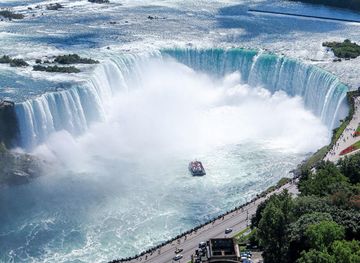
Explore more of Canada
Discover Canada's breathtaking landscapes, diverse cities, and rich cultural heritage. A must-visit destination for outdoor adventures and vibrant urban experiences.
Explore Canada