Free Niagara Peninsula Travel Guide & Mobile App
Explore Niagara Peninsula with free travel guides. Discover regional history, expert tips, proposed trips, and audio guides on web or mobile app.


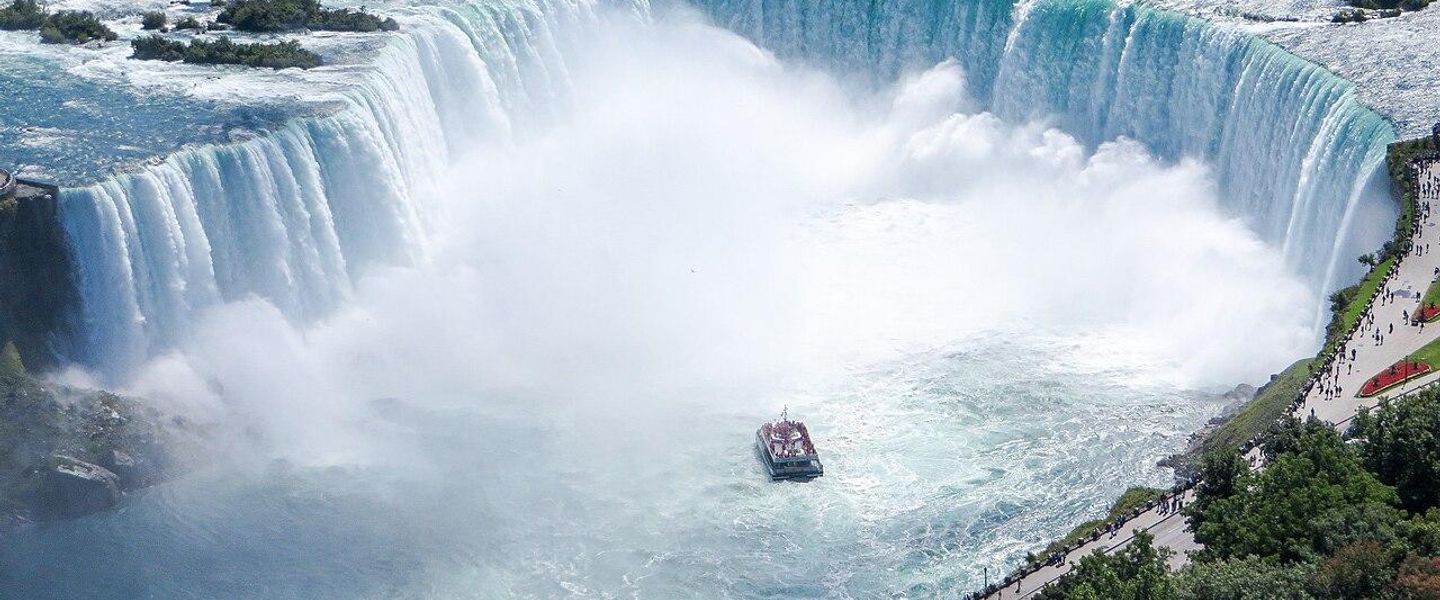


Explore Niagara Peninsula vineyards, orchards, historic towns, the Welland Canal and the immense natural drama of Niagara Falls in Ontario.
Read more about Niagara Peninsula
When is the best time to visit Niagara Peninsula?
Best: June–August · 25–28°C| Month | High (°C) | Rainfall (mm) |
|---|---|---|
| January | 1 | 69 |
| February | 3 | 57 |
| March | 8 | 62 |
| April | 14 | 74 |
| May | 20 | 76 |
| June (best) | 25 | 83 |
| July (best) | 28 | 81 |
| August (best) | 26 | 85 |
| September | 22 | 82 |
| October | 16 | 75 |
| November | 9 | 82 |
| December | 4 | 84 |
Getting to and around Niagara Peninsula
How to get there
Transportation
Top city travel guides in Niagara Peninsula
The cities of Niagara Peninsula, and the easiest places to base yourself.

Swipe for more cities
Best attractions in Niagara Peninsula
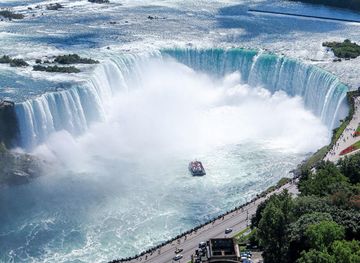
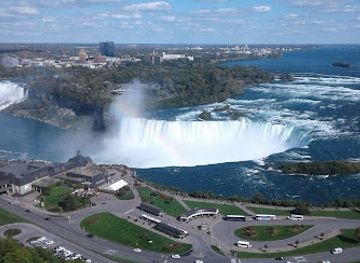
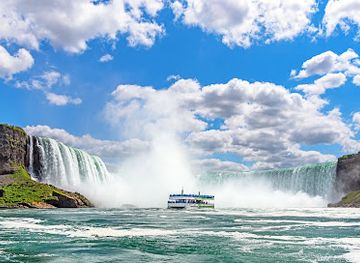
The Niagara Peninsula’s attractions range from the immense natural spectacle of Niagara Falls to quieter experiences across its agricultural and historic landscapes. In Niagara Falls, official viewpoints, riverside parks, boat excursions and elevated observation facilities reveal different aspects of the cataracts, while the surrounding city provides museums, family entertainment and all-weather attractions. Niagara-on-the-Lake combines historic streets with galleries, gardens and theatre, and the nearby vineyards offer tastings, tours and seasonal culinary experiences. The Welland Canal is a distinctive working attraction: viewing points around its locks allow visitors to see Great Lakes shipping negotiate the change in elevation. Fort George, Queenston Heights and other War of 1812 sites add military history, while the Niagara Escarpment supports hiking, cycling and wildlife observation through conservation areas and sections of the Bruce Trail. Orchards, farm stands and rural roads are especially appealing in late summer and autumn. The region is not a single resort zone; its strongest experiences come from contrasting the busy falls, the historic lower river, the escarpment’s wine benches and the industrial canal corridor.
-
Nature preserve
Niagara Falls
Experience the awe of Niagara Falls, a spectacular natural wonder with breathtaking views, thrilling adventures, and enriching attractions.
-
Park
Niagara Falls State Park
Experience the breathtaking beauty of Niagara Falls State Park, a natural wonder with stunning views, lush landscapes, and endless adventures for all.
-
Tourist attraction
Fallsview Tourist Area
Explore the breathtaking beauty and vibrant attractions of the Fallsview Tourist Area, the ultimate destination for Niagara Falls visitors.
-
Boat tour agency
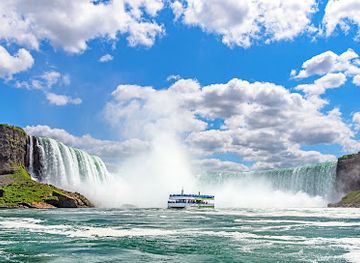
Maid of the Mist
Experience the iconic Maid of the Mist boat tour for breathtaking views of Niagara Falls, a must-do adventure for every tourist.
Best landmarks in Niagara Peninsula
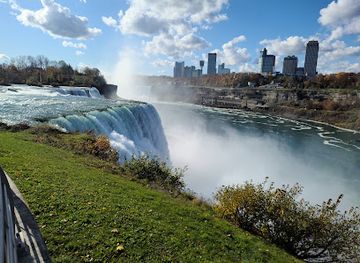
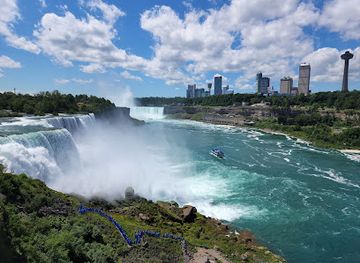
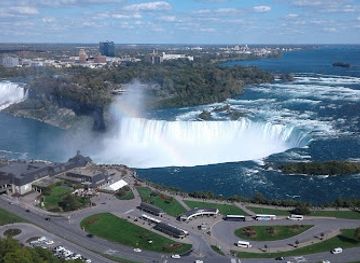
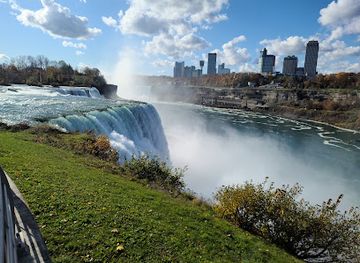
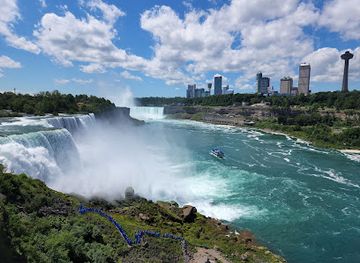
Niagara Falls is the peninsula’s defining natural landmark, with the Horseshoe Falls on the Canadian side forming the most recognisable part of the cataract system. The Niagara River gorge, rapids and escarpment walls add geological and visual context beyond the main viewpoints. At Queenston Heights, Brock’s Monument commemorates Major-General Sir Isaac Brock and the 1812 battle fought on the heights; the site also provides broad views over the river and surrounding landscape. Fort George in Niagara-on-the-Lake is a major surviving military landmark, with reconstructed buildings and grounds that convey the strategic importance of the river mouth. The Welland Canal is an engineering landmark rather than a single monument, best understood through its locks, bridges and industrial corridor around St Catharines, Thorold and Port Colborne. Niagara-on-the-Lake’s historic core, including its civic and religious buildings, is significant for its concentration of nineteenth-century architecture. The Niagara Escarpment itself, with its elevated limestone edge, wooded slopes and exposed geological features, is the region’s other great physical marker.
-
Nature preserve
Niagara Falls
Experience the awe of Niagara Falls, a breathtaking natural wonder and adventure destination that captivates millions of visitors each year.
-
Park
Niagara Falls State Park
Discover the breathtaking beauty and exhilarating adventures at Niagara Falls State Park, where nature meets wonder in an unforgettable experience.
-
Tourist attraction
Fallsview Tourist Area
Discover the breathtaking views and vibrant attractions of the Fallsview Tourist Area in Niagara Falls, Ontario - a premier destination for travelers.
-
Boat tour agency
Maid of the Mist
Discover the beauty and power of Niagara Falls on the iconic Maid of the Mist boat tour, a thrilling adventure for nature lovers and adventure seekers.
Explore Niagara Peninsula on the map
Plan your trip on one map. See where the top cities, national parks and sights are, and book hotels and experiences in a few clicks.
Best hotels in Niagara Peninsula
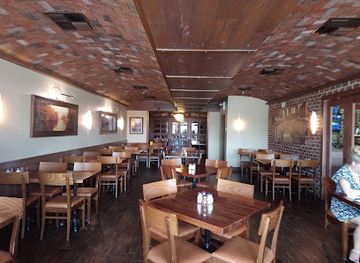
Best restaurants in Niagara Peninsula
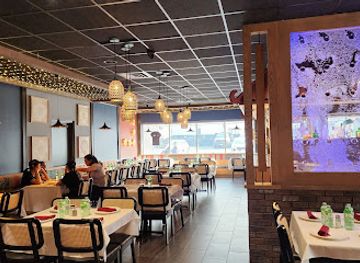
Dining in the Niagara Peninsula reflects its farms, orchards, vineyards and lakeside climate. Niagara Falls has the broadest choice of international restaurants, casual dining and hotel-based venues, while Niagara-on-the-Lake and the wine-growing districts support bistros, polished seasonal restaurants, cafés and rural inns. Local menus often draw on tender fruit, apples, vegetables, preserves and wines from the surrounding countryside; icewine is commonly enjoyed as a dessert wine rather than treated as an everyday table drink. Farm stands and markets provide peaches, cherries, plums and other produce when in season, while cheesemakers, bakeries and small food producers add variety to road trips. Canadian comfort foods and pub meals are widely available, but the peninsula’s more distinctive culinary experience is the relationship between vineyard, orchard and table. Reservations are sensible for popular winery restaurants and theatre evenings, particularly during summer weekends and harvest season. Outside the main towns, dining options can be widely spaced, so check evening transport and closing arrangements before setting out.
-
Indian
The Dhaba On The Falls
Experience authentic Indian flavors at The Dhaba On The Falls – where culinary tradition meets modern dining in Niagara.
-
American
Flying Saucer Restaurant
Discover unique American cuisine in a whimsical UFO-themed setting at the Flying Saucer Restaurant near Niagara Falls.
-
Pizza
Antica Pizzeria & Ristorante
Discover authentic Italian flavors at Antica Pizzeria & Ristorante in Niagara Falls - the perfect stop for pizza lovers.
-
American
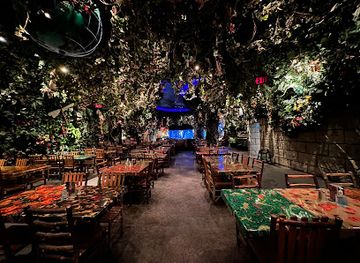
Rainforest Cafe Niagara Falls
Explore the jungle-themed dining adventure at Rainforest Cafe in Niagara Falls – where every meal is an unforgettable experience!
Best bars in Niagara Peninsula
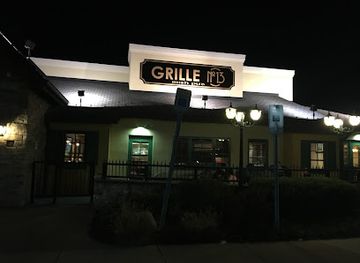
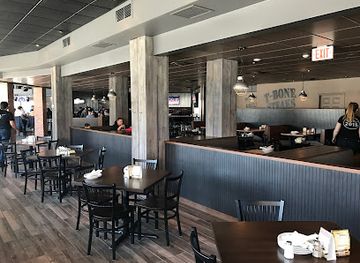
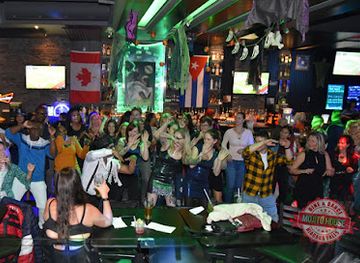
Evening life is concentrated in Niagara Falls, where hotel bars, casual pubs, lounges and entertainment venues serve the large visitor population. The city has more late-night choice than the rest of the peninsula, although its atmosphere varies considerably between the busy tourist core and quieter residential areas. Niagara-on-the-Lake is oriented towards wine bars, restaurants, historic inns and theatre evenings rather than large nightclubs, with performances at the Shaw Festival forming a central cultural option. Across the wine country, cellar doors and licensed restaurants provide a slower-paced evening centred on tastings and regional food; transport should be arranged in advance. St Catharines offers additional pubs, live music and arts venues, while smaller communities generally close earlier and focus on local bars, dining rooms and community events. Seasonal festivals and summer terraces can extend the evening atmosphere, but nightlife is not uniformly late or dense across the rural peninsula.
-
Grill
Chuck's Roadhouse Bar & Grill
Discover delicious barbecue and grill favorites at Chuck's Roadhouse Bar & Grill in Niagara Falls, where family-friendly dining meets mouthwatering flavors.
-
Irish pub
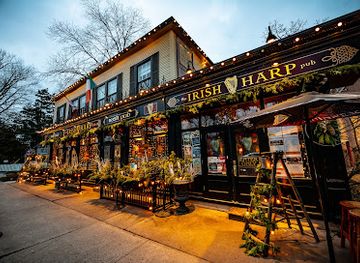
The Irish Harp Pub
Experience authentic Irish culture at The Irish Harp Pub in Niagara-on-the-Lake, where great food, drinks, and live music await.
-
Pub
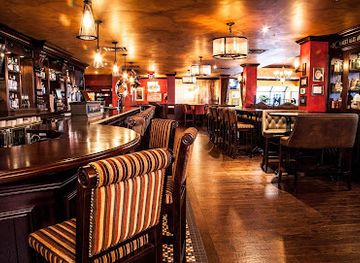
Doc Magilligan's Restaurant & Irish Pub
Discover authentic Irish flavors and warm hospitality at Doc Magilligan's Restaurant & Irish Pub, the perfect dining spot in Niagara Falls.
-
Brewpub
Niagara Brewing Company
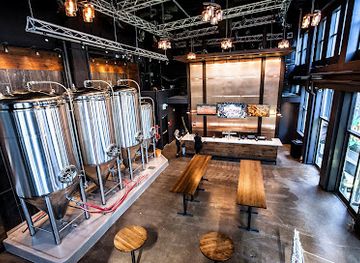
Experience the vibrant craft beer scene at Niagara Brewing Company, where local flavors and brewery tours await in the heart of Niagara Falls.
Best nightclubs in Niagara Peninsula
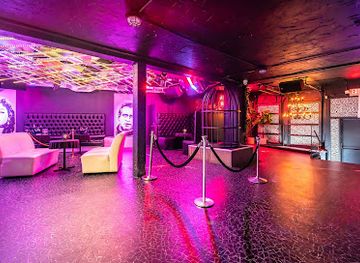
Evening life is concentrated in Niagara Falls, where hotel bars, casual pubs, lounges and entertainment venues serve the large visitor population. The city has more late-night choice than the rest of the peninsula, although its atmosphere varies considerably between the busy tourist core and quieter residential areas. Niagara-on-the-Lake is oriented towards wine bars, restaurants, historic inns and theatre evenings rather than large nightclubs, with performances at the Shaw Festival forming a central cultural option. Across the wine country, cellar doors and licensed restaurants provide a slower-paced evening centred on tastings and regional food; transport should be arranged in advance. St Catharines offers additional pubs, live music and arts venues, while smaller communities generally close earlier and focus on local bars, dining rooms and community events. Seasonal festivals and summer terraces can extend the evening atmosphere, but nightlife is not uniformly late or dense across the rural peninsula.
-
Golf course
Legends on the Niagara Golf Course
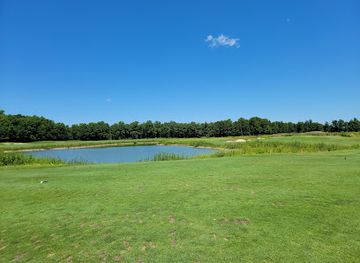
Discover the perfect blend of golfing, dining, and relaxation at Legends on the Niagara, set against the stunning backdrop of Niagara Falls.
-
Live Music
Big Texas Niagara
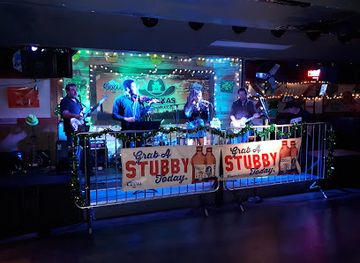
Discover the vibrant nightlife at Big Texas Niagara, where live music, dancing, and delicious dining create unforgettable memories in Niagara Falls.
-
Bar
Mojito House
Discover the vibrant nightlife of Niagara Falls at Mojito House, where delicious cocktails and electrifying dance floors await.
-
Night club
Club Se7en
Club Se7en in Niagara Falls: Experience electrifying nightlife with vibrant music, dancing, and unforgettable memories in Ontario's premier night club.
Best shops in Niagara Peninsula
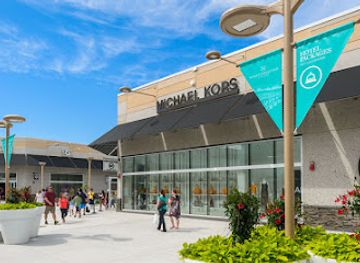
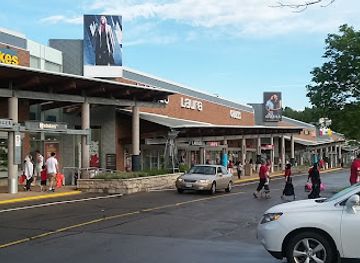
Shopping in the Niagara Peninsula is strongest in its historic centres, market towns and agricultural districts rather than in a single regional retail quarter. Niagara-on-the-Lake has independent boutiques, galleries, bookshops, craft retailers and food shops within and around its preserved streetscape, making it suitable for browsing between heritage sites and theatre visits. Niagara Falls provides the broadest range of visitor-orientated retail, from souvenirs and confectionery to practical shopping in larger commercial areas. Around the escarpment and wine country, cellar doors sell bottled wine, icewine and gift products, while farm stands offer seasonal peaches, cherries, apples, preserves and baked goods. St Catharines and other larger communities provide everyday high-street and shopping-centre choices for longer stays. Authentic regional purchases include Ontario wine, orchard produce, local preserves, artisan foods, pottery, artwork and well-made craft goods; compare labels and producers rather than assuming every item sold in a tourist district is locally made. Market availability is seasonal, so rural shopping is best planned around the growing calendar.
-
Shopping mall
Outlet Collection at Niagara
Shop till you drop at the Outlet Collection at Niagara, where unbeatable prices meet a stunning shopping experience in the heart of Niagara-on-the-Lake.
-
Outlet mall
Canada One
Explore Canada One Outlet Mall in Niagara Falls for unbeatable deals on clothing, footwear, and accessories in a vibrant shopping atmosphere.
-
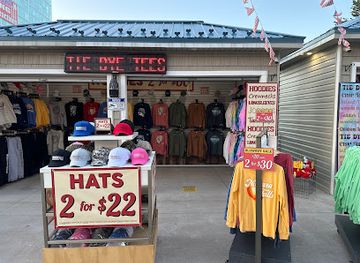
Gift shop
Unlimited 716 LLC
Explore Unlimited 716 LLC, the ultimate gift shop in Niagara Falls for unique souvenirs and local treasures that embody your travel memories.
-
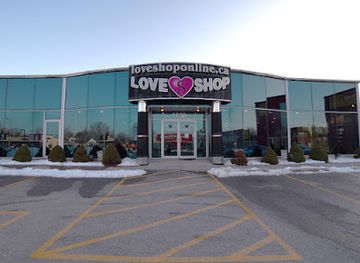
Adult entertainment store
Love Shop - Adult Novelty & Sex Toys
Discover Love Shop in Niagara Falls - your go-to destination for adult novelties, intimate accessories, and playful experiences.
Get your free copy of our complete guide to Niagara Peninsula, delivered straight to you.
Everything on this page, from attractions and restaurants to essentials and local phrases, in one PDF you can read offline, print or share.
Already have an account? Sign in
Your Niagara Peninsula guide is ready.
We'll send it to · Not you? Sign out

Getting your guide ready…
We are putting together a fresh copy of the Niagara Peninsula guide. This can take up to a minute.
This can take a few moments. If your browser asks, choose Allow so the download can start. You'll find the guide in your Downloads folder.
Nothing happened? Download it again
Sorry, the guide is taking longer than usual. Please try again in a minute, or get it by email instead.
Niagara Peninsula essentials
Currency and Payment
Safety
Emergency Situations
Do's and Don'ts
Local Tips
From Eve
Local phrases worth knowing
You don't need to get them perfect. A few words go a long way, and locals appreciate the effort.
Basics
| English | Local | Say it |
|---|---|---|
| Hello | Hello | [həˈloʊ] |
| Goodbye | Goodbye | [ɡʊdˈbaɪ] |
| Yes | Yes | [jɛs] |
| No | No | [noʊ] |
| Please/You're welcome | Please/You're welcome | [pliːz/jʊr ˈwɛlkəm] |
| Thank you | Thank you | [θæŋk ju] |
| Excuse me/Sorry | Excuse me/Sorry | [ɪkˈskjuːz mi/ˈsɔri] |
| How are you? | How are you? | [haʊ ɑr ju] |
| Fine. And you? | Fine. And you? | [faɪn. ənd ju] |
| Do you speak English? | Do you speak English? | [du jʊ spiːk ˈɪŋɡlɪʃ] |
| I don't understand | I don't understand | [aɪ doʊnt ˌʌndərˈstænd] |
Eating & Drinking
| English | Local | Say it |
|---|---|---|
| I'd like to see the menu, please | I'd like to see the menu, please | [aɪd laɪk tə si ðə ˈmɛnjuː, pliːz] |
| I don't eat meat | I don't eat meat | [aɪ doʊnt iːt miːt] |
| Cheers! | Cheers! | [ʧɪrz] |
| I would like to pay, please | I would like to pay, please | [aɪ wʊd laɪk tə peɪ, pliːz] |
Emergencies
| English | Local | Say it |
|---|---|---|
| Help! | Help! | [hɛlp] |
| Go away! | Go away! | [ɡoʊ əˈweɪ] |
| Call the Police! | Call the Police! | [kɔl ðə pəˈliːs] |
| Call a doctor! | Call a doctor! | [kɔl ə ˈdɑktər] |
| I'm lost | I'm lost | [aɪm lɔst] |
| I'm ill | I'm ill | [aɪm ɪl] |
Shopping
| English | Local | Say it |
|---|---|---|
| I'd like to buy... | I'd like to buy... | [aɪd laɪk tə baɪ...] |
| I'm just looking | I'm just looking | [aɪm dʒʌst ˈlʊkɪŋ] |
| How much is it? | How much is it? | [haʊ mʌʧ ɪz ɪt] |
| That's too expensive | That's too expensive | [ðæts tuː ɪkˈspɛnsɪv] |
| Can you lower the price? | Can you lower the price? | [kæn jʊ ˈloʊər ðə praɪs] |
Time & Numbers
| English | Local | Say it |
|---|---|---|
| What time is it? | What time is it? | [wʌt taɪm ɪz ɪt] |
| It's one o'clock | It's one o'clock | [ɪts wʌn əˈklɑk] |
| Half past (10) | Half past (10) | [hæf pæst (10)] |
| Morning | Morning | [ˈmɔrnɪŋ] |
| Afternoon | Afternoon | [ˌæftərˈnun] |
| Evening | Evening | [ˈivnɪŋ] |
| Yesterday | Yesterday | [ˈjɛstərdeɪ] |
| Today | Today | [təˈdeɪ] |
| Tomorrow | Tomorrow | [təˈmɔroʊ] |
| 1 | 1 | [wʌn] |
| 2 | 2 | [tuː] |
| 3 | 3 | [θriː] |
| 4 | 4 | [fɔr] |
| 5 | 5 | [faɪv] |
| 6 | 6 | [sɪks] |
| 7 | 7 | [sɛvən] |
| 8 | 8 | [eɪt] |
| 9 | 9 | [naɪn] |
| 10 | 10 | [tɛn] |
Transport & Directions
| English | Local | Say it |
|---|---|---|
| Where's a/the...? | Where's a/the...? | [wɛrz ə/ðə...?] |
| What's the address? | What's the address? | [wʌts ðə əˈdrɛs?] |
| Can you show me (on the map)? | Can you show me (on the map)? | [kæn jʊ ʃoʊ mi (ɑn ðə mæp)?] |
| When's the next (bus)? | When's the next (bus)? | [wɛnz ðə nɛkst (bʌs)?] |
| A ticket (to ....) | A ticket (to ....) | [ə ˈtɪkɪt (tə ....)] |
History of Niagara Peninsula
Indigenous Peoples and the Niagara River Corridor
The Niagara Peninsula has long been home to Indigenous peoples, including Haudenosaunee nations whose territories and political relationships shaped the lower Great Lakes. The Niagara River was a strategic route, a source of fish and water, and a significant landscape in Indigenous histories and oral traditions. European settlement did not begin in an empty wilderness: later forts, farms and towns were established amid existing Indigenous presence and diplomacy. Visitors can encounter this broader history through regional museums, historic sites and interpretive programmes, although the surviving landscape often requires looking beyond the most prominent colonial monuments.
French and British Contest for the Niagara Frontier
European imperial rivalry made the Niagara River a military and commercial frontier. The French established Fort Niagara on the river’s western approach in the eighteenth century, while the British developed Fort George near the mouth of the river after Britain gained control of the area. Although Fort Niagara lies across the river in the United States, its presence helps explain the strategic importance of the Canadian side. The forts guarded movement between Lake Ontario and Lake Erie and linked the peninsula to the wider struggle for control of the Great Lakes.
The War of 1812
During the War of 1812, the Niagara frontier became one of the principal theatres of conflict between the United States and British North America. Fighting occurred at Queenston Heights, Fort George, Lundy’s Lane and other locations in the peninsula. Major-General Sir Isaac Brock was killed at Queenston Heights in 1812, and the battlefield is now marked by Brock’s Monument and interpretive grounds. The conflict damaged settlements and disrupted trade, but it also helped shape later Canadian commemorations and the region’s dense concentration of military heritage sites.
Canals, Shipping and Industrial Growth
The Welland Canal transformed the peninsula’s economic geography by creating a navigable route around Niagara Falls between Lake Ontario and Lake Erie. Opened in 1829 and repeatedly enlarged and realigned, it enabled vessels to bypass the falls and strengthened the ports and industries of St Catharines, Thorold, Welland and Port Colborne. Mills, repair facilities, railways and factories followed the waterway. The present canal is the fourth major route, and its locks remain working infrastructure, linking local industrial history to the modern Great Lakes shipping system.
Agriculture, Orchards and the Rise of Viticulture
The peninsula’s lakes, fertile soils and relatively moderate climate supported farming from the nineteenth century onwards, with fruit growing becoming especially important around the escarpment and lakeshore. Orchards and tender-fruit farms remain prominent, while commercial wine production expanded substantially in the late twentieth century. The Niagara Escarpment’s slopes, limestone soils and proximity to the lakes helped establish a recognisable cool-climate wine region. Icewine, made from grapes harvested while naturally frozen, became one of the area’s internationally recognised specialities, alongside a broader range of still wines.
Preservation and Cultural Tourism
Niagara-on-the-Lake developed from a strategic colonial settlement into a town noted for its surviving nineteenth-century streetscape and civic buildings. Twentieth-century preservation efforts helped protect its architectural character, while the Shaw Festival, founded in 1962, established a major theatre presence in the community. Alongside the waterfall and canal, heritage conservation, theatre, wineries and culinary tourism broadened the peninsula’s visitor economy. This evolution did not replace the region’s agricultural and industrial roles, but placed them within a more diverse contemporary travel landscape.
Niagara Peninsula in Photos
Browse through our photo collection highlighting the charm and character of the destination.
Neighbouring regions of Niagara Peninsula
The closest regions to Niagara Peninsula, if you have time for more than one.
-

-

-

-

-


Swipe for more regions