

Free Southwestern Ontario Travel Guide & Mobile App
Explore Southwestern Ontario with free travel guides. Discover regional history, expert tips, proposed trips, and audio guides on web or mobile app.


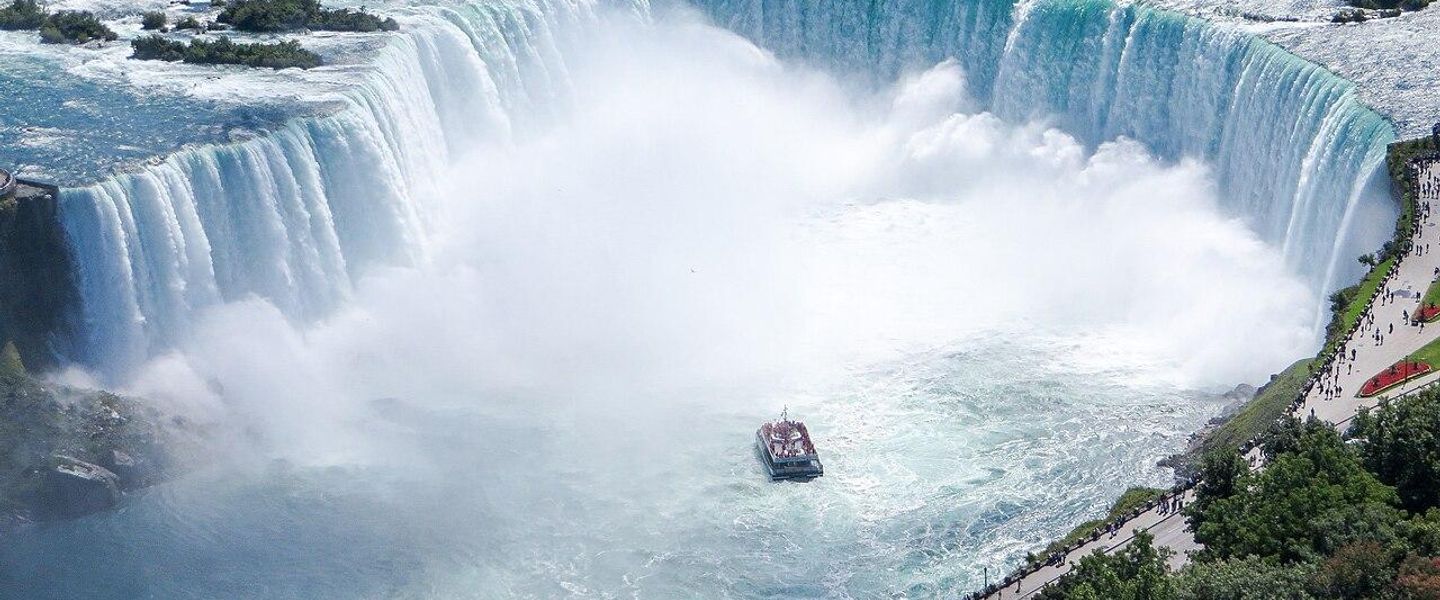


Explore Southwestern Ontario for Great Lakes beaches, farm-to-table food, historic towns, theatre, wine country and expansive natural landscapes.
Read more about Southwestern Ontario
When is the best time to visit Southwestern Ontario?
Best: June, August–September · 22–27°C| Month | High (°C) | Rainfall (mm) |
|---|---|---|
| January | 0 | 50 |
| February | 2 | 45 |
| March | 8 | 50 |
| April | 14 | 55 |
| May | 20 | 60 |
| June (best) | 25 | 70 |
| July | 28 | 80 |
| August (best) | 27 | 75 |
| September (best) | 22 | 65 |
| October | 15 | 60 |
| November | 8 | 55 |
| December | 2 | 50 |
Getting to and around Southwestern Ontario
How to get there
Transportation
Top city travel guides in Southwestern Ontario
The cities of Southwestern Ontario, and the easiest places to base yourself.
-

-


Swipe for more cities
Best attractions in Southwestern Ontario
Southwestern Ontario's attractions range from Great Lakes shorelines and protected wetlands to theatre, museums, gardens and working agricultural landscapes. Point Pelee National Park is the region's best-known wildlife destination, with marsh, woodland and shoreline habitats that are especially important during bird migration. Lake Huron offers beaches and dunes at places such as Pinery Provincial Park, while the Bruce Peninsula provides hiking, forest and limestone coast scenery. Elora Gorge and other Grand River landscapes add opportunities for walking, paddling and outdoor photography. Stratford's theatre festival is a major cultural draw, and the Waterloo and Guelph area combines museums, galleries, market towns and heritage villages. Windsor and Sarnia offer riverfront parks and industrial-history interpretation, while Chatham-Kent and Windsor-Essex preserve important Black Canadian and Underground Railroad stories. Agricultural attractions include farm shops, seasonal produce stands, cideries and wineries, especially around the Lake Erie North Shore. The region rewards visitors who combine one principal cultural or natural attraction with smaller towns, trails and local food stops rather than rushing between distant highlights.
-
Amusement park
Canada's Wonderland
Unleash excitement at Canada's Wonderland, Ontario's ultimate amusement park featuring thrilling rides, water attractions, and unforgettable family fun.
-
Art museum
Royal Ontario Museum
Discover the Royal Ontario Museum, Toronto's premier destination for art, culture, and natural history - a marvel for all visitors.
-
Tourist attraction
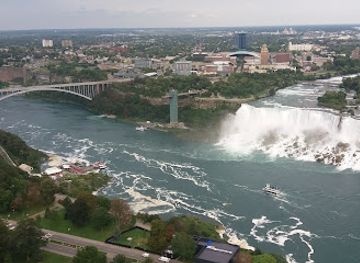
Journey Behind the Falls
Journey Behind the Falls: An unforgettable adventure beneath the iconic Niagara Falls, offering stunning views and an immersive experience of nature's power.
-
 Observation deck
Skylon Tower
Experience breathtaking panoramic views and fine dining at Skylon Tower, the ultimate Niagara Falls observation deck and restaurant.
Best landmarks in Southwestern Ontario
Southwestern Ontario's most recognisable landmarks express its connections with water, settlement, industry and cultural exchange. The Ambassador Bridge at Windsor is a prominent visual symbol of the international Detroit River crossing, while Fort Malden National Historic Site at Amherstburg recalls the military history of the Great Lakes frontier. Point Pelee's long, low peninsula is both a geographical landmark and a major migration site. The limestone gorge at Elora, shaped by the Grand River, provides one of the region's most distinctive natural settings, and the Bruce Peninsula's pale cliffs and clear shoreline reveal the escarpment geology that continues north towards Georgian Bay. Stratford's historic civic core and theatres form a landmark cultural landscape, while the limestone and Gothic Revival buildings of Guelph reflect nineteenth-century civic ambition. Communities around Waterloo Region retain market-town and Mennonite cultural landmarks, including the St Jacobs market area and historic rural roads. Along the Lake Huron shore, the Pinery's dunes and forests are defining natural features rather than monumental structures, showing how the region's identity is shared between built heritage and Great Lakes landscapes.
-
Tourist attraction
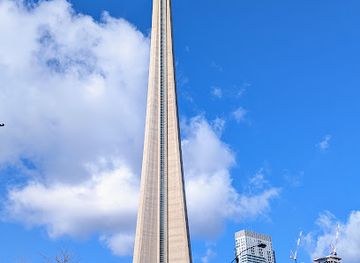
CN Tower
Discover Toronto's skyline from the CN Tower, featuring breathtaking views, a revolving restaurant, and thrilling glass floor experiences.
-
National park
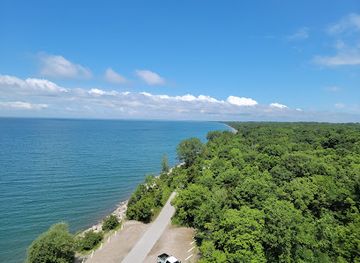
Point Pelee National Park
Discover Canada's southernmost mainland point: a haven for birds, butterflies, and breathtaking natural beauty on the shores of Lake Erie.
-
Historical landmark
Fort George National Historic Site
Explore 19th-century military architecture and War of 1812 history at this meticulously reconstructed fort in Niagara-on-the-Lake.
-
Museum
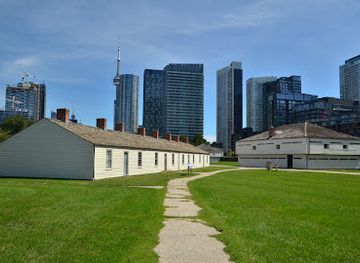
Fort York National Historic Site
Discover the enduring legacy of Fort York, a historic military site that narrates the story of Canada's past and offers interactive experiences for all ages.
Explore Southwestern Ontario on the map
Plan your trip on one map. See where the top cities, national parks and sights are, and book hotels and experiences in a few clicks.
Best hotels in Southwestern Ontario
Best restaurants in Southwestern Ontario
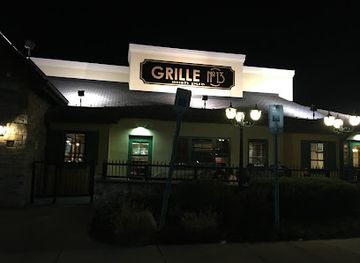
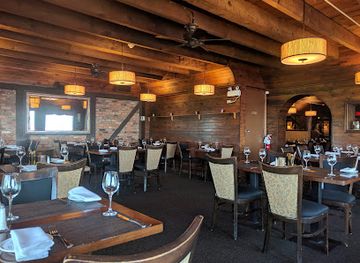
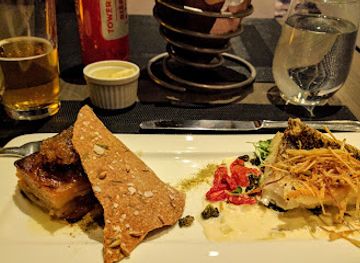
Dining in Southwestern Ontario draws on fertile farmland, Great Lakes fisheries and a growing craft-food economy. Menus may feature local asparagus, tomatoes, sweet corn, apples, peaches, tender fruit, beef, pork, freshwater fish and artisanal cheese, with strong seasonal variation between summer harvests and winter comfort food. Essex County and the Lake Erie North Shore are associated with vineyards, while breweries, cideries and small producers are found in many parts of the region. Stratford, London, Windsor, Guelph and the Waterloo Region provide the widest choice of contemporary restaurants, cafés, bakeries and international cuisines. Rural inns, farm shops and market stalls are useful places to encounter regional produce, though their opening patterns may be seasonal. Windsor's location beside Detroit contributes to a border-city food culture, including the locally associated Windsor-style pizza tradition, while Mennonite communities around Waterloo Region are known for farm markets, baking and traditional produce. Menus and producers change, so visitors should check current arrangements before making a dedicated food journey.
-
American
Flying Saucer Restaurant
Experience delightful American cuisine at Flying Saucer Restaurant in Niagara Falls - perfect for breakfast lovers and families alike.
-
Fine Dining
Lake House Restaurant
Experience the finest culinary delights at Lake House Restaurant in Vineland Station – where gourmet meets breathtaking scenery.
-
Canadian
360 The Restaurant at the CN Tower
Savor exquisite Canadian cuisine while enjoying breathtaking panoramic views at 360 The Restaurant in Toronto's iconic CN Tower.
-
Restaurant
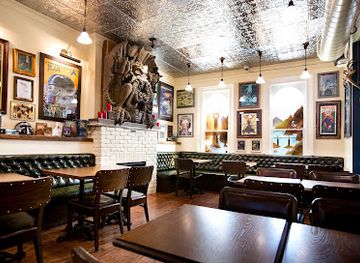
Storm Crow Manor
Discover the whimsical world of Storm Crow Manor in Toronto – where delicious food meets fantasy-themed fun!
Best bars in Southwestern Ontario
Evening life varies considerably across Southwestern Ontario. Stratford centres on theatre performances, restaurants, historic pubs and quieter post-show drinks, while London, Windsor, Kitchener-Waterloo and Guelph have the broadest selection of bars, live-music venues, breweries and late-night establishments. Windsor's border-city setting gives its entertainment scene a distinct urban and cross-river context, although crossing into the United States involves formal border procedures. University populations influence nightlife in London, Waterloo, Guelph and nearby cities, with changing venues and seasonal patterns. Outside the larger centres, evenings generally revolve around pubs, restaurants, community events, small breweries and live music rather than extensive club districts. Essex County and the Lake Erie North Shore also support winery and cider visits, but many are daytime or early-evening experiences and usually require a planned ride. Check current age, transport and closing arrangements, particularly in smaller communities where late public transport is limited.
-
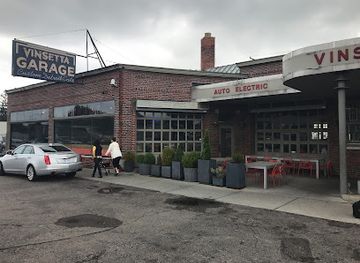
Grill
Vinsetta Garage
Experience the vibrant flavors and unique ambiance of Vinsetta Garage, a beloved grill and restaurant in Berkley, Michigan.
-
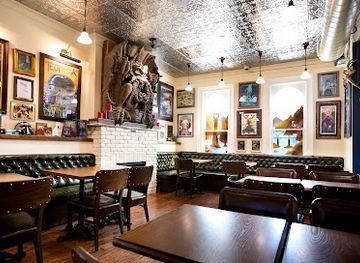
Restaurant
Storm Crow Manor
Discover the whimsical dining experience at Storm Crow Manor in Toronto, where fantasy and culinary delights come together in a vibrant atmosphere.
-
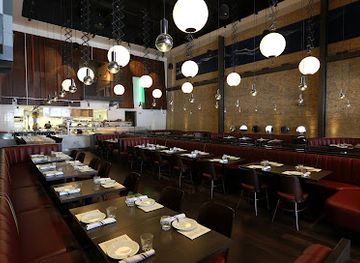
Bar
The Carbon Bar
Experience the vibrant flavors of Southern BBQ and American cuisine at The Carbon Bar, a culinary highlight in Toronto's downtown.
-
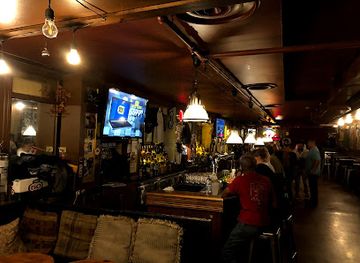
Bar
Horseshoe Tavern
Discover the vibrant energy of Horseshoe Tavern, a historic bar in Toronto known for its live music and eclectic atmosphere.
Best nightclubs in Southwestern Ontario
Evening life varies considerably across Southwestern Ontario. Stratford centres on theatre performances, restaurants, historic pubs and quieter post-show drinks, while London, Windsor, Kitchener-Waterloo and Guelph have the broadest selection of bars, live-music venues, breweries and late-night establishments. Windsor's border-city setting gives its entertainment scene a distinct urban and cross-river context, although crossing into the United States involves formal border procedures. University populations influence nightlife in London, Waterloo, Guelph and nearby cities, with changing venues and seasonal patterns. Outside the larger centres, evenings generally revolve around pubs, restaurants, community events, small breweries and live music rather than extensive club districts. Essex County and the Lake Erie North Shore also support winery and cider visits, but many are daytime or early-evening experiences and usually require a planned ride. Check current age, transport and closing arrangements, particularly in smaller communities where late public transport is limited.
-
Night club
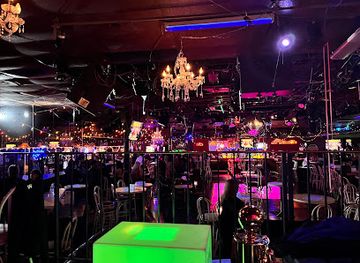
Club 54 Nightclub
Dive into the vibrant nightlife of Burlington at Club 54 Nightclub, where unforgettable music and exciting cocktails await.
-
Night club
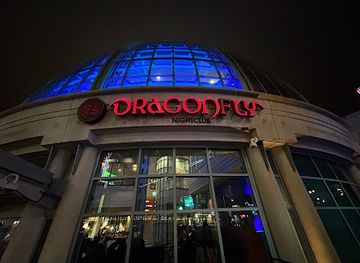
Dragonfly Nightclub
Immerse yourself in the electrifying nightlife of Niagara Falls at Dragonfly Nightclub, where vibrant music and a lively atmosphere await.
-
Night club
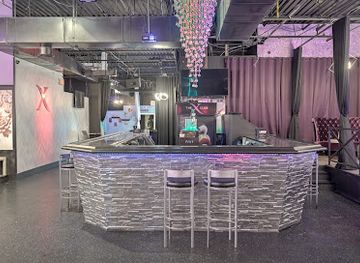
The X Club
Discover Mississauga's nightlife at The X Club, where great music and an electrifying atmosphere come together for an unforgettable evening.
-
Night club
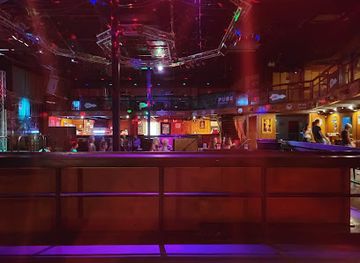
Cowboys Ranch
Dive into the energetic atmosphere of Cowboys Ranch, London's lively night club, where music and dancing create unforgettable moments.
Best shops in Southwestern Ontario
Shopping in Southwestern Ontario is strongest in independent town centres, farmers' markets, craft studios and food-producing districts rather than in one dominant luxury retail area. St Jacobs and nearby communities are known for market culture, handmade goods, quilts, woodworking, baking and farm produce, while Stratford offers books, arts-related merchandise, galleries, clothing and specialist shops connected with its theatre identity. Guelph, London, Windsor, Kitchener and Waterloo provide larger high streets, shopping centres, independent design stores and everyday retail. Around Windsor-Essex and the Lake Erie North Shore, useful regional purchases include wine, cider, preserves, seasonal fruit and other farm products, subject to producers' current availability and transport rules. Rural roadside stands can be excellent for fresh produce in summer, but hours are often limited and card facilities vary. Visitors interested in Indigenous-made art should buy from reputable artists, galleries or cultural organisations and ask about provenance rather than assuming that generic souvenirs represent local traditions.
-
National park
Point Pelee National Park
Experience the stunning landscapes and diverse ecosystems at Point Pelee National Park, the southernmost point of Canada, perfect for nature lovers and adventure seekers.
-
Gift shop
Primitive Designs
Explore Primitive Designs in Port Hope, Ontario: A unique gift shop offering handcrafted treasures and a glimpse into local artistry.
-
Gift shop
Blue Banana Market
Explore the eclectic charm of Blue Banana Market—Toronto's premier destination for unique gifts and local treasures.
-
Antique store
One Of A Kind Antiques & Collectibles
Explore a treasure trove of unique antiques and collectibles in Woodstock, Ontario at One Of A Kind Antiques & Collectibles.


Get your free copy of our complete guide to Southwestern Ontario, delivered straight to you.
Everything on this page, from attractions and restaurants to essentials and local phrases, in one PDF you can read offline, print or share.
Already have an account? Sign in
Your Southwestern Ontario guide is ready.
We'll send it to · Not you? Sign out

Getting your guide ready…
We are putting together a fresh copy of the Southwestern Ontario guide. This can take up to a minute.
This can take a few moments. If your browser asks, choose Allow so the download can start. You'll find the guide in your Downloads folder.
Nothing happened? Download it again
Sorry, the guide is taking longer than usual. Please try again in a minute, or get it by email instead.
Southwestern Ontario essentials
Currency and Payment
Safety
Emergency Situations
Do's and Don'ts
Local Tips
From Eve
Local phrases worth knowing
You don't need to get them perfect. A few words go a long way, and locals appreciate the effort.
Basics
| English | Local | Say it |
|---|---|---|
| Hello | Hey there | [Hey thair] |
| Goodbye | See ya later | [See ya layta] |
| Yes | Yup | [Yup] |
| No | Nope | [Nope] |
| Please/You're welcome | No problem | [No prob-lem] |
| Thank you | Thanks a lot | [Thanks a lot] |
| Excuse me/Sorry | Sorry about that | [Sorry aboot that] |
| How are you? | How's it going? | [How's it goin'?] |
| Fine. And you? | Good. You? | [Good. You?] |
| Do you speak English? | Can ya speak English? | [Can ya speak English?] |
| I don't understand | I don't get it | [I don't get it] |
Eating & Drinking
| English | Local | Say it |
|---|---|---|
| I'd like to see the menu, please | Can I see the menu, please? | [Can I see the menu, pleez?] |
| I don't eat meat | I’m a vegetarian | [I’m a vege-tarian] |
| Cheers! | Cheers! | [Cheers!] |
| I would like to pay, please | Can I get the bill, please? | [Can I get the bill, pleez?] |
Emergencies
| English | Local | Say it |
|---|---|---|
| Help! | Help! | [Help!] |
| Go away! | Get lost! | [Get lost!] |
| Call the Police! | Call the cops! | [Call the cops!] |
| Call a doctor! | Get a doctor! | [Get a doctor!] |
| I'm lost | I’m lost | [I’m lost] |
| I'm ill | I’m not feeling well | [I’m not feelin' well] |
Shopping
| English | Local | Say it |
|---|---|---|
| I'd like to buy... | I wanna buy... | [I wanna buy...] |
| I'm just looking | Just browsing, thanks | [Just browsing, thanks] |
| How much is it? | What’s the price? | [What’s the price?] |
| That's too expensive | That’s a bit pricey | [That’s a bit pricy] |
| Can you lower the price? | Can you make it cheaper? | [Can you make it cheaper?] |
Time & Numbers
| English | Local | Say it |
|---|---|---|
| What time is it? | What time ya got? | [What time ya got?] |
| It's one o'clock | It's one | [It's one] |
| Half past (10) | Half past ten | [Half past ten] |
| Morning | Mornin' | [Mornin'] |
| Afternoon | Afternoon | [Afternoon] |
| Evening | Evenin' | [Evenin'] |
| Yesterday | Yesterday | [Yesterday] |
| Today | Today | [Today] |
| Tomorrow | Tomorrow | [Tomorrow] |
| 1 | One | [One] |
| 2 | Two | [Two] |
| 3 | Three | [Three] |
| 4 | Four | [Four] |
| 5 | Five | [Five] |
| 6 | Six | [Six] |
| 7 | Seven | [Seven] |
| 8 | Eight | [Eight] |
| 9 | Nine | [Nine] |
| 10 | Ten | [Ten] |
Transport & Directions
| English | Local | Say it |
|---|---|---|
| Where's a/the...? | Where's the nearest...? | [Where's the nearest...?] |
| What's the address? | What’s the address? | [What’s the address?] |
| Can you show me (on the map)? | Can you point it out on the map? | [Can you point it out on the map?] |
| When's the next (bus)? | When's the next bus? | [When's the next bus?] |
| A ticket (to ....) | A ticket to ... | [A ticket to ...] |
History of Southwestern Ontario
Indigenous Homelands and Long Settlement
Southwestern Ontario lies within the traditional territories of several Indigenous peoples, including Anishinaabe nations and Haudenosaunee communities, with relationships to the Great Lakes extending far beyond the period of European settlement. The region's rivers, wetlands and agricultural soils supported travel, trade, fishing and cultivation. Indigenous presence remains contemporary rather than merely historical, represented by First Nations communities, cultural organisations and treaty relationships. Visitors should understand that place names and landscapes carry histories shaped by both Indigenous continuity and the profound disruption caused by colonial settlement.
French and British Colonial Frontier
French explorers, missionaries and traders entered the Great Lakes region through networks already established by Indigenous peoples. After the Seven Years' War, British control expanded, and the area became part of Upper Canada in the late eighteenth century. Fortified river crossings and military roads helped connect settlements around Detroit, the Thames and Lake Huron. Surveying and land grants brought increasing numbers of European settlers, creating townships and farms while displacing Indigenous communities and altering established patterns of land use.
The War of 1812 and Border Defence
Southwestern Ontario was strategically important during the War of 1812 because of its proximity to the United States and its access to the Great Lakes. The Battle of the Thames, fought near present-day Chatham-Kent in 1813, was a significant American victory in which the Shawnee leader Tecumseh was killed. Fort Malden at Amherstburg and other military sites around the Detroit frontier reflect the region's defensive role. The conflict shaped later border relations and left a substantial legacy in local museums, monuments and historic interpretation.
Underground Railroad and Black Canadian Communities
During the nineteenth century, Southwestern Ontario became an important destination for African Americans escaping slavery in the United States. Freedom seekers crossed the Detroit River, Niagara frontier and other routes into Canada, establishing communities in places including Amherstburg, Chatham-Kent and Windsor-Essex. The Buxton National Historic Site near Chatham commemorates the Elgin Settlement, founded in 1849, while the Amherstburg Freedom Museum preserves the history of Black settlement and resistance. These stories are central to the region's history and challenge accounts that portray settlement solely through European migration.
Railways, Canals and Agricultural Expansion
Nineteenth-century canals, roads and railways linked Southwestern Ontario's farms with Great Lakes ports and growing urban markets. The Grand River and Thames Valley became important agricultural districts, while railway connections accelerated the development of towns such as London, Stratford, Guelph and Windsor. Grain, livestock, fruit, vegetables and manufactured goods moved through increasingly integrated regional networks. Mennonite and other farming communities contributed distinctive patterns of land use, craft production and market exchange, many of which remain visible in the countryside and in towns such as St Jacobs.
Industrialisation and the Automotive Border
The twentieth century brought major industrial growth along the Detroit and St Clair rivers and in cities across the region. Windsor became closely connected to Detroit's automotive economy, while Sarnia developed large petrochemical and refining industries around its river port. London, Kitchener, Cambridge, Guelph and other centres diversified into manufacturing, education, healthcare and services. Cross-border trade and the Ambassador Bridge reinforced the region's economic importance, although industrial development also created environmental pressures that continue to influence planning and river restoration.
Contemporary Cultural and Environmental Renewal
In recent decades, Southwestern Ontario has combined urban growth with renewed attention to heritage, local food, conservation and the Great Lakes. Stratford's theatre culture, the technology economy of Waterloo Region, wine and craft beverage production around Lake Erie, and expanding trails and waterfront parks have broadened the region's visitor appeal. Conservation work at wetlands such as Point Pelee and the Long Point area reflects the ecological importance of the Great Lakes flyway. At the same time, cities and rural communities continue to address housing, transport, farmland protection and reconciliation with Indigenous peoples.
Southwestern Ontario in Photos
Browse through our photo collection highlighting the charm and character of the destination.
Neighbouring regions of Southwestern Ontario
The closest regions to Southwestern Ontario, if you have time for more than one.
-

-

-

-

-


Swipe for more regions
Explore more
Explore more of Canada
Discover Canada's breathtaking landscapes, diverse cities, and rich cultural heritage. A must-visit destination for outdoor adventures and vibrant urban experiences.
Explore Canada