

Free Golden Horseshoe Travel Guide & Mobile App
Explore Golden Horseshoe with free travel guides. Discover regional history, expert tips, proposed trips, and audio guides on web or mobile app.


Explore Canada's Golden Horseshoe for Toronto culture, Niagara landscapes, Lake Ontario waterfronts, escarpment trails and regional food.
Read more about Golden Horseshoe
When is the best time to visit Golden Horseshoe?
Best: June–August · 23–26°C| Month | High (°C) | Rainfall (mm) |
|---|---|---|
| January | -1 | 60 |
| February | 1 | 50 |
| March | 5 | 65 |
| April | 12 | 75 |
| May | 18 | 80 |
| June (best) | 23 | 85 |
| July (best) | 26 | 90 |
| August (best) | 25 | 85 |
| September | 21 | 80 |
| October | 15 | 70 |
| November | 9 | 65 |
| December | 3 | 60 |
Getting to and around Golden Horseshoe
How to get there
Transportation
Top city travel guides in Golden Horseshoe
The cities of Golden Horseshoe, and the easiest places to base yourself.
-

-


Swipe for more cities
Best attractions in Golden Horseshoe
The Golden Horseshoe offers an unusually broad concentration of attractions, but they are spread across a large and heavily urbanised corridor. Toronto contains major museums, galleries, theatres, sporting venues, neighbourhood markets and waterfront parks, while the Toronto Islands provide a quieter lake setting reached by ferry from the central harbour. Hamilton combines industrial heritage and arts venues with escarpment trails, waterfalls and the Royal Botanical Gardens in the Burlington-Hamilton area. Niagara Falls is the region's most famous natural attraction, supported by viewpoints, boat excursions and interpretive facilities, while Niagara-on-the-Lake adds theatre, historic streets and nearby vineyards. Along the Niagara Peninsula, farm shops, orchards and wineries offer a rural counterpoint to the cities. Conservation areas, rail trails and sections of the Bruce Trail provide walking and cycling opportunities on and below the Niagara Escarpment. Family attractions include Canada's Wonderland in Vaughan and other entertainment venues in the suburban belt, while historic canals, waterfront parks and restored town centres reveal the region's transport and settlement history.
-
Park
High Park
Explore High Park, Toronto's largest park, where nature, recreation, and cultural experiences come together in a beautiful urban oasis.
-
Museum
Casa Loma
Discover the enchanting Casa Loma, a stunning castle in Toronto filled with history, breathtaking architecture, and beautiful gardens, perfect for every tourist.
-
Cultural center
Harbourfront Centre
Discover the vibrant arts and cultural scene at Harbourfront Centre, Toronto's premier destination for art, music, and waterfront experiences.
-
 Plaza
Yonge-Dundas Square
Explore the vibrant Yonge-Dundas Square, Toronto's bustling hub of culture, entertainment, and dining, where city life comes alive.


Best landmarks in Golden Horseshoe
The CN Tower is the Golden Horseshoe's most recognisable urban landmark, rising above Toronto's waterfront and signalling the scale of Canada's largest city. Niagara Falls is the region's defining natural landmark, where the immense water volume and gorge express the geological power of the Niagara River, although viewpoints and access areas are developed for tourism. Fort George and the historic streets of Niagara-on-the-Lake preserve the peninsula's military and colonial associations, while the Welland Canal remains a working engineering landmark that allows ships to bypass the falls. Hamilton's escarpment edge, ravines and waterfalls form a distinctive natural backdrop to the city, and Burlington's Royal Botanical Gardens helps interpret this landscape's ecological importance. Toronto's Old City Hall, the Distillery District's restored industrial buildings and the lakeshore harbour infrastructure provide contrasting architectural reminders of civic, commercial and manufacturing history. The Bruce Trail, following the Niagara Escarpment through the region, is both a major recreational route and a defining geographical feature.
-
Tourist attraction
CN Tower
Experience Toronto from Above: Breathtaking views, thrilling attractions, and sky-high dining await at Canada's iconic CN Tower.
-
Ferris wheel
Niagara SkyWheel
Soar 175 feet above Niagara Falls for breathtaking panoramic views from climate-controlled gondolas, day or night.
-
Tourist attraction
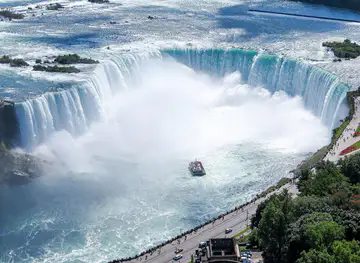
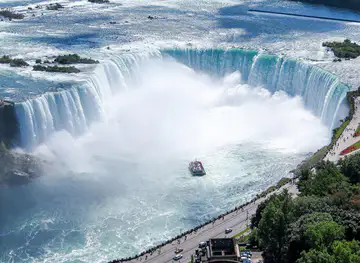
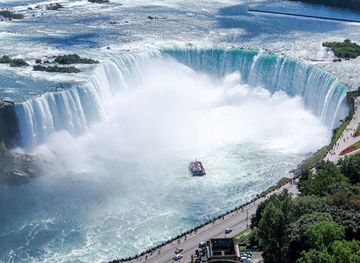
Horseshoe Falls of Canada
Experience the awe-inspiring power and beauty of Horseshoe Falls, the iconic centerpiece of Niagara Falls, where nature's majesty unfolds.
-
Observation deck
Skylon Tower
Experience breathtaking panoramic views of Niagara Falls from the iconic Skylon Tower, featuring a revolving restaurant and observation decks.


Explore Golden Horseshoe on the map
Plan your trip on one map. See where the top cities, national parks and sights are, and book hotels and experiences in a few clicks.
Best hotels in Golden Horseshoe
Best restaurants in Golden Horseshoe
Dining in the Golden Horseshoe reflects both Ontario's agricultural base and the region's exceptionally diverse population. Toronto and its surrounding municipalities offer South Asian, Chinese, Korean, Japanese, Middle Eastern, Caribbean, African, Italian, Portuguese and many other culinary traditions, alongside restaurants presenting contemporary Canadian cooking. Hamilton has a strong independent café, bakery and restaurant culture, while Niagara's table is closely connected with tender fruit, vegetables, cheese, freshwater fish, local meat and wine from the peninsula. Farm shops and seasonal markets are useful places to find apples, peaches, berries, preserves and baked goods, particularly outside the main cities. Traditional pubs, family restaurants and modern dining rooms remain important throughout the corridor. In wine country, tasting experiences often pair regional wines with locally sourced food, but visitors should plan transport carefully rather than rely on driving between multiple producers after drinking.
-
Hamburger
Webers
Discover the taste of Canada at Webers in Orillia—famous for its outdoor grilled hamburgers and vibrant atmosphere.
-
Fine Dining
Lake House Restaurant
Experience fine dining with breathtaking views at Lake House Restaurant in Vineland Station - a must-visit for food lovers and tourists alike.
-
Restaurant
Langdon Hall Country House Hotel & Spa
Discover luxury at Langdon Hall Country House Hotel & Spa - A serene retreat with fine dining and rejuvenating spa experiences in Cambridge.
-
Restaurant
Kelseys Original Roadhouse
Experience the best of Canadian comfort food at Kelseys Original Roadhouse in Barrie – a lively restaurant perfect for family gatherings.


Best bars in Golden Horseshoe
Nightlife is concentrated in Toronto, which has the region's widest choice of cocktail bars, live-music rooms, theatres, dance venues and late-opening restaurants. Hamilton offers a smaller but established evening scene centred on independent bars, breweries, music venues and restaurants, while nightlife in Mississauga, Brampton, Burlington, Oakville, St Catharines and Niagara Falls is more dispersed among town centres, entertainment complexes and hotel districts. Historic pubs and neighbourhood bars are common throughout the region, and Niagara-on-the-Lake is known more for theatre, wine-focused evenings and dining than for clubs. University communities add seasonal energy, but opening arrangements and individual venues change frequently. In rural Niagara, evenings generally revolve around restaurants, inns, breweries, wineries and private events rather than a conventional nightclub circuit.
-
Bar
Horseshoe Tavern
Experience Toronto's rich musical heritage at Horseshoe Tavern, where legendary performances meet a lively atmosphere for an unforgettable night.
-
Cocktail bar
BarChef
Discover the innovative cocktail culture at BarChef, Toronto's premier destination for crafted cocktails and unforgettable ambience.
-
Tiki bar
The Shameful Tiki Room Toronto
Experience the vibrant atmosphere and exotic cocktails at The Shameful Tiki Room, Toronto’s premier Tiki bar for a tropical escape.
-
Pub
Firkin on the Bay
Discover Firkin on the Bay, Toronto's premier waterfront pub, offering delicious food, local drinks, and stunning views.


Best nightclubs in Golden Horseshoe
Nightlife is concentrated in Toronto, which has the region's widest choice of cocktail bars, live-music rooms, theatres, dance venues and late-opening restaurants. Hamilton offers a smaller but established evening scene centred on independent bars, breweries, music venues and restaurants, while nightlife in Mississauga, Brampton, Burlington, Oakville, St Catharines and Niagara Falls is more dispersed among town centres, entertainment complexes and hotel districts. Historic pubs and neighbourhood bars are common throughout the region, and Niagara-on-the-Lake is known more for theatre, wine-focused evenings and dining than for clubs. University communities add seasonal energy, but opening arrangements and individual venues change frequently. In rural Niagara, evenings generally revolve around restaurants, inns, breweries, wineries and private events rather than a conventional nightclub circuit.
-
Night club
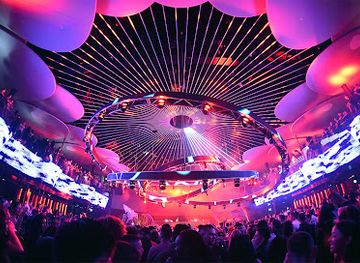
Rebel
Experience the electrifying nightlife at Rebel, Toronto's premier night club, featuring live music, stunning views, and unforgettable events.
-
Night club
Dirty Martini Oakville
Discover the vibrant nightlife at Dirty Martini Oakville, where stylish cocktails and an energetic dance floor await you in Ontario.
-
Bar
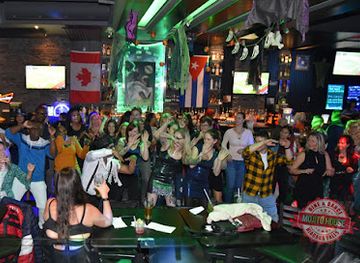
Mojito House
Mojito House: A Premier Bar and Disco Club in Niagara Falls for Unforgettable Nights Out
-
Night club
Club 54 Nightclub
Discover the ultimate nightlife experience at Club 54 Nightclub in Burlington, Ontario, where the music never stops and the fun is endless.

Best shops in Golden Horseshoe
Shopping ranges from dense urban retail districts to farm stands and historic main streets. Toronto provides the greatest variety, including department stores, independent boutiques, vintage shops, galleries, specialist food retailers and neighbourhood commercial streets shaped by the city's many communities. Mississauga, Brampton, Vaughan, Hamilton and other suburban centres contain large shopping complexes as well as local high streets, while smaller lakeshore and Niagara towns offer antiques, books, crafts and independent galleries. Niagara-on-the-Lake is known for heritage-style retail streets and locally produced food, wine and gifts, though its busiest periods can be crowded. In rural Niagara, seasonal markets and roadside producers sell fruit, preserves, baked goods, cider and other farm products. Good regional souvenirs include Ontario wine, maple products, artisan food, pottery, textiles and work by local artists; check labelling and transport rules before carrying food or alcohol across an international border.
-
Outlet mall
Toronto Premium Outlets
Discover unbeatable deals at Toronto Premium Outlets, Ontario's premier outlet shopping destination featuring top brands and a vibrant outdoor atmosphere.
-
Tourist attraction
Horseshoe Falls of Canada
Discover the breathtaking beauty of Horseshoe Falls, a natural wonder that captivates millions with its stunning cascades and thrilling experiences.
-
Shopping mall
Erin Mills Town Centre
Explore Erin Mills Town Centre, Mississauga's premier shopping mall with diverse brands, dining options, and family-friendly entertainment.
-
Warehouse store
Costco Wholesale
Experience the ultimate shopping adventure at Costco Wholesale in Brampton, where quality meets affordability across a vast selection of products.



Get your free copy of our complete guide to Golden Horseshoe, delivered straight to you.
Everything on this page, from attractions and restaurants to essentials and local phrases, in one PDF you can read offline, print or share.
Already have an account? Sign in
Your Golden Horseshoe guide is ready.
We'll send it to · Not you? Sign out

Getting your guide ready…
We are putting together a fresh copy of the Golden Horseshoe guide. This can take up to a minute.
This can take a few moments. If your browser asks, choose Allow so the download can start. You'll find the guide in your Downloads folder.
Nothing happened? Download it again
Sorry, the guide is taking longer than usual. Please try again in a minute, or get it by email instead.
Golden Horseshoe essentials
Currency and Payment
Safety
Emergency Situations
Do's and Don'ts
Local Tips
From Eve
Local phrases worth knowing
You don't need to get them perfect. A few words go a long way, and locals appreciate the effort.
Basics
| English | Local | Say it |
|---|---|---|
| Hello | Hello | [həˈloʊ] |
| Goodbye | Goodbye | [ɡʊdˈbaɪ] |
| Yes | Yes | [jɛs] |
| No | No | [noʊ] |
| Please/You're welcome | Please/You're welcome | [pliːz/ jʊr ˈwɛlkəm] |
| Thank you | Thank you | [θæŋk ju] |
| Excuse me/Sorry | Excuse me/Sorry | [ɪkˈskjuːz mi/ˈsɔri] |
| How are you? | How are you? | [haʊ ɑr ju] |
| Fine. And you? | Fine. And you? | [faɪn. ənd ju] |
| Do you speak English? | Do you speak English? | [du ju spiːk ˈɪŋɡlɪʃ] |
| I don't understand | I don't understand | [aɪ doʊnt ˌʌndərˈstænd] |
Eating & Drinking
| English | Local | Say it |
|---|---|---|
| I'd like to see the menu, please | I'd like to see the menu, please | [aɪd laɪk tu si ðə ˈmɛnjuː, pliːz] |
| I don't eat meat | I don't eat meat | [aɪ doʊnt iːt miːt] |
| Cheers! | Cheers! | [tʃɪrz] |
| I would like to pay, please | I would like to pay, please | [aɪ wʊd laɪk tu peɪ, pliːz] |
Emergencies
| English | Local | Say it |
|---|---|---|
| Help! | Help! | [hɛlp] |
| Go away! | Go away! | [ɡoʊ əˈweɪ] |
| Call the Police! | Call the Police! | [kɔl ðə pəˈliːs] |
| Call a doctor! | Call a doctor! | [kɔl ə ˈdɑktər] |
| I'm lost | I'm lost | [aɪm lɔst] |
| I'm ill | I'm ill | [aɪm ɪl] |
Shopping
| English | Local | Say it |
|---|---|---|
| I'd like to buy... | I'd like to buy... | [aɪd laɪk tu baɪ...] |
| I'm just looking | I'm just looking | [aɪm dʒʌst ˈlʊkɪŋ] |
| How much is it? | How much is it? | [haʊ mʌtʃ ɪz ɪt] |
| That's too expensive | That's too expensive | [ðæts tu ɪkˈspɛnsɪv] |
| Can you lower the price? | Can you lower the price? | [kæn ju ˈloʊər ðə praɪs] |
Time & Numbers
| English | Local | Say it |
|---|---|---|
| What time is it? | What time is it? | [wʌt taɪm ɪz ɪt] |
| It's one o'clock | It's one o'clock | [ɪts wʌn əˈklɒk] |
| Half past (10) | Half past (10) | [hæf pæst (10)] |
| Morning | Morning | [ˈmɔrnɪŋ] |
| Afternoon | Afternoon | [ˌæftərˈnun] |
| Evening | Evening | [ˈiːv.nɪŋ] |
| Yesterday | Yesterday | [ˈjɛstərdeɪ] |
| Today | Today | [təˈdeɪ] |
| Tomorrow | Tomorrow | [təˈmɔroʊ] |
| 1 | 1 | [wʌn] |
| 2 | 2 | [tu] |
| 3 | 3 | [θri] |
| 4 | 4 | [fɔr] |
| 5 | 5 | [faɪv] |
| 6 | 6 | [sɪks] |
| 7 | 7 | [sɛvən] |
| 8 | 8 | [eɪt] |
| 9 | 9 | [naɪn] |
| 10 | 10 | [tɛn] |
Transport & Directions
| English | Local | Say it |
|---|---|---|
| Where's a/the...? | Where's a/the...? | [wɛrz ə/ðə...?] |
| What's the address? | What's the address? | [wʌts ði ˈædrɛs] |
| Can you show me (on the map)? | Can you show me (on the map)? | [kæn ju ʃoʊ mi (ɒn ðə mæp)?] |
| When's the next (bus)? | When's the next (bus)? | [wɛnʤ ðə nɛkst (bʌs)?] |
| A ticket (to ...) | A ticket (to ...) | [ə ˈtɪkɪt (tu ...)] |
History of Golden Horseshoe
Indigenous Homelands and the Great Lakes
The Golden Horseshoe lies within lands long inhabited and travelled by Anishinaabe peoples, including the Mississaugas, and by Haudenosaunee communities whose territories and political relationships extended across the Great Lakes region. The lakes, rivers, portage routes and fertile plains supported movement, fishing, agriculture and trade well before European settlement. Treaties and colonial land transfers profoundly altered Indigenous access to these territories, while First Nations communities remain active across the region today. Visitors can encounter this continuing history through cultural institutions, place names and interpretation, although Indigenous heritage should not be treated as merely a pre-colonial subject.
French and British Colonial Expansion
French explorers and missionaries entered the Great Lakes network in the seventeenth century, followed by increasingly powerful British commercial and military interests. Fortifications and trading posts were established near strategic waterways, including the Niagara River and Lake Ontario's western end. After the Seven Years' War, British authority expanded, and the arrival of Loyalists after the American Revolution accelerated settlement in southern Ontario. Early towns such as Niagara-on-the-Lake, then known as Newark, became important administrative and military centres.
The War of 1812 and Border Conflict
The Golden Horseshoe occupied a strategically important position during the War of 1812, when the United States and British North America fought across the Great Lakes and their connected waterways. Fort George at Niagara-on-the-Lake, reconstructed military sites around Burlington and Hamilton, and the Niagara frontier all reflect this period. Battles, raids and the destruction and rebuilding of settlements shaped local political memory. The conflict also strengthened the military importance of the lakeshore corridor and helped define the border relationship that still influences transport and commerce.
Canals, Railways and Industrial Growth
Nineteenth-century canals and railways transformed the region from a collection of agricultural and port communities into an integrated commercial corridor. The Welland Canal created a navigable route around Niagara Falls, linking Lake Ontario with Lake Erie and supporting shipping, mills and heavy industry. Hamilton developed as a major industrial centre, while Toronto expanded through railway connections, manufacturing and trade. Waterfront warehouses, canal infrastructure, railway corridors and former factories remain visible reminders of the transport systems that underpinned regional growth.
Agriculture, Orchards and Niagara Wine
The Niagara Peninsula's relatively temperate climate, fertile soils and proximity to large urban markets supported orchards, tender fruit, vegetables and nursery production. Later investment and experimentation established a significant grape-growing and wine industry, particularly on lands between the lake and the escarpment. This agricultural economy continues to shape the region's visitor culture through farm shops, seasonal harvests, culinary tourism and vineyard landscapes. It also provides a marked contrast with the industrial and metropolitan character of the western lakeshore.
Postwar Suburbanisation and Metropolitan Expansion
After the Second World War, population growth, immigration, automobile ownership and industrial employment transformed the Golden Horseshoe. Suburban municipalities expanded rapidly around Toronto, Hamilton, Mississauga, Brampton, Markham, Vaughan, Richmond Hill, Oakville and Oshawa, while new highways and commuter rail systems connected increasingly distant communities. The result is one of Canada's largest continuous urbanised areas, with high-rise districts, older town centres, industrial zones, farmland and conservation lands existing in close proximity.
A Multicultural Contemporary Region
The Golden Horseshoe's modern identity has been shaped by immigration from across the world. Toronto and its surrounding municipalities became centres of South Asian, Caribbean, Chinese, Italian, Filipino, African, Middle Eastern and many other communities, while Hamilton and Niagara also developed diverse urban populations. Neighbourhood restaurants, religious buildings, festivals, markets and languages reflect this history. At the same time, the region continues to manage pressures involving housing, traffic, environmental protection and the preservation of farmland and natural corridors.
Golden Horseshoe in Photos
Browse through our photo collection highlighting the charm and character of the destination.
Neighbouring regions of Golden Horseshoe
The closest regions to Golden Horseshoe, if you have time for more than one.
-

-
-
-

-


Swipe for more regions
Explore more
Explore more of Canada
Discover Canada's breathtaking landscapes, diverse cities, and rich cultural heritage. A must-visit destination for outdoor adventures and vibrant urban experiences.
Explore Canada