

Vancouver Island, Canada Travel Guide
Discover Vancouver Island: where lush rainforests meet rugged coastlines, and vibrant culture meets outdoor adventure, creating an unforgettable Canadian escape.
Vancouver Island, located off the southwestern coast of British Columbia, Canada, is a haven of natural beauty and cultural richness. With its diverse landscapes, ranging from lush rainforests and rugged coastlines to serene beaches and majestic mountains, the island offers a perfect getaway for nature lovers and adventure seekers alike. The island's capital city, Victoria, boasts a charming blend of historic architecture and modern amenities. Visitors can explore the iconic Butchart Gardens, the Royal BC Museum, or take a leisurely stroll along the Inner Harbour. The island is also a paradise for outdoor activities such as hiking, kayaking, and whale watching, with numerous parks and protected areas like Pacific Rim National Park Reserve and Strathcona Provincial Park. Beyond its natural wonders, Vancouver Island is rich in cultural experiences. The island is home to several Indigenous communities, offering visitors the chance to learn about their traditions and history. Savour the local cuisine, which features fresh seafood and farm-to-table dining, and discover the vibrant arts scene in towns like Tofino and Nanaimo. Whether you're seeking relaxation or adventure, Vancouver Island promises an unforgettable experience.

Know before you go
Hi, I'm Eve. Here are a few practical things to know before exploring Vancouver Island.
- Visit during the shoulder seasons (spring and fall) for fewer crowds and milder weather.
- Rent a car to explore the island at your own pace, as public transportation can be limited.
- Bring layers of clothing, as the weather can change rapidly, especially in coastal areas.
- Book whale watching tours in advance, as they are popular and can fill up quickly.
- Don't miss trying the local seafood, especially the famous Nanaimo bars and fresh salmon.
Destinations in Vancouver Island
Resorts, valleys and scenic spots worth a trip of their own.

Explore Vancouver Island: Things to Do, Places to Eat, Hotels & More
Handpicked recommendations for top attractions, local dining, accommodations, and more

Top Attractions & Sightseeing in Vancouver Island


Best bars in Vancouver Island
Top-rated picks
Best Bars

Mill Street Brew Pub Ottawa
Discover the vibrant flavors of Mill Street Brew Pub Ottawa, where craft beers and delicious dishes create a memorable dining experience.

Dave & Buster's Westminster
Experience the ultimate blend of dining and entertainment at Dave & Buster's Westminster, perfect for families and friends alike.

Horseshoe Tavern
Experience the vibrant energy of Toronto's music scene at Horseshoe Tavern, a legendary live music bar known for unforgettable performances and a welcoming atmosphere.
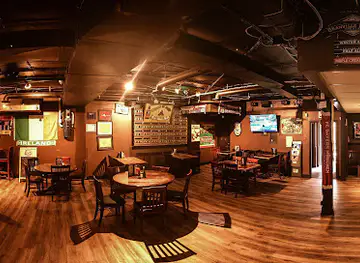
King's Head Pub
Discover the vibrant atmosphere and delectable menu at King's Head Pub, a must-visit spot in downtown Winnipeg for food and drink enthusiasts.


Best shops in Vancouver Island
Top-rated picks
Best Shops

The Forks Market
Experience the vibrant blend of shopping, dining, and culture at The Forks Market in Winnipeg, a must-visit destination for travelers.

Bloomex Toronto Flowers & Gift Baskets
Explore Bloomex Toronto for exquisite flowers, thoughtful gift baskets, and delightful balloon arrangements, perfect for any occasion in the vibrant city of Toronto.

Indigo
Discover Indigo in Pointe-Claire: your ultimate destination for books, unique gifts, and a cozy atmosphere perfect for leisurely browsing.

Walmart Supercentre
Explore a world of shopping at Walmart Supercentre in Regina, where convenience meets variety for every traveler's needs.

Explore Vancouver Island on the Map
A handpicked selection of must-see spots in Vancouver Island, mapped for you.
Vancouver Island Essentials
-
Vancouver Island is accessible by various modes of transportation. The most common way to reach the island is by ferry. BC Ferries operates several routes connecting the mainland to various points on the island, including the popular Tsawwassen-Swartz Bay route to Victoria and the Horseshoe Bay-Departure Bay route to Nanaimo. Alternatively, you can fly into Victoria International Airport (YYJ) or Nanaimo Airport (YCD) from major Canadian cities. There are also floatplane and helicopter services from Vancouver to various destinations on the island.
-
Once on Vancouver Island, there are several transportation options. Renting a car is a convenient way to explore the island at your own pace. Public transport is available through BC Transit, with bus services operating in major cities like Victoria and Nanaimo. For shorter trips, taxis and ride-sharing services like Uber are also available. Cycling is a popular option in more urban areas, with dedicated bike lanes and trails.
-
The currency used on Vancouver Island is the Canadian Dollar (CAD). Credit and debit cards are widely accepted in most establishments, including restaurants, hotels, and shops. ATMs are readily available in urban areas, but it's advisable to carry some cash, especially if you plan to visit more remote areas where card payments may not be accepted.
-
Vancouver Island is generally a safe destination for tourists. However, like any travel destination, it's important to take standard precautions. Areas such as downtown Victoria and Nanaimo can have higher crime rates, particularly at night, so it's best to avoid walking alone in these areas after dark. Always keep an eye on your belongings in crowded places and be aware of your surroundings.
-
In case of emergency, dial 911 for immediate assistance. The island has well-equipped medical facilities, including hospitals in Victoria and Nanaimo. It's advisable to have travel insurance that covers medical emergencies. For minor health issues, there are numerous pharmacies where you can purchase over-the-counter medications.
-
Fashion: Do dress in layers, as the weather can be unpredictable. Casual attire is generally acceptable. Avoid wearing overly revealing clothing in more conservative areas. Religion: Do respect local customs, especially when visiting religious sites. Public Transport: Do be considerate of others and give up your seat to elderly passengers or those with disabilities. Don't eat or drink on public transport. Greetings: Do greet people with a friendly 'hello' or a handshake. Canadians appreciate politeness. Eating & Drinking: Do try local seafood and other delicacies. Don't forget to tip your server, usually 15-20% of the bill.
-
To experience Vancouver Island like a local, visit the farmers' markets where you can buy fresh, local produce and artisanal goods. Engage with locals, who are generally friendly and willing to share tips about hidden gems on the island. Don't miss exploring the island's numerous hiking trails and scenic spots, such as Cathedral Grove and the Pacific Rim National Park Reserve. For a unique local experience, consider attending local festivals and events, which offer a glimpse into the island's vibrant culture and community.
When is the best time to visit Vancouver Island?
Useful Local Phrases for Vancouver Island
You don't need to speak the language perfectly. Even learning a few simple words can make conversations warmer—and locals usually appreciate the effort.
— Eve

Here are the phrases I use most often in Vancouver Island. Try a few—you'll be surprised how far they go! 😊
❤️
-
- HelloHello
[həˈloʊ] - GoodbyeGoodbye
[ɡʊdˈbaɪ] - YesYes
[jɛs] - NoNo
[noʊ] - Please/You're welcomePlease/You're welcome
[pliːz/ jʊər ˈwɛlkəm] - Thank youThank you
[θæŋk ju] - Excuse me/SorryExcuse me/Sorry
[ɪkˈskjuːz mi/ˈsɔːri] - How are you?How are you?
[haʊ ɑr ju] - Fine. And you?Fine. And you?
[faɪn. ənd ju] - Do you speak English?Do you speak English?
[du ju spiːk ˈɪŋɡlɪʃ] - I don't understandI don't understand
[aɪ doʊnt ˌʌndərˈstænd]
- HelloHello
-
- I'd like to see the menu, pleaseI'd like to see the menu, please
[aɪd laɪk toʊ si ðə ˈmɛnjuː pliːz] - I don't eat meatI don't eat meat
[aɪ doʊnt iːt miːt] - Cheers!Cheers!
[ʧɪrz] - I would like to pay, pleaseI would like to pay, please
[aɪ wʊd laɪk toʊ peɪ, pliːz]
- I'd like to see the menu, pleaseI'd like to see the menu, please
-
- Help!Help!
[hɛlp] - Go away!Go away!
[ɡoʊ əˈweɪ] - Call the Police!Call the Police!
[kɔːl ðə pəˈliːs] - Call a doctor!Call a doctor!
[kɔːl ə ˈdɑːktər] - I'm lostI'm lost
[aɪm lɔst] - I'm illI'm ill
[aɪm ɪl]
- Help!Help!
-
- I'd like to buy...I'd like to buy...
[aɪd laɪk toʊ baɪ...] - I'm just lookingI'm just looking
[aɪm dʒʌst ˈlʊkɪŋ] - How much is it?How much is it?
[haʊ mʌʧ ɪz ɪt] - That's too expensiveThat's too expensive
[ðæts tuː ɪkˈspɛnsɪv] - Can you lower the price?Can you lower the price?
[kæn ju ˈloʊər ðə praɪs]
- I'd like to buy...I'd like to buy...
-
- What time is it?What time is it?
[wʌt taɪm ɪz ɪt] - It's one o'clockIt's one o'clock
[ɪts wʌn əˈklɑk] - Half past (10)Half past (10)
[hæf pæst (10)] - MorningMorning
[ˈmɔrnɪŋ] - AfternoonAfternoon
[ˌæftərˈnun] - EveningEvening
[ˈiːvnɪŋ] - YesterdayYesterday
[ˈjɛstərdeɪ] - TodayToday
[təˈdeɪ] - TomorrowTomorrow
[təˈmɔroʊ] - 11
[wʌn] - 22
[tu] - 33
[θri] - 44
[fɔr] - 55
[faɪv] - 66
[sɪks] - 77
[sɛvən] - 88
[eɪt] - 99
[naɪn] - 1010
[tɛn]
- What time is it?What time is it?
-
- Where's a/the...?Where's a/the...?
[wɛrz ə/ðə...?] - What's the address?What's the address?
[wʌts ði ˈædrɛs?] - Can you show me (on the map)?Can you show me (on the map)?
[kæn ju ʃoʊ mi (ɑn ðə mæp)?] - When's the next (bus)?When's the next (bus)?
[wɛn's ðə nɛkst (bʌs)?] - A ticket (to ....)A ticket (to ....)
[ə ˈtɪkɪt (tə ....)]
- Where's a/the...?Where's a/the...?
History of Vancouver Island
-
Vancouver Island has been home to indigenous peoples for thousands of years. The Coast Salish, Nuu-chah-nulth, and Kwakwaka'wakw are some of the primary First Nations groups that have inhabited the island. Their rich cultures and traditions are evident in the art, totem poles, longhouses, and intricate carvings that can be found throughout the island.
-
The first recorded European contact with Vancouver Island was in 1774 by Spanish explorer Juan Pérez. This was followed by British explorer Captain James Cook in 1778. These explorations marked the beginning of European interest in the region, leading to subsequent expeditions and the eventual establishment of trading posts.
-
The late 18th and early 19th centuries saw the rise of the fur trade on Vancouver Island. The Hudson's Bay Company established Fort Victoria in 1843, which became a major trading post. The fur trade significantly impacted the island's economy and led to increased interactions between European settlers and indigenous communities.
-
In 1849, Vancouver Island was declared a British Crown Colony. Sir James Douglas, often referred to as the 'Father of British Columbia,' was appointed as the first governor. The colony served as a strategic naval base and a center for British settlement and governance in the Pacific Northwest.
-
The discovery of gold along the Fraser River in 1858 prompted a massive influx of prospectors and settlers to Vancouver Island and the mainland. This event accelerated the island's development and contributed to its economic growth. Victoria became a bustling port and supply center for miners heading to the goldfields.
-
Vancouver Island united with the mainland to form the province of British Columbia in 1866. The promise of a transcontinental railway was a significant factor in British Columbia's decision to join the Canadian Confederation in 1871. Although the railway did not directly connect to the island, the promise of improved transportation and economic opportunities influenced the region's integration into Canada.
-
During World War II, Vancouver Island played a crucial role in Canada's naval defense strategy. Esquimalt, near Victoria, was an important naval base, and the island's coastal waters were heavily patrolled. The presence of military installations and shipbuilding facilities contributed to the island's strategic importance during the war.
-
The post-war period saw significant growth and development on Vancouver Island. Improvements in transportation, including the establishment of ferry services, facilitated greater connectivity with the mainland. The island's economy diversified with the growth of industries such as forestry, fishing, and tourism, leading to the vibrant and diverse communities that exist today.
Neighbouring Regions of Vancouver Island
The closest regions to Vancouver Island, if you have time for more than one.


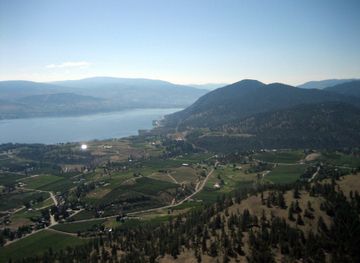


Your all‑in‑one travel companion app
Explore expert travel guides, compare and book tours, experiences, hotels, and more—all from the palm of your hand. Download now for seamless trip planning wherever your wanderlust takes you.


Explore More of Canada
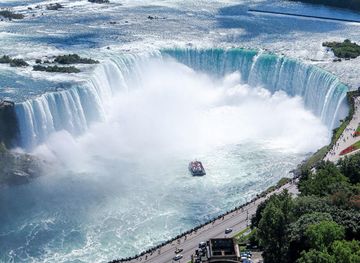
Looking beyond Vancouver Island? Discover Canada for broader travel guides, local hot-spots, and regional highlights.
Explore CanadaVancouver Island in Photos
Browse through our photo collection highlighting the charm and character of the destination.


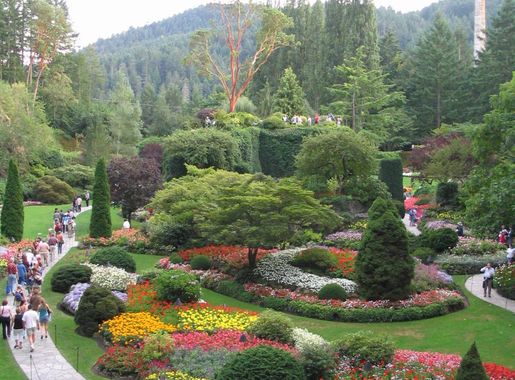
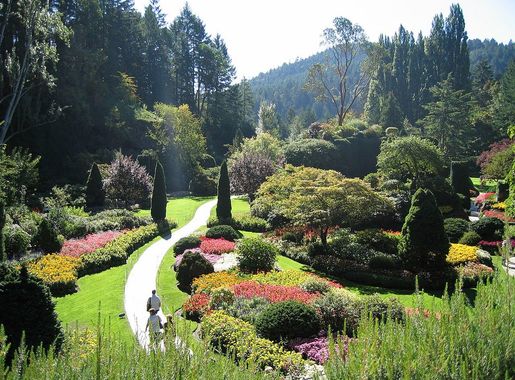


Vancouver Island: A Pacific Paradise
Vancouver Island, located off the southwestern coast of British Columbia, Canada, is a haven of natural beauty and cultural richness. With its diverse landscapes, ranging from lush rainforests and rugged coastlines to serene beaches and majestic mountains, the island offers a perfect getaway for nature lovers and adventure seekers alike. The island's capital city, Victoria, boasts a charming blend of historic architecture and modern amenities. Visitors can explore the iconic Butchart Gardens, the Royal BC Museum, or take a leisurely stroll along the Inner Harbour. The island is also a paradise for outdoor activities such as hiking, kayaking, and whale watching, with numerous parks and protected areas like Pacific Rim National Park Reserve and Strathcona Provincial Park. Beyond its natural wonders, Vancouver Island is rich in cultural experiences. The island is home to several Indigenous communities, offering visitors the chance to learn about their traditions and history. Savour the local cuisine, which features fresh seafood and farm-to-table dining, and discover the vibrant arts scene in towns like Tofino and Nanaimo. Whether you're seeking relaxation or adventure, Vancouver Island promises an unforgettable experience.