

Free Parkland Region Travel Guide & Mobile App
Explore Parkland Region with free travel guides. Discover regional history, expert tips, proposed trips, and audio guides on web or mobile app.


Explore Manitoba’s Parkland Region for Riding Mountain landscapes, Ukrainian-Canadian culture, lakes, wildlife, prairie towns and outdoor journeys.
Read more about Parkland Region
When is the best time to visit Parkland Region?
Best: June–August · 23–25°C| Month | High (°C) | Rainfall (mm) |
|---|---|---|
| January | -5 | 25 |
| February | -3 | 20 |
| March | 3 | 30 |
| April | 10 | 35 |
| May | 18 | 45 |
| June (best) | 23 | 55 |
| July (best) | 25 | 60 |
| August (best) | 24 | 55 |
| September | 20 | 50 |
| October | 13 | 40 |
| November | 3 | 35 |
| December | -4 | 30 |
Getting to and around Parkland Region
How to get there
Transportation
Best attractions in Parkland Region
The Parkland Region’s attractions range from national-park scenery to small-town museums and living cultural traditions. Riding Mountain National Park is the principal draw, offering hiking trails, beaches and paddling at Clear Lake, wildlife viewing, cycling routes and winter recreation around Wasagaming. Its forests, wetlands and escarpment landscapes provide a marked contrast with the cultivated fields around Dauphin. Dauphin adds cultural and historical interest through local museums, galleries, performance spaces and Ukrainian-Canadian events, while the surrounding countryside contains churches, farm communities and rural heritage sites. Roblin is a useful base for fishing, boating, camping and exploring the region’s lake country, and Swan River opens access to more northerly forest and outdoor landscapes. Seasonal fairs, community festivals and agricultural events bring visitors into contact with the region’s contemporary rural life. The attractions are not concentrated in one walkable centre: distances, weather and seasonal opening arrangements matter, and a car is usually needed to combine park trails, town visits and lakeside activities.
-
Tourist attraction
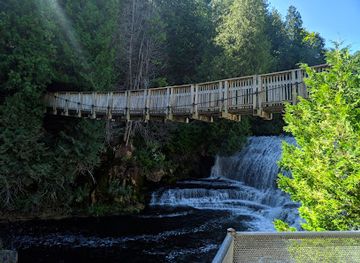
Belfountain Conservation Area
Explore the serene beauty of Belfountain Conservation Area, a picturesque park in Caledon, Ontario, perfect for nature lovers and outdoor enthusiasts.
-
Tourist attraction
Gros Morne National Park Of Canada
Discover the breathtaking landscapes and rich history of Gros Morne National Park, a UNESCO World Heritage site in Newfoundland and Labrador.
-
Tourist attraction
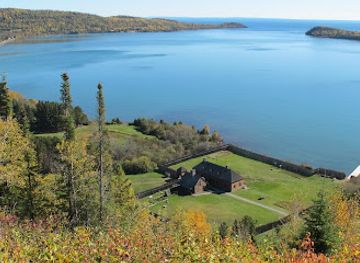
Grand Portage National Monument
Explore Grand Portage National Monument: A captivating blend of history and nature on Minnesota's North Shore, showcasing the fur trade era and Indigenous culture.
-
Ski resort
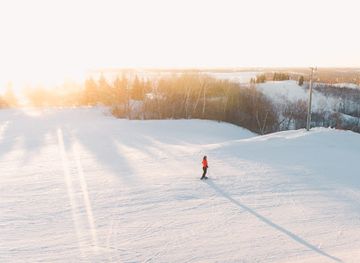
Asessippi Ski Area & Resort
Experience the thrill of winter at Asessippi Ski Area & Resort, where adventure and family fun come together amidst stunning natural beauty.

Best landmarks in Parkland Region
Riding Mountain’s forested escarpment is the Parkland’s defining geographical landmark, rising distinctly above the flatter agricultural country and creating a landscape of wooded ridges, lakes and wetlands. Clear Lake and the planned visitor community of Wasagaming form the region’s best-known recreational setting, with shoreline views and early park-era buildings contributing to its visual identity. Dauphin’s cultural landmarks include Ukrainian churches and community buildings that reflect the settlement of Eastern European farming families and the continuing importance of Ukrainian-Canadian heritage. The city’s streets and civic institutions also express its role as a regional service centre. Around Roblin and Swan River, the transition from cultivated land to forest and lake country is itself a significant landscape marker, revealing the ecological gradient that gives the region its name and character. These places matter not merely as photographs or stopping points but as evidence of the Parkland’s relationship between conservation, agriculture, migration, Indigenous presence and small-town development.
-
Tourist attraction
CN Tower
Experience breathtaking views and dining at the CN Tower, Toronto's iconic landmark standing tall at 553 meters, offering unforgettable cityscapes.
-
Park
Bluffers Park & Beach
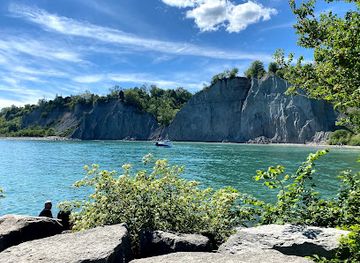
Escape to Toronto's natural wonder: Bluffer's Park & Beach offers stunning views, sandy shores, and outdoor fun beneath the majestic Scarborough Bluffs.
-
Park
Huron Natural Area
Explore the tranquil beauty of Huron Natural Area in Kitchener, Ontario, perfect for outdoor adventures, nature walks, and family picnics.
-
Park
G Ross Lord Park
Explore G Ross Lord Park in North York, a lush urban retreat with scenic trails, picnic spots, and a welcoming atmosphere for families and pet lovers.
Explore Parkland Region on the map
Plan your trip on one map. See where the top cities, national parks and sights are, and book hotels and experiences in a few clicks.
Best hotels in Parkland Region
Best restaurants in Parkland Region
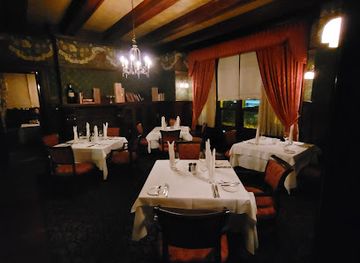
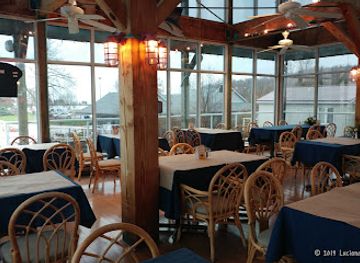
Dining in the Parkland reflects both prairie agriculture and the region’s Ukrainian-Canadian heritage. Dauphin and other larger communities offer cafés, family restaurants, bakeries and pubs, while Wasagaming provides seasonal dining close to Clear Lake and Riding Mountain National Park. Perogies, cabbage rolls, sausage, soups and other Eastern European-influenced dishes appear in community cooking and local menus, alongside Canadian staples and contemporary prairie cooking. Grain, beef, poultry, berries and locally grown vegetables are important regional ingredients, and freshwater fish may feature near the lakes. Rural inns and small-town restaurants can be widely spaced, so meal planning is useful when travelling between destinations. Farmers’ markets and seasonal events provide opportunities to buy baking, preserves and locally produced food, although their timing changes through the year. Tipping for table service follows Canadian practice, and visitors should not assume that every rural establishment accepts late-night orders or maintains urban-style opening hours.
-
Restaurant
The Keg Steakhouse + Bar - Garry Street
Experience fine dining at The Keg Steakhouse + Bar in Downtown Winnipeg—where exceptional steaks meet vibrant atmosphere.
-
Fine Dining
529 Wellington Steakhouse
Experience exquisite fine dining at 529 Wellington Steakhouse, renowned for prime steaks and elegant ambiance in Winnipeg's Crescentwood neighborhood.
-
 Resort hotel
Lakeview Hecla Resort
Experience tranquility at Lakeview Hecla Resort: your perfect escape into nature's embrace in Manitoba.
-
Restaurant
Bluffers Restaurant & Event Centre
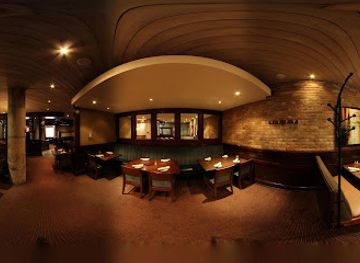
Experience breathtaking views and exquisite dining at Bluffers Restaurant & Event Centre in Scarborough's scenic Bluffs.
Best bars in Parkland Region
Evening life in the Parkland is generally centred on pubs, hotel lounges, restaurants, community events and seasonal performances rather than a large nightclub circuit. Dauphin has the broadest choice of evening venues and becomes particularly active around concerts, festivals and cultural programming. In Wasagaming, the summer visitor season supports relaxed bars, restaurants and occasional live entertainment near Clear Lake, while smaller communities such as Roblin and Swan River offer local pubs and social venues rather than extensive late-night options. Rural evenings often revolve around dining, music, fairs or organised community gatherings, and winter activity is quieter outside the main towns. Check current arrangements locally, since seasonal businesses may reduce their hours outside summer and festival periods. Alcohol is served under Manitoba regulations, and a designated driver or pre-arranged transport is important when staying outside the main service centres.
-
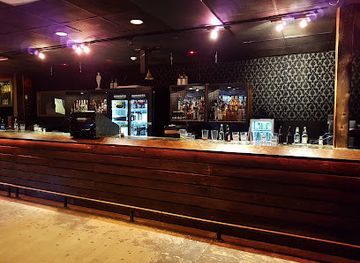
Cocktail bar
Bootlegger cocktail bar & cuisine
Experience the vibrant nightlife of Montreal at Bootlegger Cocktail Bar & Cuisine, where craft cocktails meet live jazz and fresh oysters.

Best nightclubs in Parkland Region
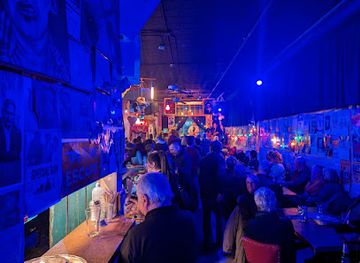
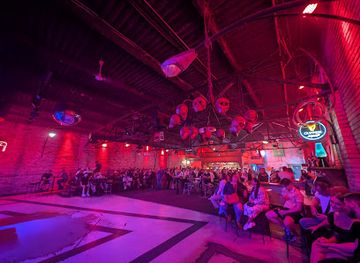
Evening life in the Parkland is generally centred on pubs, hotel lounges, restaurants, community events and seasonal performances rather than a large nightclub circuit. Dauphin has the broadest choice of evening venues and becomes particularly active around concerts, festivals and cultural programming. In Wasagaming, the summer visitor season supports relaxed bars, restaurants and occasional live entertainment near Clear Lake, while smaller communities such as Roblin and Swan River offer local pubs and social venues rather than extensive late-night options. Rural evenings often revolve around dining, music, fairs or organised community gatherings, and winter activity is quieter outside the main towns. Check current arrangements locally, since seasonal businesses may reduce their hours outside summer and festival periods. Alcohol is served under Manitoba regulations, and a designated driver or pre-arranged transport is important when staying outside the main service centres.
-
Bar
High And Lonesome Club
Discover the heartbeat of Winnipeg's nightlife at High And Lonesome Club, where live music meets a cozy bar atmosphere.
-
Live Music
Pyramid Cabaret
Discover the heart of Winnipeg's music scene at Pyramid Cabaret, where live performances create unforgettable moments in a vibrant atmosphere.
-
Gay night club
Club 200
Discover the heart of Winnipeg's nightlife at Club 200, a vibrant gay night club offering delicious food, exciting events, and a welcoming atmosphere.
-
Night club
Cowboys
Discover Winnipeg's nightlife at Cowboys, a vibrant nightclub in Saint Boniface, perfect for dancing, drinks, and unforgettable memories.

Best shops in Parkland Region
Shopping in the Parkland is focused on practical town services, independent businesses, seasonal markets and locally made or locally produced goods rather than large urban retail centres. Dauphin has the broadest selection of shops, galleries, food outlets and services, while Roblin, Swan River and Wasagaming provide useful smaller-scale shopping for visitors, particularly during the main travel season. In Riding Mountain’s visitor areas, look for outdoor supplies, books, artwork, clothing and souvenirs connected with the park and its wildlife. Farmers’ markets and community events may offer baking, preserves, crafts, produce and handmade gifts, with availability varying by season. Ukrainian-Canadian food products and cultural merchandise are especially appropriate regional purchases around Dauphin. Visitors should buy fuel, groceries, medication and specialist outdoor equipment before heading into remote areas, since retail choice becomes limited beyond the main towns. Local galleries and craft shops are often better places to find distinctive regional work than generic souvenir outlets.
-
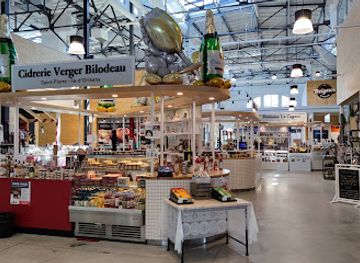
Produce market
The New Grand Market
Discover the vibrant flavors of The New Grand Market in Québec City, a culinary hub featuring local produce, artisanal goods, and diverse dining options.
-
National park
Prince Edward Island National Park
Explore the enchanting landscapes of Prince Edward Island National Park, where nature and adventure await at every turn.
-
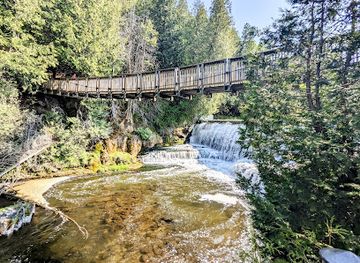
Park
Belfountain Conservation Area
Explore Belfountain Conservation Area, a picturesque park in Caledon, Ontario, with scenic trails, waterfalls, and abundant wildlife, perfect for nature lovers.
-
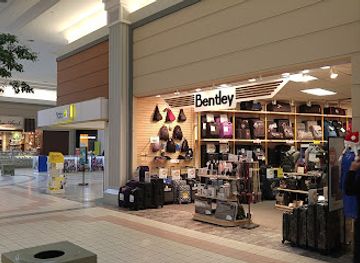
Shopping mall
Sheridan Centre
Discover Sheridan Centre in Mississauga, Ontario: your ultimate shopping destination with diverse stores, dining, and family-friendly entertainment.
Get your free copy of our complete guide to Parkland Region, delivered straight to you.
Everything on this page, from attractions and restaurants to essentials and local phrases, in one PDF you can read offline, print or share.
Already have an account? Sign in
Your Parkland Region guide is ready.
We'll send it to · Not you? Sign out

Getting your guide ready…
We are putting together a fresh copy of the Parkland Region guide. This can take up to a minute.
This can take a few moments. If your browser asks, choose Allow so the download can start. You'll find the guide in your Downloads folder.
Nothing happened? Download it again
Sorry, the guide is taking longer than usual. Please try again in a minute, or get it by email instead.
Parkland Region essentials
Currency and Payment
Safety
Emergency Situations
Do's and Don'ts
Local Tips
From Eve
Local phrases worth knowing
You don't need to get them perfect. A few words go a long way, and locals appreciate the effort.
Basics
| English | Local | Say it |
|---|---|---|
| Hello | Howdy | [haʊdi] |
| Goodbye | See ya | [si jə] |
| Yes | Yep | [jɛp] |
| No | Nope | [noʊp] |
| Please/You're welcome | Please/No problem | [pliz/noʊ ˈprɒbləm] |
| Thank you | Thanks | [θæŋks] |
| Excuse me/Sorry | Pardon me/Sorry | [ˈpɑrdən mi/ˈsɔri] |
| How are you? | How's it going? | [haʊz ɪt ˈɡoʊɪŋ] |
| Fine. And you? | Good. And you? | [ɡʊd. ənd ju] |
| Do you speak English? | Do ya speak English? | [du jə spiːk ˈɪŋɡlɪʃ] |
| I don't understand | I don’t get it | [aɪ doʊnt ɡɛt ɪt] |
Eating & Drinking
| English | Local | Say it |
|---|---|---|
| I'd like to see the menu, please | Can I see the menu, please? | [kæn aɪ si ðə ˈmɛnjuː pliz] |
| I don't eat meat | I’m a vegetarian | [aɪm ə ˌvɛdʒəˈtɛriən] |
| Cheers! | Cheers! | [ʧɪrz] |
| I would like to pay, please | Can I get the bill, please? | [kæn aɪ ɡɛt ðə bɪl pliz] |
Emergencies
| English | Local | Say it |
|---|---|---|
| Help! | Help! | [hɛlp] |
| Go away! | Leave me alone! | [liːv mi əˈloʊn] |
| Call the Police! | Call the cops! | [kɔl ðə kɑps] |
| Call a doctor! | Get a doctor! | [ɡɛt ə ˈdɑktər] |
| I'm lost | I’m lost | [aɪm lɔst] |
| I'm ill | I’m not feeling well | [aɪm nɑt ˈfiːlɪŋ wɛl] |
Shopping
| English | Local | Say it |
|---|---|---|
| I'd like to buy... | I want to buy... | [aɪ wɑnt tu baɪ] |
| I'm just looking | Just browsing | [dʒʌst ˈbraʊzɪŋ] |
| How much is it? | What’s the price? | [wʌts ðə praɪs] |
| That's too expensive | That's a bit pricey | [ðæts ə bɪt ˈpraɪsi] |
| Can you lower the price? | Can you make it cheaper? | [kæn jə meɪk ɪt ˈʧiːpər] |
Time & Numbers
| English | Local | Say it |
|---|---|---|
| What time is it? | What’s the time? | [wʌts ðə taɪm] |
| It's one o'clock | It’s one o'clock | [ɪts wʌn əˈklɑk] |
| Half past (10) | Half past ten | [hæf pɑst tɛn] |
| Morning | Morning | [ˈmɔrnɪŋ] |
| Afternoon | Afternoon | [ˌæftərˈnun] |
| Evening | Evening | [ˈiːvnɪŋ] |
| Yesterday | Yesterday | [ˈjɛstərdeɪ] |
| Today | Today | [təˈdeɪ] |
| Tomorrow | Tomorrow | [təˈmɑroʊ] |
| 1 | One | [wʌn] |
| 2 | Two | [tu] |
| 3 | Three | [θri] |
| 4 | Four | [fɔr] |
| 5 | Five | [faɪv] |
| 6 | Six | [sɪks] |
| 7 | Seven | [ˈsɛvən] |
| 8 | Eight | [eɪt] |
| 9 | Nine | [naɪn] |
| 10 | Ten | [tɛn] |
Transport & Directions
| English | Local | Say it |
|---|---|---|
| Where's a/the...? | Where’s the...? | [wɛrz ðə] |
| What's the address? | What’s the address? | [wʌts ði ˈædrɛs] |
| Can you show me (on the map)? | Can you point it out? | [kæn jə pɔɪnt ɪt aʊt] |
| When's the next (bus)? | When’s the next bus? | [wɛnəz ðə nɛkst bʌs] |
| A ticket (to ....) | A ticket to ... | [ə ˈtɪkɪt tu] |
History of Parkland Region
Indigenous Homelands and Long Settlement
The Parkland Region has been inhabited and travelled by Indigenous peoples for thousands of years. Anishinaabe, Cree, Dakota and other nations maintain historic and contemporary connections with its lakes, rivers, forests and grasslands. The region’s archaeological record includes evidence of seasonal movement, hunting, fishing and trade, while oral histories continue to shape understanding of the land. Treaty relationships, including those associated with Treaties 2, 4 and 5 in the wider Parkland area, form part of the region’s political and cultural history. Visitors should understand that the landscape is not an empty wilderness but a lived homeland with continuing Indigenous presence.
Fur Trade and the Inland Routes
From the late eighteenth century, European and Canadian fur-trade networks expanded through Manitoba’s interior. Rivers, portages and overland trails connected the Parkland with Hudson Bay drainage routes, Red River settlements and trading posts farther west and north. The trade brought manufactured goods into Indigenous exchange systems and intensified competition among commercial companies, while also contributing to major social, economic and demographic change. Although few visitors encounter the original routes as intact historic corridors, the region’s rivers, lakes and transport roads preserve the geographical logic that made the Parkland an important passage between prairie and forest.
Agricultural Settlement and the Railways
During the late nineteenth and early twentieth centuries, railway expansion and federal land policies encouraged agricultural settlement across the southern and central Parkland. Towns such as Dauphin developed as service and transport centres for surrounding farms, while grain handling, livestock production and local commerce reshaped the landscape. Ukrainian and other Eastern European immigrants made an important contribution to farming and community life, establishing churches, cultural organisations and distinctive food traditions. The resulting pattern of small towns, farmsteads and cultivated fields remains one of the most recognisable features of the southern region.
Ukrainian-Canadian Cultural Development
Ukrainian immigration left a particularly strong cultural imprint around Dauphin and other Manitoba Parkland communities. Religious congregations, community halls, choirs, dance groups and family food traditions helped preserve identity while adapting to life on the Canadian prairies. Over time, Ukrainian culture became part of the region’s broader public identity rather than remaining solely within immigrant households. Festivals and cultural programming continue to connect descendants, residents and visitors with music, dance, crafts and cuisine, illustrating how heritage has developed through both continuity and change.
Riding Mountain National Park, Established 1930
Riding Mountain National Park was created in 1930 to protect a large tract of forest, lakes, wetlands and escarpment habitat within a heavily transformed prairie province. Its establishment reflected the growth of Canada’s national-park system and a changing public interest in recreation, wildlife and landscape conservation. Wasagaming developed as the park’s principal visitor centre, while roads, campgrounds and trails made the area increasingly accessible. The park’s history also needs to be considered alongside the Indigenous histories and land-use changes that preceded its creation and continued after it became protected.
Modern Parkland Communities and Rural Change
After the Second World War, mechanised agriculture, improved roads and changing population patterns altered the relationship between the Parkland’s farms and small towns. Some communities became more dependent on regional service centres, while tourism, conservation and outdoor recreation grew in importance around Riding Mountain and the area’s lakes. Today the region combines commercial agriculture, Indigenous community life, seasonal tourism and small-town institutions. Festivals, museums, local businesses and agricultural organisations all contribute to a contemporary identity that is rooted in the past but not defined by it.
Parkland Region in Photos
Browse through our photo collection highlighting the charm and character of the destination.
Neighbouring regions of Parkland Region
The closest regions to Parkland Region, if you have time for more than one.
-

-

-

-

-


Swipe for more regions
Explore more
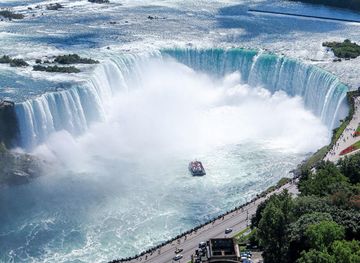
Explore more of Canada
Discover Canada's breathtaking landscapes, diverse cities, and rich cultural heritage. A must-visit destination for outdoor adventures and vibrant urban experiences.
Explore Canada