

Free Pembina Valley Travel Guide & Mobile App
Explore Pembina Valley with free travel guides. Discover regional history, expert tips, proposed trips, and audio guides on web or mobile app.


Explore Pembina Valley in southern Manitoba for fossil discoveries, wooded river trails, prairie towns, local food and layered Mennonite and francophone heritage.
Read more about Pembina Valley
When is the best time to visit Pembina Valley?
Best: June–August · 23–24°C| Month | High (°C) | Rainfall (mm) |
|---|---|---|
| January | -12 | 15 |
| February | -9 | 15 |
| March | 0 | 25 |
| April | 11 | 35 |
| May | 18 | 50 |
| June (best) | 23 | 70 |
| July (best) | 24 | 80 |
| August (best) | 23 | 70 |
| September | 18 | 50 |
| October | 11 | 35 |
| November | 3 | 25 |
| December | -6 | 15 |
Getting to and around Pembina Valley
How to get there
Transportation
Top city travel guides in Pembina Valley
The cities of Pembina Valley, and the easiest places to base yourself.

Swipe for more cities
Best attractions in Pembina Valley
Pembina Valley attractions combine natural scenery, palaeontology, community history and the everyday life of a productive prairie region. In Morden, the Canadian Fossil Discovery Centre provides an accessible introduction to the marine reptiles and other fossils found in southern Manitoba. Pembina Valley Provincial Park offers walking trails through the wooded river valley, with a very different landscape from the open fields above it. Morden and Winkler also provide galleries, gardens, seasonal events, family activities and town-based cultural venues. Altona has an established arts presence, while smaller communities such as Manitou, Pilot Mound and Notre-Dame-de-Lourdes add historic churches, local museums, rural architecture and community traditions. The region is well suited to driving routes that link several modest attractions rather than to a single concentrated sightseeing district. Birdwatching, cycling, canoeing where conditions permit, photography and short nature walks are natural complements to museum visits. Seasonal fairs, farmers' markets and agricultural events offer further insight into the region's contemporary rural economy.
-
Park
Birds Hill Provincial Park
Experience the breathtaking landscapes and diverse wildlife at Birds Hill Provincial Park, a perfect outdoor escape in Manitoba for all nature lovers.
-
Park
Pinawa Dam Provincial Heritage Park
Explore the captivating beauty and historical significance of Pinawa Dam Provincial Heritage Park, a must-visit destination in Manitoba for nature lovers.
-
Park
Beaudry Provincial Park
Experience the serene beauty of Beaudry Provincial Park in Manitoba, a perfect escape for nature lovers and outdoor enthusiasts.
-
Museum
Canadian Fossil Discovery Centre
Explore prehistoric wonders at the Canadian Fossil Discovery Centre, where ancient marine life comes to life through stunning exhibits and engaging experiences.
Best landmarks in Pembina Valley
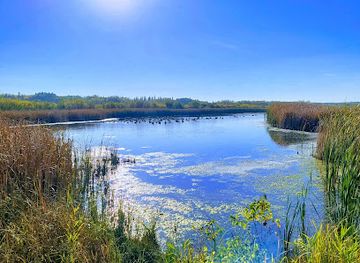
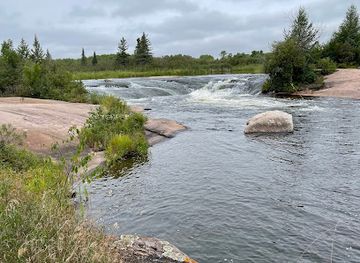
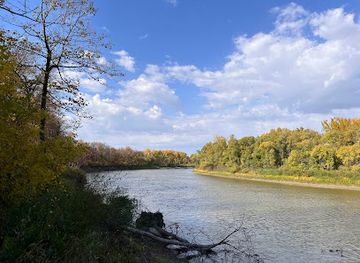
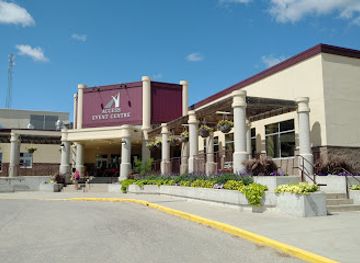
The Pembina River valley is the region's most defining natural landmark, forming a wooded corridor that contrasts sharply with the level agricultural land around it. Pembina Valley Provincial Park protects a representative section of this landscape and provides the clearest opportunity to experience the valley's layered slopes, river environment and native vegetation. In Morden, the Canadian Fossil Discovery Centre is a landmark of scientific and regional identity because it interprets the ancient inland sea preserved beneath the surrounding prairie. The streetscapes and churches of southern Manitoba's farming communities are also significant, particularly where Mennonite, German-speaking and francophone settlement histories remain legible in local architecture. Altona's arts-oriented public character and the historic grain-town forms of Morden, Winkler, Manitou and Pilot Mound reflect later civic and commercial development. Rather than isolated monumental buildings, Pembina Valley landmarks are often landscapes, town patterns and community institutions that together explain how settlement, agriculture and geology shaped the region.
-
Market
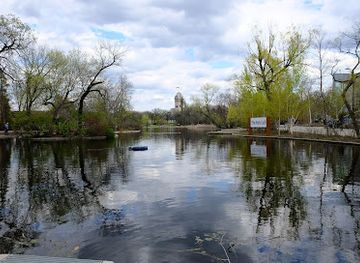
The Forks Market
Discover The Forks Market in Winnipeg, a vibrant hub of shopping, dining, and cultural experiences by the riverside.
-
Park
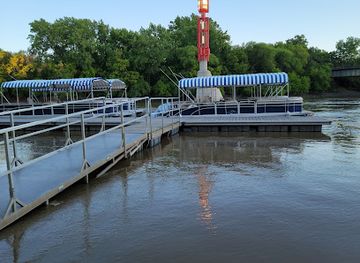
Assiniboine Park
Experience the natural beauty and cultural richness of Assiniboine Park, a must-visit urban oasis in Winnipeg offering gardens, art, and adventure.
-
Park
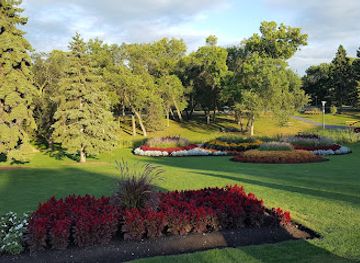
Kildonan Park
Discover the beauty of Kildonan Park in Winnipeg, a picturesque urban park perfect for outdoor activities, picnics, and family fun amidst stunning landscapes.
-
Tourist attraction
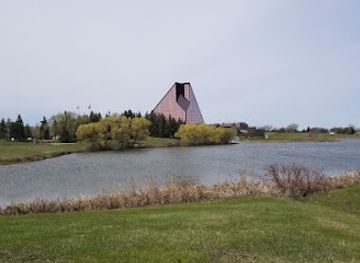
Royal Canadian Mint
Discover the Royal Canadian Mint, where art meets currency in a captivating journey through Canada’s monetary history.
Explore Pembina Valley on the map
Plan your trip on one map. See where the top cities, national parks and sights are, and book hotels and experiences in a few clicks.
Best hotels in Pembina Valley
Best restaurants in Pembina Valley
Dining in the Pembina Valley reflects southern Manitoba's farming economy and the region's Mennonite, German-speaking and francophone influences. Expect hearty home-style cooking, breads, pies, preserves, poultry, pork, beef, seasonal vegetables and baking made with locally familiar ingredients. Mennonite-influenced traditions are particularly visible in community suppers, market stalls and family-run food businesses, although recipes and practices vary between households and communities. Morden, Winkler and Altona offer the widest choice of cafés, casual restaurants, bakeries and international food, while smaller towns are more likely to centre their dining around cafés, hotel restaurants, diners and community events. Farmers' markets and seasonal stands are useful places to find prairie produce, preserves and baked goods when operating. Restaurant hours and dining choices become more limited outside the main towns, especially in the evening, so rural itineraries benefit from checking ahead and carrying provisions between stops.
-
Restaurant
JOEY Polo Park
Discover the vibrant dining scene at JOEY Polo Park—where modern cuisine meets a lively pub atmosphere in Winnipeg.
-
Modern Indian restaurant
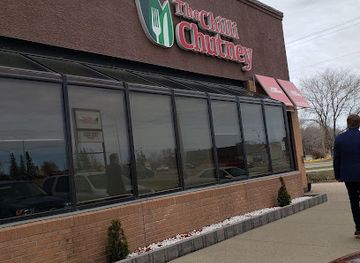
Chilli Chutney
Discover modern Indian cuisine at Chilli Chutney in Brandon – where tradition meets contemporary flair in every dish.
-
Family-friendly
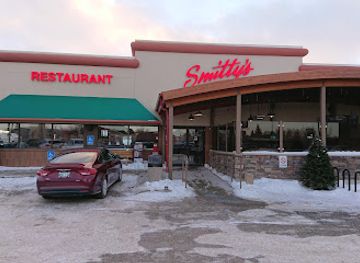
Smitty's Restaurant & Lounge - Winnipeg 2835 Pembina
Enjoy delicious meals from breakfast to late-night snacks at Smitty's Restaurant & Lounge in Winnipeg - perfect for families and friends!
-
Restaurant
IGI BBQ & Sushi Bistro
Experience authentic Japanese flavors at IGI BBQ & Sushi Bistro in Winnipeg—where sushi meets grill in a delightful dining atmosphere.

Best bars in Pembina Valley
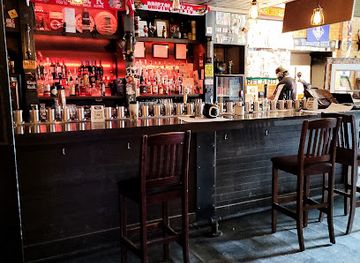
Evenings in the Pembina Valley are generally centred on restaurants, cafés, hotel lounges, breweries or traditional pubs rather than a large nightclub scene. Morden and Winkler have the broadest concentration of evening options, with community events, live performances and seasonal entertainment adding variety at particular times of year. Altona and the smaller towns offer a quieter social rhythm, often linked to local restaurants, sports, arts programming and community gatherings. Alcohol is not central to every aspect of regional life, and some communities have strong religious and family-oriented traditions that shape evening culture. Check current arrangements before travelling to a rural venue, as distances are considerable and smaller establishments may have limited or changing hours. Designated drivers and pre-arranged transport are important when moving between towns.
-
Pub
King's Head Pub
Discover the vibrant King's Head Pub in Winnipeg, where traditional pub charm meets modern flair and local flavors await.
-
Restaurant
Brazen Hall Kitchen & Brewery
Savor the best of Winnipeg's dining scene at Brazen Hall Kitchen & Brewery, where exceptional food meets unique craft beers.
-
Family-friendly
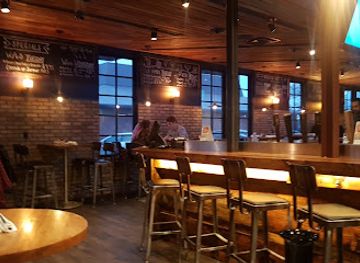
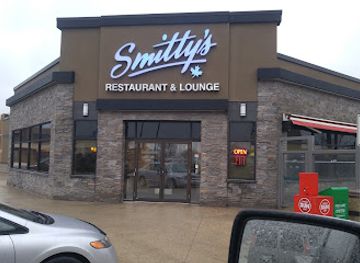
Smitty's Restaurant & Lounge - Winnipeg 580 Pembina
Smitty's Restaurant & Lounge in Winnipeg offers a delightful family-friendly atmosphere, serving breakfast, brunch, lunch, and evening meals with a sports bar vibe.
-
Family-friendly
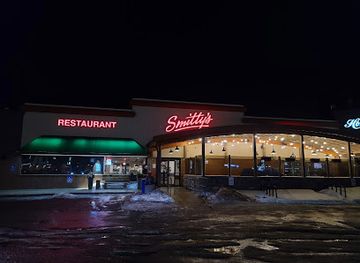
Smitty's Restaurant & Lounge - Winnipeg 2835 Pembina
Discover the family-friendly charm of Smitty's Restaurant & Lounge in Winnipeg, offering a diverse menu of breakfast, brunch, and more in a welcoming setting.
Best nightclubs in Pembina Valley
Evenings in the Pembina Valley are generally centred on restaurants, cafés, hotel lounges, breweries or traditional pubs rather than a large nightclub scene. Morden and Winkler have the broadest concentration of evening options, with community events, live performances and seasonal entertainment adding variety at particular times of year. Altona and the smaller towns offer a quieter social rhythm, often linked to local restaurants, sports, arts programming and community gatherings. Alcohol is not central to every aspect of regional life, and some communities have strong religious and family-oriented traditions that shape evening culture. Check current arrangements before travelling to a rural venue, as distances are considerable and smaller establishments may have limited or changing hours. Designated drivers and pre-arranged transport are important when moving between towns.
-
Bar
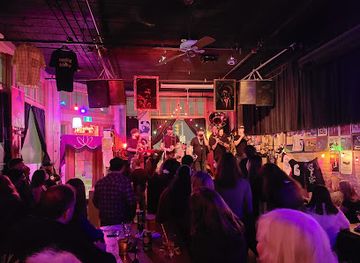
High And Lonesome Club
Discover the lively High And Lonesome Club in Winnipeg, where great drinks meet unforgettable live music in an inviting atmosphere.
-
Gay night club
Club 200
Discover Winnipeg's lively nightlife at Club 200, a welcoming gay nightclub with fantastic food & vibrant entertainment for all.
-
Night club
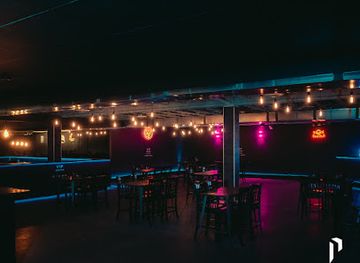
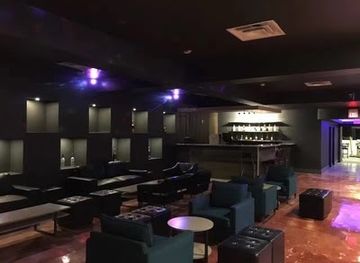
Obsidian Ultra Lounge
Discover Winnipeg's vibrant nightlife at Obsidian Ultra Lounge, where music, drinks, and a lively atmosphere come together for an unforgettable experience.
-
Karaoke bar
8KKM Karaoke
Experience the thrill of karaoke at 8KKM in Winnipeg, where you can sing your heart out and create unforgettable memories in a vibrant atmosphere.

Best shops in Pembina Valley
Shopping in the Pembina Valley is concentrated in Morden, Winkler and Altona, where visitors will find practical retail, independent businesses, cafés, galleries and services for a rural catchment area. Winkler has the broadest commercial role, while Morden combines everyday shopping with access to cultural venues and locally oriented businesses. Seasonal farmers' markets and community markets are the best places to look for baking, preserves, vegetables, honey and other prairie produce, although locations and operating dates vary. Craft shops, galleries and local exhibitions may offer paintings, pottery, textiles, woodwork and small-scale gifts connected with Manitoba artists and makers. In smaller communities, shopping is less about dedicated souvenir stores and more about finding produce, books, antiques, food specialties or locally made goods through established businesses and events. Plan rural shopping stops around opening days, and buy food supplies in the larger towns before travelling into the valley or more sparsely settled countryside.
-
Shopping mall
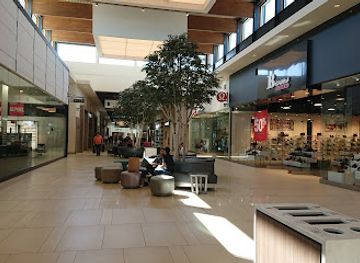
Outlet Collection Winnipeg
Discover unbeatable deals and diverse dining options at Outlet Collection Winnipeg, the ultimate shopping destination in Manitoba.
-
Shopping mall
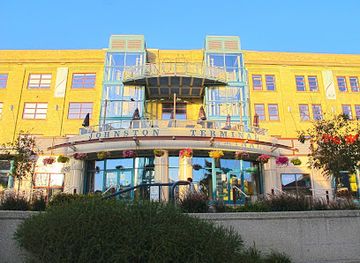
Johnston Terminal
Experience the essence of Winnipeg at Johnston Terminal, a vibrant shopping and cultural hub offering unique local shops and dining options.
-
Hobby store
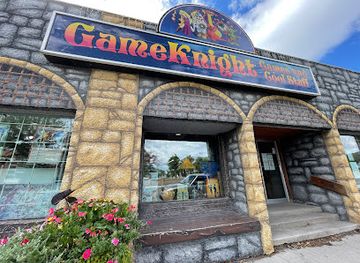
GameKnight Games
Explore the vibrant world of gaming at GameKnight Games, Winnipeg's premier hobby store for board games, miniatures, and trading cards.
-
Shopping mall
Pembina Village Shopping Centre
Experience the best of shopping at Pembina Village Shopping Centre in Winnipeg, offering diverse retail options, dining experiences, and essential services.
Get your free copy of our complete guide to Pembina Valley, delivered straight to you.
Everything on this page, from attractions and restaurants to essentials and local phrases, in one PDF you can read offline, print or share.
Already have an account? Sign in
Your Pembina Valley guide is ready.
We'll send it to · Not you? Sign out

Getting your guide ready…
We are putting together a fresh copy of the Pembina Valley guide. This can take up to a minute.
This can take a few moments. If your browser asks, choose Allow so the download can start. You'll find the guide in your Downloads folder.
Nothing happened? Download it again
Sorry, the guide is taking longer than usual. Please try again in a minute, or get it by email instead.
Pembina Valley essentials
Currency and Payment
Safety
Emergency Situations
Do's and Don'ts
Local Tips
From Eve
Local phrases worth knowing
You don't need to get them perfect. A few words go a long way, and locals appreciate the effort.
Basics
| English | Local | Say it |
|---|---|---|
| Hello | Hello | [Helo] |
| Goodbye | Goodbye | [Gudbye] |
| Yes | Yes | [Yes] |
| No | No | [No] |
| Please/You're welcome | Please/You're welcome | [Pleez/Yer welkum] |
| Thank you | Thank you | [Thenk yu] |
| Excuse me/Sorry | Excuse me/Sorry | [Ekskyooz me/Sori] |
| How are you? | How are you? | [Haw ar yu?] |
| Fine. And you? | Fine. And you? | [Fyn. And yu?] |
| Do you speak English? | Do you speak English? | [Du yu speek Inglish?] |
| I don't understand | I don't understand | [I dont understend] |
Eating & Drinking
| English | Local | Say it |
|---|---|---|
| I'd like to see the menu, please | I'd like to see the menu, please | [I'd lyk to see thuh meny, pleez] |
| I don't eat meat | I don't eat meat | [I dont eet meet] |
| Cheers! | Cheers! | [Cheerz!] |
| I would like to pay, please | I would like to pay, please | [I wud lyk to pay, pleez] |
Emergencies
| English | Local | Say it |
|---|---|---|
| Help! | Help! | [Help!] |
| Go away! | Go away! | [Go away!] |
| Call the Police! | Call the Police! | [Kol thuh Poliss!] |
| Call a doctor! | Call a doctor! | [Kol a doktor!] |
| I'm lost | I'm lost | [I'm lost] |
| I'm ill | I'm ill | [I'm il] |
Shopping
| English | Local | Say it |
|---|---|---|
| I'd like to buy... | I'd like to buy... | [I'd lyk to buy...] |
| I'm just looking | I'm just looking | [I'm just luking] |
| How much is it? | How much is it? | [How much iz it?] |
| That's too expensive | That's too expensive | [Thats too ikspensive] |
| Can you lower the price? | Can you lower the price? | [Kan yu lowr thuh prys?] |
Time & Numbers
| English | Local | Say it |
|---|---|---|
| What time is it? | What time is it? | [Wut tym iz it?] |
| It's one o'clock | It's one o'clock | [Its wun o'clock] |
| Half past (10) | Half past (10) | [Haf past (10)] |
| Morning | Morning | [Mornin] |
| Afternoon | Afternoon | [Afturnoon] |
| Evening | Evening | [Eveing] |
| Yesterday | Yesterday | [Yesturday] |
| Today | Today | [Tuday] |
| Tomorrow | Tomorrow | [Tomorow] |
| 1 | 1 | [Wun] |
| 2 | 2 | [Too] |
| 3 | 3 | [Three] |
| 4 | 4 | [For] |
| 5 | 5 | [Five] |
| 6 | 6 | [Six] |
| 7 | 7 | [Seven] |
| 8 | 8 | [Ate] |
| 9 | 9 | [Nine] |
| 10 | 10 | [Ten] |
Transport & Directions
| English | Local | Say it |
|---|---|---|
| Where's a/the...? | Where's a/the...? | [Wheres a/thuh...?] |
| What's the address? | What's the address? | [Wuts thuh address?] |
| Can you show me (on the map)? | Can you show me (on the map)? | [Kan yu sho me (on thuh map)?] |
| When's the next (bus)? | When's the next (bus)? | [Wen's thuh nekst (bus)?] |
| A ticket (to ....) | A ticket (to ....) | [A tikit (to....)] |
History of Pembina Valley
Indigenous Landscapes Before European Settlement
The Pembina Valley and the surrounding southern Manitoba plains have long been used by Indigenous peoples for travel, hunting, seasonal activity and exchange. The river valleys offered woodland, water and shelter within a grassland environment, while established trails connected the wider Red River and Pembina regions. Dakota, Anishinaabe and Cree histories, among others, form part of the area's deeper cultural landscape. European settlement did not replace this history; it took place within territories shaped by Indigenous presence, diplomacy, trade and later treaty relationships.
The Pembina River and the Fur Trade Era
The Pembina River corridor became part of the wider network linking Red River settlements, the prairie interior and the United States borderlands. Fur traders, Indigenous trading partners, surveyors and later settlers used river routes and overland trails to move people and goods. The region was never simply an isolated agricultural district: its position south of the Red River settlements connected it to commercial and political developments extending across present-day Manitoba and the northern Great Plains.
Mennonite Migration and Agricultural Settlement
From the 1870s, Mennonite immigrants from the Russian Empire established farming communities in southern Manitoba, including areas around the Pembina Valley and the West Reserve. They brought distinctive religious traditions, communal institutions and intensive farming practices, while adapting to prairie conditions. German-speaking Mennonite heritage remains visible in family histories, churches, cemeteries, foodways and settlement patterns. Other German, Ukrainian, French and British immigrants also contributed to the region's evolving rural society.
Railways, Towns and the Prairie Economy
Railway construction in the late nineteenth and early twentieth centuries transformed the region's geography. Stations and grain-handling points strengthened communities that developed into market towns, including Morden, Winkler and Altona, while farmers gained more reliable access to distant markets. Railways also encouraged migration, commercial services and the movement of agricultural equipment and supplies. Although roads and motor vehicles later became more important, the town-and-farm pattern created during the railway era still shapes the region.
Francophone and Multicultural Manitoba
French-speaking settlement has an important place in the Pembina Valley, particularly in communities such as Notre-Dame-de-Lourdes and St. Claude. Churches, schools, community organisations and family networks helped maintain francophone life within a predominantly rural setting. These communities developed alongside Mennonite, German-speaking and other immigrant settlements rather than in isolation from them. The result is a region where local identity may be expressed through different languages, denominations and cultural traditions within relatively short distances.
Fossils and the Cretaceous Inland Sea
The rocks and sediments of southern Manitoba preserve evidence of a time when much of the interior of North America was covered by the Western Interior Seaway. Marine reptiles and other fossils discovered near Morden demonstrate that the region's present prairie landscape was once a marine environment. The Canadian Fossil Discovery Centre has made this scientific heritage accessible to visitors and has helped establish Morden as a significant centre for understanding Manitoba's palaeontology.
Modern Agriculture and Regional Transformation
Agriculture remains central to the Pembina Valley economy, but the region has changed substantially through mechanisation, food processing, manufacturing, immigration and the growth of service industries. Morden and Winkler have developed as regional employment and retail centres, while smaller communities retain strong agricultural and community identities. Contemporary Pembina Valley is therefore neither an untouched rural landscape nor simply a farming district: it is a connected regional economy shaped by long-established settlement and continuing change.
Pembina Valley in Photos
Browse through our photo collection highlighting the charm and character of the destination.
Neighbouring regions of Pembina Valley
The closest regions to Pembina Valley, if you have time for more than one.
-

-

-

-

-


Swipe for more regions
Explore more

Explore more of Canada
Discover Canada's breathtaking landscapes, diverse cities, and rich cultural heritage. A must-visit destination for outdoor adventures and vibrant urban experiences.
Explore Canada