

Free Saskatchewan Travel Guide & Mobile App
Explore Saskatchewan with free travel guides. Discover regional history, expert tips, proposed trips, and audio guides on web or mobile app.


Explore Saskatchewan's prairie skies, Indigenous heritage, river cities, dark-sky parks, grasslands and northern lakes across a vast Canadian province.
Read more about Saskatchewan
When is the best time to visit Saskatchewan?
Best: June–August · 22–24°C| Month | High (°C) | Rainfall (mm) |
|---|---|---|
| January | -9 | 20 |
| February | -5 | 15 |
| March | 1 | 20 |
| April | 11 | 25 |
| May | 18 | 40 |
| June (best) | 22 | 60 |
| July (best) | 24 | 60 |
| August (best) | 23 | 60 |
| September | 17 | 40 |
| October | 10 | 25 |
| November | 0 | 20 |
| December | -7 | 20 |
Getting to and around Saskatchewan
How to get there
Transportation
Top city travel guides in Saskatchewan
The cities of Saskatchewan, and the easiest places to base yourself.
-
-

-


Swipe for more cities
Best attractions in Saskatchewan
Saskatchewan's attractions range from urban museums and galleries to wilderness reached by long roads, floatplanes or canoe routes. Regina's Royal Saskatchewan Museum and Saskatchewan Sports Hall of Fame provide different views of natural and human history, while the RCMP Heritage Centre interprets the national police force through its Saskatchewan setting. In Saskatoon, Wanuskewin Heritage Park offers archaeological and cultural interpretation, and the Meewasin valley provides trails along the South Saskatchewan River. Moose Jaw's Tunnels of Moose Jaw explore the city's contested Prohibition-era stories. Beyond the cities, Grasslands National Park protects mixed-grass prairie, rolling hills and badlands, with opportunities for hiking, wildlife watching and stargazing. Cypress Hills Interprovincial Park combines forested uplands, lakes and dark skies, while Prince Albert National Park offers beaches, woodland trails, canoeing and wildlife habitat. Historic Batoche and Fort Carlton bring Métis and fur-trade history into the landscape, and northern Saskatchewan opens into extensive fishing, paddling and boreal adventures.
-
Tourist attraction
South Saskatchewan River Weir
Experience the serene beauty of the South Saskatchewan River Weir in Saskatoon, a perfect blend of nature and urban charm for all visitors.
-
Tourist attraction
Beaver Creek Conservation Area
Explore the natural beauty and wildlife of Beaver Creek Conservation Area, a tranquil nature preserve near Saskatoon, perfect for outdoor enthusiasts and nature lovers.


Best landmarks in Saskatchewan
Saskatchewan's landmarks express both the geometry of the prairie and the deeper histories of its peoples. The Saskatchewan Legislative Building and its grounds form Regina's most recognisable civic ensemble, while Saskatoon's bridges and river valley give the city a distinctive visual identity. Wanuskewin Heritage Park, north of Saskatoon, is significant not only as a visitor site but as an archaeological and cultural landscape connected to Northern Plains Indigenous history. Batoche National Historic Site preserves Métis river-lot settlement patterns and places associated with the 1885 conflict; nearby Fort Carlton recalls the era of the fur trade and treaty-making. In the south-west, Grasslands National Park's eroded valleys and Frenchman River Valley reveal the structure of the mixed-grass prairie, while the elevated forested plateau of Cypress Hills stands prominently above surrounding farmland. In the north, the lakes and exposed rock of the Canadian Shield around La Ronge provide a different kind of landmark, defined by water, forest and geological time.
-
Heritage museum
Wanuskewin
Explore 6,000 years of Northern Plains Indigenous culture at this National Historic Site near Saskatoon, Saskatchewan.
-
Nature preserve
Beaver Creek Conservation Area
Explore diverse prairie habitats, hike scenic trails, and connect with nature at Beaver Creek Conservation Area, a treasure in Saskatoon's backyard.
-
Hotel
Stone Hall Castle
Experience medieval Europe in the heart of the Canadian Prairies. Discover art, history, and architectural wonder at Stone Hall Castle in Regina.
-
Tourist attraction
Motherwell Homestead National Historic Site
Experience prairie farm life from the 1900s at this national historic site, featuring a preserved homestead and stories of agricultural innovation.


Explore Saskatchewan on the map
Plan your trip on one map. See where the top cities, national parks and sights are, and book hotels and experiences in a few clicks.
Best hotels in Saskatchewan
Best restaurants in Saskatchewan
Saskatchewan dining reflects its agricultural base as well as the province's northern and Indigenous food traditions. Wheat, rye, lentils, peas and other pulses are important crops, while beef, bison, freshwater fish, berries and locally grown vegetables appear on menus and at seasonal markets. In Regina and Saskatoon, restaurants range from contemporary Canadian cooking and international cuisines to bakeries, cafés and breweries using regional ingredients; smaller towns are more likely to centre on family restaurants, diners, pubs and practical road-trip stops. Saskatoon berries are a familiar local product, although they are used in both traditional and modern ways rather than belonging to one single dish. Farmers' markets are useful places to find preserves, baking, honey and prairie produce, while northern communities may offer fish, game or berry products according to season and local availability. Visitors should distinguish Indigenous foods and cultural practices from generic 'prairie' branding and seek Indigenous-led food experiences where available.
-
Italian
The Old Spaghetti Factory (Saskatoon)
Experience authentic Italian cuisine at The Old Spaghetti Factory in Saskatoon - where every meal feels like a trip to Italy.
-
Restaurant
The Cave
Experience delicious pizzas and a cozy atmosphere at The Cave, Saskatoon's favorite family restaurant.
-
Canadian
Hearth Restaurant
Experience authentic Canadian cuisine at Hearth Restaurant in Saskatoon – where local ingredients meet culinary creativity.
-
Italian
Little Grouse on the Prairie
Experience exquisite Italian cuisine at Little Grouse on the Prairie in Saskatoon - where local flavors meet traditional recipes.



Best bars in Saskatchewan
Evening life is concentrated in Regina and Saskatoon, where pubs, breweries, cocktail bars, live-music rooms and restaurants serve students, residents and visitors. Saskatoon's river-adjacent central districts and Regina's established entertainment areas offer the broadest choice, although venues and opening arrangements change over time. Moose Jaw and other regional centres have traditional pubs, lounges, restaurants and occasional live entertainment rather than a large club scene. In rural Saskatchewan, evenings are more often spent at community events, hotel bars, local restaurants or around a campsite, with distances making advance transport planning important. Breweries and taprooms provide an opportunity to sample locally made beer without treating alcohol as the centre of the travel experience. During summer, festivals and outdoor performances can expand the cultural calendar, while winter nightlife is generally oriented towards indoor venues, music and dining.
-
Bar
Earls Kitchen + Bar
Discover culinary delights at Earls Kitchen + Bar in Saskatoon, where global flavors unite in a stylish and vibrant atmosphere.
-
Bar
Leopolds Tavern Saskatoon - Rosewood
Discover the vibrant atmosphere and unique culinary delights at Leopold's Tavern in Saskatoon, where craft drinks and local flavors converge.
-
Pub
Yard & Flagon
Discover the vibrant atmosphere of Yard & Flagon, Saskatoon's favorite pub and restaurant, where delicious food and local culture come together.
-
Pub
The Rook & Raven Pub
Experience the heart of Saskatoon at The Rook & Raven Pub, a cozy destination for delicious food and local brews.



Best nightclubs in Saskatchewan
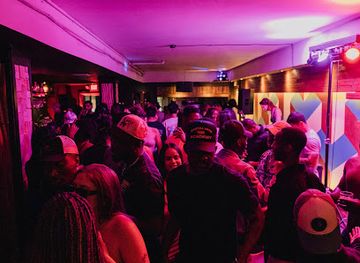
Evening life is concentrated in Regina and Saskatoon, where pubs, breweries, cocktail bars, live-music rooms and restaurants serve students, residents and visitors. Saskatoon's river-adjacent central districts and Regina's established entertainment areas offer the broadest choice, although venues and opening arrangements change over time. Moose Jaw and other regional centres have traditional pubs, lounges, restaurants and occasional live entertainment rather than a large club scene. In rural Saskatchewan, evenings are more often spent at community events, hotel bars, local restaurants or around a campsite, with distances making advance transport planning important. Breweries and taprooms provide an opportunity to sample locally made beer without treating alcohol as the centre of the travel experience. During summer, festivals and outdoor performances can expand the cultural calendar, while winter nightlife is generally oriented towards indoor venues, music and dining.
-
Bar
PiNK Bar and Lounge
PiNK Bar and Lounge - Saskatoon's ultimate nightlife experience with dancing, karaoke, and a vibrant atmosphere.
-
Night club
Penrose YXE
Dive into the vibrant nightlife at Penrose YXE, Saskatoon's premier night club offering unforgettable dance experiences and exciting events.
-
Night club
Q Nightclub And Lounge
Discover the vibrant nightlife at Q Nightclub And Lounge, Regina's premier LGBTQ+ venue for unforgettable events and electrifying music.
-
Night club
Buds On Broadway
Discover the vibrant nightlife at Buds On Broadway, Saskatoon's premier night club offering great drinks, lively music, and unforgettable experiences.



Best shops in Saskatchewan
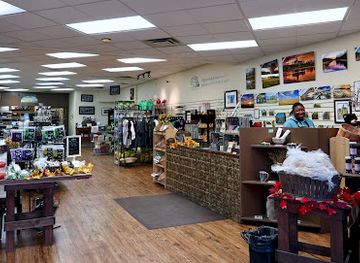
Shopping in Saskatchewan is concentrated in Regina and Saskatoon, where established high streets, suburban retail areas, independent boutiques, bookshops, galleries and food retailers provide the widest selection. Smaller centres such as Moose Jaw and Prince Albert have local shops and practical services alongside increasingly varied cafés and galleries. Farmers' markets, seasonal roadside stands and farm shops are good places to find prairie grains, pulses, preserves, honey, baking and Saskatoon berry products, subject to season and availability. Galleries and craft shops may offer paintings, pottery, jewellery, textiles and woodwork by Saskatchewan artists, while Indigenous-owned businesses provide contemporary art, beadwork and other products with distinct cultural contexts. Buy directly from artists where possible and ask about provenance rather than treating sacred or culturally specific designs as generic souvenirs. Shopping is generally more useful for regional food and locally made craft than for luxury retail, particularly outside the two largest cities.
-
National park
Grasslands National Park
Explore the breathtaking landscapes and rich biodiversity of Grasslands National Park, a unique gem in Saskatchewan's natural heritage.
-
Gift shop
Glitch Gifts and Novelties
Explore Glitch Gifts and Novelties in Saskatoon, a must-visit gift shop for unique souvenirs, artistic handicrafts, and delightful sweets.
-
Book store
Shop USask
Discover a treasure trove of books and unique University merchandise at Shop USask, the ultimate shopping destination in Saskatoon.
-
Gourmet grocery store
SaskMade Marketplace
Discover the essence of Saskatchewan at SaskMade Marketplace, featuring local gourmet foods, unique gifts, and handmade souvenirs.


Get your free copy of our complete guide to Saskatchewan, delivered straight to you.
Everything on this page, from attractions and restaurants to essentials and local phrases, in one PDF you can read offline, print or share.
Already have an account? Sign in
Your Saskatchewan guide is ready.
We'll send it to · Not you? Sign out

Getting your guide ready…
We are putting together a fresh copy of the Saskatchewan guide. This can take up to a minute.
This can take a few moments. If your browser asks, choose Allow so the download can start. You'll find the guide in your Downloads folder.
Nothing happened? Download it again
Sorry, the guide is taking longer than usual. Please try again in a minute, or get it by email instead.
Saskatchewan essentials
Currency and Payment
Safety
Emergency Situations
Do's and Don'ts
Local Tips
From Eve
Local phrases worth knowing
You don't need to get them perfect. A few words go a long way, and locals appreciate the effort.
Basics
| English | Local | Say it |
|---|---|---|
| Hello | Hello | [həˈloʊ] |
| Goodbye | Goodbye | [ɡʊdˈbaɪ] |
| Yes | Yeah | [jɛ] |
| No | Nope | [noʊp] |
| Please/You're welcome | Please/No problem | [pliːz/ˈnoʊ ˈprɑːbləm] |
| Thank you | Thanks | [θæŋks] |
| Excuse me/Sorry | Excuse me/Sorry | [ɪkˈskjuːz mi/ˈsɔːri] |
| How are you? | How's it going? | [haʊz ɪt ˈɡoʊɪŋ] |
| Fine. And you? | Good. And you? | [ɡʊd. ənd juː] |
| Do you speak English? | Do you know English? | [duː juː noʊ ˈɪŋɡlɪʃ] |
| I don't understand | I don't get it | [aɪ doʊnt ɡɛt ɪt] |
Eating & Drinking
| English | Local | Say it |
|---|---|---|
| I'd like to see the menu, please | Can I see the menu, please? | [kæn aɪ siː ðə ˈmɛnju, pliːz] |
| I don't eat meat | I'm a vegetarian | [aɪm ə ˌvɛdʒɪˈtɛəriən] |
| Cheers! | Cheers! | [tʃɪrz] |
| I would like to pay, please | Can I get the bill, please? | [kæn aɪ ɡɛt ðə bɪl, pliːz] |
Emergencies
| English | Local | Say it |
|---|---|---|
| Help! | Help! | [hɛlp] |
| Go away! | Leave me alone! | [liːv mi əˈloʊn] |
| Call the Police! | Call the cops! | [kɔːl ðə kɑps] |
| Call a doctor! | Get a doctor! | [ɡɛt ə ˈdɑktər] |
| I'm lost | I'm turned around | [aɪm tɜrnd əˈraʊnd] |
| I'm ill | I'm not feeling well | [aɪm nɑt ˈfiːlɪŋ wɛl] |
Shopping
| English | Local | Say it |
|---|---|---|
| I'd like to buy... | I'm looking to buy... | [aɪm ˈlʊkɪŋ tə baɪ] |
| I'm just looking | Just browsing, thanks | [dʒʌst ˈbraʊzɪŋ, θæŋks] |
| How much is it? | What's the price? | [wɑːts ðə praɪs] |
| That's too expensive | That's a bit pricey | [ðæts ə bɪt ˈpraɪsi] |
| Can you lower the price? | Can you give me a better price? | [kæn juː ɡɪv miː ə ˈbɛtər praɪs] |
Time & Numbers
| English | Local | Say it |
|---|---|---|
| What time is it? | What time is it? | [wɑːt taɪm ɪz ɪt] |
| It's one o'clock | It's one o'clock | [ɪts wʌn əˈklɑk] |
| Half past (10) | Half past ten | [hæf pæst tɛn] |
| Morning | Morning | [ˈmɔrnɪŋ] |
| Afternoon | Afternoon | [ˌæftərˈnun] |
| Evening | Evening | [ˈiːvnɪŋ] |
| Yesterday | Yesterday | [ˈjɛstərdeɪ] |
| Today | Today | [təˈdeɪ] |
| Tomorrow | Tomorrow | [təˈmɔroʊ] |
| 1 | One | [wʌn] |
| 2 | Two | [tuː] |
| 3 | Three | [θriː] |
| 4 | Four | [fɔr] |
| 5 | Five | [faɪv] |
| 6 | Six | [sɪks] |
| 7 | Seven | [ˈsɛvən] |
| 8 | Eight | [eɪt] |
| 9 | Nine | [naɪn] |
| 10 | Ten | [tɛn] |
Transport & Directions
| English | Local | Say it |
|---|---|---|
| Where's a/the...? | Where's the...? | [wɛrz ðə] |
| What's the address? | What's the address? | [wɑːts ði ˈædrɛs] |
| Can you show me (on the map)? | Can you point it out on the map? | [kæn juː pɔɪnt ɪt aʊt ɑn ðə mæp] |
| When's the next (bus)? | When's the next bus? | [wɛnʔs ðə nɛkst bʌs] |
| A ticket (to ....) | A ticket to... | [ə ˈtɪkɪt tə] |
History of Saskatchewan
Ancient Plains and Indigenous Homelands
Saskatchewan contains archaeological evidence of human presence extending back thousands of years, including sites associated with bison hunting, seasonal movement and long-established trade networks. The province lies within the homelands of Cree, Saulteaux, Dakota, Lakota, Dene and Métis peoples, among others. Rivers, grasslands and forests supported varied economies and cultural practices rather than a single way of life. Wanuskewin Heritage Park near Saskatoon preserves an important archaeological landscape, while many contemporary communities maintain active cultural, linguistic and political connections to their ancestral territories.
Fur Trade and River Networks
From the late eighteenth century, European and Canadian fur-trade companies established posts and routes across the Saskatchewan River system and northern forests. Trading relationships depended on Indigenous knowledge, transportation skills and diplomatic agreements, and Métis communities became central to the movement of goods and people. Fort Carlton and nearby historic landscapes recall this era, when the region connected the interior plains with larger commercial networks. The fur trade did not replace existing Indigenous economies; it became one element in a complex and often unequal process of exchange and colonial expansion.
Métis Resistance and Batoche
The South Saskatchewan River settlements developed strong Métis communities whose residents farmed river lots, hunted and traded while maintaining distinctive social and cultural traditions. In 1885, tensions over land, representation and federal policy contributed to the North-West Resistance, centred in part on Batoche. Government forces defeated the Métis and their allies after the Battle of Batoche, and the aftermath brought severe consequences for Métis communities and First Nations. Batoche National Historic Site now interprets the settlement, the conflict and the continuing significance of Métis history.
Treaties, Settlement and the Railway
During the nineteenth century, the Crown entered numbered treaties with First Nations across what is now Saskatchewan, while colonial policies and later legislation profoundly restricted Indigenous autonomy and land use. From the 1870s onwards, the Canadian Pacific Railway and other rail connections encouraged agricultural settlement, town building and the arrival of immigrants from many parts of Europe and elsewhere. New communities, grain elevators and surveyed farmland transformed the southern landscape, but this development rested on dispossession and enduring treaty responsibilities that remain central to public life.
The Creation of the Province, 1905
Saskatchewan became a province of Canada in 1905, with Regina selected as its capital and Saskatoon emerging as a major educational, commercial and agricultural centre. Early provincial institutions reflected the priorities of a rapidly settled farming society, including schools, railways and grain marketing systems. The legislature in Regina and surviving historic districts provide visible reminders of this formative period. Provincial identity developed around agriculture and prairie self-government, while northern districts followed different economic and demographic paths.
Depression, Drought and Prairie Resilience
The drought and economic collapse of the 1930s brought severe hardship to southern Saskatchewan, where poor harvests, soil erosion and falling commodity prices forced many families to leave their farms. Government relief, new agricultural practices and changing approaches to soil conservation gradually reshaped rural life. The period left a lasting imprint on literature, family memories and prairie politics. It also encouraged later efforts to diversify the provincial economy and reduce dependence on a single agricultural cycle.
Resource Development and a Changing North
After the Second World War, Saskatchewan's economy expanded beyond grain farming through potash mining, uranium production, oil, natural gas, forestry and public-sector growth. Resource development brought investment and new communities but also raised questions about environmental protection, labour and Indigenous rights. Northern Saskatchewan remains culturally and geographically distinct from the settled south, with many communities connected by air, roads, lakes and winter routes rather than a continuous urban network. Today, agriculture and resources continue alongside tourism, research, arts and Indigenous economic development.
Saskatchewan in Photos
Browse through our photo collection highlighting the charm and character of the destination.
Neighbouring regions of Saskatchewan
The closest regions to Saskatchewan, if you have time for more than one.
-

-

-

-

-


Swipe for more regions
Explore more
Explore more of Canada
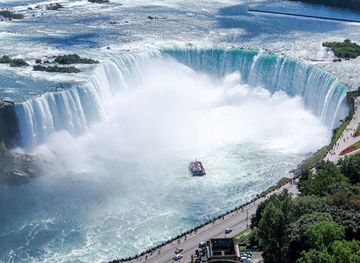
Discover Canada's breathtaking landscapes, diverse cities, and rich cultural heritage. A must-visit destination for outdoor adventures and vibrant urban experiences.
Explore Canada