

Free Interlake Region Travel Guide & Mobile App
Explore Interlake Region with free travel guides. Discover regional history, expert tips, proposed trips, and audio guides on web or mobile app.


Explore Manitoba’s Interlake Region for Icelandic heritage, lakeside towns, wetlands, wildlife, prairie landscapes and outdoor adventures.
Read more about Interlake Region
When is the best time to visit Interlake Region?
Best: June–August · 24–27°C| Month | High (°C) | Rainfall (mm) |
|---|---|---|
| January | -10 | 30 |
| February | -7 | 25 |
| March | 1 | 30 |
| April | 12 | 35 |
| May | 20 | 45 |
| June (best) | 24 | 55 |
| July (best) | 27 | 60 |
| August (best) | 25 | 55 |
| September | 19 | 45 |
| October | 11 | 35 |
| November | 3 | 30 |
| December | -5 | 25 |
Getting to and around Interlake Region
How to get there
Transportation
Best attractions in Interlake Region
Interlake attractions are spread across a large rural landscape rather than concentrated in one resort town. Gimli combines a harbour, beach, public art, the New Iceland Heritage Museum and cultural programming linked to Manitoba’s Icelandic community. Selkirk and the southern Interlake offer river heritage and access to Lower Fort Garry, while Stonewall presents the region’s limestone and quarrying story through its heritage landscapes. Oak Hammock Marsh is a major draw for birdwatchers, walkers and visitors interested in prairie wetlands. Hecla-Grindstone Provincial Park provides beaches, woodland, trails, boating opportunities and island scenery on Lake Winnipeg, with historic settlement traces adding cultural depth. Around Narcisse, seasonal wildlife viewing centres on the famous red-sided garter snake dens. Smaller communities, farm roads and lakeshore settlements contribute museums, cafés, local events and fishing access, while the open terrain supports cycling, kayaking, hiking, snowmobiling and cross-country skiing when conditions allow.
-
Tourist attraction
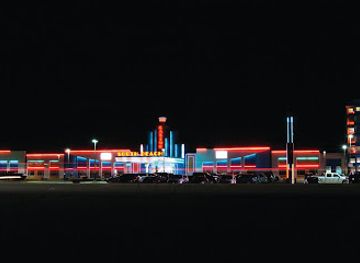
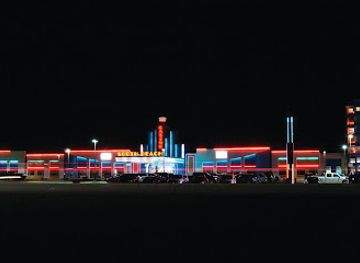
South Beach Casino & Resort
Experience the vibrant blend of gaming, dining, and relaxation at South Beach Casino & Resort in beautiful Scanterbury, Manitoba.
-
Tourist attraction
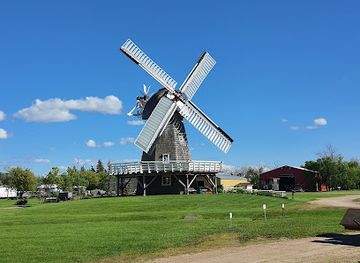
Mennonite Heritage Village
Discover the rich history and culture of the Mennonite community at Mennonite Heritage Village in Steinbach, Manitoba.
-
Tourist attraction
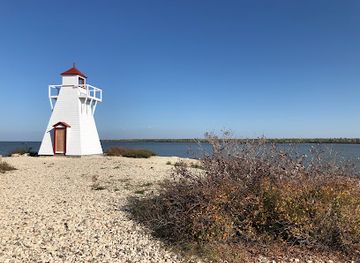
Hecla-Grindstone Provincial Park
Explore the breathtaking landscapes and outdoor adventures at Hecla-Grindstone Provincial Park in Manitoba, a perfect getaway for nature lovers and thrill-seekers.
-
Tourist attraction
Stonewall Quarry Park
Explore the breathtaking Stonewall Quarry Park – a perfect blend of history, nature, and adventure in Manitoba.
Best landmarks in Interlake Region
Lower Fort Garry near Selkirk is among the Interlake’s most consequential historic landmarks. Its substantial limestone structures preserve the setting of a Hudson’s Bay Company post and the site associated with the signing of Treaty 1, linking the region to Indigenous diplomacy, colonial commerce and the formation of Manitoba. In Gimli, the harbour, lakeside pier, public Viking sculpture and nearby New Iceland heritage sites express the community’s Icelandic identity and its continuing relationship with Lake Winnipeg. Hecla-Grindstone’s island shorelines and wooded headlands are natural landmarks as well as recreational landscapes, while Oak Hammock Marsh represents the ecological importance of restored prairie wetland. Stonewall’s quarry landscapes and limestone buildings embody the geology and industrial history of southern Interlake communities. Near Narcisse, the karst terrain and snake dens form a landmark of both scientific and wildlife interest, best appreciated without disturbing the animals.
-
Casino
South Beach Casino & Resort
Discover excitement at South Beach Casino & Resort in Manitoba, where gaming, dining, and relaxation await in a stunning beachfront setting.
-
State park
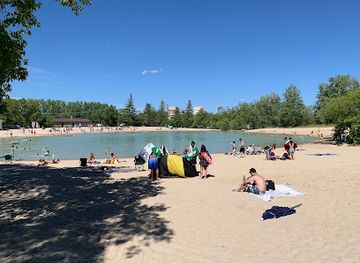
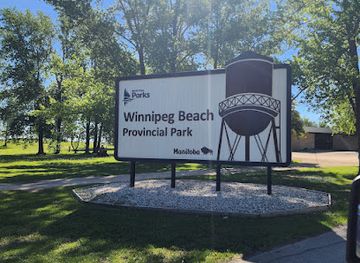
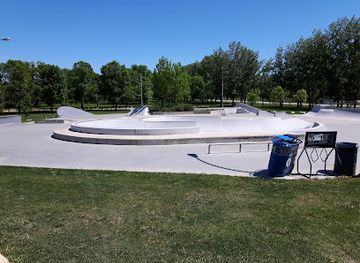
Winnipeg Beach Provincial Park
Experience the tranquil beauty of Winnipeg Beach Provincial Park, a natural haven for outdoor enthusiasts and families seeking adventure in Manitoba.
-
Park
Selkirk Park
Discover history and outdoor fun at Selkirk Park, a scenic destination on the Red River offering year-round activities and attractions.
-
Hotel
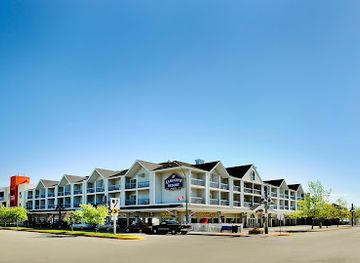
Lakeview Gimli Resort
Experience lakeside relaxation and Icelandic heritage at Lakeview Gimli Resort, your perfect getaway on the shores of Lake Winnipeg.
Explore Interlake Region on the map
Plan your trip on one map. See where the top cities, national parks and sights are, and book hotels and experiences in a few clicks.
Best hotels in Interlake Region
Best restaurants in Interlake Region
Dining in the Interlake reflects its lakes, farms and immigrant settlement history. Pickerel, the regional name commonly used for walleye, appears in many Manitoba fish restaurants and seasonal menus, while freshwater catches, smoked fish and simple lakeside cooking are particularly associated with communities around Lake Winnipeg. Gimli and other larger centres offer cafés, bakeries, pubs and family restaurants, with Icelandic-influenced baking and treats forming an important part of local food culture. Ukrainian and broader prairie traditions can also be found in home-style cooking, community suppers and independent businesses. Farm stands and seasonal markets provide vegetables, preserves and baked goods during the growing season, although opening days vary. In rural districts, options may be widely spaced and early closing is more common than in Winnipeg, so visitors should plan meals around driving routes rather than expecting a continuous restaurant strip.
-
Hotel
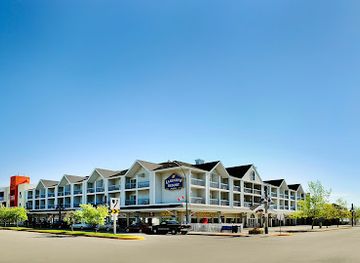
Lakeview Gimli Resort
Discover lakeside luxury at Lakeview Gimli Resort - your perfect getaway in Manitoba with stunning views and exceptional amenities.
-
Restaurant
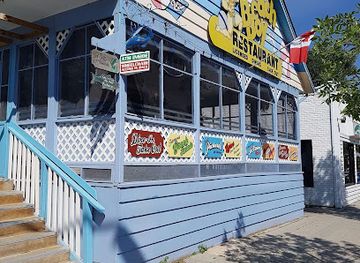
Beach Boy Restaurant
Experience fresh seafood and delightful dining at Beach Boy Restaurant in scenic Gimli - where every meal feels like a vacation!
-
Restaurant
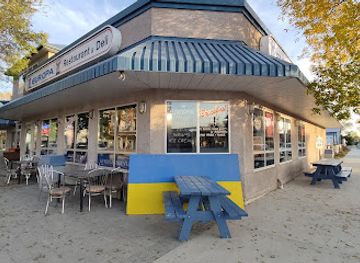
Europa
Experience delightful international cuisine at Europa in Gimli - where local ingredients meet global flavors in a cozy setting.
-
Pizza
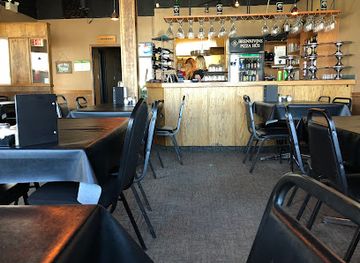
Brennivins Pizza Hus
Discover authentic Italian cuisine at Brennivins Pizza Hus in Gimli—where delicious pizzas meet warm hospitality in the heart of Manitoba.
Best bars in Interlake Region
Nightlife in the Interlake is modest and community-oriented rather than centred on large clubs. Gimli provides the broadest choice of evening pubs, restaurants and seasonal lakeside activity, while Selkirk, Stonewall and other larger towns have local bars, lounges and venues associated with community events. Traditional pubs are generally more significant than nightclubs, and live music, festivals, curling or hockey gatherings and summer waterfront events may shape evening life. Smaller settlements rely on social clubs, licensed halls and occasional performances, with schedules changing through the year. Visitors should not assume late-night transport between communities, particularly after drinking; arrange a taxi, designated driver or accommodation nearby. Breweries, bars and restaurants can be enjoyable parts of an evening, but the region’s night-time character is equally defined by dark skies, quiet roads and lakeside walks where permitted.
-
Pub
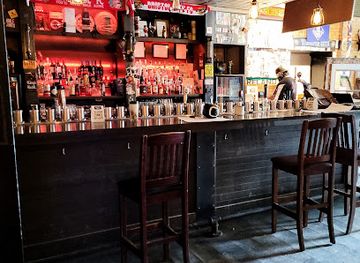
King's Head Pub
Discover the heart of Winnipeg at King's Head Pub: a perfect blend of local culture, lively atmosphere, and delicious cuisine in the city’s downtown.
-
Sports bar
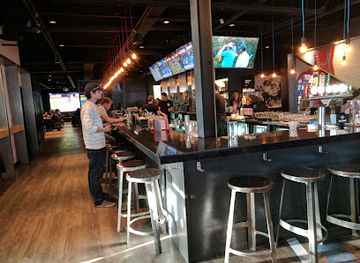
Underdogs
Experience the ultimate sports bar in Winnipeg at Underdogs, where great food, drinks, and live sports create unforgettable moments.
-
Pub
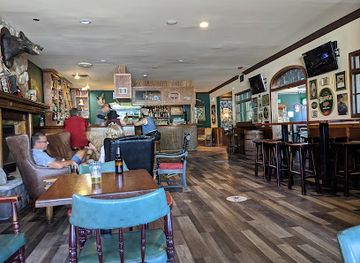
The Toad in the Hole
Discover The Toad in the Hole, a cozy pub in Winnipeg offering delicious food, a wide drink selection, and a warm, inviting atmosphere for all visitors.
-
Pub
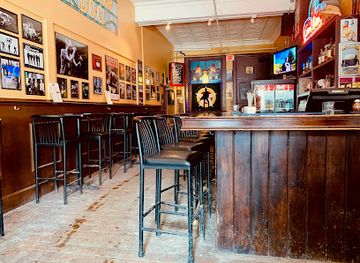
Yellow Dog Tavern
Discover the lively Yellow Dog Tavern in Winnipeg, where delicious food and local brews create the perfect atmosphere for relaxation and socializing.
Best nightclubs in Interlake Region
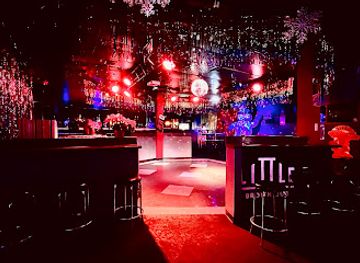
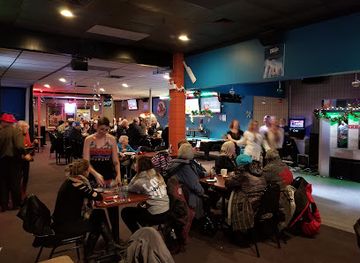
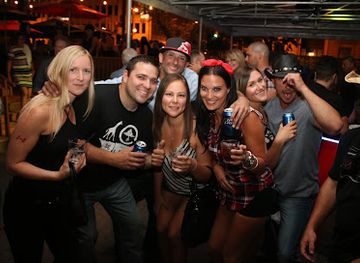
Nightlife in the Interlake is modest and community-oriented rather than centred on large clubs. Gimli provides the broadest choice of evening pubs, restaurants and seasonal lakeside activity, while Selkirk, Stonewall and other larger towns have local bars, lounges and venues associated with community events. Traditional pubs are generally more significant than nightclubs, and live music, festivals, curling or hockey gatherings and summer waterfront events may shape evening life. Smaller settlements rely on social clubs, licensed halls and occasional performances, with schedules changing through the year. Visitors should not assume late-night transport between communities, particularly after drinking; arrange a taxi, designated driver or accommodation nearby. Breweries, bars and restaurants can be enjoyable parts of an evening, but the region’s night-time character is equally defined by dark skies, quiet roads and lakeside walks where permitted.
-
Bar
High And Lonesome Club
Experience Winnipeg's vibrant nightlife at High And Lonesome Club, the ultimate bar and live music venue for unforgettable moments.
-
Gay night club
Club 200
Discover the vibrant nightlife at Club 200 in Winnipeg, the ultimate gay night club with great food, music, and an inclusive atmosphere.
-
Night club
On The Rocks Bar & Niteclub
Discover the vibrant nightlife at On The Rocks Bar & Niteclub, where great drinks and lively entertainment await in Selkirk, Manitoba.
-
Night club
World Famous Palomino Club
Discover the electric atmosphere of Winnipeg's Palomino Club, a premier night club featuring lively music, delicious drinks, and unforgettable nightlife experiences.

Best shops in Interlake Region
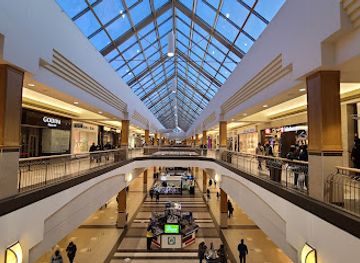
Shopping in the Interlake is concentrated in small-town high streets, independent shops, seasonal markets and businesses connected to local food production rather than large retail districts. Gimli has the region’s strongest visitor-oriented selection, including Icelandic-themed gifts, books, crafts, artwork and food products, while Selkirk and Stonewall provide practical shopping alongside independent cafés and services. Farmers’ markets, farm stands and community events may offer preserves, baking, vegetables, honey and handmade goods during the warmer months, but schedules are seasonal and should be checked locally. Regional souvenirs are best chosen for their connection to place: Icelandic cultural products, prairie foods, lake-related crafts, locally made art and books about Manitoba’s Indigenous, Métis, Icelandic or agricultural history. Visitors travelling into rural districts should stock up on essentials in larger towns, as retail choice becomes more limited between communities.
-
Shopping mall
CF Polo Park
Discover CF Polo Park, Winnipeg's top shopping mall with over 170 stores, diverse dining options, and a vibrant atmosphere for all visitors.
-
Shopping mall
Outlet Collection Winnipeg
Discover unbeatable deals and a diverse shopping experience at Outlet Collection Winnipeg, the premier outlet mall in Manitoba.
-
Shopping mall
Johnston Terminal
Experience the best of local shopping and dining at Johnston Terminal, Winnipeg's vibrant cultural hub.
-
Gift shop
Wild Things Unique Gifts
Explore Wild Things Unique Gifts in Assiniboine Park for a delightful array of locally crafted souvenirs and unique treasures to cherish forever.

Get your free copy of our complete guide to Interlake Region, delivered straight to you.
Everything on this page, from attractions and restaurants to essentials and local phrases, in one PDF you can read offline, print or share.
Already have an account? Sign in
Your Interlake Region guide is ready.
We'll send it to · Not you? Sign out

Getting your guide ready…
We are putting together a fresh copy of the Interlake Region guide. This can take up to a minute.
This can take a few moments. If your browser asks, choose Allow so the download can start. You'll find the guide in your Downloads folder.
Nothing happened? Download it again
Sorry, the guide is taking longer than usual. Please try again in a minute, or get it by email instead.
Interlake Region essentials
Currency and Payment
Safety
Emergency Situations
Do's and Don'ts
Local Tips
From Eve
Local phrases worth knowing
You don't need to get them perfect. A few words go a long way, and locals appreciate the effort.
Basics
| English | Local | Say it |
|---|---|---|
| Hello | Hello | [hɛloʊ] |
| Goodbye | Goodbye | [ɡʊdˈbaɪ] |
| Yes | Yes | [jɛs] |
| No | No | [noʊ] |
| Please/You're welcome | Please/You're welcome | [pliːz/jʊr ˈwɛlkəm] |
| Thank you | Thank you | [θæŋk ju] |
| Excuse me/Sorry | Excuse me/Sorry | [ɪkˈskjus mi/ˈsɔri] |
| How are you? | How are you? | [haʊ ɑr ju] |
| Fine. And you? | Fine. And you? | [faɪn. ənd ju] |
| Do you speak English? | Do you speak English? | [du ju spiːk ˈɪŋɡlɪʃ] |
| I don't understand | I don't understand | [aɪ doʊnt ˌʌndərˈstænd] |
Eating & Drinking
| English | Local | Say it |
|---|---|---|
| I'd like to see the menu, please | I'd like to see the menu, please | [aɪd laɪk tə si ðə ˈmɛnju, pliːz] |
| I don't eat meat | I don't eat meat | [aɪ doʊnt it miːt] |
| Cheers! | Cheers! | [ʧɪrz] |
| I would like to pay, please | I would like to pay, please | [aɪ wʊd laɪk tə peɪ, pliːz] |
Emergencies
| English | Local | Say it |
|---|---|---|
| Help! | Help! | [hɛlp] |
| Go away! | Go away! | [ɡoʊ əˈweɪ] |
| Call the Police! | Call the Police! | [kɔl ðə pəˈlis] |
| Call a doctor! | Call a doctor! | [kɔl ə ˈdɒktər] |
| I'm lost | I'm lost | [aɪm lɔst] |
| I'm ill | I'm ill | [aɪm ɪl] |
Shopping
| English | Local | Say it |
|---|---|---|
| I'd like to buy... | I'd like to buy... | [aɪd laɪk tə baɪ...] |
| I'm just looking | I'm just looking | [aɪm dʒʌst ˈlʊkɪŋ] |
| How much is it? | How much is it? | [haʊ mʌʧ ɪz ɪt] |
| That's too expensive | That's too expensive | [ðæts tuː ɪkˈspɛnsɪv] |
| Can you lower the price? | Can you lower the price? | [kæn ju ˈloʊər ðə praɪs] |
Time & Numbers
| English | Local | Say it |
|---|---|---|
| What time is it? | What time is it? | [wʌt taɪm ɪz ɪt] |
| It's one o'clock | It's one o'clock | [ɪts wʌn əˈklɑk] |
| Half past (10) | Half past (10) | [hæf pæst (10)] |
| Morning | Morning | [ˈmɔrnɪŋ] |
| Afternoon | Afternoon | [ˌæftərˈnun] |
| Evening | Evening | [ˈivnɪŋ] |
| Yesterday | Yesterday | [ˈjɛstərˌdeɪ] |
| Today | Today | [təˈdeɪ] |
| Tomorrow | Tomorrow | [təˈmɔroʊ] |
| 1 | 1 | [wʌn] |
| 2 | 2 | [tu] |
| 3 | 3 | [θri] |
| 4 | 4 | [fɔr] |
| 5 | 5 | [faɪv] |
| 6 | 6 | [sɪks] |
| 7 | 7 | [sɛvən] |
| 8 | 8 | [eɪt] |
| 9 | 9 | [naɪn] |
| 10 | 10 | [tɛn] |
Transport & Directions
| English | Local | Say it |
|---|---|---|
| Where's a/the...? | Where's a/the...? | [wɛr ɪz ə/ðə...?] |
| What's the address? | What's the address? | [wɒts ði ˈædrɛs] |
| Can you show me (on the map)? | Can you show me (on the map)? | [kæn ju ʃoʊ mi (ɒn ðə mæp)?] |
| When's the next (bus)? | When's the next (bus)? | [wɛn ɪz ðə nɛkst (bʌs)?] |
| A ticket (to ....) | A ticket (to ....) | [ə ˈtɪkɪt (tə ....)] |
History of Interlake Region
Indigenous Homelands and Lake Networks
Long before European settlement, the Interlake was travelled and inhabited by Indigenous peoples, including Anishinaabe, Cree and Dakota communities, as well as Métis families whose lives were connected to the lakes, rivers, wetlands and prairie. Waterways provided routes for travel, fishing and trade, while the region’s forests and grasslands supported hunting and gathering. Indigenous presence remains part of the region’s contemporary identity, and place-based knowledge continues to shape understandings of wildlife, seasonal change and the responsibilities associated with the land.
Fur Trade and Red River Connections
The southern Interlake became linked to the fur trade through the Red River and Lake Winnipeg drainage system. Lower Fort Garry, established by the Hudson’s Bay Company in the 1830s near present-day Selkirk, was a major site for commerce, administration and communication. The fort also hosted the signing of Treaty 1 in 1871. Its stone buildings provide an important reminder that the region’s history was shaped by Indigenous diplomacy, company authority, river transport and the expanding political framework of Canada.
New Iceland and the Settlement of Gimli
In 1875, Icelandic immigrants established New Iceland along the western shore of Lake Winnipeg, with Gimli becoming its principal community. The settlement faced difficult early conditions, including isolation, unfamiliar agricultural circumstances and disease, but gradually developed through fishing, farming, commerce and community organisation. Icelandic language, foodways, literature and cultural celebrations remain especially visible in Gimli and neighbouring communities. The story is also part of a broader history of Indigenous and Métis communities encountering, adapting to and being affected by new immigration and Canadian settlement policies.
Railways, Agriculture and Small-Town Development
During the late nineteenth and early twentieth centuries, railways and improved roads connected Interlake farms and lakeside settlements with Winnipeg and wider markets. Grain growing, livestock, fishing, quarrying and local commerce supported towns such as Stonewall, Teulon, Arborg and Ashern. Rail transport encouraged the movement of settlers and supplies, while agricultural institutions and cooperatives helped communities manage the region’s short growing season and variable soils. Many modern roads, town layouts and grain-related landscapes still reflect this period of rural development.
Quarrying, Limestone and Built Heritage
The Interlake’s limestone geology supported a significant quarrying tradition, particularly around Stonewall and other southern communities. Stone cut from local quarries contributed to buildings, walls and infrastructure in Manitoba, while quarry work created an important industrial livelihood alongside agriculture. The remains of quarry landscapes and the surviving stone architecture of historic settlements reveal how geology influenced both employment and visual character. Today, former quarry areas are interpreted through heritage sites and public landscapes rather than functioning solely as industrial spaces.
Conservation and Contemporary Recreation
In the twentieth and twenty-first centuries, parts of the Interlake increasingly became valued for conservation, wildlife research and recreation as well as production. Oak Hammock Marsh protects a major wetland and migration route, Hecla-Grindstone preserves island and shoreline environments, and the Narcisse Snake Dens have become an important site for public education about seasonal wildlife. Tourism now joins agriculture, fishing, forestry and local services as part of the regional economy. The continuing challenge is to provide access while protecting fragile wetlands, shorelines and wildlife habitats.
Interlake Region in Photos
Browse through our photo collection highlighting the charm and character of the destination.
Neighbouring regions of Interlake Region
The closest regions to Interlake Region, if you have time for more than one.
-

-

-

-

-


Swipe for more regions
Explore more
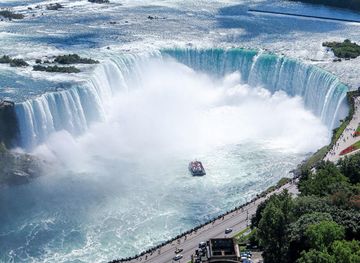
Explore more of Canada
Discover Canada's breathtaking landscapes, diverse cities, and rich cultural heritage. A must-visit destination for outdoor adventures and vibrant urban experiences.
Explore Canada