

Free Manitoba Travel Guide & Mobile App
Explore Manitoba with free travel guides. Discover regional history, expert tips, proposed trips, and audio guides on web or mobile app.


Explore Manitoba's prairie cities, boreal parks, Indigenous heritage, freshwater lakes and far-northern wildlife from Winnipeg to Churchill.
Read more about Manitoba
When is the best time to visit Manitoba?
Best: June–August · 24–26°C| Month | High (°C) | Rainfall (mm) |
|---|---|---|
| January | -10 | 20 |
| February | -8 | 15 |
| March | 1 | 20 |
| April | 11 | 25 |
| May | 19 | 45 |
| June (best) | 24 | 80 |
| July (best) | 26 | 75 |
| August (best) | 25 | 70 |
| September | 19 | 50 |
| October | 12 | 35 |
| November | 1 | 22 |
| December | -7 | 20 |
Getting to and around Manitoba
How to get there
Transportation
Top city travel guides in Manitoba
The cities of Manitoba, and the easiest places to base yourself.
-
-

-


Swipe for more cities
Best attractions in Manitoba
Manitoba's attractions range from urban museums and historic neighbourhoods to vast parks and remote wildlife destinations. Winnipeg's Forks interprets centuries of Indigenous trade, river travel and settlement, while the Canadian Museum for Human Rights, the Manitoba Museum and the Royal Aviation Museum of Western Canada provide major cultural and historical experiences. The Exchange District adds early twentieth-century architecture, galleries, theatres and restaurants. Outside the capital, Riding Mountain National Park offers hiking, cycling, lakes and wildlife in a forested upland setting, and Whiteshell Provincial Park is known for canoeing, granite shorelines, beaches and trails. The Interlake provides lakeside recreation, limestone landscapes and communities with strong cultural identities. Farther north, visitors can explore boreal scenery around Thompson and The Pas or join specialist trips to Churchill for polar bears, beluga whales and northern lights. Remote sites such as York Factory are historically significant but require careful logistical planning.
-
Historical landmark
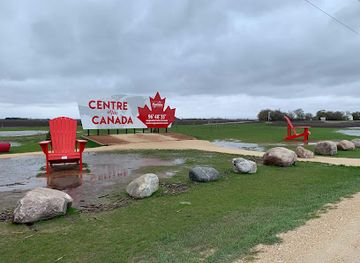
Centre of Canada Park
Explore the Centre of Canada Park in Taché, Manitoba – a historic landmark celebrating Canada's geographic heart amidst beautiful landscapes.
-
Historical landmark
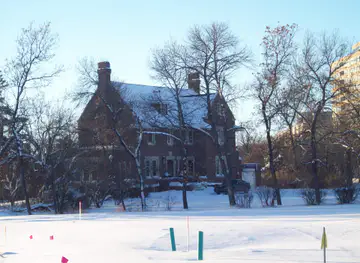
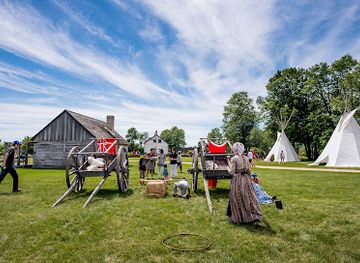
Lower Fort Garry National Historic Site
Discover the heritage of Canada's fur trade at Lower Fort Garry National Historic Site, a captivating blend of history, culture, and stunning architecture.
-
Nature preserve
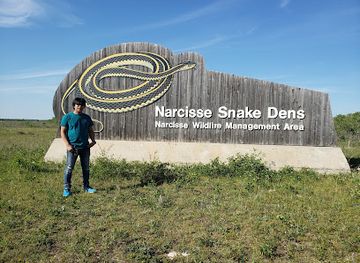
Narcisse Snake Dens
Experience the awe of Manitoba's Narcisse Snake Dens, where thousands of garter snakes gather in a spectacular natural display each spring.
-
Museum
Itsanitaq Museum
Explore the rich heritage and artistic brilliance of the Inuit at the Itsanitaq Museum in Churchill, Manitoba, a must-visit for cultural enthusiasts.

Best landmarks in Manitoba
Winnipeg's Manitoba Legislative Building is one of the province's most recognisable structures, noted for its monumental architecture and the Golden Boy statue above its dome. Nearby, The Forks marks the historic meeting of the Red and Assiniboine rivers, while the Esplanade Riel bridge provides a distinctive modern crossing over the Red River. The Exchange District preserves an extensive group of turn-of-the-century warehouses and commercial buildings that express Winnipeg's importance as a railway and wholesale centre. Lower Fort Garry, north of Winnipeg on the Red River, is a substantial stone fur-trade fort and an important surviving Hudson's Bay Company site. In the Interlake, the Icelandic heritage of Gimli is reflected in local public spaces and cultural institutions, while the Canadian Shield landscapes of Whiteshell Provincial Park provide a natural counterpoint to the prairie city. At the northern edge of the province's travel imagination, Churchill's setting on Hudson Bay is itself a landmark landscape, shaped by tides, tundra, seasonal ice and wildlife.
-
Museum
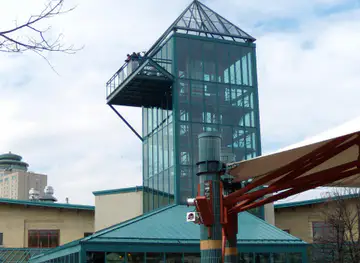
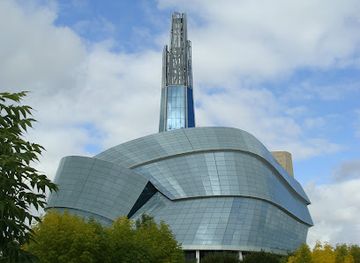
Canadian Museum for Human Rights
Discover the Canadian Museum for Human Rights in Winnipeg, a stunning architectural marvel dedicated to the promotion and exploration of human rights.
-
Natural history museum
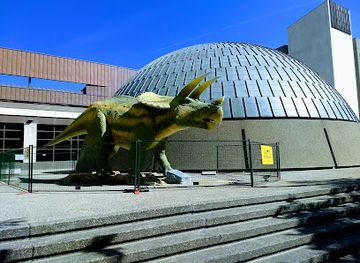
Manitoba Museum
Explore the Manitoba Museum in Winnipeg, where natural history, science, and culture come alive in an engaging and educational experience.
-
Park
Leo Mol Sculpture Garden
Explore the Leo Mol Sculpture Garden in Winnipeg, where art meets nature in a stunning outdoor paradise filled with over 300 captivating sculptures.
-
Park
Pinawa Dam Provincial Heritage Park
Discover the historical ruins and natural beauty of Manitoba's first hydroelectric dam, nestled on the scenic Winnipeg River.
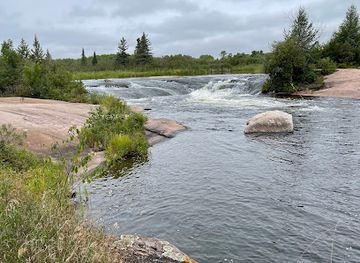
Explore Manitoba on the map
Plan your trip on one map. See where the top cities, national parks and sights are, and book hotels and experiences in a few clicks.
Best hotels in Manitoba
Best restaurants in Manitoba
Manitoba's dining culture draws on prairie agriculture, freshwater fisheries, Indigenous foodways and the cuisines of communities that settled in the province. Pickerel, often called walleye elsewhere in Canada, is a familiar freshwater choice, while wild rice, berries, grains, game and locally grown vegetables appear in contemporary cooking and seasonal markets. Winnipeg offers the widest range of restaurants, with Ukrainian, Jewish, Mennonite, Filipino, South Asian, East Asian and other traditions represented alongside Canadian and international dining. Bakeries and community restaurants are particularly useful for discovering dishes linked to migration and family traditions. In rural towns, cafés, diners, pubs and seasonal farm or lakeside establishments are more common than formal dining rooms. Around the Interlake and other lake districts, fish and casual summer food feature prominently, while northern communities offer distinct local food cultures that should be approached respectfully and not reduced to tourist specialities.
-
Restaurant
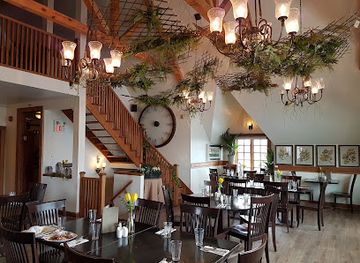
Pineridge Hollow
Explore Pineridge Hollow: A Unique Blend of Dining, Shopping & Nature in Manitoba's West Pine Ridge.
-
Fine Dining
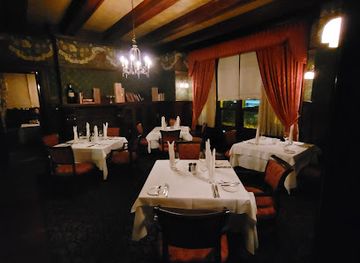
529 Wellington Steakhouse
Experience unparalleled fine dining at 529 Wellington Steakhouse—Winnipeg's premier destination for steak lovers seeking elegance.
-
Restaurant
Cibo Waterfront Cafe
Discover exquisite flavors at Cibo Waterfront Cafe in Winnipeg – where culinary delights meet breathtaking waterfront views.
-
Restaurant
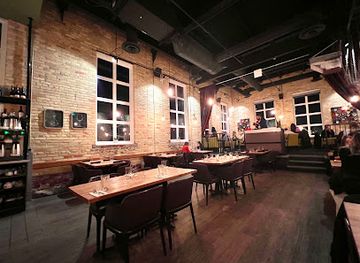
Jonesy's Restaurant + Lounge
Experience exquisite dining at Jonesy's Restaurant + Lounge in East Saint Paul with a diverse menu and inviting atmosphere.
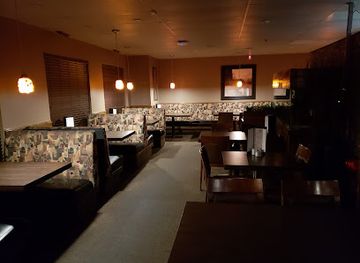
Best bars in Manitoba
Winnipeg is Manitoba's main centre for evening entertainment, with pubs, breweries, cocktail bars, live-music rooms, theatre venues and late-night establishments concentrated around central neighbourhoods and entertainment areas. The Exchange District and surrounding downtown streets are associated with heritage architecture and cultural events, while Osborne Village and other established neighbourhoods offer a more local mix of bars, restaurants and music. Brandon has a smaller but active evening scene shaped by students, live performance and community venues. Outside the cities, nightlife generally centres on pubs, hotel lounges, community events, restaurants and seasonal lakeside gatherings rather than large clubs. In resort and park areas, evenings are often spent around cabins, campfires or stargazing, subject to fire rules and weather. Opening arrangements, licensing rules and event schedules change, so current details should be checked locally.
-
Pub
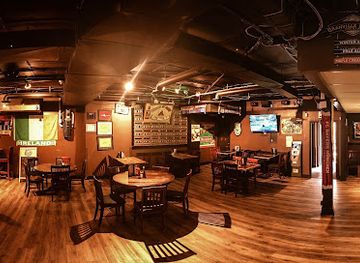
King's Head Pub
Discover the vibrant culture of Winnipeg at King’s Head Pub, a cozy spot for delicious food, local brews, and lively entertainment.
-
Sports bar
The Canadian Brewhouse (Winnipeg)
Discover the vibrant atmosphere of The Canadian Brewhouse in Winnipeg, your go-to spot for sports, food, and fun.
-
Bar
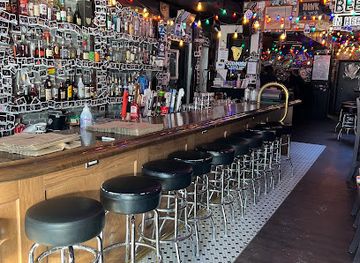
Leopold's Tavern Winnipeg - Osborne South
Discover the vibrant atmosphere of Leopold's Tavern in Winnipeg, a perfect spot for drinks, food, and local culture.
-
Pub
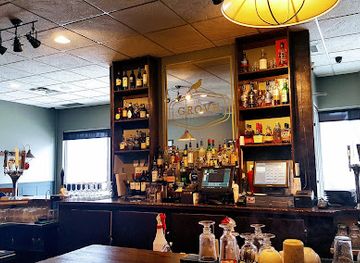
The Grove Pub & Restaurant
Experience the best of Winnipeg's culinary scene at The Grove Pub & Restaurant, where great food meets a lively atmosphere in Crescentwood.

Best nightclubs in Manitoba
Winnipeg is Manitoba's main centre for evening entertainment, with pubs, breweries, cocktail bars, live-music rooms, theatre venues and late-night establishments concentrated around central neighbourhoods and entertainment areas. The Exchange District and surrounding downtown streets are associated with heritage architecture and cultural events, while Osborne Village and other established neighbourhoods offer a more local mix of bars, restaurants and music. Brandon has a smaller but active evening scene shaped by students, live performance and community venues. Outside the cities, nightlife generally centres on pubs, hotel lounges, community events, restaurants and seasonal lakeside gatherings rather than large clubs. In resort and park areas, evenings are often spent around cabins, campfires or stargazing, subject to fire rules and weather. Opening arrangements, licensing rules and event schedules change, so current details should be checked locally.
-
Live Music
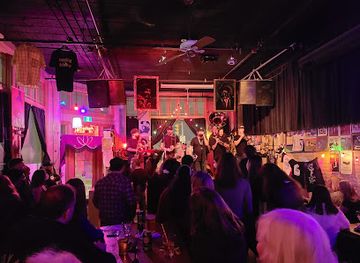
High And Lonesome Club
Discover Winnipeg's High And Lonesome Club: A premier live music venue and bar offering a vibrant atmosphere and exceptional musical talent.
-
Gay night club
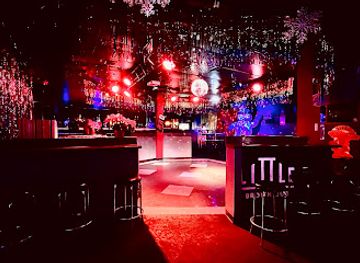
Club 200
Discover the lively atmosphere of Club 200, Winnipeg's premier gay night club known for its exciting drag shows and welcoming vibe.
-
Night club
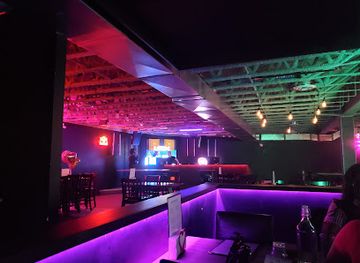
Obsidian Ultra Lounge
Discover Winnipeg's vibrant nightlife at Obsidian Ultra Lounge, a premier destination for music, drinks, and unforgettable experiences.
-
Night club
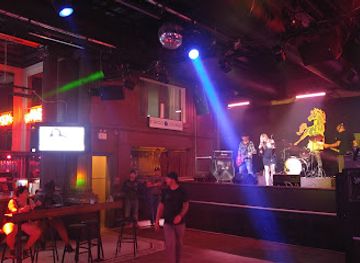
World Famous Palomino Club
Discover Winnipeg's vibrant nightlife at the World Famous Palomino Club, where music, drinks, and dancing create unforgettable experiences.
Best shops in Manitoba
Winnipeg provides Manitoba's broadest shopping choice, from the pedestrian-friendly sections of the Exchange District and independent stores in established neighbourhoods to large suburban retail centres. The Forks is a useful place to browse food producers, crafts, books, art and Indigenous-made goods, although visitors should check that cultural products are ethically sourced and accurately represented. The city's markets and specialist food shops reflect its immigrant communities as well as prairie produce. Outside Winnipeg, Brandon serves as a regional shopping centre, while towns such as Gimli, Steinbach and those around Riding Mountain combine practical high-street shopping with galleries, craft shops, antiques and seasonal produce. Rural and lakeside markets may offer preserves, baking, berries, wild rice, maple products and locally made items, but opening days can be seasonal. In northern communities, shopping is oriented more towards local needs, handmade art and regional supplies than extensive souvenir retail.
-
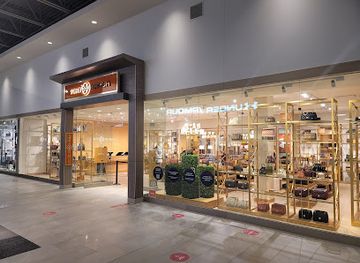
Shopping mall
Outlet Collection Winnipeg
Discover unbeatable bargains on designer brands at Outlet Collection Winnipeg, the ultimate shopping destination in Manitoba.
-
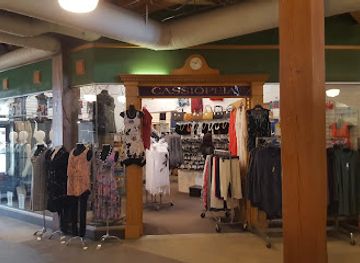
Shopping mall
Johnston Terminal
Explore Johnston Terminal in Winnipeg for a unique shopping experience filled with local culture, artisanal finds, and delicious eateries.
-
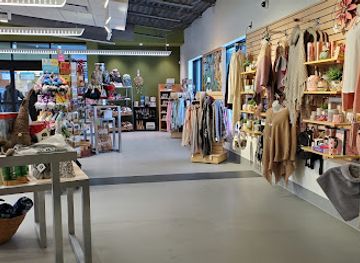
Gift shop
Wild Things Unique Gifts
Discover the charm of Winnipeg through unique gifts at Wild Things Unique Gifts, located in the beautiful Assiniboine Park.
-
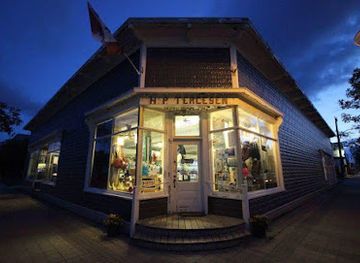
Gift shop
HP Tergesen & Sons
Explore HP Tergesen & Sons in Gimli: a treasure trove of unique gifts, fashion, and books celebrating local craftsmanship.
Get your free copy of our complete guide to Manitoba, delivered straight to you.
Everything on this page, from attractions and restaurants to essentials and local phrases, in one PDF you can read offline, print or share.
Already have an account? Sign in
Your Manitoba guide is ready.
We'll send it to · Not you? Sign out

Getting your guide ready…
We are putting together a fresh copy of the Manitoba guide. This can take up to a minute.
This can take a few moments. If your browser asks, choose Allow so the download can start. You'll find the guide in your Downloads folder.
Nothing happened? Download it again
Sorry, the guide is taking longer than usual. Please try again in a minute, or get it by email instead.
Manitoba essentials
Currency and Payment
Safety
Emergency Situations
Do's and Don'ts
Local Tips
From Eve
Local phrases worth knowing
You don't need to get them perfect. A few words go a long way, and locals appreciate the effort.
Basics
| English | Local | Say it |
|---|---|---|
| Hello | Hello | [həˈloʊ] |
| Goodbye | Goodbye | [ɡʊdˈbaɪ] |
| Yes | Yes | [jɛs] |
| No | No | [noʊ] |
| Please/You're welcome | Please/You're welcome | [pliːz/ jʊr ˈwɛlkəm] |
| Thank you | Thank you | [θæŋk juː] |
| Excuse me/Sorry | Excuse me/Sorry | [ɪkˈskjuːz mi/ ˈsɔːri] |
| How are you? | How are you? | [haʊ ɑːr juː] |
| Fine. And you? | Fine. And you? | [faɪn. ənd juː] |
| Do you speak English? | Do you speak English? | [duː juː spiːk ˈɪŋɡlɪʃ] |
| I don't understand | I don't understand | [aɪ doʊnt ˌʌndərˈstænd] |
Eating & Drinking
| English | Local | Say it |
|---|---|---|
| I'd like to see the menu, please | I'd like to see the menu, please | [aɪd laɪk tə siː ðə ˈmɛnjuː, pliːz] |
| I don't eat meat | I don't eat meat | [aɪ doʊnt iːt miːt] |
| Cheers! | Cheers! | [tʃɪrz] |
| I would like to pay, please | I would like to pay, please | [aɪ wəd laɪk tə peɪ, pliːz] |
Emergencies
| English | Local | Say it |
|---|---|---|
| Help! | Help! | [hɛlp] |
| Go away! | Go away! | [ɡoʊ əˈweɪ] |
| Call the Police! | Call the Police! | [kɔːl ðə pəˈliːs] |
| Call a doctor! | Call a doctor! | [kɔːl ə ˈdɑːktər] |
| I'm lost | I'm lost | [aɪm lɔst] |
| I'm ill | I'm ill | [aɪm ɪl] |
Shopping
| English | Local | Say it |
|---|---|---|
| I'd like to buy... | I'd like to buy... | [aɪd laɪk tə baɪ...] |
| I'm just looking | I'm just looking | [aɪm dʒʌst ˈlʊkɪŋ] |
| How much is it? | How much is it? | [haʊ mʌtʃ ɪz ɪt] |
| That's too expensive | That's too expensive | [ðæts tuː ɪkˈspɛnsɪv] |
| Can you lower the price? | Can you lower the price? | [kæn juː ˈloʊər ðə praɪs] |
Time & Numbers
| English | Local | Say it |
|---|---|---|
| What time is it? | What time is it? | [wʌt taɪm ɪz ɪt] |
| It's one o'clock | It's one o'clock | [ɪts wʌn əˈklɑːk] |
| Half past (10) | Half past (10) | [hæf pæst (10)] |
| Morning | Morning | [ˈmɔrnɪŋ] |
| Afternoon | Afternoon | [ˌæftərˈnun] |
| Evening | Evening | [ˈiːvnɪŋ] |
| Yesterday | Yesterday | [ˈjɛstərdeɪ] |
| Today | Today | [təˈdeɪ] |
| Tomorrow | Tomorrow | [təˈmɔːroʊ] |
| 1 | 1 | [wʌn] |
| 2 | 2 | [tuː] |
| 3 | 3 | [θriː] |
| 4 | 4 | [fɔːr] |
| 5 | 5 | [faɪv] |
| 6 | 6 | [sɪks] |
| 7 | 7 | [sɛvən] |
| 8 | 8 | [eɪt] |
| 9 | 9 | [naɪn] |
| 10 | 10 | [tɛn] |
Transport & Directions
| English | Local | Say it |
|---|---|---|
| Where's a/the...? | Where's a/the...? | [wɛrz ə/ðə...?] |
| What's the address? | What's the address? | [wʌts ði ˈædrɛs] |
| Can you show me (on the map)? | Can you show me (on the map)? | [kæn juː ʃoʊ miː (ɒn ðə mæp)?] |
| When's the next (bus)? | When's the next (bus)? | [wɛnʤ ðə nɛkst (bəs)?] |
| A ticket (to ....) | A ticket (to ....) | [ə ˈtɪkɪt (tuː ....)] |
History of Manitoba
First Peoples and Ancient Landscapes
Manitoba has been home to Indigenous peoples for thousands of years, including Anishinaabe, Cree, Dakota, Dene and Inuit communities, as well as the Red River Métis. The province's rivers, lakes and grasslands supported travel, fishing, hunting, gathering and trade long before European colonisation. Archaeological evidence and living cultural traditions demonstrate that these landscapes are not simply wilderness or scenery but places with continuing human histories. The meeting of the Red and Assiniboine rivers, now known as The Forks, was an important gathering and trading place and remains central to understanding Manitoba's past and present.
The Fur Trade and Hudson Bay
European commercial activity expanded in the late seventeenth century as French and British traders entered the inland river systems. The Hudson's Bay Company, founded in 1670, claimed a vast watershed draining into Hudson Bay, including much of present-day Manitoba. Forts and depots connected the bay coast with interior waterways, while Indigenous and Métis expertise made the trade possible. York Factory, on the Hayes River, became a major Hudson Bay Company post and remains an important archaeological and historical site, although it is remote and normally reached by organised transport rather than ordinary road travel.
Red River Settlement and Métis Society
The Red River Settlement developed around the junction of the Red and Assiniboine rivers from the early nineteenth century, attracting French-speaking Métis, Scottish settlers, retired fur traders and other communities. Métis society combined Indigenous and European roots, with distinctive political, linguistic and economic traditions. Long river lots, cart transport and seasonal buffalo hunts shaped the settlement's landscape. Sites such as Lower Fort Garry and the historic areas around Winnipeg preserve elements of this period, while Métis culture remains an active and important part of Manitoba's identity rather than only a subject of historical interpretation.
Louis Riel and the Creation of Manitoba
In 1869 and 1870, resistance by the Red River Métis to the transfer of Rupert's Land to Canada led to the Red River Resistance. Louis Riel emerged as a political leader, and negotiations produced the Manitoba Act, which created the province in 1870. The new province was much smaller than present-day Manitoba, centred on the Red River region, but its creation established key constitutional and cultural questions concerning land, language, education and Métis rights. Winnipeg's commemorative sites and the broader Red River landscape continue to reflect this formative period.
Railways, Immigration and Prairie Agriculture
The arrival and expansion of railways in the late nineteenth and early twentieth centuries connected Winnipeg with eastern Canada, ports and the western prairie. Rail transport encouraged immigration, settlement and grain farming, turning Winnipeg into a major distribution and financial centre. Ukrainian, Mennonite, Jewish, Icelandic, Polish and many other communities contributed to Manitoba's towns, farms and cultural life. Grain elevators, historic commercial buildings and surviving railway landscapes express this transformation, while the province's agricultural economy remains especially important across the southern plains and parkland.
Industrial Growth and Urban Change
During the twentieth century, Manitoba developed beyond agriculture through manufacturing, hydroelectricity, mining, transportation and public institutions. Winnipeg became a major industrial and administrative centre, while northern communities grew around forestry, mineral extraction and transport links. The province also experienced severe social and economic pressures, including the 1919 Winnipeg General Strike, whose events reflected wider struggles over wages, labour rights and political representation. Contemporary Manitoba combines this industrial legacy with service industries, education, cultural production and ongoing efforts to address colonialism and inequality.
Treaties, Reconciliation and Contemporary Manitoba
Treaty relationships, Indigenous sovereignty and the legacy of residential schools remain central to Manitoba's present. The National Centre for Truth and Reconciliation in Winnipeg preserves records and supports education about the residential-school system, while Indigenous nations and organisations lead cultural, political and economic initiatives across the province. Manitoba's recent history also includes continued Métis advocacy, northern community development and rapidly changing urban demographics. Visitors encounter these issues in museums, memorials, cultural centres and public conversations, and should approach them with attention to local guidance and living community perspectives.
Manitoba in Photos
Browse through our photo collection highlighting the charm and character of the destination.
Neighbouring regions of Manitoba
The closest regions to Manitoba, if you have time for more than one.
-

-

-

-

-


Swipe for more regions
Explore more
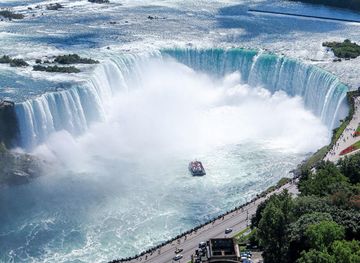
Explore more of Canada
Discover Canada's breathtaking landscapes, diverse cities, and rich cultural heritage. A must-visit destination for outdoor adventures and vibrant urban experiences.
Explore Canada