
Bamingui-Bangoran, Central African Republic Travel Guide
Discover the untouched wilderness and rich culture of Bamingui-Bangoran, Central African Republic, a paradise for nature lovers and adventurers alike.
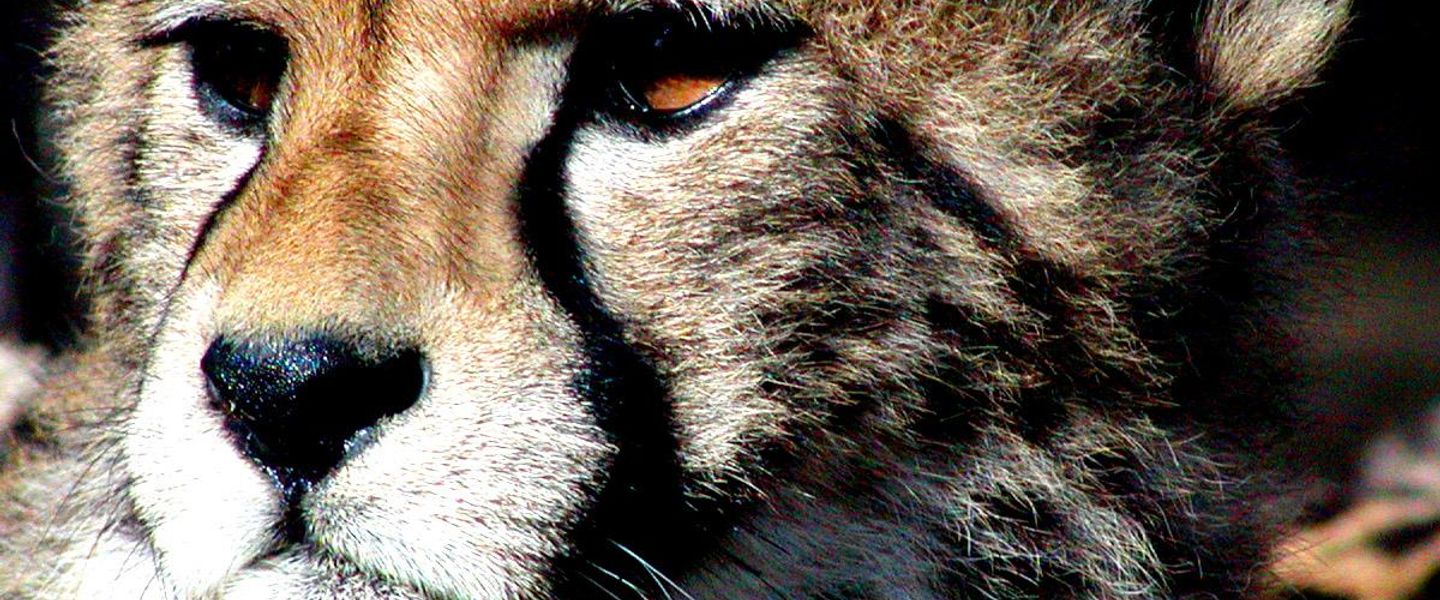
Bamingui-Bangoran is a hidden gem in the heart of Central African Republic. This region is a paradise for nature lovers and adventurers. It is home to the Bamingui-Bangoran National Park, which boasts a diverse range of wildlife. Here, you can see elephants, lions, and various species of birds in their natural habitat. The park's untouched savannahs and dense forests offer a serene escape from the hustle and bustle of city life. The region is also rich in culture and history. The local communities have preserved their traditional ways of life, offering a unique opportunity for cultural immersion. Visitors can learn about the customs, music, and crafts of the local people. The hospitality of the residents is warm and welcoming, making your stay even more memorable. Bamingui-Bangoran is not just about nature and culture. It also offers exciting activities such as guided safaris, bird watching, and hiking. The scenic landscapes and clear night skies are perfect for photography enthusiasts. Whether you are seeking adventure or relaxation, Bamingui-Bangoran has something to offer for every traveler.

Know before you go
Hi, I'm Eve. Here are a few practical things to know before exploring Bamingui-Bangoran.
- Carry enough cash as there are limited ATM facilities in the region.
- Hire a local guide for safaris and hikes to ensure a safe and informative experience.
- Respect local customs and traditions when visiting communities.
- Pack insect repellent and sun protection for outdoor activities.
- Visit during the dry season (December to March) for the best wildlife viewing.
Explore Bamingui-Bangoran: Things to Do, Places to Eat, Hotels & More
Handpicked recommendations for top attractions, local dining, accommodations, and more

Top Attractions & Sightseeing in Bamingui-Bangoran


Best bars in Bamingui-Bangoran
Top-rated picks
Best Bars

Relais des Chasses
Discover the vibrant flavors of Central African cuisine and cozy hospitality at Relais des Chasses in Bangui.

5 FOURCHETTES
Discover the authentic flavors of Central Africa at 5 FOURCHETTES, a must-visit restaurant in the heart of Bangui.

Cafrina
Experience the unique flavors of Central African cuisine at Cafrina, a beloved restaurant in the heart of Bangui, offering warm hospitality and delicious dishes.

SANGO
Experience the rich flavors of Central African cuisine at SANGO, a cozy restaurant in the heart of Bangui, perfect for tourists and locals alike.

Best nightclubs in Bamingui-Bangoran
Top-rated picks
Best Nightclubs

Sewa Bar
Discover the vibrant nightlife at Sewa Bar in Bangui, where local drinks and a lively atmosphere await every evening.

Mbiyé
Discover the lively nightlife of Bangui at Mbiyé, a bar that embodies local culture and offers a welcoming atmosphere for all visitors.

La Verdure
Experience the vibrant nightlife at La Verdure, a must-visit bar in Bangui for tourists seeking local flavor and camaraderie.

Zodiaque
Experience the vibrant nightlife at Zodiaque, Bangui's premier night club offering electrifying music and a lively atmosphere.

Best shops in Bamingui-Bangoran
Top-rated picks
Best Shops

Bangui-M'Poko International Airport
Discover adventure and cultural richness at Bangui-M'Poko International Airport, your gateway to the Central African Republic.

Notre-Dame of Bangui Cathedral
Explore Notre-Dame of Bangui Cathedral, a stunning blend of architectural beauty and spiritual significance in the heart of Central African Republic.

Hotel Levy's
Discover Bangui's charm with a stay at Hotel Levy's, where comfort meets local culture in the heart of the Central African Republic.

Bangui Mall
Experience the essence of Bangui at Bangui Mall: a vibrant hub of shopping, dining, and entertainment in the heart of the city.

Explore Bamingui-Bangoran on the Map
A handpicked selection of must-see spots in Bamingui-Bangoran, mapped for you.
Bamingui-Bangoran Essentials
-
Bamingui-Bangoran is located in the northern part of the Central African Republic. The nearest major airport is Bangui M'Poko International Airport in Bangui, the capital city. From Bangui, you can either take a domestic flight to N'Délé Airport, which serves the region, or travel by road. The journey by road can take up to 12 hours due to varying road conditions. Hiring a 4x4 vehicle is recommended for this trip.
-
Within Bamingui-Bangoran, transportation options are limited. The most common means of getting around are by hired 4x4 vehicles or motorcycles. Public transport is sparse, so it’s advisable to arrange your transportation in advance. Local guides and drivers can be hired to help navigate the region’s rugged terrain. Walking is also an option for shorter distances, especially within towns and villages.
-
The official currency of the Central African Republic is the Central African CFA Franc (XAF). Credit card facilities are extremely limited in Bamingui-Bangoran, and most transactions are conducted in cash. It is advisable to carry sufficient cash, as ATMs are not readily available in the region. Ensure you exchange money in Bangui before traveling to Bamingui-Bangoran.
-
Safety can be a concern in Bamingui-Bangoran due to sporadic political instability and limited local law enforcement presence. It is essential to stay updated on current security situations through reliable sources. Specific areas known for higher crime rates include remote border regions and isolated areas. Always travel with a local guide, avoid traveling at night, and keep your valuables secure.
-
In case of emergency, contact local authorities or your country's embassy in Bangui. The emergency contact number is 117 for police and 118 for medical emergencies. Due to limited medical facilities in Bamingui-Bangoran, it is crucial to have comprehensive travel insurance that includes medical evacuation coverage. For minor health issues, carry a personal first-aid kit and necessary medications.
-
Fashion: Do dress modestly and consider the climate; lightweight, long-sleeved clothing is recommended. Avoid wearing flashy jewelry. Religion: Do respect local religious practices and dress modestly when visiting religious sites. Public Transport: Do be patient and respectful; public transport is limited and often crowded. Greetings: Do greet people with a handshake and a smile; learning a few phrases in Sango, the local language, can go a long way. Eating & Drinking: Do try local dishes but ensure food is well-cooked and water is bottled. Don’t drink tap water.
-
To experience Bamingui-Bangoran like a local, visit the local markets where you can purchase fresh produce and handmade crafts. Engage with the local communities, who are often welcoming and eager to share their culture. Consider visiting the Bamingui-Bangoran National Park for wildlife viewing and understanding the region’s natural heritage. Always travel with a knowledgeable local guide to enhance your experience and ensure safety.
When is the best time to visit Bamingui-Bangoran?
Useful Local Phrases for Bamingui-Bangoran
You don't need to speak the language perfectly. Even learning a few simple words can make conversations warmer—and locals usually appreciate the effort.
— Eve

Here are the phrases I use most often in Bamingui-Bangoran. Try a few—you'll be surprised how far they go! 😊
❤️
-
- HelloNde
[Nde] - GoodbyeNdeko
[Nde-ko] - YesO
[O] - NoNai
[Nai] - Please/You're welcomeS'il vous plaît
[Si'l voo pleh] - Thank youMekong
[Me-kong] - Excuse me/SorryKolo
[Ko-lo] - How are you?Nde kolo?
[Nde ko-lo?] - Fine. And you?Mekong. Na nge?
[Me-kong. Na nge?] - Do you speak English?O na ngué angla?
[O na ngue an-gla?] - I don't understandNde a kolo na
[Nde a ko-lo na]
- HelloNde
-
- I'd like to see the menu, pleaseNde a kolo menu, s'il vous plaît
[Nde a ko-lo me-nu, si'l voo pleh] - I don't eat meatNde a minga na tongo
[Nde a min-ga na ton-go] - Cheers!Bokou!
[Bo-kou!] - I would like to pay, pleaseNde a kolo paie, s'il vous plaît
[Nde a ko-lo pa-ie, si'l voo pleh]
- I'd like to see the menu, pleaseNde a kolo menu, s'il vous plaît
-
- Help!Ayo!
[A-yo!] - Go away!Aye na!
[A-ye na!] - Call the Police!Kolo gendarmerie!
[Ko-lo gen-dar-me-rie!] - Call a doctor!Kolo médecin!
[Ko-lo mè-de-cin!] - I'm lostNde a kolo na loya
[Nde a ko-lo na lo-ya] - I'm illNde a kolo na bobo
[Nde a ko-lo na bo-bo]
- Help!Ayo!
-
- I'd like to buy...Nde a kolo banga...
[Nde a ko-lo ban-ga...] - I'm just lookingNde a kolo na kolo
[Nde a ko-lo na ko-lo] - How much is it?Nde a kolo na kolo na?
[Nde a ko-lo na ko-lo na?] - That's too expensiveNde a kolo na kolo
[Nde a ko-lo na ko-lo] - Can you lower the price?O na kolo banga?
[O na ko-lo ban-ga?]
- I'd like to buy...Nde a kolo banga...
-
- What time is it?Nde a kolo na sango?
[Nde a ko-lo na san-go?] - It's one o'clockNde a kolo na un sango
[Nde a ko-lo na un san-go] - Half past (10)Nde a kolo na demi (10)
[Nde a ko-lo na de-mi (10)] - MorningMokou
[Mo-kou] - AfternoonSangai
[San-gai] - EveningNdeko
[Nde-ko] - YesterdayNde a kolo na la
[Nde a ko-lo na la] - TodayNde a kolo na jor
[Nde a ko-lo na jor] - TomorrowNde a kolo na lolo
[Nde a ko-lo na lo-lo] - 1Moko
[Mo-ko] - 2Mboko
[Mbo-ko] - 3Tatu
[Ta-tu] - 4Nne
[Nne] - 5Tano
[Ta-no] - 6Sita
[Si-ta] - 7Saba
[Sa-ba] - 8Nane
[Na-ne] - 9Tisa
[Ti-sa] - 10Kumi
[Ku-mi]
- What time is it?Nde a kolo na sango?
-
- Where's a/the...?Nde a kolo na...?
[Nde a ko-lo na...?] - What's the address?Nde a kolo na adresse?
[Nde a ko-lo na ad-dres?] - Can you show me (on the map)?O na kolo na zo (na map)?
[O na ko-lo na zo (na map)?] - When's the next (bus)?Nde a kolo na prochain (bus)?
[Nde a ko-lo na pro-chain (bus)?] - A ticket (to ....)Une billet (à ....)
[Un bi-yet (a ....)]
- Where's a/the...?Nde a kolo na...?
History of Bamingui-Bangoran
-
Before the advent of European colonization, the region now known as Bamingui-Bangoran was inhabited by various ethnic groups, including the Banda, Sara, and M'Baka people. These groups engaged in agriculture, hunting, and trade. The area's rich natural resources, including fertile land and abundant wildlife, supported a thriving local economy.
-
During the late 19th and early 20th centuries, Bamingui-Bangoran became part of the French colony of Ubangi-Shari, which later became the Central African Republic. The French established various administrative posts and attempted to exploit the region's resources, including rubber and ivory. This period was marked by significant upheaval, forced labor, and resistance from local populations.
-
The Central African Republic gained independence from France on August 13, 1960. In the years following independence, Bamingui-Bangoran, like much of the country, experienced political instability and economic challenges. The region remained largely rural and was often neglected by central authorities, leading to limited development and infrastructure.
-
Established in 1993, Bamingui-Bangoran National Park and Biosphere Reserve covers a significant portion of the region. This protected area is home to a diverse array of wildlife, including elephants, lions, and various species of antelope. The park is an important conservation area and attracts researchers and eco-tourists from around the world.
-
In recent decades, Bamingui-Bangoran has been affected by the broader conflicts and humanitarian crises that have plagued the Central African Republic. Armed groups have operated in the region, leading to violence, displacement, and economic disruption. Despite these challenges, local communities continue to demonstrate resilience and adaptability.
-
Bamingui-Bangoran is rich in cultural heritage, with traditional music, dance, and crafts playing a significant role in daily life. The region's diverse ethnic groups each have their own unique customs and practices, contributing to a vibrant and multifaceted cultural landscape. Festivals and ceremonies are important social events that help maintain community bonds and cultural identity.
Neighbouring Regions of Bamingui-Bangoran
The closest regions to Bamingui-Bangoran, if you have time for more than one.



Your all‑in‑one travel companion app
Explore expert travel guides, compare and book tours, experiences, hotels, and more—all from the palm of your hand. Download now for seamless trip planning wherever your wanderlust takes you.


Explore More of Central African Republic

Looking beyond Bamingui-Bangoran? Discover Central African Republic for broader travel guides, local hot-spots, and regional highlights.
Explore Central African RepublicBamingui-Bangoran in Photos
Browse through our photo collection highlighting the charm and character of the destination.


Bamingui-Bangoran: The Untouched Wilderness of Central African Republic
Bamingui-Bangoran is a hidden gem in the heart of Central African Republic. This region is a paradise for nature lovers and adventurers. It is home to the Bamingui-Bangoran National Park, which boasts a diverse range of wildlife. Here, you can see elephants, lions, and various species of birds in their natural habitat. The park's untouched savannahs and dense forests offer a serene escape from the hustle and bustle of city life. The region is also rich in culture and history. The local communities have preserved their traditional ways of life, offering a unique opportunity for cultural immersion. Visitors can learn about the customs, music, and crafts of the local people. The hospitality of the residents is warm and welcoming, making your stay even more memorable. Bamingui-Bangoran is not just about nature and culture. It also offers exciting activities such as guided safaris, bird watching, and hiking. The scenic landscapes and clear night skies are perfect for photography enthusiasts. Whether you are seeking adventure or relaxation, Bamingui-Bangoran has something to offer for every traveler.