

Nana-Grébizi, Central African Republic Travel Guide
Discover the untouched landscapes and rich cultural heritage of Nana-Grébizi in the heart of the Central African Republic, a hidden gem for nature and adventure enthusiasts.
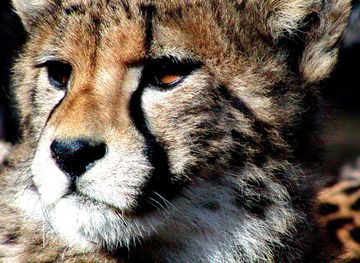
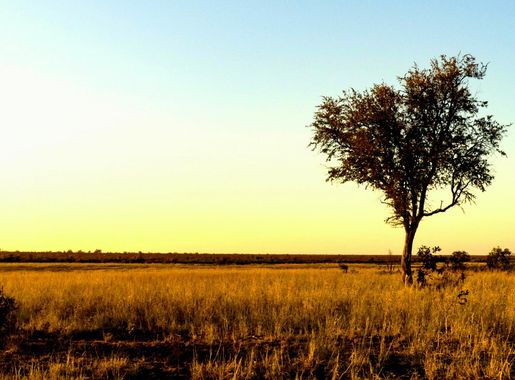
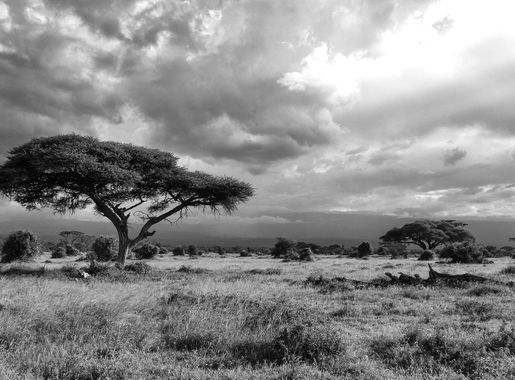
Nana-Grébizi, located in the heart of the Central African Republic, is a hidden gem waiting to be explored. This region is known for its lush landscapes, rich culture, and warm-hearted locals. As you venture through its vast savannas and dense forests, you will be greeted by a stunning array of wildlife, including elephants, gorillas, and numerous bird species. The local villages offer a unique glimpse into traditional life, where customs and traditions have remained unchanged for generations. You can witness artisanal crafts, partake in local festivals, and enjoy the vibrant music that fills the air. The people of Nana-Grébizi are known for their hospitality, making every visitor feel like a part of the community. For the adventurous, Nana-Grébizi provides opportunities for trekking, bird watching, and exploring lesser-known paths. The untouched natural beauty of this region offers a perfect escape from the hustle and bustle of modern life. Whether you are a nature lover, culture enthusiast, or simply seeking tranquility, Nana-Grébizi promises an unforgettable experience.

Know before you go
Hi, I'm Eve. Here are a few practical things to know before exploring Nana-Grébizi.
- Learn a few basic phrases in Sango, the local language, to connect better with the locals.
- Plan your visit during the dry season (December to April) for easier travel and better wildlife sightings.
- Respect local customs and traditions, especially when visiting villages and participating in festivals.
- Hire a local guide to navigate the region safely and gain deeper insights into the culture and nature.
- Carry cash, as ATMs and card facilities are rare in remote areas of Nana-Grébizi.


Best bars in Nana-Grébizi
Top-rated picks
Best Bars

Potbelly Shack Adjiringanor
Discover the vibrant culinary scene of Accra at Potbelly Shack Adjiringanor, where delicious food meets a lively atmosphere.

BELLA AFRIK Authentic Italian Restaurant & Wood Fire Pizza
Experience authentic Italian flavors with wood-fired pizzas in the heart of Accra at Bella Afrik, a culinary gem for tourists and locals.

Le Boj, Douala
Experience the vibrant flavors of Cameroon at Le Boj, Douala's premier restaurant and lounge offering a fusion of culinary delights and lively atmosphere.

Kajibange BAR & Guest House
Discover the vibrant nightlife and relaxing beachfront at Kajibange BAR & Guest House in Nungwi, Zanzibar, a perfect spot for tourists.


Best shops in Nana-Grébizi
Top-rated picks
Best Shops

African Galleria
Discover unique Tanzanian crafts and souvenirs at African Galleria, a cultural treasure in Usangi, Tanzania, perfect for every traveler.

Francopat
Explore a world of frozen delights at Francopat, Accra's premier destination for frozen food and culinary adventures.

African Shop LLC
Explore authentic African goods and vibrant culture at African Shop LLC in Deira, Dubai, a must-visit for cultural enthusiasts and souvenir seekers.

Mama Africa Gift Shop
Explore authentic Tanzanian crafts and souvenirs at Mama Africa Gift Shop - a unique destination for cultural treasures and artisanal gifts.

Explore Nana-Grébizi on the Map
A handpicked selection of must-see spots in Nana-Grébizi, mapped for you.
Nana-Grébizi Essentials
-
Nana-Grébizi is located in the northern part of the Central African Republic. The nearest international airport is Bangui M'Poko International Airport in Bangui, approximately 400 kilometers away. From Bangui, you can take a domestic flight to Kaga-Bandoro, which is the administrative center of Nana-Grébizi. Alternatively, you can travel by road, but be prepared for a long and challenging journey due to the road conditions. Hiring a 4x4 vehicle is highly recommended for road travel.
-
Within Nana-Grébizi, transportation options are limited. The most common means of getting around are motorcycles and bicycles. Taxis are scarce, and public transport is not well-developed. For exploring the region, hiring a local guide with a vehicle is advisable. Ensure that your vehicle is in good condition and carry spare parts and extra fuel, as services and fuel stations are sparse.
-
The official currency in the Central African Republic is the Central African CFA Franc (XAF). Cash is the primary mode of payment, as credit cards are rarely accepted outside major cities. It is advisable to carry sufficient cash for your entire trip. ATMs are not readily available in Nana-Grébizi, so make sure to withdraw enough money in Bangui before traveling.
-
Nana-Grébizi is generally safe for tourists, but it is important to stay vigilant. Avoid traveling after dark and stay in well-populated areas. Some parts of Nana-Grébizi have been known for occasional banditry and other crimes; always seek local advice on safe routes and areas to avoid. Keep your belongings secure and be cautious when interacting with strangers.
-
In case of an emergency, dial 117 for police assistance or 118 for medical emergencies. The nearest medical facilities are in Kaga-Bandoro, but they may be limited in resources. It is strongly recommended to have comprehensive travel insurance that includes medical evacuation. For minor health issues, carry a basic first-aid kit and necessary medications.
-
Fashion: Do dress modestly and conservatively; avoid wearing revealing clothing. Religion: Do respect local customs and religious practices. Public Transport: Do be courteous and respectful; don’t expect high standards of service. Greetings: Do greet people with a handshake or a slight bow; avoid using the left hand for greetings or giving items. Eating & Drinking: Do try local dishes and accept food graciously; don’t refuse hospitality as it is considered impolite.
-
To experience Nana-Grébizi like a local, visit local markets and interact with the vendors to learn about their products and way of life. Engage with the community by participating in traditional events and ceremonies if you have the opportunity. Hiring a local guide can enrich your experience by providing insights into the culture and history of the region. Don’t miss the chance to explore the natural beauty and wildlife of the area, but always do so with respect for the environment and local customs.
When is the best time to visit Nana-Grébizi?
Useful Local Phrases for Nana-Grébizi
You don't need to speak the language perfectly. Even learning a few simple words can make conversations warmer—and locals usually appreciate the effort.
— Eve

Here are the phrases I use most often in Nana-Grébizi. Try a few—you'll be surprised how far they go! 😊
❤️
-
- HelloMbote
[m-bo-tay] - GoodbyeTala
[ta-la] - YesEe
[ay] - NoTe
[tay] - Please/You're welcomeS'il vous plaît
[seel voo pleh] - Thank youMérci
[mehr-see] - Excuse me/SorryPardon
[par-don] - How are you?Oyo na ngana?
[oh-yo nah ngan-ah] - Fine. And you?Malamu. Na yo?
[mah-lah-moo nah yo] - Do you speak English?Ozo tala Anglè?
[oh-zo tah-lah ahn-glay] - I don't understandNani na koyi
[nah-nee nah koy-ee]
- HelloMbote
-
- I'd like to see the menu, pleaseNinɛ na yeke menyu, s'il vous plaît
[nee-neh nah yeh-keh men-you] - I don't eat meatNani na lobi nyama
[nah-nee nah loh-bee nyah-mah] - Cheers!Sawa!
[sah-wah] - I would like to pay, pleaseNinɛ na yeke kobaka, s'il vous plaît
[nee-neh nah yeh-keh koh-bah-kah]
- I'd like to see the menu, pleaseNinɛ na yeke menyu, s'il vous plaît
-
- Help!Yoka!
[yoh-kah] - Go away!Fanda!
[fahn-dah] - Call the Police!Luka polisi!
[loo-kah poh-lee-see] - Call a doctor!Luka dokita!
[loo-kah doh-kee-tah] - I'm lostNani na tindi
[nah-nee nah teen-dee] - I'm illNani na maladi
[nah-nee nah mah-lah-dee]
- Help!Yoka!
-
- I'd like to buy...Ninɛ na yeke zinga...
[nee-neh nah yeh-keh zin-gah] - I'm just lookingNani na tonga
[nah-nee nah ton-gah] - How much is it?Eki na mbongo?
[eh-kee nah m-bon-go] - That's too expensiveOyo ezali na mbongo mingi
[oh-yo eh-zah-lee nah m-bon-go min-gee] - Can you lower the price?Ozo tanga mbongo?
[oh-zo tan-gah m-bon-go]
- I'd like to buy...Ninɛ na yeke zinga...
-
- What time is it?Eki na tango?
[eh-kee nah tan-go] - It's one o'clockEki na moko
[eh-kee nah moh-koh] - Half past (10)Pakasi (10)
[pah-kah-see] - MorningMokolo
[mo-koh-loh] - AfternoonMokolo ya sika
[mo-koh-loh yah see-kah] - EveningMokolo ya butu
[mo-koh-loh yah boo-too] - YesterdayKolo ya lobi
[koh-loh yah loh-bee] - TodayLobi
[loh-bee] - TomorrowElekani
[eh-leh-kah-nee] - 1Moko
[moh-koh] - 2Mibale
[mee-bah-leh] - 3Misato
[mee-sah-toh] - 4Minene
[mee-neh-neh] - 5Mitano
[mee-tah-noh] - 6Mokolo
[mo-koh-loh] - 7Miboko
[mee-boh-koh] - 8Miboko na moko
[mee-boh-koh nah moh-koh] - 9Miboko na mibale
[mee-boh-koh nah mee-bah-leh] - 10Miboko na misato
[mee-boh-koh nah mee-sah-toh]
- What time is it?Eki na tango?
-
- Where's a/the...?Wapi na...?
[wah-pee nah] - What's the address?Eki na adresse?
[eh-kee nah ah-dress] - Can you show me (on the map)?Ozo yeke nga (na katanga)?
[oh-zo yeh-keh nah (nah kah-tan-gah)] - When's the next (bus)?Eki na tango ya (basi) ya suka?
[eh-kee nah tan-go yah (bah-see) yah soo-kah] - A ticket (to ....)Bileti (na ...)
[bee-leh-tee nah]
- Where's a/the...?Wapi na...?
History of Nana-Grébizi
-
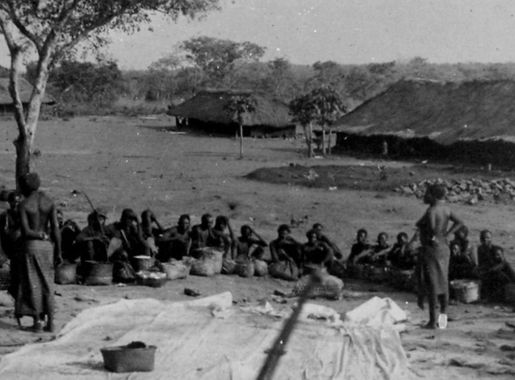
Before the arrival of European colonizers, the region now known as Nana-Grébizi was inhabited by various indigenous tribes, such as the Banda and Gbaya people. These tribes had rich traditions, complex social structures, and were engaged in agriculture, hunting, and trade. Their cultural practices, including music, dance, and oral storytelling, have been passed down through generations and still influence the region today.
-
In the late 19th century, the area came under French control as part of the larger French Equatorial Africa. The colonial period saw the exploitation of local resources and labor, leading to significant changes in the social and economic landscape of Nana-Grébizi. The French established administrative posts and introduced new crops and infrastructure, although these developments primarily served colonial interests.
-
The Central African Republic gained independence from France on August 13, 1960. Nana-Grébizi, like other regions, experienced a period of political instability and economic challenges as the new nation sought to establish its identity and governance structures. Despite these challenges, the people of Nana-Grébizi continued to maintain their cultural heritage and traditions.
-
In recent decades, Nana-Grébizi has been affected by the broader conflicts and humanitarian crises that have plagued the Central African Republic. Armed groups have periodically clashed, leading to displacement and suffering for many residents. Despite these hardships, local communities have shown resilience and efforts have been made by international organizations to provide aid and support to those in need.
-
In the face of ongoing challenges, there has been a concerted effort to revive and preserve the rich cultural heritage of Nana-Grébizi. Local and international initiatives have focused on documenting traditional practices, promoting indigenous languages, and supporting cultural festivals. These efforts aim to strengthen community identity and foster a sense of pride in the region's unique history and traditions.
Neighbouring Regions of Nana-Grébizi
The closest regions to Nana-Grébizi, if you have time for more than one.




Your all‑in‑one travel companion app
Explore expert travel guides, compare and book tours, experiences, hotels, and more—all from the palm of your hand. Download now for seamless trip planning wherever your wanderlust takes you.


Explore More of Central African Republic

Looking beyond Nana-Grébizi? Discover Central African Republic for broader travel guides, local hot-spots, and regional highlights.
Explore Central African RepublicNana-Grébizi in Photos
Browse through our photo collection highlighting the charm and character of the destination.





The Untouched Beauty of Nana-Grébizi
Nana-Grébizi, located in the heart of the Central African Republic, is a hidden gem waiting to be explored. This region is known for its lush landscapes, rich culture, and warm-hearted locals. As you venture through its vast savannas and dense forests, you will be greeted by a stunning array of wildlife, including elephants, gorillas, and numerous bird species. The local villages offer a unique glimpse into traditional life, where customs and traditions have remained unchanged for generations. You can witness artisanal crafts, partake in local festivals, and enjoy the vibrant music that fills the air. The people of Nana-Grébizi are known for their hospitality, making every visitor feel like a part of the community. For the adventurous, Nana-Grébizi provides opportunities for trekking, bird watching, and exploring lesser-known paths. The untouched natural beauty of this region offers a perfect escape from the hustle and bustle of modern life. Whether you are a nature lover, culture enthusiast, or simply seeking tranquility, Nana-Grébizi promises an unforgettable experience.