
Haute-Kotto, Central African Republic Travel Guide
Explore the untouched wilderness and rich cultural heritage of Haute-Kotto, Central African Republic, where adventure and serenity await in equal measure.
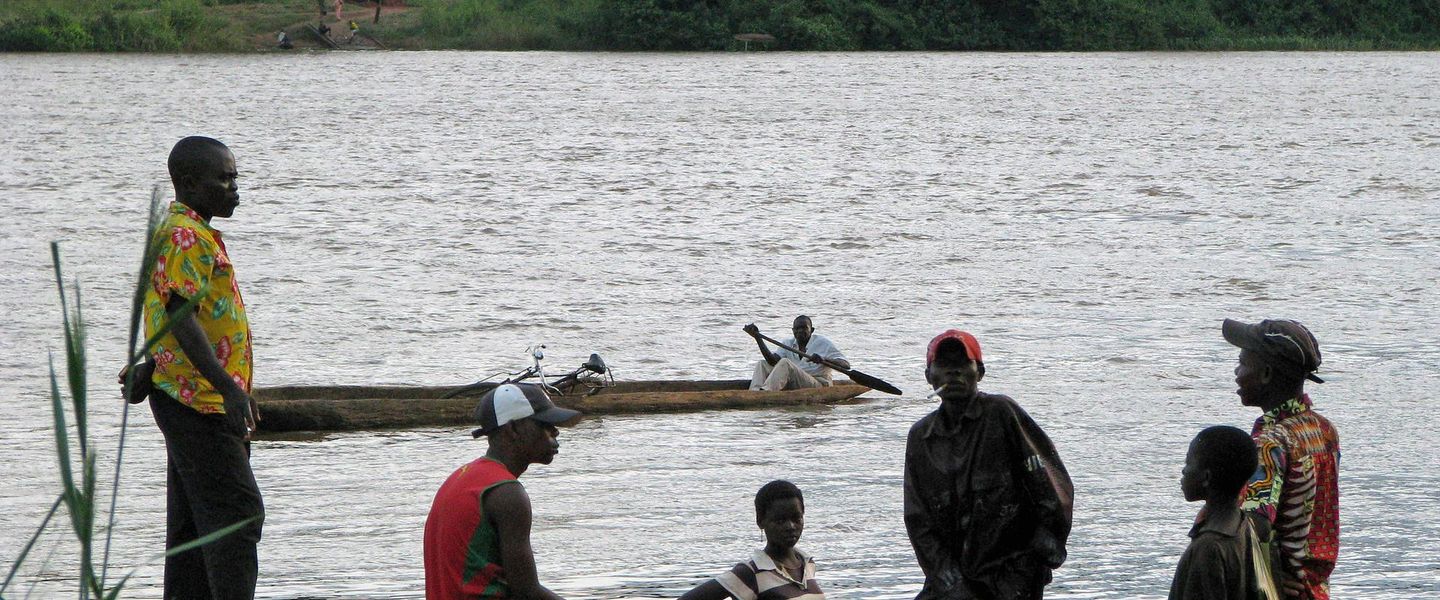
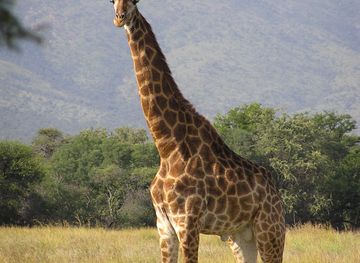
Haute-Kotto, located in the heart of the Central African Republic, is a hidden gem waiting to be explored by adventurous travelers. This region is famous for its vast, untouched wilderness, making it a paradise for nature enthusiasts and wildlife lovers. Haute-Kotto offers a unique chance to experience the rich biodiversity of the Central African Republic with its lush forests, rolling savannahs, and diverse wildlife. Visitors to Haute-Kotto can embark on thrilling safaris to spot elephants, lions, and other majestic creatures in their natural habitats. The region is also home to many indigenous communities, where tourists can immerse themselves in local cultures and traditions. The welcoming locals are eager to share their stories, arts, and crafts, providing a deeper understanding of the region’s cultural heritage. For those seeking adventure, Haute-Kotto offers numerous outdoor activities such as hiking, bird watching, and river expeditions. The region's stunning landscapes and serene environment provide the perfect backdrop for a memorable journey. Whether you're an avid explorer or simply looking to unwind in nature, Haute-Kotto promises an unforgettable experience.

Know before you go
Hi, I'm Eve. Here are a few practical things to know before exploring Haute-Kotto.
- Hire a local guide for safaris to ensure a safe and enriching experience.
- Visit during the dry season (December to February) for the best wildlife sightings.
- Pack lightweight, breathable clothing and insect repellent due to the tropical climate.
- Respect local customs and traditions when visiting indigenous communities.
- Carry cash as ATMs and card facilities are limited in remote areas.


Best bars in Haute-Kotto
Top-rated picks
Best Bars

Sewa Bar
Experience the vibrant nightlife at Sewa Bar in Bangui, where refreshing drinks and lively music create an unforgettable evening.

Le Balafon
Discover the vibrant nightlife of Bangui at Le Balafon, a bar where locals and tourists mingle over drinks and live music.

The Toppings
Discover a culinary gem in Bambari at The Toppings, where local flavors meet international cuisine in a warm and inviting atmosphere.

La Verdure
Experience the vibrant atmosphere of La Verdure, a charming bar in Bangui where fun and friendship come together.


Best shops in Haute-Kotto
Top-rated picks
Best Shops

Bangui Mall
Experience the vibrant shopping and dining scene at Bangui Mall, where Central African culture meets modern retail therapy in the heart of Bangui.

Corail
Experience the heart of Bangui through the delicious offerings at Corail Grocery Store, where local flavors and fresh produce await.

Chutes de Boali
Discover the breathtaking beauty of Chutes de Boali, a stunning waterfall in the heart of the Central African Republic, perfect for adventure and relaxation.

Sangha Lodge
Discover tranquility and adventure at Sangha Lodge, where nature meets comfort in the heart of Djomo's lush forests.

Explore Haute-Kotto on the Map
A handpicked selection of must-see spots in Haute-Kotto, mapped for you.
Haute-Kotto Essentials
-
Haute-Kotto is located in the northeastern part of the Central African Republic. The closest major airport is in Bangui, the capital city. From Bangui, you can travel to Haute-Kotto by road, which can take approximately 10-12 hours depending on road conditions. It is advisable to hire a 4x4 vehicle for the journey due to the rough terrain. Alternatively, you can charter small aircraft to reach Haute-Kotto, though this is a more expensive option.
-
Within Haute-Kotto, transportation options are limited. The most common methods of getting around are by foot, bicycle, or motorbike. Taxis and private car hires are available but can be expensive. For longer distances within the area, hiring a local guide with a vehicle is recommended to navigate the challenging roads and to ensure safety.
-
The official currency is the Central African CFA Franc (XAF). Credit card facilities are extremely limited in Haute-Kotto, so it is essential to carry sufficient cash. ATMs are scarce and often unreliable. It is advisable to withdraw enough money in Bangui before traveling to Haute-Kotto. Local markets and smaller establishments only accept cash payments.
-
Safety is a significant concern in Haute-Kotto. The region has experienced conflicts and there are areas with high crime rates, particularly in remote or less populated areas. It is crucial to stay informed about the current security situation and to avoid traveling alone, especially after dark. Hiring a local guide or traveling in groups is recommended. Always check for travel advisories from your country’s foreign office before traveling.
-
In case of emergency, contact the local authorities or visit the nearest police station. The emergency phone number in the Central African Republic is 117 for police and 118 for medical emergencies. Medical facilities in Haute-Kotto are limited, so it is vital to have comprehensive travel insurance that includes medical evacuation. For minor health issues, carry a first aid kit and any necessary medications.
-
Fashion: Do dress modestly out of respect for local customs. Avoid wearing flashy jewelry or expensive clothing. Religion: Do respect local religious practices and dress appropriately when visiting religious sites. Public Transport: Do be patient, as public transport can be infrequent and crowded. Don’t rely solely on public transport for long-distance travel. Greetings: Do greet people with a handshake and a friendly smile. Learning a few phrases in Sango or French can be appreciated. Eating & Drinking: Do try local dishes and accept food offerings graciously. Don’t drink tap water; always opt for bottled water.
-
To experience Haute-Kotto like a local, visit the local markets where you can find fresh produce and handmade crafts. Engaging with locals and showing interest in their culture can be rewarding. Participate in traditional festivities if the opportunity arises. Exploring the natural landscapes, such as the Chinko Nature Reserve, can provide a unique and authentic experience.
When is the best time to visit Haute-Kotto?
Useful Local Phrases for Haute-Kotto
You don't need to speak the language perfectly. Even learning a few simple words can make conversations warmer—and locals usually appreciate the effort.
— Eve

Here are the phrases I use most often in Haute-Kotto. Try a few—you'll be surprised how far they go! 😊
❤️
-
- HelloMbote
[m-bo-tay] - GoodbyeNa ndolo
[nah n-doh-loh] - YesEe
[ay] - NoTe
[tay] - Please/You're welcomeS'il vous plaît
[seel voo pleh] - Thank youMokili
[mo-kee-lee] - Excuse me/SorryMokolo
[mo-koh-loh] - How are you?Oyo na nga?
[oh-yoh nah ngah] - Fine. And you?Nzoni. Na yo?
[nzoh-nee nah yoh] - Do you speak English?Oyo na linga Anglè?
[oh-yoh nah leen-gah ahn-glay] - I don't understandNani na linga
[nah-nee nah leen-gah]
- HelloMbote
-
- I'd like to see the menu, pleaseNani na linga kombo ya menu, s'il vous plaît
[nah-nee nah leen-gah kohm-bo yah meh-noo, seel voo pleh] - I don't eat meatNani te linga nyama
[nah-nee tay leen-gah nyah-mah] - Cheers!Tango!
[tahn-go] - I would like to pay, pleaseNani na linga peya, s'il vous plaît
[nah-nee nah leen-gah pay-yah, seel voo pleh]
- I'd like to see the menu, pleaseNani na linga kombo ya menu, s'il vous plaît
-
- Help!Tango!
[tahn-go] - Go away!Enda!
[en-dah] - Call the Police!Kanga Polisi!
[kan-gah poh-lee-see] - Call a doctor!Kanga doktori!
[kan-gah dok-toh-ree] - I'm lostNani na linga wala
[nah-nee nah leen-gah wah-lah] - I'm illNani na linga maladi
[nah-nee nah leen-gah mah-lah-dee]
- Help!Tango!
-
- I'd like to buy...Nani na linga zinga...
[nah-nee nah leen-gah zing-ah] - I'm just lookingNani te kombo
[nah-nee tay kohm-bo] - How much is it?Oyo na ngana?
[oh-yoh nah ngah-nah] - That's too expensiveOyo te mabe
[oh-yoh tay mah-beh] - Can you lower the price?Oyo na linga bonga nzela?
[oh-yoh nah leen-gah bon-gah n-zeh-lah]
- I'd like to buy...Nani na linga zinga...
-
- What time is it?Oyo na ngana ya tempo?
[oh-yoh nah ngah-nah yah tem-poh] - It's one o'clockNa moko ya tempo
[nah moh-koh yah tem-poh] - Half past (10)Nzala ya (10)
[n-zah-lah yah (10)] - MorningBokoko
[bo-koh-koh] - AfternoonMokolo
[mo-koh-loh] - EveningMokolo ya nsuka
[mo-koh-loh yah n-soo-kah] - YesterdayLuka
[loo-kah] - TodayLobi
[loh-bee] - TomorrowNdeko
[n-deh-koh] - 1Moko
[moh-koh] - 2Mbale
[m-bah-leh] - 3Mokota
[moh-koh-tah] - 4Nne
[n-neh] - 5Tano
[tah-noh] - 6Sita
[see-tah] - 7Saba
[sah-bah] - 8Nane
[nah-neh] - 9Tisa
[tee-sah] - 10Kumi
[koo-mee]
- What time is it?Oyo na ngana ya tempo?
-
- Where's a/the...?Oyo na wapi...?
[oh-yoh nah wah-pee] - What's the address?Oyo na ngana ya adrese?
[oh-yoh nah ngah-nah yah ah-dray-say] - Can you show me (on the map)?Oyo na linga yoka nga (na map)?
[oh-yoh nah leen-gah yo-kah ngah nah mahp] - When's the next (bus)?Oyo na ngana ya (bus) ya nsuka?
[oh-yoh nah ngah-nah yah (bus) yah n-soo-kah] - A ticket (to ....)Tiketi (ya ...)
[tee-keh-tee yah ...]
- Where's a/the...?Oyo na wapi...?
History of Haute-Kotto
-
Long before the arrival of European colonizers, the region now known as Haute-Kotto was home to various indigenous groups, including the Banda and Zande peoples. These communities were skilled in agriculture, hunting, and ironworking, which played a crucial role in their daily lives and trade. The area was part of a complex web of trade routes that connected Central Africa with the wider continent.
-
In the late 19th century, the Scramble for Africa saw European powers carve up the continent for their own interests. The region of Haute-Kotto fell under French control as part of the colony of Ubangi-Shari, which later became the Central African Republic. During this period, the French established administrative centers and imposed new systems of governance and taxation that significantly disrupted the local way of life.
-
During the colonial period, Haute-Kotto became a significant site for the extraction of rubber and ivory. These commodities were highly prized in Europe and led to the exploitation and suffering of the local population. Forced labor was common, and many people were displaced from their traditional lands. This period left a lasting impact on the social and economic structures of the region.
-
The mid-20th century saw a wave of independence movements across Africa, and the Central African Republic was no exception. Haute-Kotto played a role in the broader national struggle for independence, which was achieved in 1960. The region, like the rest of the country, faced the challenges of transitioning from colonial rule to self-governance.
-
After gaining independence, Haute-Kotto, along with the rest of the Central African Republic, experienced political instability and economic challenges. The region has faced numerous conflicts, including coups and civil wars, which have hindered development. Despite these difficulties, the resilient spirit of the local communities remains a defining feature of Haute-Kotto.
-
Haute-Kotto is rich in cultural heritage, with a diverse mix of ethnic groups that each bring their own customs and traditions. Festivals, music, dance, and traditional craftsmanship are integral parts of the local culture. The region is known for its vibrant markets, where artisans sell handcrafted goods, and for its traditional ceremonies that celebrate important life events and seasonal changes.
-
The region of Haute-Kotto is blessed with stunning natural landscapes, including dense forests, rolling savannas, and winding rivers. It is home to a diverse array of wildlife, making it a fascinating destination for nature enthusiasts. Conservation efforts are ongoing to protect the unique flora and fauna of the area, which are an essential part of the local identity and economy.
Neighbouring Regions of Haute-Kotto
The closest regions to Haute-Kotto, if you have time for more than one.



Your all‑in‑one travel companion app
Explore expert travel guides, compare and book tours, experiences, hotels, and more—all from the palm of your hand. Download now for seamless trip planning wherever your wanderlust takes you.


Explore More of Central African Republic

Looking beyond Haute-Kotto? Discover Central African Republic for broader travel guides, local hot-spots, and regional highlights.
Explore Central African RepublicHaute-Kotto in Photos
Browse through our photo collection highlighting the charm and character of the destination.


Discover the Wild Beauty of Haute-Kotto
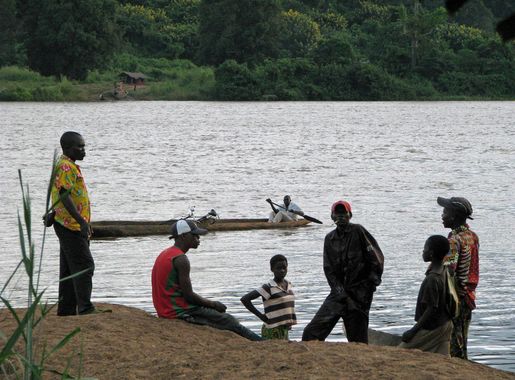
Haute-Kotto, located in the heart of the Central African Republic, is a hidden gem waiting to be explored by adventurous travelers. This region is famous for its vast, untouched wilderness, making it a paradise for nature enthusiasts and wildlife lovers. Haute-Kotto offers a unique chance to experience the rich biodiversity of the Central African Republic with its lush forests, rolling savannahs, and diverse wildlife. Visitors to Haute-Kotto can embark on thrilling safaris to spot elephants, lions, and other majestic creatures in their natural habitats. The region is also home to many indigenous communities, where tourists can immerse themselves in local cultures and traditions. The welcoming locals are eager to share their stories, arts, and crafts, providing a deeper understanding of the region’s cultural heritage. For those seeking adventure, Haute-Kotto offers numerous outdoor activities such as hiking, bird watching, and river expeditions. The region's stunning landscapes and serene environment provide the perfect backdrop for a memorable journey. Whether you're an avid explorer or simply looking to unwind in nature, Haute-Kotto promises an unforgettable experience.