

Free Vakaga Travel Guide & Mobile App
Explore Vakaga with free travel guides. Discover regional history, expert tips, proposed trips, and audio guides on web or mobile app.


Vakaga in the Central African Republic offers remote Sahelian landscapes, cross-border cultures and wildlife country, but requires exceptional security planning.
Read more about Vakaga
When is the best time to visit Vakaga?
Best: November–January · 27–29°C| Month | High (°C) | Rainfall (mm) |
|---|---|---|
| January (best) | 29 | 1 |
| February | 31 | 2 |
| March | 34 | 6 |
| April | 35 | 8 |
| May | 34 | 10 |
| June | 32 | 12 |
| July | 31 | 12 |
| August | 31 | 12 |
| September | 31 | 11 |
| October | 31 | 9 |
| November (best) | 29 | 6 |
| December (best) | 27 | 4 |
Getting to and around Vakaga
How to get there
Transportation
Explore Vakaga on the map
Plan your trip on one map. See where the top cities, national parks and sights are, and book hotels and experiences in a few clicks.
Best hotels in Vakaga
Best bars in Vakaga
Vakaga has no dependable nightlife industry comparable to that of a capital or established tourist centre. In Birao, evening social life is likely to centre on family compounds, community gatherings and informal conversation rather than advertised bars, clubs or live-music venues. Alcohol availability, licensing and social conventions vary, and visitors should follow the guidance of trusted local hosts, especially in communities where Muslim traditions have a strong presence. Night-time movement is particularly inadvisable because insecurity, poor lighting, limited communications and a lack of emergency response create serious risks. Organisations with a presence in the prefecture may have controlled social facilities, but these are not public visitor venues and should never be assumed to welcome unannounced guests. Vakaga should be approached as a security-sensitive field environment, not as a destination for after-dark entertainment.
-
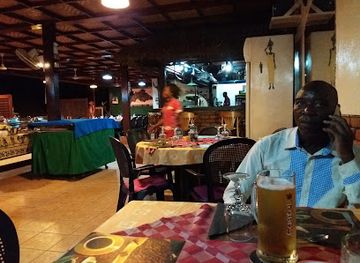
Restaurant
Le Boj, Douala
Discover the exquisite flavors and vibrant ambiance at Le Boj, Douala's top restaurant and lounge offering a unique culinary experience.
-
Restaurant
Relais des Chasses
Discover the flavors of Central Africa at Relais des Chasses, a unique restaurant and bed & breakfast in the heart of Bangui.
-
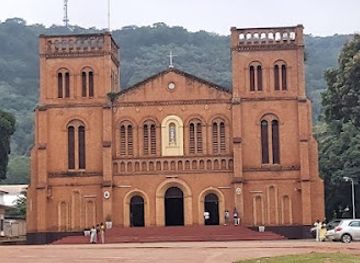
Cathedral
Notre-Dame of Bangui Cathedral
Experience the breathtaking Notre-Dame of Bangui Cathedral, a symbol of faith and resilience in the heart of Central African Republic.
-
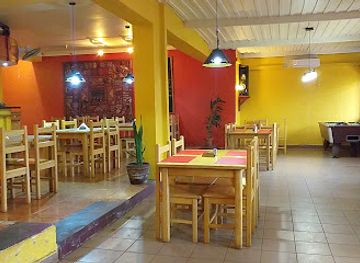
Restaurant
5 FOURCHETTES
Experience the vibrant flavors of Central African cuisine at 5 FOURCHETTES, a top-rated restaurant in Bangui renowned for its authentic dishes and warm atmosphere.

Best shops in Vakaga
Shopping in Vakaga is chiefly local and practical, centred on markets and informal trading rather than permanent retail districts. Birao is the main place to look for basic provisions, household goods, clothing, livestock-related items and products brought through cross-border exchange, but stock, prices and opening arrangements can change sharply. Visitors should not expect established craft galleries, branded shops, reliable souvenir outlets or extensive choice. Locally made textiles, woven items, leatherwork or household objects may be available, although provenance and availability vary and purchases should be made respectfully through trusted intermediaries. Carry sufficient cash in Central African CFA francs because electronic payment facilities are unlikely to function. Do not photograph sellers or stalls without consent, bargain aggressively in circumstances where livelihoods are fragile, or buy protected wildlife products, antiquities or objects that may have been taken from archaeological or religious contexts.
-
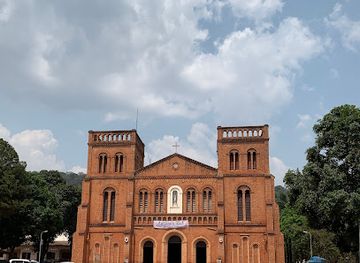
Cathedral
Notre-Dame of Bangui Cathedral
Discover the stunning Notre-Dame of Bangui Cathedral, a magnificent blend of modern and traditional architecture in the heart of Central African Republic.
-
Women's clothing store
Gina Lavetti's Jeans
Experience unparalleled denim fashion at Gina Lavetti's Jeans in Djikouba, offering unique styles for every woman looking to enhance her wardrobe.
-
Shopping mall
Bangui Mall
Explore Bangui Mall - the vibrant shopping haven in the heart of Central African Republic with local crafts, international brands, and delightful dining options.
-
Grocery store
Corail
Experience the vibrant local culture and flavors at Corail, Bangui's beloved grocery store offering fresh produce and traditional snacks.

Get your free copy of our complete guide to Vakaga, delivered straight to you.
Everything on this page, from attractions and restaurants to essentials and local phrases, in one PDF you can read offline, print or share.
Already have an account? Sign in
Your Vakaga guide is ready.
We'll send it to · Not you? Sign out

Getting your guide ready…
We are putting together a fresh copy of the Vakaga guide. This can take up to a minute.
This can take a few moments. If your browser asks, choose Allow so the download can start. You'll find the guide in your Downloads folder.
Nothing happened? Download it again
Sorry, the guide is taking longer than usual. Please try again in a minute, or get it by email instead.
Vakaga essentials
Currency and Payment
Safety
Emergency Situations
Do's and Don'ts
Local Tips
From Eve
Local phrases worth knowing
You don't need to get them perfect. A few words go a long way, and locals appreciate the effort.
Basics
| English | Local | Say it |
|---|---|---|
| Hello | Bonjour | [bɔ̃ʒuʁ] |
| Goodbye | Au revoir | [o ʁəvwaʁ] |
| Yes | Oui | [wi] |
| No | Non | [nɔ̃] |
| Please/You're welcome | S'il vous plaît | [sil vu ple] |
| Thank you | Merci | [mɛʁsi] |
| Excuse me/Sorry | Excusez-moi | [ɛkskyze mwa] |
| How are you? | Comment ça va? | [kɔmɑ̃ sa va] |
| Fine. And you? | Bien. Et vous? | [bjɛ̃ e vu] |
| Do you speak English? | Parlez-vous anglais? | [paʁle vu ɑ̃ɡlɛ] |
| I don't understand | Je ne comprends pas | [ʒə nə kɔ̃pʁɑ̃ pa] |
Eating & Drinking
| English | Local | Say it |
|---|---|---|
| I'd like to see the menu, please | Je voudrais voir le menu, s'il vous plaît | [ʒə vudʁɛ vwaʁ lə məny, sil vu ple] |
| I don't eat meat | Je ne mange pas de viande | [ʒə nə mɑ̃ʒ pa də vjɑ̃d] |
| Cheers! | Santé! | [sɑ̃te] |
| I would like to pay, please | Je voudrais payer, s'il vous plaît | [ʒə vudʁɛ peje, sil vu ple] |
Emergencies
| English | Local | Say it |
|---|---|---|
| Help! | Au secours! | [o səkuʁ] |
| Go away! | Allez-vous-en! | [ale vu zɑ̃] |
| Call the Police! | Appelez la police! | [aple la pɔlis] |
| Call a doctor! | Appelez un docteur! | [aple œ̃ dɔktœʁ] |
| I'm lost | Je suis perdu | [ʒə sɥi pɛʁdy] |
| I'm ill | Je suis malade | [ʒə sɥi malad] |
Shopping
| English | Local | Say it |
|---|---|---|
| I'd like to buy... | Je voudrais acheter... | [ʒə vudʁɛ aʃte] |
| I'm just looking | Je regarde juste | [ʒə ʁəɡaʁd ʒyst] |
| How much is it? | C'est combien? | [se kɔ̃bjɛ̃] |
| That's too expensive | C'est trop cher | [se tʁo ʃɛʁ] |
| Can you lower the price? | Pouvez-vous baisser le prix? | [puve vu bɛse lə pʁi] |
Time & Numbers
| English | Local | Say it |
|---|---|---|
| What time is it? | Quelle heure est-il? | [kɛl œʁ ɛ t'il] |
| It's one o'clock | Il est une heure | [il ɛ yn œʁ] |
| Half past (10) | Dix heures et demie | [di zœʁ e dəmi] |
| Morning | Matin | [matɛ̃] |
| Afternoon | Après-midi | [apʁɛ midi] |
| Evening | Soir | [swaʁ] |
| Yesterday | Hier | [jɛʁ] |
| Today | Aujourd'hui | [oʒuʁdɥi] |
| Tomorrow | Demain | [dəmɛ̃] |
| 1 | Un | [œ̃] |
| 2 | Deux | [dø] |
| 3 | Trois | [tʁwa] |
| 4 | Quatre | [katʁ] |
| 5 | Cinq | [sɛ̃k] |
| 6 | Six | [si] |
| 7 | Sept | [sɛt] |
| 8 | Huit | [ɥit] |
| 9 | Neuf | [nœf] |
| 10 | Dix | [di] |
Transport & Directions
| English | Local | Say it |
|---|---|---|
| Where's a/the...? | Où est ... ? | [u ɛ ... ?] |
| What's the address? | Quelle est l'adresse? | [kɛl ɛ ladʁɛs] |
| Can you show me (on the map)? | Pouvez-vous me montrer (sur la carte)? | [puve vu mə mɔ̃tʁe (syʁ la kaʁt)] |
| When's the next (bus)? | Quand est le prochain (bus)? | [kɑ̃ ɛ lə pʁɔʃɛ̃ (bys)] |
| A ticket (to ....) | Un billet (pour ...) | [œ̃ bijɛ (puʁ ...)] |
History of Vakaga
Sahelian Trade and Regional Sultanates
Before modern national borders, the area now called Vakaga formed part of a wider eastern Sahelian world linked by pastoral movement, caravan trade and Islamic political networks. Communities in the region maintained relationships with territories now in Chad and Sudan, while goods, religious ideas and languages travelled across the savanna. Political authority was exercised through local chiefs and sultanates rather than through the boundaries of the present Central African Republic. The legacy of these connections remains visible in cross-border commerce, cultural affinities and the region’s predominantly Sahelian orientation.
Nineteenth-Century Borderland Transformations
During the nineteenth century, political power in the eastern Sahel shifted through rivalry among local rulers, expanding sultanates, slave-raiding systems and commercial networks connected to Darfur and the Chad Basin. The precise reach of individual authorities varied over time, and modern descriptions should not treat the present prefecture as a fixed historical kingdom. Nevertheless, these changes affected settlement patterns, security and migration across the territory. Communities in Vakaga experienced the consequences of wider regional politics long before European colonial rule established its own administrative divisions.
French Colonial Administration
France incorporated the territory into its equatorial colonial possessions during the early twentieth century, eventually administering it within Ubangi-Shari, the colony that later became the Central African Republic. Colonial officials mapped and governed a vast area with limited infrastructure, relying on posts, taxation and local intermediaries. The boundaries drawn during this period divided older social and economic networks between French-controlled territory and neighbouring Chad and Sudan. Roads and public services remained sparse in the far north, a pattern that continued to influence Vakaga after independence.
Independence and Peripheral Development
The Central African Republic became independent in 1960, but successive governments struggled to maintain effective administration across the country’s remote northern and eastern regions. Vakaga’s distance from Bangui, weak transport links and limited state services contributed to its peripheral position. Livestock keeping, seasonal cultivation and informal cross-border trade remained central to local livelihoods. National political instability periodically affected the prefecture, while disturbances in Chad and Sudan added further pressure to an already fragile border environment.
Conflict, Displacement and Armed Groups
From the late twentieth century onwards, conflict in the Central African Republic and neighbouring states repeatedly disrupted Vakaga. Armed groups, banditry, communal tensions and the movement of refugees and displaced people affected roads, markets and pastoral routes. Birao and surrounding settlements have at times been exposed to fighting and insecurity. These events have damaged public infrastructure and restricted humanitarian access, making the prefecture’s contemporary history inseparable from wider regional crises rather than from tourism development.
Contemporary Peace Efforts and Continuing Fragility
Peace initiatives, including the 2019 Political Agreement for Peace and Reconciliation in the Central African Republic, sought to reduce violence through political dialogue and commitments by armed movements. Implementation has been uneven, and the security situation in Vakaga continues to depend on local developments, relations between armed actors and conditions across the borders. International and humanitarian organisations have played important roles in providing assistance, but ordinary travel remains highly constrained. The region’s modern transformation is therefore defined as much by efforts to restore administration and services as by economic growth.
Vakaga in Photos
Browse through our photo collection highlighting the charm and character of the destination.
Neighbouring regions of Vakaga
The closest regions to Vakaga, if you have time for more than one.
-

-

-

-

-


Swipe for more regions
Explore more

Explore more of Central African Republic
Explore the Central African Republic: A land of untamed wilderness, rich culture, and unforgettable adventures in the heart of Africa.
Explore Central African Republic